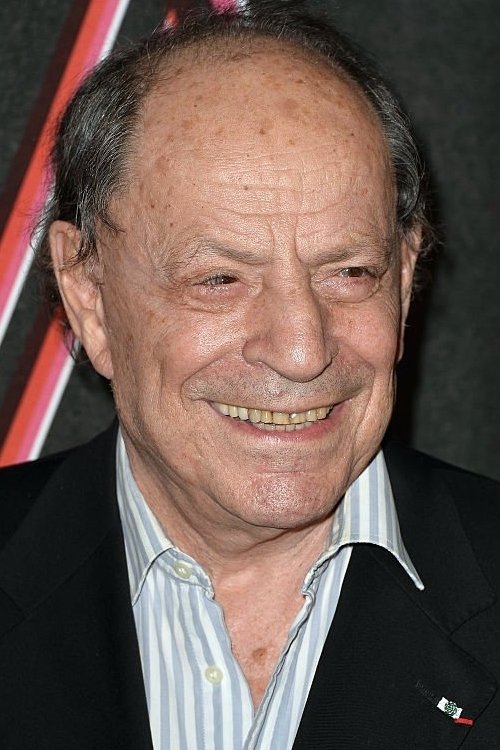
Charles Dumont
Sound · b. 1929 · Cahors, Lot, France
Charles Dumont (born March 26, 1929 in Cahors, (Lot, France)), is a French singer and composer. Dumont is best remembered for writing or co-writing over 30 of the most well-known songs recorded by singer Édith Piaf, including Non, je ne regrette rien. He wrote songs until the 1960s, sometimes under an alias, for Dalida, Gloria Lasso, Luis Mariano and Tino Rossi. He worked with lyricist Michel Vaucaire. In 1956 they wrote Non, je ne regrette rien, recorded in 1960 by Édith Piaf. That led to more than 30 songs for her, such as Flonflons du Bal, Mon Dieu and Les Amants which Piaf and Dumont wrote and sang together in 1962. Dumont tells in the book Édith Piaf, Opinions publiques, by Bernard Marchois (TF1 Editions 1995), that Michel Vaucaire's original title was "Non, je ne trouverai rien" (No, I will not find anything) and that the song was meant for the popular French singer Rosalie Dubois. But, thinking of Édith, he changed the title to "Non, je ne regrette rien" (No, I Regret Nothing). According to journalist Jean Noli, in his book Édith (Éditions Stock 1973), when Charles Dumont and Michel Vaucaire visited Piaf's home at Boulevard Lannes in Paris, on 24 October 1960, she received them in a very impolite and unfriendly manner. Dumont had several times tried to offer Piaf his compositions, but she disliked them and had refused them – the standard was too low, according to her. On that day she was furious that her housekeeper Danielle had arranged a meeting with the two men without informing her. So she let them wait an hour in her living room before she appeared. "As you can see I am extremely tired", she said to them, very irritated. "Hurry up, only one song! Quick to the piano, go ahead!" she commanded. Nervous and perspiring, Dumont sang the song in a low voice. When he finished there was a big silence, as they waited for Piaf's verdict. "Will you sing it again?" asked Piaf in a sharp voice. When he was hardly halfway through, she interrupted him. "Formidable! [Fantastic!]" she exclaimed. "Formidable. This is the song I have been waiting for. It will be my biggest success! I want it for my coming performance at L'Olympia!" Vaucaire, delighted, replied, "Of course, Édith, the song is yours". Piaf dedicated her recording of the song to the French Foreign Legion. At the time of the recording, France was engaged in a military conflict, the Algerian War (1954–1962), and the 1st REP (1st Foreign Parachute Regiment)—which backed the failed 1961 putsch against president Charles de Gaulle and the civilian leadership of Algeria—adopted the song when their resistance was broken. The leadership of the Regiment was arrested and tried but the non-commissioned officers, corporals and Legionnaires were assigned to other Foreign Legion formations. They left the barracks singing the song, which has now become part of the French Foreign Legion heritage and is sung when they are on parade. Piaf's death in 1963 led him to work with Jacques Brel, writing Je m'en remets à toi in 1964, and to writing songs for television shows such as Michel Vaillant in 1967, and cinema, Trafic by Jacques Tati in 1971. ... Source: Article "Charles Dumont (singer)" from Wikipedia in English, licensed under CC-BY-SA 3.0.
Series12
 TV5.7Talk Show
Sacrée soirée
1987 · 5 votes
 TV6.8Talk Show
Champs-Elysées
1982 · 9 votes
 TV9.0Reality
Midi Première is a French variety show presented by Danièle Gilbert, directed by Jacques Pierre and broadcast from January 6, 1975 until January 1, 1982 on TF1. The program was generally broadcast between 12:15 p.m. and 12:55 p.m., then giving way to the 1:00 p.m. TV news. However, the broadcast schedule could change, depending on the guests, and the setting where the recording of the program was shot. Certain performances by artists who have become cult like the one where Ringo jostles with a demonstrator in interpretation (1977), that of Dalida with the title There is always a song with the soundtrack that does not start, twice, at the right speed (1978), Claude François and his Clodettes, who, in the provinces, are unable to join "the set" in order to interpret his song, the latter being taken by the crowd of delirious fans (summer 1977) . The group Supertramp performed there with the title "Dreamer" on March 8, 1975.
Midi Première
1975 · 2 votes
 TV6.0Talk Show
A talk show presented by Michel Drucker
Les Rendez-vous du dimanche
1975 · 2 votes
 TVTalk Show
 TV8.0Talk ShowNews
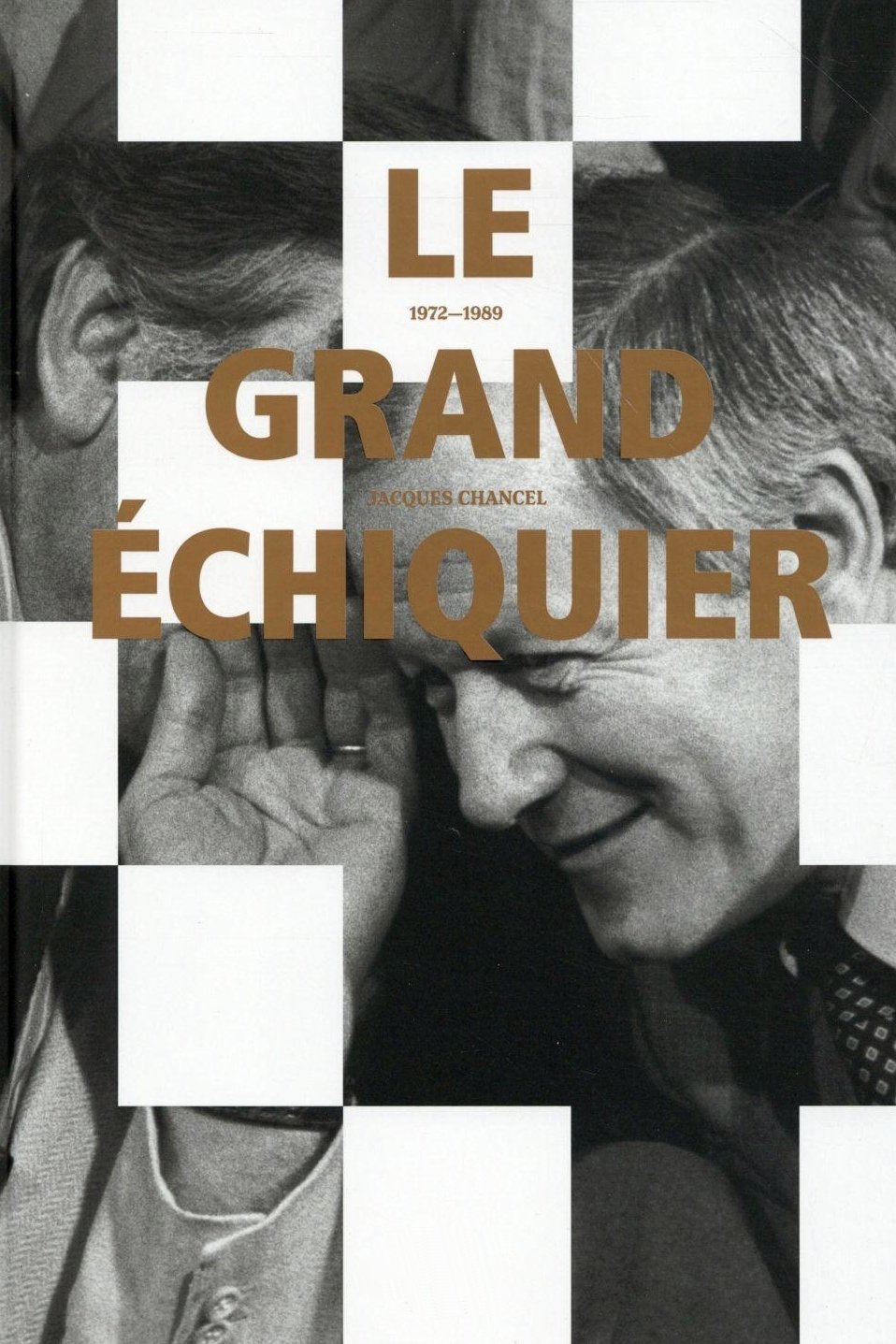
Le Grand Échiquier is a French variety television program created and presented by Jacques Chancel. It aired at 8:30 pm on the first channel of the ORTF from January 12, 1972 to July 12, 1972, then on the second color channel of the ORTF from September 1972 to December 1974, and finally on Antenne 2 from January 1975 to December 21, 1989. The program returned to France 2 on December 20, 2018 and is hosted by Anne-Sophie Lapix.
Le Grand Échiquier
1972 · 3 votes
 TV6.0Reality
Midi trente
1972 · 1 votes
 TV6.5Reality
La Chance aux chansons
1984 · 2 votes
 TV6.2Documentary
30 millions d'amis
1976 · 3 votes
 TV5.0
TV5.0Téléthon
1987 · 1 votes
 TV8.0Documentary
À bout portant
1968 · 1 votes
 TVTalk Show
Movies3
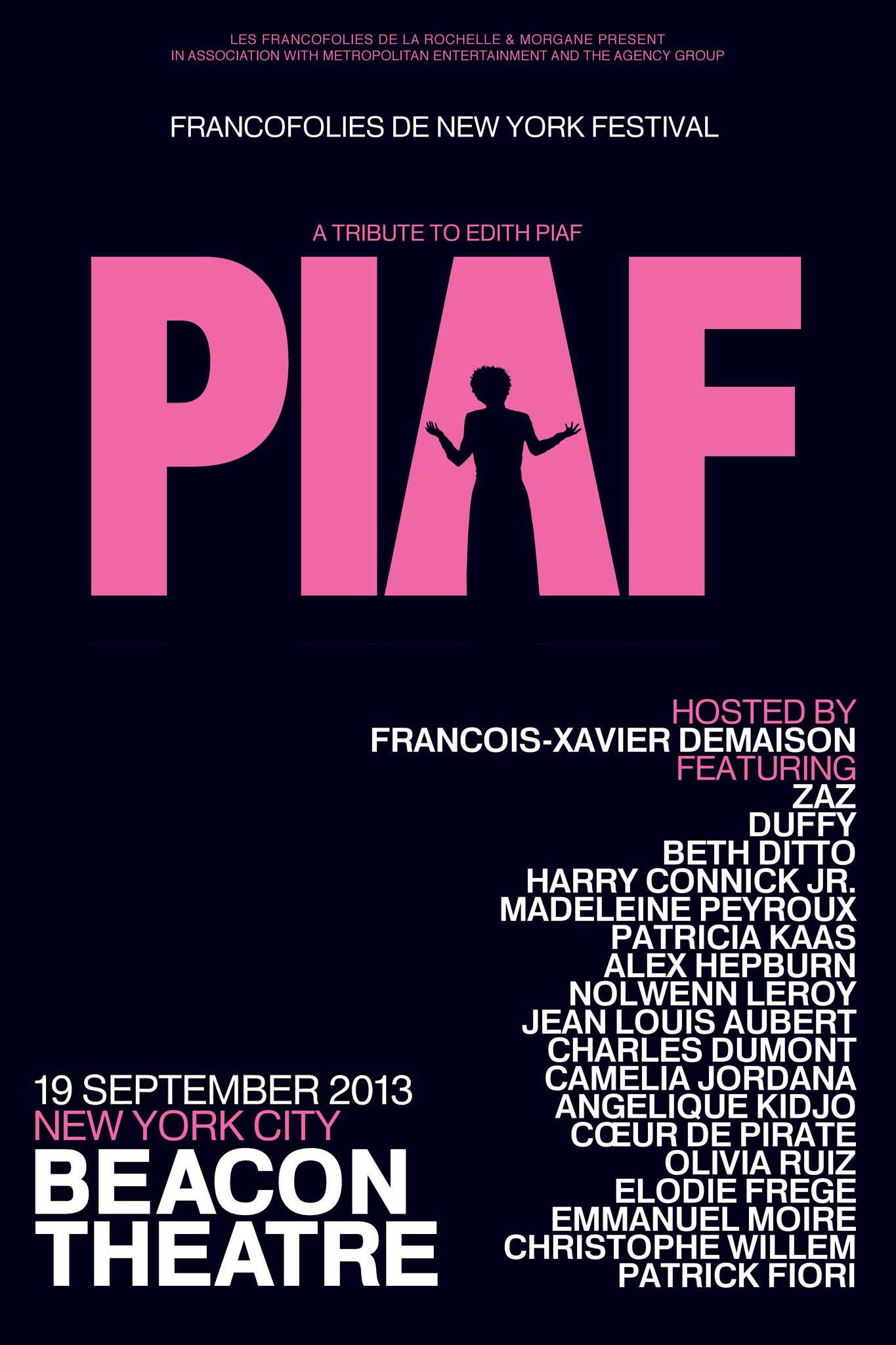 Movie10.0FamilyMusic
A tribute to Edith Piaf, live from New York's Beacon Theatre.
Piaf: Hymnes à la Môme
2013 · 1 votes
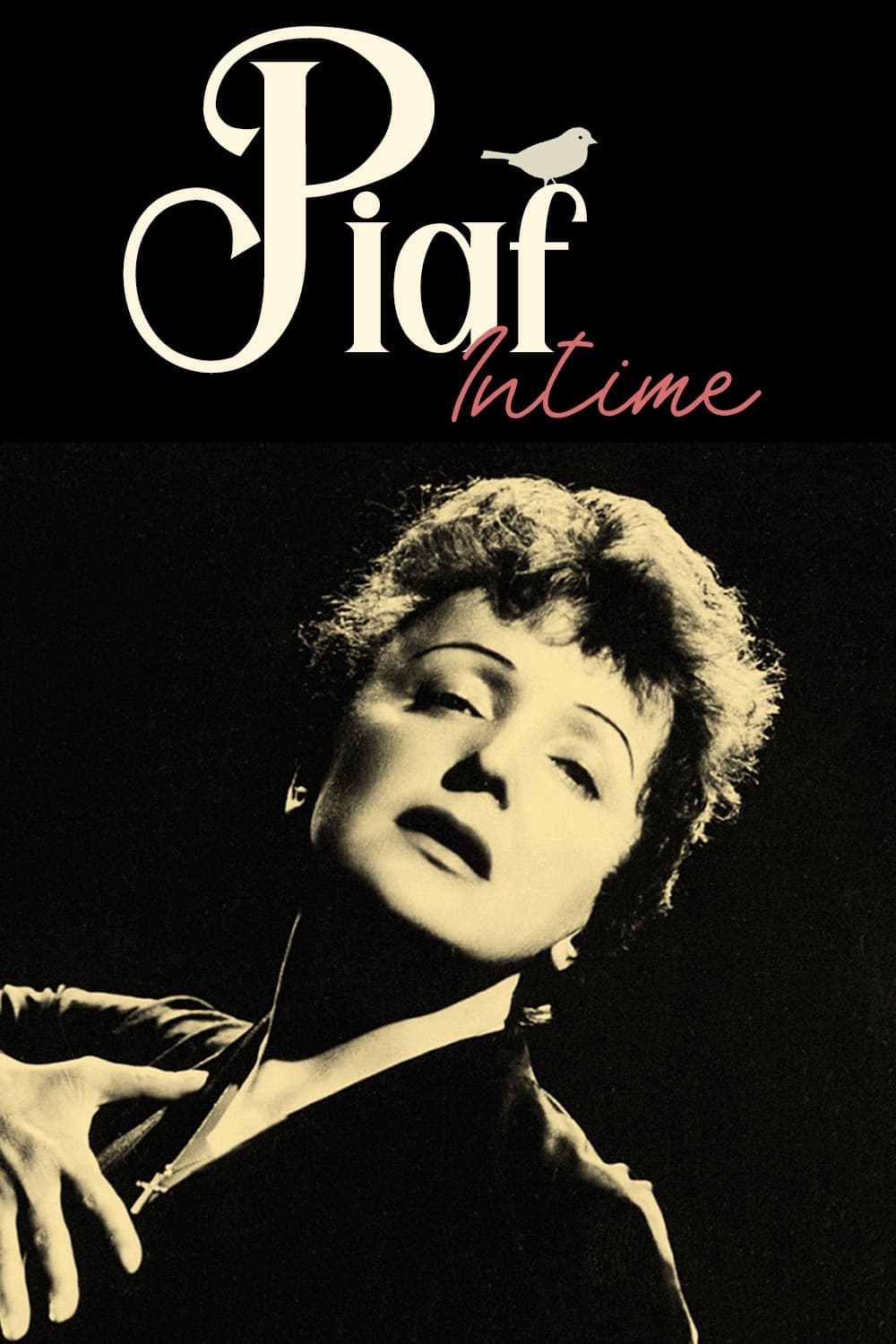 Movie8.0DocumentaryTV Movie
Piaf intime
2013 · 1 votes
 MovieDocumentaryHistory
Piaf’s life is a legend, a tale, a story so powerful that one might end up asking oneself if it really existed. Beyond the icon, there is the woman the documentary talks about, a fragile figure with an extraordinary personality. A street girl who experienced fame, love and who died almost clandestinely in a rented house in the south of France.