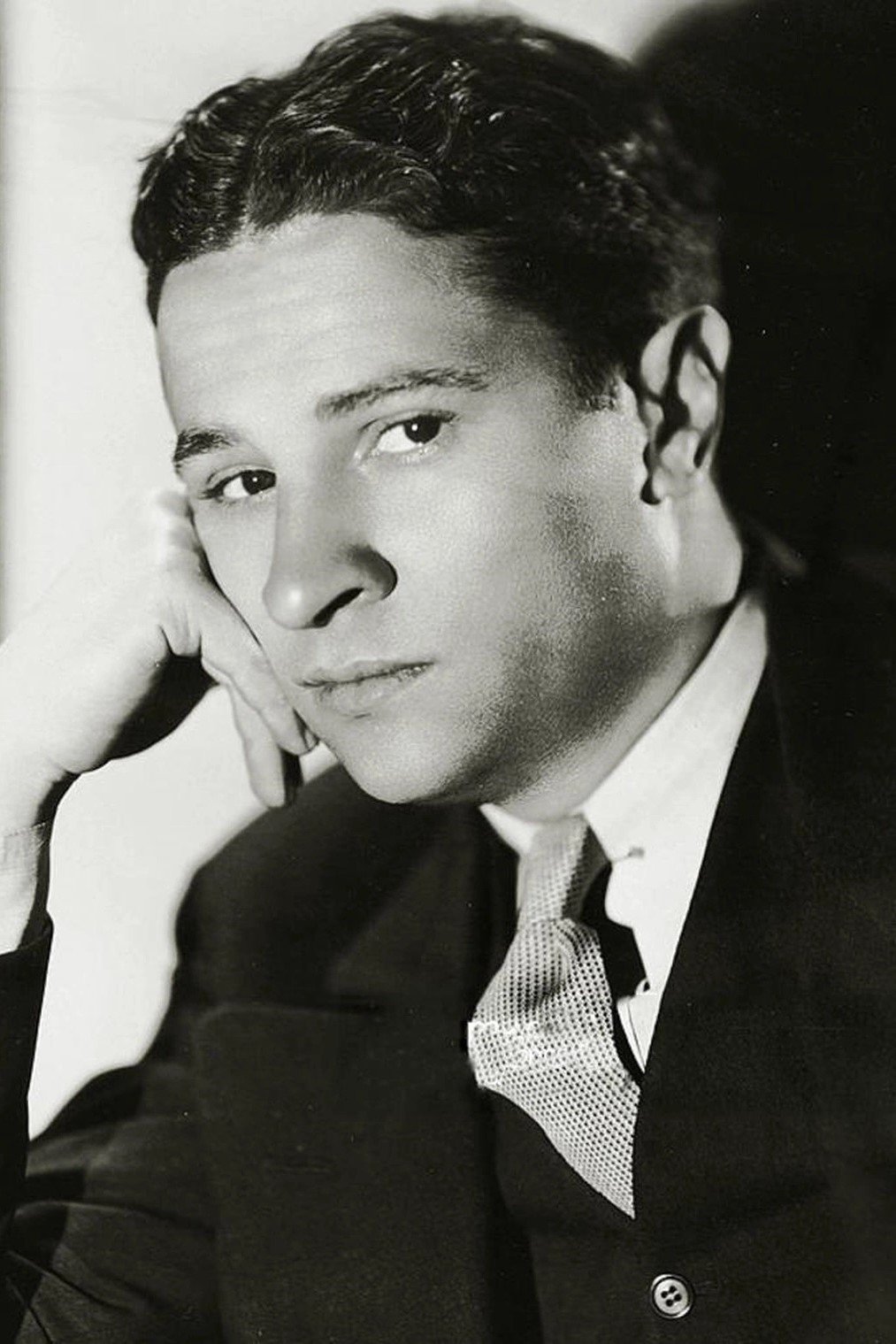
Anthony Veiller
Writer · 1903 – 1965 · New York, New York, USA
From Wikipedia, the free encyclopedia Anthony Veiller (23 June 1903 – 27 June 1965) was an American screenwriter and film producer. The son of the screenwriter Bayard Veiller and the English actress Margaret Wycherly, Anthony Veiller wrote for 41 films between 1934 and 1964. He was born on 23 June 1903 in New York City to Bayard Veiller and Margaret Wycherly. He moved to Hollywood in 1930. Veiller was twice nominated for an Academy Award for Best Screenplay. In 1937, he co-wrote (with Morrie Ryskind) the screenplay for Stage Door, starring Katharine Hepburn, Ginger Rogers and Adolphe Menjou. This very loose adaptation of the play by George S. Kaufman and Edna Ferber was also nominated for the Academy Award for Best Picture. Veiller was also Oscar-nominated for writing (with uncredited help from John Huston and Richard Brooks) The Killers (1946), an adaptation of the short story by Ernest Hemingway. This seminal example of film noir, which introduced Burt Lancaster to filmgoers, won an Edgar Award as best mystery film of 1946, and in 2008 was enshrined in the United States National Film Registry by the Library of Congress as being "culturally, historically, or aesthetically significant". Veiller frequently worked with top directors. During the Second World War he worked with Frank Capra on several films in the documentary/propaganda film series collectively titled Why We Fight. In 1946 (the same year as The Killers), Veiller co-wrote The Stranger, directed by and starring Orson Welles. For State of the Union (1948), again directed by Capra, Veiller was credited as co-producer as well as co-writer. Veiller worked with director John Huston on several films: Moulin Rouge (1952), Beat the Devil (1953), The List of Adrian Messenger (1963), and The Night of the Iguana (1964), the film of the Tennessee Williams play that became Veiller's final screen credit. Veiller died on 27 June 1965 of cancer, in Hollywood, California. He was buried in the St Mary Churchyard, Bepton, Chichester, West Sussex, England as was his mother.
Movies5
 Movie6.5Documentary
Behind the scenes documentary of the filming of Tennessee Williams' The Night of the Iguana.
On the Trail of the Iguana
1964 · 4 votes
 Movie6.8DocumentaryWar
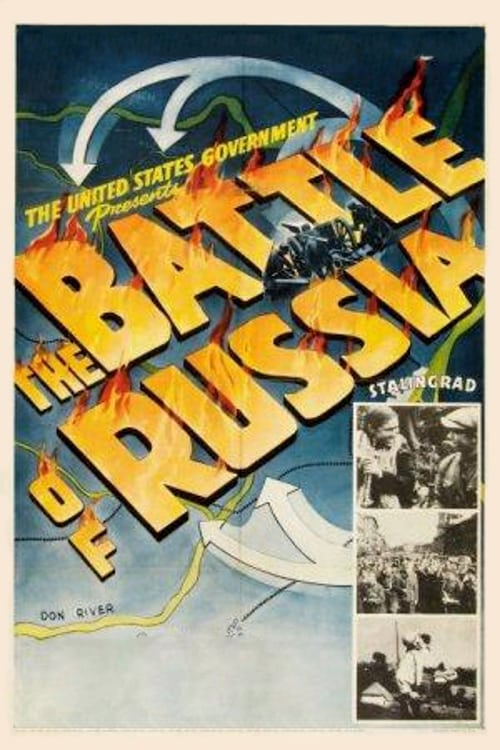
The fifth film of Frank Capra's Why We Fight propaganda film series, revealing the nature and process of the fight between the Soviet Union and Germany in the Second World War.
Why We Fight: The Battle of Russia
1943 · 36 votes
 Movie7.0WarDocumentary
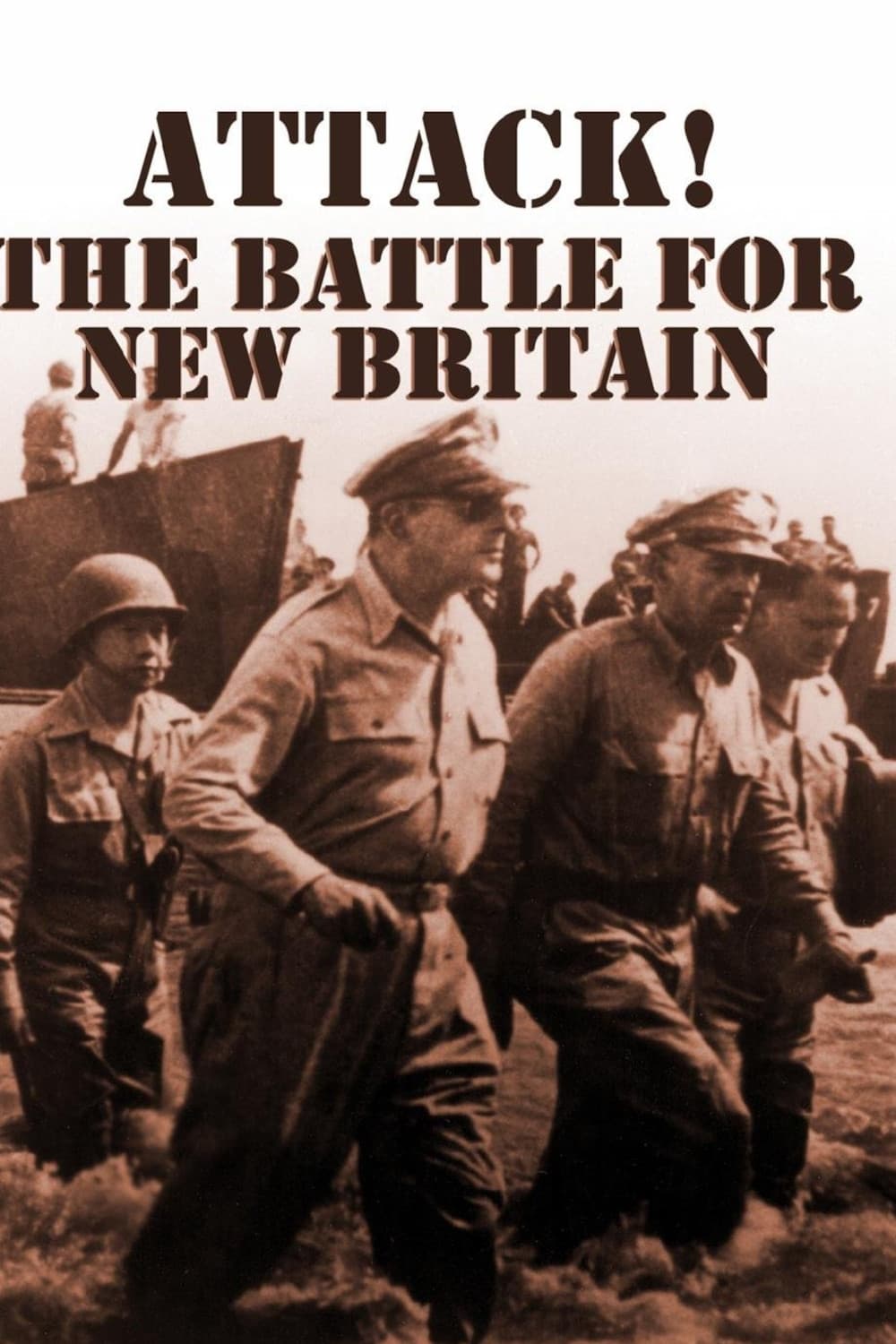
Actual footage by the United States Signal Corps of the landing and attack on Arawe Beach, Cape Glouster, New Britain island in 1943 in the South Pacific theatre of World War Two, and the handicaps of the wild jungle in addition to the Japanese snipers and pill-box emplacements.
Attack! The Battle for New Britain
1944 · 3 votes
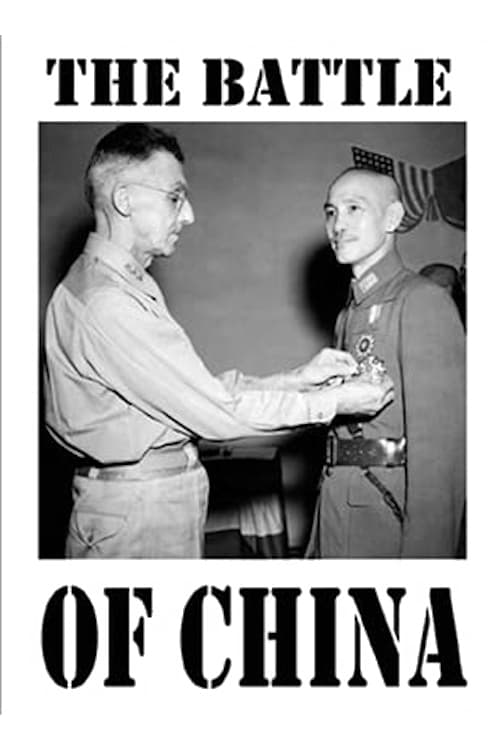 Movie6.7WarDocumentary
The sixth film of Frank Capra's Why We Fight propaganda film series illustrates Japan's occupation of China, including Madame Chiang Kai-Shek's stirring address before congress, the rape of Nanking, the great 2,000 mile migration, and Claire Chennault's Flying Tigers.
Why We Fight: The Battle of China
1944 · 16 votes
 Movie7.0WarDocumentary
A "know-your-enemy" propaganda film similar to "Know Your Enemy: Japan" and "My Japan", films about Japan with the same objective. It contains a history of the prelude to WW II, the death camps and other Nazi war crimes, and commentary on the character of the German people. Directed by Frank Capra, this film is in essentially the same format as his "Why We Fight" series. It was intended to be shown to American troops participating in the invasion and occupation of Germany. But by the time it was ready, events had overtaken it -- Germany was already well on its way to falling -- so the film was shelved. Although it is readily available for public-domain viewing on the Internet, it has never been widely distributed or shown.
Here Is Germany
1945 · 7 votes