
Hou Hsiao-hsien
Director · b. 1947 · Mei County, Guangdong, China
Hou Hsiao-hsien (Chinese: 侯孝賢; pinyin: Hóu Xiàoxián) (born April 8, 1947) is a retired award-winning film director and a leading figure of Taiwan's New Wave cinema movement.
Movies21
 Movie6.8Documentary
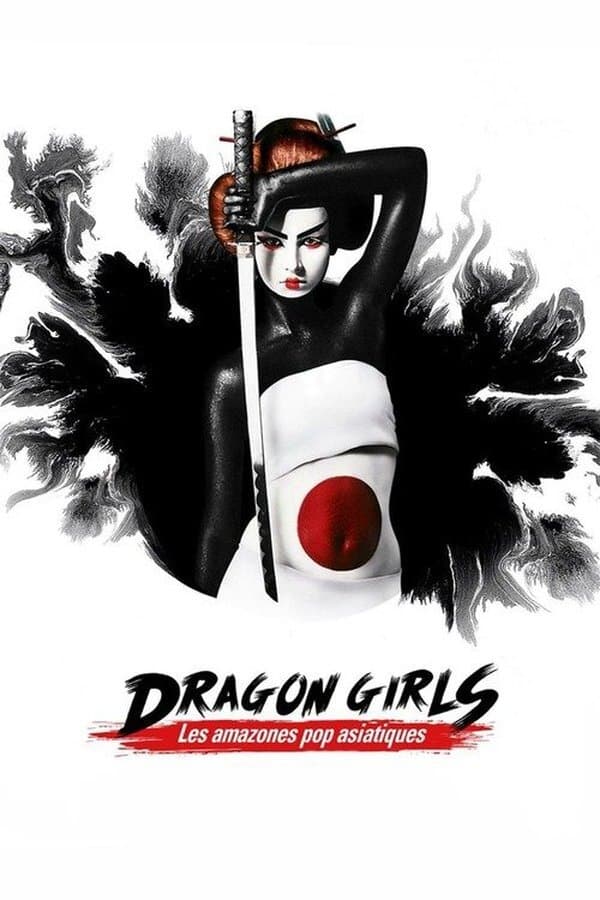
Yves Montmayeur takes Crouching Tiger, Hidden Dragon as the starting point for his study of the new female warrior in Asian pop culture. From Beijing to Tokyo and Taiwan, he went to meet with the most iconic muses of this new trend, including Michelle Yeoh, Zhang Ziyi, Shu Qi and Asami.
Dragon Girls!
2016 · 5 votes
 Movie7.5Drama
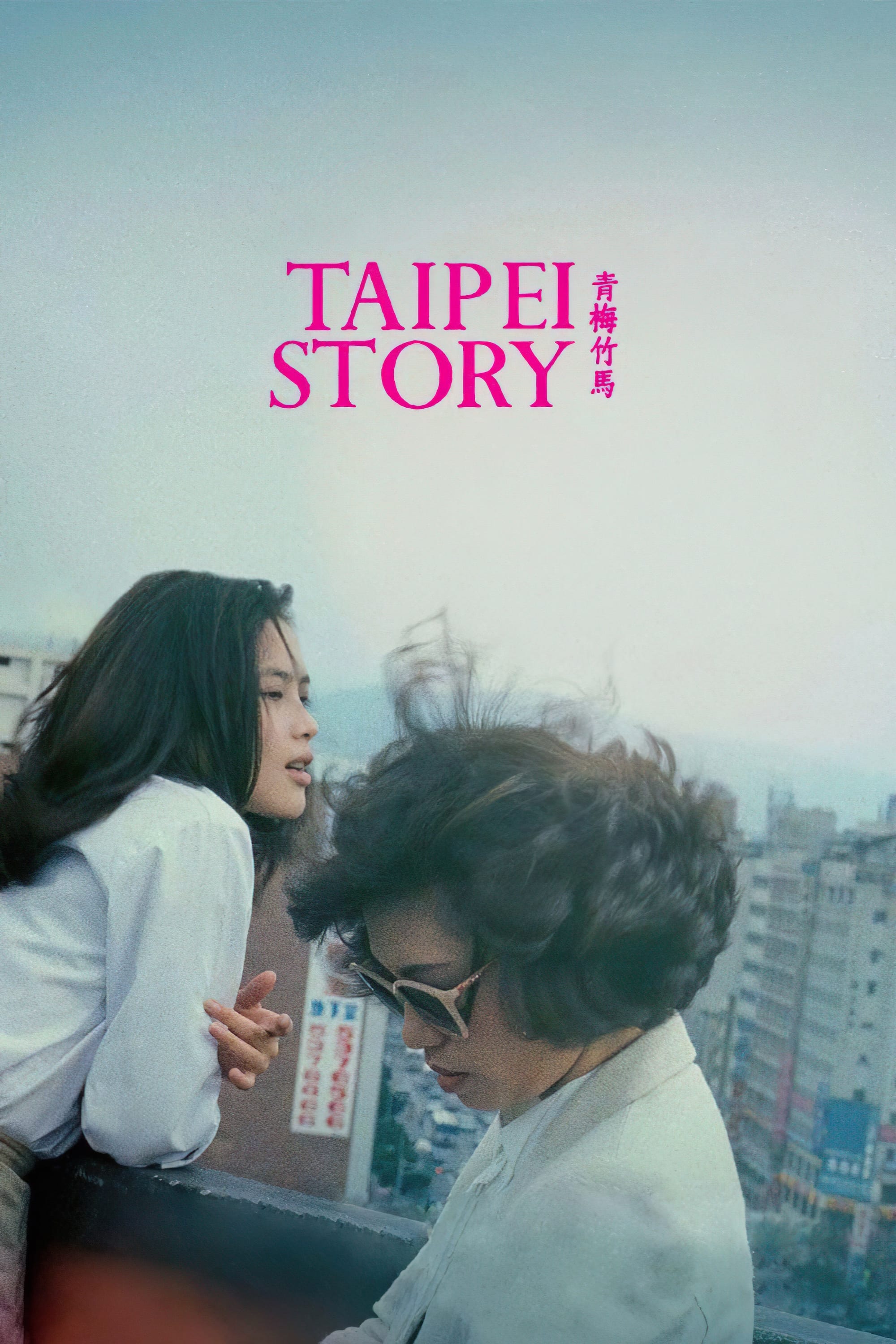
A young woman urgently seeks to navigate the maze of contemporary Taipei and find a future. She hopes that her boyfriend Lung is the key to the future, but Lung is stuck in a past that combines baseball and traditional loyalty that leads him to squander his nest egg bailing her father out of financial trouble.
 Movie5.3Documentary
At the 60th anniversary of Cannes Film Festival, 34 famous directors are followed by camera.
 Movie7.2Drama
Ah-Ching and his friends have just finished school in their island fishing village, and now spend most of their time drinking and fighting. Three of them decide to go to the port city of Kaohsiung to look for work. They find an apartment through relatives, and Ah-Ching is attracted to the girlfriend of a neighbor. There they face the harsh realities of the big city.
 Movie7.6DramaRomance
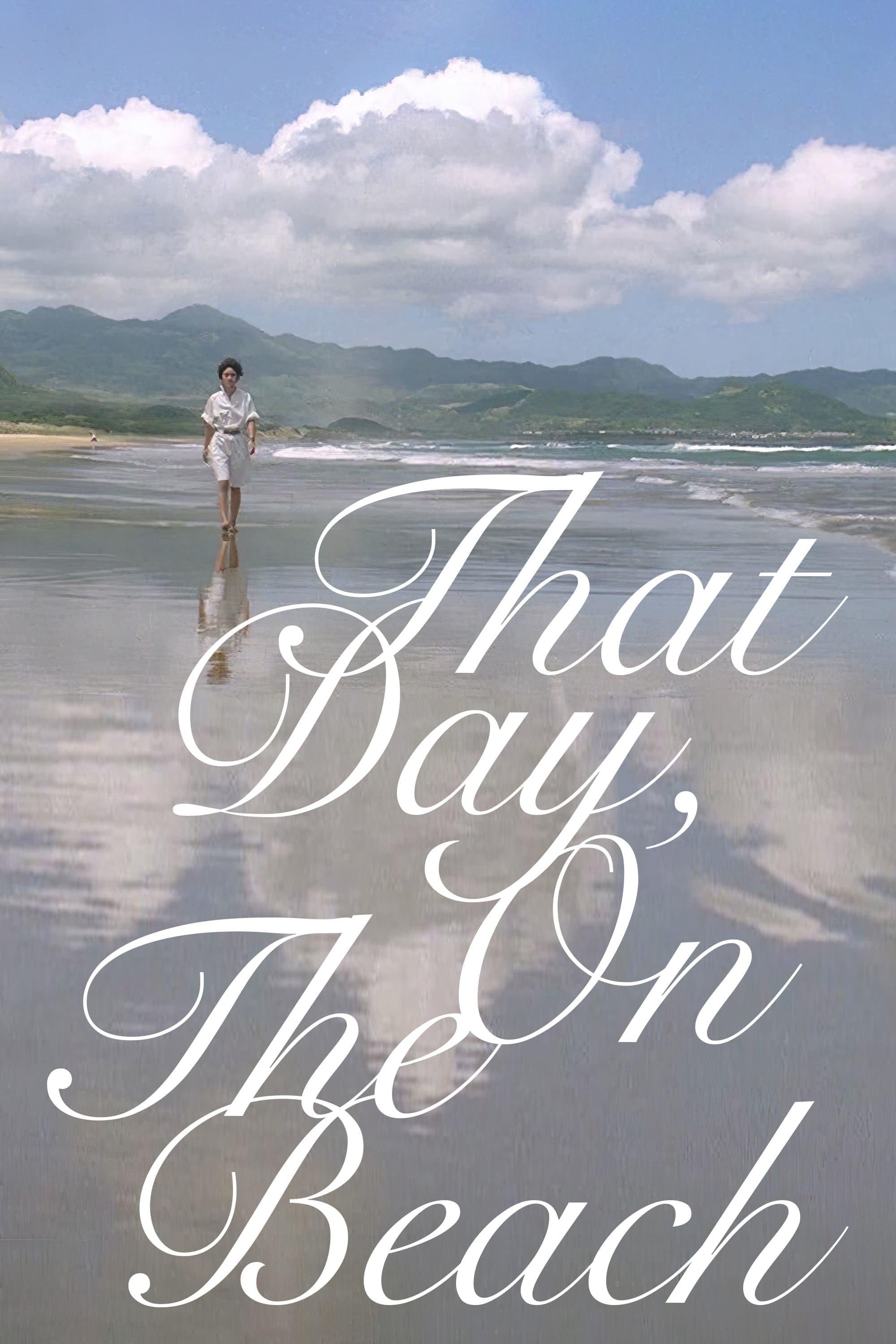
Two friends who haven't seen each other for thirteen years reunite. One is a successful concert pianist just back from a European tour and the other has just started a new business.
 Movie7.9DocumentaryTV Movie
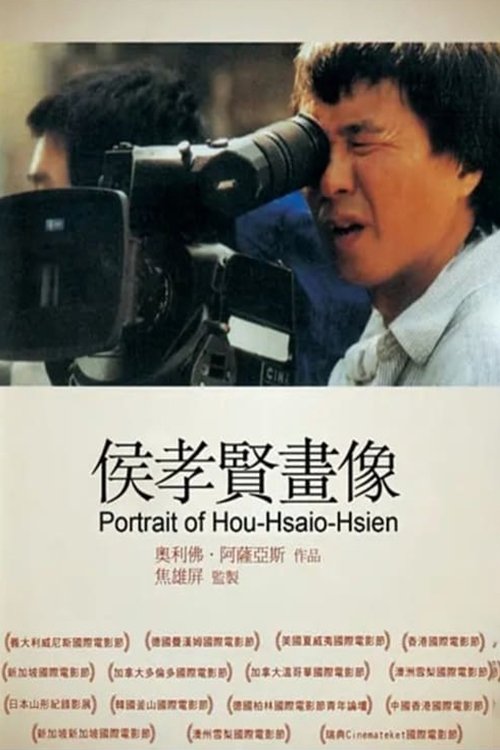
Entry on Taiwanese new-wave filmmaker Hou Hsiao-Hsien for French television's "Cinéma, de notre temps" series, directed by Olivier Assayas.
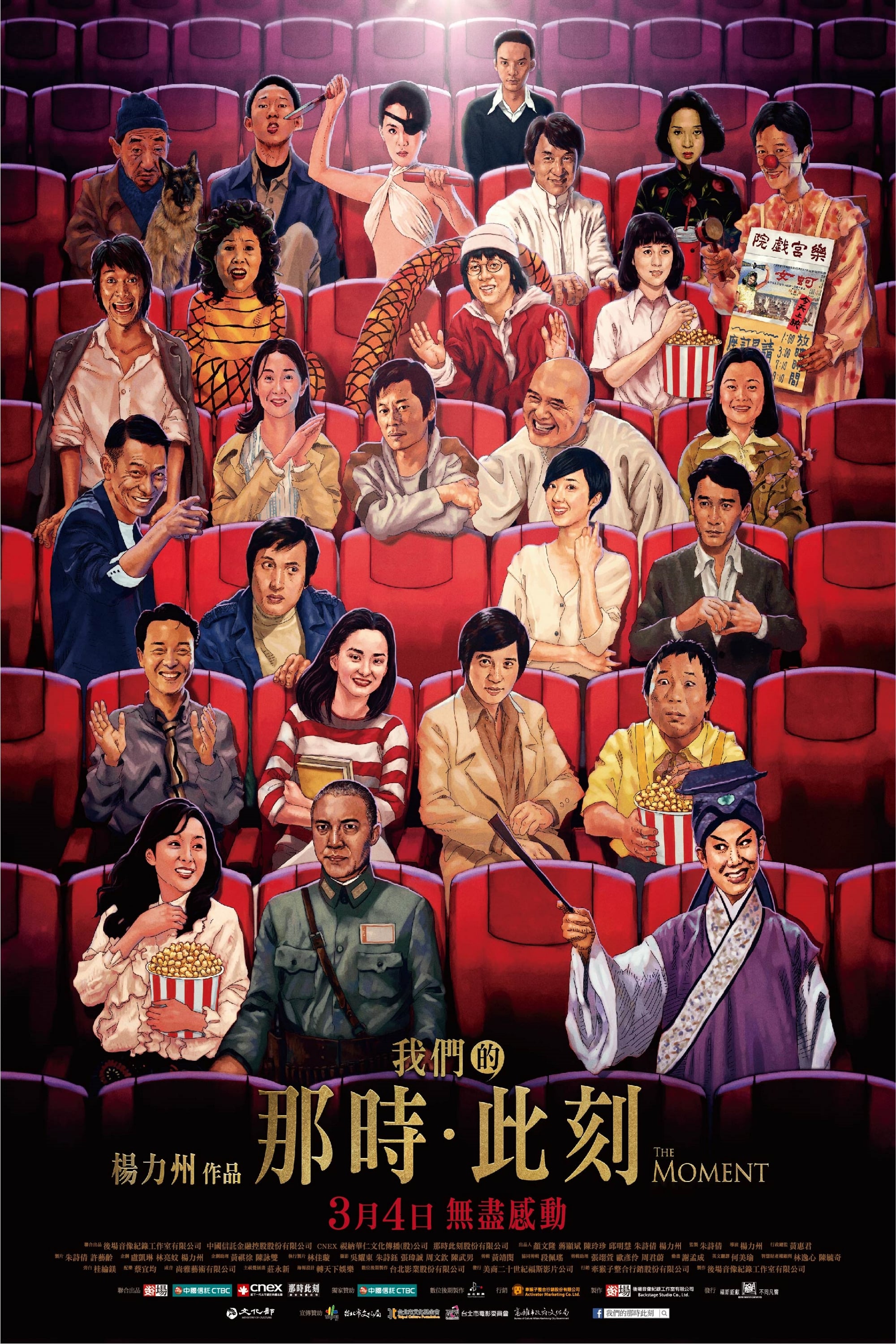 MovieDocumentary
In 2013, the Golden Horse Film Festival celebrated its 50th anniversary. The ministry of Culture commissioned director Yang Li-chou to make a documentary about the history of Golden Horse. What is unique to this film is that it's not an ode to celebrities but about the role cinema plays in ordinary people's lives. It's a love letter to cinema, filmmakers and audiences.
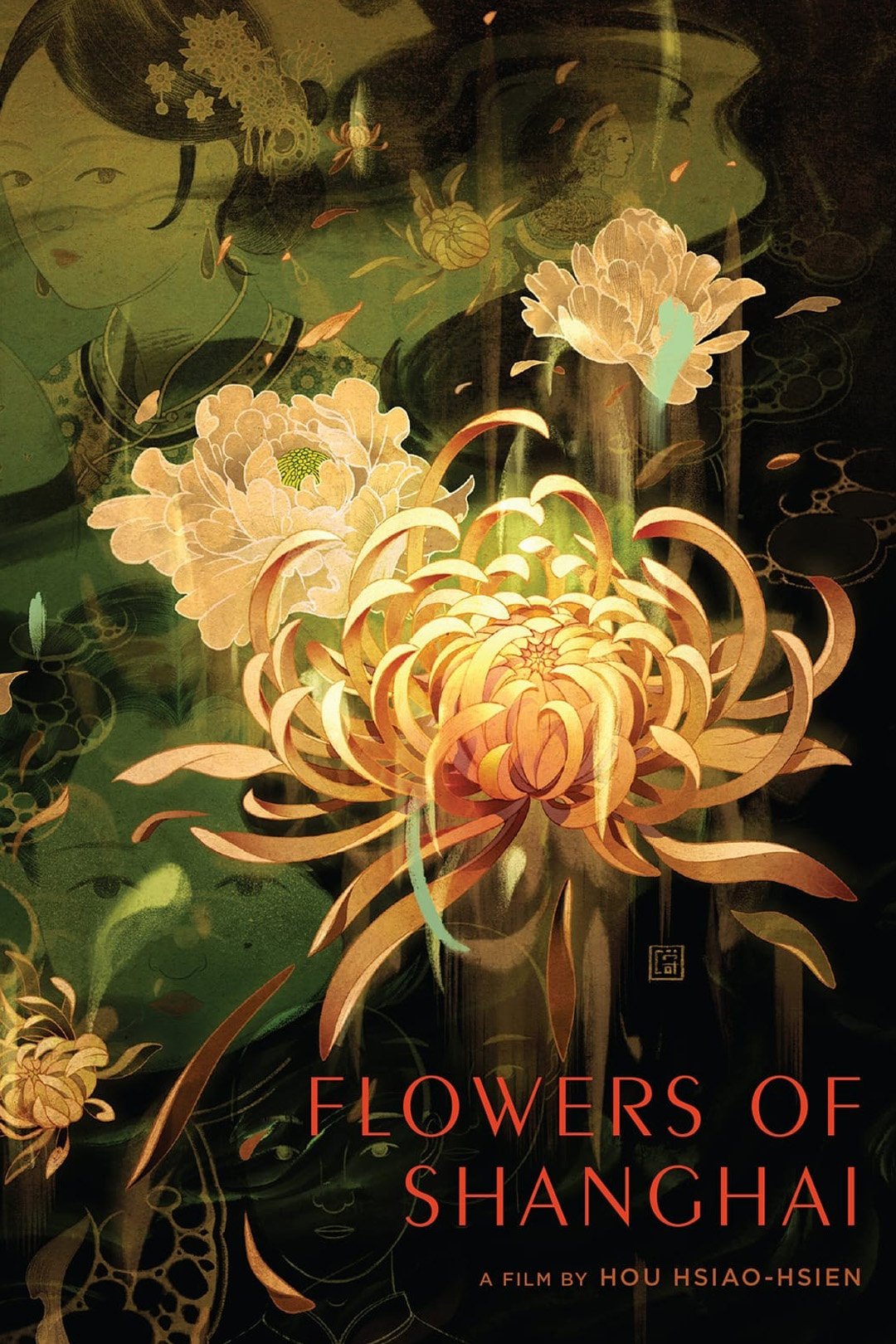 Movie8.0Documentary
A new documentary by Daniel Raim and Eugene Suen on the making of "Flowers of Shanghai," featuring behind-the-scenes footage and interviews with Mark Lee Ping-bing, producer and editor Liao Ching-sung, production designer Hwarng Wern-ying, and sound recordist Tu Duu-chih.
Beautified Realism: The Making of 'Flowers of Shanghai'
2021 · 1 votes
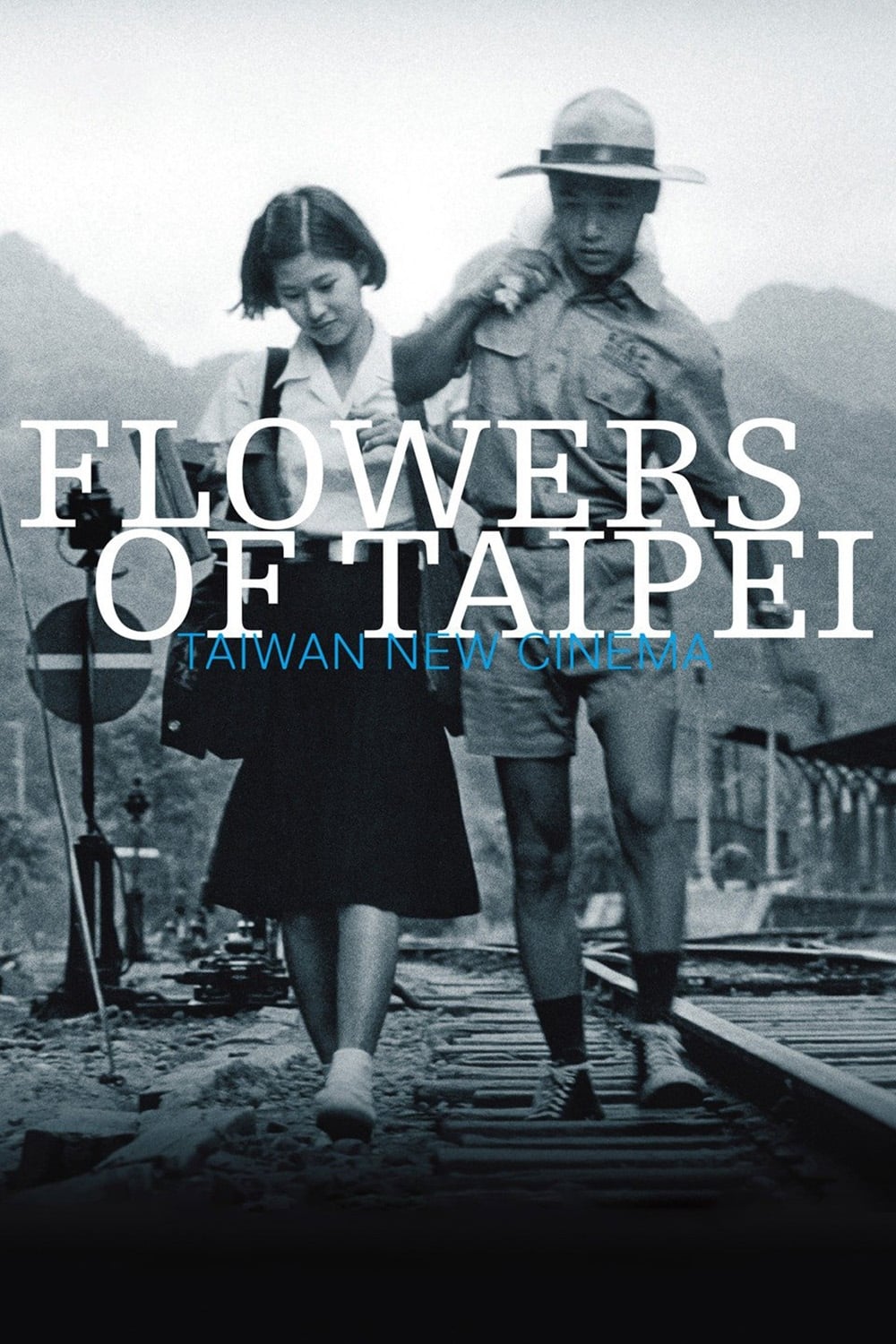 Movie7.1Documentary
With Taiwan remaining in the grip of martial law in 1982, a group of filmmakers from that country set out to establish a cultural identity through cinema and to share it with the world. This engaging documentary looks at the movement's legacy.
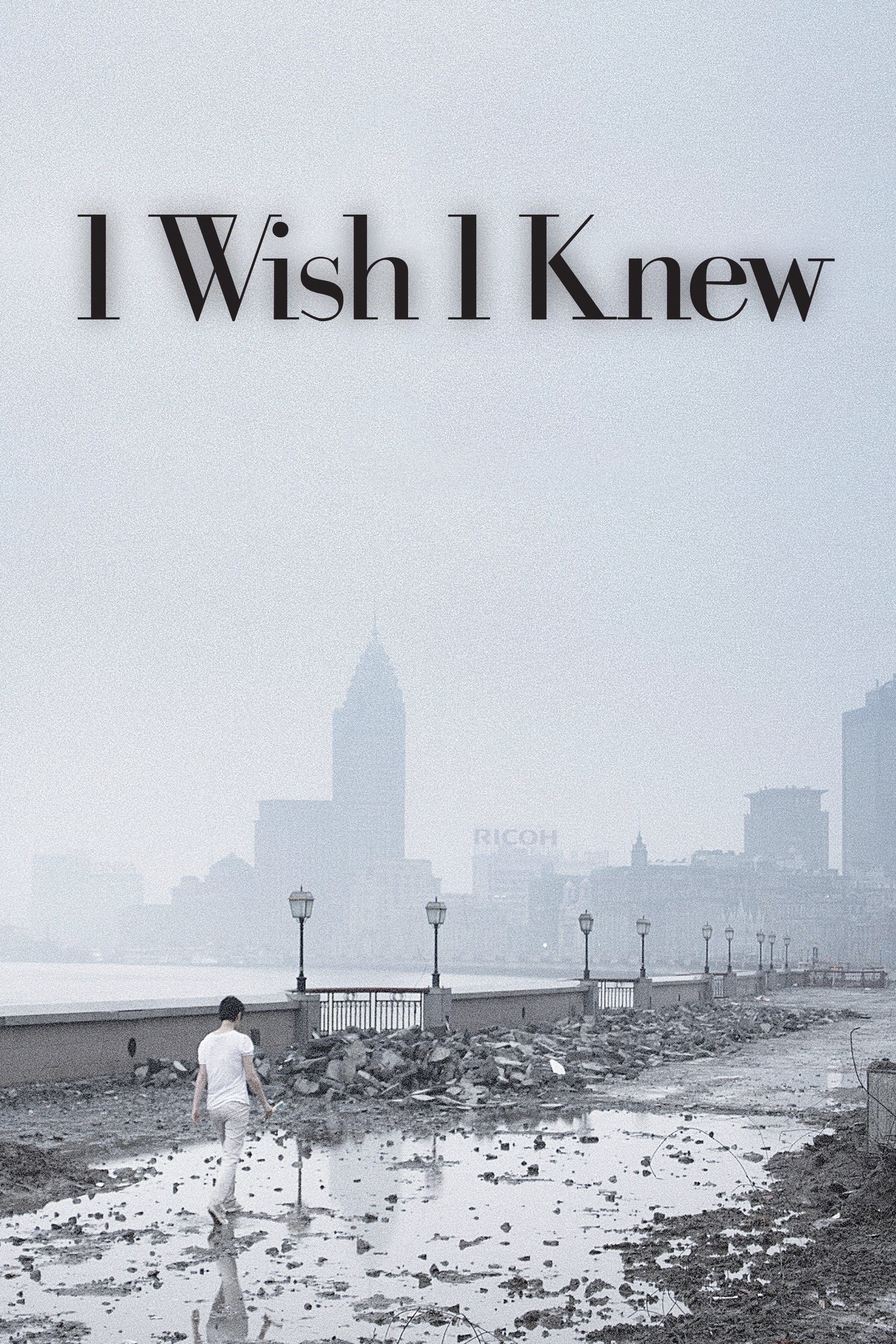 Movie6.6DocumentaryHistory
Focuses on the people, their stories and architecture spanning from the mid-1800s, when Shanghai was opened as a trading port, to the present day.
 Movie8.0Documentary
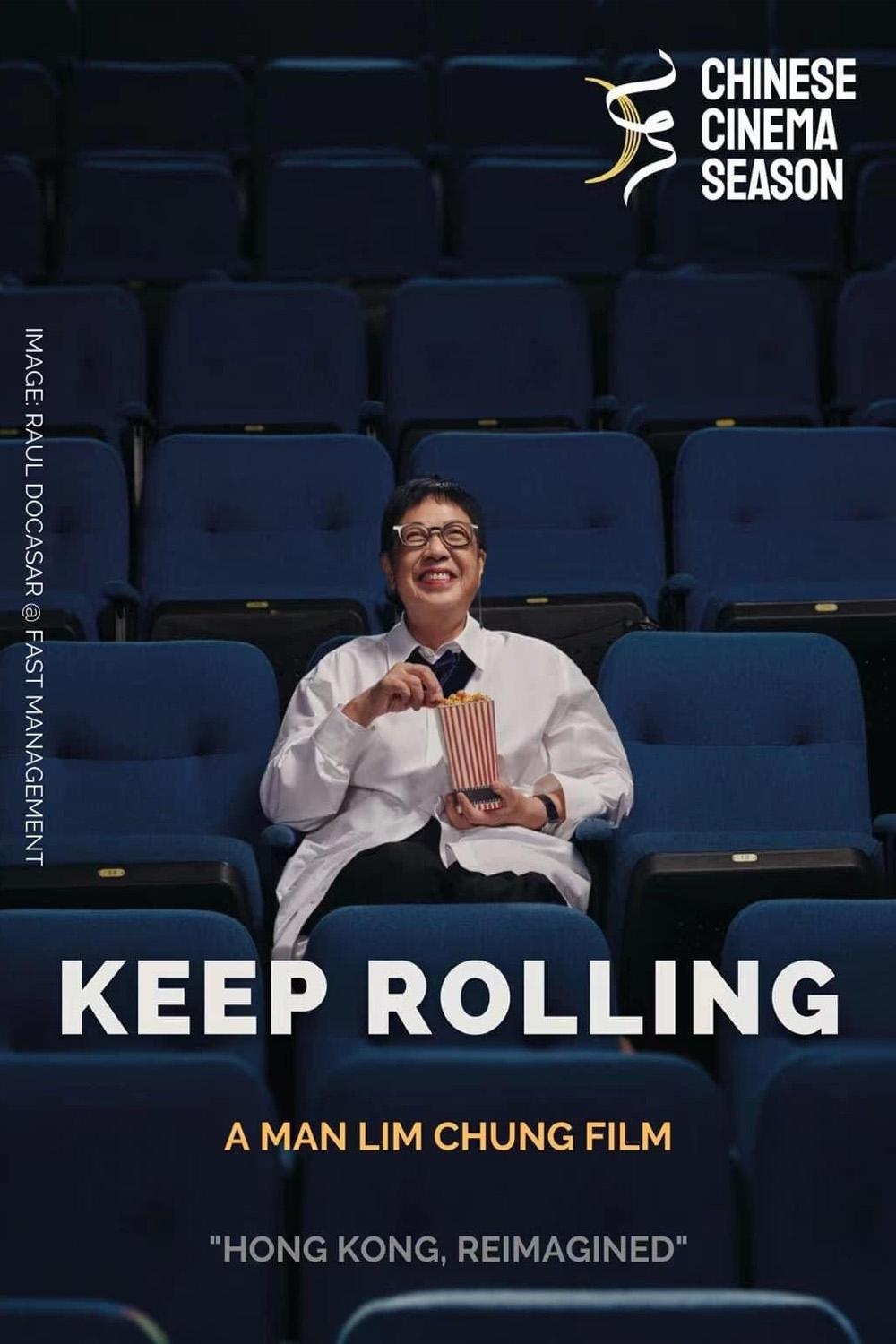
One of Hong Kong's most influential filmmakers, Ann Hui, becomes a “star” for the first time in Man Lim-chung's directorial debut. A forerunner of the New Wave, Hui’s tumultuous, forty-year career is an unequivocal testimony to her unyielding dedication to filmmaking, and her expedition into the metamorphic city. This biopic probes into the acclaimed director’s idiosyncratic world, where we witness her rashness and goofiness, as well as her humanistic concerns for the everyday nobodies which make her films so moving.
 Movie6.5Documentary
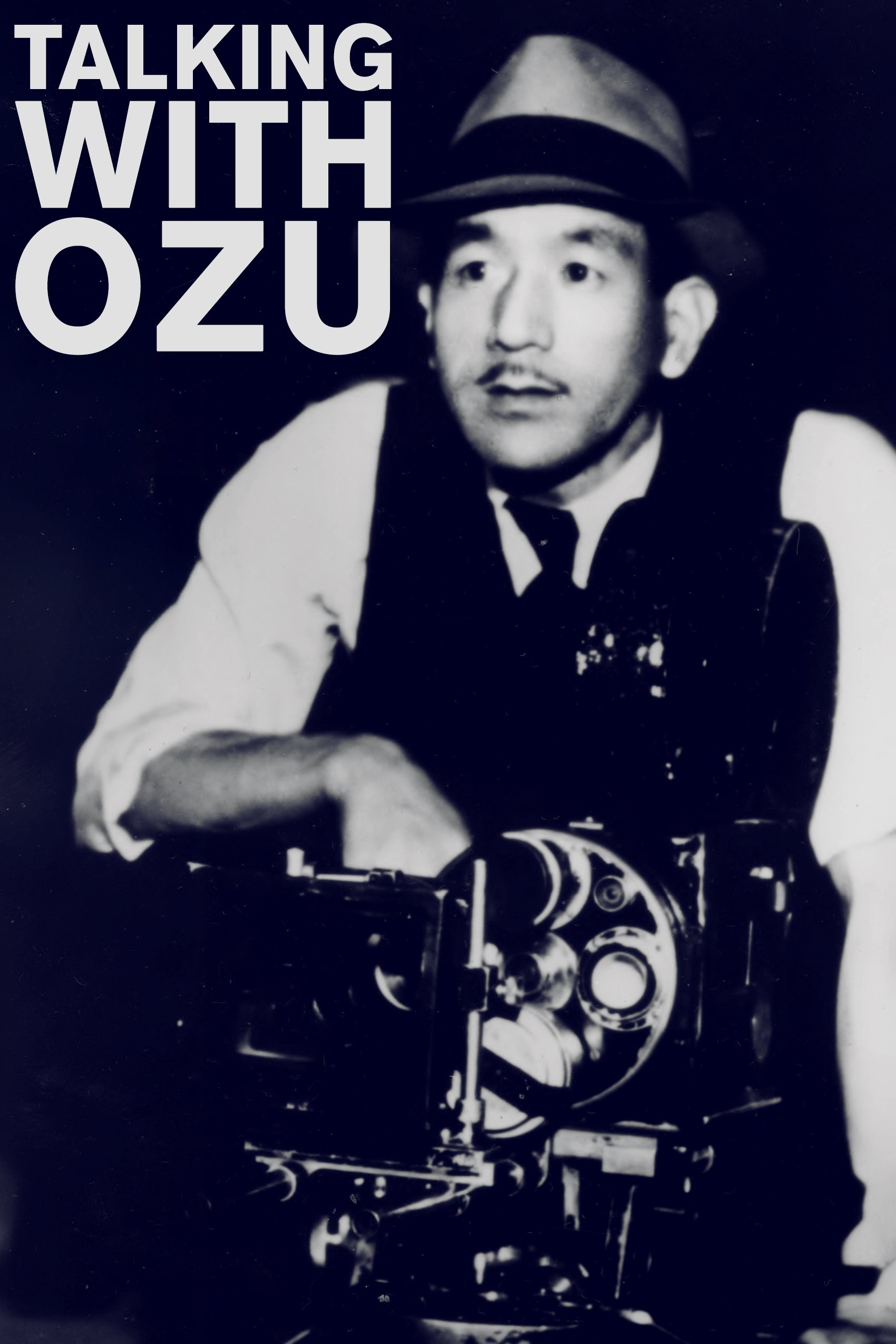
A tribute to the legendary Japanese film director featuring the reflections of filmmakers Lindsay Anderson, Claire Denis, Hou Hsiao-hsien, Aki Kaurismäki, Stanley Kwan, Paul Schrader, and Wim Wenders
 Movie5.0Drama
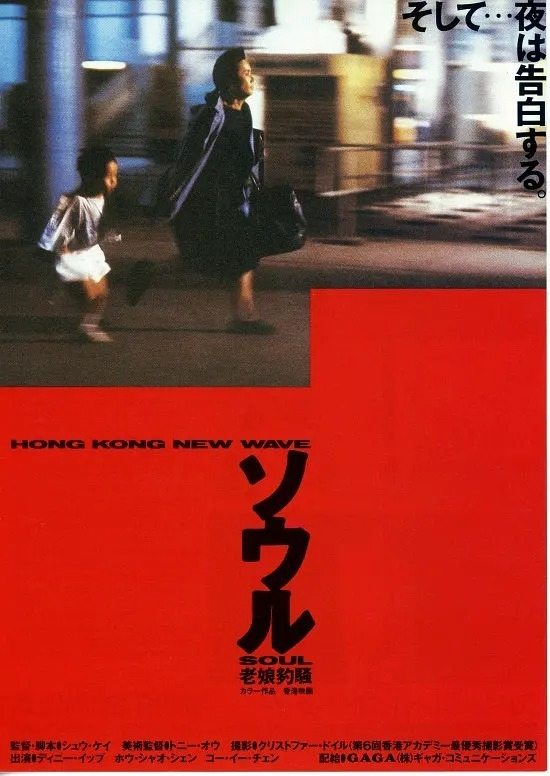
Ip Cheung and her husband, a senior police inspector, had been happily married for 18 years. One day, Ip runs into her neighbour, a Taiwanese woman. As they are talking, three men suddenly appeared and tried to kill them. The Taiwanese woman is killed but Ip and the kid, Yen, managed to escape. At the same time, Ip's husband commits suicide. His superior suspected him of corruption. Ip finds out that the Taiwanese woman was her husband's mistress and Yen, his illegitimate son. Ip is given custody of Yen but they are unable to get along. However she will save his live when the gang go after him.
 Movie7.0Documentary
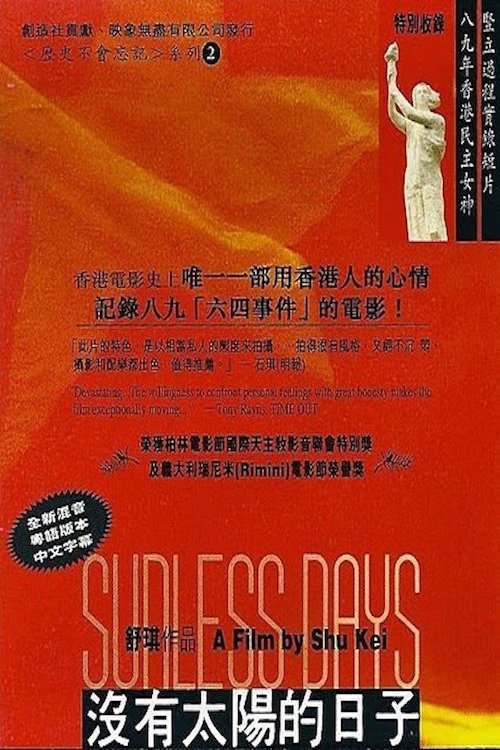
Director Shu Kei travelled to Venice, Canada, London and Hong Kong, collecting accounts of the Tiananmen impact. Among his interviewees are: award-winning Taiwanese filmmaker Hou Hsiao-hsien; Hong Kong director Alfred Cheung, a witness to the massacre; actress Deanne Ip, whose national consciousness is fired by the event; as well as his own brothers, one who soon migrates from Hong Kong, and the other, already an Australian emigre. Their personal testimonies are pieced together into a mural of the Chinese people united in their horror and outrage.
 Movie5.5Documentary
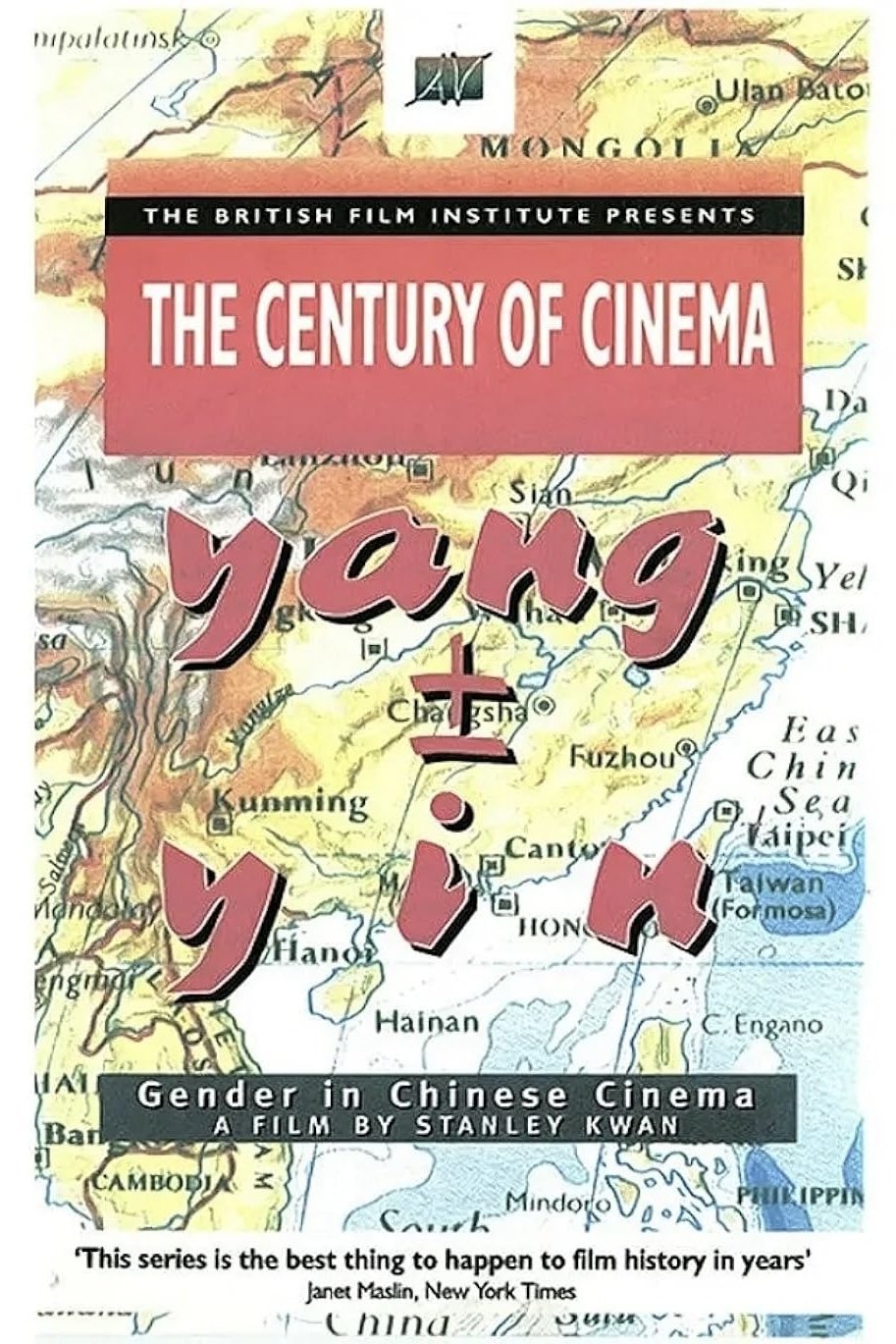
An exploration of Chinese cinema and its relationships with gender and sexuality, which the film argues has been more frankly and provocatively explored than in any other national cinema. Utilizing both film excerpts and interviews with many leading directors and academics, the film examines topics such as male bonding in kung fu movies, depictions of same-sex bonding and physical intimacy, the emphasis on women's grievances in melodramas, and the career of Yam Kim-Fai, a Hong Kong actress who spent her life portraying men on and off the screen.
 Movie7.0DocumentaryTV Movie
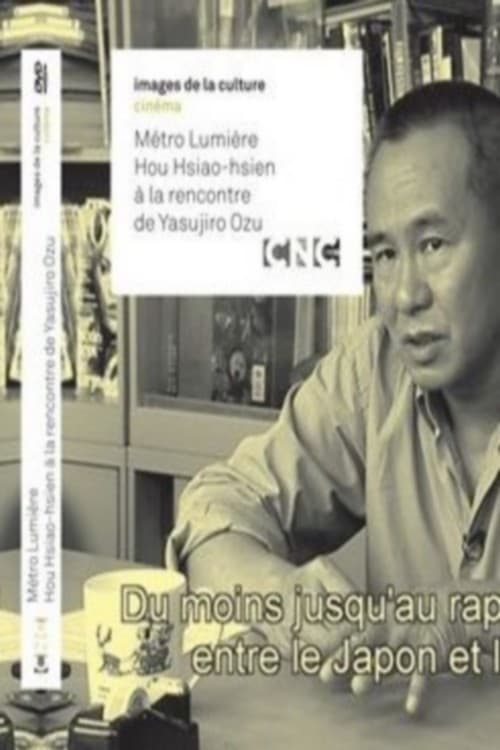
French-made documentary, "Métro Lumière", which actually does help provide some of the context for Hsiao-hsien's approach to the film. It includes excerpts from Ozu's films, in particular, "Equinox Flower", to show the parallels with this film, the obvious basis for some of the scenes and situation set-ups.
Métro Lumière
2004 · 2 votes
 Movie6.0Documentary
Richly illustrated with film clips and interviews, OUR TIME, OUR STORY tells the still-evolving story of the Taiwanese "new wave," from its rise in the early 1980s, as the island was democratizing after decades under martial law, through growing international recognition and domestic debate in the 1990s. Spearheaded in its early years by such filmmakers as Edward Yang, Ko I-cheng, Hou Hsiao-hsien and Wan Jen, the movement revitalized Taiwan cinema through low-budget experiments that emphasized personal stories, political reflection and stylistic invention. Said filmmakers, writers and actors like Wu Nien-jen and Sylvia Chang, even "second wave" directors Tsai Ming-liang and Lin Cheng-sheng provide fond reminiscences and retrospective insights in this compelling account of one of the most distinctive national cinemas of the last quarter-century.
 Movie7.0Documentary
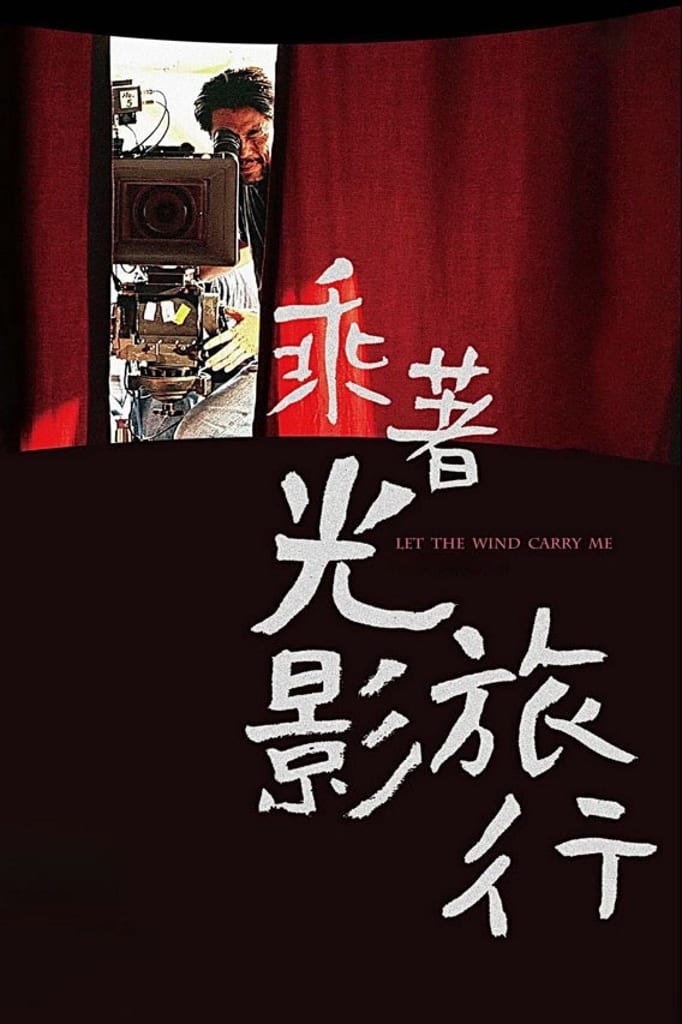
Focusing on Mark Lee Ping-bin, one of the most talented and prolific cinematographers in Asia, the movie details the itinerant lifestyle of a deeply observant and philosophical artist and the tolls that his profession takes on his family life.
 Movie6.7Documentary
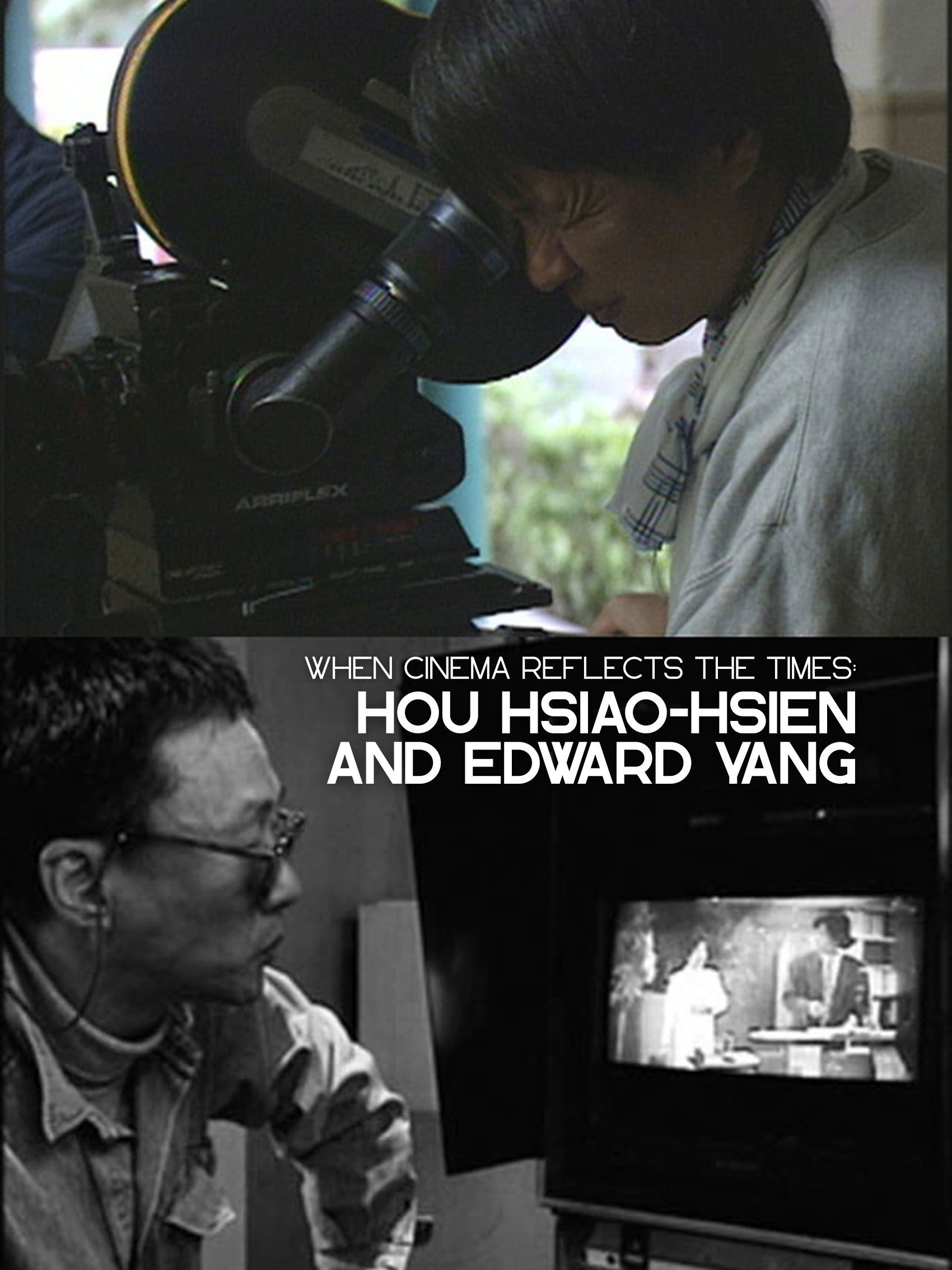
From the 1980s to the 1990s, New Taiwanese Cinema gained international attention for adopting a completely different approach to that of the commercial films which had preceded it. This piece contrasts Hou Hsiao-hsien and Edward Yang, two rivals who were the driving force behind New Taiwanese Cinema. The closing of a cinema invites us to reflect on society and the passage of history.
 Movie10.0
 Movie6.3Documentary
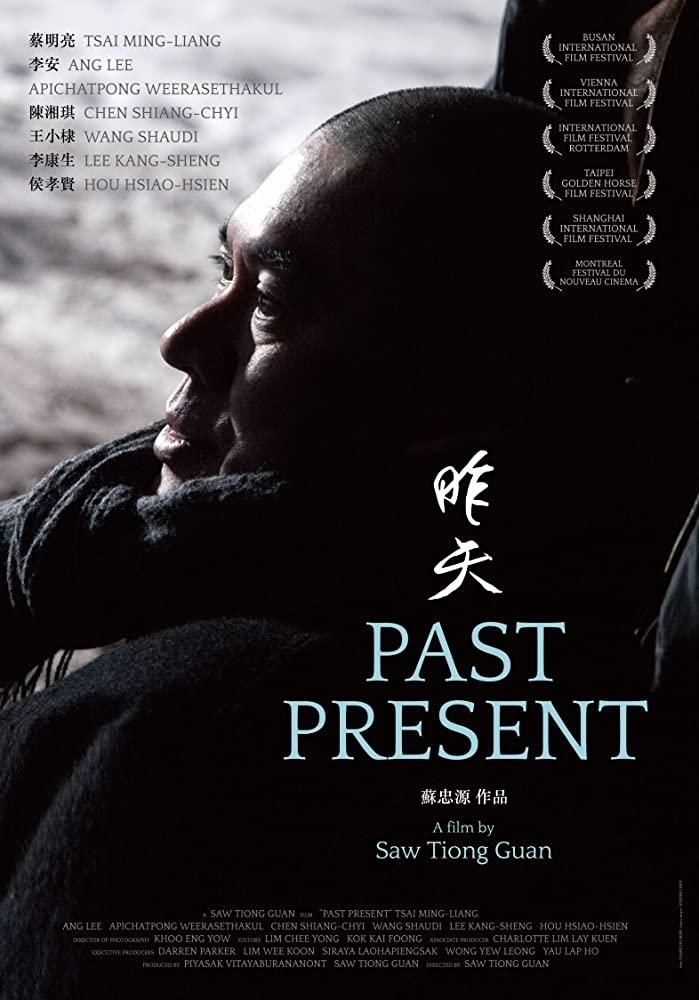
A contemplative trip down memory lane with one of the leading voices of the Second New Wave of Taiwanese Cinema. Saw Tiong Guan clearly established a very personal bond with his subject, and also found many of Tsai Ming-liang’s colleagues prepared to complete this portrait of a quiet yet outspoken artist.
Series1
 TV9.0Talk Show
The Taipei Golden Horse Film Festival and Awards (Chinese: 台北金馬影展; pinyin: Táiběi Jīnmǎ Yǐngzhǎn; Pe̍h-ōe-jī: Tâi-pak Kim-má iáⁿ-tián) is a film festival and awards ceremony held annually in Taiwan. It was founded in 1962 by the Government Information Office of the Republic of China (ROC) in Taiwan. The awards ceremony is usually held in November or December in Taipei, although the event has also been held in other locations in Taiwan in recent times