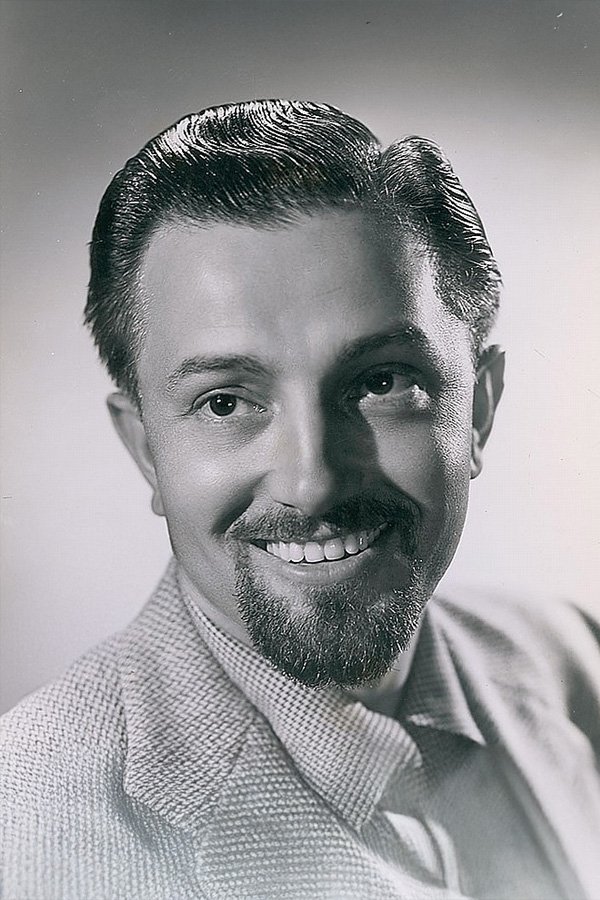
Edward Dmytryk
Director · 1908 – 1999 · Grand Forks, British Columbia, Canada
Edward Dmytryk (September 4, 1908 – July 1, 1999) was an American film director who was amongst the Hollywood Ten, a group of blacklisted film industry professionals who served time in prison for being in contempt of Congress during the McCarthy-era 'red scare'. Although born in Grand Forks, British Columbia, Canada, Dmytryk grew up in San Francisco when his Ukrainian parents moved to the United States. At the age of 31, he became a naturalized citizen. His best known films from the pre-McCarthy period of his career were film noirs Crossfire, for which he received a Best Director Oscar nomination, and Murder, My Sweet, the latter an adaptation of Raymond Chandler's Farewell My Lovely. In addition, he made two World War II films: Hitler's Children, the story of the Hitler youth and Back to Bataan starring John Wayne. The late 1940's was the time of the Second Red Scare, and Dmytryk was one of many filmmakers investigated. Summoned to appear before the House Committee on Un-American Activities (HUAC), he refused to cooperate and was sent to jail. After spending several months behind bars, Dmytryk made the decision to testify again, and give the names of his fellow members in the American Communist Party as the HUAC had demanded. On April 25, 1951, Dmytryk appeared before HUAC for the second time, answering all questions. He spoke of his own Party past, a very brief membership in 1945, including the naming of twenty-six former members of left-wing groups. He explained how John Howard Lawson, Adrian Scott, Albert Maltz and others had pressured him to include communist propaganda in his films. His testimony damaged several court cases that others of the so-called "Hollywood 10" had filed. He recounted his experiences of the period in his revealing 1996 book, Odd Man Out: A Memoir of the Hollywood Ten (Southern Illinois University Press, Carbondale, IL). For a time, Dmytryk moved to England, and Stanley Kramer hired him to direct a trio of low-budget films before handing Dmytryk The Caine Mutiny. He made films for major studios Columbia, 20th Century Fox, MGM and Paramount Pictures, including, among others, Raintree County, The Left Hand of God, The Young Lions, a remake of the Marlene Dietrich classic The Blue Angel, and The Carpetbaggers. Later into the 60' and 70's, he directed Where Love Has Gone, Anzio, Alvarez Kelly, Shalako, and his final film Bluebeard. The films which he directed featured stars such as Humphrey Bogart, Clark Gable, Gene Tierney, Spencer Tracy, Elizabeth Taylor, Bette Davis, Montgomery Clift, Marlon Brando, Sean Connery, Robert Mitchum, Richard Burton, Richard Widmark and Henry Fonda. After his film career tapered off in the 1970s, he entered academia and taught at the University of Texas at Austin, and at the University of Southern California. He wrote several books on the art of filmmaking (such as "On Film Editing") and lectured at various colleges and theaters, such as the Orson Welles Cinema. Dmytryk died from heart and kidney failure on 1 July, 1999, aged 90, in Encino, California.
Movies13
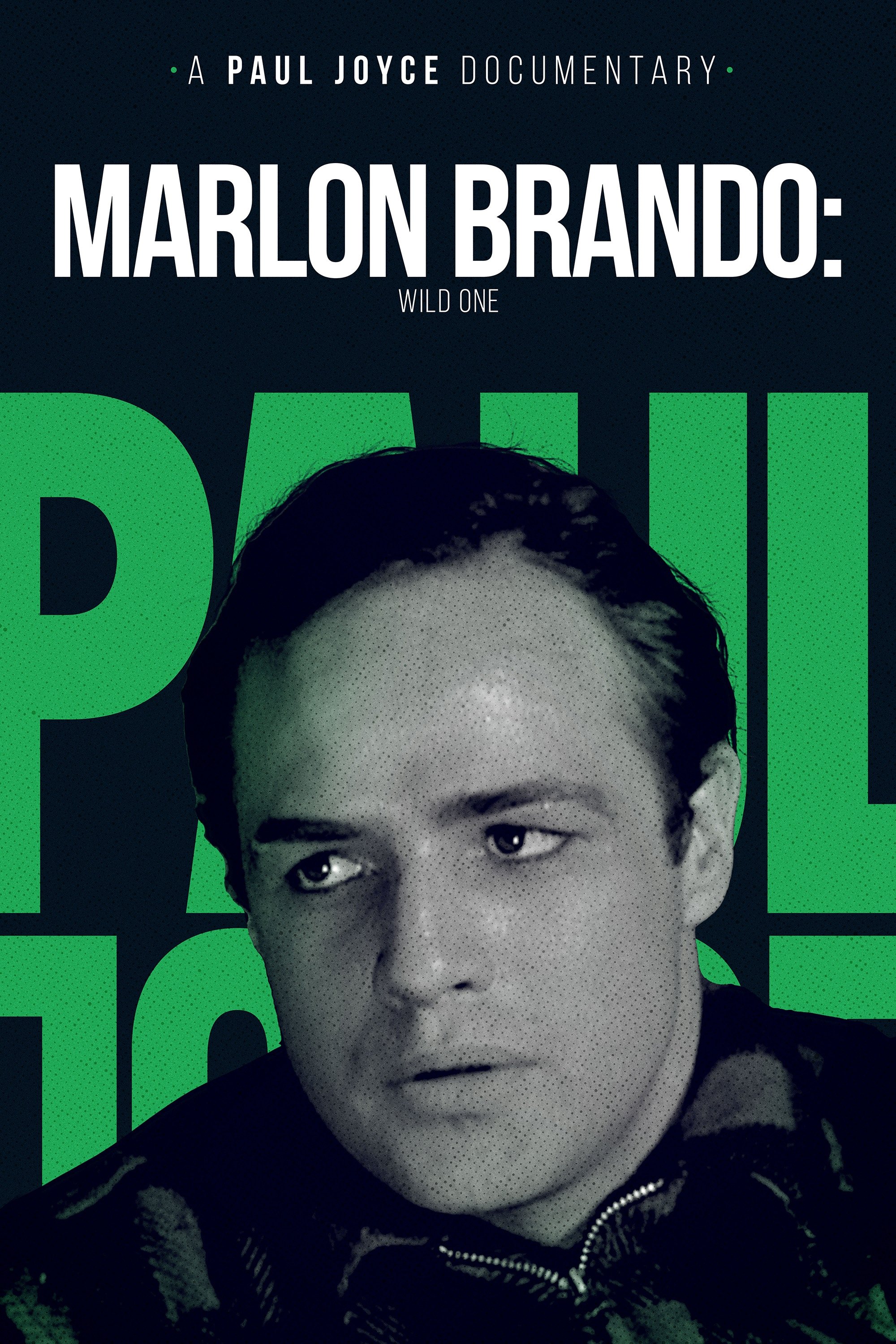 Movie6.5Documentary
An examination of the craft of Marlon Brando, narrated by professionals of the film industry. The film follows his career from the stage with "A Streetcar Named Desire", through the Actors Studio and professional relationships with Elia Kazan and Stella Adler to Hollywood. An actor who redefined the limits to which a professional may go in becoming the character not only intellectually but emotionally, Brando changed the meaning of film acting.
Marlon Brando: The Wild One
1994 · 2 votes
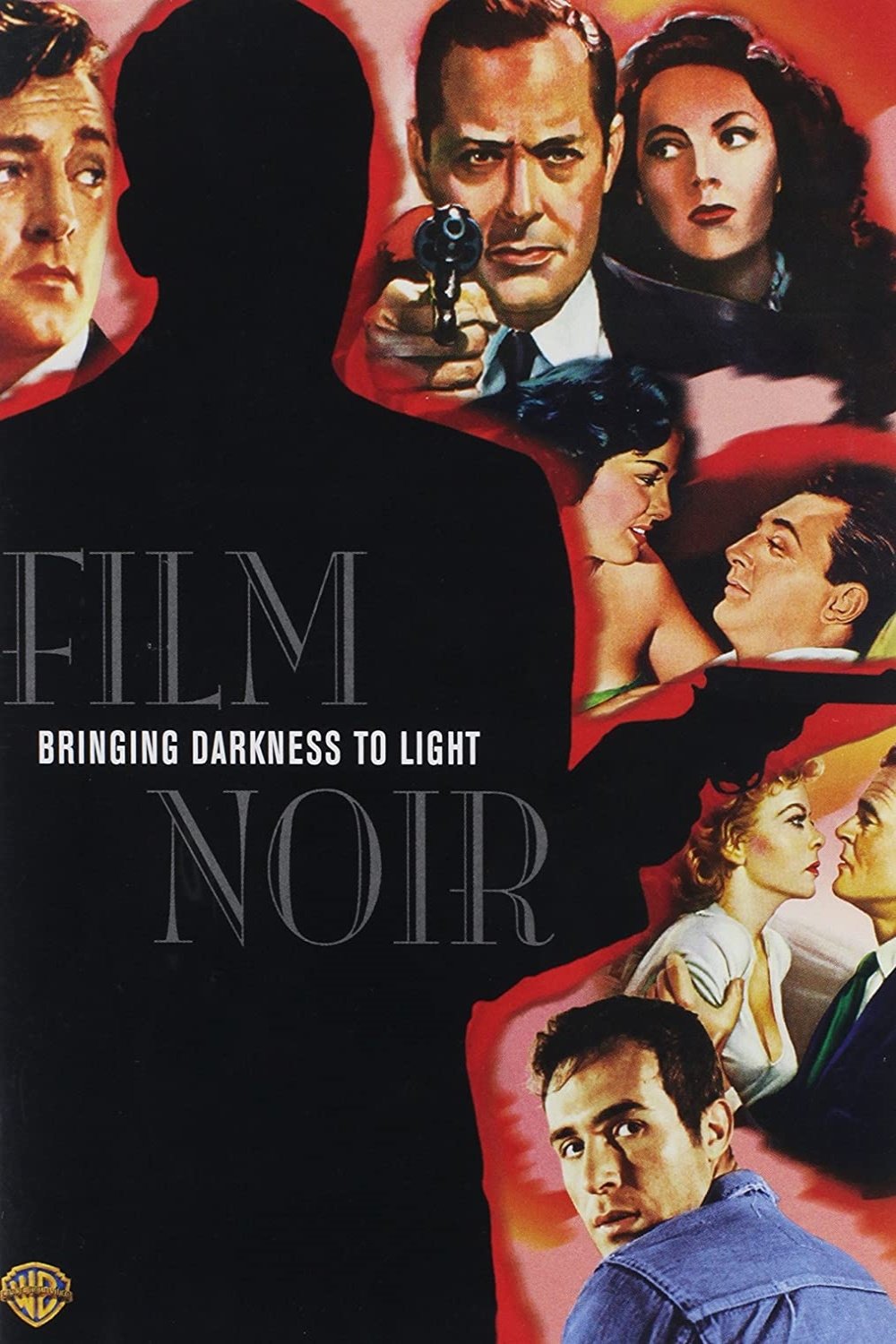 Movie7.1Documentary
Film Noir burrows into the mind; it's disorienting, intriguing and enthralling. Noir brings us into a gritty underworld of lush morbidity, providing intimate peeks at its tough, scheming dames, mischievous misfits and flawed men - all caught in the wicked web of a twisted fate.
Film Noir: Bringing Darkness to Light
2006 · 14 votes
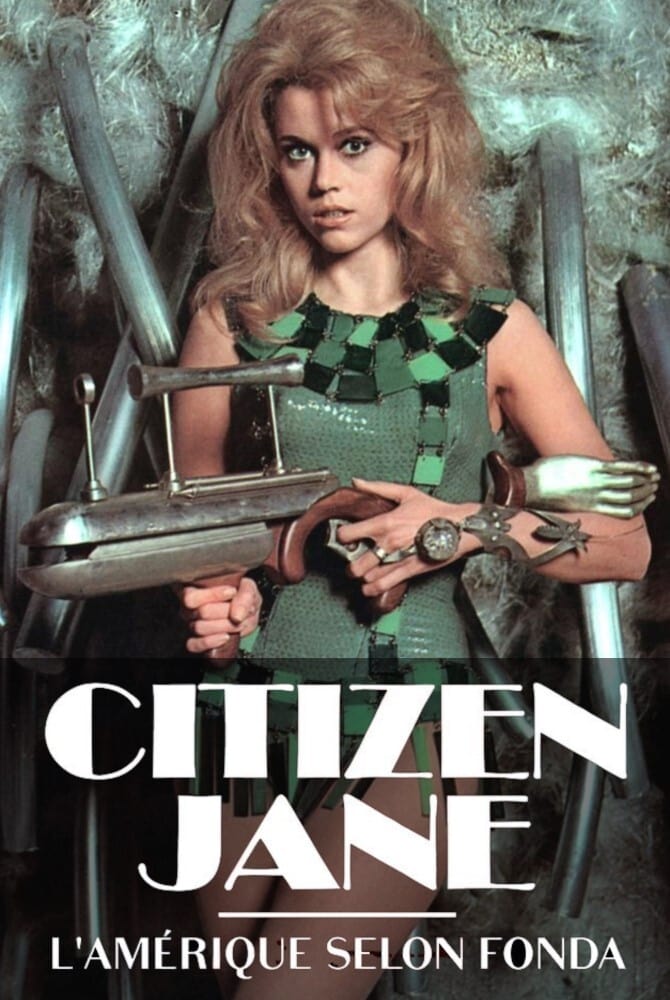 Movie7.2Documentary
Very few Icons have at once embodied the Myths of their own country while revealing its contradictions: heiress of the Hollywood star system and muse of the French auteur Cinema, Academy Award winning actress and committed producer, feminist and aerobic queen, activist and fearless businesswoman… In a lifetime, Jane Fonda may have reconciled all the facets of America without renouncing her own integrity. Through her portrait, the film tells a social and political story while drawing the picture of a typically American phenomenon.
 Movie7.5DocumentaryTV Movie
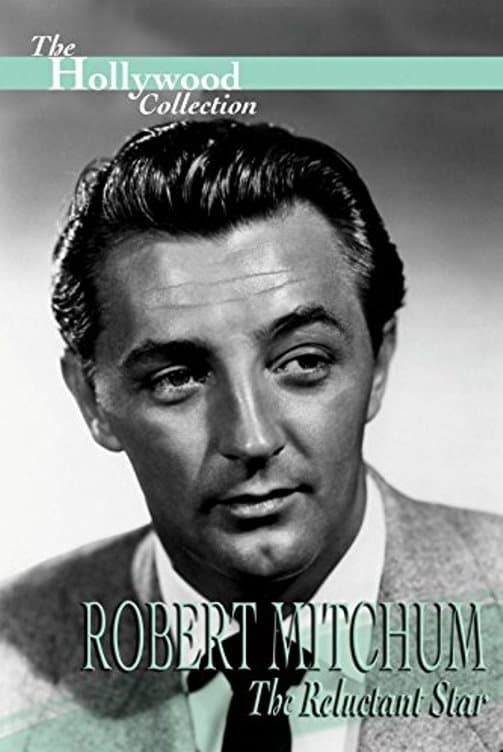
A retrospective on the career of Robert Mitchum through interviews with friends and co-workers, scenes from his films and the actor himself.
Robert Mitchum: The Reluctant Star
1991 · 2 votes
 Movie8.0DocumentaryTV Movie
Faye Dunaway hosts a behind-the-scenes look at the Hollywood star-making machine.
Inside the Dream Factory
1995 · 2 votes
 Movie10.0Documentary
Documentary following the hearings held by the House Un-American Activities Committee of the '40s and '50s.
Blacklist: Hollywood on Trial
1996 · 1 votes
 Movie7.3Documentary
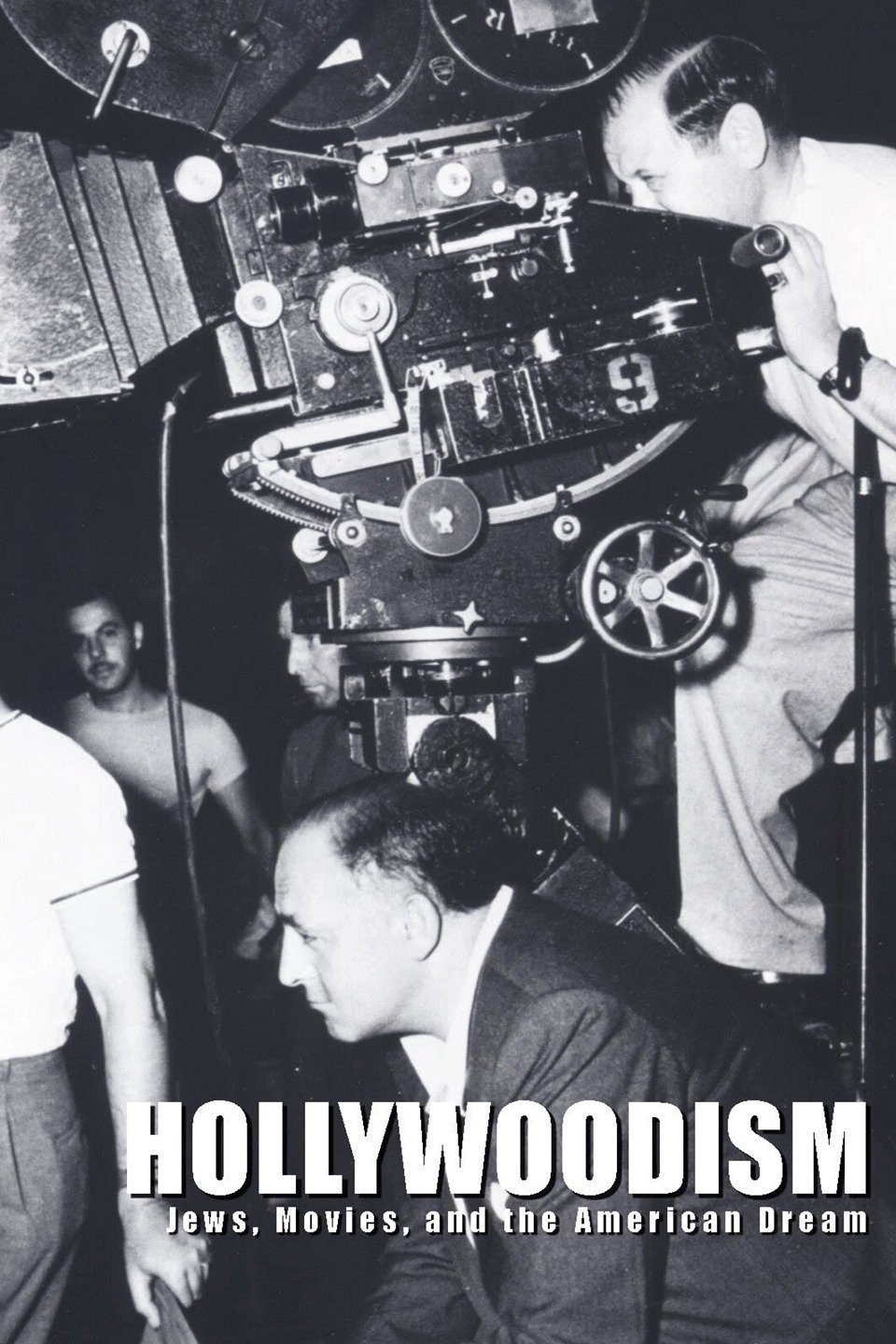
This film discusses the effect on how major American films in Hollywood were influenced by the Eastern European Jewish culture that most of the major movie moguls who controlled the studios shared. Through clips of various films, the filmmakers illustrate the dominant themes like that of the outsider, the outspoken American patriotism, and rooting for the underdog in society.
Hollywoodism: Jews, Movies and the American Dream
1998 · 7 votes
 Movie6.5Documentary
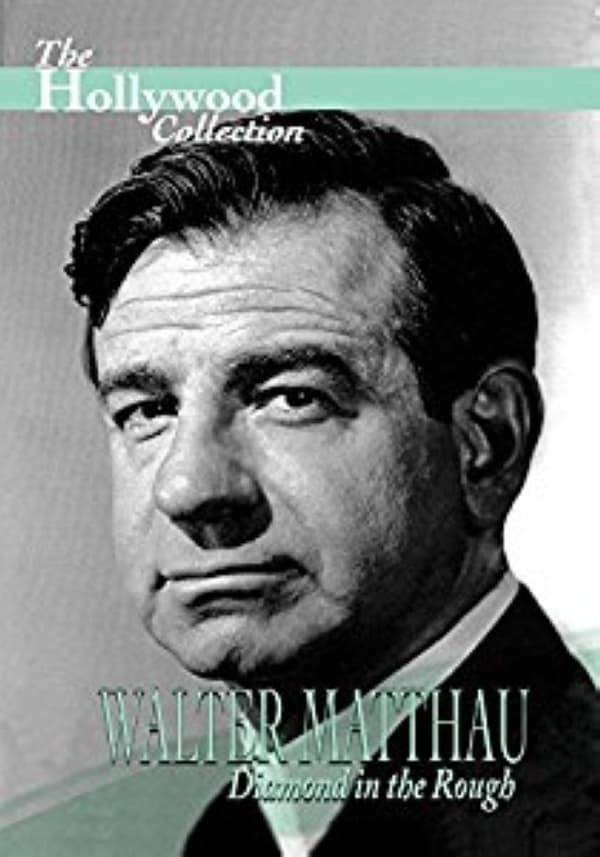
A profile of the life of actor Walter Matthau.
Walter Matthau: Diamond in the Rough
1997 · 2 votes
 Movie7.0Documentary
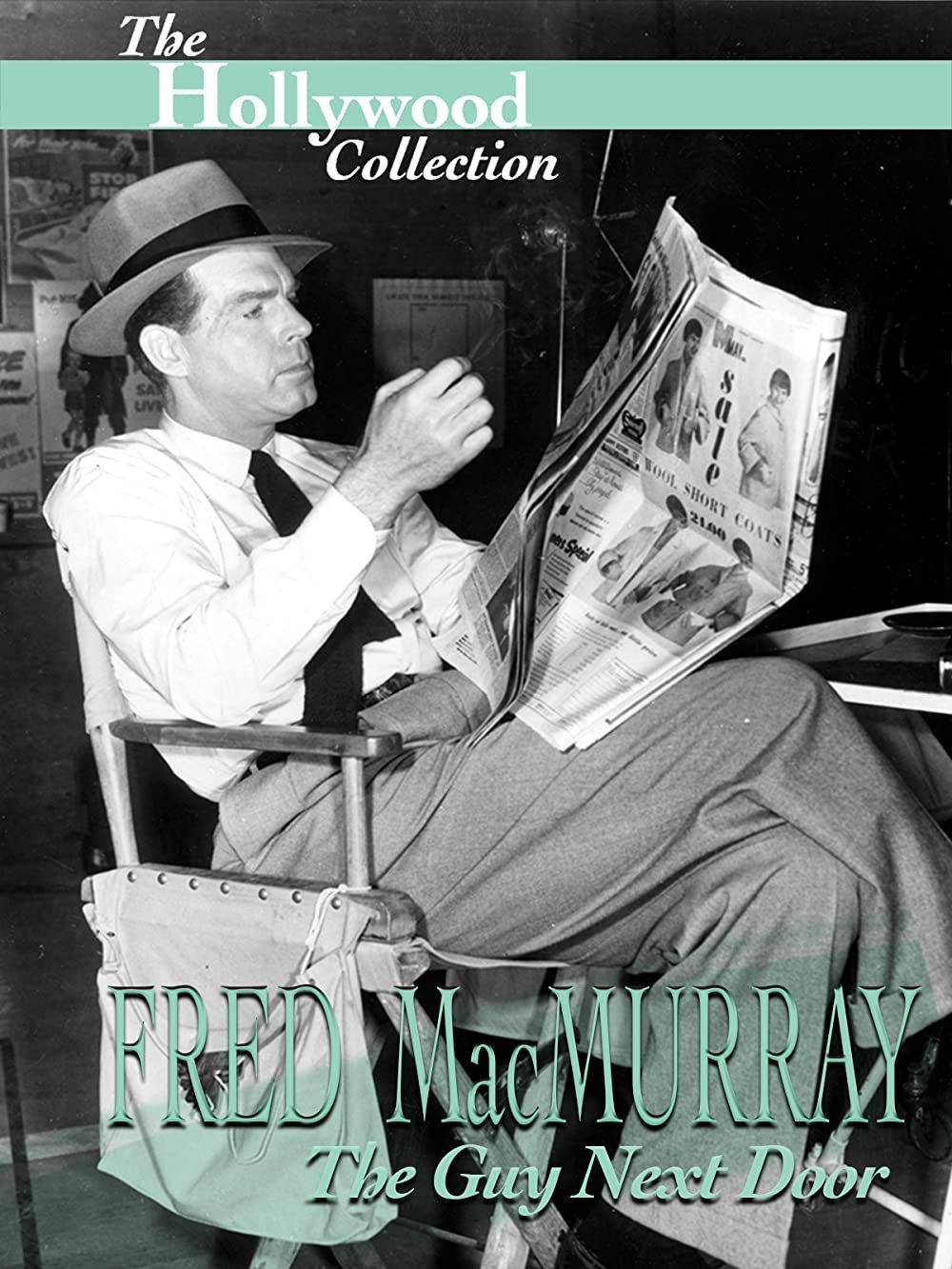
Amiable and unassuming, Fred MacMurray went from small-town boy to one of Hollywood and television's most enduring stars.
Fred MacMurray: The Guy Next Door
1996 · 1 votes
 Movie6.8Documentary
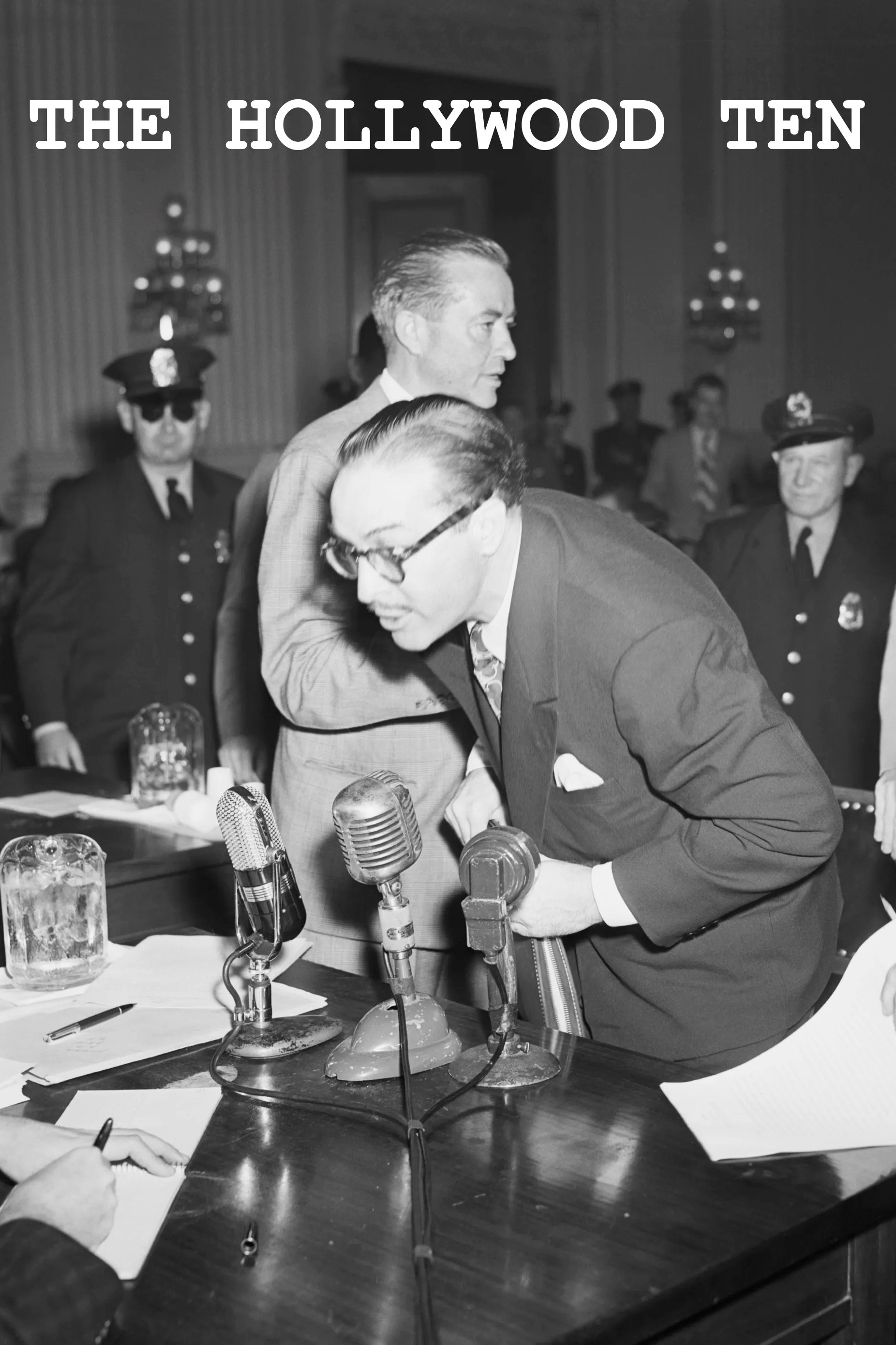
A brief look at The Hollywood Ten, a group of screenwriters and directors charged with contempt of court after challenging the House Un-American Activities Committee and their controversial and self-incriminatory questions during the red scare. With that act of defiance, they were sentenced to one year in prison simply for speaking their minds and exercising their constitutional rights as concerned citizens. This is their story, their version of the facts, and their opinions.
The Hollywood Ten
1950 · 11 votes
 Movie7.0Documentary
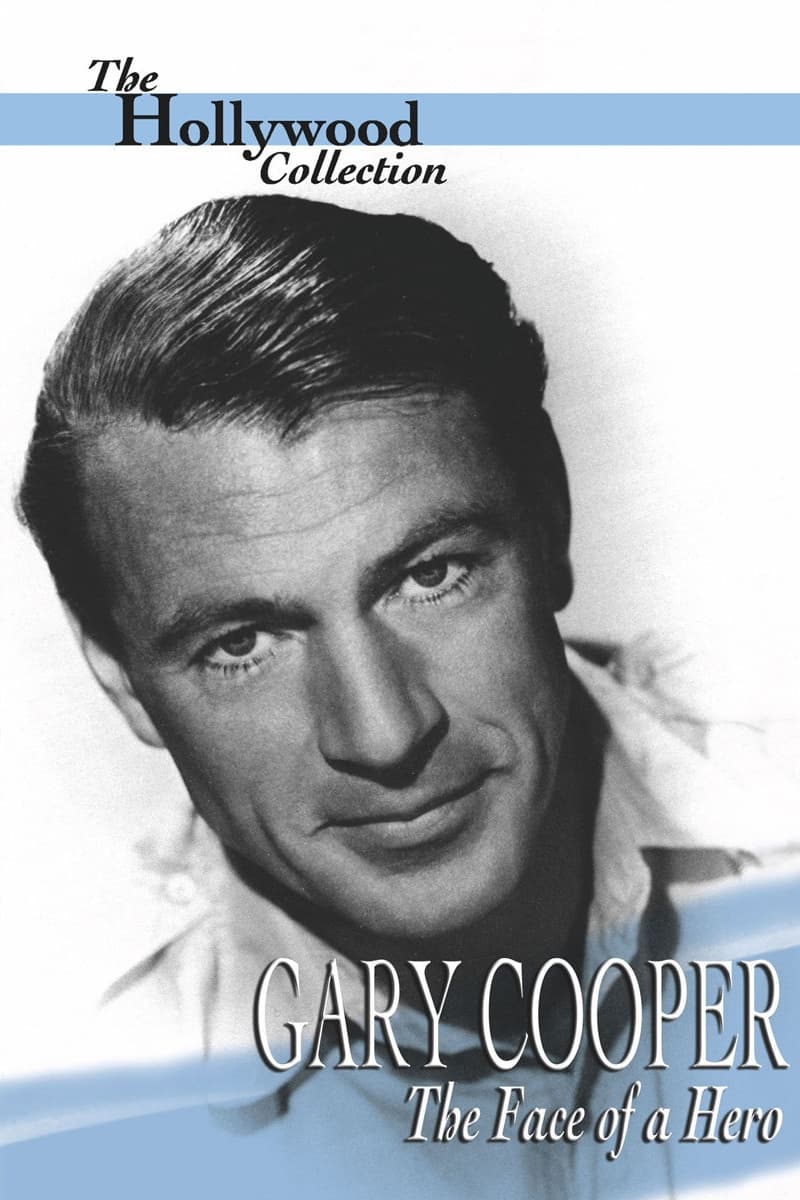
Known for his personification of the Western Hero, it was Montana-born Gary Cooper's horse-riding skills that first brought him bit parts in movies. And he never lost his love of the great American outdoors. Though he rarely played a villain and was an adept comedian, Cooper is best remembered for his strong, silent heroes. With his lanky country boy looks and shy hesitancy he created a unique screen presence, though his real life was one of sophisticated elegance.
Gary Cooper: The Face of a Hero
1998 · 1 votes
 Movie8.0DocumentaryTV Movie
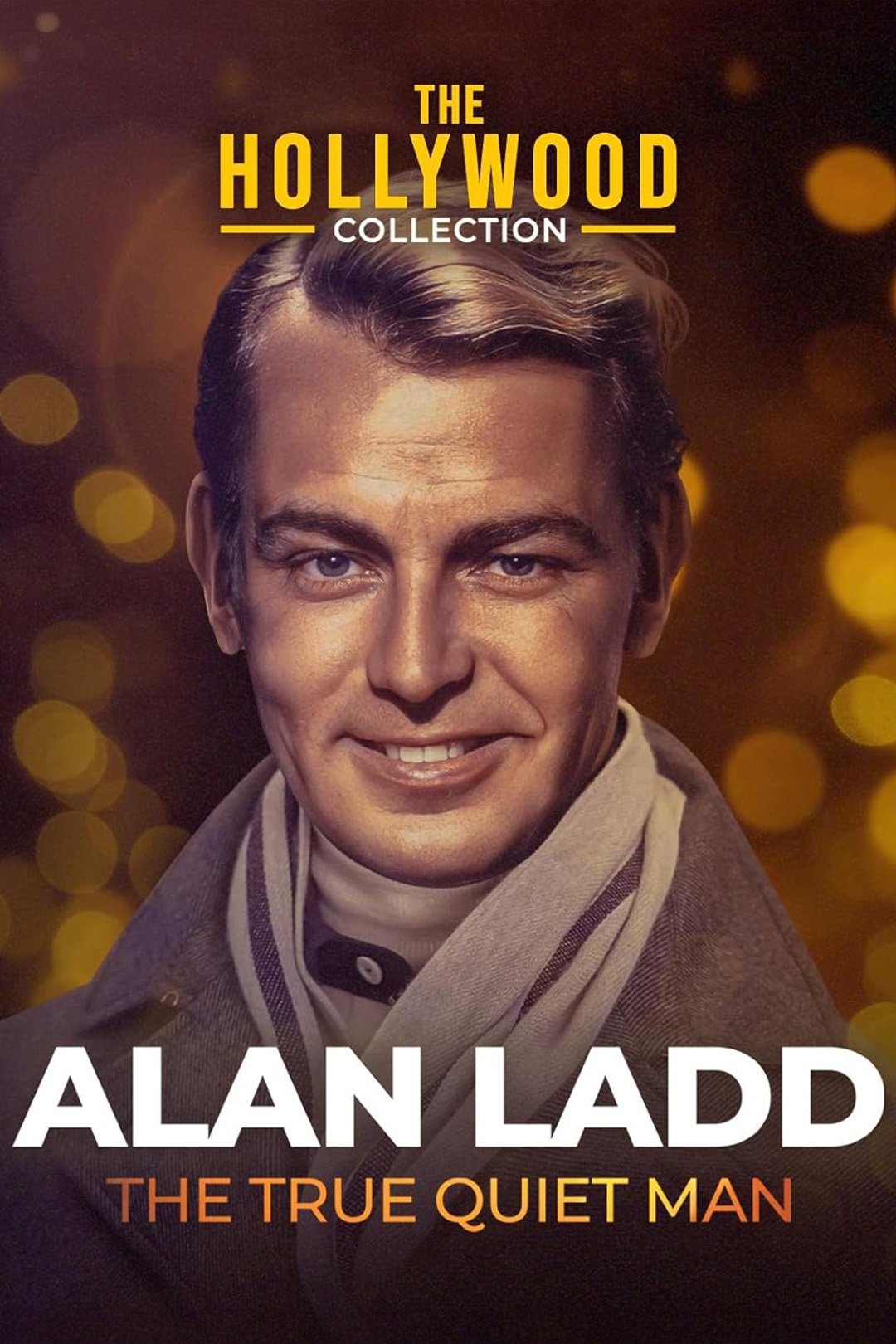
In the 1942 film "This Gun For Hire," he was only a supporting actor. But his portrayal of a cold, ruthless killer with a core of gentle sadness had an impact on audiences everywhere. Teamed with diminutive Veronica Lake, he became an immediately saleable commodity, and in the process helped launch the age of film noir. By 1954, Photoplay Magazine voted him the world's most popular male film star; his fellow award-winner was Marilyn Monroe. But Alan Ladd's fabulous success already contained within it the mechanism to self-destruct.
Alan Ladd: The True Quiet Man
1999 · 2 votes
- Movie7.0Documentary
Anthony Quinn - A Lust for Life
1998 · 1 votes
Series1
 TV9.0Documentary
Ed Asner tells the story of RKO Pictures from the 1920s to the 1960s.
The RKO Story: Tales From Hollywood
1987 · 2 votes