Boštjan Hladnik
Director · 1929 – 2006 · Kranj, Slovenia, Yugoslavia
Boštjan Hladnik (30 January 1929 – 30 May 2006) was a Yugoslav/Slovene filmmaker. Hladnik was born in Kranj. He started with amateur short films after acquiring a projector and a 8mm camera in 1947. From 1949 he studied at the Academy for Theatre, Radio, Film and Television in Ljubljana and made a name for himself with several highly acclaimed short films. In 1957, Hladnik moved to Paris to apprentice under French filmmakers such as Claude Chabrol, Philippe de Broca, and Robert Siodmak. Hladnik's early-'60s features, Ples v dežju (Dance in the Rain) (1961) and Peščeni grad/Sand Castle (1962), influenced the course of Yugoslav cinema, through integrating influences from the nouvelle vague into it. Hladnik has an obsession with eroticism. He made many films dealing openly with sex and his Erotikon [de] (1963), with its openly sensual approach to taboo sexual relationships, not only triggered angry protests in the press, but it also led to it being banned in some Yugoslav republics. Western European critics and public however, supported Hladnik enough for him to find foreign backing for his even more provocative feature film on sexuality, Maškarada/Masquerade (1971). Hladnik died in Ljubljana in 2006.
Movies7
 MovieDocumentary
A documentary film about the Slovenian filmmaker Boštjan Hladnik.
Enfant terrible
1992
 Movie5.2ComedyDrama
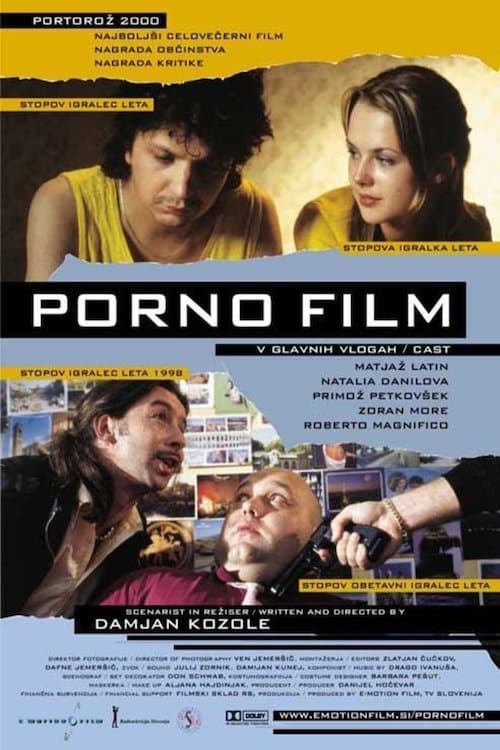
Charlie, the protagonist of the Slovenian film “Porno Film”, is so dedicated to his porn viewing that his two friends John and Frank jokes that he must have a PhD in pornography by now. Using Charlie’s extensive knowledge of all things porn, the trio sets out to make the “first real Slovenia porn film”, in Slovenian language and everything — except the women in the film are emigrated Russian hookers, and their Slovenian isn’t very good.
 Movie6.4DramaWar
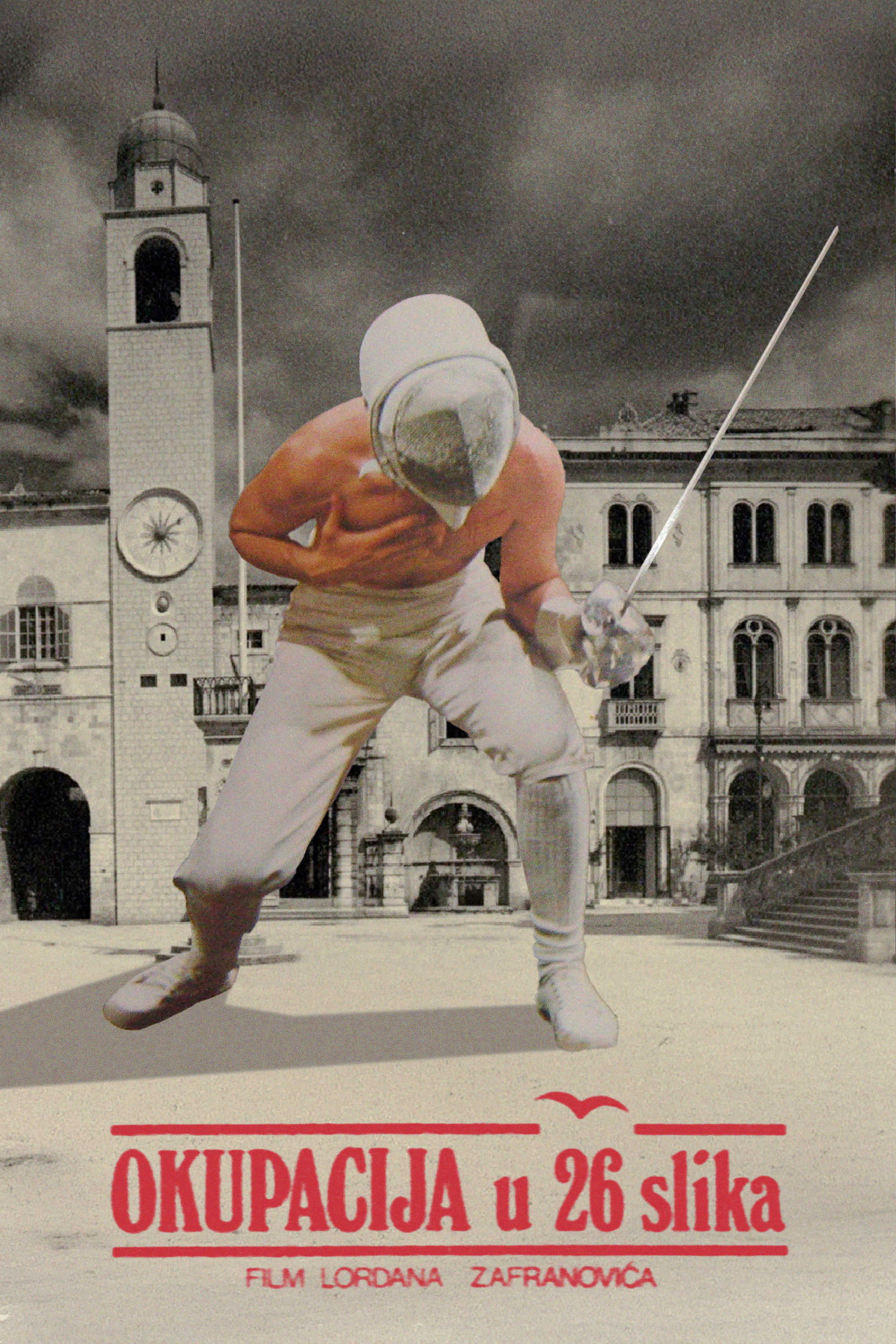
Set in Dubrovnik, this drama chronicles a friendship between three men, that began just before World War II. One of the men is of Italian origin, another is the wealthy heir of a shipping fortune, and the third is the son of a Jewish antique-store owner. Before the war, they are fast friends, enjoying one another's company at carnivals and at a private fencing club. However, when the war comes, the Italians and Germans move in to create the Independent State of Croatia. The Italian friend becomes a fascist and courts and marries the sister of his rich friend. Soon enough, atrocities are being committed, and anyone suspected of Jewish or Serbian parentage or anti-fascist leanings, is killed.
- Movie8.0Drama
By a twist of fate, Damjan is mistaken for a murderer who was prowling the streets of Ljubljana in the same neighbourhood. Because of his naive, friendly approach and helpfulness, his wife walks out on him and the police have doubts about his sanity. Is Damjan really losing his memory like his father did before him? And does purity of mind and spirit necessarily lead to a person's downfall? Will Damjan, who is mysteriously attracted and connected to the cinema and who finds himself drawn into a case of mistaken identity (just like in the movies) succeed in setting his life in order in spite of the mix-up and in finding the right companion for himself?
- Movie9.0Drama
A three-part omnibus drama that shows destinies of three grown men: first segment (Escape) is about a sculptor, the second segment (Shade) is about a loner, while the third segment (Ring) is about a movie star.
P.S. - Post Scriptum
1988 · 1 votes
 MovieDocumentary
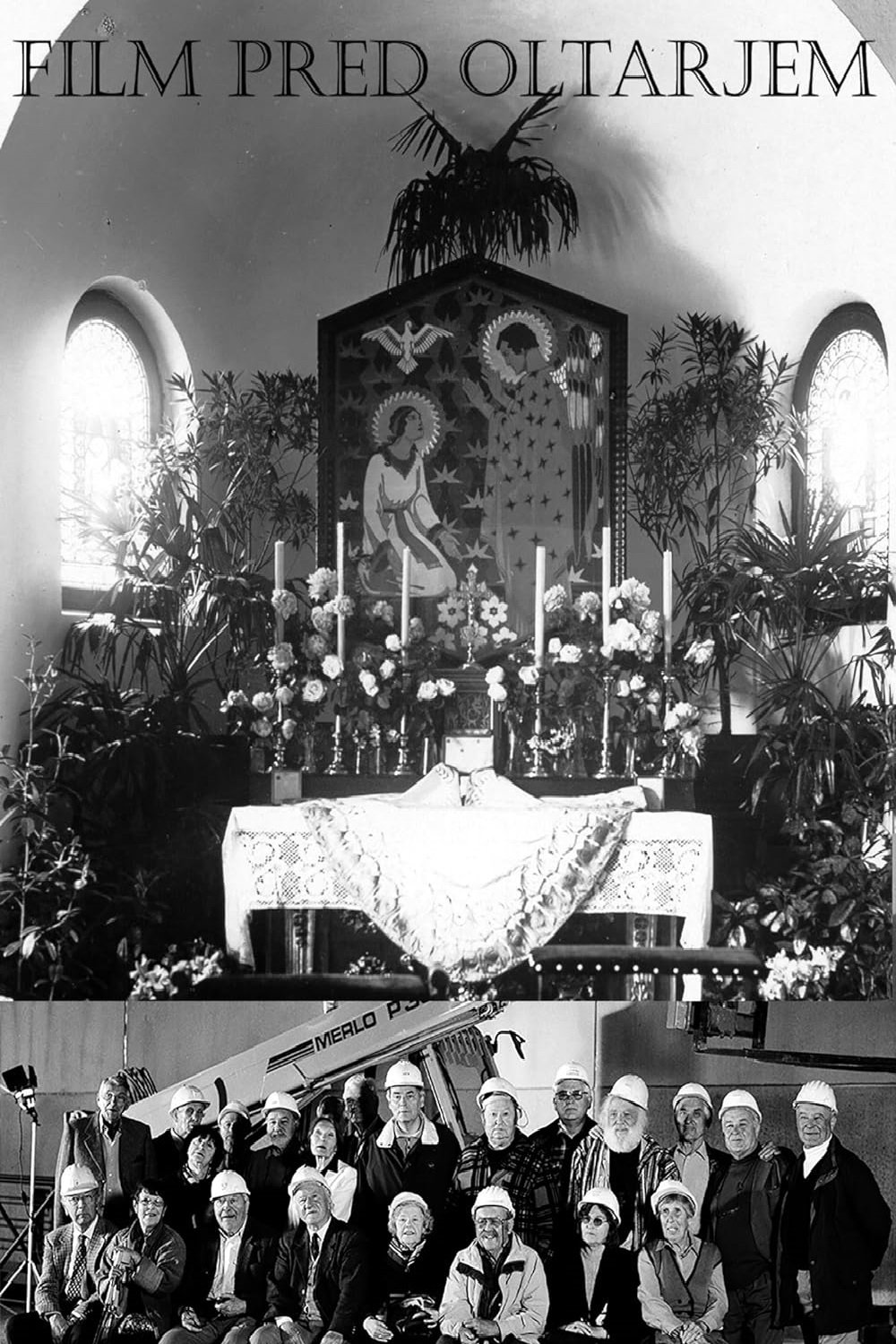
After the war, the young totalitarian authority was afraid of Jesuits that had good connections all over the world, even in the countries Slovenian political immigrants fled to. They were accused of hostile activities and put to a framed-up trial.
- MovieTV MovieDrama