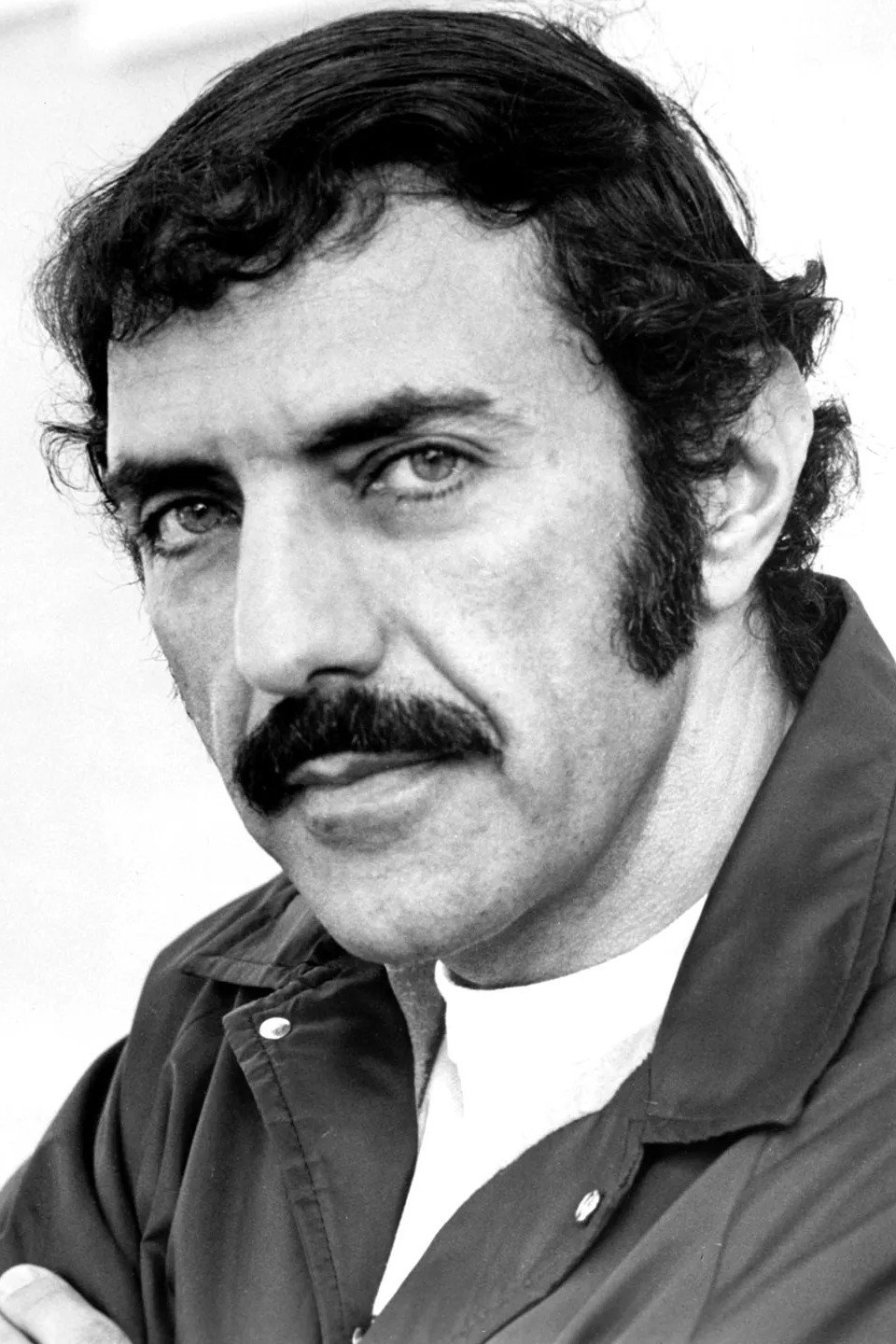
William Peter Blatty
Writer · 1928 – 2017 · New York, New York, USA
William Peter Blatty (January 7, 1928 – January 12, 2017) was an American writer, director and producer. He is best known for his 1971 novel The Exorcist and for his screenplay for the 1973 film adaptation. Blatty won an Academy Award for Best Adapted Screenplay for The Exorcist, and was nominated for Best Picture as its producer. The film also earned Blatty a Golden Globe Award for Best Motion Picture – Drama as producer. Born and raised in New York City, Blatty received his bachelor's degree in English from Georgetown University in 1950, and his master's degree in English literature from the George Washington University. Following completion of his master's degree in 1954, he joined the United States Air Force and served in the Psychological Warfare Division where he attained the rank of first lieutenant. After service in the air force, he worked for the United States Information Agency in Beirut. After the success of The Exorcist, Blatty reworked his 1966 novel Twinkle, Twinkle, "Killer" Kane! into a new novel titled The Ninth Configuration, published in 1978. He went on to adapt the novel into the 1980 film, which was also his directorial debut. At the 38th Golden Globe Awards, the film won Best Screenplay and was nominated for Best Picture. Blatty refused to have any involvement with the first sequel to The Exorcist; it was critically panned. He directed the second sequel, The Exorcist III (1990), which he adapted from his 1983 novel Legion. His second film as a director, The Exorcist III was his final directorial credit and final screenplay credit. Some of his later novels include Elsewhere (2009), Dimiter (2010) and Crazy (2010). Description above from the Wikipedia article William Peter Blatty, licensed under CC-BY-SA, full list of contributors on Wikipedia.
Movies11
 Movie7.7Horror
When a mysterious entity possesses a young girl, her mother seeks the help of two Catholic priests to save her life.
The Exorcist
1973 · 8.9K votes
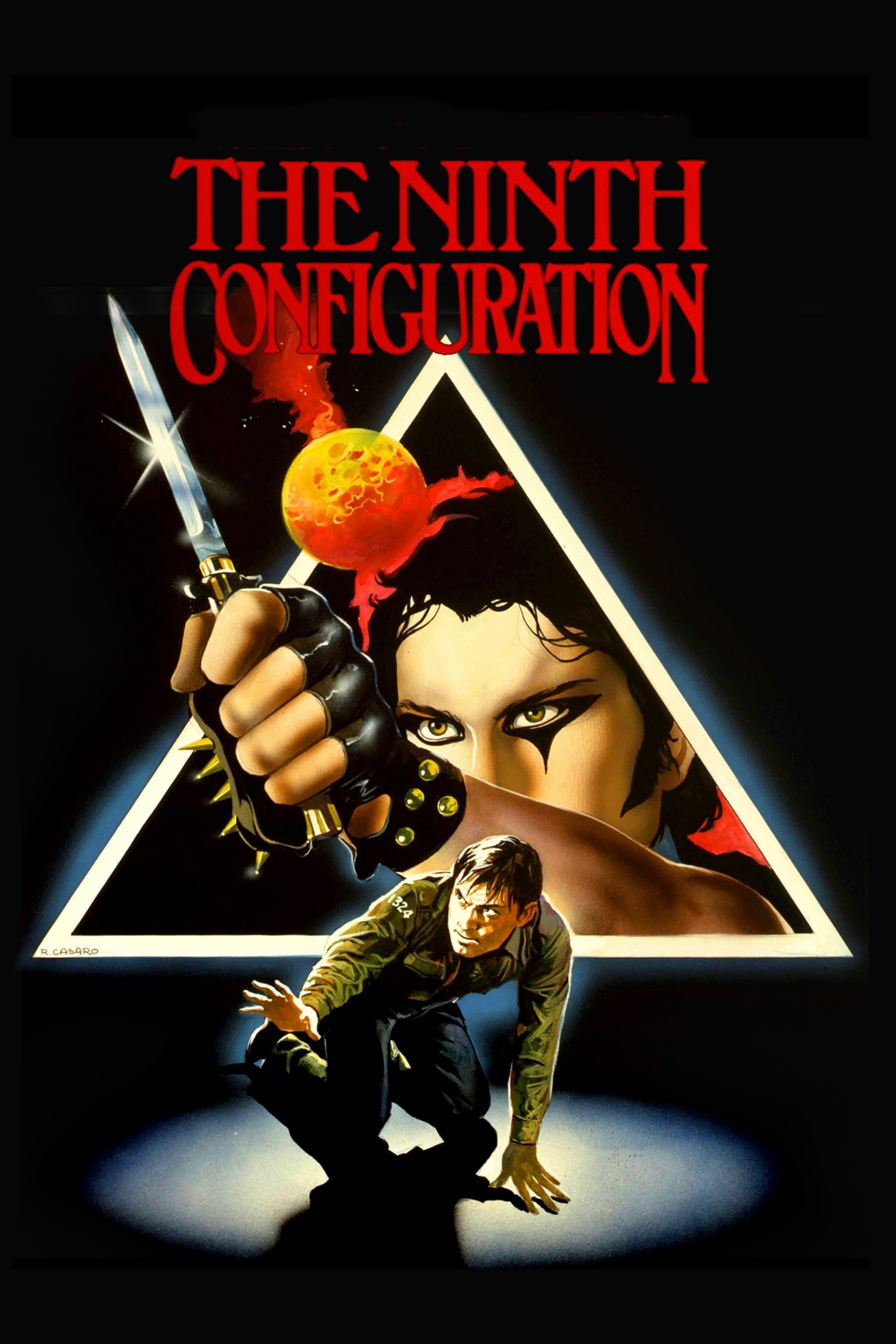 Movie6.4DramaComedy
Army psychiatrist Colonel Kane is posted to a secluded gothic castle housing a military asylum. With a reserved calm, he indulges the inmates' delusions, allowing them free rein to express their fantasies.
The Ninth Configuration
1980 · 175 votes
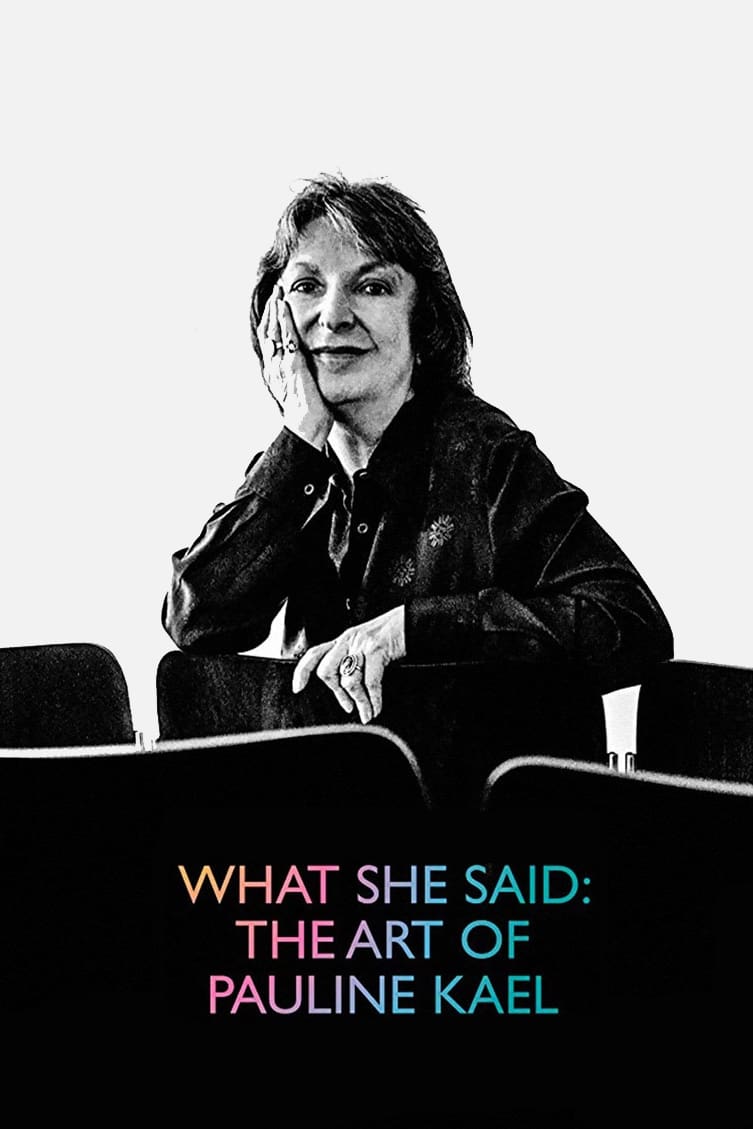 Movie6.7Documentary
Pauline Kael (1919–2001) was undoubtedly one of the greatest names in film criticism. A Californian native, she wrote her first review in 1953 and joined ‘The New Yorker’ in 1968. Praised for her highly opinionated and feisty writing style and criticised for her subjective and sometimes ruthless reviews, Kael’s writing was refreshingly and intensely rooted in her experience of watching a film as a member of the audience. Loved and hated in equal measure – loved by other critics for whom she was immensely influential, and hated by filmmakers whose films she trashed - Kael destroyed films that have since become classics such as The Sound of Music and raved about others such as Bonnie and Clyde. She was also aware of the perennial difficulties for women working in the movies and in film criticism, and fiercely fought sexism, both in her reviews and in her media appearances.
What She Said: The Art of Pauline Kael
2019 · 16 votes
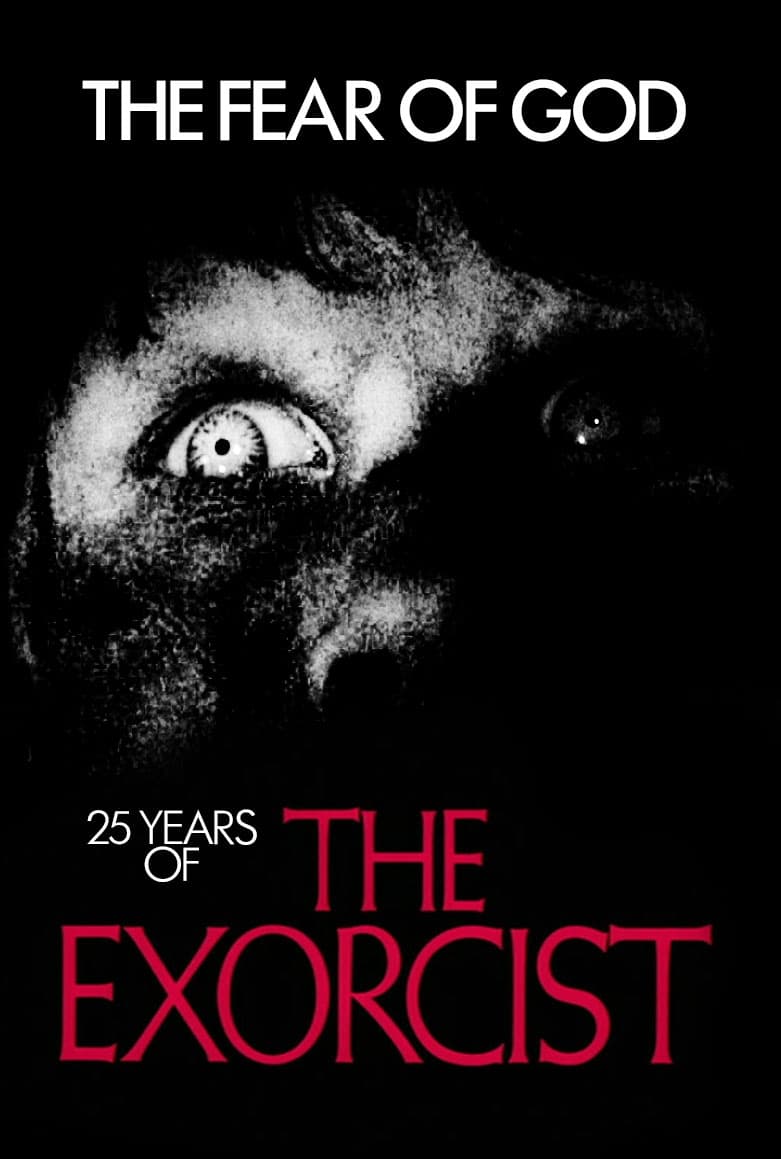 Movie7.4DocumentaryTV Movie
A behind-the-scenes retrospective made for the twenty-fifth anniversary of the classic horror film, The Exorcist. Includes interviews with Linda Blair and the other stars of the film, along with commentary from the director and writer on some of the deeper meanings behind the elements they used to terrify their audiences, and previously unreleased footage including make-up tests and deleted scenes.
The Fear of God: 25 Years of The Exorcist
1998 · 25 votes
 Movie7.0Documentary
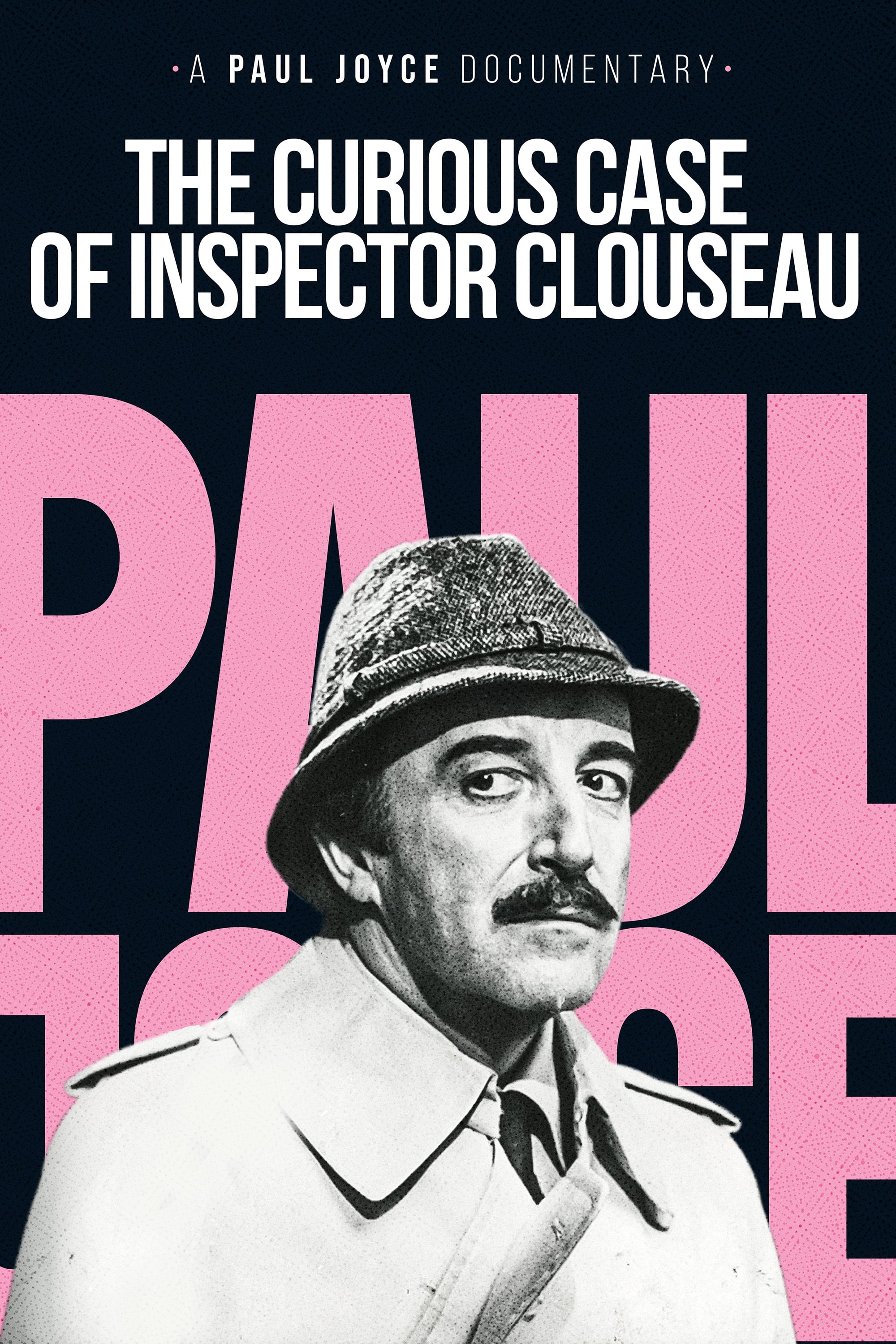
DA-DUN DA-DUN DA-DUN-DA-DUN-DA-DUN-DA-DUN-DA-DUUUUN Henry Mancini’s iconic score, Peter Sellers’ bumbling Inspector Clouseau, and those unforgettable animated opening sequences - delve into the history of the Pink Panther films, the pink diamond hunting comedy-mystery franchise that was a smash hit, made a megastar of Peter Sellers and spawned an empire. Paul Joyce’s typically thorough and entertaining documentary focuses on star Peter Sellers’ creation of a comedy icon and his relationship with director Blake Edwards. Hosted by Burt Kwouk, who played Clousea’s manservant and martial arts sparring partner Cato, and featuring interviews with Mark Kermode, Herbert Lom (Chief Inspector Dreyfus), Graham Stark (Pepi) and more, THE CURIOUS CASE OF INSPECTOR CLOUSEAU is a must-see... if you can catch it!
The Curious Case of Inspector Clouseau
2002 · 1 votes
 Movie3.5AdventureRomance
A cropduster pilot finds himself caught between two women—one who loves him and the other, who doesn’t handle rejection well, who’s out to destroy him.
No Place to Land
1958 · 4 votes
- Movie5.3FantasyDocumentary
An investigation into the reports of houses in Hollywood that are supposedly haunted by the ghosts of dead movie stars.
Hollywood Ghost Stories
1986 · 6 votes
- MovieDocumentary
An Oscars special featuring interviews with a few of the nominees and the writer and director the year's breakout hit, The Exorcist (1973).
 MovieDocumentary
Friedkin and Roizman talk about the film's Georgetown locales, and side-by-side comparisons between the 1973 locations and their modern 2010 counterparts are examined.
 Movie8.0DocumentaryTV Movie
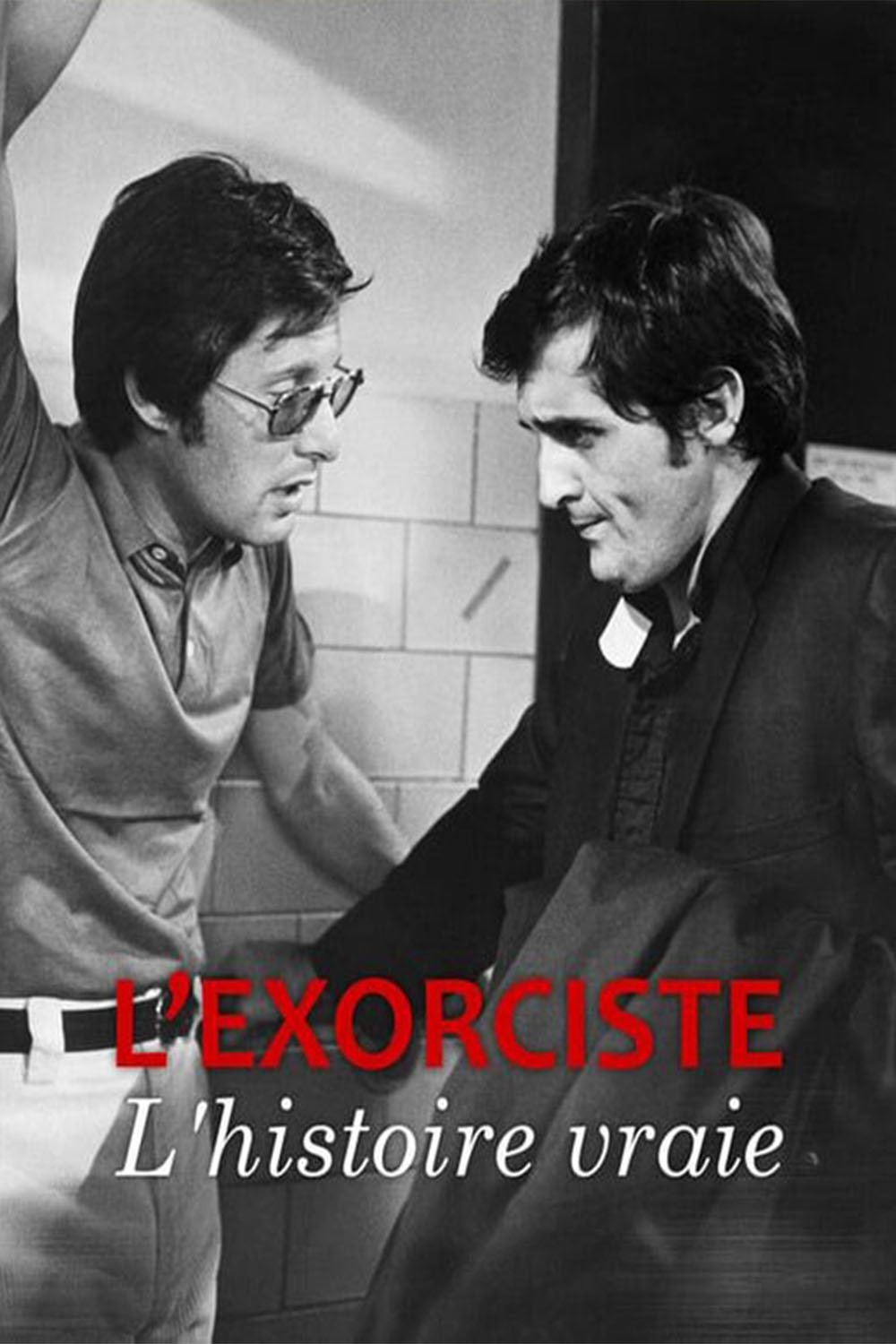
This documentary explores the 1949 possession and subsequent exorcism of a boy known as Ronald Doe.
Exorcists: The True Story
2004 · 2 votes
 Movie5.0DocumentaryHorror
Forty years after his novel was published, The Exorcist's author, screenwriter and producer return to where it all began.
Series2
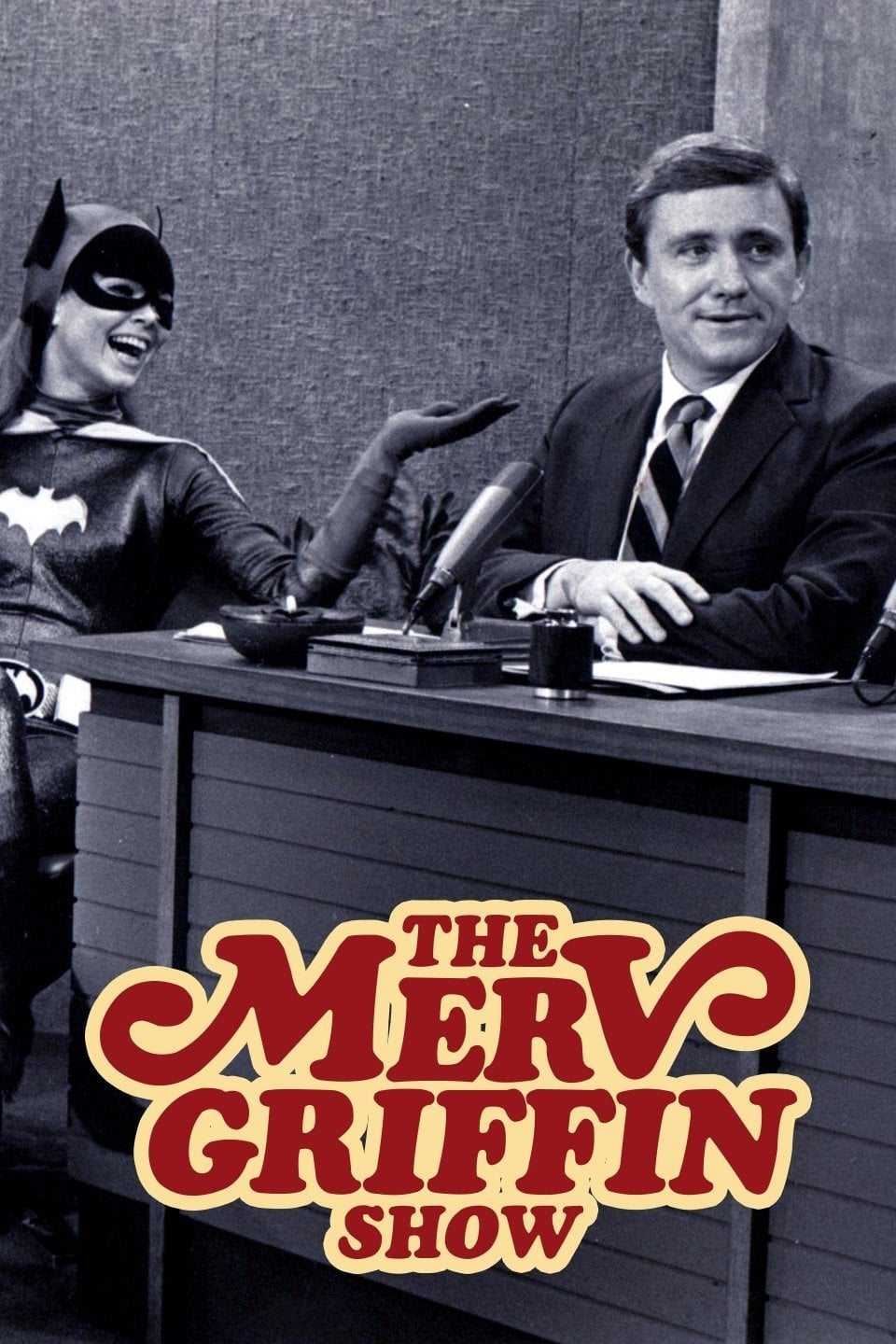 TV6.8Talk Show
The Merv Griffin Show
1962 · 12 votes
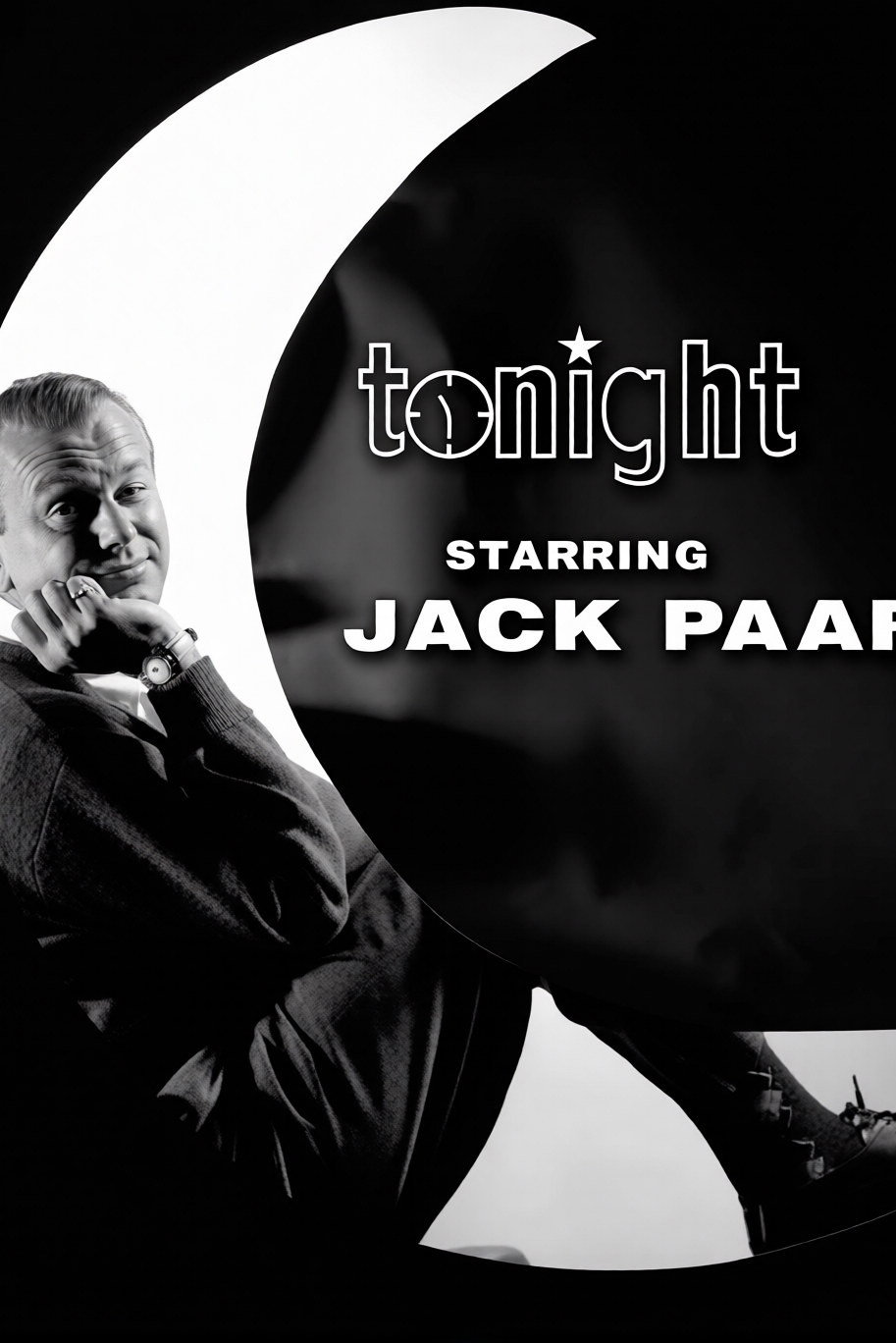 TV7.5Talk Show
Tonight Starring Jack Paar is an American talk show hosted by Jack Paar under The Tonight Show franchise from 1957 to 1962. It originally aired during late-night. During most of its run it was broadcast from Studio 6B inside the RCA Building. The same studio would also host early episodes of The Tonight Show Starring Johnny Carson, and Late Night with Jimmy Fallon. Its theme song was an instrumental version of "Everything's Coming Up Roses", and the closing theme was "So Until I See You" by Al Lerner.
Tonight Starring Jack Paar
1957 · 6 votes