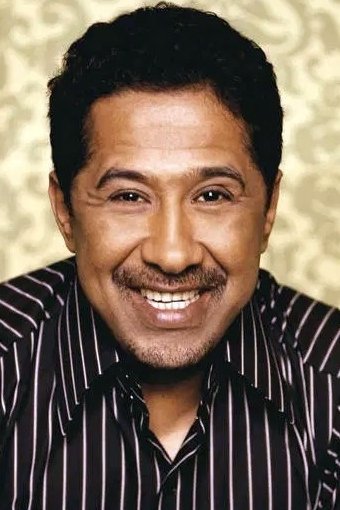
Cheb Khaled
Actor · b. 1960 · Oran, Algérie
Khaled Hadj Ibrahim (Arabic: خالد حاج إبراهيم; born 29 February 1960), better known by his mononym Khaled (Arabic: خالد), is an Algerian raï singer, musician and songwriter. He began recording in his early teens under the name Cheb Khaled (شاب خالد, Arabic for "Young" Khaled, with "Cheb" as a common title for male raï singers). Khaled is one of the most important musicians in the history of Raï music in his native Algeria and is one the world's best-known Arab singers. To date, Khaled has sold over 80.5 million albums (10 diamond, platinum, and gold) worldwide, making him one of the bestselling Arabic-language singers in history Among his most famous songs are "Aïcha", "Didi", "El Arbi", "Abdel Kader", "La Poupée qui fait non", "Wahran Wahran", "Bakhta", "C'est la vie", and "Alech Taadi". He holds the Guinness World Record for best-selling artist of raï music. Khaled was born on 29 February 1960 in Oran's Eckmühl neighborhood, Algeria. His rise to national fame was mainly due to the efforts of Lieutenant-Colonel Hosni Snoussi, director of the state-supported arts and culture Office Riadh el Feth, who took Khaled under his wing and invited him along with other rai stars to perform at the state-sponsored Festival de la Jeunesse pour la Fête Nationale in Algiers in July 1985. In the same year, he was crowned king of rai in the first official festival of rai which was staged in Oran. Hosni Snoussi and Martin Meissonnier, who met at the Festival, convinced France's Minister of Culture Jack Lang that the export of rai from Algeria to France was in the French government's interest and together they organized the first rai festival in France at Bobigny in 1986. Cheb Khaled, who had been avoiding his mandatory military service, was able to perform at Bobigny only after Colonel Snoussi intervened with the Algerian military authorities to secure him a passport. Shortly thereafter, Snoussi arranged for Cheb Khaled to record in France, with funding from the Office Riadh el Feth. The album, Kutché, released in 1988, a collaboration between Khaled and the Algerian jazz musician Safy Boutella, expanded his reputation in France, where he soon settled. In 1992, having dropped the "Cheb" from his performance name, he recorded Khaled, which was produced by Don Was. The album's first single Didi, which was a major hit in Europe, the Arab World, and in South and East Asia, made him an international superstar. "One of the Pioneers of world music, Rai musician Khaled has gone beyond all geo-political boundaries to become one of the world's most popular performers, mixing traditional Algerian music with western rhythms and styles such as soul, rock and reggae to achieve his distinctive sound and voice unlike anyone ever. Khaled has been celebrated not only for his music, but for his role as a builder of bridges between cultures. selling more than 80 millions copies around the world makes him a nationwide celebrity and unofficial ambassador for the country's Arab minority."—Food and Agriculture Organization of the United Nations, Rome, 2008. ... Source: Article "Khaled (musician)" from Wikipedia in English, licensed under CC-BY-SA 3.0.
Movies6
 Movie8.0Music
 Movie7.3
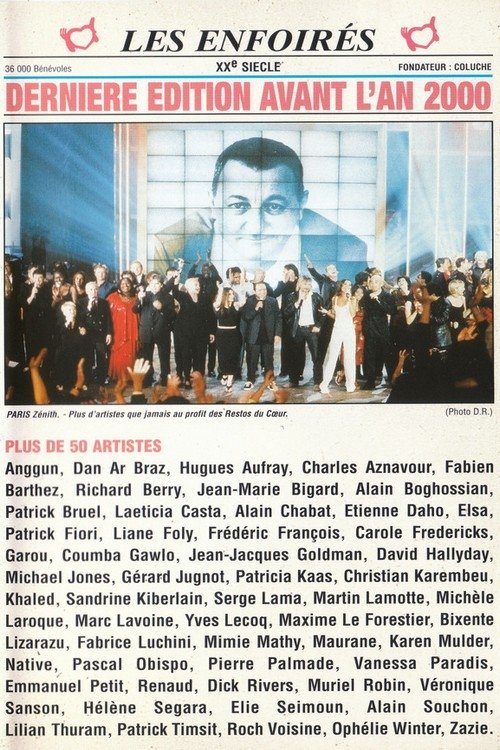
Les Enfoirés 1999 - Dernière édition avant l'an 2000
1999 · 4 votes
 Movie7.5DocumentaryHistory
How African artists have spread African culture all over the world, especially music, since the harsh years of decolonization, trying to offer a nicer portrait of this amazing continent, historically known for tragic subjects, such as slavery, famine, war and political chaos.
Africa Rising
2019 · 2 votes
 Movie10.0DocumentaryMusic
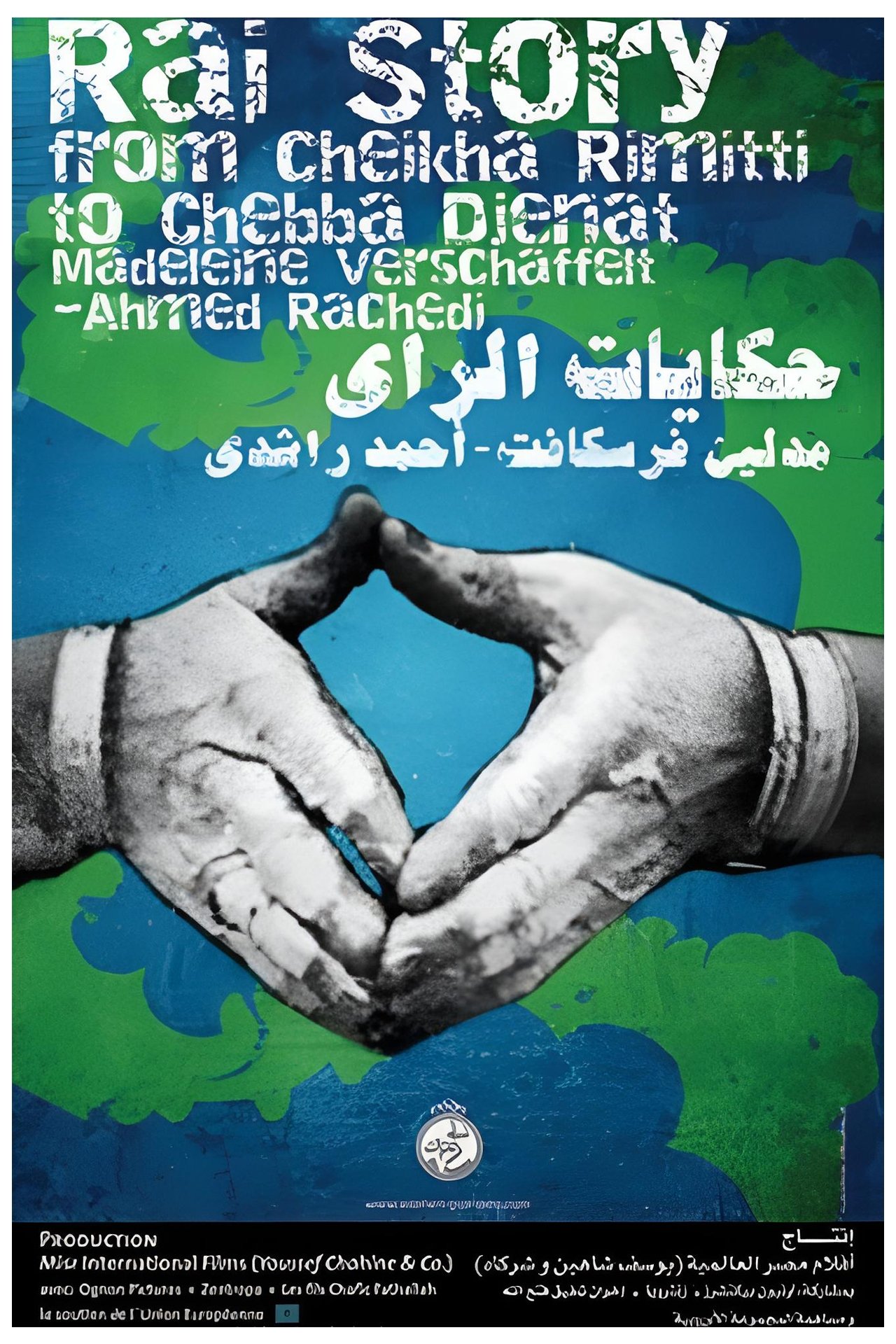
Raï Story is a musical journey in search of the Raï legend, Cheikha Remitti, in Oran, Algeria, where the Raï musical tradition began. In 1923, the first Raï singers performed behind screens during ceremonies to protect their identity. It was only when the music of singer Cheikha Remitti began to gain popularity among the general public that Raï music was made public, in the 1940s. Cheikha Remitti, who lives between Paris and Oran, is nowhere to be found, the filmmakers then decide to meet producers, musicians, singers like Cheba Dalila or Cheba Djenet, for whom Remitti created a wake. The opportunity, through these unique stories, illustrated with archive images, to retrace the important place of women in this musical tradition and the transformation of Raï music from the 1960s to 2000.
 Movie10.0DocumentaryMusic
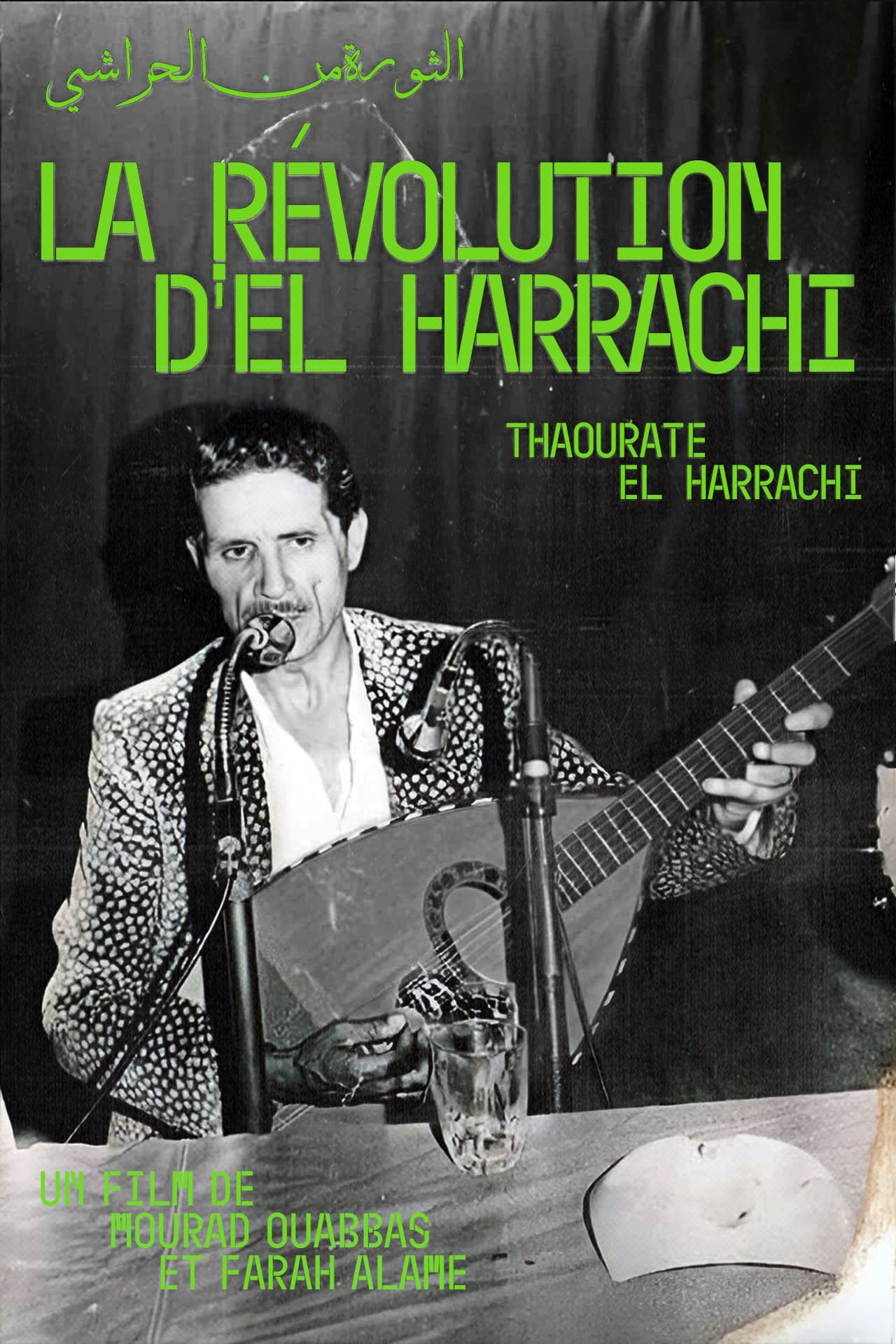
The artistic journey of Dahmane El Harrachi, born in 1925 in Algiers, bears the mark of his experience. An attentive and vigilant observer of the environment of immigrant workers, Dahmane has always avoided falling into the ambient miserabilism. From the Algerian Chaâbi, he has kept certain melodic lines and a clear propensity for sayings drawn from the oral poetic tradition. El Harrachi uses simple language, understandable by all popular sectors of the Maghreb, which partly explains its wide success. In 1949, he went to France and it was in cafes, springboard places where people come to breathe the air of the country, that he performed regularly. Elegant, with his beautiful atmosphere, the “bluesman” of the suburbs seduces, upsets and stirs consciences. Discovered late by the new generation, the creator of Ya Rayah met a tragic end, on August 31, 1980, in a car accident, on the Algiers coast which he sublimated above all else.
 Movie5.8Comedy
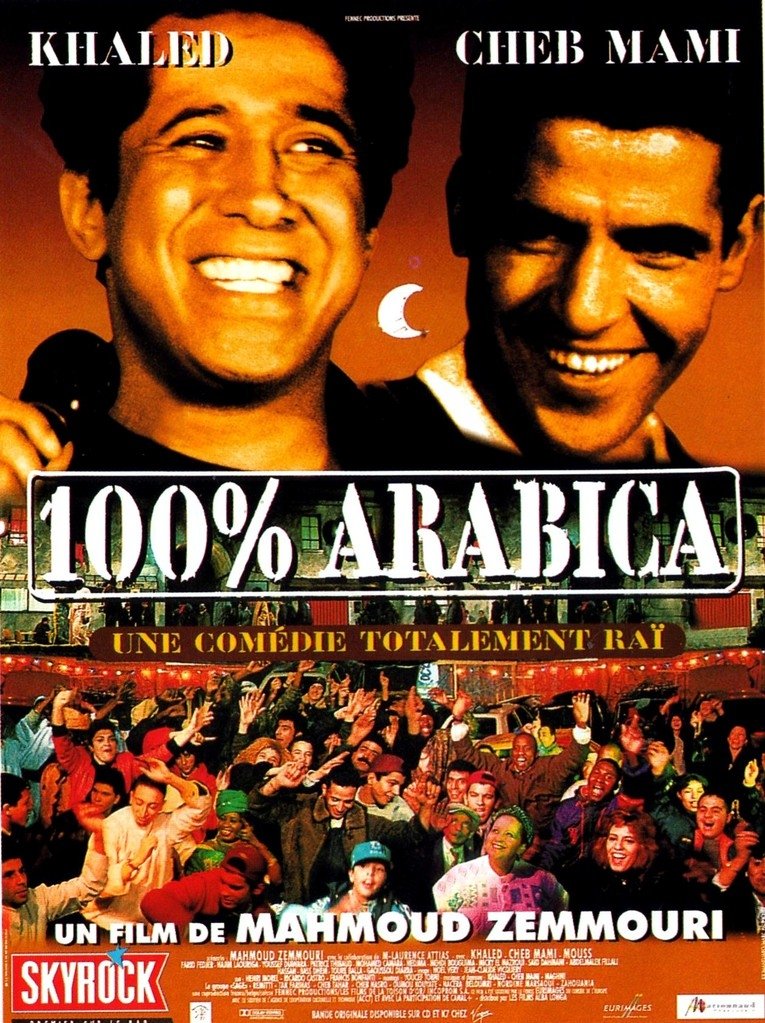
The movie takes place in a poverty-stricken, rent-controlled neighborhood on the outskirts of Paris. Algerian immigrants, many of whom are in France illegally, the place has earned the nickname of "100%Arabica". It's a rough neighborhood - crime is rampant, gangs of juvenile delinquents roam the streets, and the police are afraid to patrol the area. When the out-of-touch mayor decides that he wants to restore order to the area, he offers a subsidy to Slimane, the imam of the local mosque. If Slimane can get people off the streets, the mayor will continue the payments. Soon the byways of 100%Arabica are almost peaceful - but not because of something Slimane has done. The reason is that a new Rai Band, Rap Oriental, has taken the neighborhood by storm...
100% Arabica
1997 · 4 votes
Series3
 TVTalk Show
 TV3.3
TV3.3Victoires de la musique
1985 · 3 votes
 TV10.0Documentary
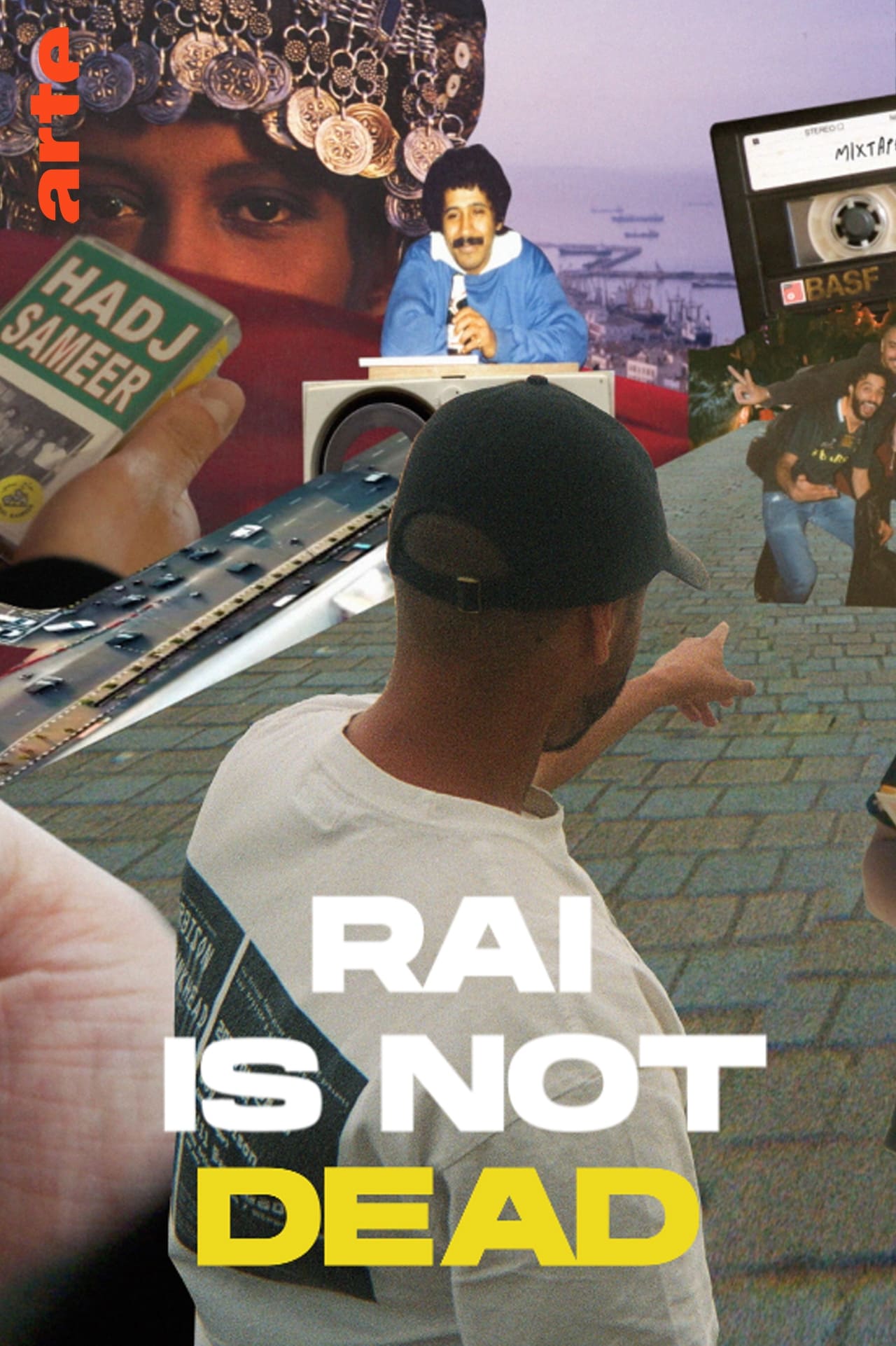
What musical genre can claim to have gone, in the space of fifty years, from a hidden cabaret in Oran to Super Bowl halftime? Born in Algeria at the end of the Second World War, the raï wave spread from the cabarets of western Algeria to the cassette shops of Barbès in Paris, before sweeping the world at the end of the 1980s. its hybridization, the intoxicating music traveled from Algerian and French weddings to the biggest international stages, before suddenly disappearing from the radar at the dawn of the new millennium. Icons that have disappeared, including Cheikha Remitti and Prince Hasni, to young heirs, passing by the star Khaled, the collector Hadj Sameer trace the tumultuous course of this musical genre, between clandestinity, planetary glory and resistance.
Raï Is Not Dead
2023 · 1 votes