
Katsu Kanai
Director · 1936 – 2026 · Kanagawa Prefecture, Japan
Katsu Kanai (金井 勝, Kanai Katsu, born 9 July 1936) is a Japanese experimental and avant-garde film director. The Harvard Film Archive has called him "one of the most vital and inventive filmmakers in the history of Japanese underground film". Born the son of a farmer in Kanagawa Prefecture, Kanai graduated from the College of Art of Nihon University before finding work at Daiei Film. He later became a freelance cinematographer and founded Kanai Productions in 1968. His first film, The Deserted Archipelago (1969, aka The Desert Island) won the grand prix at the Nyon International Documentary Film Festival. His second film, Good-Bye (1971), was the "first post-war, post-liberation Japanese feature to be filmed in Korea," and according to the film scholar Oliver Dew, illustrated "how a surreal, decided non-representational approach could block the determinations of cultural essentialism". His 2003 work, Super Documentary: The Avant-Garde Senjutsu, was awarded the FIPRESCI award at the International Short Film Festival Oberhausen. Kanai has been the subject of retrospectives at Oberhausen, the Lausanne Underground Film and Music Festival, and the Harvard Film Archive.
Movies4
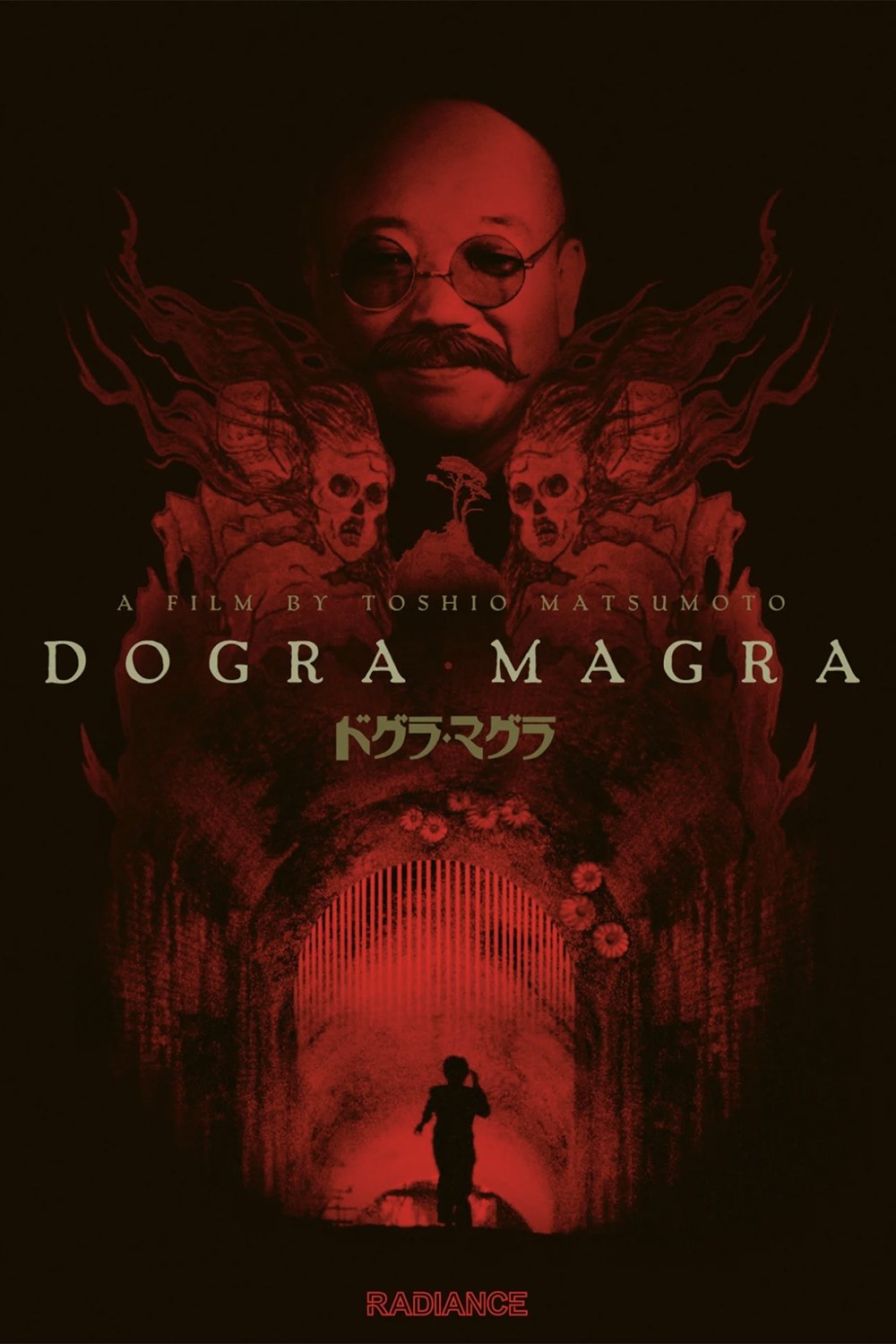 Movie6.7HorrorMystery
A young man murders his new bride and goes insane. He wakes in an asylum with no memory, left in the hands of two mysterious doctors who relate his condition with his biological identity.
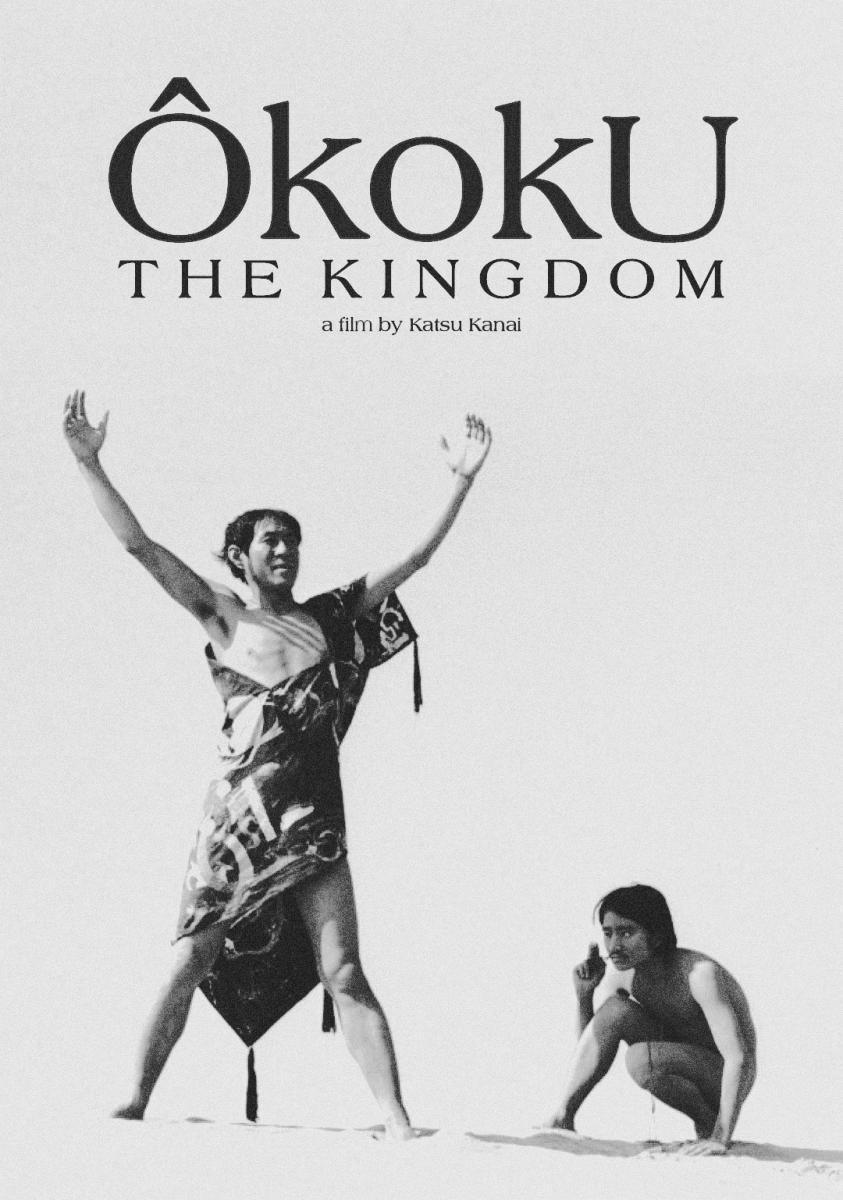 Movie7.0ActionThriller
A popular poet, Goku, becomes depressed when his editor jokingly suggests that he is a sell-out.
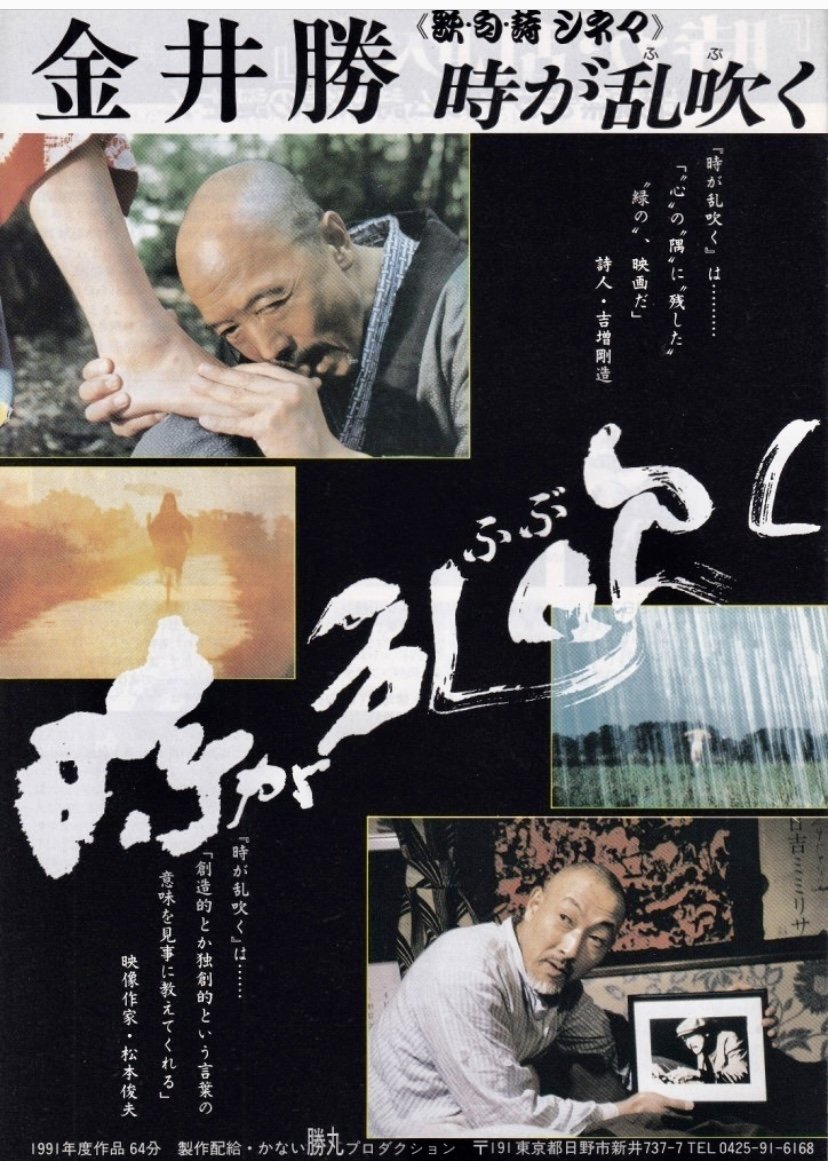 Movie7.3DocumentaryDrama
The Stormy Times is a collection of three short films created as a series of visual poems (Dream Running, Grasshopper’s One-Game Match, andWe Can Hear Joe’s Poem). Katsu Kanai screened this films together, along with extra documentary footage, as a memorial to his friend Jônouchi Motoharu.
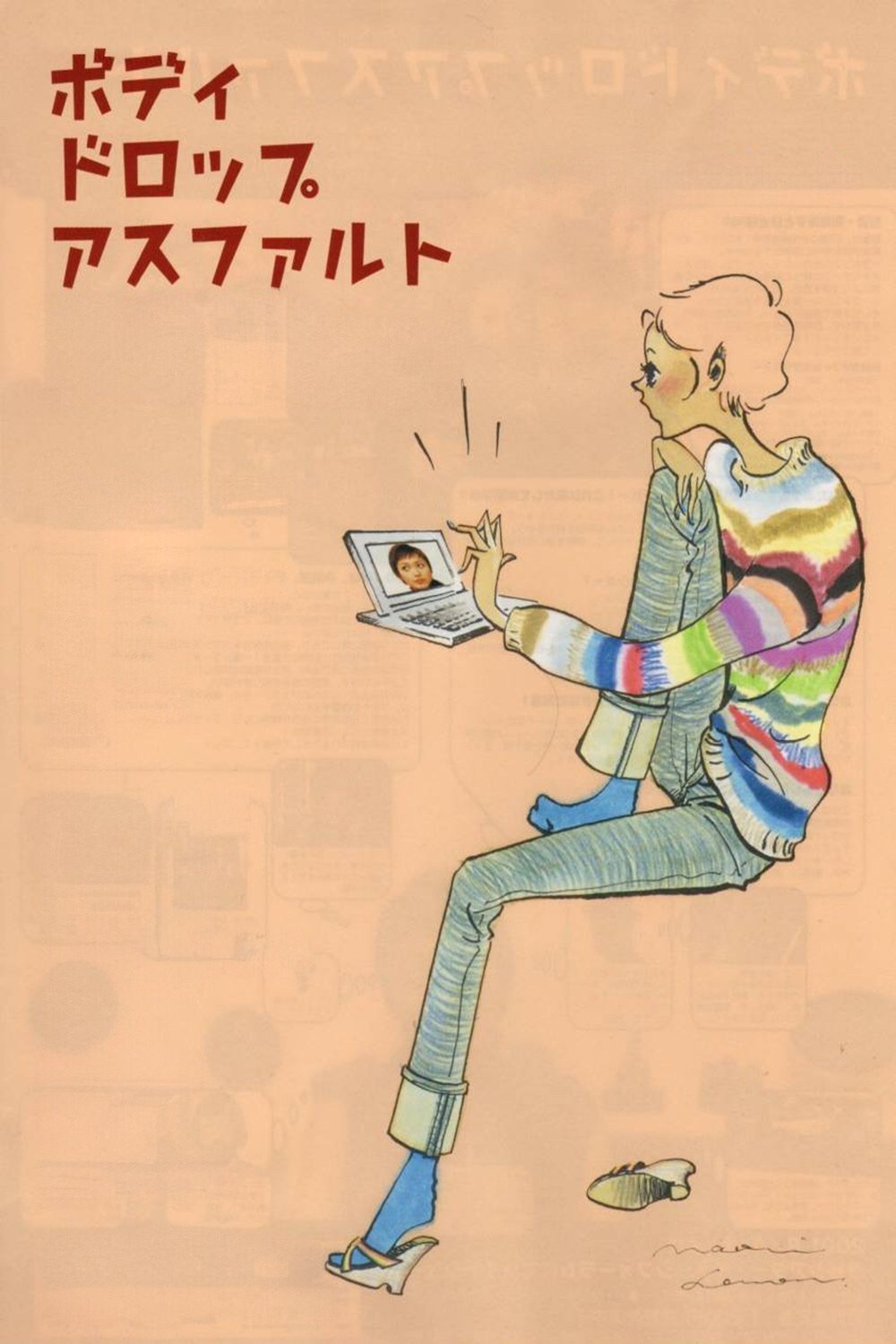 Movie6.8DramaComedy
Eri Manaka lives alone in the big city. She writes a romantic novel on impulse and is startled when it gets rave reviews and makes her a literary celebrity. But doubts soon kick in, and Eri begins work on an anti-romantic sequel, in which her heroine Rie goes through the torments of the damned.