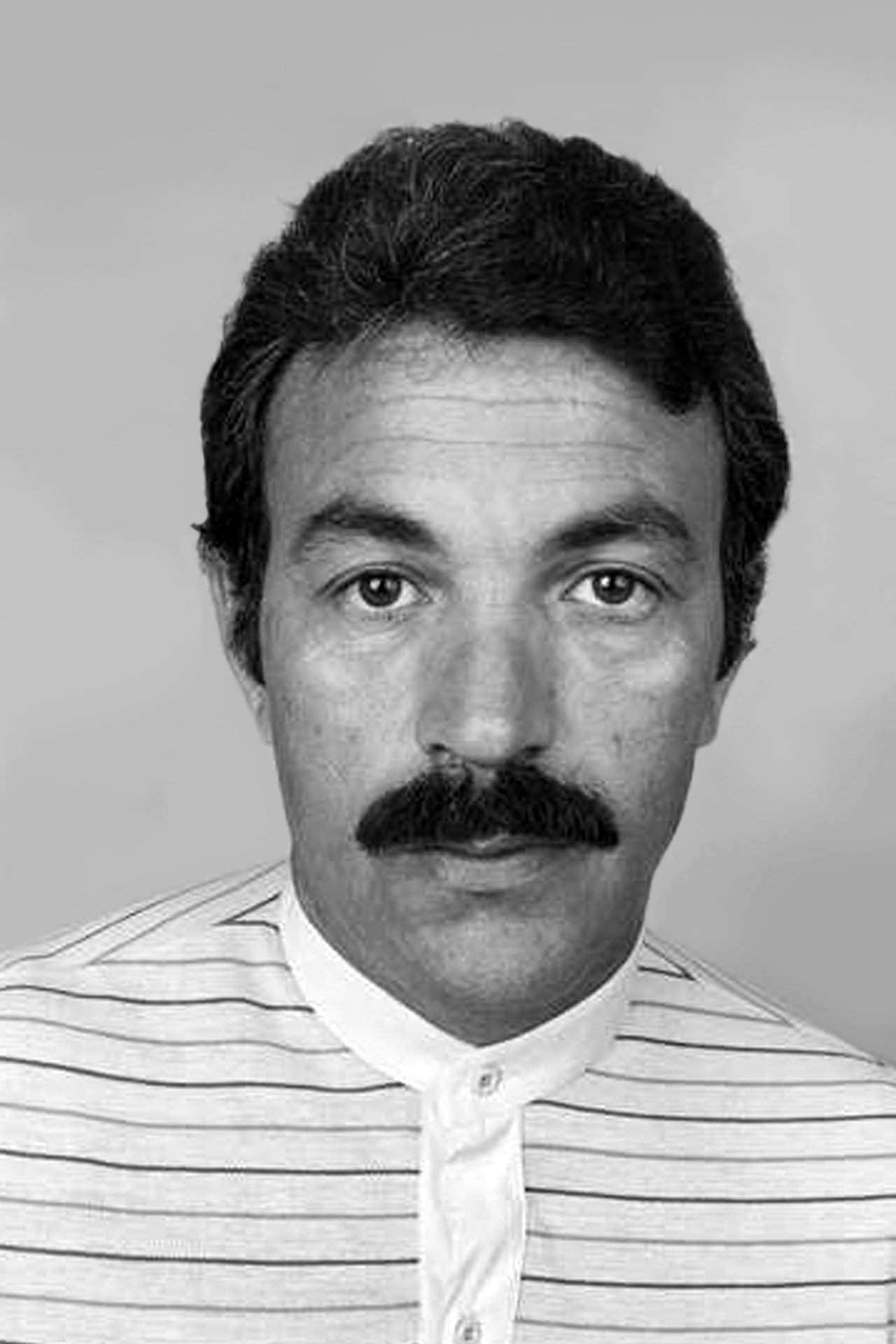
Mohamed Chouikh
Director · b. 1943 · Mostaganem, Algéria
Mohamed Chouikh (Arabic: محمد الشويخ), born September 3, 1943, in Mostaganem, Algeria, is an Algerian actor, screenwriter, and director. He was eleven years old in 1954 when the Algerian War began. Following the declaration of independence in 1962, he joined a theater troupe that would later become the Algerian National Theater. From then on, he actively worked with other artists to develop theater and cinema in Algeria. In 1965, Mohamed Chouikh starred in one of the first major Algerian films, "L'aube des damnés" (The Dawn of the Damned) by René Vautier and Ahmed Rachedi. In 1966, he played the role of Lakhdar (the son) in "Le vent des Aurès" (The Wind of the Aurès) by Mohamed Lakhdar Hamina. The film won the Best First Feature award at Cannes. Until 1970, Mohamed Chouikh devoted himself primarily to his acting career in theater and film. It was Michel Drach's film, "Elise ou la Vraie Vie" (Elise or Real Life), based on the novel by Claire Etcherelli, that brought him to the attention of French audiences. 1972 marked a turning point. Alongside his acting career, Chouikh began writing and participated in various film shoots. He directed his first films for Algerian television: "L’embouchure" (The Mouth) (1972) and "Les paumés" (The Lost Ones) (1974). In 1982, he was Lakhdar Hamina's assistant director on "Vent de Sable" (Sand Wind) (an official selection at Cannes). In 1983, "Rupture" (Breakup) was presented at the Directors' Fortnight. Until 1989, Mohamed Chouikh directed various documentaries and short films. But it was in 1989 that he achieved international acclaim with "The Citadel," which won some twenty awards at various festivals. In 1993, "Youcef or the Legend of the Seventh Sleeper," a brilliant denunciation of the hijacking of the ideal of Independence by corrupt elites, was presented in Venice and Berlin. And in 1997, "The Desert Ark" began its run at the Locarno Film Festival. Mohamed Chouikh's cinema remains deeply rooted in the Algerian society in which he lives and which he examines through his films. He is one of the few Algerian artists to have spent his entire career—first as a theater actor, then as a film actor, assistant director, and finally director—entirely in Algeria. His filmography positions him as one of the most important filmmakers in the Maghreb.[5] In 2023 he began directing, with his daughter Yasmine Chouikh, the film Ben Khlouf, about the life of the 16th century Algerian poet, Sidi Lakhdar Ben Khlouf, which is scheduled for release in 2026.
Movies9
 MovieDocumentary
A documentary about algerian immigration in France
 Movie10.0ComedyRomance
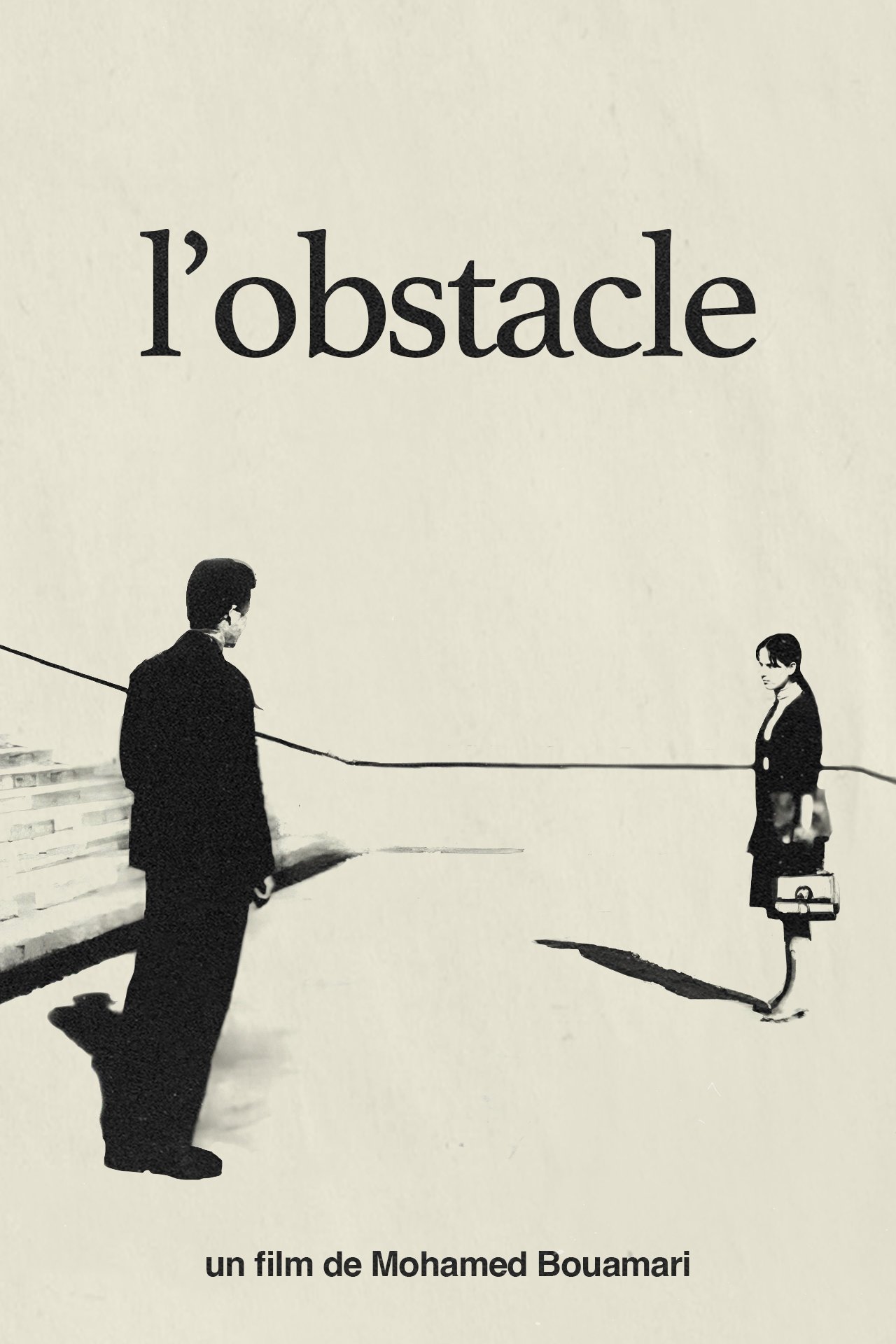
Algerian youth of the 1960s, straddling traditional South Mediterranean and Western culture and the desire for emancipation of younger generations to find true love.
L'Obstacle
1965 · 1 votes
 Movie10.0Drama
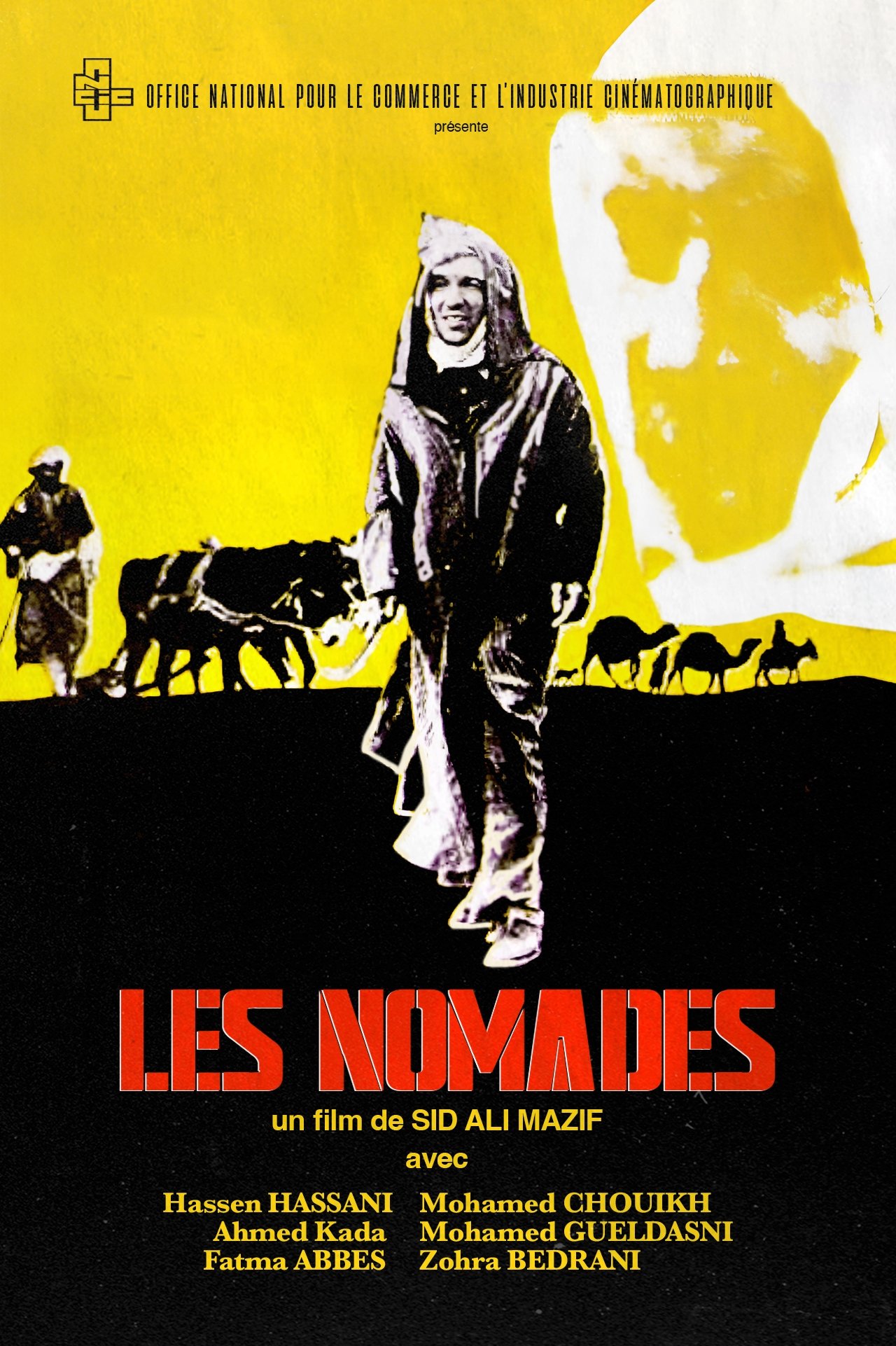
When their father dies, three nomadic sons choose different voices. The first part for the city, the second tries to live as its ancestors develop and the third integrates one of the new agricultural cooperations. "A pastoral society (1,500,000 inhabitants) on the threshold of decisive choices, destructured by the evolution of economic relations which lead to the concentration of herds in the hands of a few, to the support of rangelands and to the movement of impoverishment and proletarianization of the greatest number. The attitudes of the protagonists occur in relation to the economic and political involved in the process of agrarian revolution. The alternative lies only in the free adherence of small breeders to the forms of economic and social reorganization of the Agrarian Revolution and their insertion in the profound movements of social and political change that affect Algerian society." Sid Ali Mazif
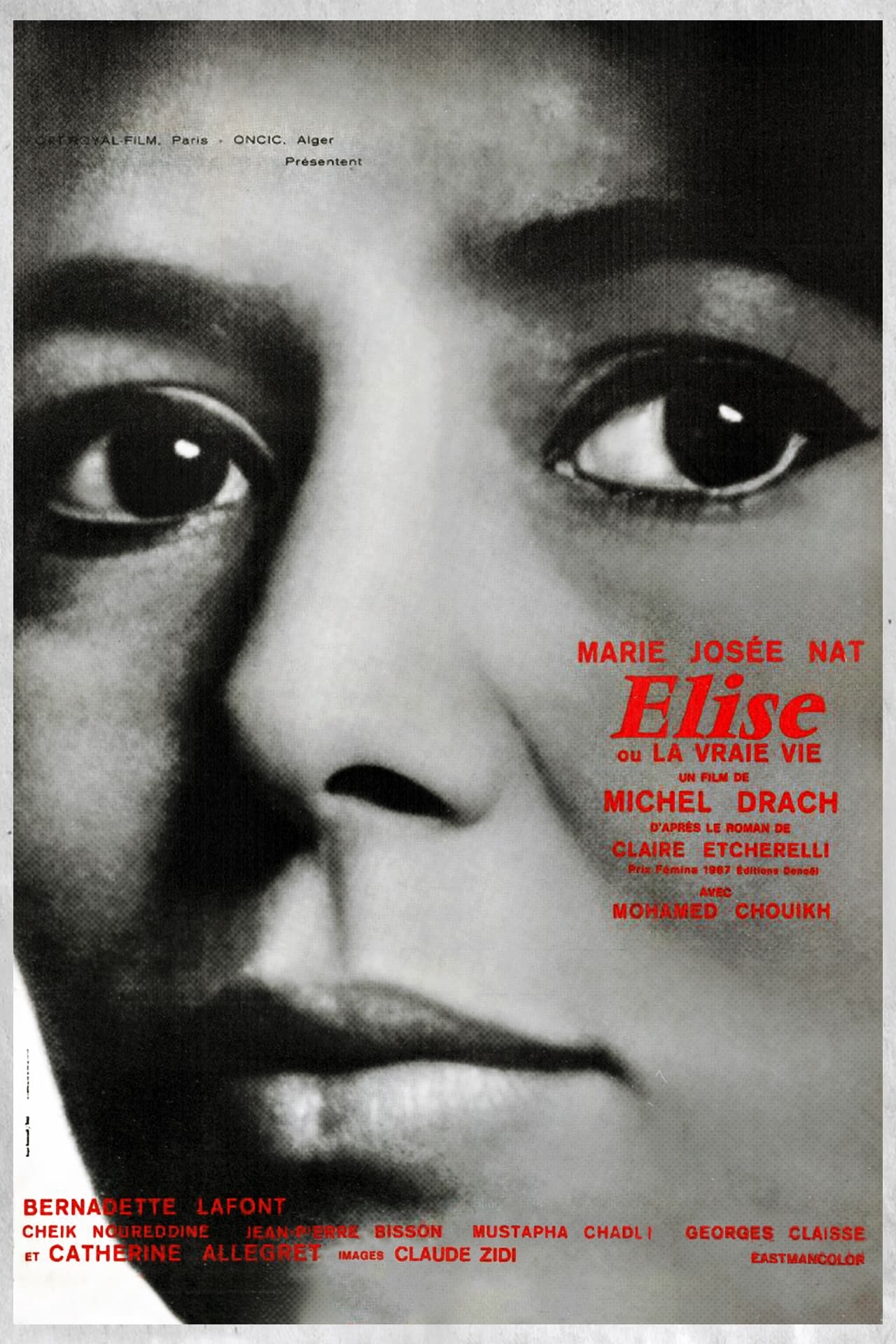 Movie6.2Drama
In the middle of the Algerian war, Elise, from Bordeaux, “goes” to Paris to join her brother to earn her living in an automobile factory. There she meets Arezki, an Algerian nationalist activist with whom she falls in love. A chronicle of working life at the time and which highlights the extent of police repression against Algerians.
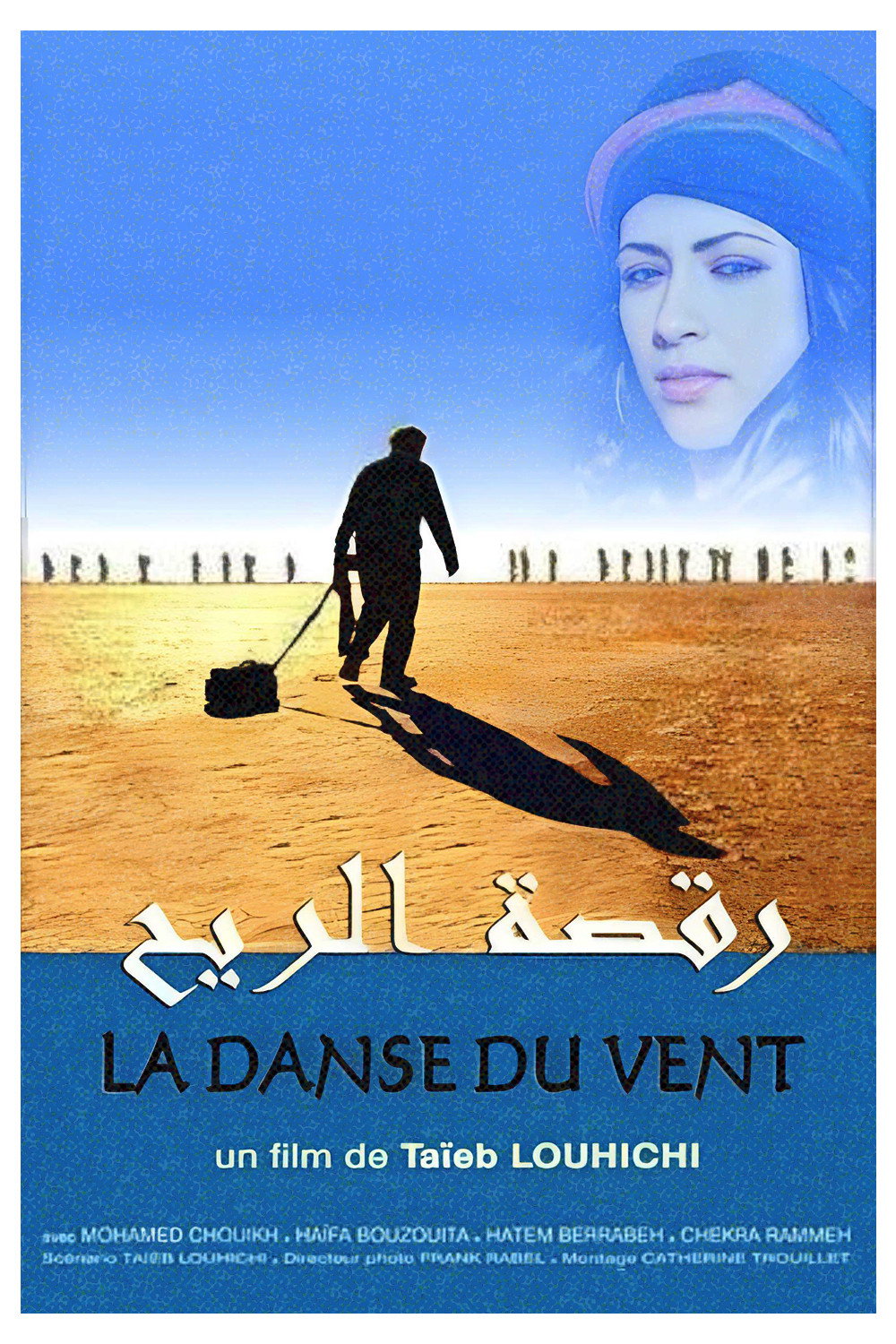 Movie10.0DramaAdventure
The Dance of the Wind (Arabic: رقصة الريح) is an Algerian-Tunisian film and the fourth feature film by Taïeb Louhichi. Shot digitally, it differs from his previous films in its emphasis on meditation rather than vast outdoor landscapes. While scouting locations for his film in southern Tunisia, director Youssef meets the gaze of a stunning Berber woman who orders him not to film her. This marks the beginning of a wandering journey that leads him to his downfall in the vast desert, prey by day to mirages, by night to his anxieties, childhood memories, his first cinematic experiences, and the fear of seeing his film fail because he has let his mind wander. His car is his only anchor and his means of resistance, thanks to the contents of its trunk where he keeps scripts, photos, and means of subsistence.
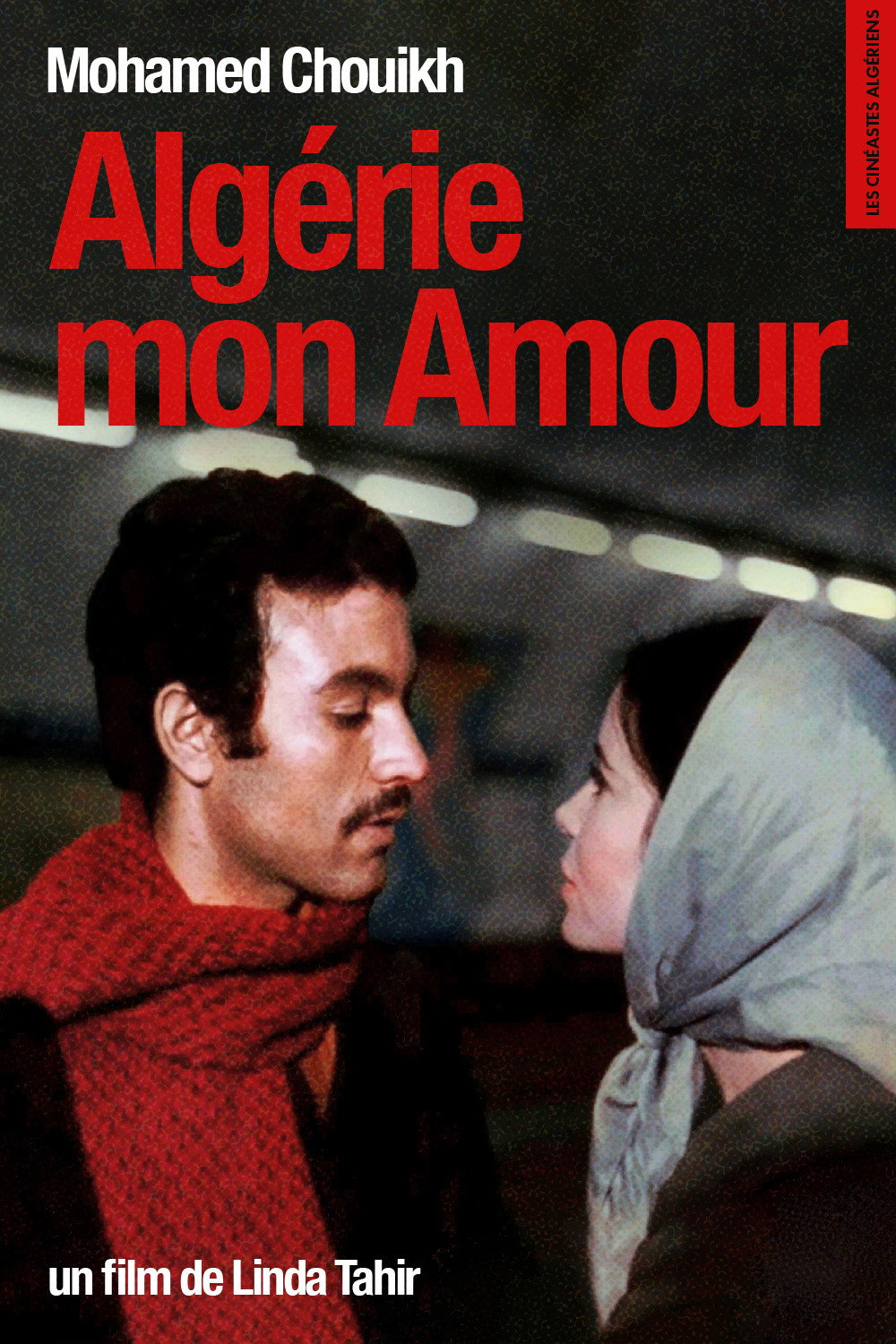 Movie10.0Documentary
This portrait from the "Algerian Filmmakers" collection, created by Linda Tahir-Meriau, focuses on Mohamed Chouikh, born in 1943 in Mostaganem, an Algerian actor and director. In 1965, he starred in one of the first major Algerian films, "L'Aube des Damnés" (The Dawn of the Damned) by René Vautier and Ahmed Rachedi. In 1966, he appeared in "Le Vent des Aurès" (The Wind of the Aurès) by Mohammed Lakhdar-Hamina. The film won the Best First Feature Award at Cannes. Until 1970, Mohamed Chouikh devoted himself primarily to his acting career in theater and film. It was Michel Drach's film, "Elise Ou La Vraie Vie" (Elise, or Real Life), based on the novel by Claire Etcherelli, that brought him to the attention of French audiences. In the 1970s, he became a director for Algerian television. In 1989, he directed "The Citadel", which was selected for more than 70 international festivals and won around twenty awards.
Mohamed Chouikh, Algérie mon Amour
2008 · 1 votes
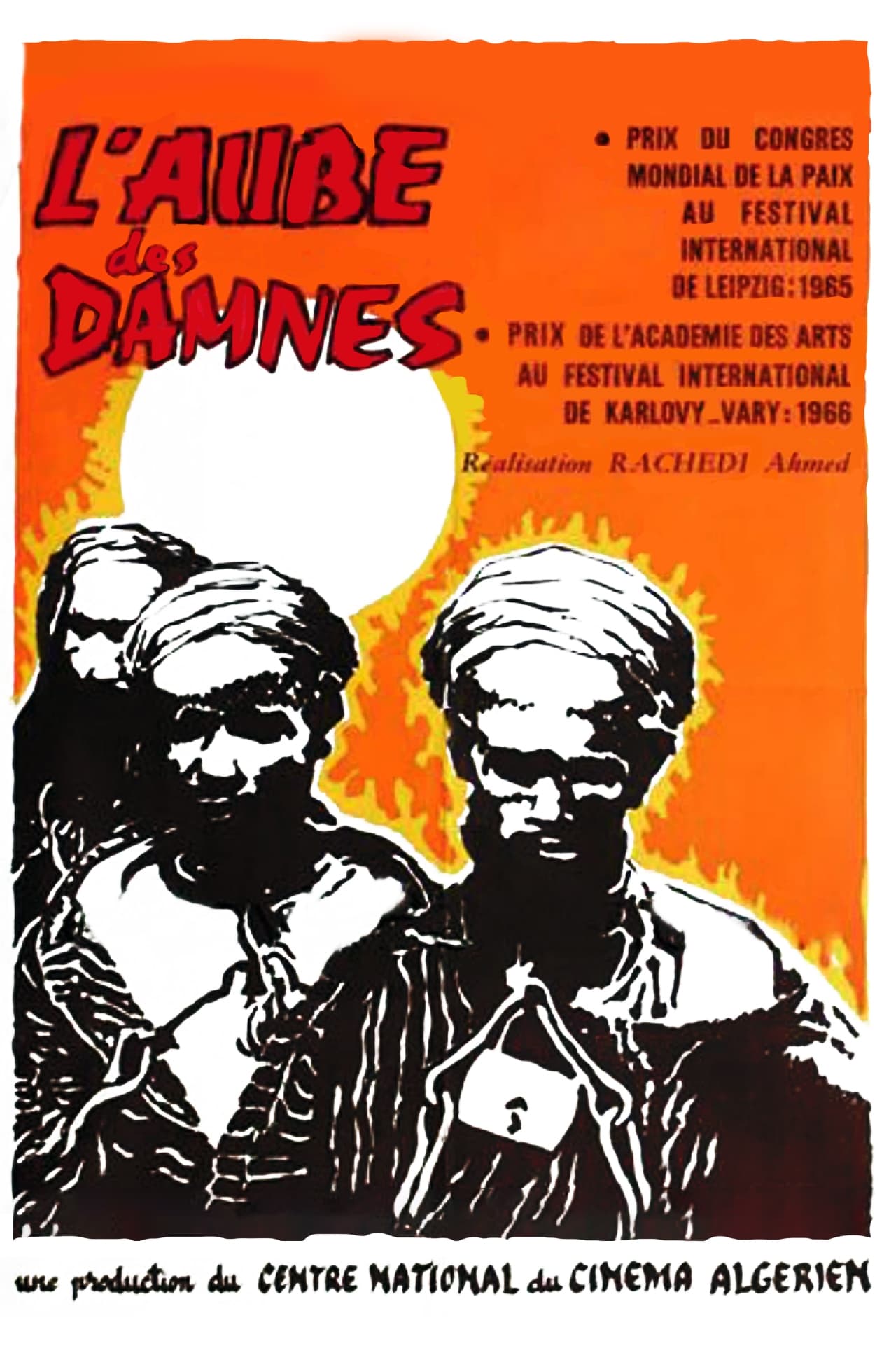 Movie7.4DocumentaryHistory
This excellent feature-length documentary - the story of the imperialist colonization of Africa - is a film about death. Its most shocking sequences derive from the captured French film archives in Algeria containing - unbelievably - masses of French-shot documentary footage of their tortures, massacres and executions of Algerians. The real death of children, passers-by, resistance fighters, one after the other, becomes unbearable. Rather than be blatant propaganda, the film convinces entirely by its visual evidence, constituting an object lesson for revolutionary cinema.
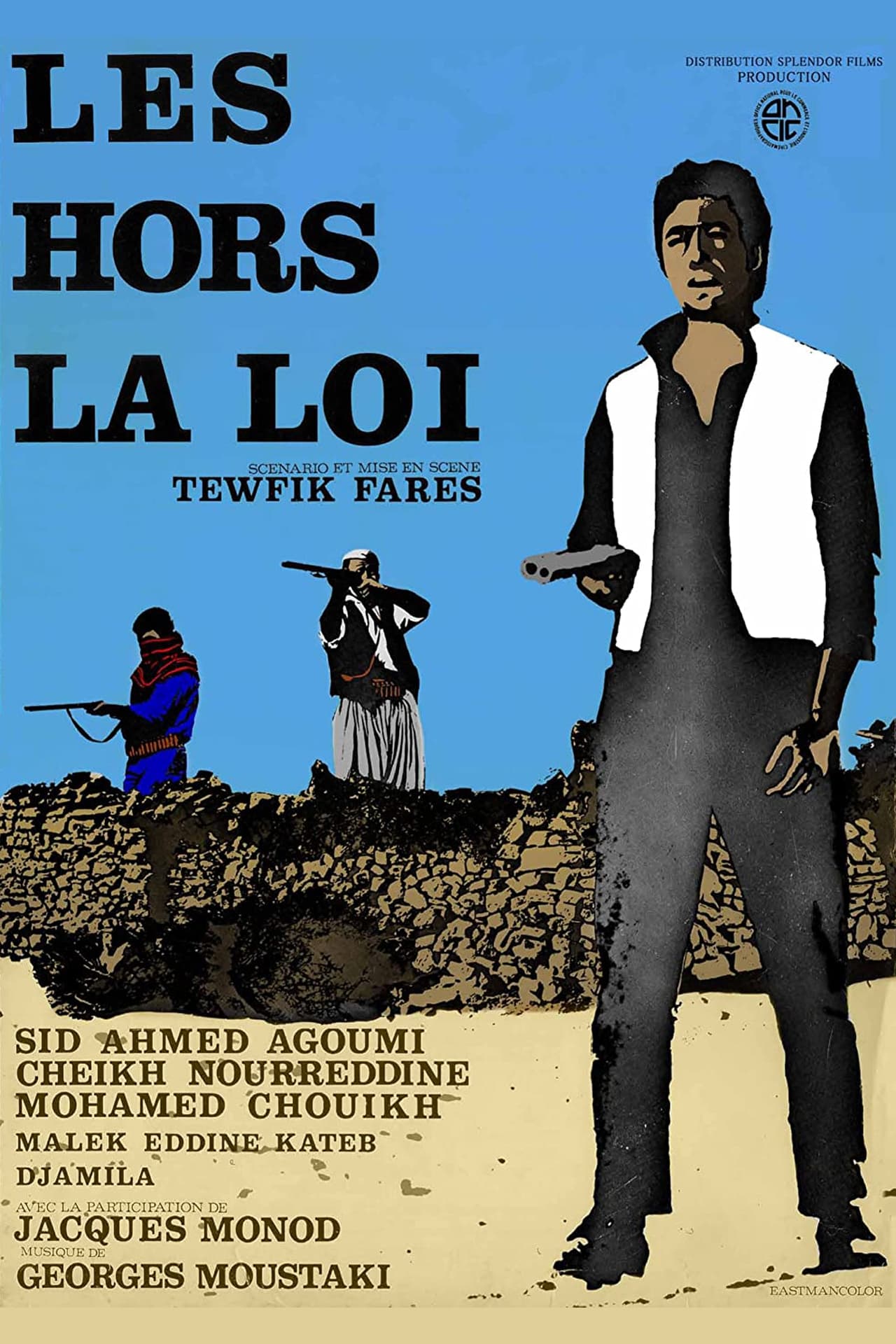 Movie8.0DramaWestern
In prison in colonial Algeria, shortly after the end of the Second World War, three indigenous cellmates make out. Once free, they attack the authority represented by the triad of the boss, the gendarme and the administrator. “Living the colonial condition,” confided Tewfik Farès, “is something! It’s not sociologically or historically speaking. It’s life. And I think that’s all there in it. [...] For a hundred and thirty years, we wait. We hold back. We push back. We hope. At the same time, on different occasions, there are skirmishes, unrest.
 Movie6.8DramaWar
The transformations of the daily life of the Algerian people during the destructive French occupation, then during the war of liberation. While military repression is in full swing, a peasant woman finds herself alone in her mountain home when her only son is kidnapped by French soldiers shortly after her husband's death during a raid. One day, seeing a dead chicken, which she considers a bad omen, she decides to leave home and embarks on a painful journey through the mountains. Accompanied by a couple of chickens, she moves from one detention camp to another in a desperate search for her missing son. The film is inspired by the events experienced by the director's family.