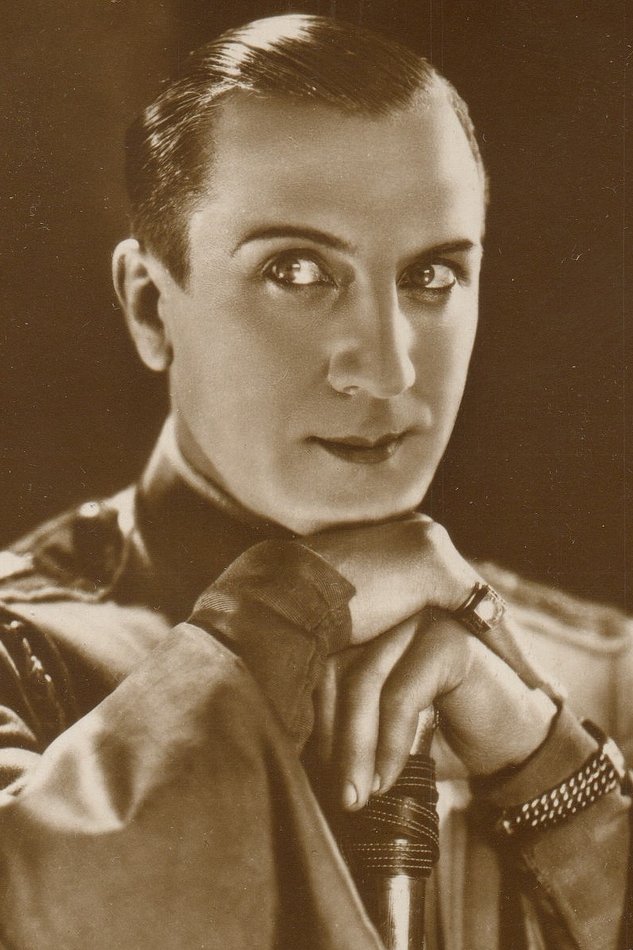
Ivan Mosjoukine
Actor · 1889 – 1939 · Kondol, Saratov Governorate, Russian Empire [now Russia]
Ivan Ilyich Mozzhukhin, usually billed using the French transliteration Ivan Mosjoukine, was a Russian silent film actor, writer and director. Born in Kondol, in the Saratov Governorate of the Russian Empire (present-day Penza Oblast in Russia), Ivan Mozzhukhin was the youngest of four brothers. His mother Rachel Ivanovna Mozzhukhina (née Lastochkina) was the daughter of a Russian Orthodox priest, while his father Ilya Ivanovich Mozzhukhin came from peasants and served as an estate manager for the noble Obolensky family. While all three elder brothers finished seminary, Ivan was sent to the Penza gymnasium for boys and later studied law at the Moscow State University. In 1910, he left academic life to join a troupe of traveling actors from Kiev, with which he toured for a year, gaining experience and a reputation for dynamic stage presence. Upon returning to Moscow, he launched his screen career with the 1911 adaptation of Tolstoy's The Kreutzer Sonata. Mosjoukine's most lasting contribution to the theoretical concept of film as image is the legacy of his own face in recurring representation of illusory reactions seen in Lev Kuleshov's psychological montage experiment which demonstrated the Kuleshov Effect. In 1918, the first full year of the Russian Revolution, Kuleshov assembled his revolutionary illustration of the application of the principles of film editing out of footage from one of Mosjoukine's Tsarist-era films which had been left behind when he, along with his entire film production company, departed for the relative safety of Crimea in 1917. At the end of 1919, Mosjoukine arrived in Paris and quickly established himself as one of the top stars of the French silent cinema, starring in one successful film after another. Handsome, tall, and possessing a powerful screen presence, he won a considerable following as a mysterious and exotic romantic figure. Mosjoukine's film stardom was assured and during the 1920s, his face with the trademark hypnotic stare appeared on covers of film magazines all over Europe. He wrote the screenplays for most of his starring vehicles and directed two of them, L'Enfant du carnaval (Child of the Carnival), released on 29 August 1921 and Le Brasier ardent (The Blazing Inferno), released on 2 November 1923. The leading lady in both films was the then-"Madame Mosjoukine", Nathalie Lissenko. Brasier, in particular, was highly praised for its innovative and inventive concepts, but ultimately proved too surreal and bizarre to become financially successful. Ivan Mosjoukine died of tuberculosis in a Neuilly-sur-Seine clinic. All available sources give his age as 49 and year of birth as 1889. However, his gravestone at the Russian cemetery in the Parisian suburb of Sainte-Genevieve-des-Bois is inscribed with the year 1887.
Movies20
 MovieDrama
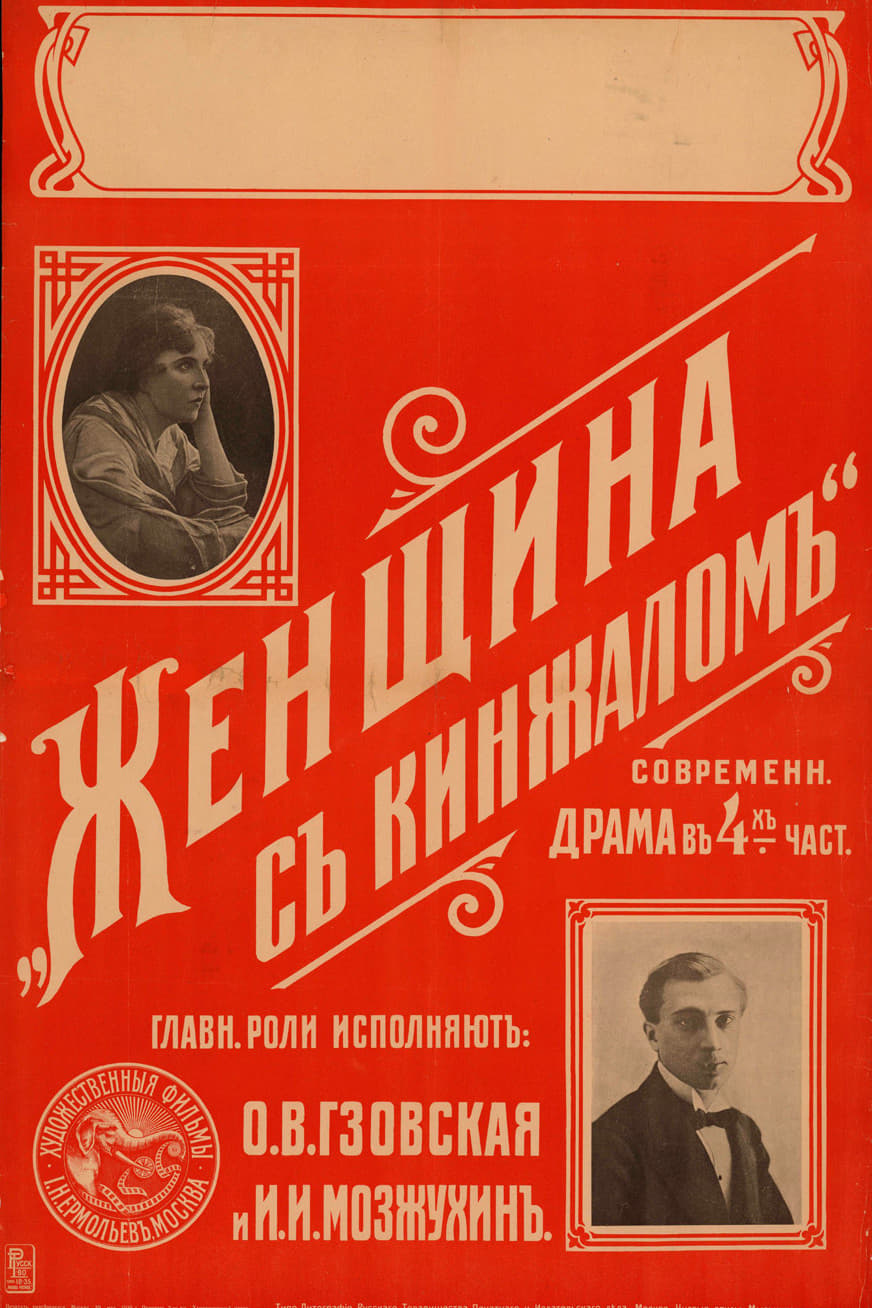
Ivan Savonsky, popular society artist, meets Olga Kartoff, a young woman high in social circles, and while she is instantly attracted by him, he sees in her only the perfect model for his picture, "The Dagger Woman." Studying her, and by carefully playing on her emotions he gains her confidence, and afterward she consents to pose for him. The picture completed, she is grieved and then angered to discover that Ivan's interest rests solely in it, and how it will fare at the exhibition. She pleads with him in vain. The picture is pronounced a masterpiece, and Ivan is in his triumph as he returns to his studio. Here Olga has secreted herself. Humiliated by the reports circulated regarding herself and the artist, and unable longer to bear his disinterest she plunges a dagger to his heart and kills him.
 Movie5.0Drama
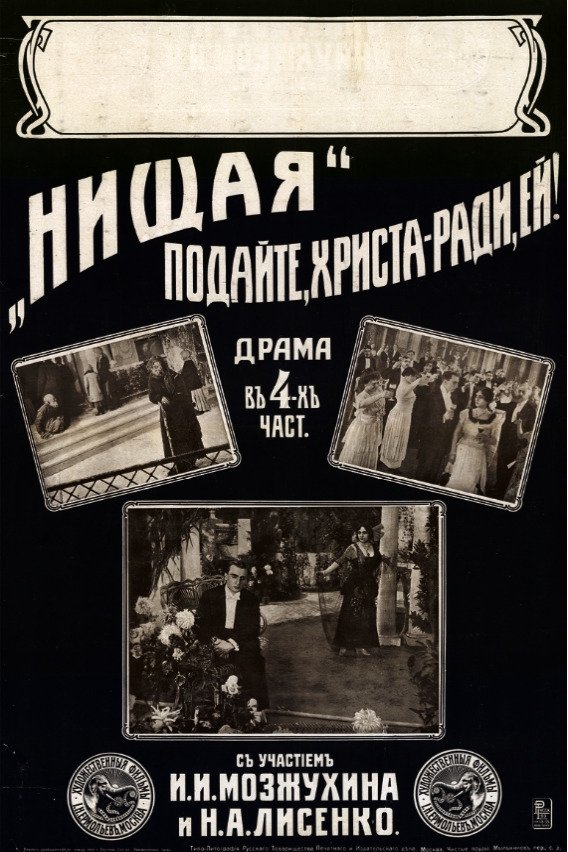
A great stage performer falls ill and loses her voice and beauty, and she and her admirer's lives crumble because of it.
 Movie9.0Drama
 Movie7.0Drama
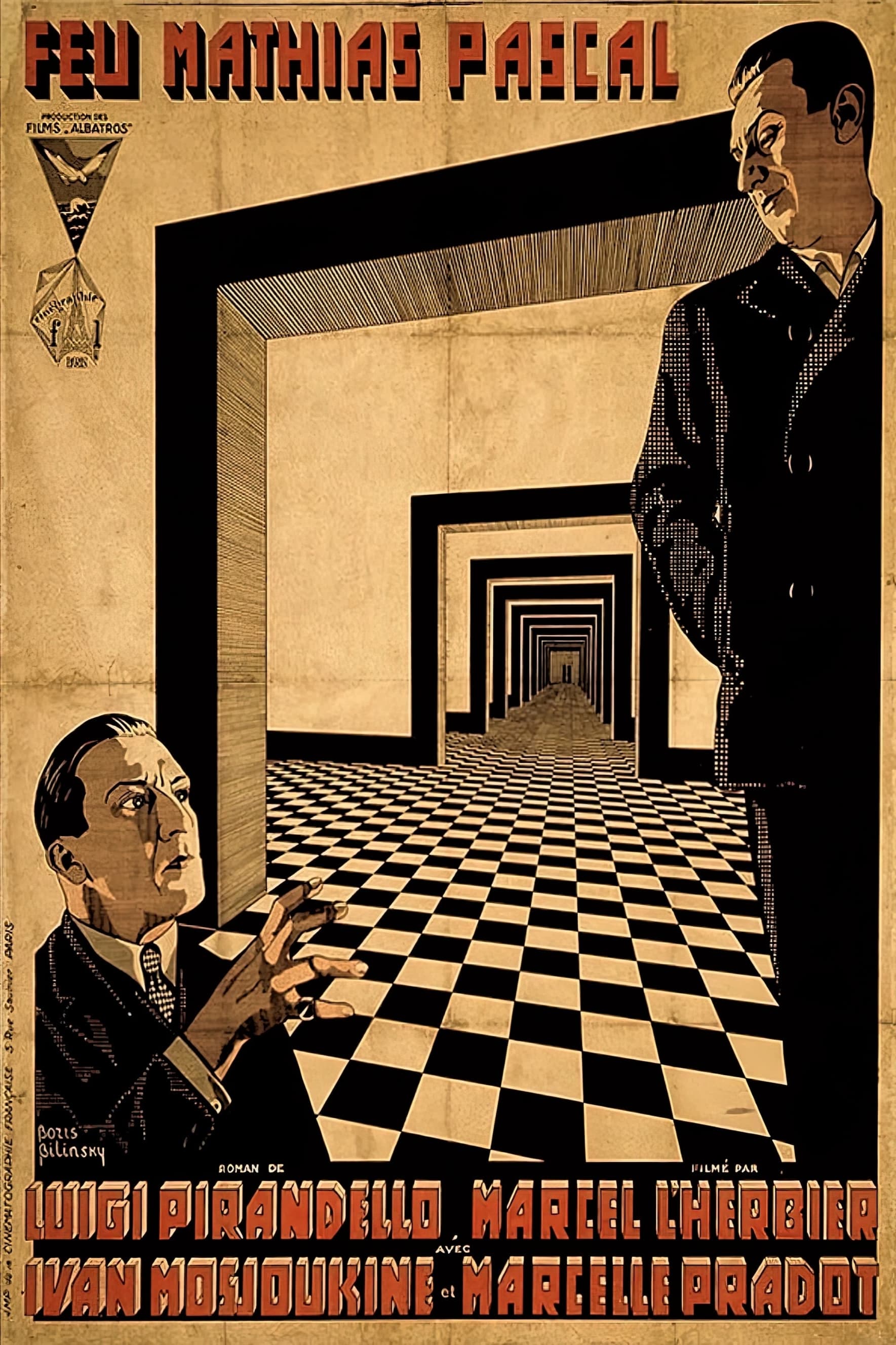
Mathias Pascal, only son of a once-rich family, marries beautiful Romalinda, who has a terrible mother-in-law. She controls her daughter, and soon his home life becomes a nightmare. His only moments of lights are his mother and baby, but both die on the same day. Shocked, he leaves his hometown and goes to Monte Carlo, where he wins a fortune at the casino. Returning home, he reads his own obituary in a paper. They have found a corpse in a creek and connected it with his disappearance. Mathias, noticing that he is now free from all ties to his old life, decides to start a new one.
- Movie7.3Drama
Ivan Mozzhukhin is a "...hot-headed Caucasian mountaineer leader whose irrational behavior comes to the attention of the Czar . Hoping to use Hajji Murad as a go-between in his plans to conquer the Caucasus mountaineers, the Russian ruler finds that the hero is not so easily manipulated. Rescuing the beautiful Saira from the Czar's clutches, Hajji Murad leads the mountain people's revolt against the despotic regent." Needless to say, the film ends in tragedy.
 Movie6.3DramaAdventure
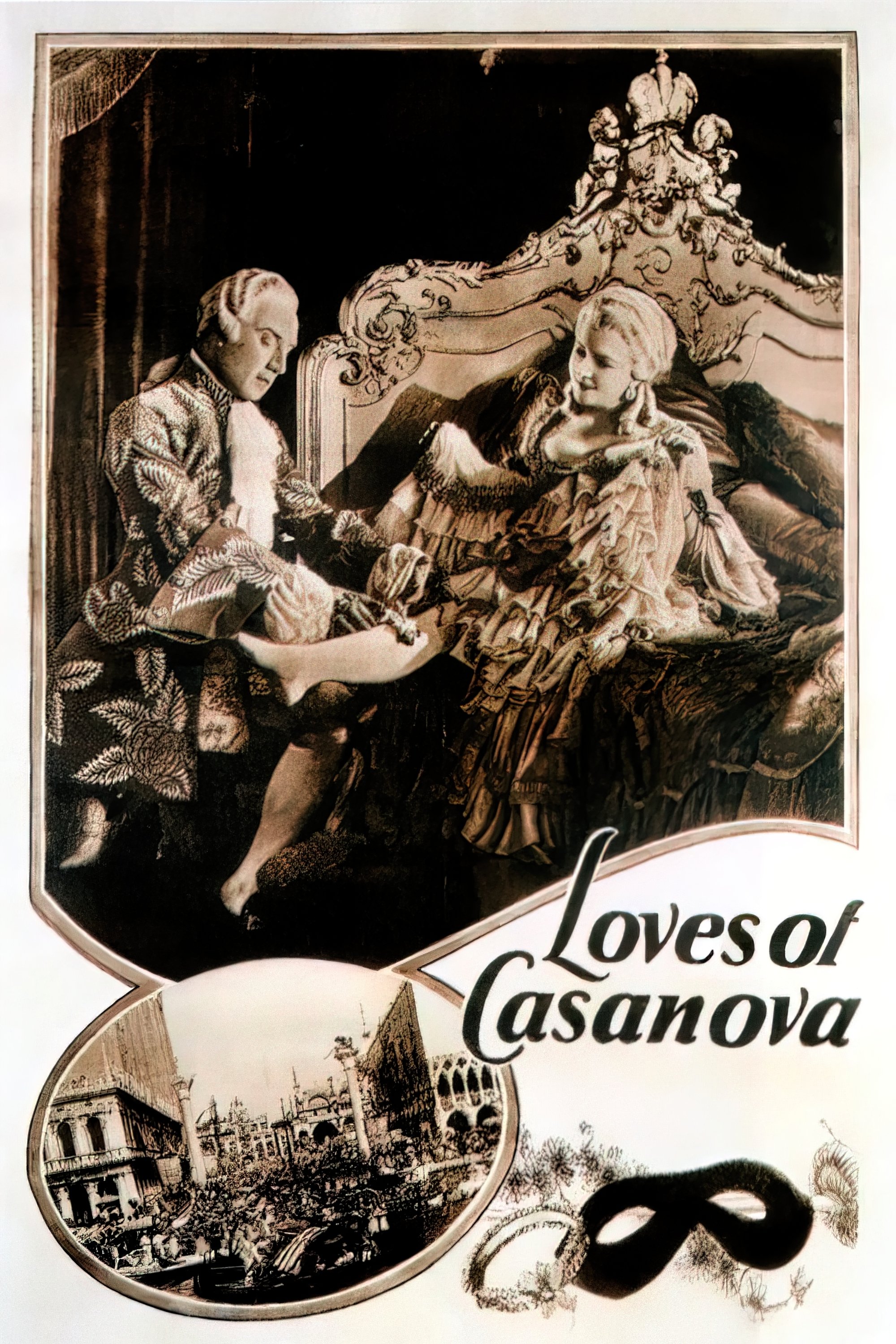
Republic of Venice, 1760. Pursued by a vengeful husband, the intrepid womanizer Casanova, who symbolizes the decline of the city and its fall into debauchery, manages to escape and, by a circuitous route, arrives in Saint Petersburg, where he will be involved in the many plots that threaten the throne of Czar Peter III…
 Movie6.3Drama
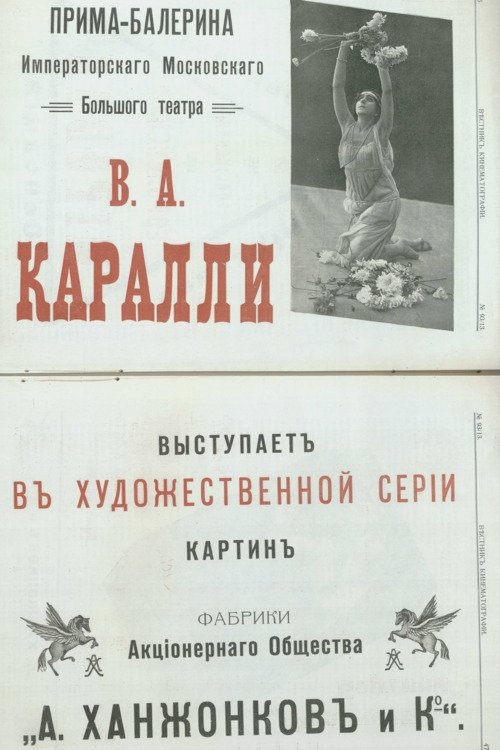
A tragic story of a ballerina.
 Movie5.4Drama
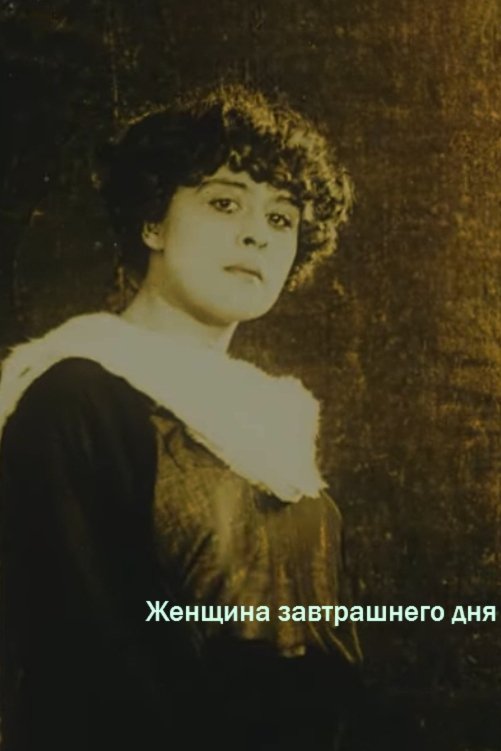
A female doctor is so busy with her work that she has too little time for her fiancé. He falls in love with a waitress and the two have a child. Though considered by some to be a proto-feminist yarn, the film dwells on the consequences that equal rights for women may generate rather than openly champion suffrage. Similar in to Ibsen's The Doll House in many ways, the film provides mannered, solemn melodrama, ably acted by Mosjoukine and Yureneva.
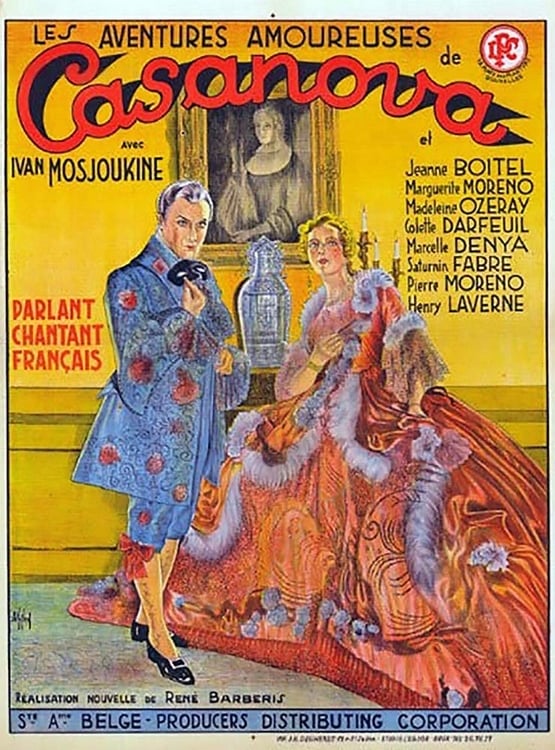 Movie8.0ComedyDrama
Talkie remake of a 1927 silent about the adventures of the notorious womaniser and venetian adventurer Chevalier Giacomo Casanova. Action starts in Venice and then the plot takes Casanova to France and Russia.
Casanova
1934 · 1 votes
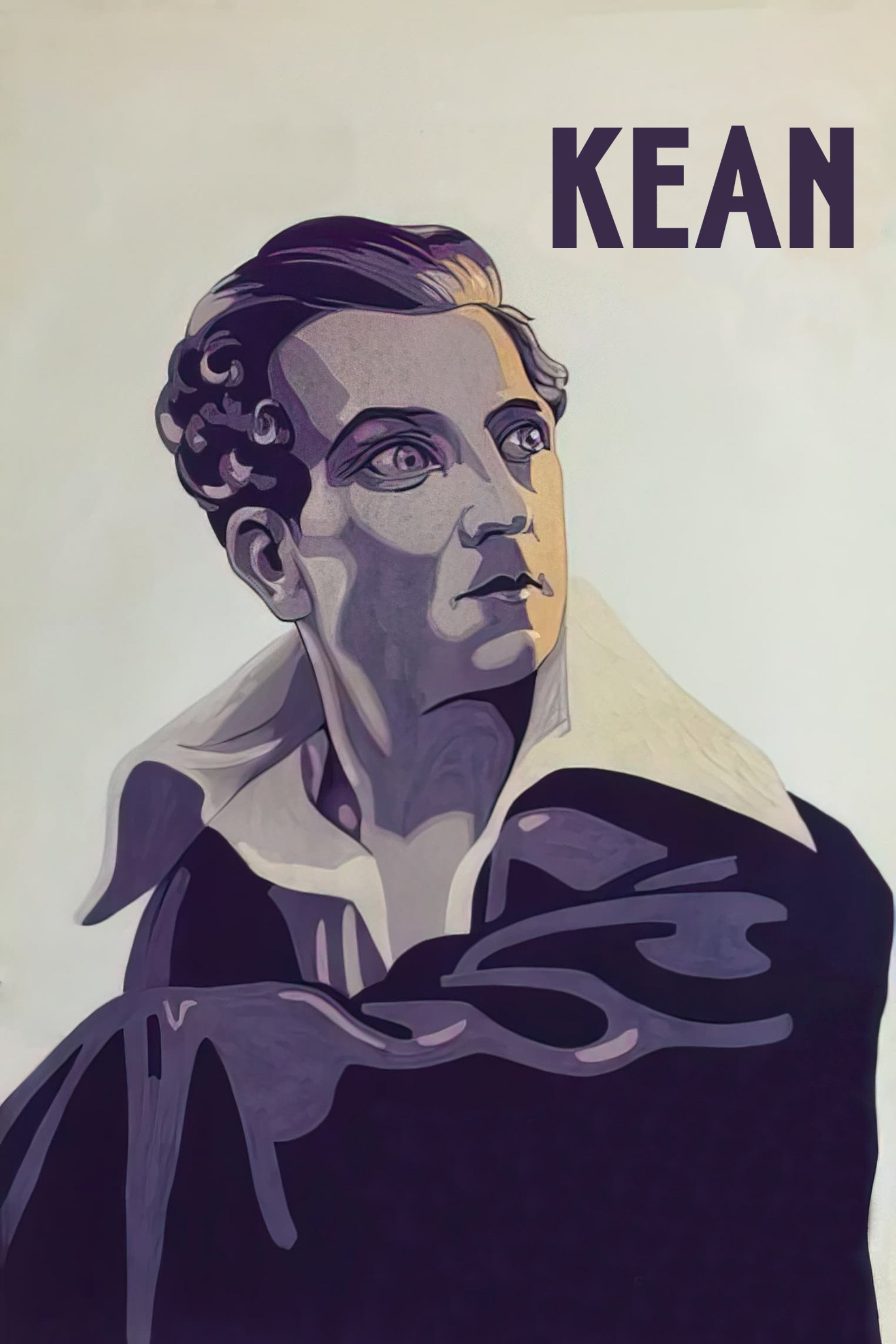 Movie6.5Drama
By 1820, Edmund Kean is the most admired Shakespearan actor. But if his art is peerless, his free lifestyle is ill thought of, particularly by the high society. Kean has fallen passionately in love with Countess Elena de Koefeld, the wife of the ambassador of Denmark. Elena loves him too but hesitates to give up her rank in society and follow Kean. On the other hand, Anna, a rich heiress who refuses to marry Lord Mewill, the husband chosen by her parents, confesses her love for Kean and decides to become an actress like him... The aristocrats, outraged by Edmund's profligate ways, decide to boycott his performances and his career is broken. Kean does not recover from such a blow and, on a stormy night, dies in Elena's arms.
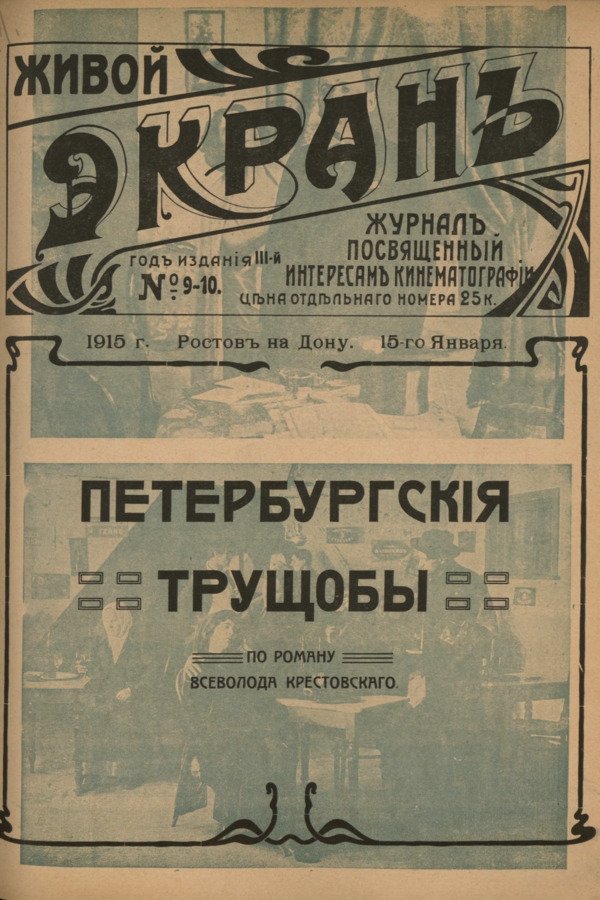 MovieDramaAdventure
Five-episode adaptation of the eponymous Russian novel, directed by Pyotr Chardynin et al.
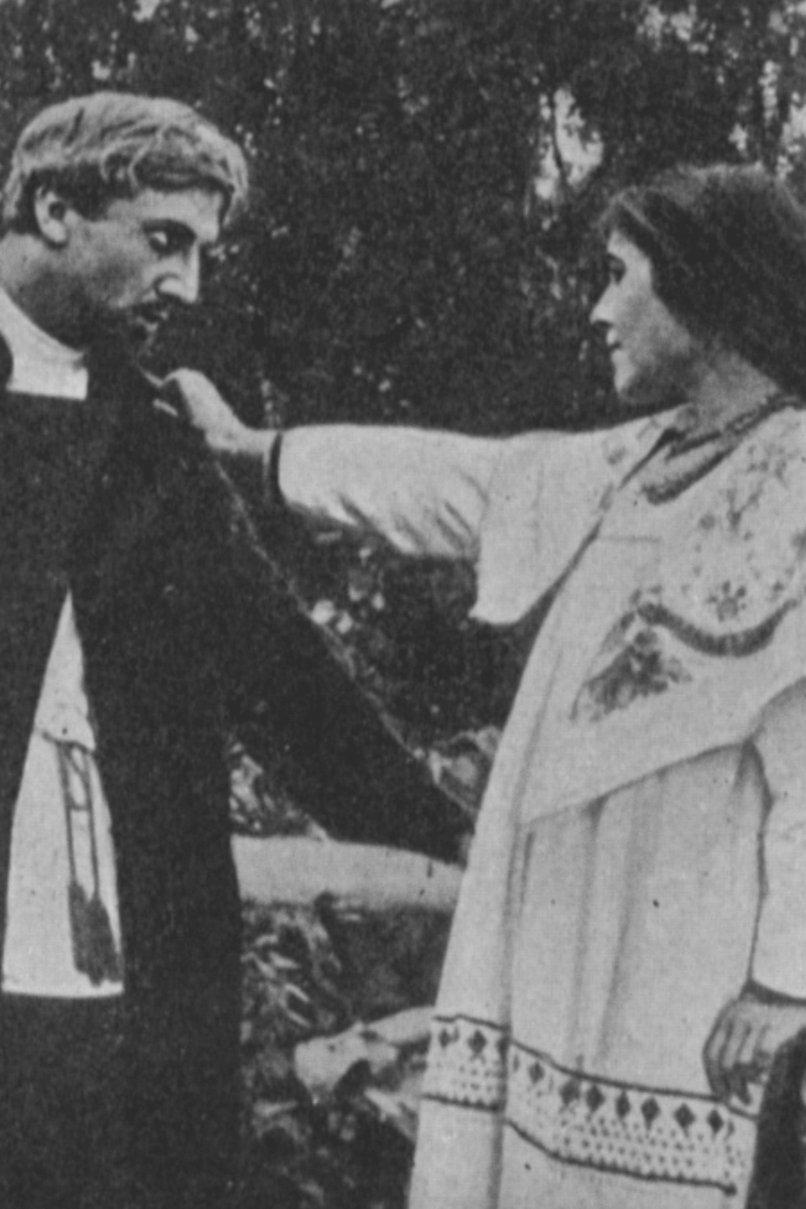 Movie5.0Drama
Two peasants in feudal Russia wish to marry but tragedy strikes. A grim if familiar depiction of the precarious condition of the rural life.
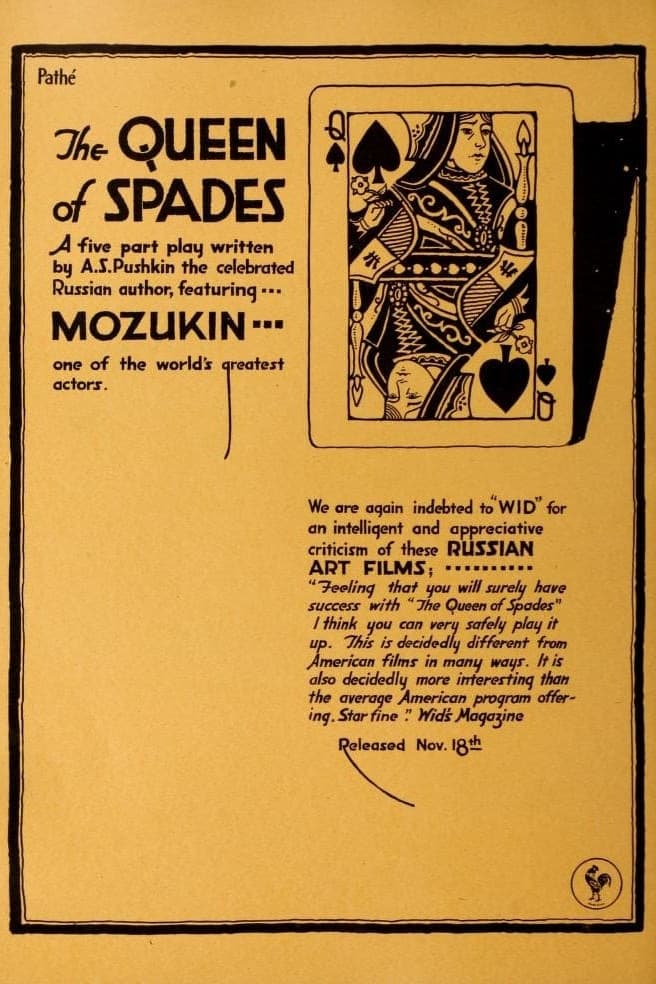 Movie5.3HorrorDrama
While hosting a game of cards one night, Narumov tells his friends a story about his grandmother, a Countess. As a young woman, she had once incurred an enormous gambling debt, which she was able to erase by learning a secret that guaranteed that she could win by playing her cards in a certain order. One of Narumov's friends, German, has never gambled, but he is intrigued by the story about the Countess and her secret. He soon becomes obsessed with learning this secret from her, and he starts by courting her young ward Lizaveta, hoping to use her to gain access to the Countess.
 Movie9.0Drama
George Manolescu (Ivan Mosjoukine) plays a confidence man who works his way from Paris to New York. Along the way, during a train ride to Monte Carlo, he meets the voluptuous Cleo (Brigitte Helm). They have a whirlwind romance that ends suddenly after she flees from him.
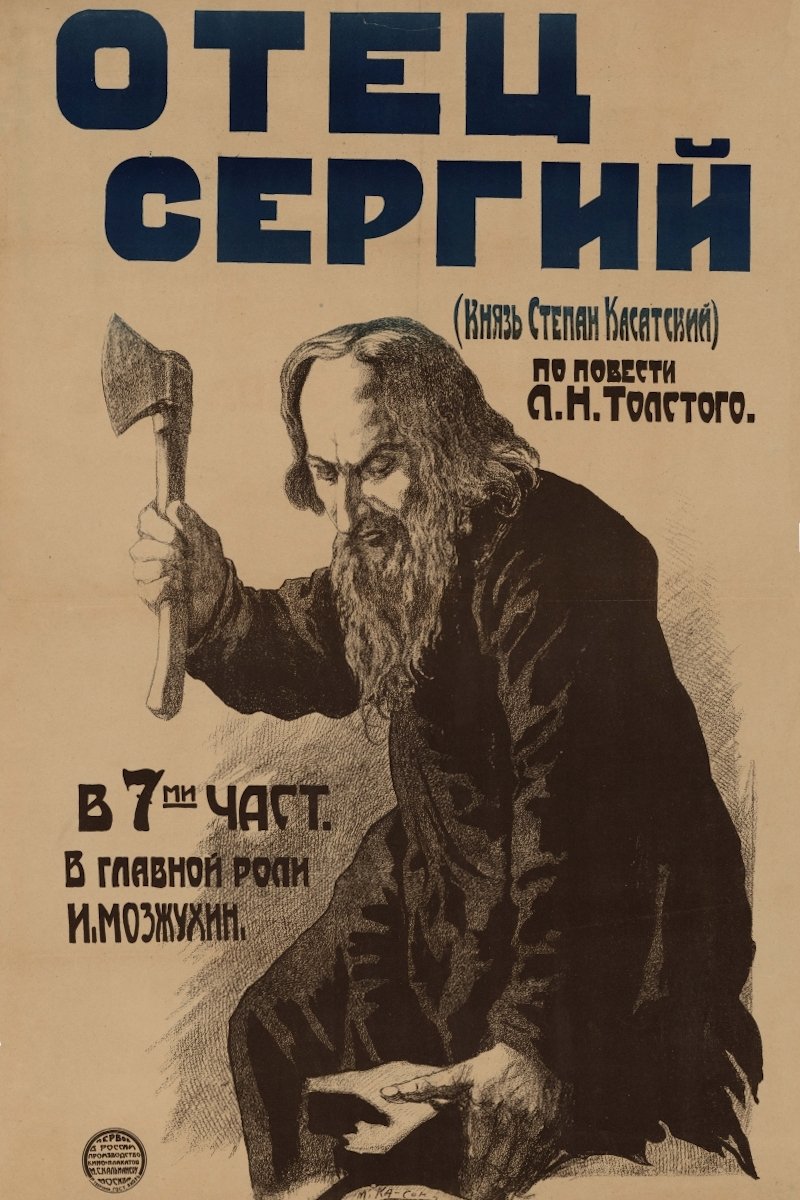 Movie5.3HistoryDrama
The story of Prince Stepán Kasátsky discovering his fiancée was the mistress of the Czar, so he then becomes a monk.
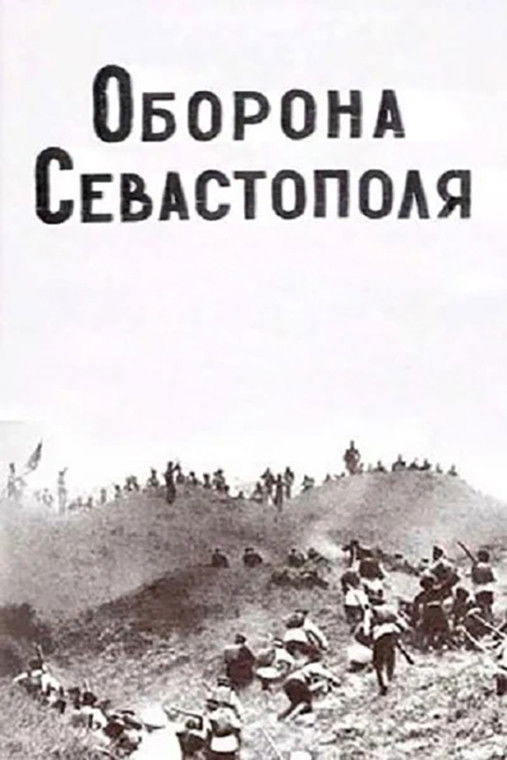 Movie5.1War
First film ever that was shot by two cameras. Set in 1854-1855, in Sevastopol and Yalta during the Crimean War. Admirals Kornilov (Mozzhukhin) and Nakhimov (Gromov) organize the defense during the siege of Sevastopol. Both admirals are killed during the battle, and the city of Sevastopol is taken by the alliance of British, French, Sardinian, and Turkish troops. The legendary feat of Sailor Koshka (Semenov) was staged at original location. The 100 minute-long film was premiered in 1911 at the Livadia, Yalta, palace for the Tsar Nicholas II.
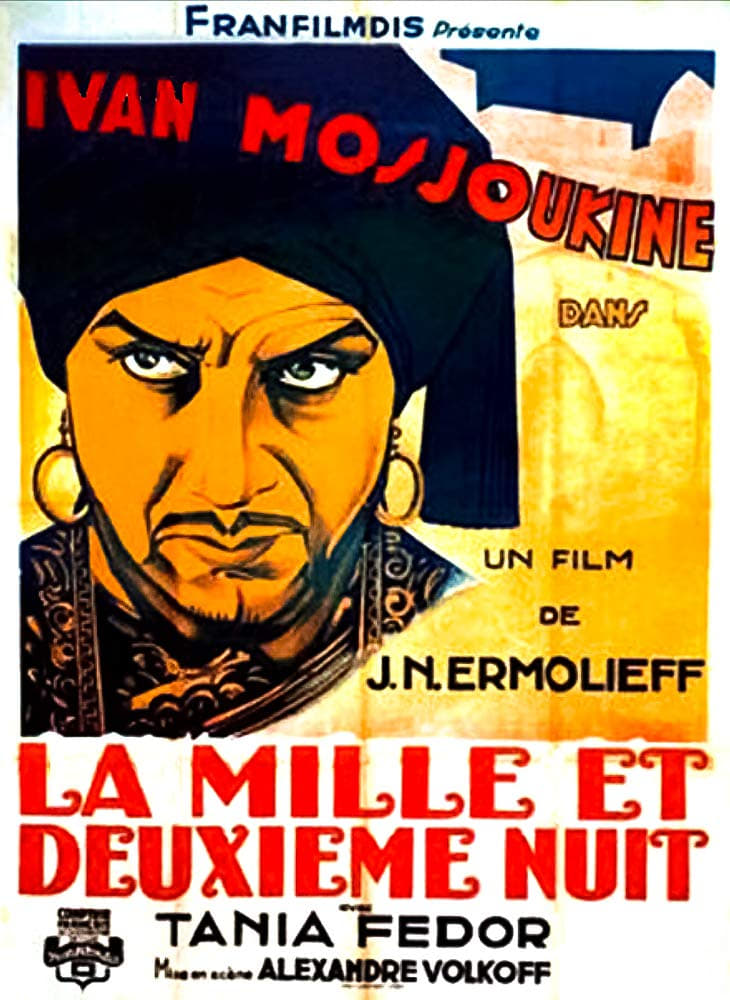 Movie5.5DramaAction
An Arabian prince falls in with a group of downtrodden rebels and faces the wrath of an unsympathetic sultan whose wife he is also romancing.
 Movie6.7Adventure
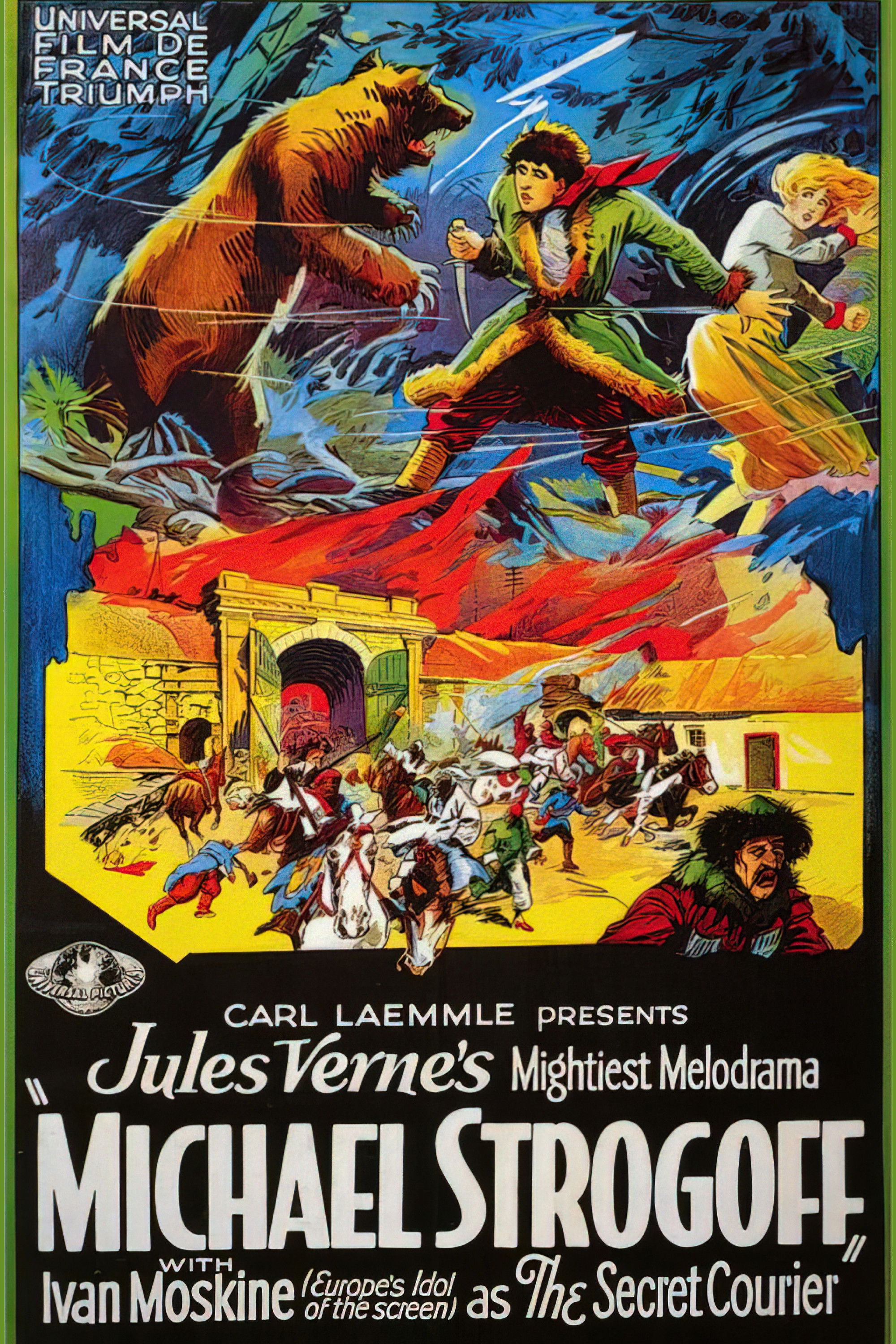
Adapted from Jules Verne's 1876 novel Michael Strogoff, the film tells the tale of a Russian courier named Michael Strogoff who has to dash across Russia with a vital message for the tsar's brother, wrestling with bears and fighting off ferocious Tatar rebels along the way. Captured by the Tatars, he is brought before their leader and blinded with a red hot sword by the executioner.
Michel Strogoff
1926 · 3 votes
 Movie9.0DramaHorror
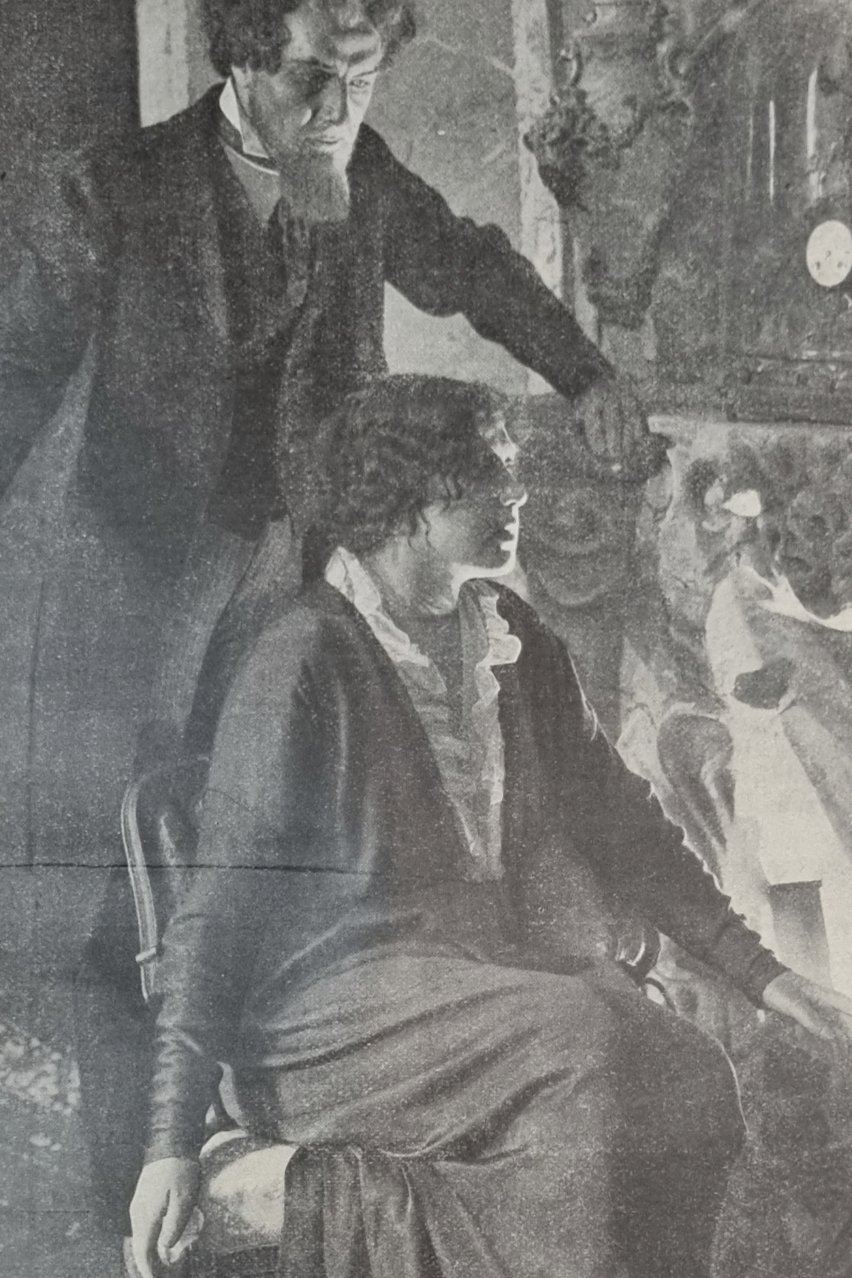
A doctor kills and embalms a woman in order to preserve her beauty.
 Movie6.7Drama
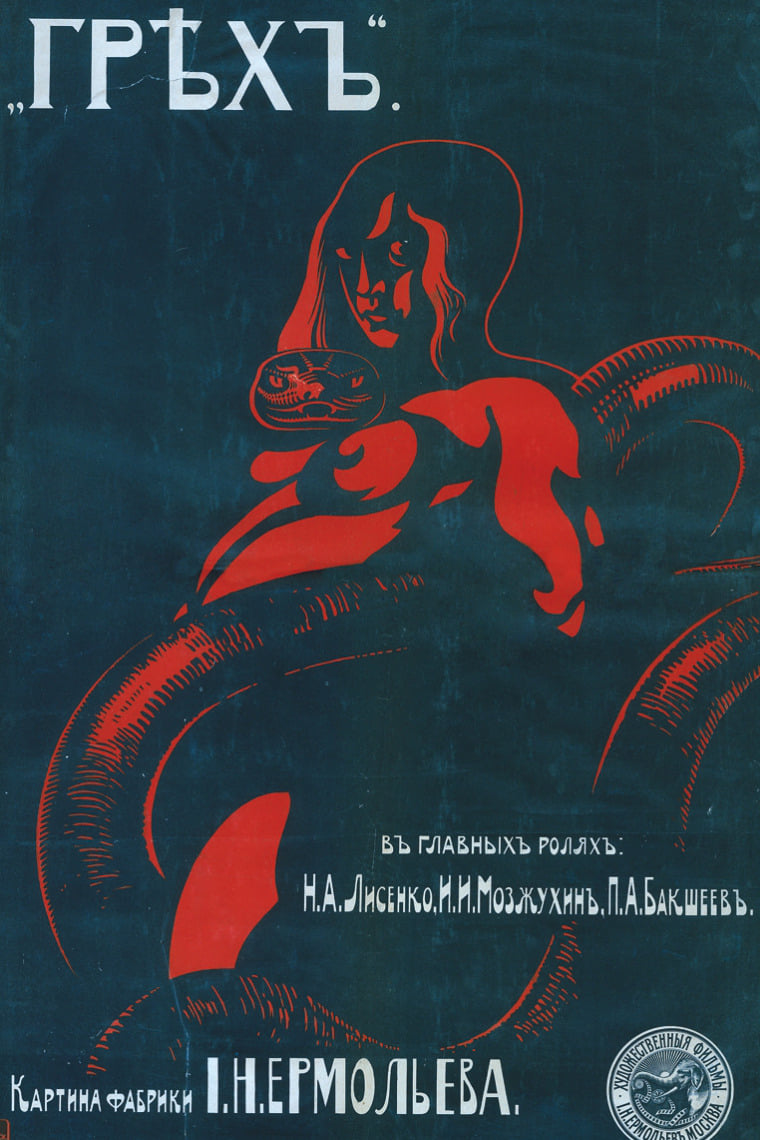
Pastor Talnoх furiously urges the flock to fight temptations, but he himself becomes a victim of temptation. In his house appears Satan, pushing the hero to theft and spiritual fall.