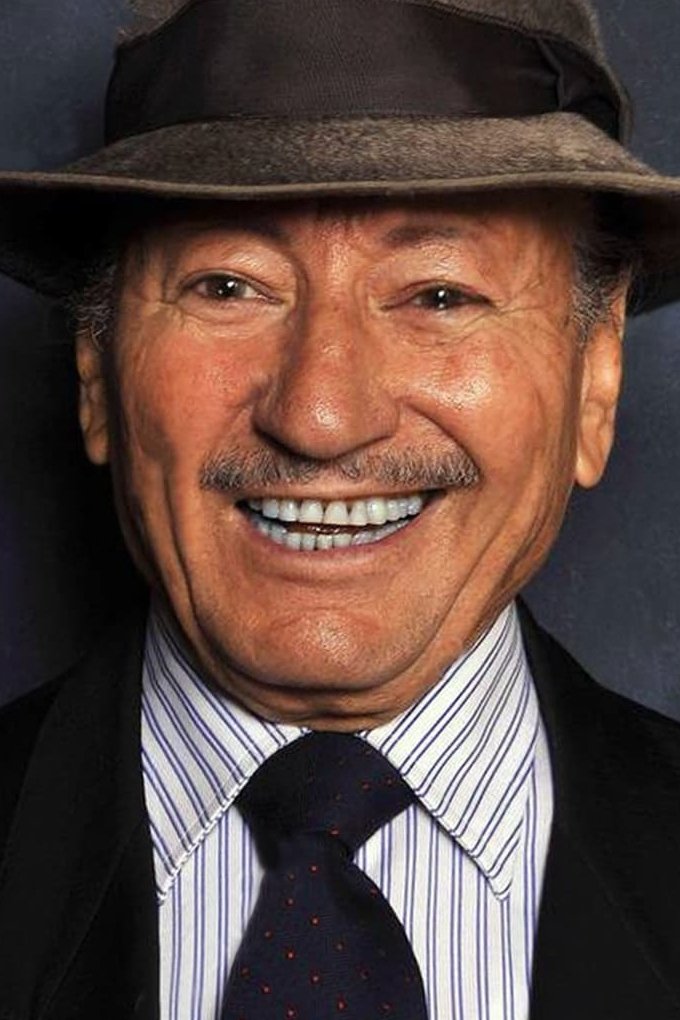
Mohammed Lakhdar-Hamina
Director · 1934 – 2025 · M'sila, Algeria
Mohammed Lakhdar-Hamina (26 February 1934 – 23 May 2025) was an Algerian film director and screenwriter. He is best known for his 1975 film Chronicle of the Years of Fire, which won the Palme d'Or at the 1975 Cannes Film Festival and became the first Arab and African film to win the award. He is one of the most prominent figures in contemporary Arabic cinema. Born on 26 February 1934 at M'Sila, Algeria, Lakhdar began his studies in his native country. He first became interested in the world of cinema at the Lycée Carnot in Cannes, France. After beginning studies of agriculture and law at French universities, he deserted the French Army in 1958 and joined the anti-French Algerian Resistance in Tunisia, where he worked for the provisional Algerian government in exile. His film career began as he joined the Algerian Maquis (guerrillas). In 1959, the Algerian National Liberation Front (FLN) sent him to Prague, where he pursued his cinematography studies at the cinema school, Film and TV School of the Academy of Performing Arts in Prague, the Czech academy for cinema and television. However, he quit his studies in order to work for the Barrandov Studios. Also in 1959, the Algerian ministry of information in exile commissioned Lakhdar-Hamina, together with Djamel Chanderli and Pierre Chaulet, to produce a movie about Algeria's predicament under French colonialism. The documentary film, titled Djazzaïrouna (Our Algeria), aimed at portraying the goals pursued by the Algerian nationalist guerrilla movement, the Maquis. In 1960, he joined the Service Cinema, created by the Algerian government in exile. In 1961, Lakhdar-Hamina collaborated with Chanderli in the movie Yasmina, which tells the story of a refugee girl who must flee her village following its destruction. Lakhdar-Hamina collaborated again with Chanderli in the 1962 The people's voice and 1961 The guns of freedom. Upon Algerian independence in 1962, he returned to his homeland where, together with his colleagues from Tunisian exile, he founded the Office des actualités algériennes, of which he was director from 1963 until its dissolution in 1974. From 1981 until 1984, he acted as director of the Office National pour le Commerce et l'Industrie Cinématographique, the most important institution for furtherance of the French film industry. One of his most recent films, The last image, was part of the Official Selection at Cannes Film Festival in 1986 and was nominated for the Golden Palm. Lakhdar-Hamina's son, Malik Lakhdar-Hamina, became well known after the release of his first long film, Autumn: October in Algiers (1992), a film that explores the riots of October 1988 through the microcosm of an Algerian family split by a Westernized versus Islamicized view of contemporary Algeria. His other son, Tariq Lakhdar-Hamina, is a film producer. On 23 May 2025, Lakhdar-Hamina died in his home in Algiers, at the age of 91. From its inception, Algerian cinema was intertwined with the ideological and existential debates that surrounded the Algerian war of independence and the postcolonial nation-building stage. ... Source: Article "Mohammed Lakhdar-Hamina" from Wikipedia in English, licensed under CC-BY-SA.
Movies5
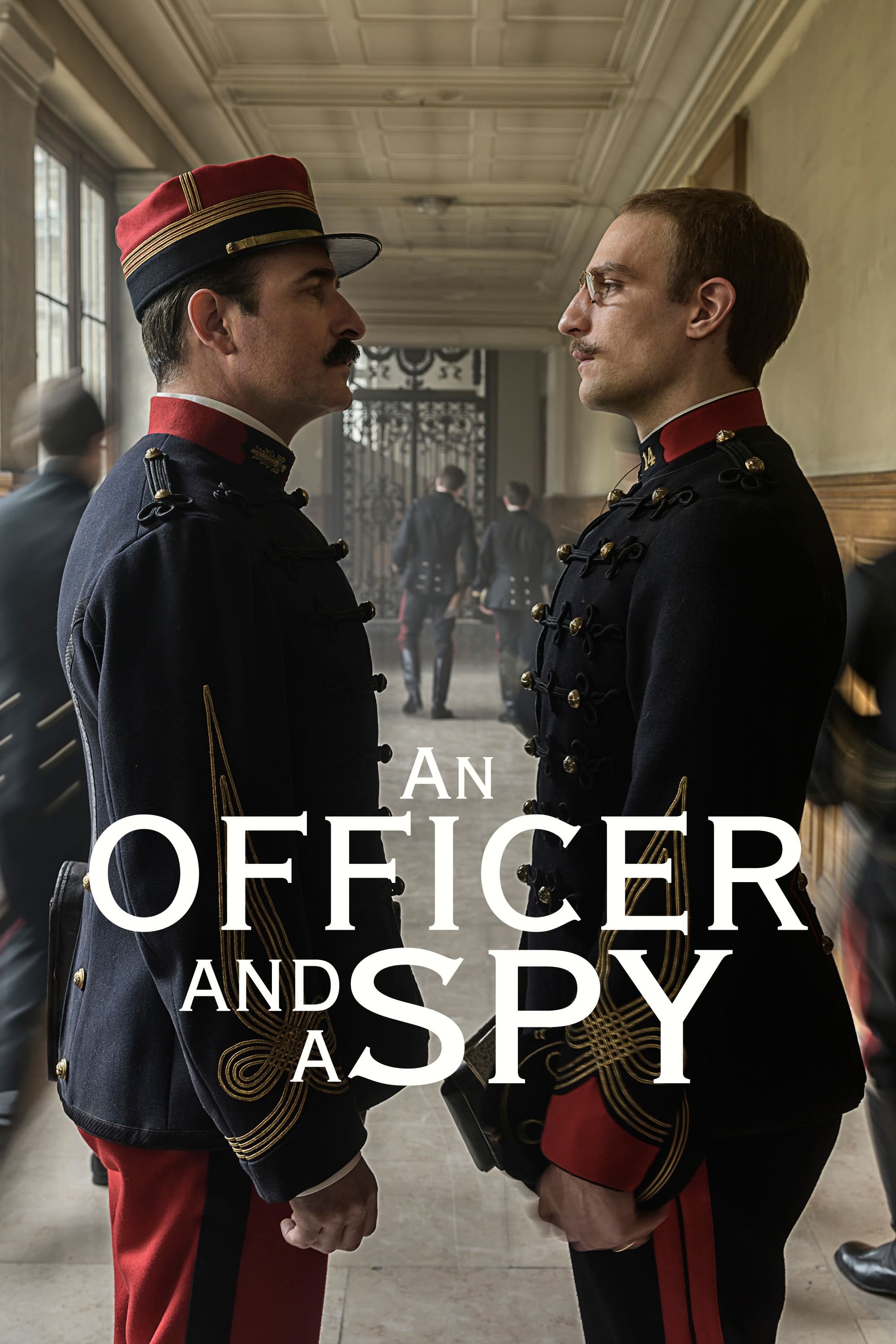 Movie7.1HistoryDrama
In 1894, French Captain Alfred Dreyfus is wrongfully convicted of treason and sentenced to life imprisonment at the Devil’s Island penal colony.
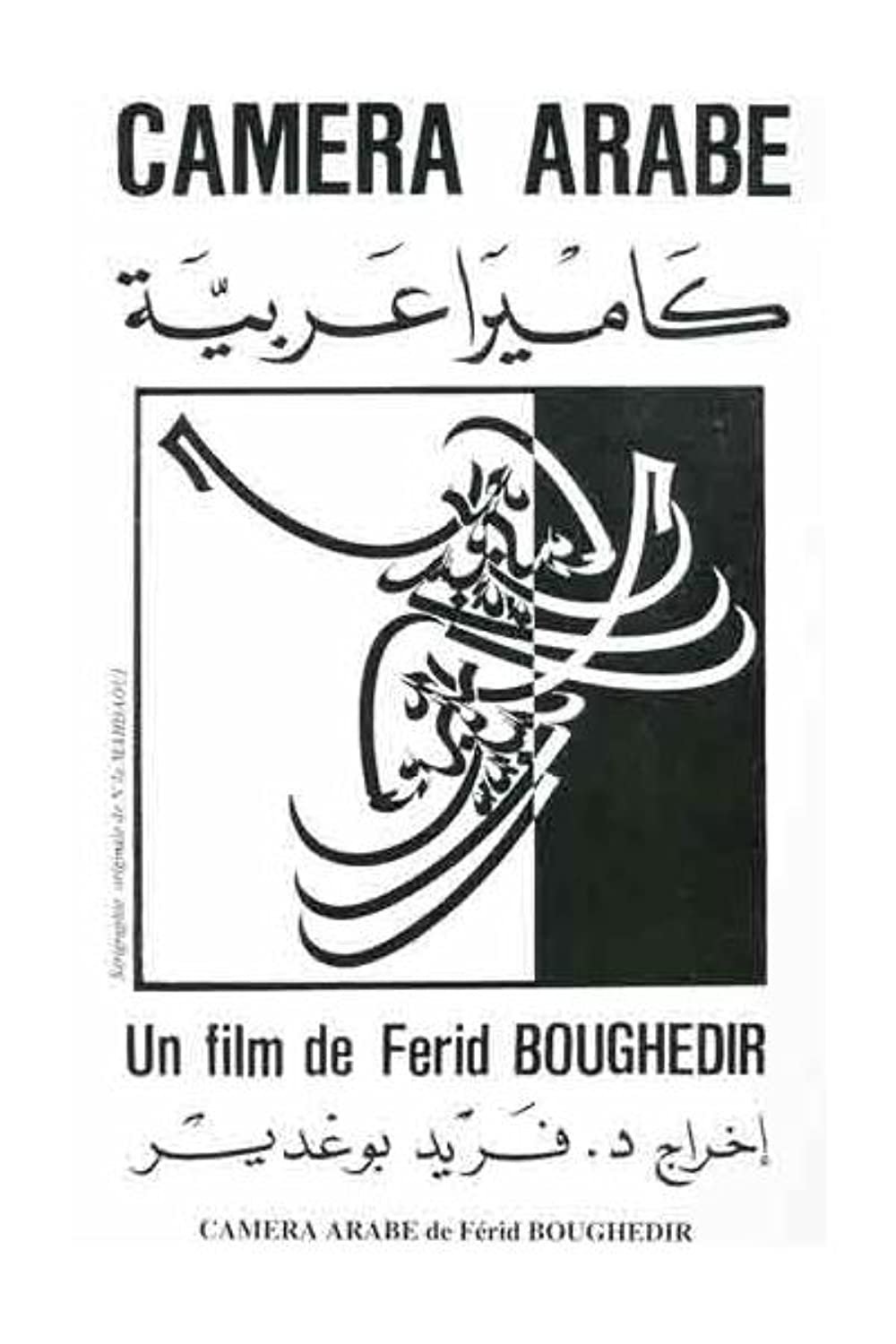 Movie6.0Documentary
Focusing on key Arab films produced in the last 20 years. Férid Boughedir traces the development of the film-makers' concern to produce more socially aware cinema. Themes include the issue of Palestinian homeland rights and the nature of Arab identity. The film-makers also share a desire to develop a strong poetic tradition.
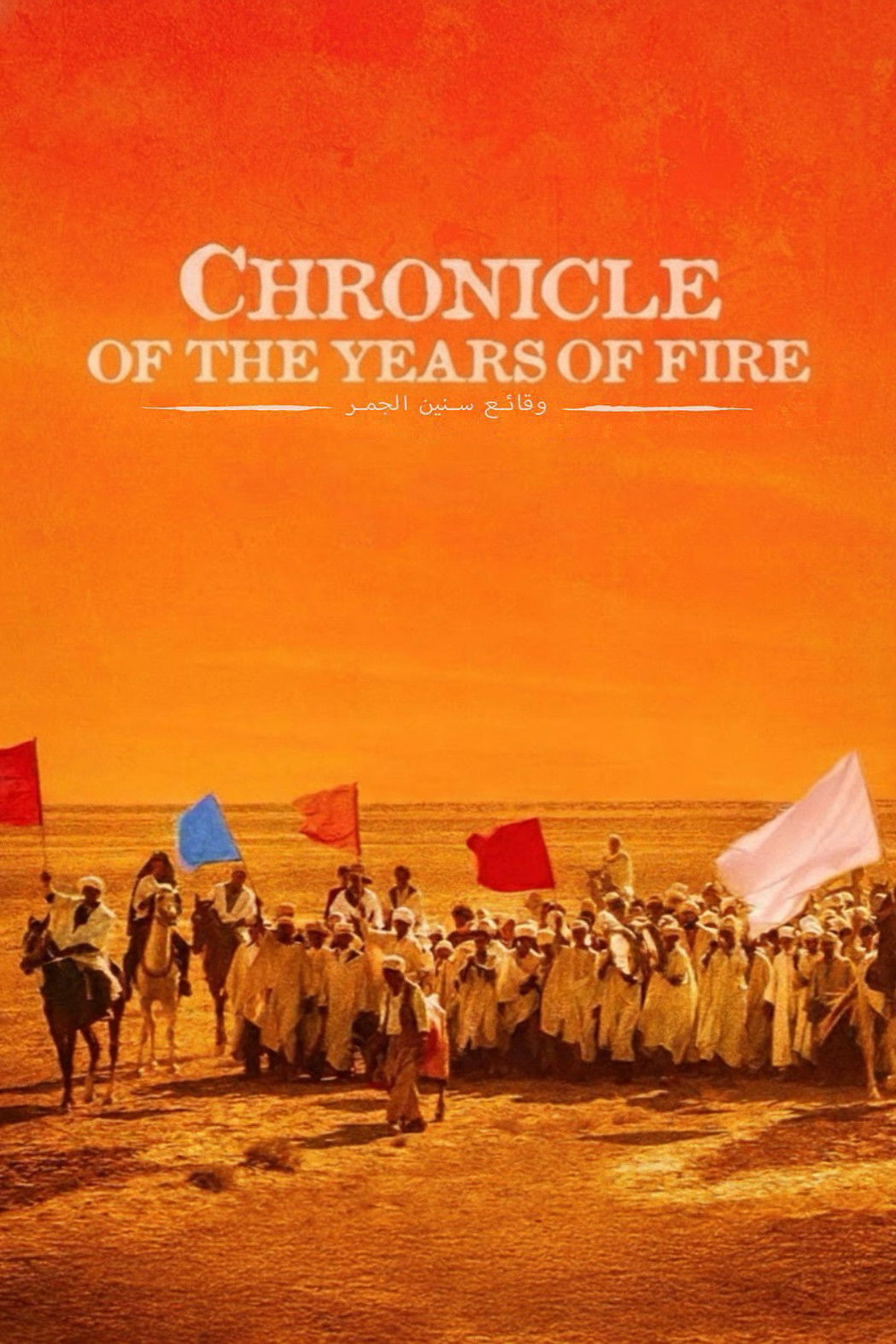 Movie6.6DramaWar
A meticulous chronicle of the evolution of the Algerian national movement from 1939 until the outbreak of the revolution on November 1, 1954, the film unequivocally demonstrates that the "Algerian War" is not an accident of history, but a slow process of suffering and warlike revolts, uninterrupted, from the start of colonization in 1830, until this "Red All Saints' Day" of November 1, 1954. At its center, Ahmed gradually awakens to political awareness against colonization, under the gaze of his son, a symbol of the new Algeria, and that of Miloud, half-mad haranguer, half-prophet, incarnation of Popular memory of the revolt, the liberation of Algeria and its people.
 MovieComedyDrama
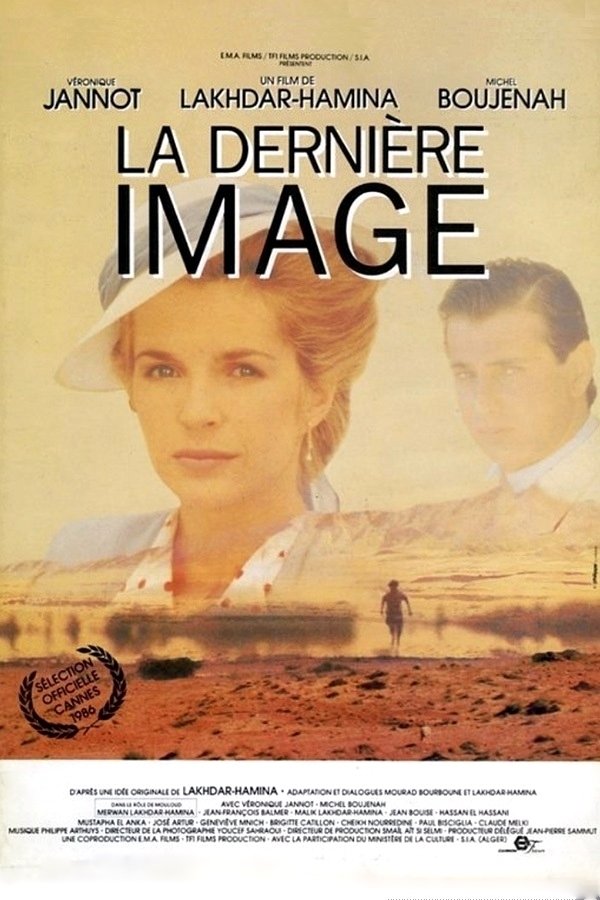
Seen through the filtered lens of boyhood memories, award-winning director Mohamed Lakhdar-Hamina crafted this half-fictional, half-autobiographical account of a brief period in the history of an Algerian village. It is 1940, and the quiet town is ruled by French colonialists appointed by the Vichy government. Algerians are being called up for service in the Vichy military, and Jews in the village are in danger of deportation. A beautiful young schoolteacher named Claire Boyer (Veronique Jannot) arrives in town and turns every male head within miles, including 14-year-old Mouloud (Merwan Lakhdar-Hamina, the director's son). Simon Attal (Michel Boujenah), a fellow teacher and a Jew, is also attracted to Claire, and so is Mouloud's older brother. Suddenly two murders occur in the village, Simon is in danger of being deported, and the tone shifts from the dreams of boyhood to the realities of manhood.
 Movie10.0Documentary
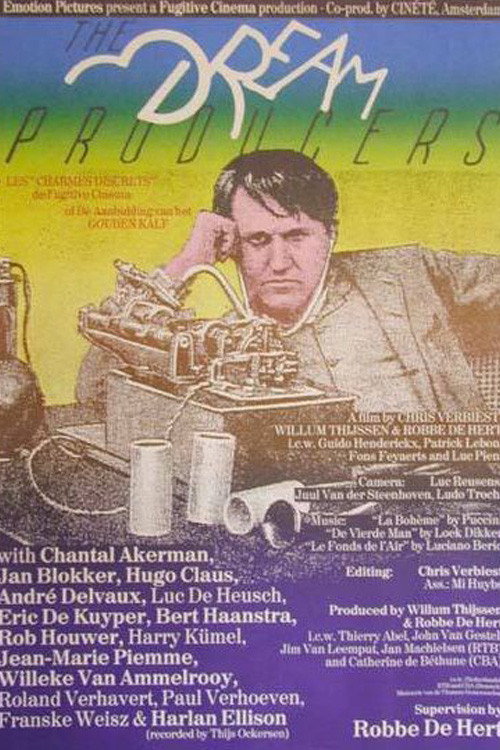
Documentary exploring why Belgian television doesn't invest more money in Belgian cinema as is the case in e.g. the netherlands.
De droomproducenten
1984 · 1 votes
Series3
 TV9.5Talk Show
Marcello Mastroianni, Isabelle Adjani, Alain Delon, Martin Scorsese, Woody Allen... the biggest stars in cinema were welcomed by Christian Defaye on his show Spécial cinéma. Between intimate confessions from actors and immersion in the world of the greatest filmmakers, Christian Defaye took viewers on a journey into the fascinating world of cinema for nearly thirty years.
Spécial cinéma
1974 · 2 votes
 TV8.0Talk ShowNews
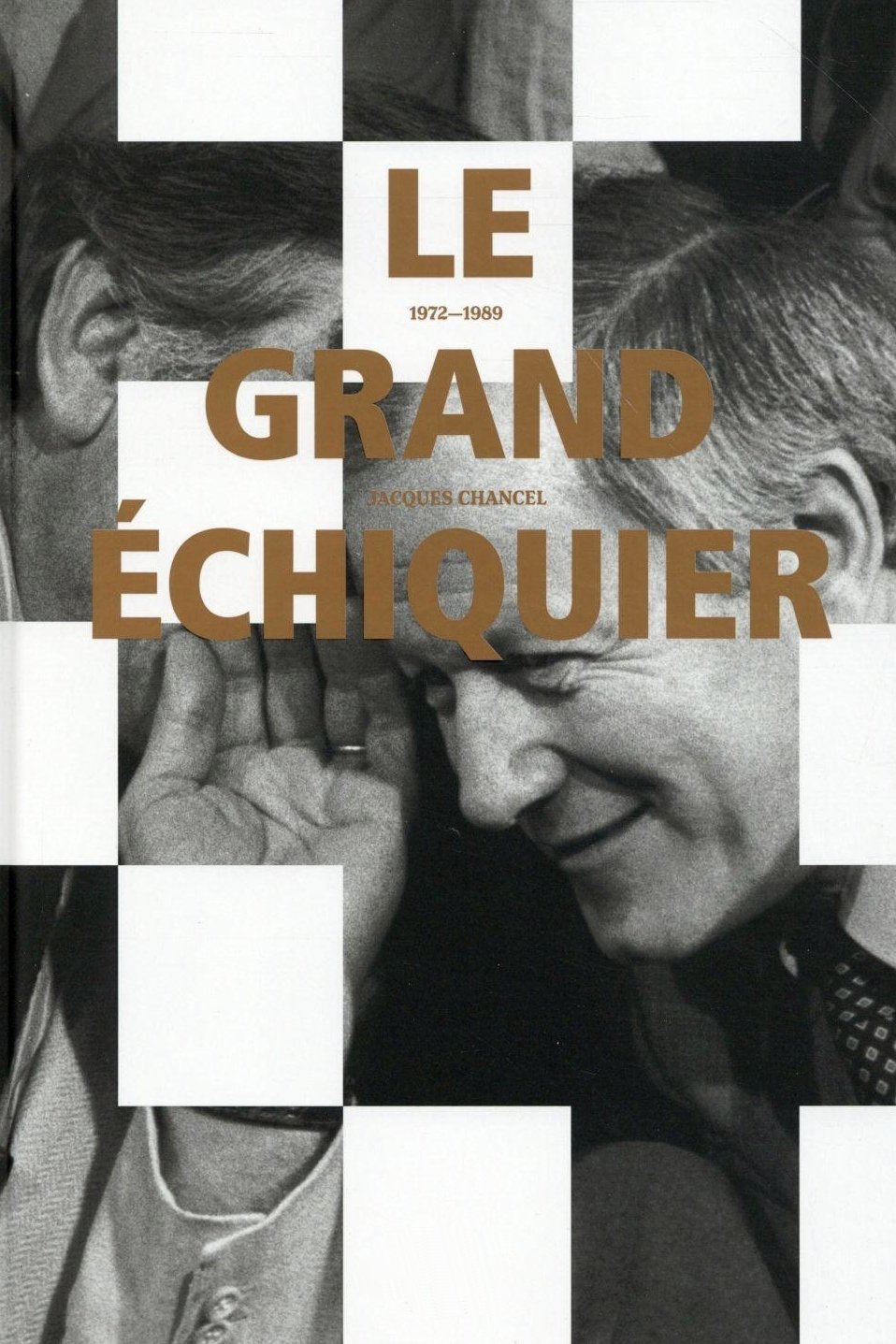
Le Grand Échiquier is a French variety television program created and presented by Jacques Chancel. It aired at 8:30 pm on the first channel of the ORTF from January 12, 1972 to July 12, 1972, then on the second color channel of the ORTF from September 1972 to December 1974, and finally on Antenne 2 from January 1975 to December 21, 1989. The program returned to France 2 on December 20, 2018 and is hosted by Anne-Sophie Lapix.
Le Grand Échiquier
1972 · 3 votes
 TV5.0Documentary
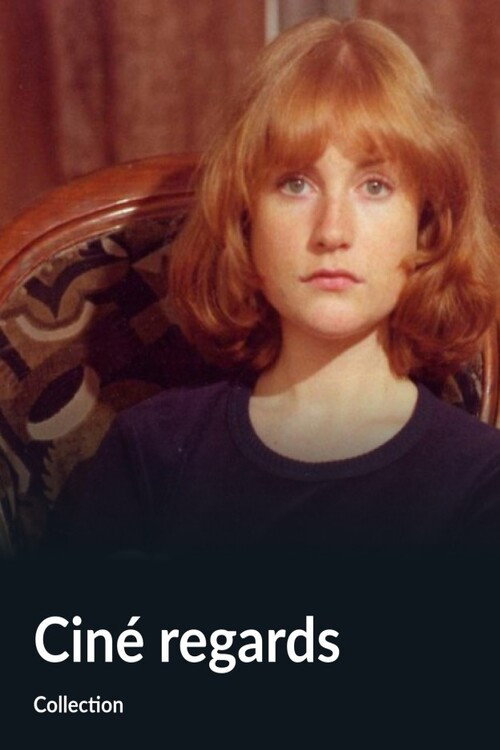
Ciné regards
1978 · 1 votes