
Arnaldo Jabor
Director · 1940 – 2022 · Rio de Janeiro, Rio de Janeiro, Brazil
Arnaldo Jabor (Rio de Janeiro, December 12, 1940 – São Paulo, February 15, 2022) was a Brazilian filmmaker, screenwriter, film and TV director, film producer, playwright, critic, journalist and writer. He is most famous in cinema for the making of "All nudity shall be punished" (1973), "I love you" (1981), and "Love me forever or never" (1986).
Movies17
 Movie8.1Documentary
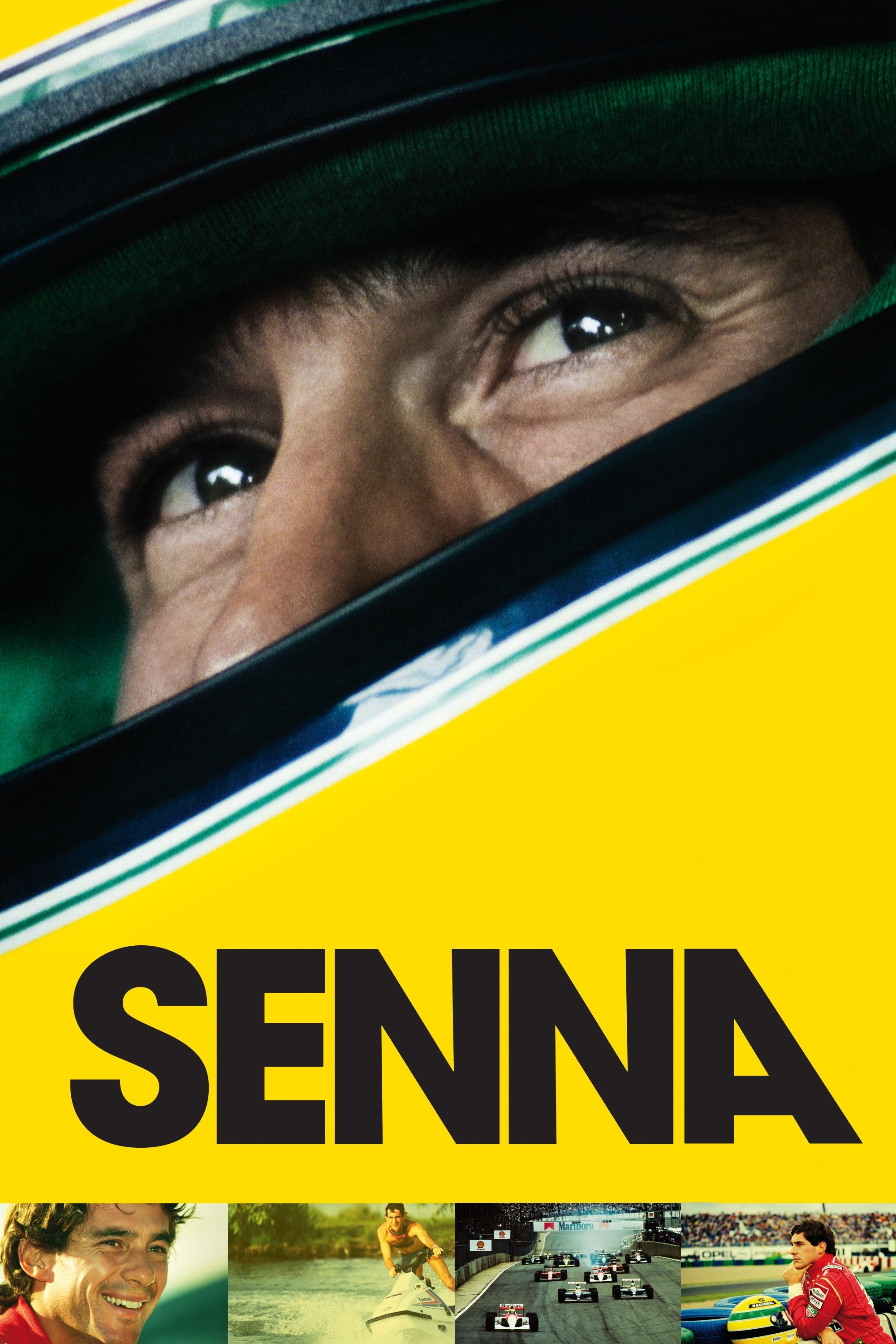
The remarkable story of Brazilian racing driver Ayrton Senna, charting his physical and spiritual achievements on the track and off, his quest for perfection, and the mythical status he has since attained, is the subject of Senna, a documentary feature that spans the racing legend's years as an F1 driver, from his opening season in 1984 to his untimely death a decade later.
Senna
2010 · 1.2K votes
 MovieDocumentary
Câmera, Close!
2005
 Movie7.5Documentary
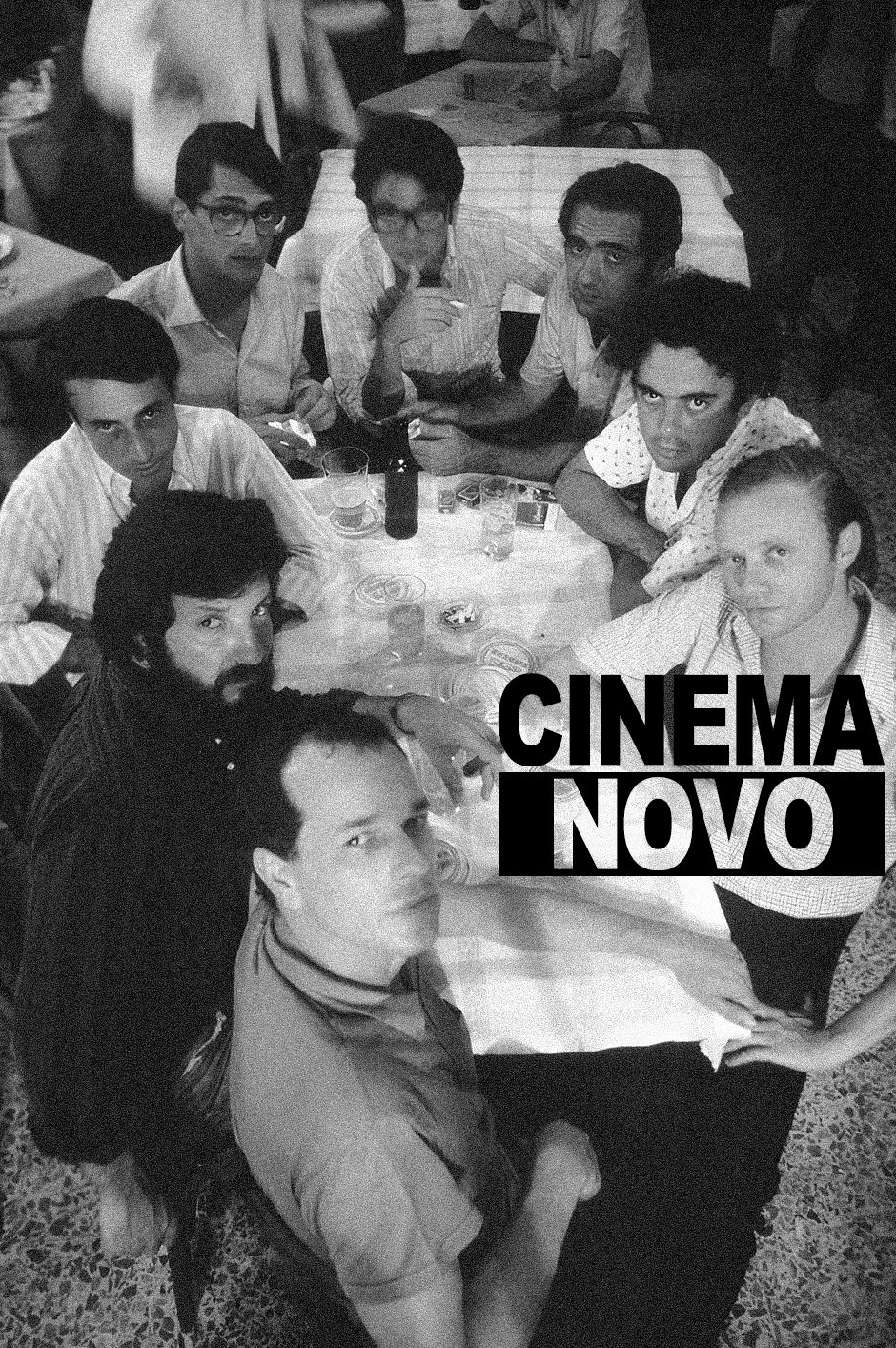
Originally produced for German TV, Improvised and Purposeful is a firsthand look at the "Cinema Novo" movement (otherwise known as the 'Brazilian New Wave'). Director Joaquim Pedro de Andrade focuses on six Cinema Novo filmmakers working in Rio in 1967.
 Movie5.8Documentary
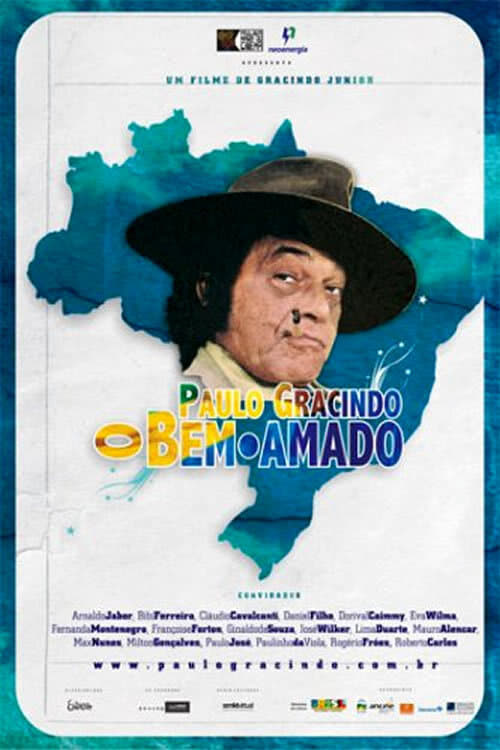
The life of a famous Brazilian film and television actor, including testimonials from people who knew him and worked with him, as well as excerpts from films and videos in which he acted.
Paulo Gracindo - O Bem Amado
2009 · 2 votes
 Movie6.6Documentary
We live in a new age. We are always rushing, rushing for no reason, rushing for nothing. As though time had sped up. Everything implies speed, urgency. But ultimately, why does time seem so short? This film is about the director’s conflict about time and the lack of it in today’s world; she reflects on civilization and the future of existence.
Quanto Tempo o Tempo Tem
2015 · 20 votes
 Movie6.7DocumentaryHistory
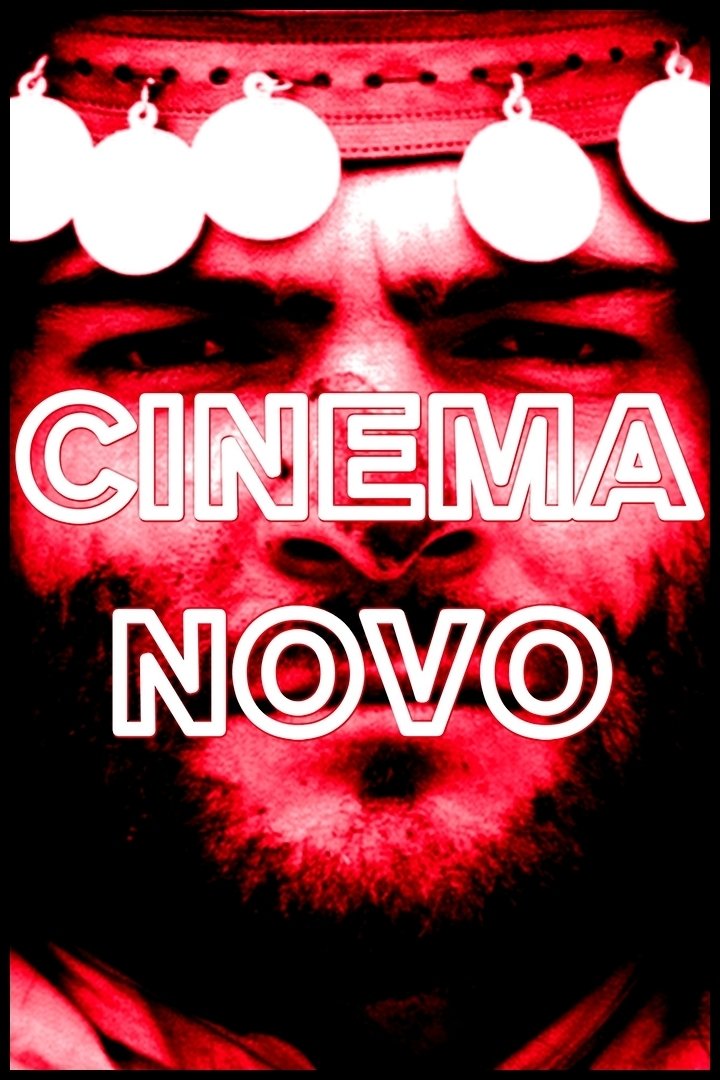
A deep investigation, in the way of a poetic essay, on one of the main Latin American movements in cinema, analyzed via the thoughts of its main authors, who invented, in the early 1960s, a new way of making movies in Brazil, with a political attitude, always near to people's problems, that combined art and revolution.
Cinema Novo
2016 · 25 votes
 MovieDocumentary
Follows the story of Opinião, a theatre group created in 1964 during the early Brazilian dictatorship period to oppose the government through artistic performances. Considered the first left-wing response to the dictatorship, the group gathered now famous Brazilian artists such as Nara Leão, Maria Bethânia, João do Vale and Millôr Fernandes.
 Movie6.3Drama
Chronicles the life of a 17 year-old girl living in the upper-class Rio de Janeiro neighbourhood of Ipanema. Márcia lives a life of parties and spend her days among bohemians, musicians and intellectuals. While seeming happy in the outside, she's extremely anguished inside. Based on the famous song by Antonio Carlos Jobim and Vinicius de Moraes.
 MovieDocumentary
 Movie6.3Documentary
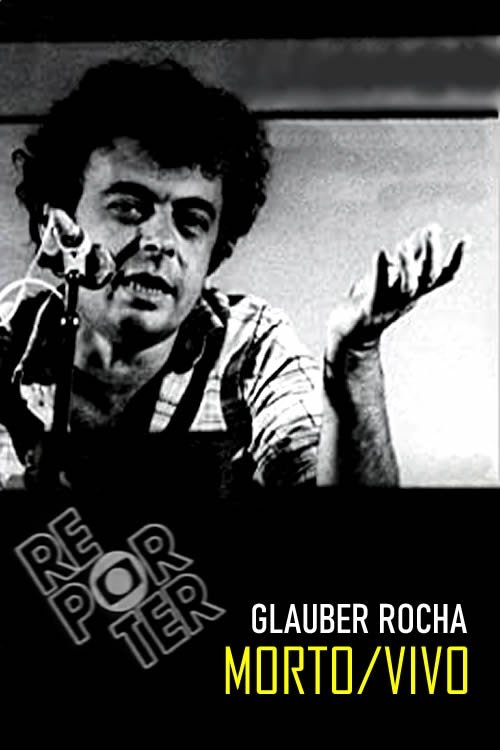
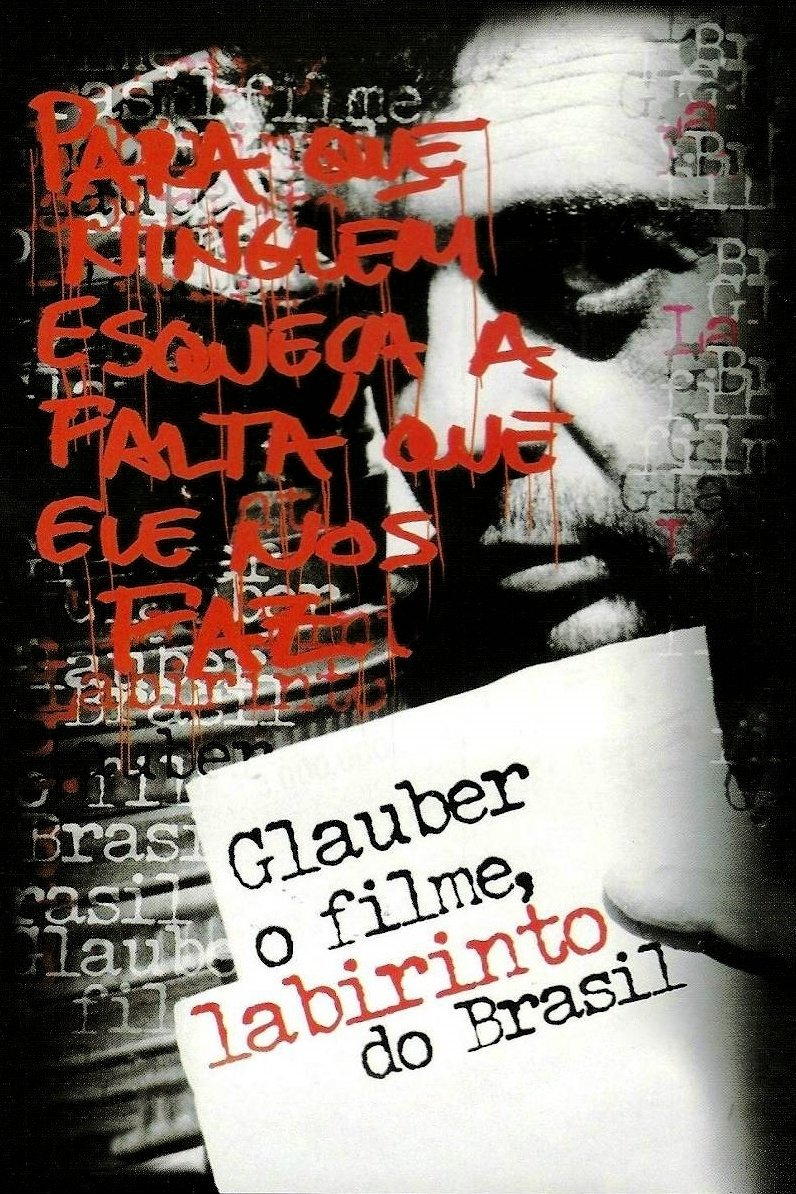
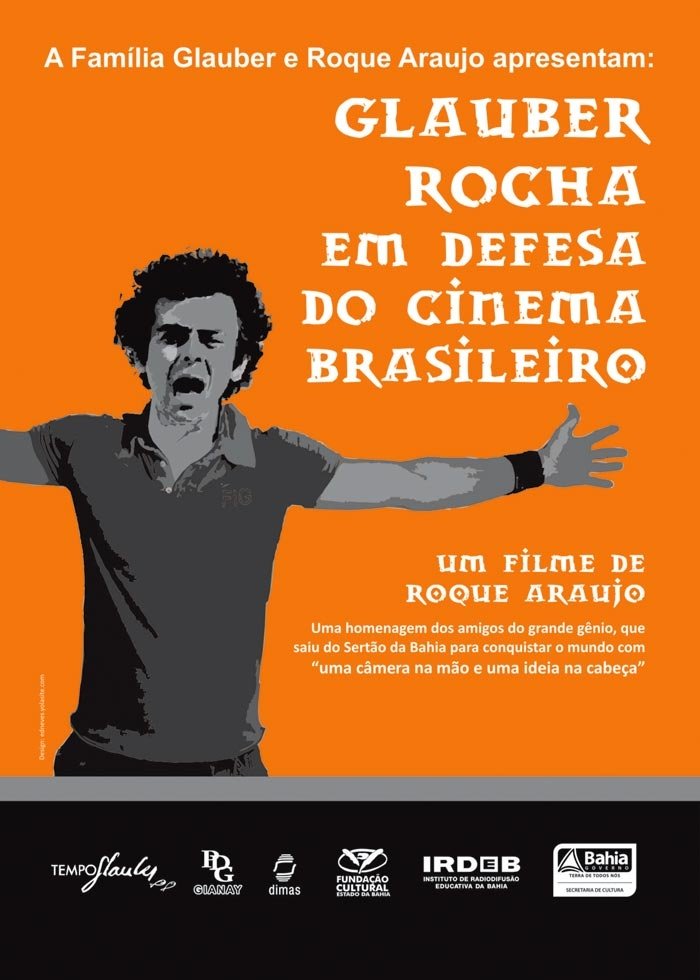
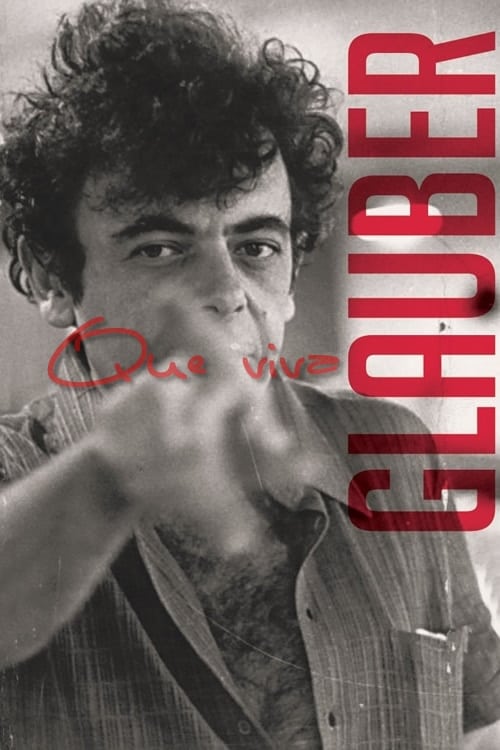
Documentary about Brazilian filmmaker Glauber Rocha, one of the most important names in the Cinema Novo, with interviews with some of his friends and colleagues.
 MovieDocumentary
 Movie6.4Drama
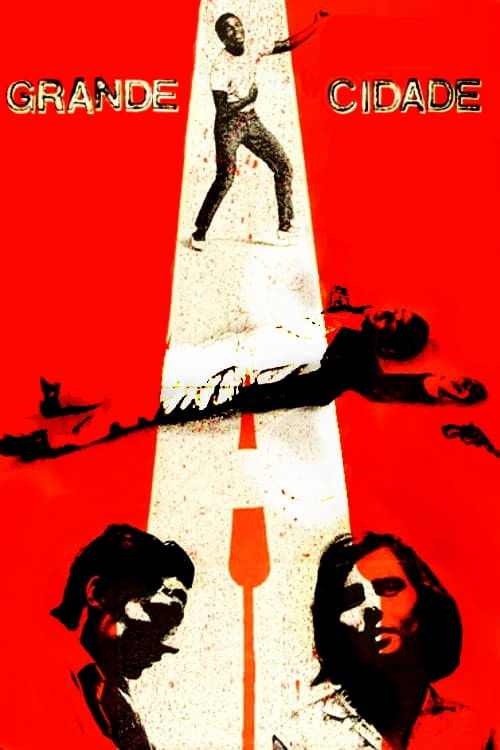
In search of a better life, Luzia leaves the Northeast of Brazil and goes to Rio de Janeiro, looking for her fiance who went first to pave their way. Alone in the Marvelous City, she is forced to accept the friendship and protection of Calunga and, later, the company of Inácio.
 MovieDocumentary
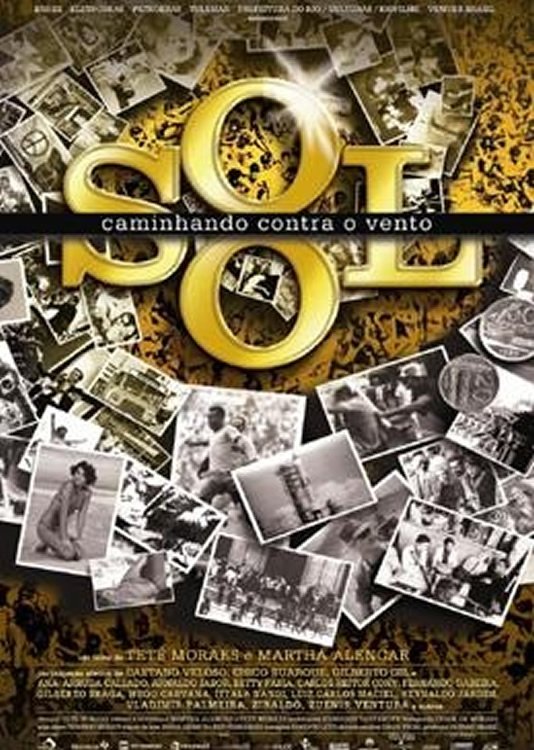
Documentary about the 68-generation, told through the story of the newspaper “O Sol”, one of the first vehicles of the alternative Brazilian press, produced daily for six months, in the 1960s. The newspaper spoke of culture, politics and education through satires and prominent figures in the cultural scene of the time passed through him. Archive scenes and music from the period seek to reconstitute the spirit of the 68-generation. The film has the participation of personalities such as Ziraldo, Zuenir Ventura, Arnaldo Jabor, Chico Buarque, Caetano Veloso, Carlos Heitor Cony, Fernando Gabeira, Betty Faria, Hugo Carvana, among others.
 Movie8.0Documentary
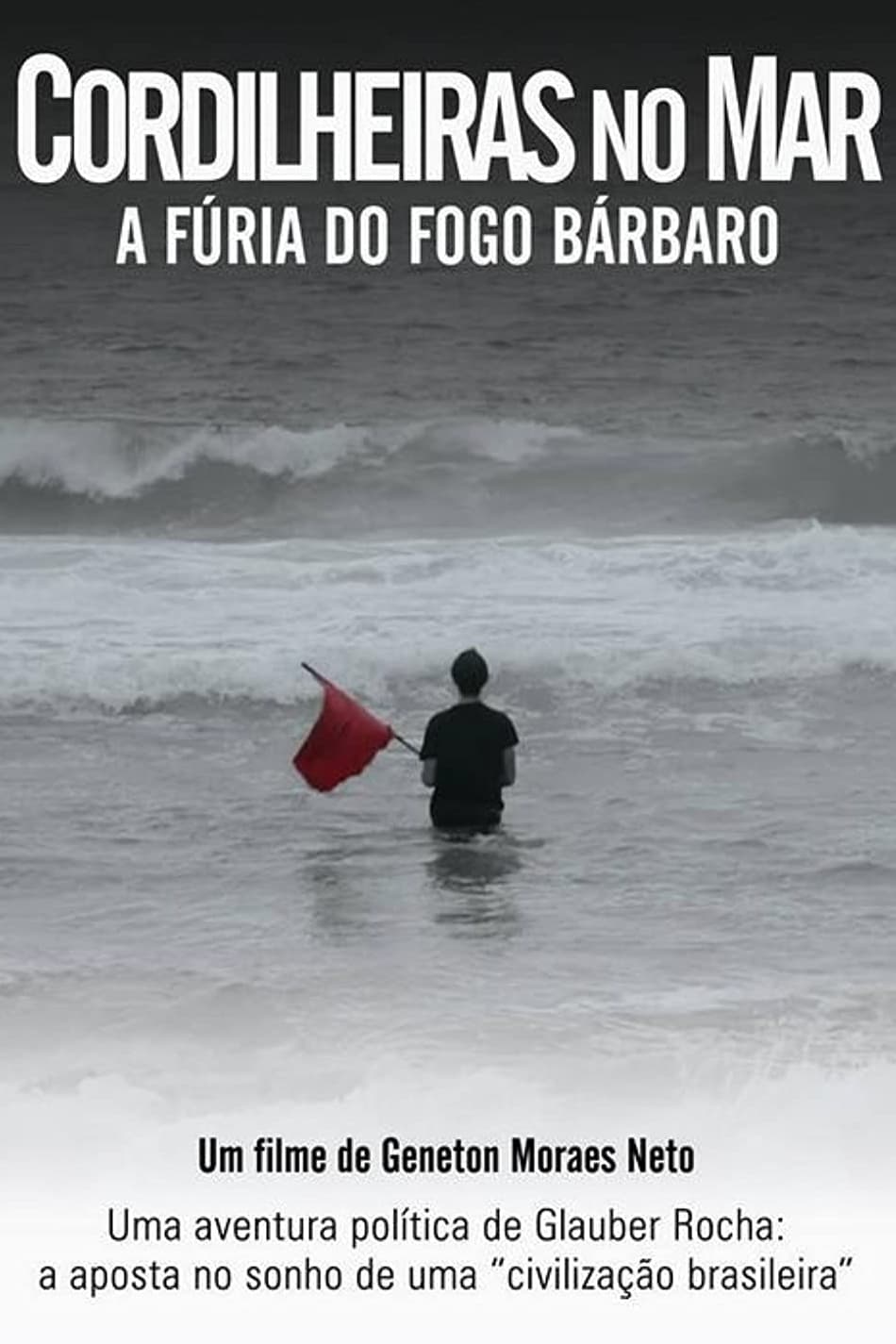
Cordilheiras no Mar: A Fúria do Fogo Bárbaro
2015 · 1 votes
 MovieDocumentary
The importance of the Cannes Film Festival in world terms and what it represented for Brazil in 1971. For Brazilian cinema, Cannes 71 represented the transition from film to industrialized production. It is the meeting of producers, technicians, critics , celebrities in general, offering opportunities for greater knowledge and renewal of values
 MovieDocumentary
 Movie8.3Documentary
The documentary follows a caravan of acrobats through the suburbs of Rio de Janeiro, presenting the situation of circuses in Brazil through testimonies from several circus artists.
O Circo
1965 · 3 votes