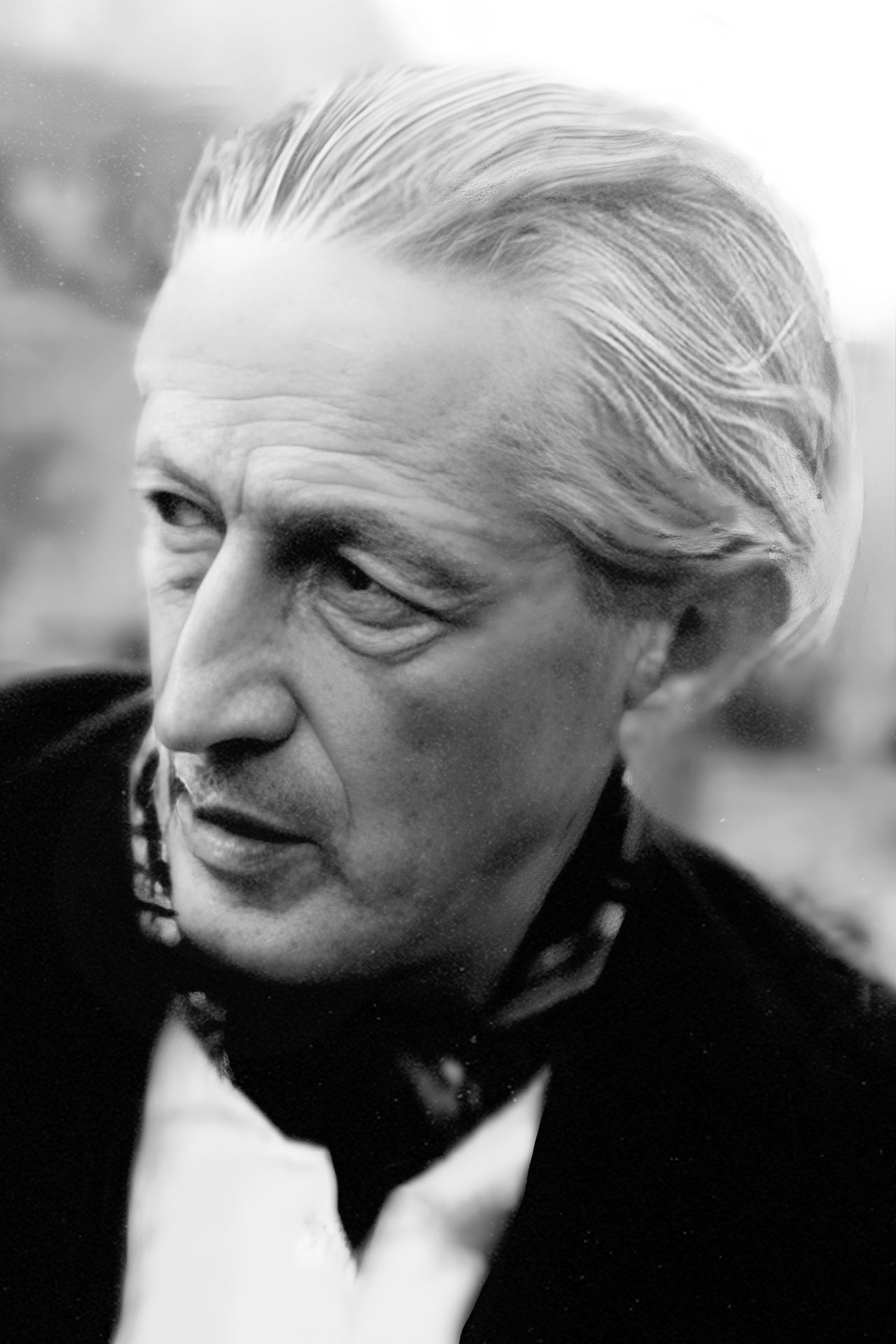
Harry R. Sokal
Production · 1898 – 1979 · Craiova, Dolj, Romania
Harry R. Sokal (also Henry R. Sokal), born February 20, 1898 in Craiova and died March 7, 1979 in Munich, was a German film producer of Romanian origin and of the Jewish faith. Harry Sokal produced 22 films between 1926 and 1977. He specialized in the production of films related to the mountain, mainly those of Arnold Fanck and Leni Riefenstahl. After the National Socialists seized power in 1933, he emigrated to England before settling in France in 1937. In 1941, he moved to the United States where he worked for the small production company Monogram before return to Germany in 1949 where he founded the production company Henry Sokal-Film. He produced his first post-war work, Föhn, which was a remake of his greatest success, The White Inferno of Piz Palü. Until his death, he worked with the Munich studios Bavaria Filmstudios located in Grünwald. His most famous post-war film was The Hero and the Soldier in 1958 with Otto Wilhelm Fischer, based on the comedy by George Bernard Shaw. Harry Sokal was married to actress Charlotte Kerr. He died in 1979 and is buried in Grünwald.
Series2
 TV9.0Documentary
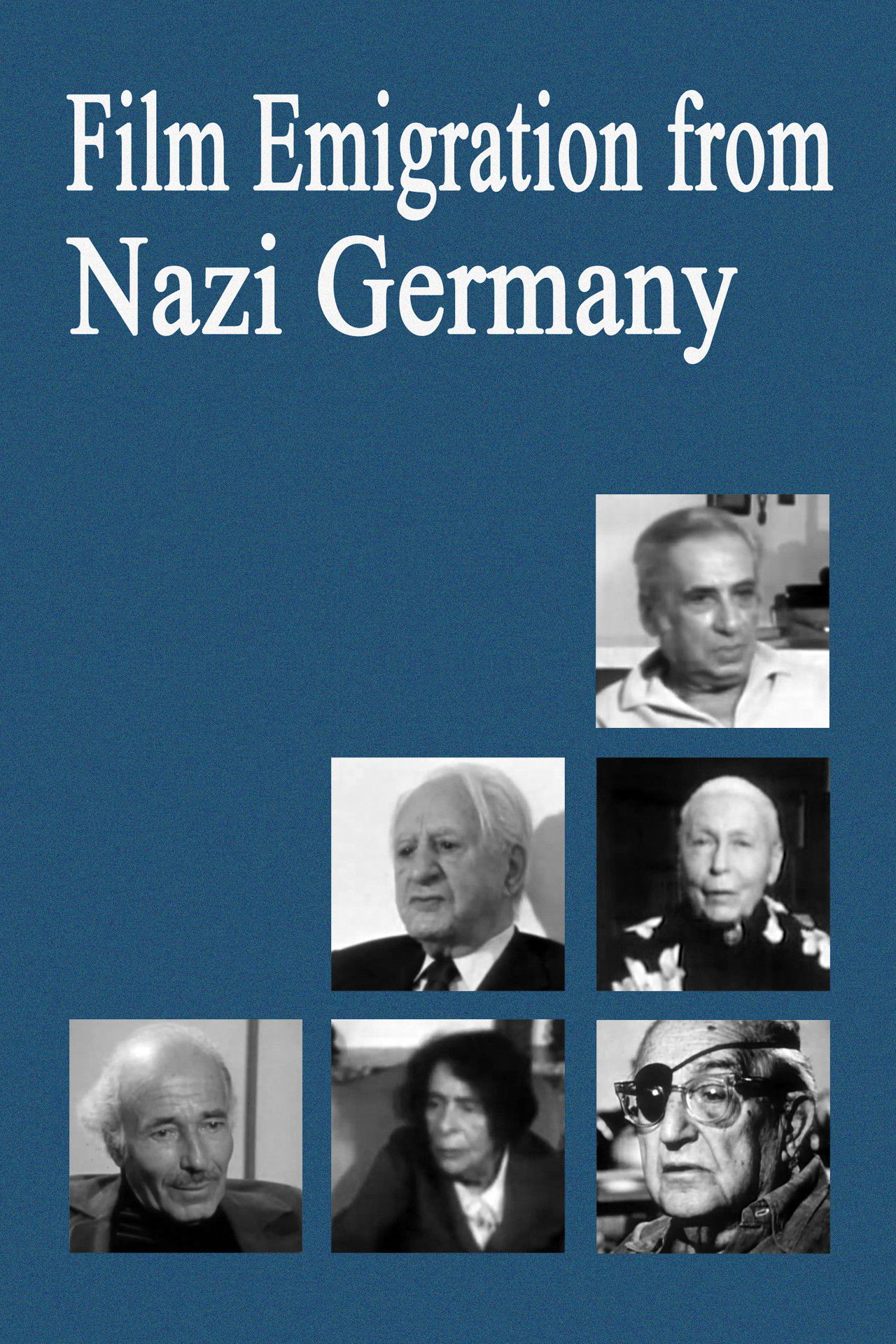
Based on extensive interviews, shot on 16mm in a series of static long takes, Filmemigration aus Nazideutschland, is one of the most fascinating examples of "Film history on film" ever produced. Straschek devoted years to researching the topic and accumulating both film and non-film materials. Apart from some radio features and articles, however, this 290-minute TV programme remains the only published trace of Straschek's lifelong work on the emigration of film personnel. He had intended to publish a three-volume book, encompassing all available data about 3,000 emigrants originating from the centre and peripheries of film production, but the book never materialised.
 TV8.0War & PoliticsDrama
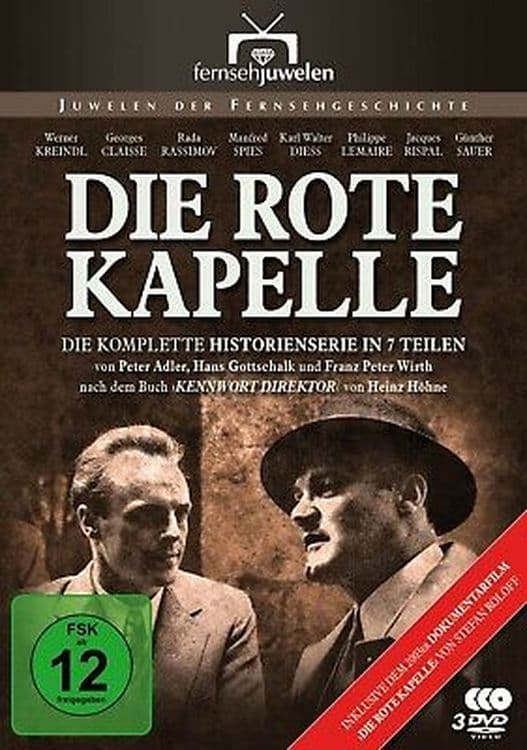
Shortly before the outbreak of World War II: Leopold Trepper, a colonel in the Red Army, travels to Belgium under a false name and sets up a spy ring there. Together with his employees Viktor Sukulow-Gurewitsch, Johann Wenzel, Hillel Katz and Michail Makarow, he succeeds in establishing a spy network throughout Belgium and France in a very short time. With the help of his cover companies - a chain of raincoat shops and later the import-export company Simexco ”- Trepper can collect information from the economy and the Wehrmacht, about Atlantic Wall construction sites and railway lines, and send it to Moscow. The agents also get help from patriots who want to free their countries from the occupation by the Germans.