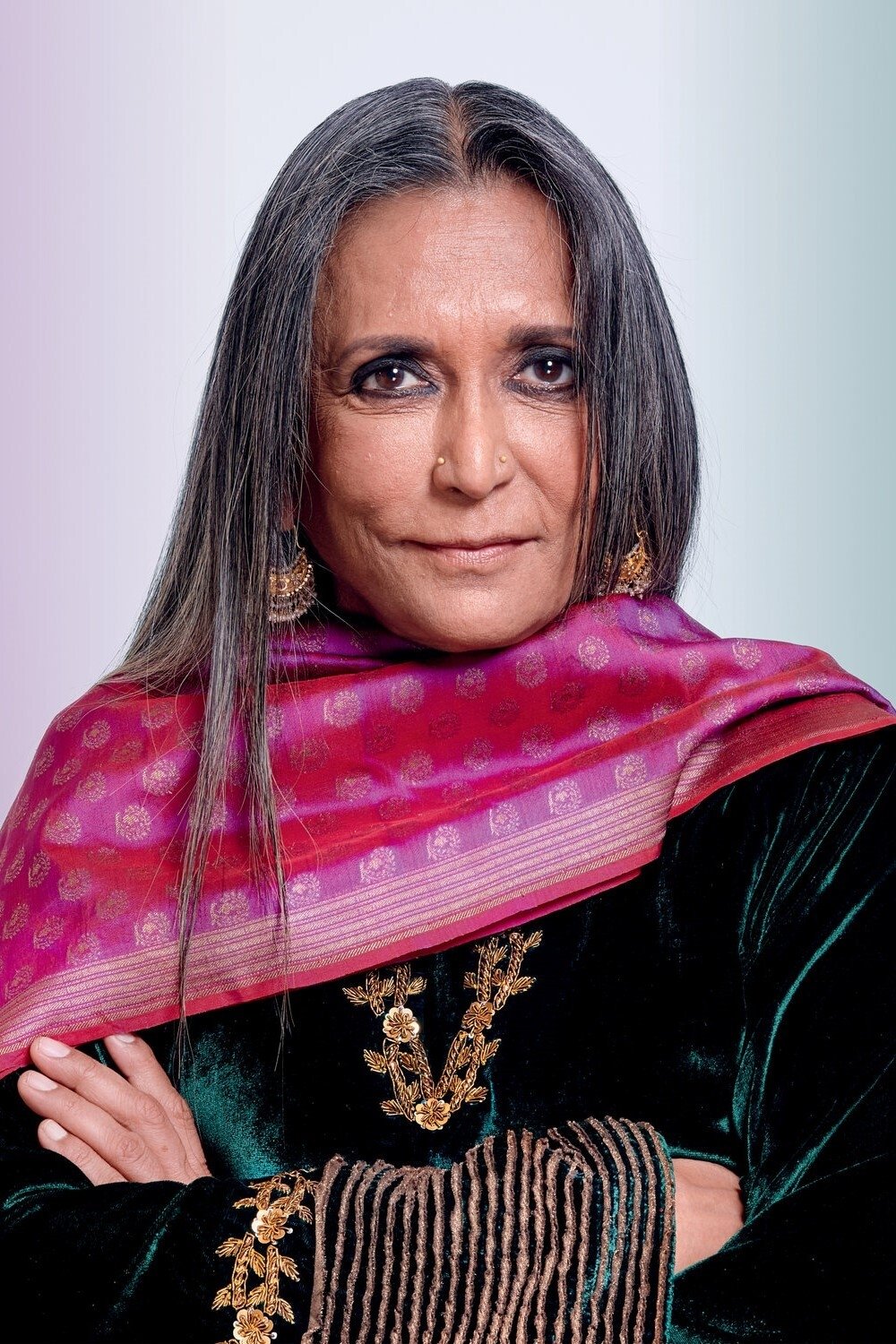
Deepa Mehta
Director · b. 1950 · Amritsar, Punjab, India
Deepa Mehta, LLD (born 1 January 1950 in Amritsar, Punjab, India) is a Genie Award-winning and Academy Award-nominated Indian-born Canadian film director and screenwriter, most known for her Elements Trilogy, Fire (1996), Earth (1998), and Water (2005), which was nominated for Academy Award for Best Foreign Language Film. Her repertoire includes Bollywood/Hollywood and the adaptation of Salman Rushdie's Midnight’s Children. Born in India, she migrated to Canada after studying philosophy at the University of New Delhi. Initially focusing on documentaries, she's received numerous awards, honorary degrees, and prestigious honours like the Governor General’s Lifetime Artistic Achievement Award and the Order of Canada for her groundbreaking work in film. Recognized for challenging norms, Mehta’s films are revered for their daring and provocative nature, earning her distinctions like the Best Canadian Director by the Vancouver Film Critics Circle in 2006. She also co-founded Hamilton-Mehta Productions, with her husband, producer David Hamilton in 1996.
Movies3
 MovieDocumentary
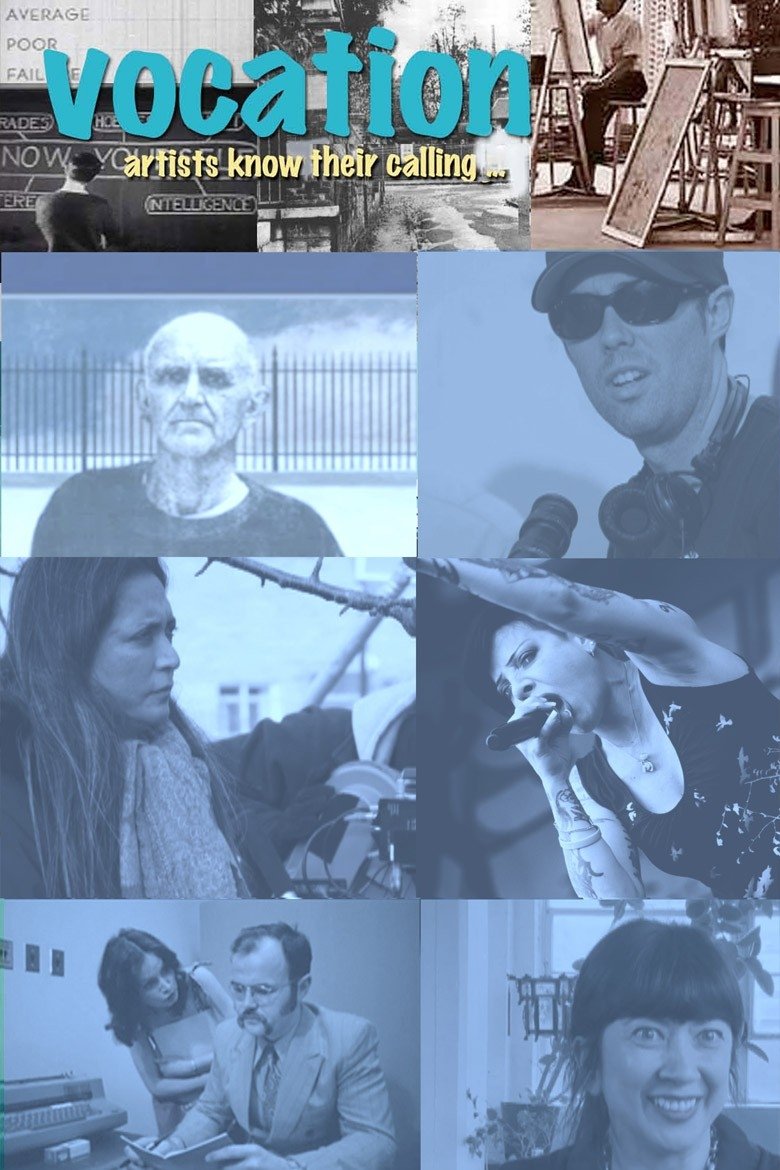
Vocation is a documentary on artists who knew from a very early age they wanted to be an artist. A decision that for them was instinctual and some may even say it is 'a calling' based on faith and perhaps even fate alone. Artists Andy Jones, Deepa Mehta, Marie Brassard, Christopher Pratt, Brad Peyton and Bif Naked are committed to creating work in theatre, literature, music, film and performance based on an innate desire to succeed while working in the precarious profession of art.
Vocation
2013
 Movie8.0Documentary
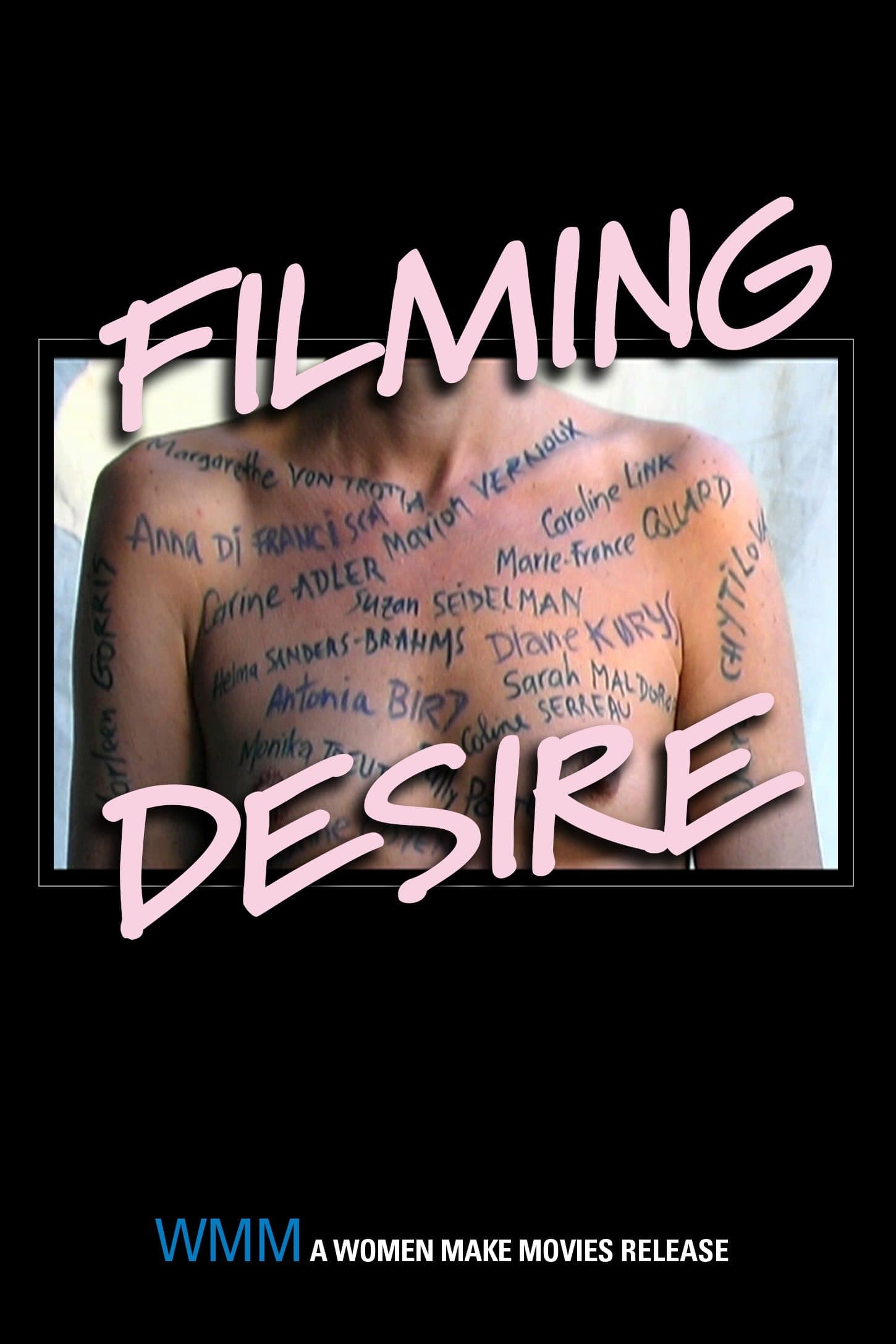
The film consists largely of a series of interviews with female filmmakers from several different countries and filmmaking eras. Some, such as Agnès Varda and Catherine Breillat (both from France), have been making films for decades in a conscious effort to provide an alternative to the male filmmaking model; others, such as Moufida Tlatli (Tunisia) and Carine Adler (England), are relative newcomers to directing, and their approaches seem more personal and less political. The film as a whole manages to cover some important topics in the feminist debate about film -- how does one construct a female gaze, how can one film nude bodies without objectifying the actors (of either sex), what constitutes a strong female role -- while also making it clear that “women’s film” comprises as many different approaches to filmmaking as there are female filmmakers.
Filmer le désir - Voyage à travers le cinéma de femmes
Filming Desire: A Journey Through Women’s Cinema
2000 · 2 votes
 MovieDocumentary
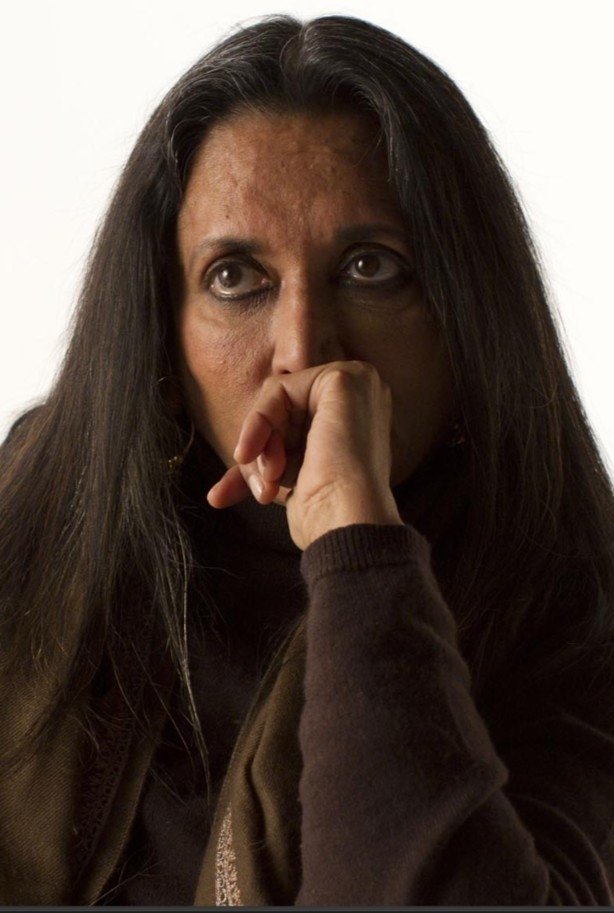
A portrait and tribute to Canadian filmmaker Deepa Mehta.
Series1
 TV9.0Drama
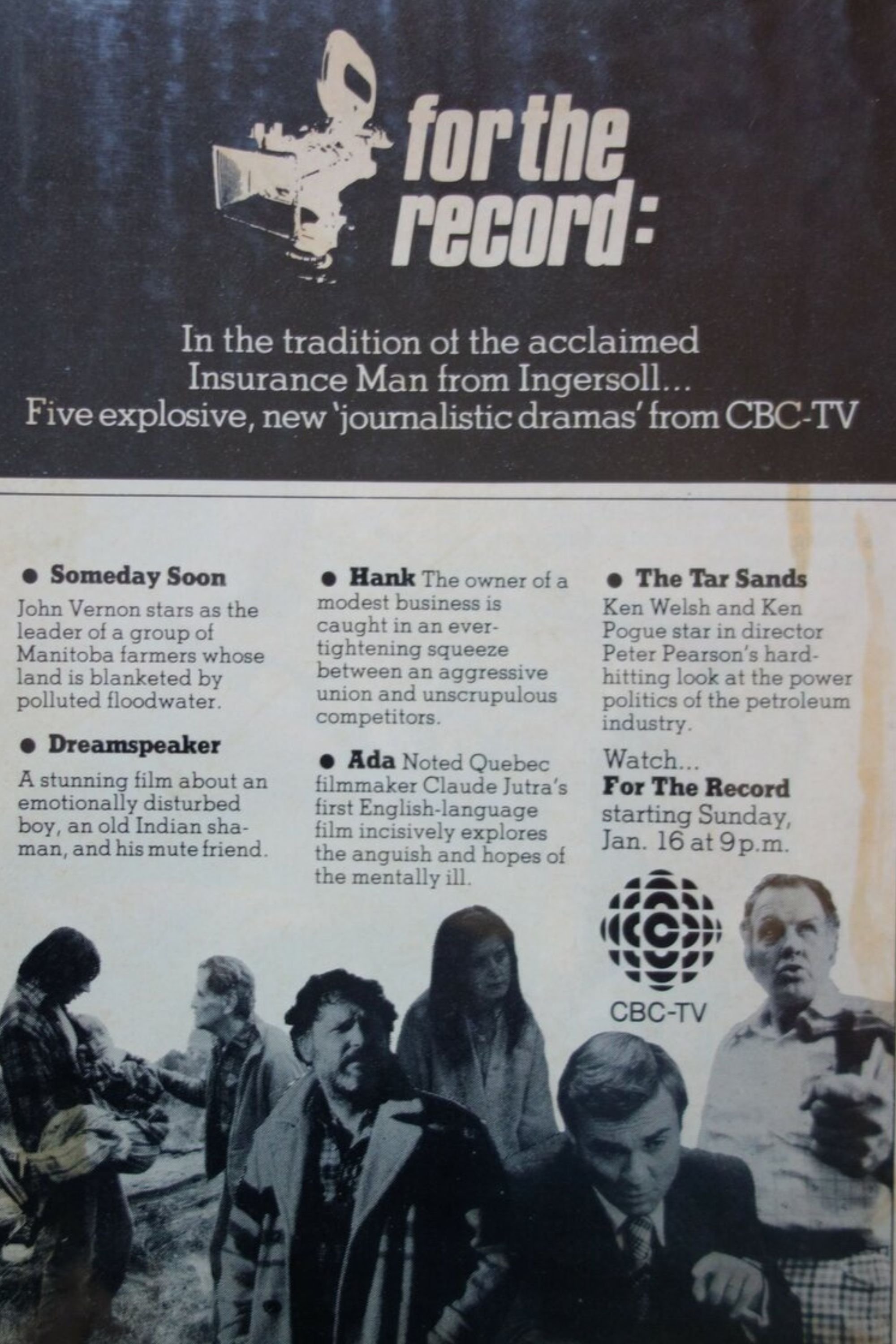
For the Record, an anthology of 60-to-90-minute dramas, started on the series, Performance, as a subseries called Camera ’76. A collection of docudrama-style short stories on diverse but socially relevant (and very Canadian) topics such as unemployment, euthanasia, spousal abuse, televangelists, aboriginal issues, and anglophone-francophone relations. This series attracted most of the 'big name' Canadian actors and directors of the time.
For the Record
1976 · 1 votes