Klaus Wildenhahn
Director · 1930 – 2018 · Bonn, Germany
Klaus Wildenhahn was a German documentary filmmaker.
Movies8
- Movie9.0Documentary
A documentary about the 'critical mass', the Film Coop, a group of young filmmakers in Hamburg during the 1960s - a small group far from the Mainstream or the New German Cinema.
- Movie8.0Documentary
Klaus Wildenhahn, a native of Bonn, takes a personal and slightly wistful look behind the scenes of the government's move from Bonn to Berlin and bids farewell to the comparatively modest “federal village.” He is not interested in the political celebrities, who, unlike in the television reports produced at the same time, serve only as background noise, but in the everyday lives of the small employees, parliamentary servants, chauffeurs, and waiters.
Ein kleiner Film für Bonn
2000 · 1 votes
- Movie9.0Documentary
Reise nach Mostar
1995 · 1 votes
- MovieDocumentary
- Movie10.0
Documentary by Jan Sebening and Daniel Sponsel.
 Movie9.0Documentary
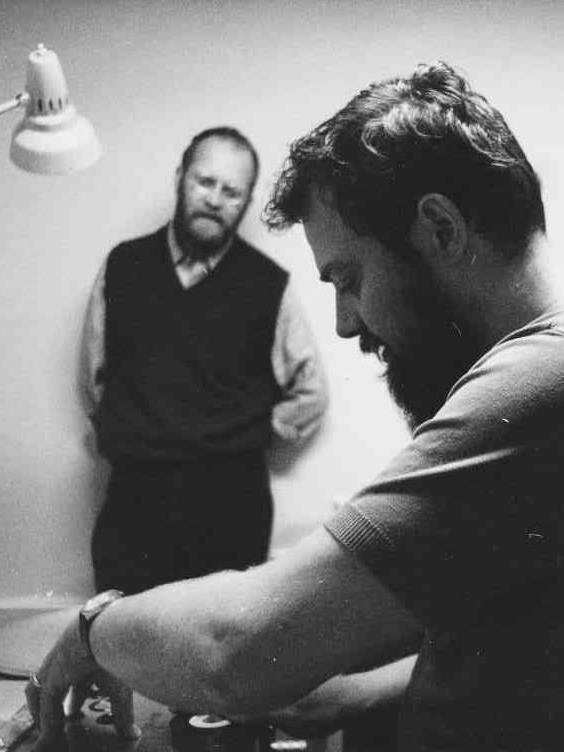
The film develops 5 questions about documentary film against the background of the media-political situation of the early 1970s in West Germany. The following topics are developed: (1) the personal approach of filmmaker Klaus Wildenhahn to his profession; (2) the technical and technical approach of cameraman Rudolf Körösi; (3) the development of documentary film based on John Grierson's British School of Documentary Film; (4) the working conditions and political framework for the production of documentary films at WDR and NDR; (5) the constitutive characteristics of socially relevant documentary film.
5 Bemerkungen zum Dokumentarfilm
1974 · 1 votes
 Movie8.0Documentary
Observational documentary about the Merce Cunningham Dance Company rehearsing throughout the summer of 1967 in New York.
498 Third Avenue
1968 · 1 votes
- Movie9.0Documentary
A portrait of the two documentary filmmakers Jerzy Bossak and Richard Leacock.
Ein Film für Bossak und Leacock
1984 · 1 votes
Series1
 TVDocumentary
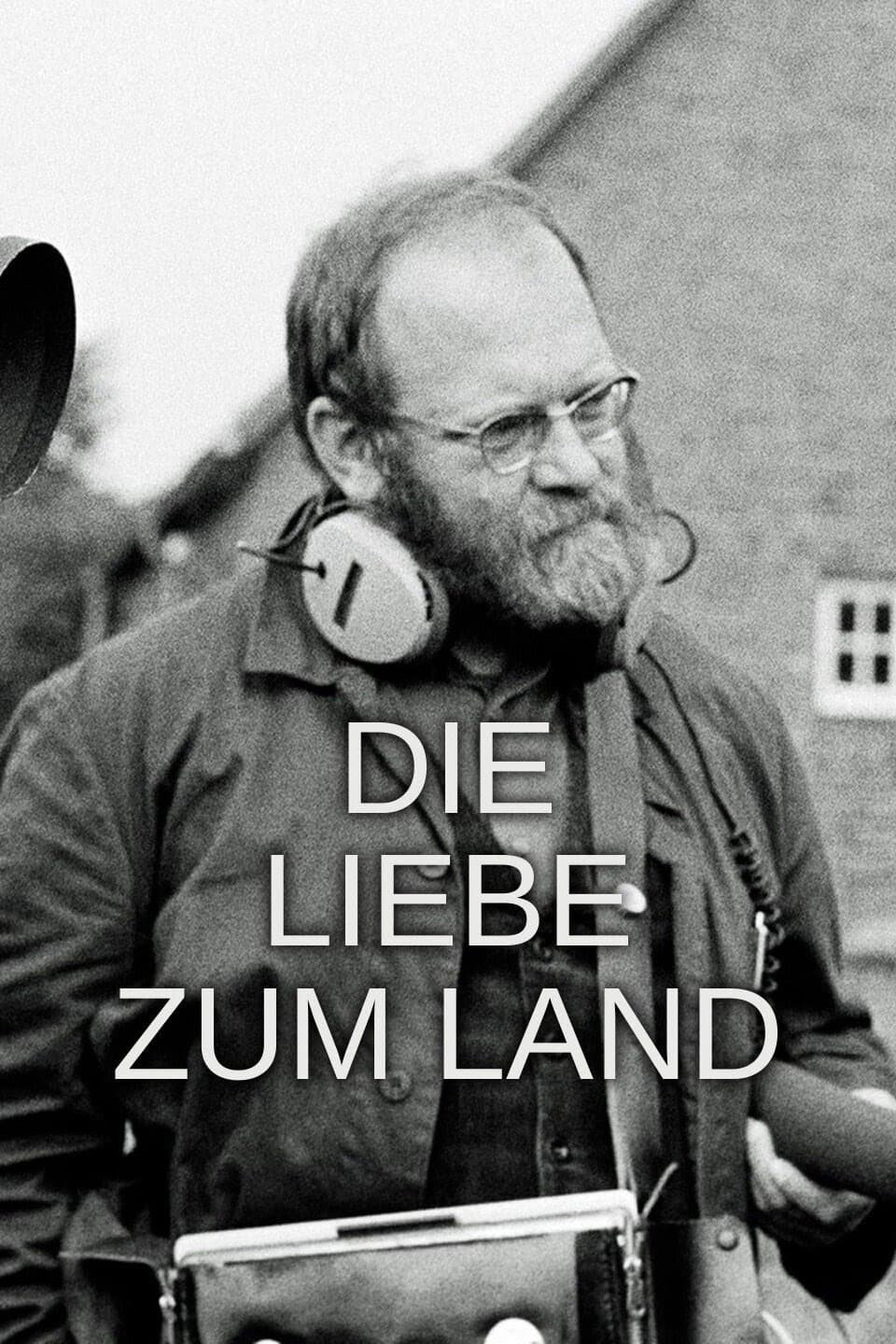
The two-part documentary introduced people in the villages and less populated areas of the Federal Republic. The prevailing structures, worries, hardships and hopes were shown - a portrait of the 1970s.