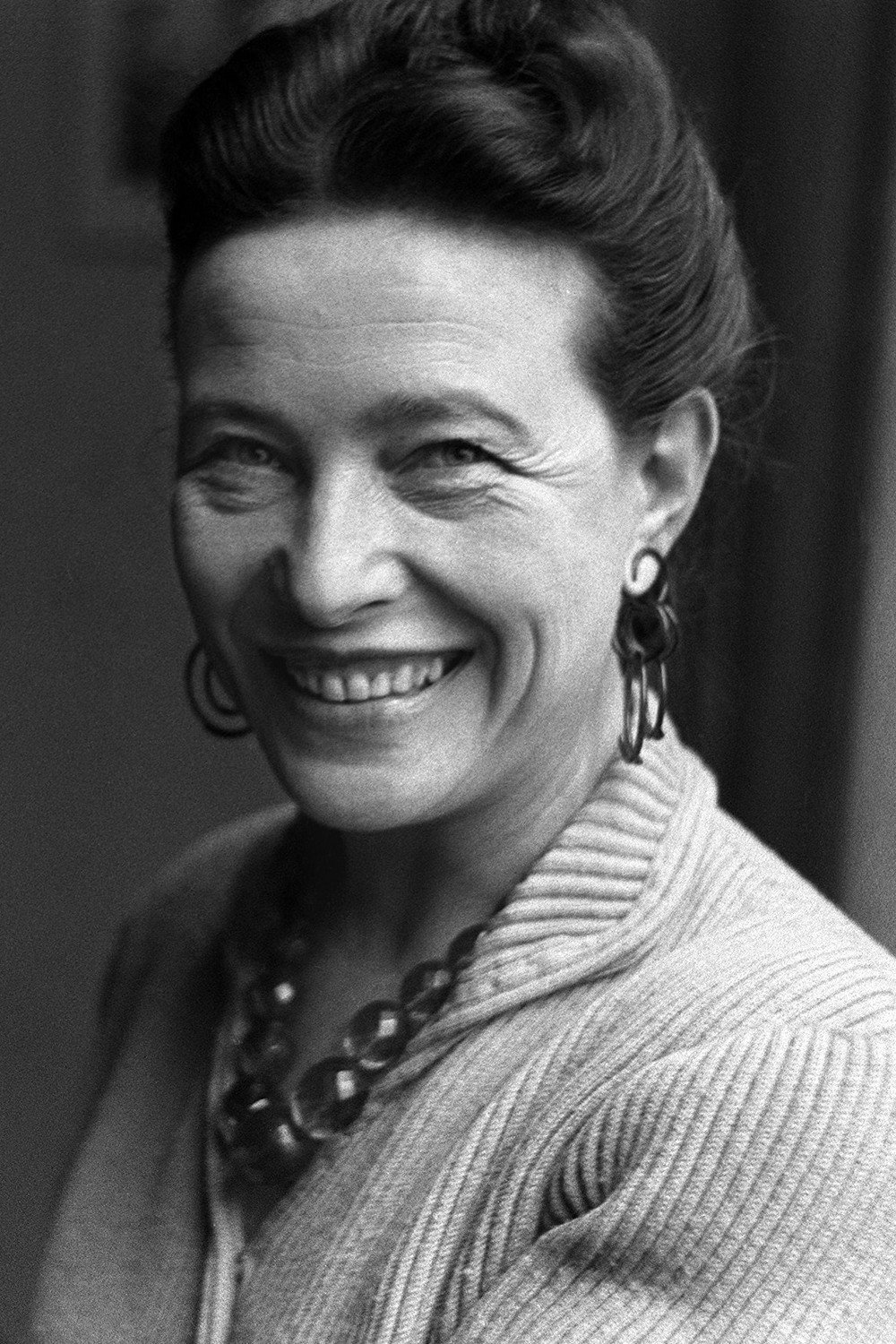
Simone de Beauvoir
Actor · 1908 – 1986 · Paris, France
Simone Lucie Ernestine Marie Bertrand de Beauvoir was a French writer, intellectual, existentialist philosopher, political activist, feminist and social theorist. Though she did not consider herself a philosopher, she had a significant influence on both feminist existentialism and feminist theory
Movies17
 Movie7.2HistoryDocumentary
In May 1974, Valéry Giscard d'Estaing became President of the Republic and wanted to bring about a new era of modernity. One of his first decisions was to break up the ORTF with the creation of three new television channels: TF1, Antenne 2 and FR3. Three new public channels but autonomous and competing. It is a race for the audience which is engaged then, and from now on the channels will make the war! This competition will give birth to a real golden age for television programs, with variety shows in the forefront. The stars of the song are going to invade the living rooms of the French for their biggest pleasure. This unedited documentary tells the story of the metamorphosis of this television of the early 1970s, between freedom of tone, scandals, political intrigues and programs that have become mythical.
La TV des 70's : Quand Giscard était président
2022 · 5 votes
 Movie6.4Documentary
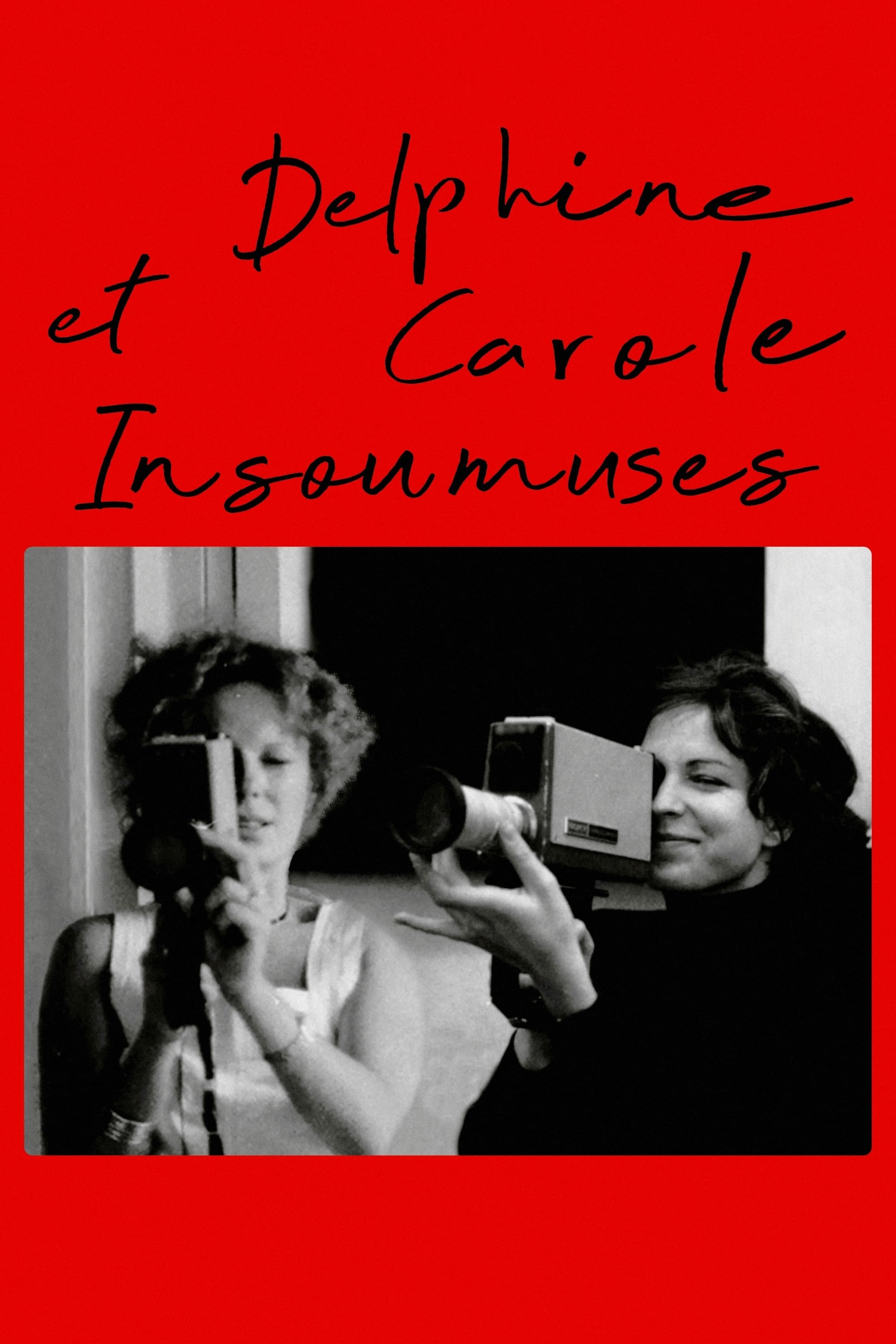
In the 70s, actress Delphine Seyrig and director Carole Roussopoulos, both militant feminists, were the pioneers of video activism in France. They documented the demonstrations of French feminists and used the new technologies to counter the poor representation of women in the public media.
 Movie6.2Documentary
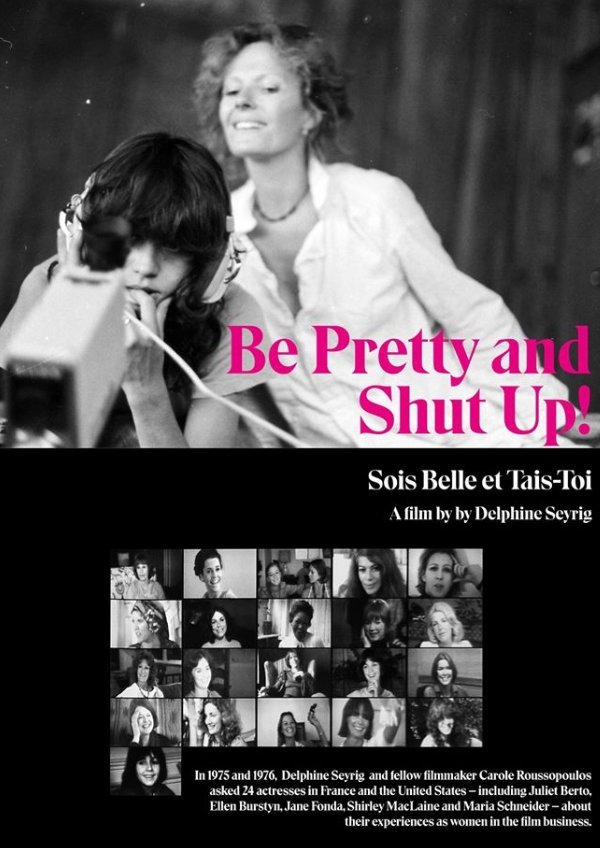
The film is a series of interviews with various well-known film actresses, including Jenny Agutter, Maria Schneider, and Jane Fonda. The title, which is borrowed from a 1958 film with the same name by Marc Allegret, refers to the sense the actresses have of what is expected of them by the film industry.
 Movie5.7Documentary
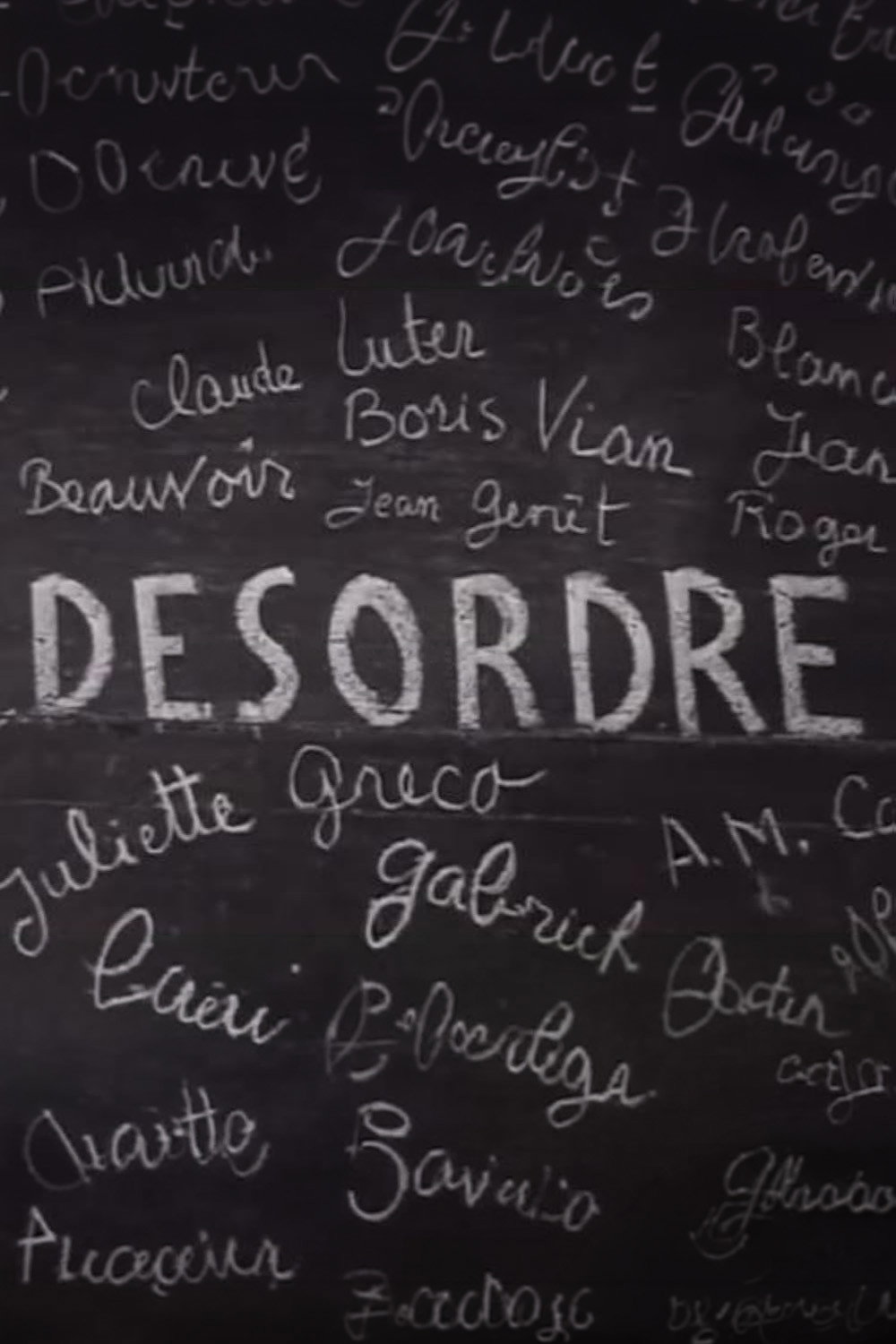
Variations on the cultural and intellectual explosion in the Saint-Germain-des-Prés district in 1946.
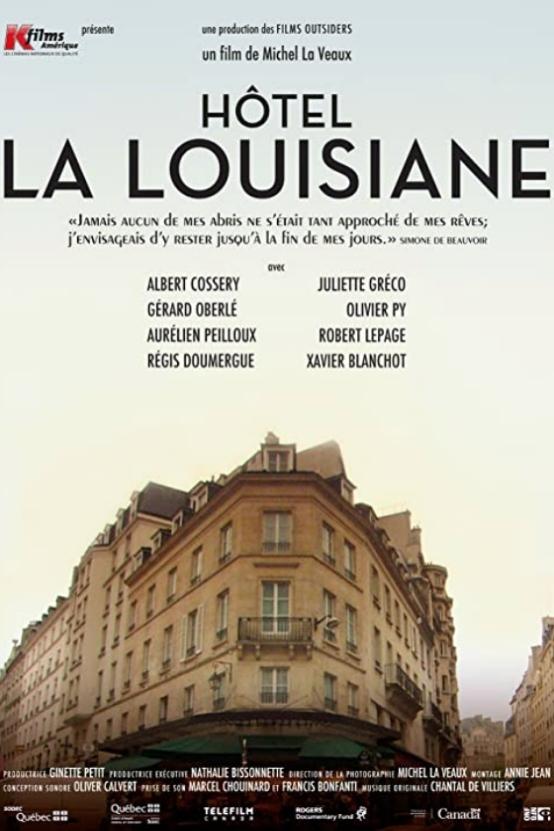 MovieDocumentary
Hôtel La Louisiane is, at its core, a film about freedom and dignity. Freedom for those who wish to live in a place where they are able to feel inspired. Dignity for the hotel owner to stand by his promise to his father and keep their mission alive: to provide an affordable sanctuary for artists and students in search of fulfilling employment, which they certainly won’t find at other hotels. Freedom, too, to be in an environment of tolerance and rid of prejudice. This film is not just a story about a mythical setting in Paris; it portrays the microcosm of a lifestyle in which collective values reign supreme. A film where what’s real and true is placed above national borders or cultural barriers.
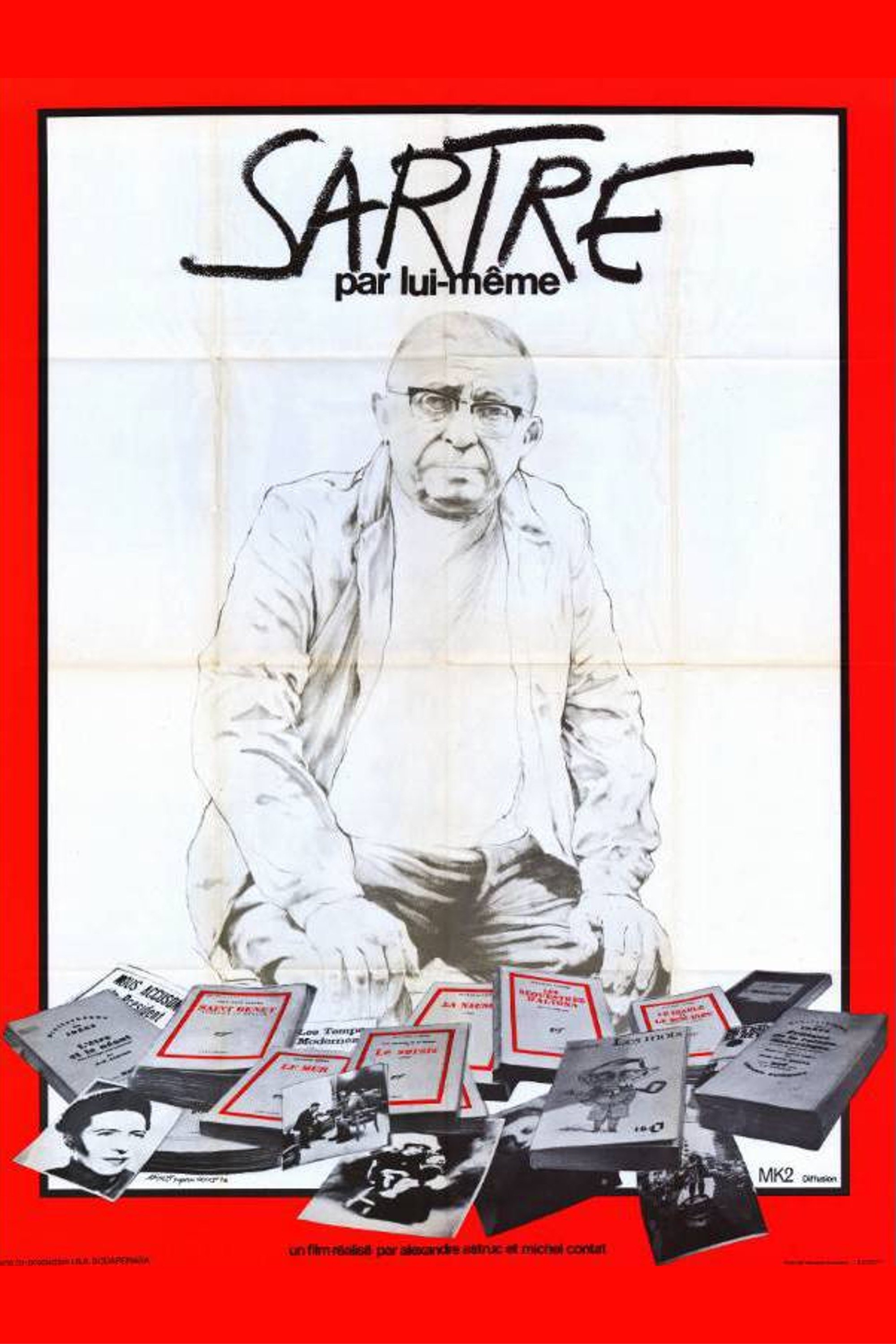 Movie7.5
Michel Contat is Emeritus Director of Research at the CNRS, ITEM/CNRS/ENS and a specialist of Jean-Paul Sartre whose novels and theater he has edited in the Pléiade edition and about whom he has written several books. With Alexander Astruc, he made the film Sartre par lui-même (1976) and, with Antoine Burnier, co-wrote the script of Claude Garretta’s TV film Sartre, L’Age des passions (2006). As a journalist, Contat contributed literary columns for Le Monde since 1978, and as an amateur musician, he was the jazz columnist for the magazine Télérama. His most recent books are Pour Sartre (2006) and André Gorz; vers la société libérée (2009).
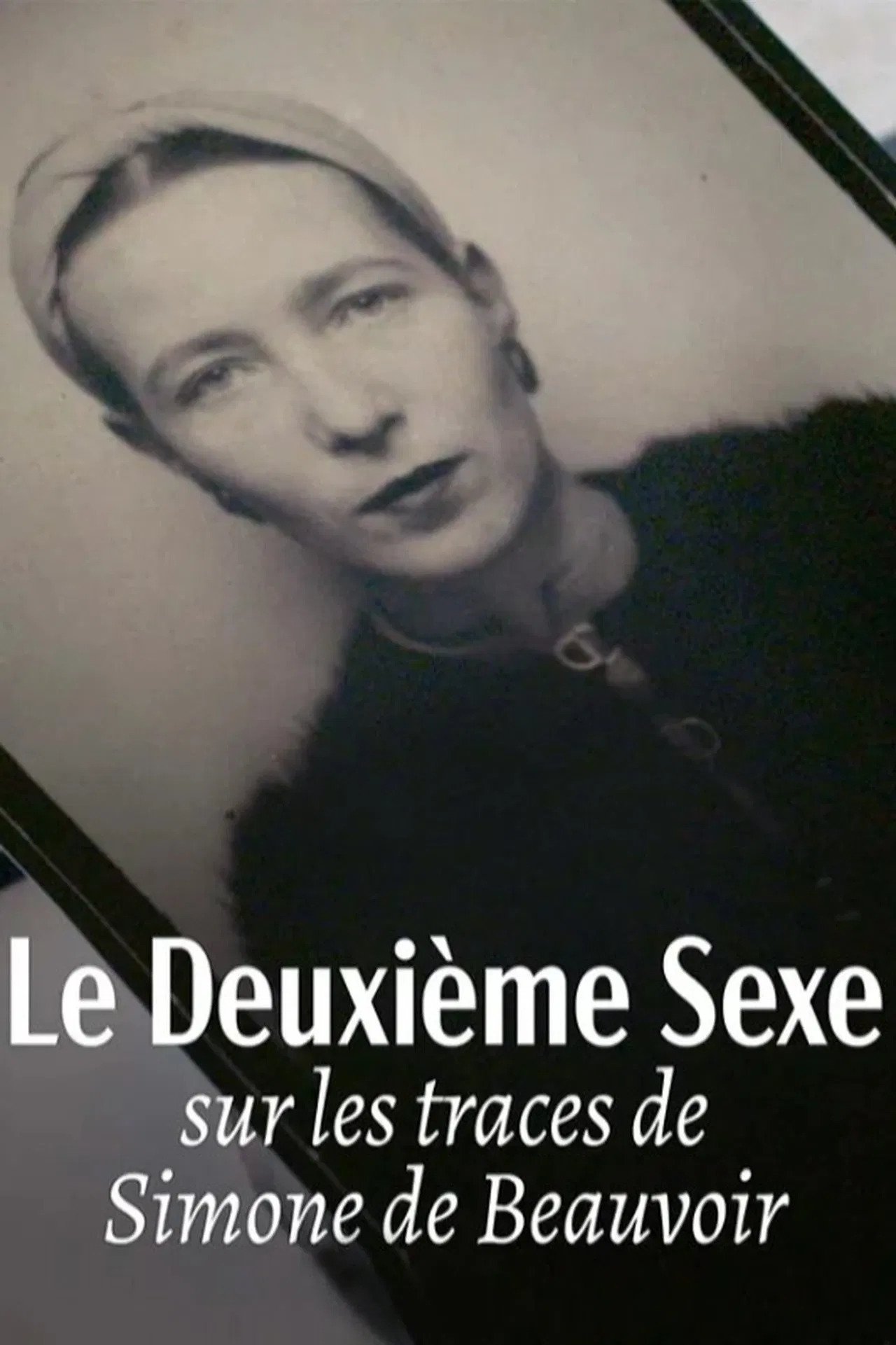 Movie6.0Documentary
Published in 1949, The Second Sex became the bible of global feminism. An essential work that passionately advocates for gender equality, women's independence, and the liberation of morals. Today, how does this seminal work continue to resonate in our contemporary world? Conceived as an initiatory journey to the origins of Simone de Beauvoir's thinking, the film The Second Sex: In the Footsteps of Simone de Beauvoir takes us to the United States, to the places that inspired the philosopher and nourished her theories. An American road trip bringing together the worst and the best, predatory capitalism and mad love. A unique reinterpretation in the company of the great thinkers of our century.
Le deuxième sexe : Sur les traces de Simone de Beauvoir
2025 · 3 votes
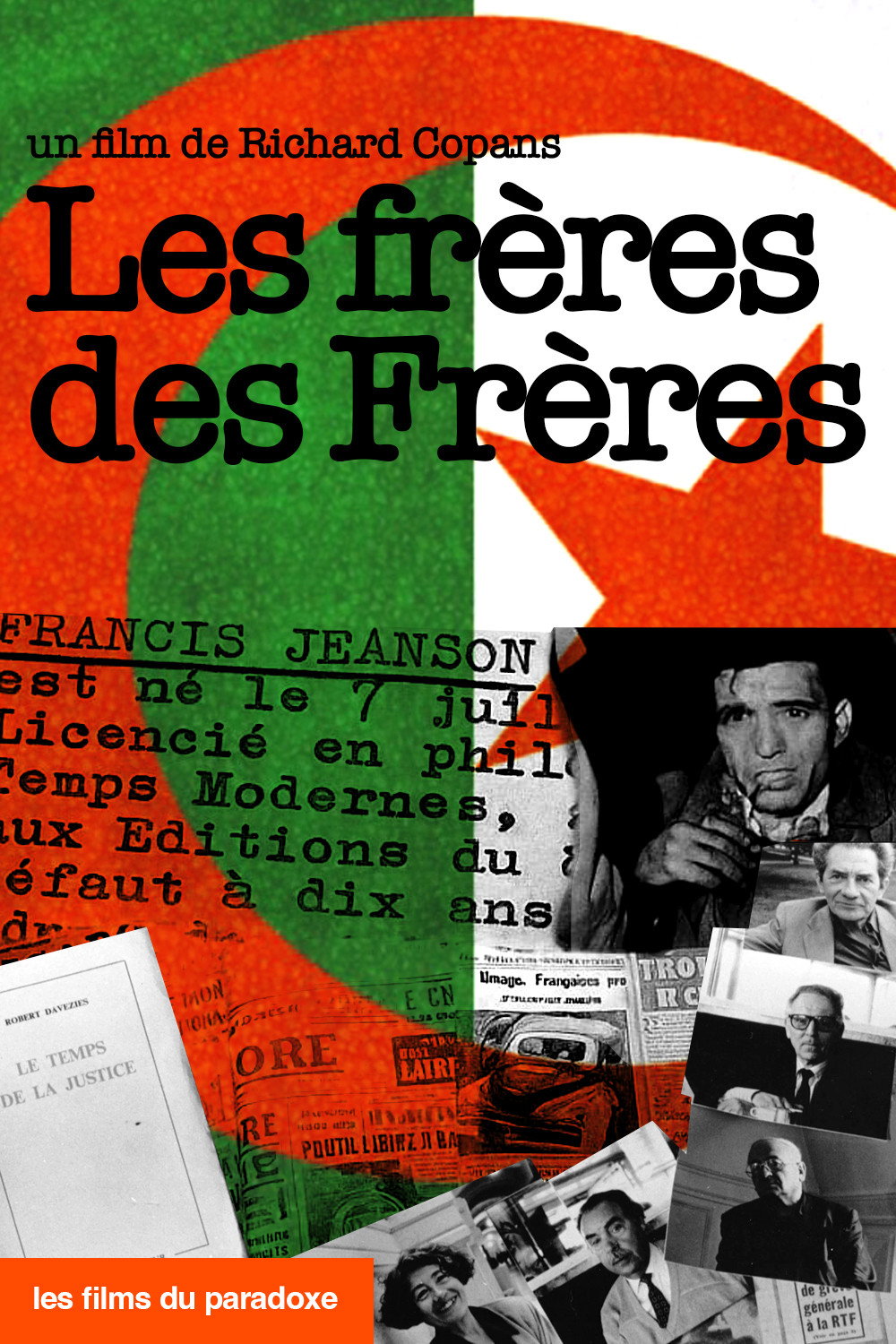 Movie10.0DocumentaryHistory
From 1954 to 1962, during the Algerian War, French citizens provided concrete assistance to the FLN in France: sheltering refugees, forging documents, facilitating border crossings, and transporting funds. Whether committed to the ideals of the Republic or driven by Third Worldist revolutionaries, they sought to build a bridge of friendship between nations. They paid for their commitment with imprisonment and exile. Four veterans of the Jeanson network recall this period. Today, they are no longer seen as traitors or heroes, but as witnesses recounting "their" war... Silent for 30 years, the "Jeanson network" now bears witness to this history.
 Movie5.5Documentary
Ulrike Ottinger weaves her personal memories of Parisian bohemianism and the serious social, political and cultural upheavals of the time into a cinematic “figure poem.”
Paris Calligrammes
2020 · 1 votes
 Movie5.3Documentary
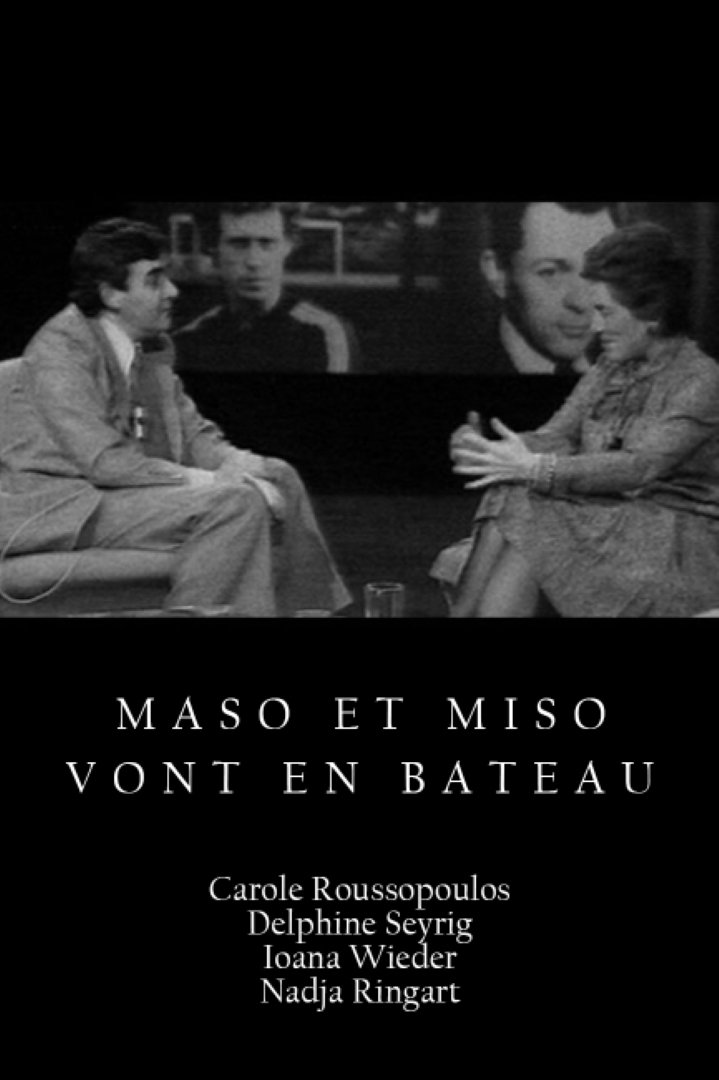
The year 1975 is declared “year of the woman”. On this occasion Bernard Pivot invited Françoise Giroud on television, then Secretary of State for Women. Faced with statements, a group of women filmmakers parody the issues in a provocative way.
 MovieDocumentary
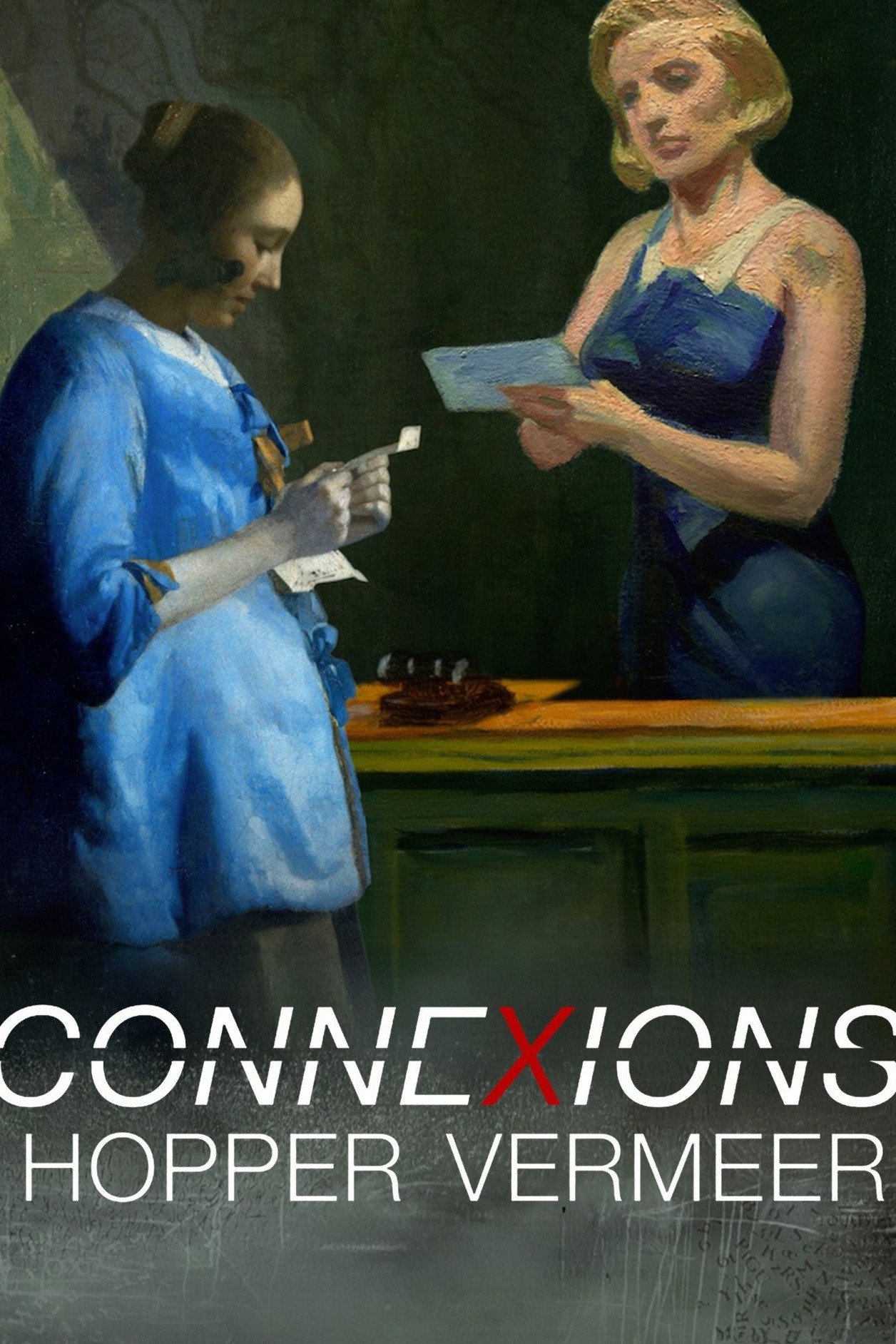
A cross-portrait in which 3 centuries separate Edward Hopper from Johannes Vermeer, and also separate "New York office" from "Woman in blue reading a letter", as the film brings two artists together in their particular vision of the world.
 Movie7.5DocumentaryMusic
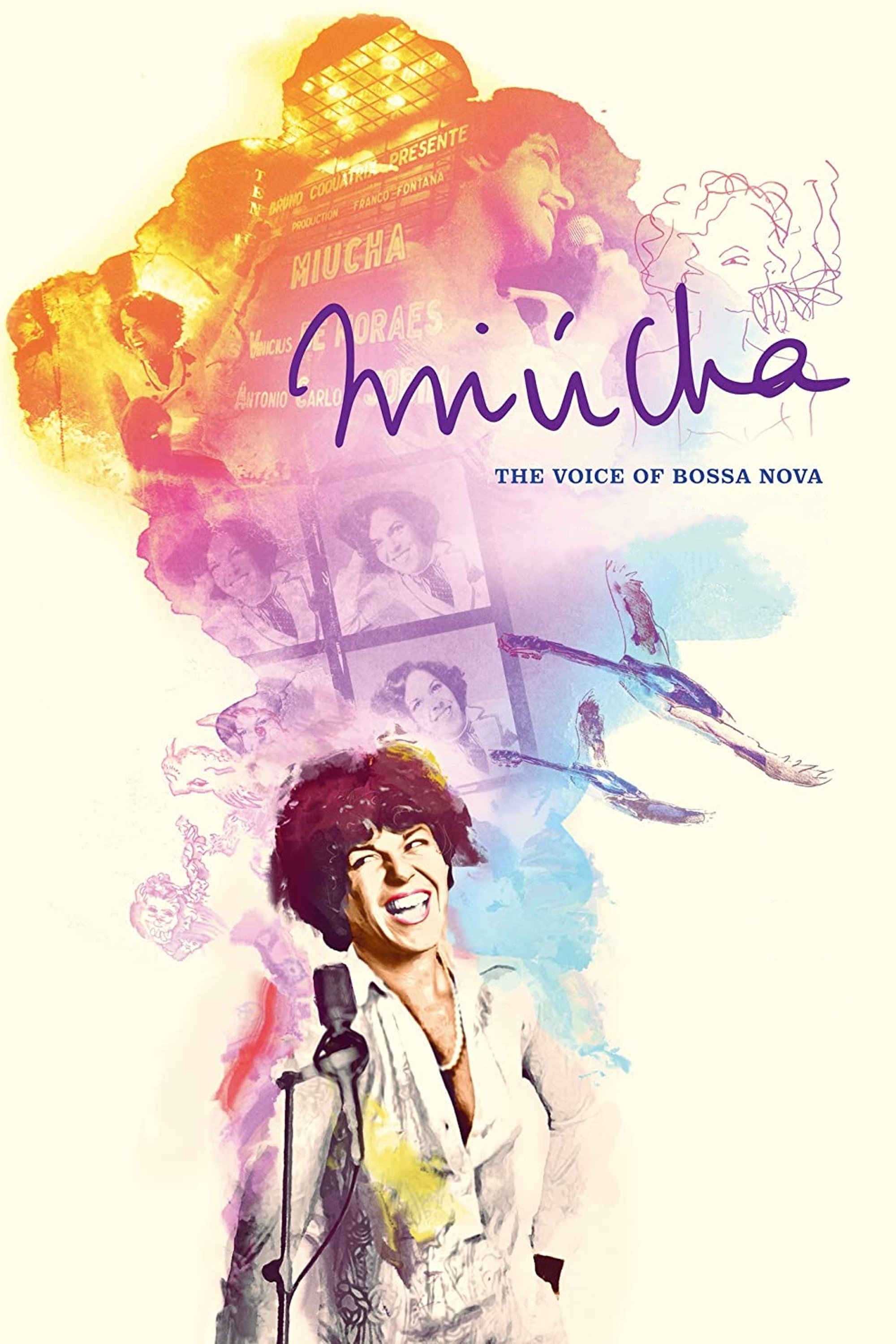
Despite her position at the epicentre of the Brazilian bossa nova scene, singer Heloísa Maria Buarque de Hollanda, known as Miúcha, has been largely underappreciated. This documentary, which dives into her career and personal life through a rich collection of archives, aims to change that.
 Movie9.0Documentary
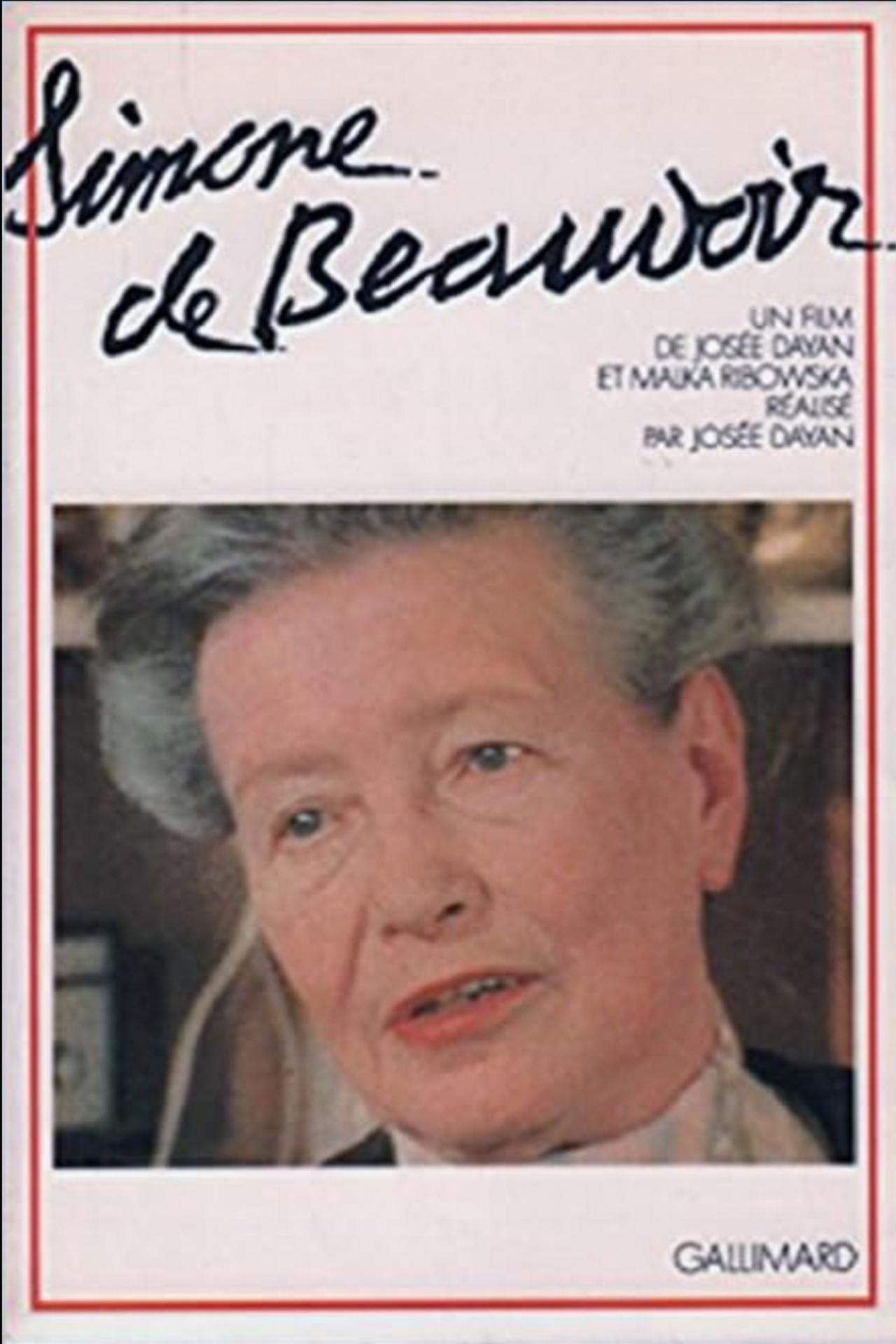
Documentary on writer/philospher Simone de Beauvoir via interviews of herself and friends supplimented with archive footage resulting in an intimate portrait avaoiding the usual clichés.
Simone de Beauvoir
1979 · 1 votes
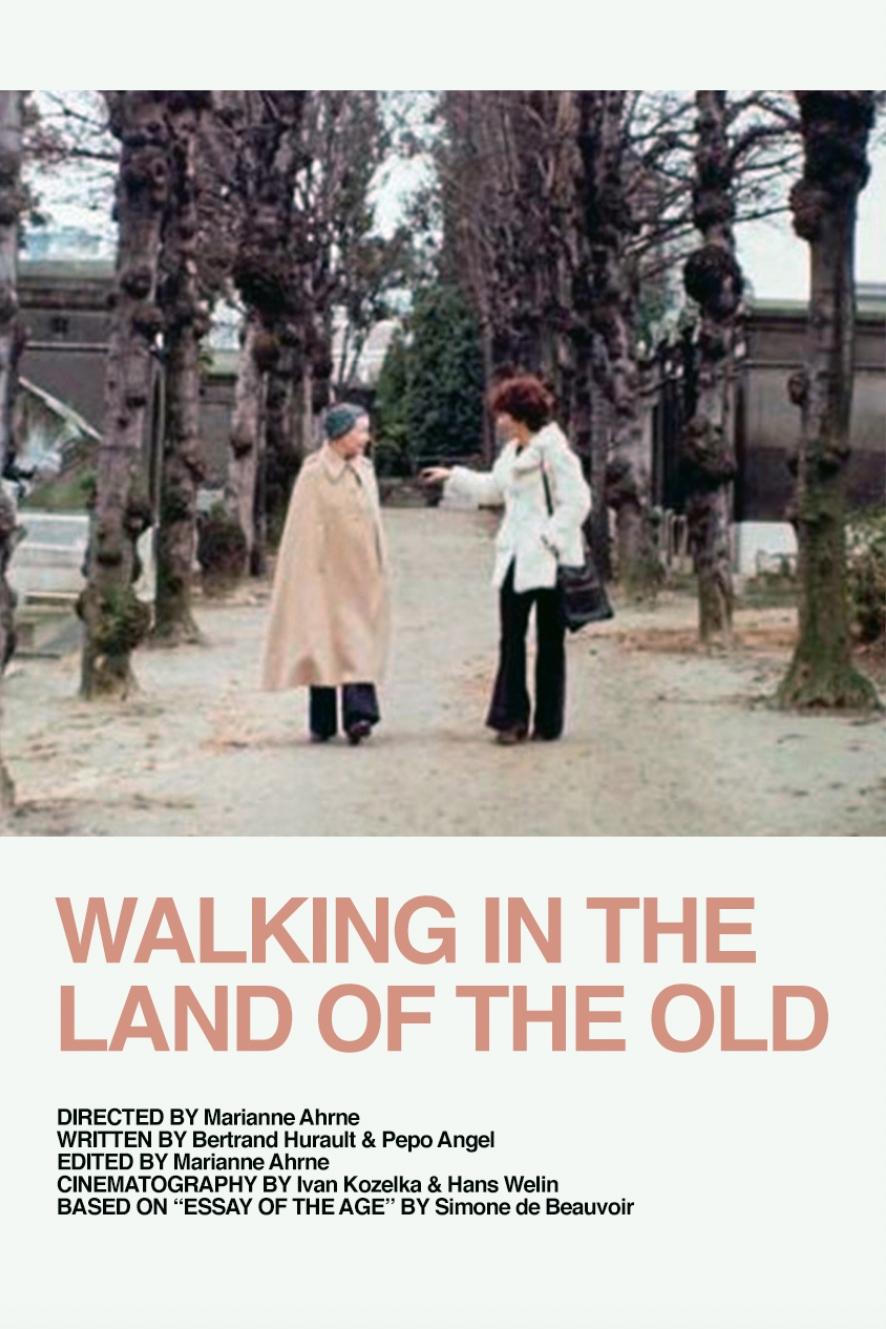 Movie8.0Documentary
A documentary directed by Marianne Ahrne, based on the French writer Simone de Beauvoir's Essay of the Age. The film discusses whether older people are really treated as human beings or not
 Movie1.0Documentary
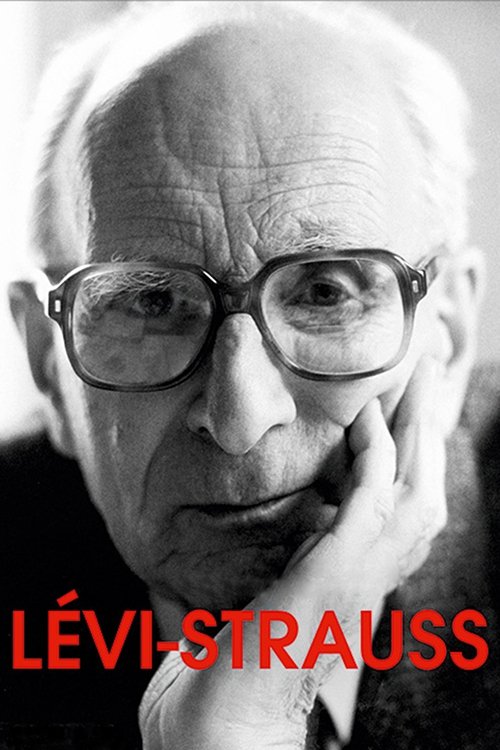 MovieDocumentary
Documentary about one of the greatest French thinkers of the twentieth century, Claude Lévi-Strauss (1908-2009).
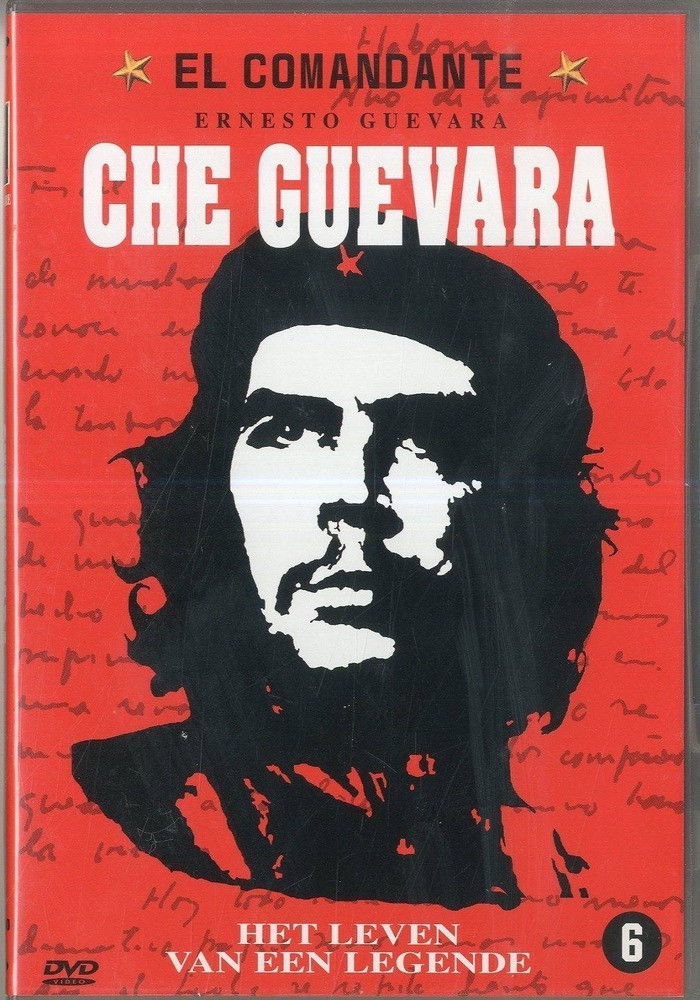 Movie8.0Documentary
Documentary about the life of revolutionary Cuban leader Ernesto "Che" Guevara.
Ernesto Che Guevara
1995 · 1 votes
Series5
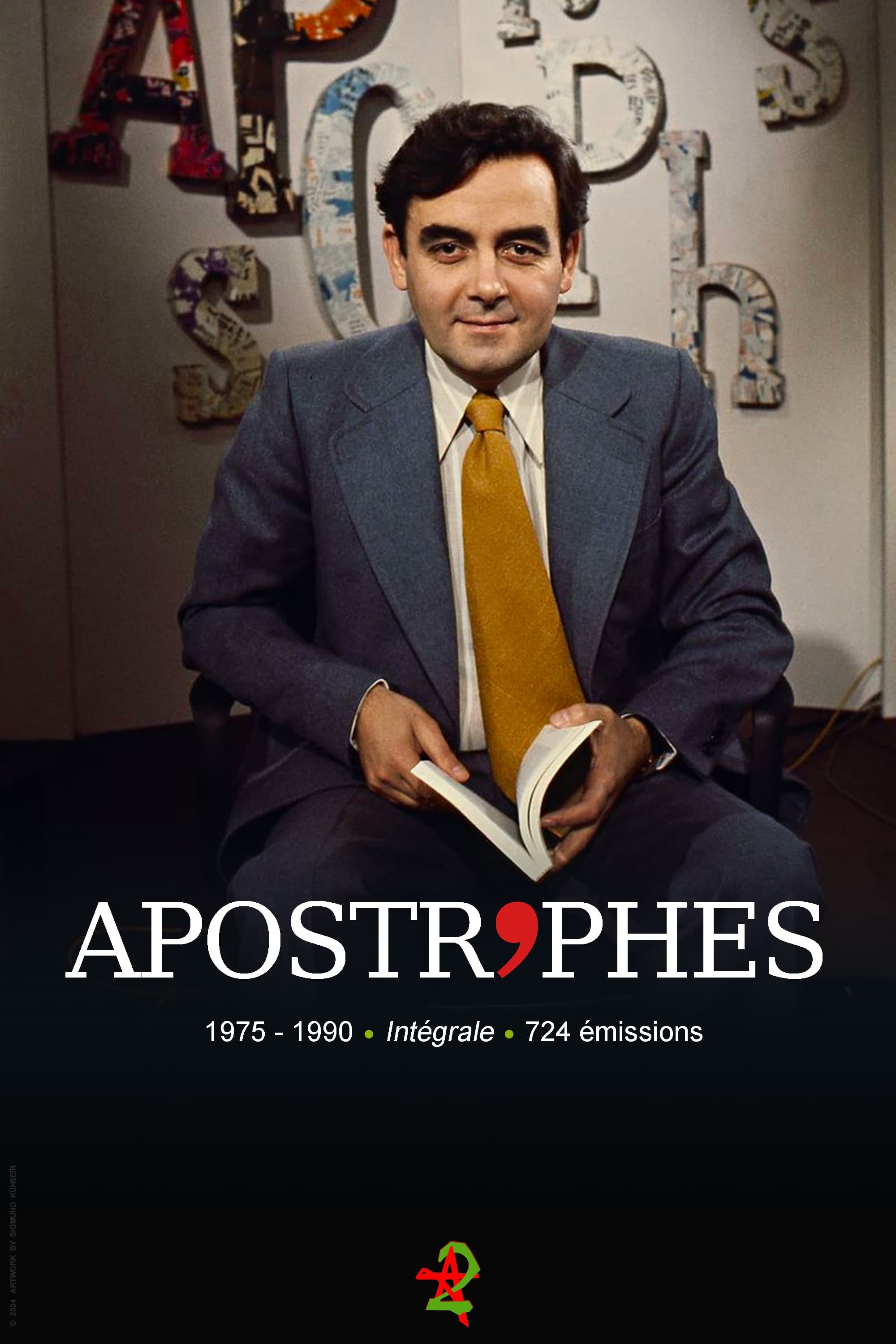 TV8.5Talk Show
Apostrophes was a live, weekly, literary, prime-time, talk show on French television created and hosted by Bernard Pivot. It ran for fifteen years (724 episodes) from January 10, 1975, to June 22, 1990, and was one of the most watched shows on French television (around 6 million regular viewers). It was broadcast on Friday nights on the channel France 2 (which was called "Antenne 2" from 1975 to 1992). The hourlong show was devoted to books, authors and literature. The format varied between one-on-one interviews with a single author and open discussions between four or five authors.
Apostrophes
1975 · 4 votes
 TV6.0Talk Show
A talk show presented by Michel Drucker
Les Rendez-vous du dimanche
1975 · 2 votes
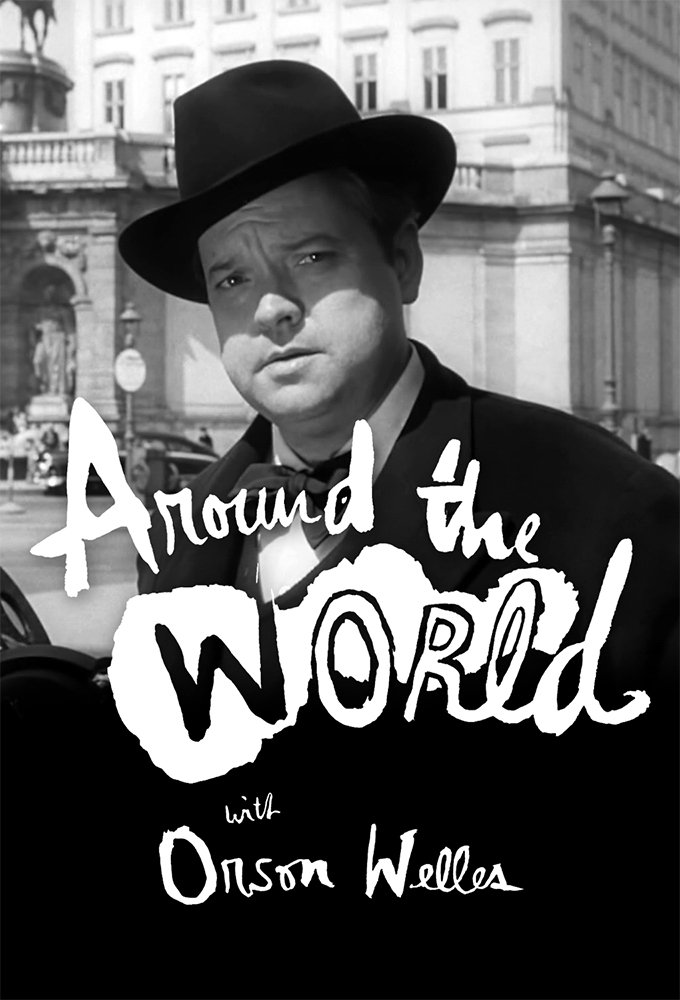 TV7.1Documentary
A six-part British television travel series written, directed, and presented by Orson Welles for ITV in 1955. Filmed entirely in Europe, the series follows Welles through Vienna, the Basque Country, Madrid, Paris’s Saint-Germain-des-Prés, and London’s Chelsea Pensioners, blending travelogue, cultural portraiture, and personal essay. Moving between documentary observation and reflective commentary, the episodes combine interviews, local history, and Welles’s distinctive narration into a series that functions as both travel film and cinematic essay.
Around the World with Orson Welles
1955 · 8 votes
 TV7.0DocumentaryWar & Politics
 TVTalk Show