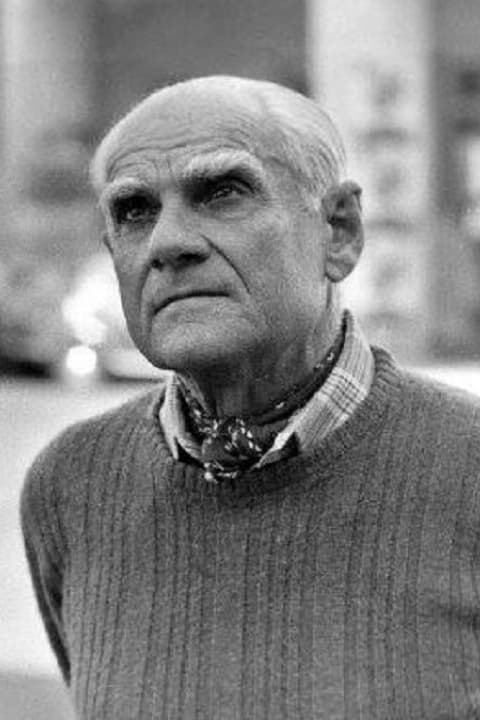
Alberto Moravia
Writer · 1907 – 1990 · Rome, Italy
From Wikipedia, the free encyclopedia Alberto Moravia (Italian pronunciation: [alˈbɛrto moˈraːvja]; November 28, 1907 – September 26, 1990), born Alberto Pincherle, was an Italian novelist and journalist. His novels explored matters of modern sexuality, social alienation and existentialism. Moravia is best known for his debut novel Gli indifferenti (1929) and for the anti-fascist novel Il Conformista (The Conformist), the basis for the film The Conformist (1970) directed by Bernardo Bertolucci. Other novels of his adapted for the cinema are Agostino, filmed with the same title by Mauro Bolognini in 1962; Il disprezzo (A Ghost at Noon or Contempt), filmed by Jean-Luc Godard as Le Mépris (Contempt 1963); La Noia (Boredom), filmed with that title by Damiano Damiani in 1963 and released in the US as The Empty Canvas in 1964 and La ciociara, filmed by Vittorio de Sica as Two Women (1960). Cedric Kahn's L'Ennui (1998) is another version of La Noia.
Movies11
 Movie8.2Documentary
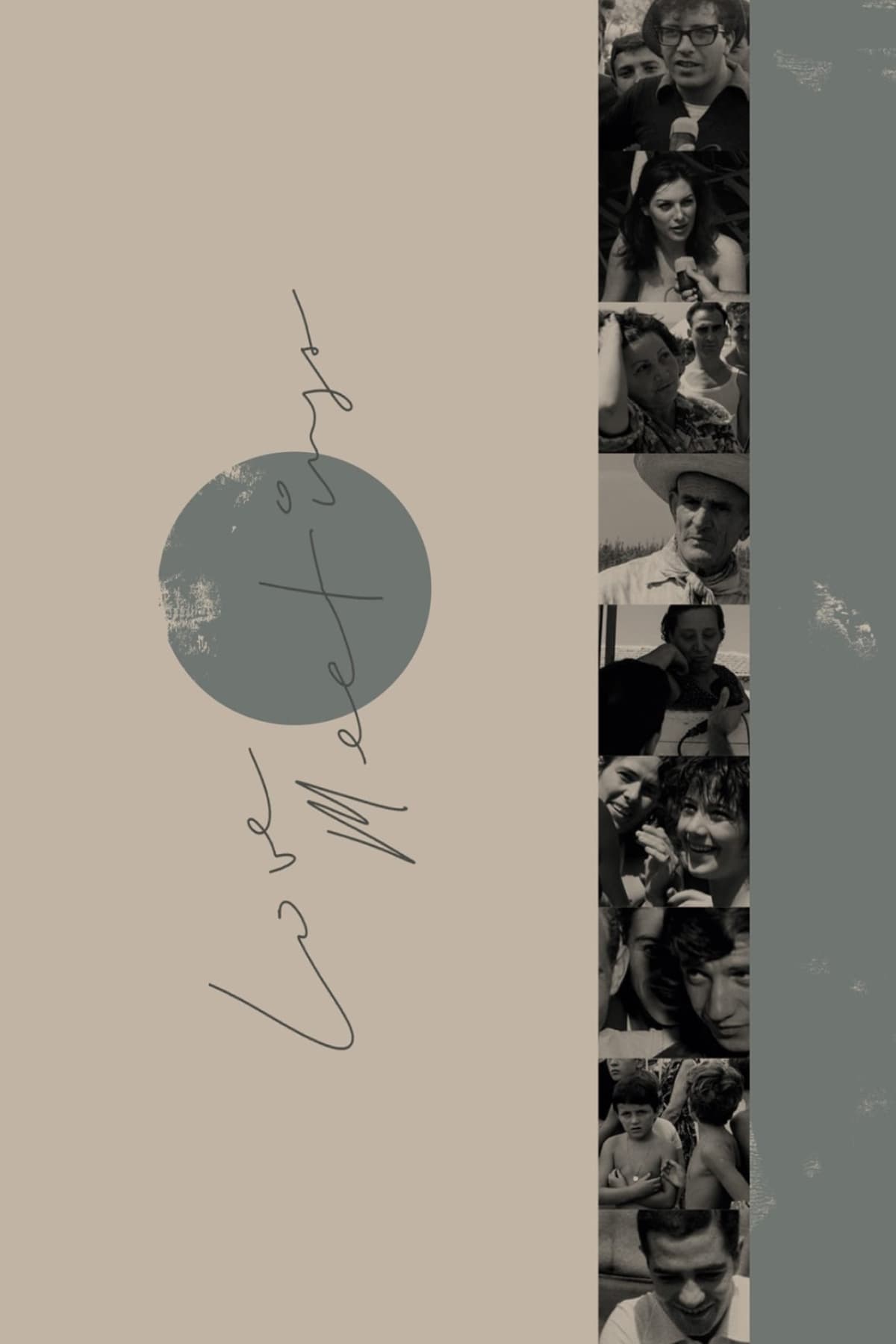
Pier Paolo Pasolini sets out to interview Italians about sex, apparently their least favorite thing to talk about in public: he asks children if they know where babies come from; asks old and young women if they support gender equality; asks both sexes if a woman's virginity still matters, what do they think of homosexuality, if divorce should be legal, or if they support the recent abolition of brothels. He interviews blue-collar workers, intellectuals, college students, rural farmers, the bourgeoisie, and every other kind of people, painting a vivid portrait of a rapidly-industrializing Italy, hanging between modernity and tradition — toward both of which Pasolini shows equal distrust.
 Movie6.0DocumentaryHorror
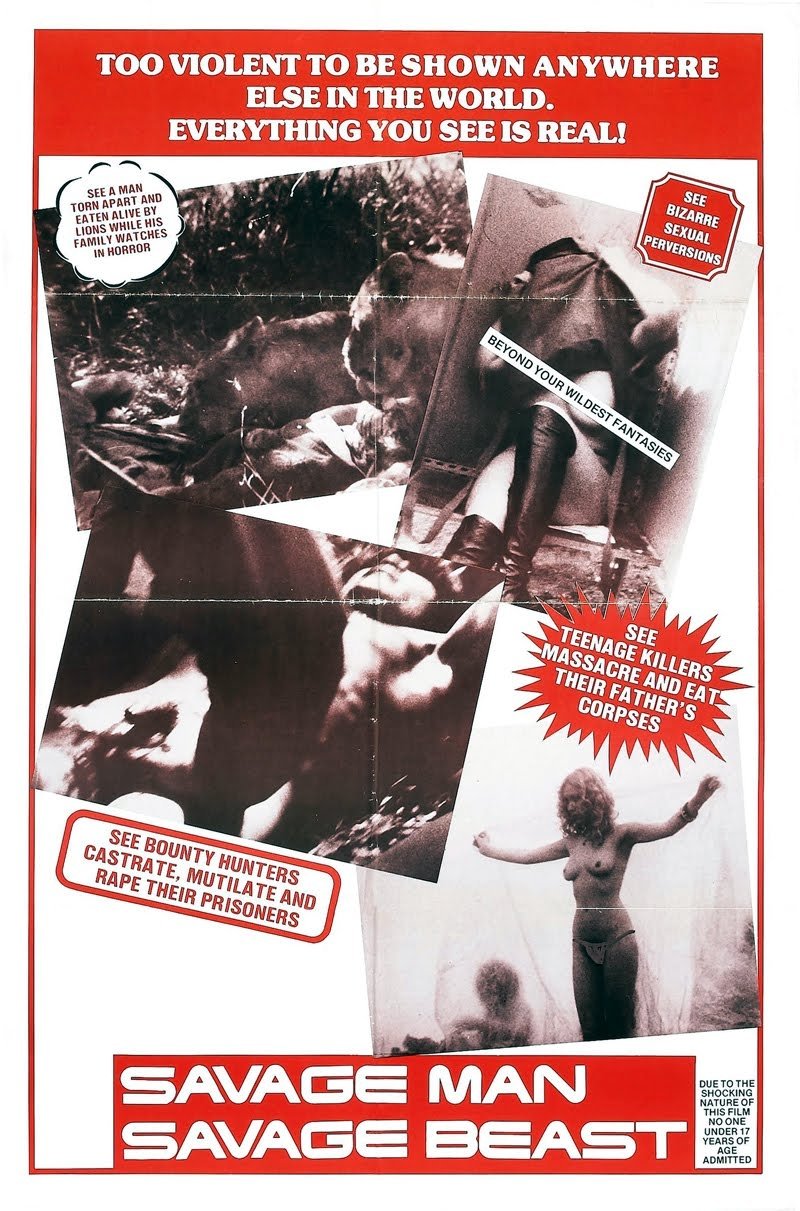
A notorious mondo film depicting unbelievable and bizarre rituals, animal killing and cruelty, and people being killed and eaten, all by either animals or humans against each other or themselves.
 Movie6.5Documentary
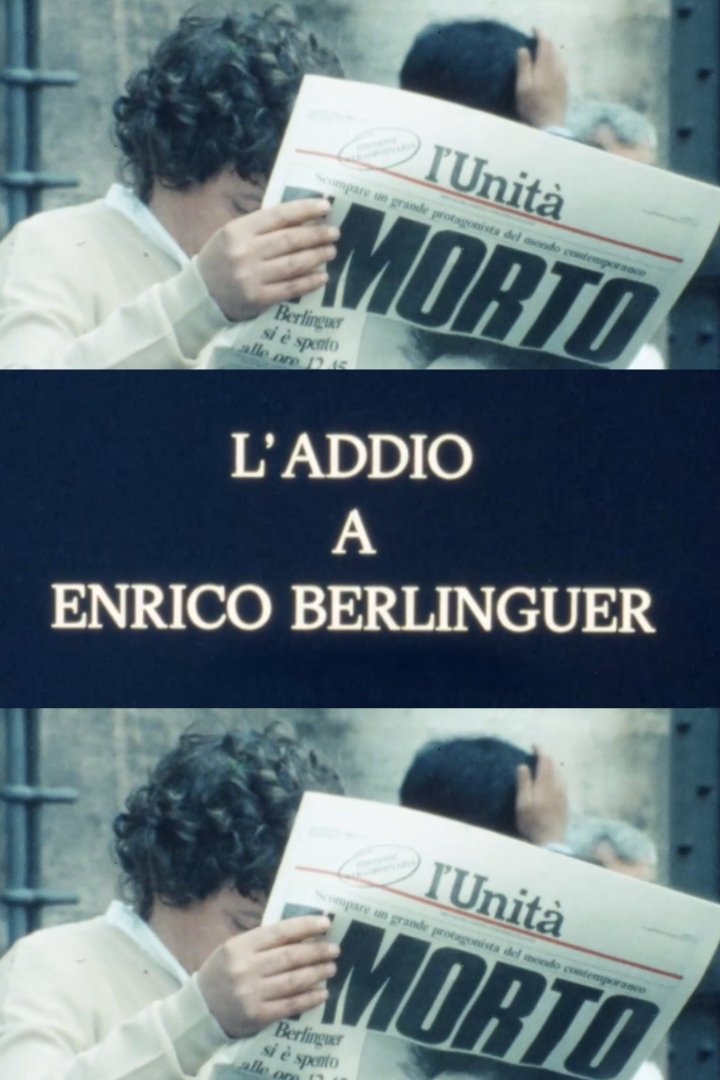
A film of Enrico Berlinguer's funeral in Rome, briefly tracing his career as leader of the Italian Communist Party.
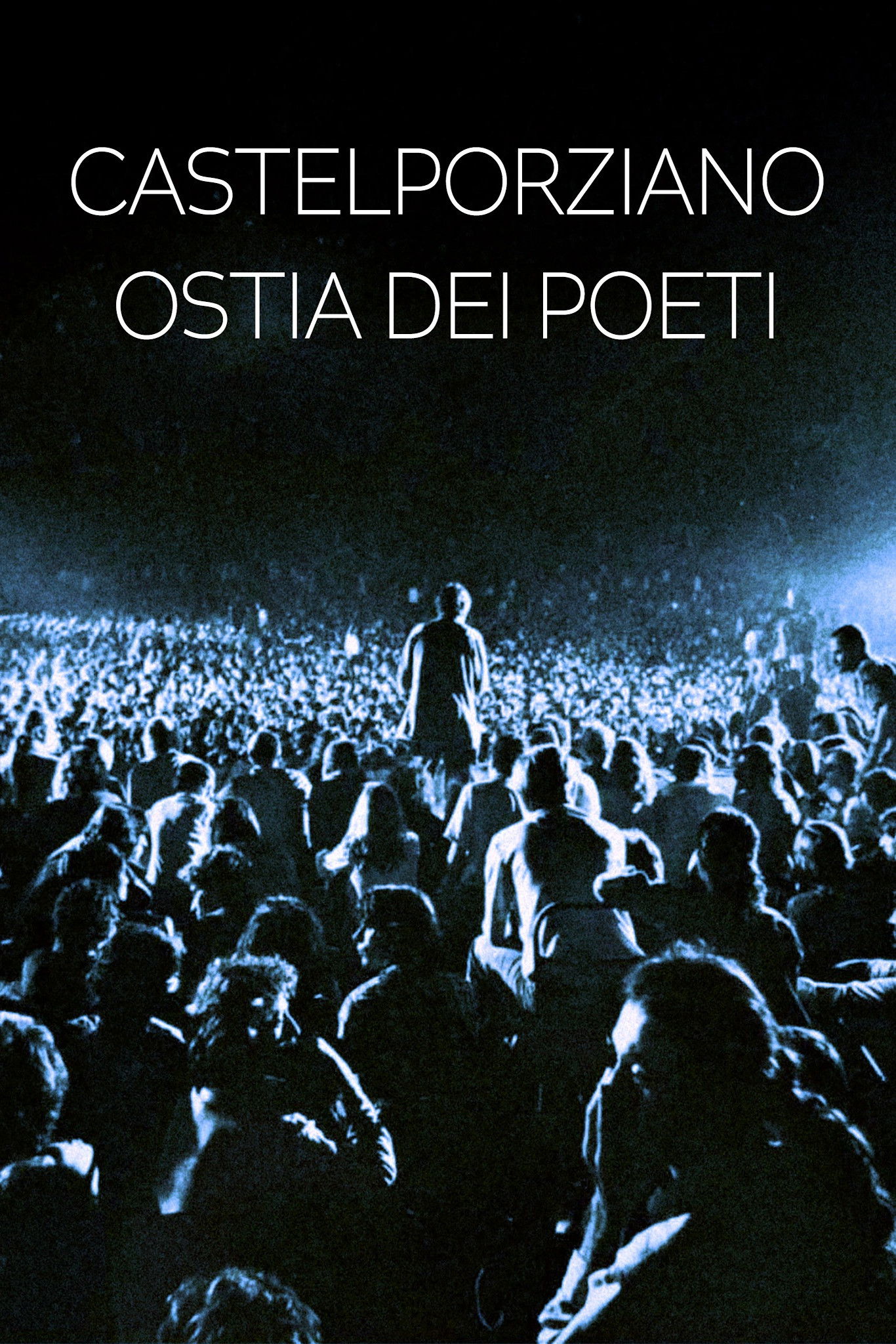 Movie7.5Documentary
The film recounts the "First International Festival of Poets" held on the beach at Castelporziano in 1979, intertwining the event with symbolic and disturbing events in Italy in the late 1970s, such as the proximity to the site of Pasolini's murder and an oil spill offshore coinciding with the event.
castelporziano ostia dei poeti
2025 · 2 votes
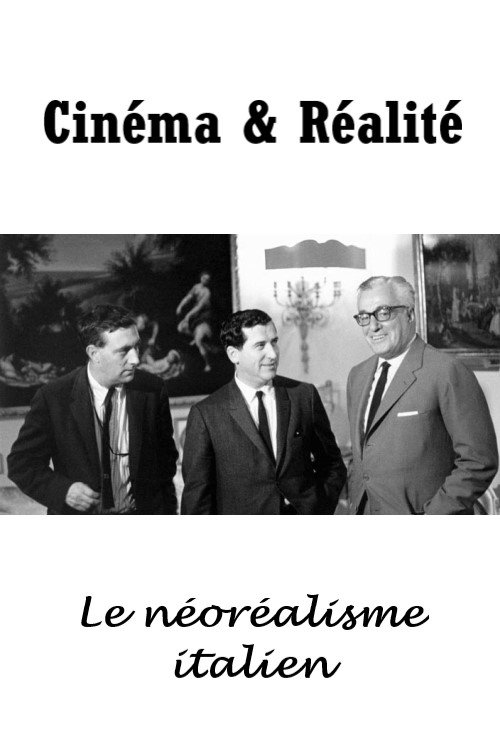 Movie6.5Documentary
In this documentary, giants of italian cinema such as Rossellini, De Sica, Fellini and Zavattini talk about the importance of cinema after WW2, and about huge moments of social rebellion. This movie gives the floor to the creators of italian neorealism.
Cinéma et Réalité
1967 · 2 votes
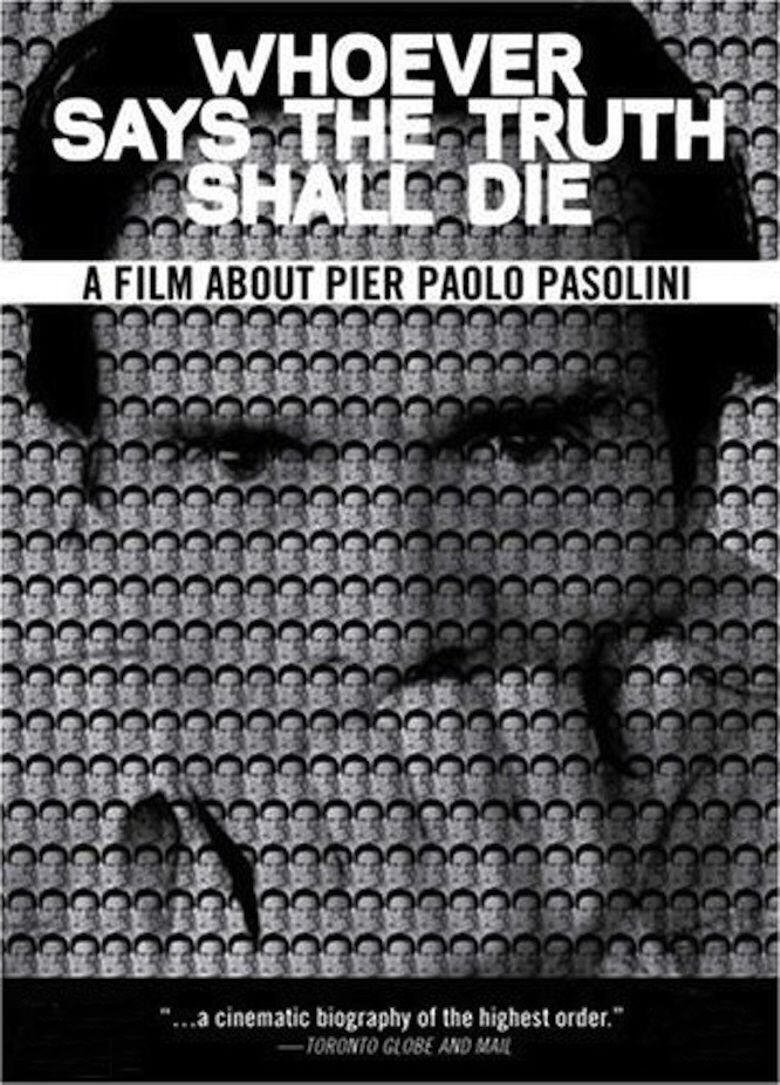 Movie5.7Documentary
Philo Bregstein tells us this film looks at Pasolini's life and art to explain why he died. The film traces Pasolini's life chronologically - family roots, hiding during World War II, teaching, moving to Rome, being arrested and acquitted many times, publishing poems, getting into film, being provocative, and being murdered. Interviews with Alberto Moravia, Laura Betti, Maria Antonietta Macciocch, and Bernard Bertolucci are inter-cut with readings of Pasolini's poems and with clips from four films - primarily the Gospel According to St. Matthew - to illustrate his changing ideas and points of view. Bregstein makes a case for Pasolini's being lynched.
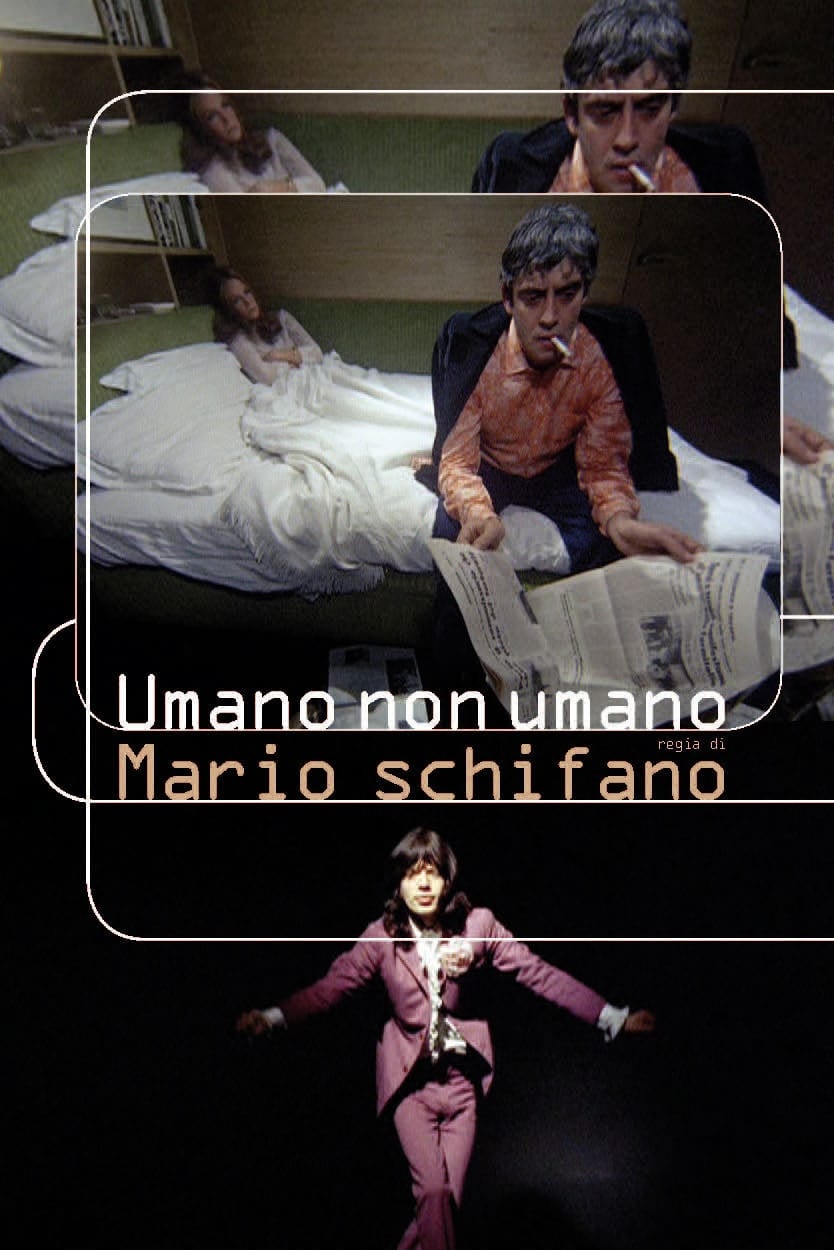 Movie6.2Documentary
Artists and poets meet in a dreamlike space between walks and performances.
Umano Non Umano
1969 · 10 votes
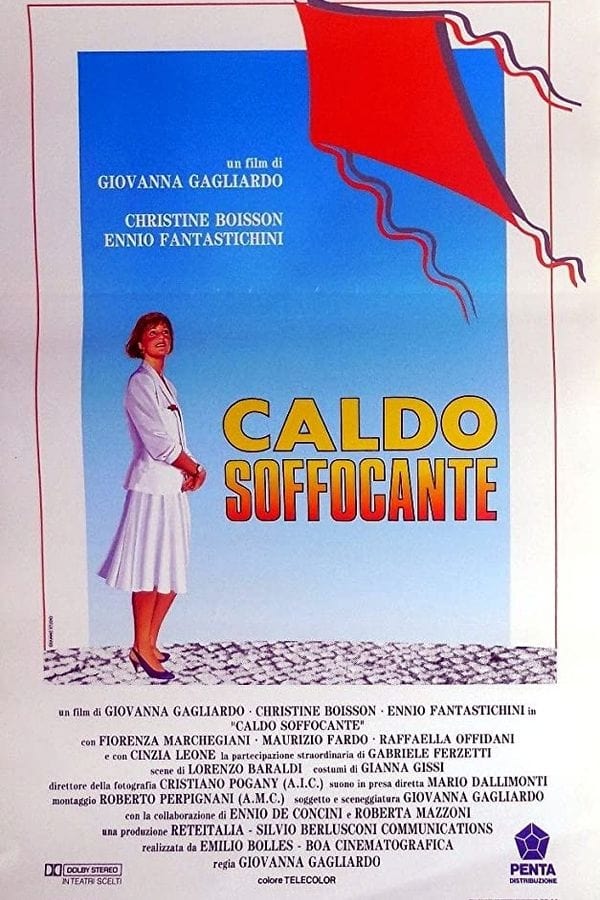 Movie8.0Drama
On June 30, 1990, in Rome, Marie Christine is getting ready to take her son Pietro and Paolo to their father for the weekend. As the Football World Cup is taking place in Italy, Rome is flooded with supporters; the traffic is chaotic and French-born Marie Christine, who works as a translator, finds a bag that belongs to Miriam, who must leave the next day. Marie Christine decides to find her to return her passport, but one Giuliano Ferrini tries to prevent this. So Marie Christine finds herself navigating through a hot Roman night in a city she doesn't know, among people she never dreamed could inhabit the same city.
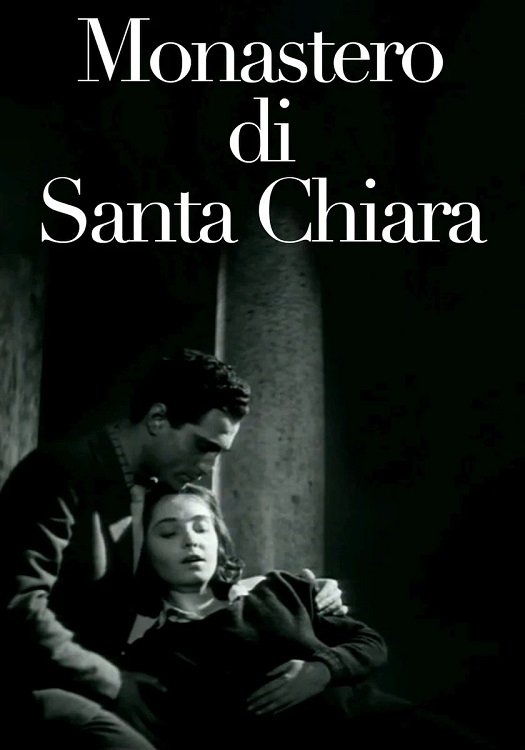 Movie7.0Drama
Rudolf a nazi officer falls in love with Ester a jewish singer and tries to save her from deportation hiding her in the Monastery of Santa Chiara.
Monastero di Santa Chiara
1949 · 2 votes
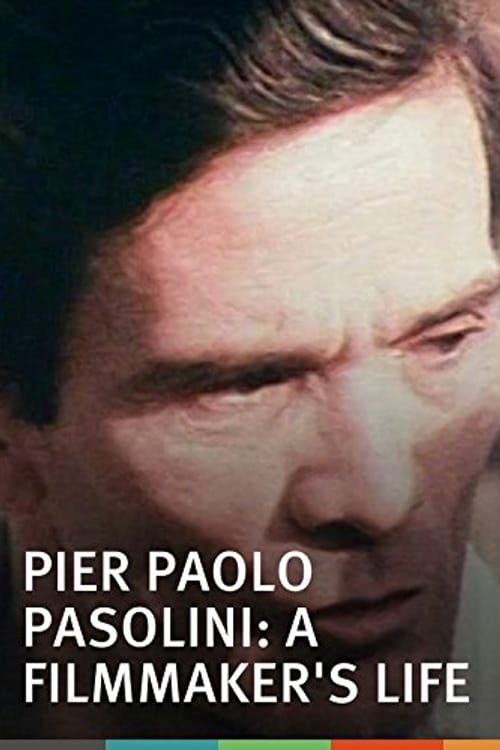 Movie5.7Documentary
Documentary about Italian movie director Pier Paolo Pasolini, with interviews with some of his actors and friends.
Pier Paolo Pasolini: A Film Maker's Life
1971 · 3 votes
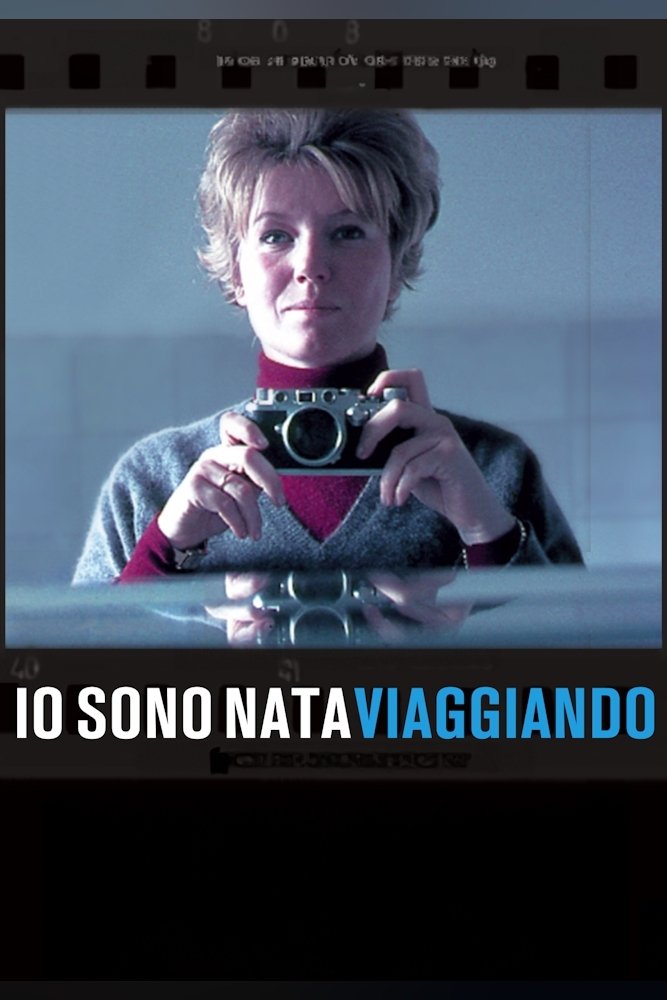 Movie4.2Documentary
A journey back through Dacia Maraini's and her trips around the world with her close friends cinema director Pier Paolo Pasolini and opera singer Maria Callas. An in-depth story of this fascinating woman's life. Maraini's memories come alive through personal photographs taken on the road as well as her own Super 8 films shot almost thirty years ago.
Io sono nata viaggiando
2013 · 2 votes
Series1
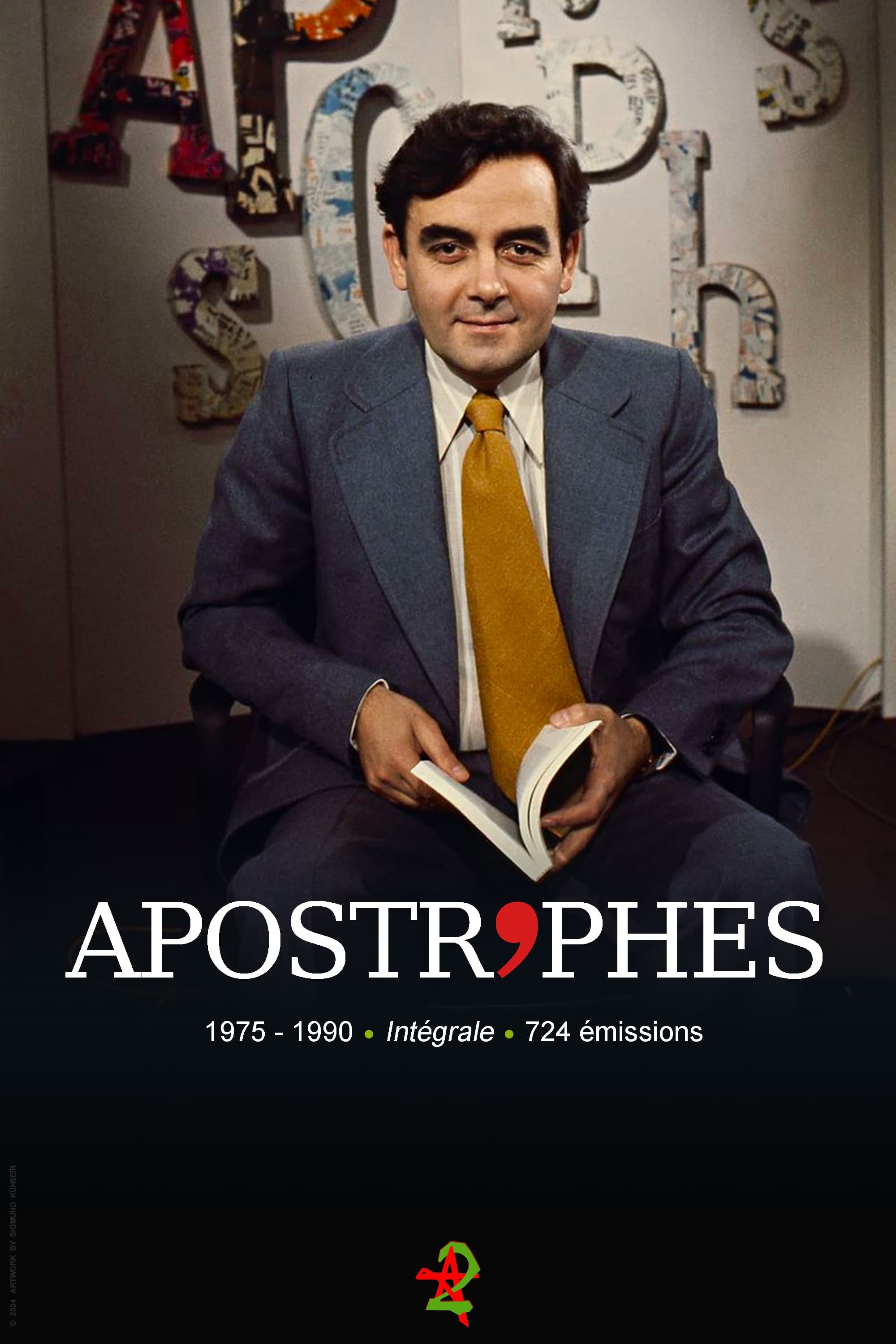 TV8.5Talk Show
Apostrophes was a live, weekly, literary, prime-time, talk show on French television created and hosted by Bernard Pivot. It ran for fifteen years (724 episodes) from January 10, 1975, to June 22, 1990, and was one of the most watched shows on French television (around 6 million regular viewers). It was broadcast on Friday nights on the channel France 2 (which was called "Antenne 2" from 1975 to 1992). The hourlong show was devoted to books, authors and literature. The format varied between one-on-one interviews with a single author and open discussions between four or five authors.
Apostrophes
1975 · 4 votes