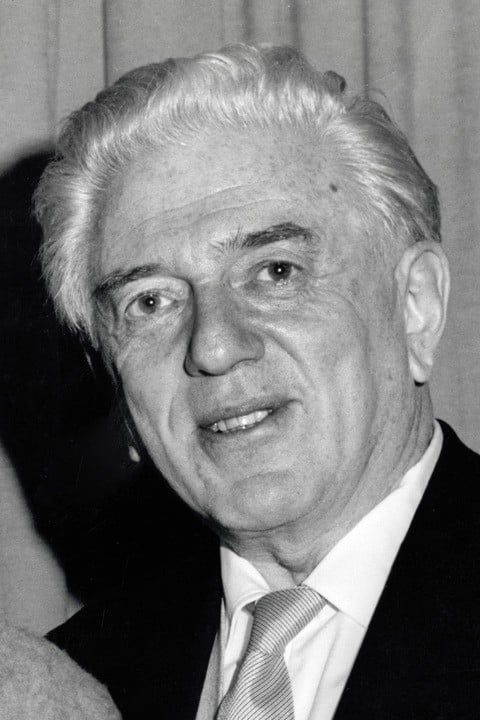
Anatole Litvak
Director · 1902 – 1974 · Kiev, Russian Empire [now Kyiv, Ukraine]
Anatole Litvak (May 10, 1902 – December 15, 1974) was a Ukrainian-born filmmaker of Jewish heritage who wrote, directed, and produced films in a various countries and languages. He was nominated for an Academy Award for Best Director for the film The Snake Pit (1948). Description above from the Wikipedia article Anatole Litvak, licensed under CC-BY-SA, full list of contributors on Wikipedia.
Movies2
 Movie7.0Documentary
A multi-studio effort to show the newsreel audience the progress of the Hollywood war effort.
Show-Business at War
1943 · 4 votes
 Movie8.0DocumentaryWar
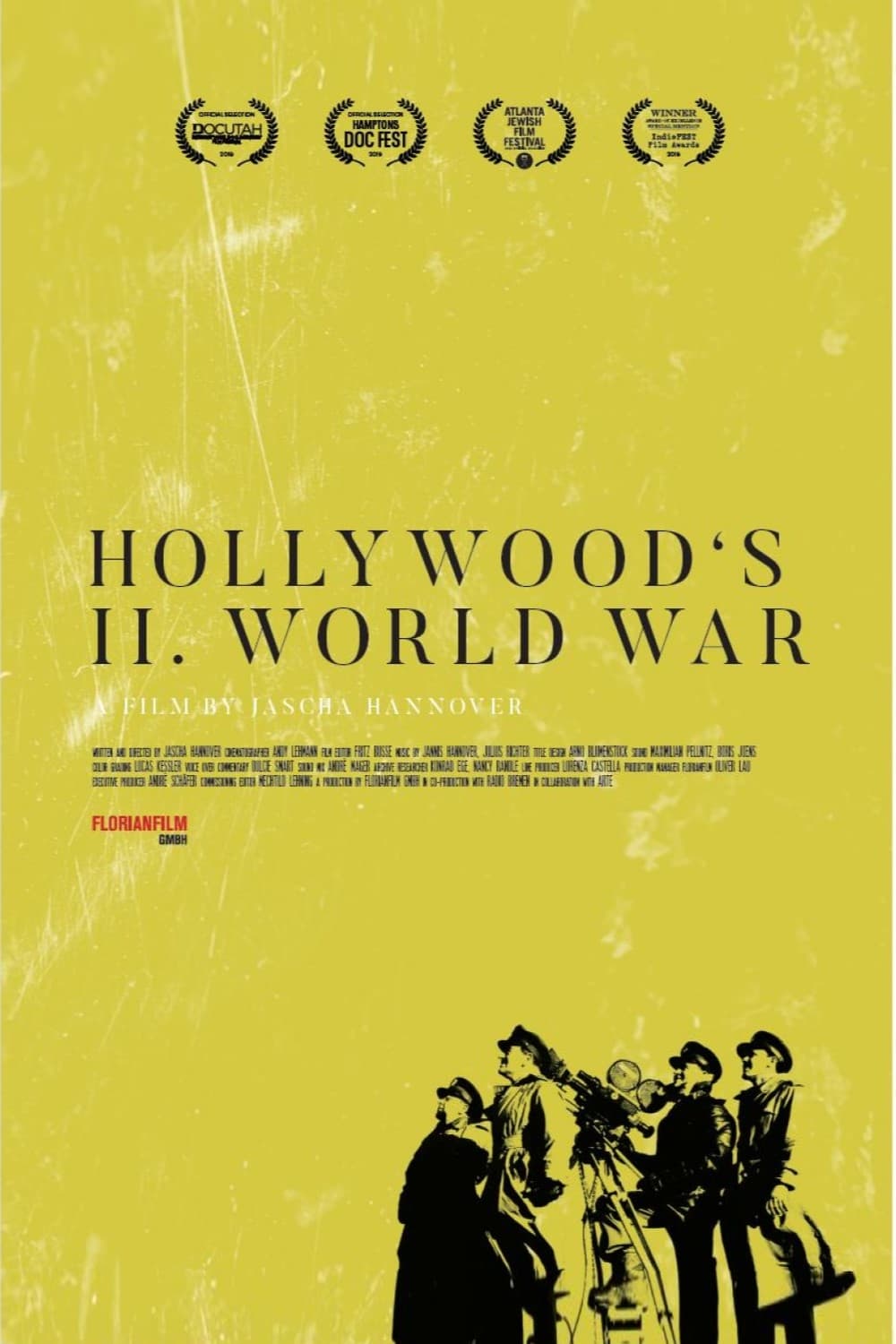
For the USA, World War 2 was an all-out war - to mobilize the masses, the US government launched a huge propaganda campaign and cinema, the medium of the masses, was quite simply their most important weapon. Government authorities monitored the production of feature films and the military itself produced documentaries aimed at rallying the American people to support the troops. This film tells the story of four Hollywood directors of European origin, who returned to the "Old World" during the Second World War to make propaganda documentaries for the US Army at the front: William Wyler from Alsace, Frank Capra from Italy, Anatole Litvak from Ukraine and - in post-war Germany - Billy Wilder from Austria.
Series2
 TV8.7DocumentaryFamily
Cinépanorama
1956 · 3 votes
 TV9.0Documentary
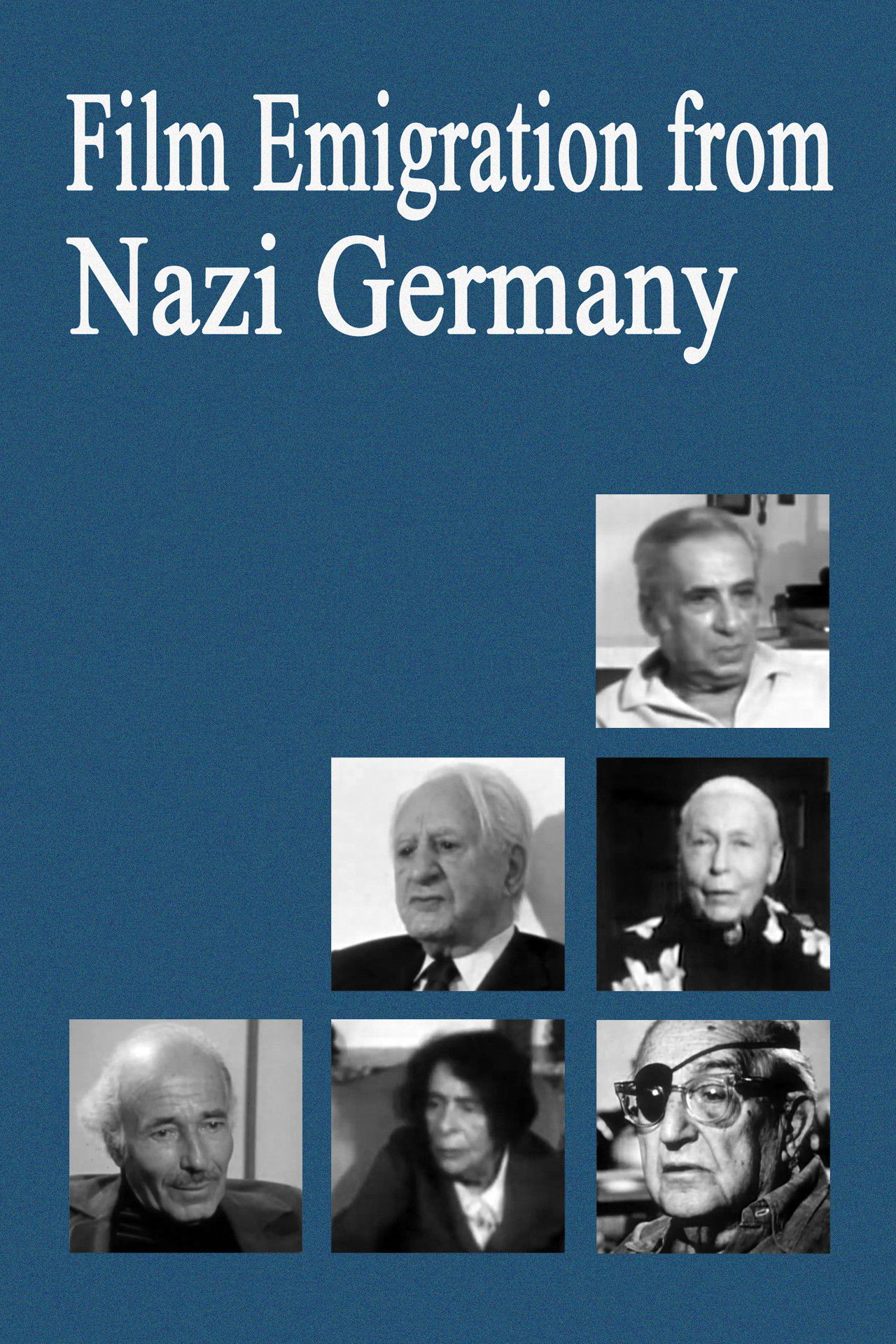
Based on extensive interviews, shot on 16mm in a series of static long takes, Filmemigration aus Nazideutschland, is one of the most fascinating examples of "Film history on film" ever produced. Straschek devoted years to researching the topic and accumulating both film and non-film materials. Apart from some radio features and articles, however, this 290-minute TV programme remains the only published trace of Straschek's lifelong work on the emigration of film personnel. He had intended to publish a three-volume book, encompassing all available data about 3,000 emigrants originating from the centre and peripheries of film production, but the book never materialised.