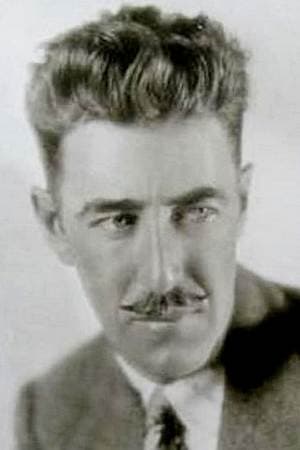
William Beaudine
Director · 1892 – 1970 · New York City, New York, USA
From Wikipedia William Beaudine (January 15, 1892 – March 18, 1970) was an American film actor and director. He was one of Hollywood's most prolific directors, turning out films in remarkable numbers and in a wide variety of genres. In 1915 he was hired as an actor and director by the Kalem Company. He was an assistant to director D.W. Griffith on The Birth of a Nation and Intolerance. By the time he was 23 Beaudine had directed his first picture, a short called Almost a King (1915). He would continue to direct shorts exclusively until 1922, when he shifted his efforts into making feature-length films. Beaudine directed silent films for Goldwyn Pictures (before it became part of MGM), Metro Pictures (also before MGM), First National Pictures, Principal and Warner Brothers. In 1926 he made Sparrows, the story of orphans imprisoned in a swamp farm starring Mary Pickford. Beaudine had at least 30 pictures to his credit before the sound era began. Among his first sound films were short Mack Sennett comedies; he made at least one film for Sennett while contractually bound elsewhere, resulting in his adopting the pseudonym "William Crowley." He would occasionally use the pseudonym in later years, usually as "William X. Crowley." He ground out several movies annually for Fox Films, Warner Brothers, Paramount, and Universal Pictures. His most famous credit of the early 1930s is The Old-Fashioned Way, a comedy about old-time show folks starring W. C. Fields. Beaudine was one of a number of experienced directors (including Raoul Walsh and Allan Dwan) who were brought to England from Hollywood in the 1930s to work on what were in all other respects very British productions. Beaudine directed four films there starring Will Hay, including Boys Will Be Boys (1935) and Where There's a Will (1936). Beaudine was often entrusted with series films, including the Torchy Blane, The East Side Kids, Jiggs and Maggie, The Shadow, Charlie Chan and The Bowery Boys series. His efficiency was so well known that Walt Disney hired him to direct some of his television projects of the 1950s and had him direct a feature western, Ten Who Dared (1960). Beaudine became even busier in TV, directing Naked City, The Green Hornet, and dozens of Lassie episodes. His last two feature films, both released in 1966, were the horror-westerns Billy the Kid vs. Dracula (with John Carradine) and Jesse James Meets Frankenstein's Daughter. By the end of the decade he was the industry's oldest working professional, having started in 1909. Beaudine died of uremic poisoning in 1970 in California and was interred in the Hollywood Forever Cemetery in Hollywood.
Movies9
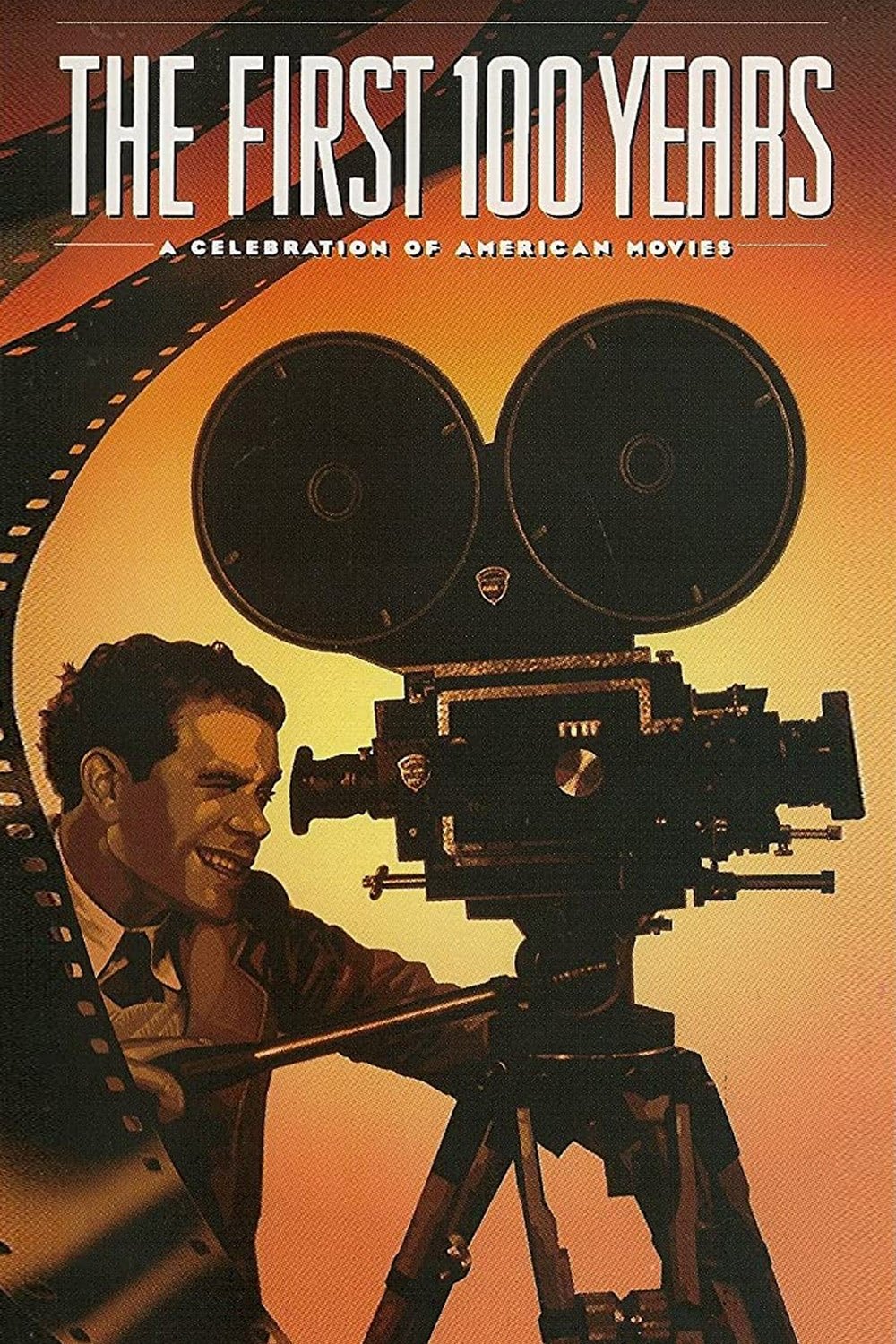 Movie8.0DocumentaryTV Movie
Based on the first centenary of the largest exporter of films in the world, that is Hollywood, is the story told by its protagonists, actors and writers and other people who made life in this business, interspersing images of famous movies.
The First 100 Years: A Celebration of American Movies
1995 · 9 votes
- Movie3.8Comedy
A Baron attempts to sell Mack Sennett and William Beaudine on the idea of casting his new prodigy in one of their films.
Movie-Town
1931 · 4 votes
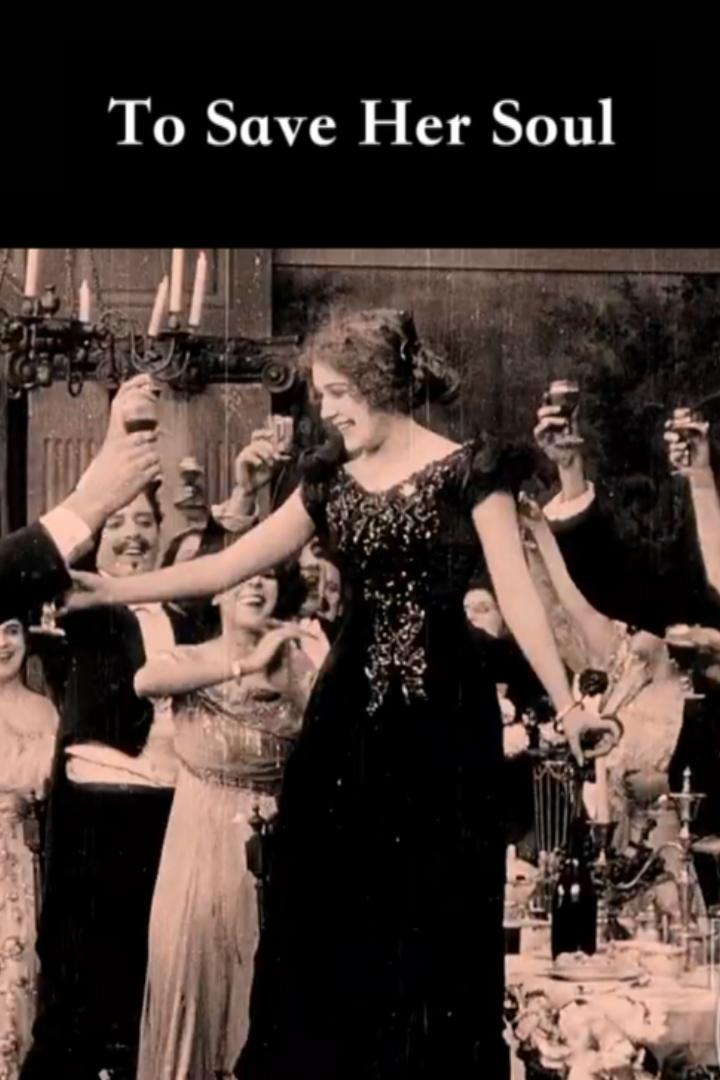 Movie5.2Drama
Agnes, a singer in a country church, is practicing one day when a vaudeville manager hears her and offers her a job. Over the objections of the curate who loves her, she accepts the offer and goes to the city. Later the curate goes to hear Agnes perform and, fearing that her soul is being corrupted by show business, he asks her to return to the small town with him. When she refuses, he is prepared to kill her in order to protect the purity of her soul. This brings about her change of heart, and together they return to the little church.
To Save Her Soul
1909 · 4 votes
- Movie8.0Comedy
To be a fond and devoted parent, and to be unable to play with the heaven of your heart is indeed a cruel decree. That was the case of Papa Binks, but he outwitted Mrs. Binks and the nurse in a very effective, yet unostentatious manner, while he and the baby had the time of their lives.
Papa's Baby
1913 · 1 votes
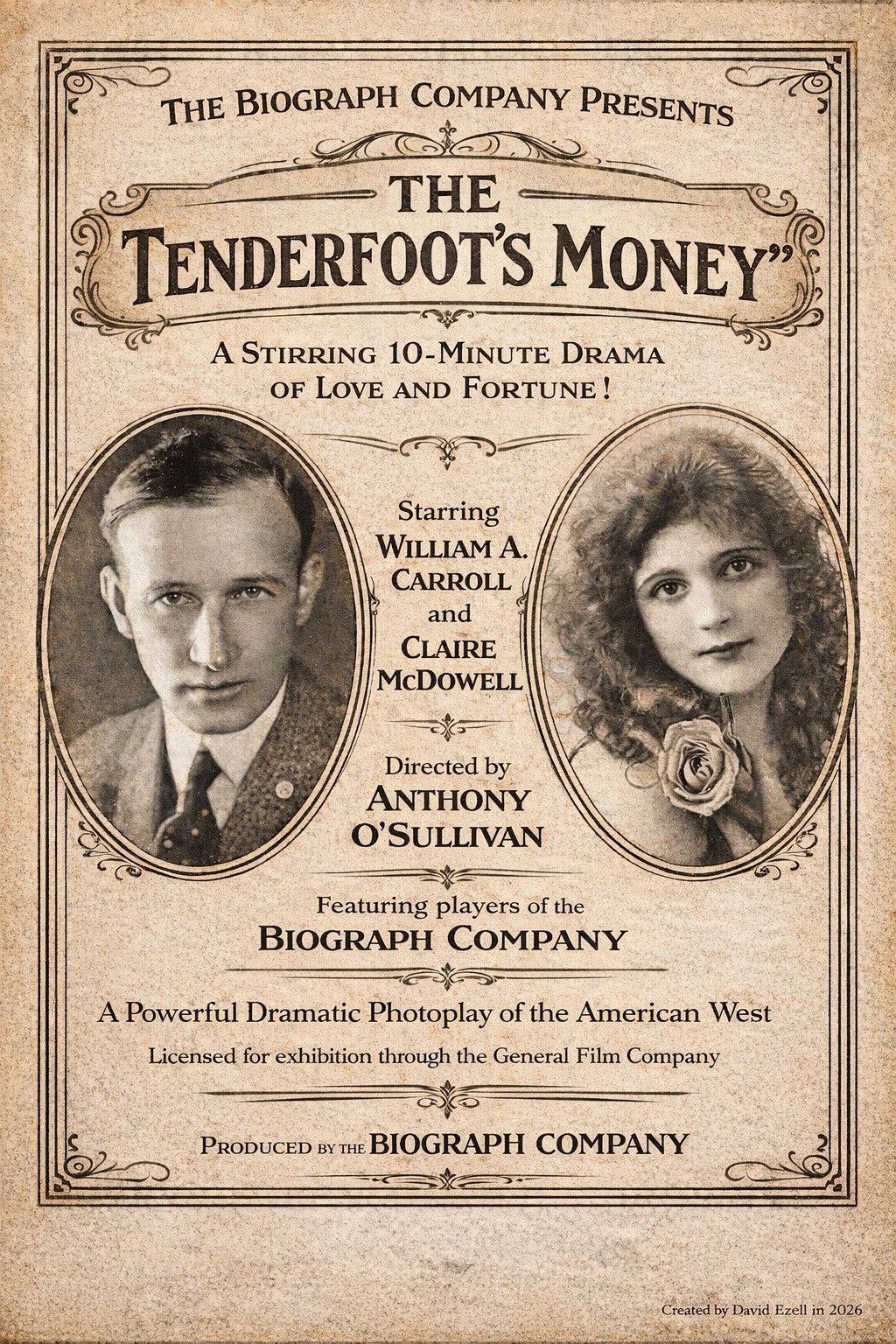 Movie9.0Western
The tenderfoot came into camp with his ill-gotten money intending to purchase a claim. The faker salted a claim, hoping thereby to secure the money. But the gambler got ahead of him through cheating at cards. Later the tenderfoot sought to regain his money and in the struggle it fell into worthier hands.
The Tenderfoot's Money
1913 · 1 votes
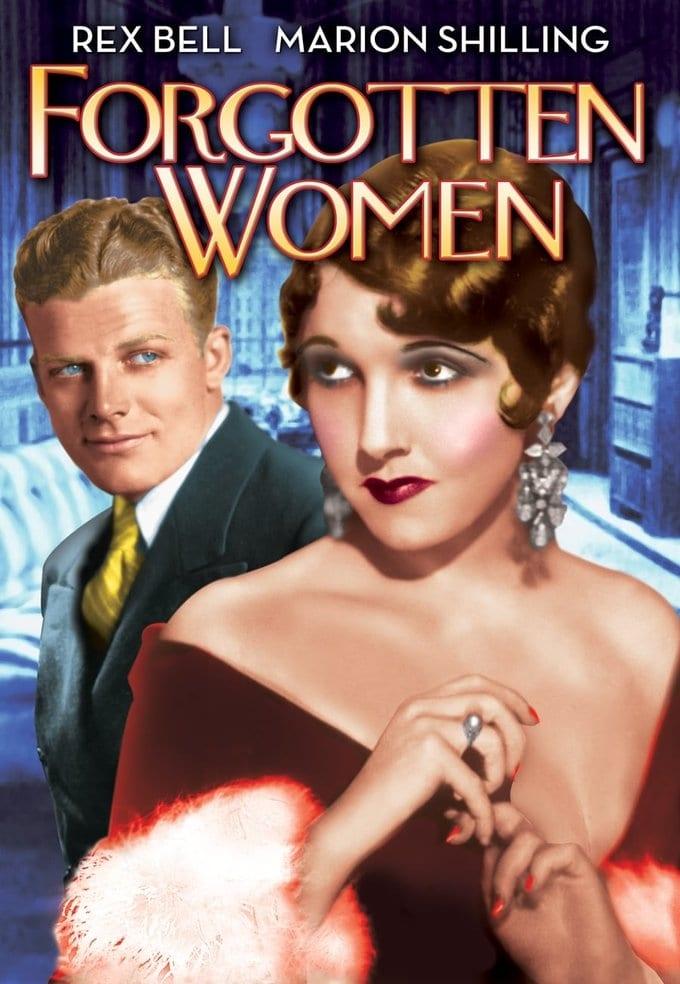 Movie8.0Drama
Acting on a tip from former stage actress Fern Madden, who is now working as a movie extra, Jimmy Burke, a Hollywood reporter, publishes an article revealing an independent film producer to have mob connections. As a result of the story, Jimmy becomes city editor.
Forgotten Women
1931 · 1 votes
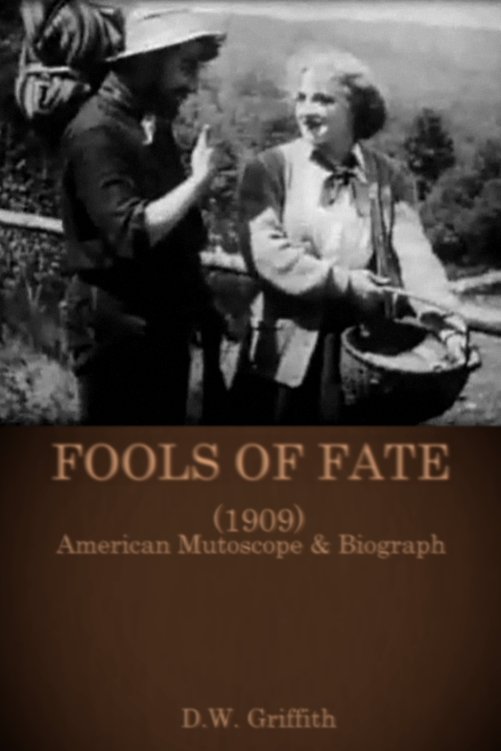 Movie4.4Drama
Fanny is the wife of Ben Webster, a trapper, and while he is an affectionate and dutiful husband, she yearns for something which appears better than her lot. She reasons: "Have I not youth and beauty and attainments far above this environment? Why should I be compelled to toil and struggle in this wilderness?"
Fools of Fate
1909 · 4 votes
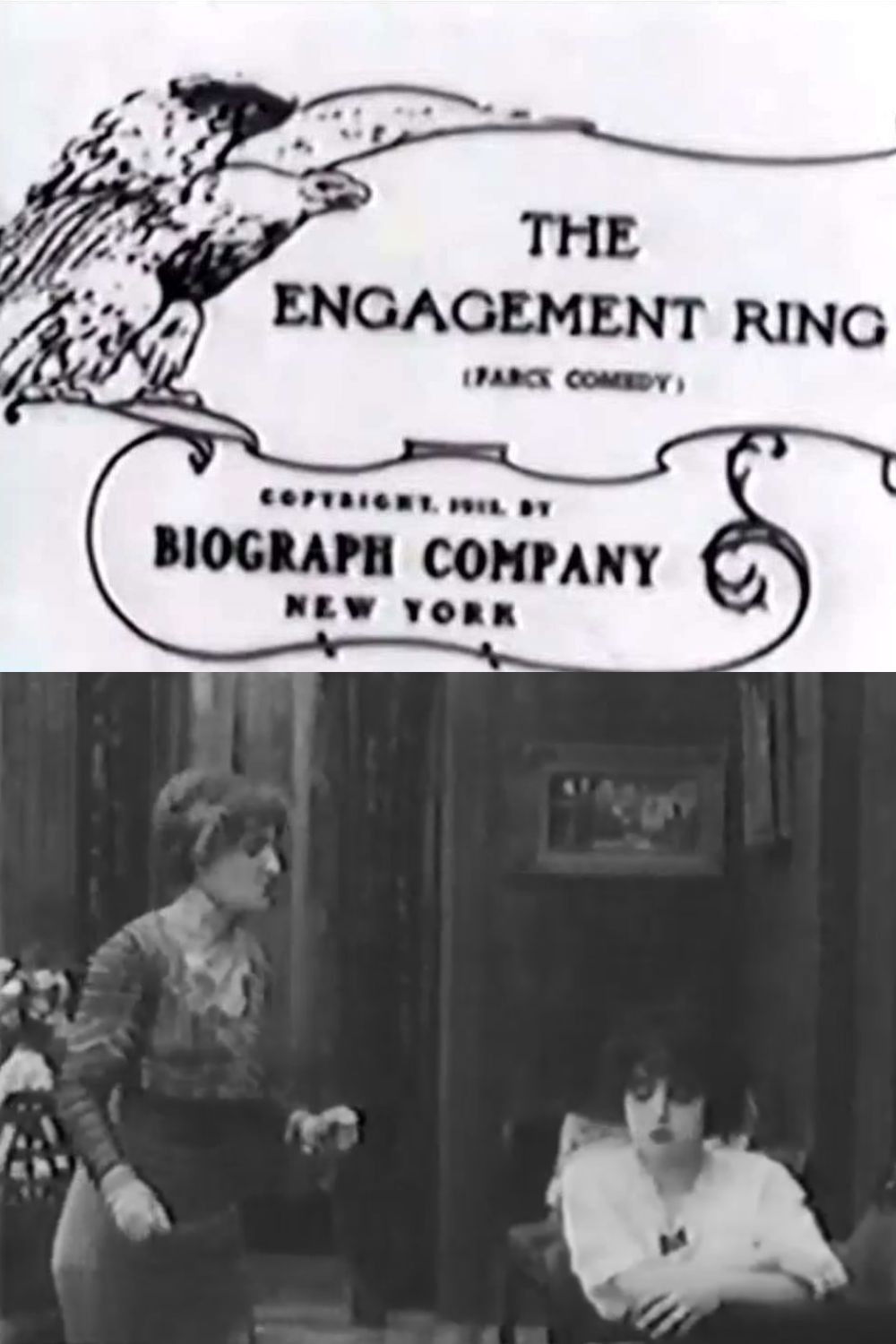 Movie4.0
Alice has two persistent suitors, one rich, one poor. Each buys her an engagement ring; the rich man pays cash, but the poor man must pay on installments. He has trouble making the payments, but then he's injured in an auto accident and the settlement allows him to pay off the ring and propose to Alice.
The Engagement Ring
1912 · 2 votes
 Movie4.2
Hank (Mack Sennett) loses his girl (Mabel Normand) to another guy (Dell Henderson) so he decides to get even with some hot sauce.
Hot Stuff
1912 · 2 votes