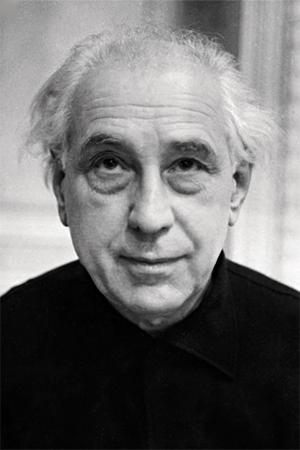
Abel Gance
Director · 1889 – 1981 · Paris, France
Abel Gance was a French film director, producer, writer and actor. A pioneer in the theory and practice of montage, he is best known for three major silent films: J'accuse (1919), La Roue (1923), and Napoléon (1927). He was born in Paris in 1889. In 1909, he acted in his first film. He also wrote scenarios, and often sold them to Gaumont. During this period he was diagnosed with tuberculosis, fatal at the time, but he recovered. In 1911, with some friends he established a production company, Le Film Français, and began directing his own films. With the outbreak of WW I, rejected by the army on medical grounds, he started writing and directing for a new film company, Film d'Art until 1918, making over a dozen successful films. Charles Pathé underwrote his next film, J'accuse (1919), in which Gance confronted the waste and suffering which the war had brought. In 1920, he developed La Roue. He brought an unprecedented level of energy and imagination to the technical realization of his story, employing elaborate editing techniques and innovative use of rapid cutting which made the film highly influential. The finished film ran for nearly nine hours, but was edited down for distribution. In 1921, Gance visited America to promote J'accuse. He met D. W. Griffith, whom he had long admired. He was also offered a contract with MGM but turned it down. He then embarked on his greatest project, a six-part life of Napoléon. Only the first part was completed, tracing his early life, through the Revolution, up to the invasion of Italy, but even this occupied a vast canvas with meticulously recreated historical scenes and scores of characters. The film was full of experimental techniques, combining rapid cutting, hand-held cameras, superimposition of images, and, in wide-screen sequences, shot using a system he called Polyvision needing triple cameras (and projectors), achieved a spectacular panoramic effect, including a finale in which the outer two film panels were tinted blue and red, creating a widescreen image of a French flag. The original version ran for around 6 hours. A shortened version received a triumphant première at the Paris Opéra in April 1927. Throughout his life he kept returning to Napoléon, editing his footage, and as a result the original 1927 film was lost from view for decades. The dedicated work of the film historian Kevin Brownlow produced a five-hour version, still incomplete but fuller than anyone had seen since the 1920s. It was presented at the Telluride Film Festival in 1979, and the occasion brought a belated triumph to Gance's career, and made his name known to a worldwide audience. In the assessment of Kevin Brownlow, "...[Abel Gance] made a fuller use of the medium than anyone before or since". As well as his multiscreen ventures with Polyvision, he explored the use of superimposition of images, extreme close-ups, fast rhythmic editing, and he made the camera mobile in unorthodox ways – hand-held, mounted on wires or a pendulum, or even strapped to a horse. He also made early experiments with the addition of sound to film, and with filming in color and in 3-D. There were few aspects of film technique that he did not seek to incorporate in his work, and his influence was acknowledged by contemporaries and later by the French New Wave film-makers.
Movies12
 Movie7.8DramaHistory
A biopic of Napoleon Bonaparte, tracing the Corsican's career from his schooldays (where a snowball fight is staged like a military campaign) to his flight from Corsica, through the French Revolution (where a real storm is intercut with a political storm) and the Terror, culminating in his triumphant invasion of Italy in 1797.
 Movie8.7DramaWar
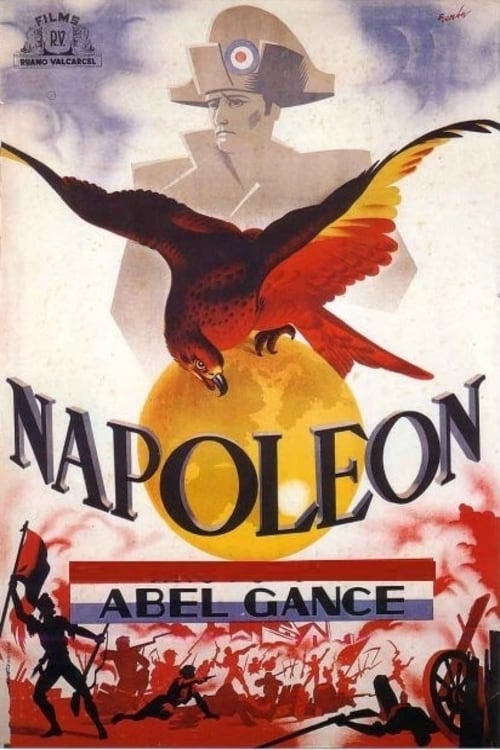
A second version of Gance's Napoléon, with sound.
Napoléon Bonaparte
1935 · 3 votes
 Movie7.1Horror
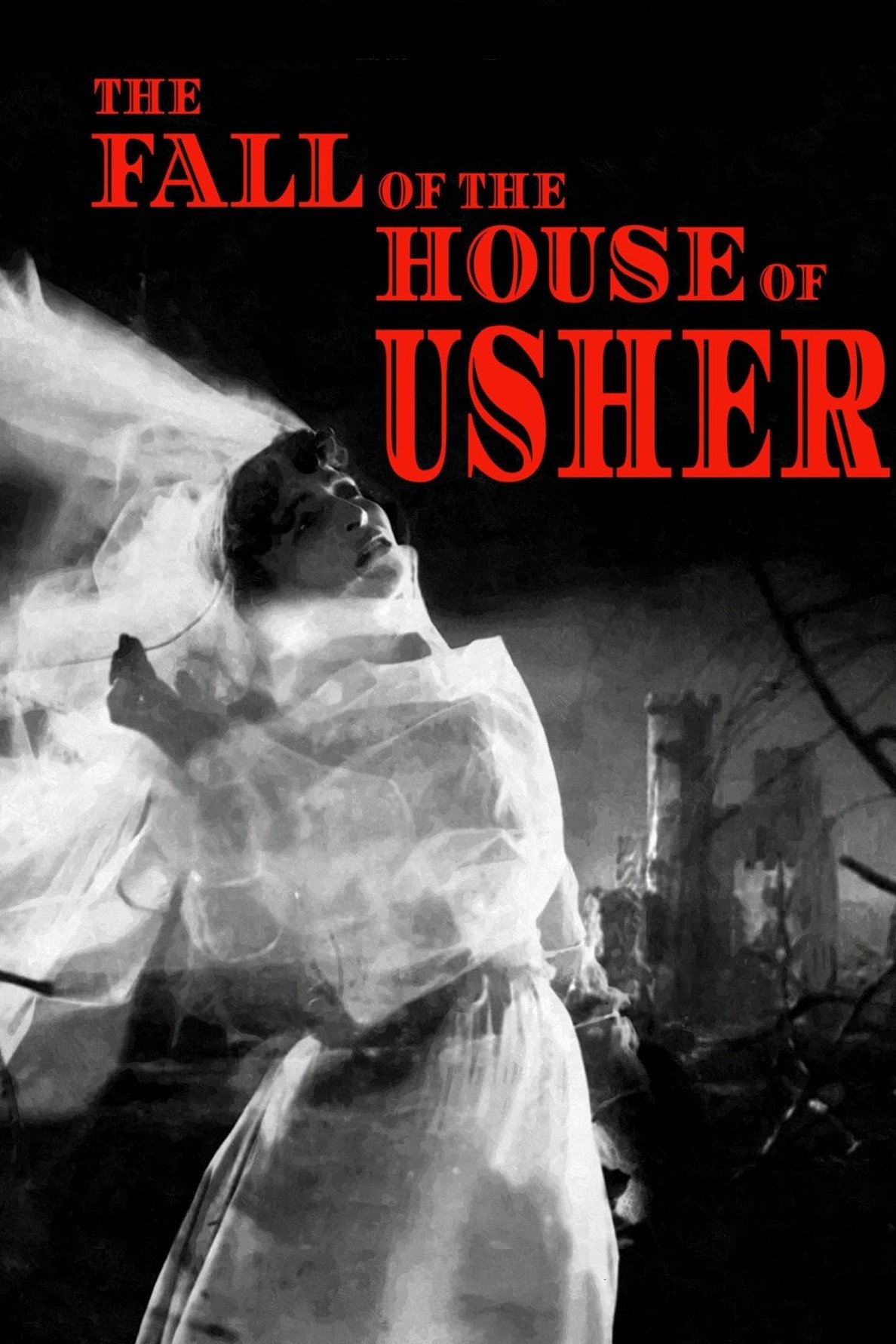
Convinced that his family is tainted by generations of evil, Roderick Usher is hellbent on stopping his sister Madeline’s wedding to prevent the cursed Usher bloodline from expanding. When her fiancé Allan arrives at the crumbling estate to claim his bride, Roderick goes to ruthless—even deadly—lengths to keep them apart.
 Movie5.2Science Fiction
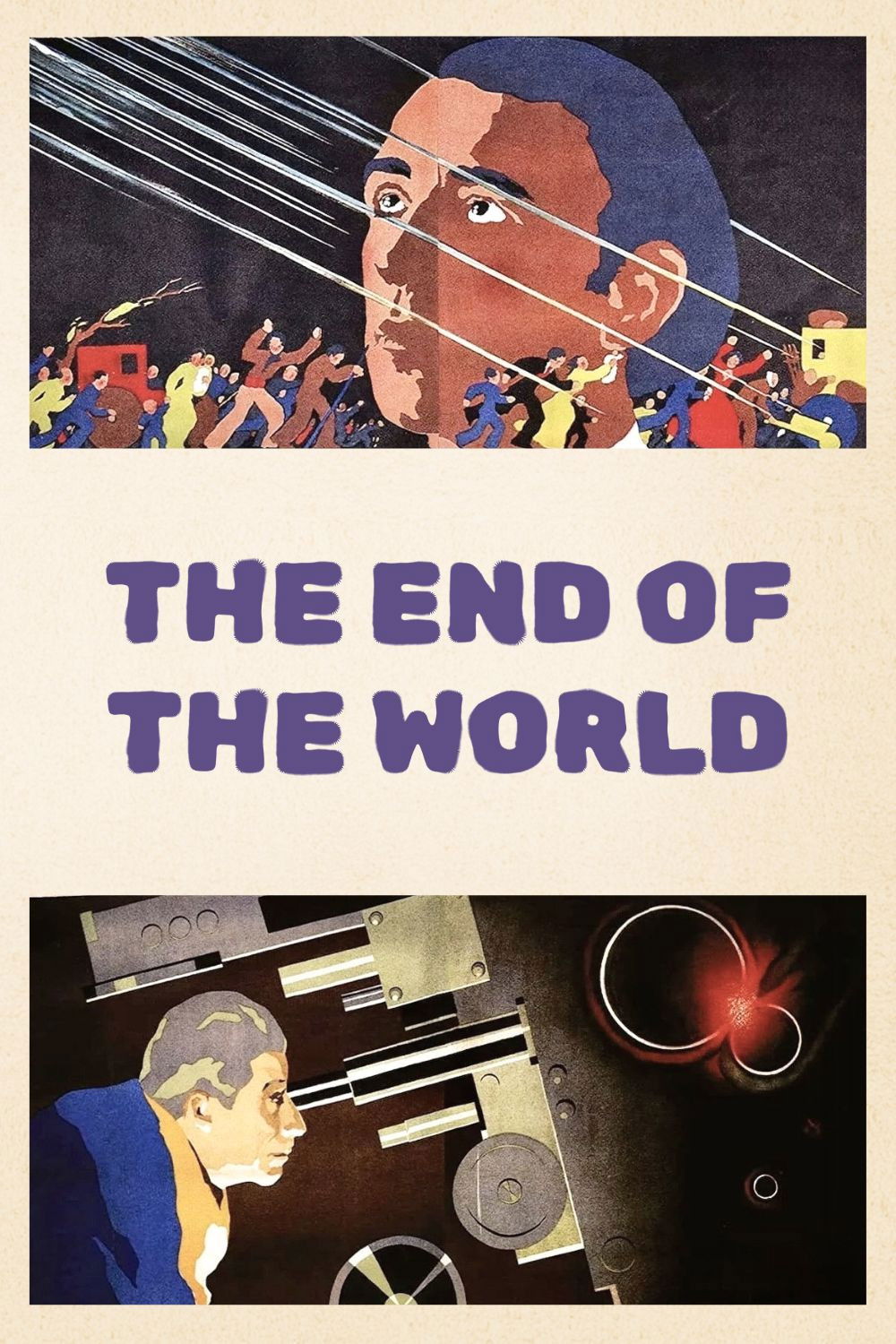
The plot concerns a comet hurling toward Earth on a collision course and the different reactions to people on the impending disaster.
 Movie7.3DramaRomance
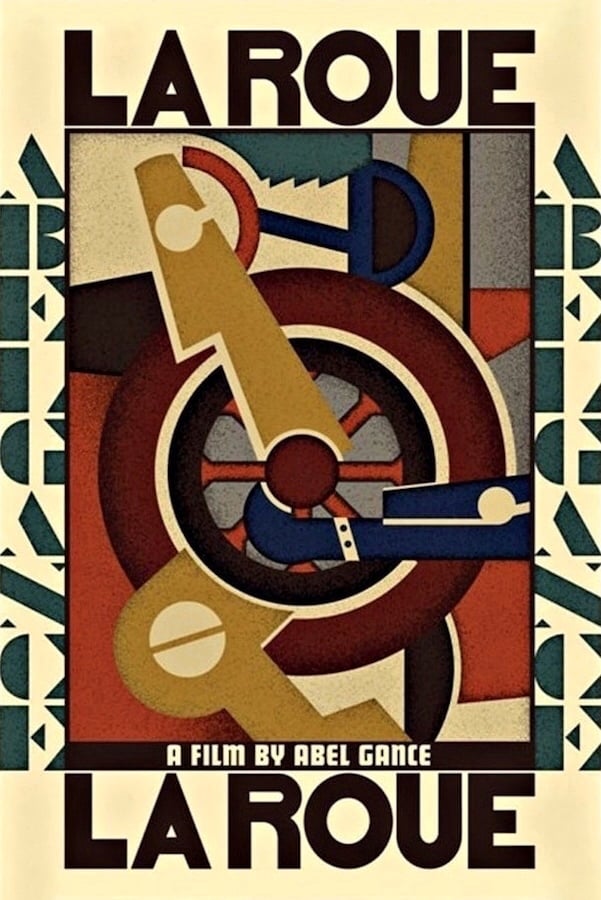
Sisif, a railwayman, saves a young girl named Norma orphaned by a train crash and raises her as his own daughter alongside his son, Elie. As she becomes an adult, Sisif grapples with whether to tell Norma the truth about her parentage.
La Roue
1923 · 69 votes
 Movie7.0DocumentaryHistory
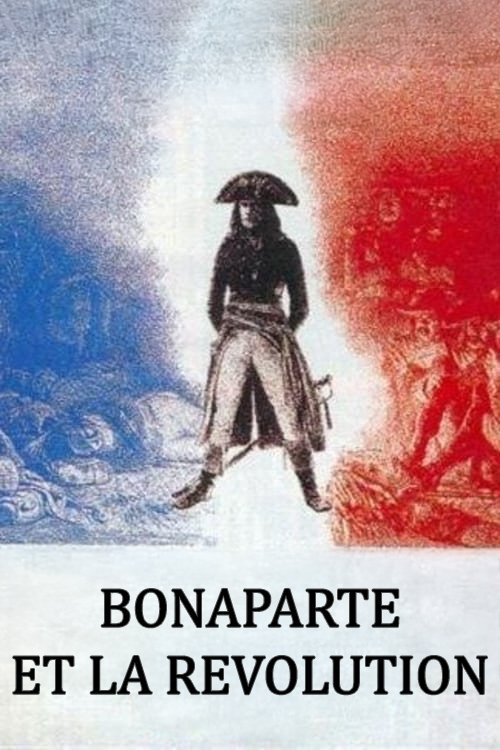
Abel Gance's 1971 sound edition of his epic 1927 'Napoleon', which contains much of the silent original, with new material shot and added in both 1965 and 1971, and with sound synchronization from both the 1932 reissue and this version.
Bonaparte et la révolution
1972 · 1 votes
 Movie6.5Documentary
BBC documentary on the long and flamboyant career of French filmmaker Abel Gance.
Abel Gance: The Charm of Dynamite
1968 · 2 votes
 Movie5.7Documentary
A short silent documentary on the making of the 1931 Abel Gance directed film, "La Fin du Monde".
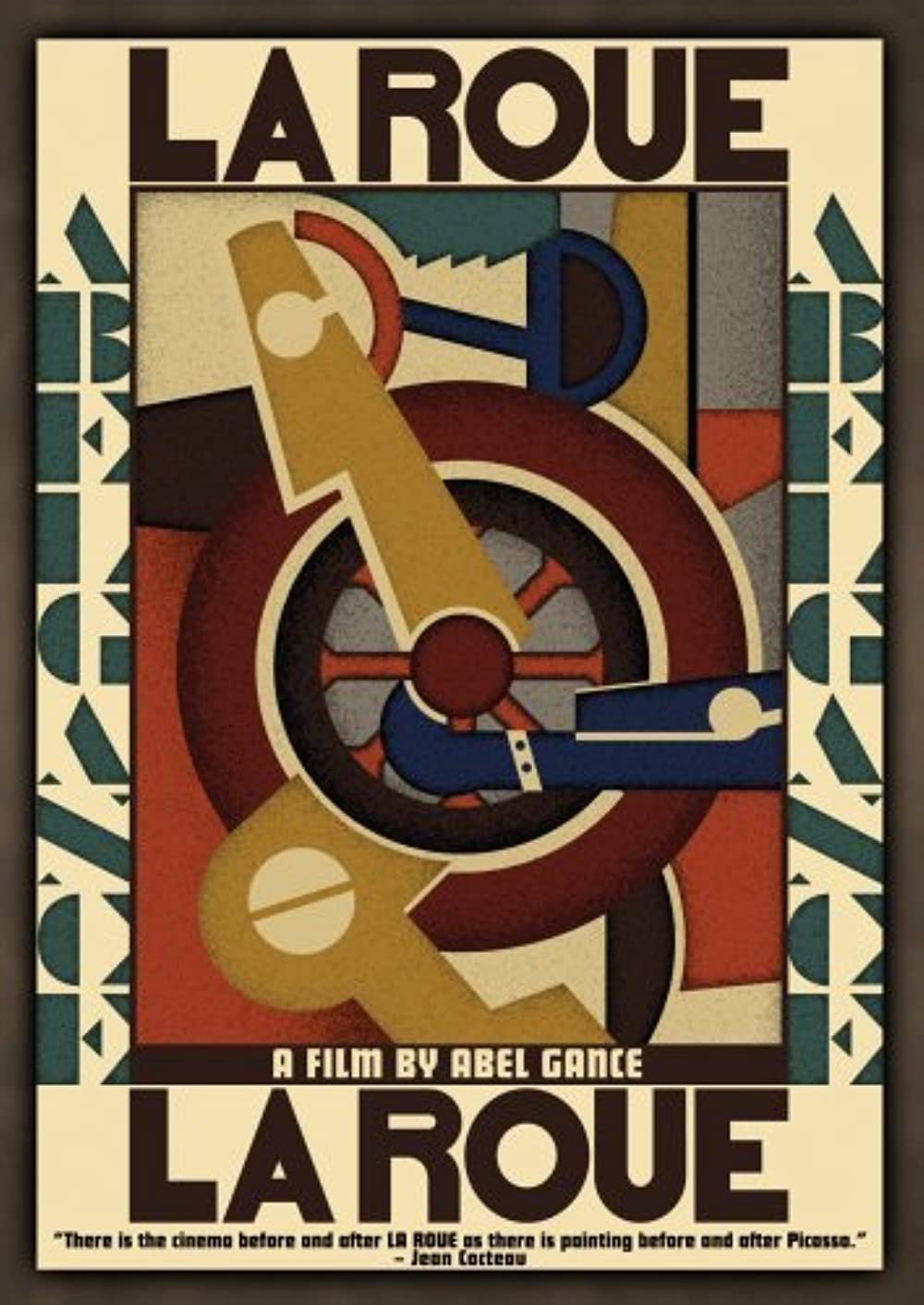 Movie8.0Documentary
Blaise Cendrars' AUTOUR DE LA ROUE (1923), a behind-the-scenes short documenting the production.
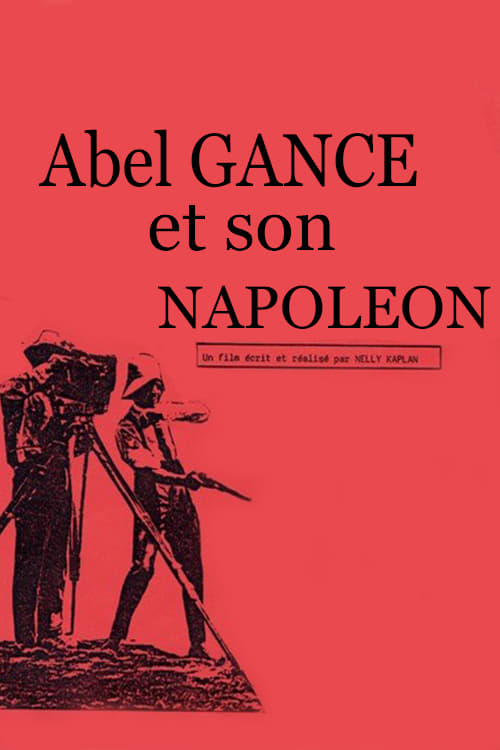 Movie5.5Documentary
This documentary focuses on the making of the 235-minute, silent epic Napoleon, the masterpiece of French director/writer/actor Abel Gance. Napoleon showcased Gance's talents with the camera, his use of multiple-images (like a split screen), and his handling of crowded action scenes -- all brought forward in this documentary by his later assistant, Nelly Kaplan. While Gance was shooting Napoleon in 1925-26, he and his crew were also being filmed for a documentary titled Autour de Napoleon. The only extant reels from that documentary are included in this film, as well as views of Gance's unique "triptychs" -- three different scenes lined up side-by-side across a super-wide screen to convey the effect of a panorama, or of three separate interludes. Nelly Kaplan put together this documentary using old footage, such as Gance filming the famous snowball fight at the Brienne military school and still photographs and excerpts from Gance's production diaries.
Abel Gance et son Napoléon
1984 · 4 votes
- Movie4.4Drama
A film about the life of Molière (1622-1673).
Molière
1910 · 5 votes
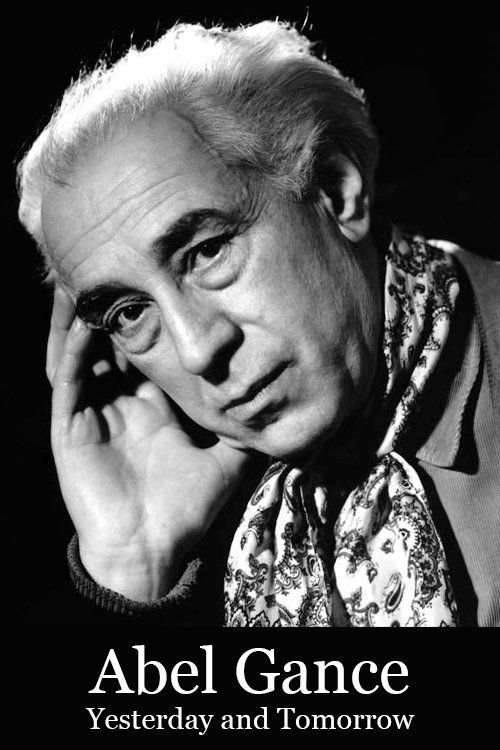 Movie6.0Documentary
The life and work of Abel Gance as told by himself. Includes extracts from many of his films and considers his contribution to the cinema.
Series6
 TV9.5Talk Show
Marcello Mastroianni, Isabelle Adjani, Alain Delon, Martin Scorsese, Woody Allen... the biggest stars in cinema were welcomed by Christian Defaye on his show Spécial cinéma. Between intimate confessions from actors and immersion in the world of the greatest filmmakers, Christian Defaye took viewers on a journey into the fascinating world of cinema for nearly thirty years.
Spécial cinéma
1974 · 2 votes
 TV7.2Documentary
Omnibus was an arts-based BBC television documentary series, broadcast mainly on BBC1 in the United Kingdom. The programme was the successor to the long-running arts-based series 'Monitor'. It ran from 1967 until 2003, usually being transmitted on Sunday evenings. During its 35-year history, the programme won 12 Bafta awards. Among the series' best remembered documentaries are Cracked Actor, a profile of David Bowie, and Rene Magritte, a graduate film by David Wheatley, 'Madonna: Behind the American dream', a film produced by Nadia Hagger, and a profile of the British film director Ridley Scott. For a season in 1982, the series was in a magazine format presented by Barry Norman. The series was replaced by 'Imagine' hosted by Alan Yentob.
Omnibus
1967 · 9 votes
 TV5.0Documentary
Ciné regards
1978 · 1 votes
 TV8.7DocumentaryFamily
Cinépanorama
1956 · 3 votes
- TV9.0Documentary
Produced for television by Claude-Jean Philippe, the « Encyclopédie audiovisuelle du cinéma », recounts the history of French cinema from its birth to the beginning of the 1960s. With commentary read by Jean Rochefort.
Encyclopédie audiovisuelle du cinéma
1978 · 1 votes
 TVDocumentary
Pour le plaisir
1964