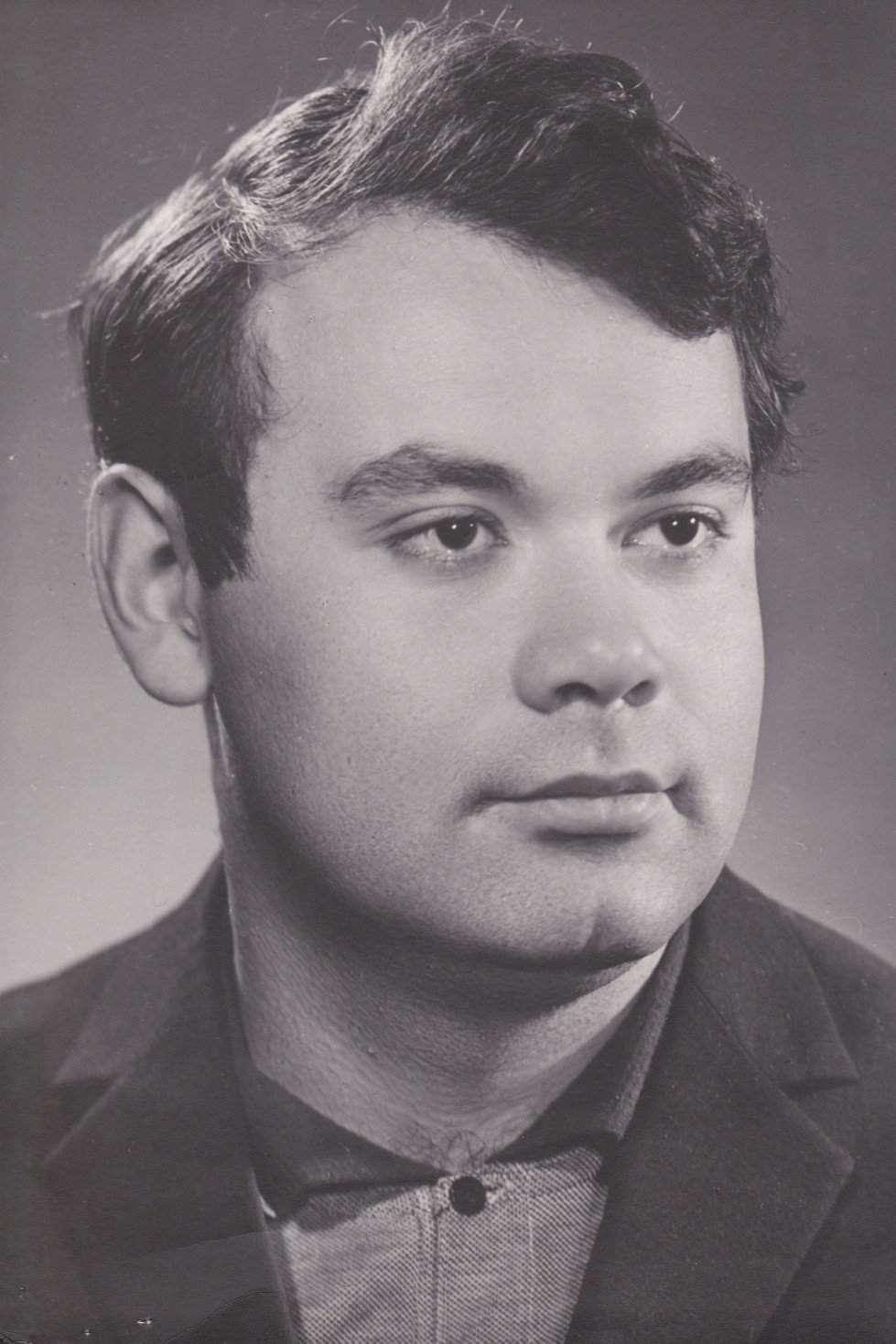
Aleksei German
Director · 1938 – 2013 · Leningrad, Russian SFSR, USSR [now St. Petersburg, Russia]
Aleksei Yuryevich German (Алексей Юрьевич Герман, 20 July 1938 – 21 February 2013) was a Soviet and Russian director, screenwriter and producer. He is noted for his stark pessimism, long, serpentine sequence shots, black and white cinematography, overbearing sound design and acute observations of Stalinist Russia.
Movies10
- Movie5.5Drama
One of the three films that comprise Arrival of a Train, a collection of shorts made to celebrate the centenary of cinema. Set at the turn of the 20th century, the film follows Trofim, a Russian peasant jealous of his wife for having an affair with his brother. Trofim kills his brother and runs away to St. Petersburg. Then Trofim steps off the train in St. Petersburg, a cameraman who happens to be shooting on the platform captures his arrival.
 Movie5.7Drama
Closely based on Franz Kafka's book "Das Schloß", the movie shares the same action on a land surveyor who is called to a village to do a job that no one seems to have ordered. Once there, he takes up the struggle against bureaucracy emanating from the castle.
 MovieDocumentary
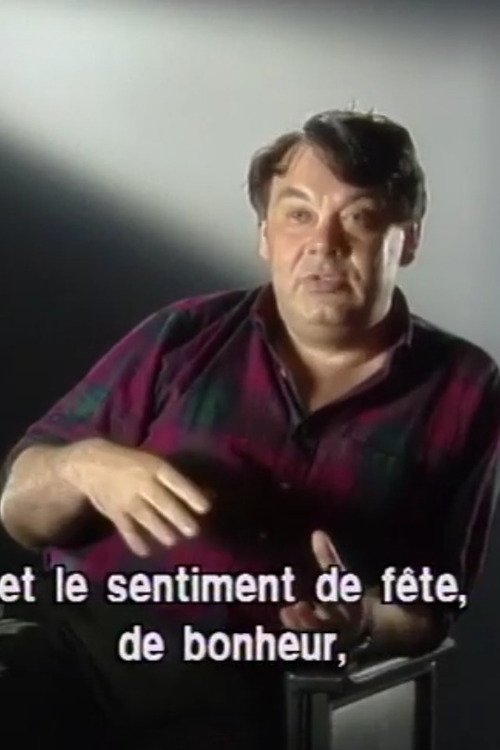
This film was broadcast on La Sept in October 1990 as a part of Hélène Mochiri's Cinéma de poche program devoted to Soviet cinema. The documentary was produced in-house at La Sept and based on an exclusive interview with Alexei Guerman in May of that year. It has not been seen since.
 MovieDocumentary
A portrait of the Russian filmmaker Alexei Guerman via an exploration of the making of his latest film, an adaptation of It Is Difficult to Be a God, a science-fiction novel by the Strougaski brothers, on which he has been working for several years, Hard to Be God explores the director's complex relationships with his crew, who he rules with a rod of iron. The film exposes the power relations of authority and the submission of a film crew to a director who is trying to change history, fight servitude and advocate freedom.
 Movie8.7Documentary
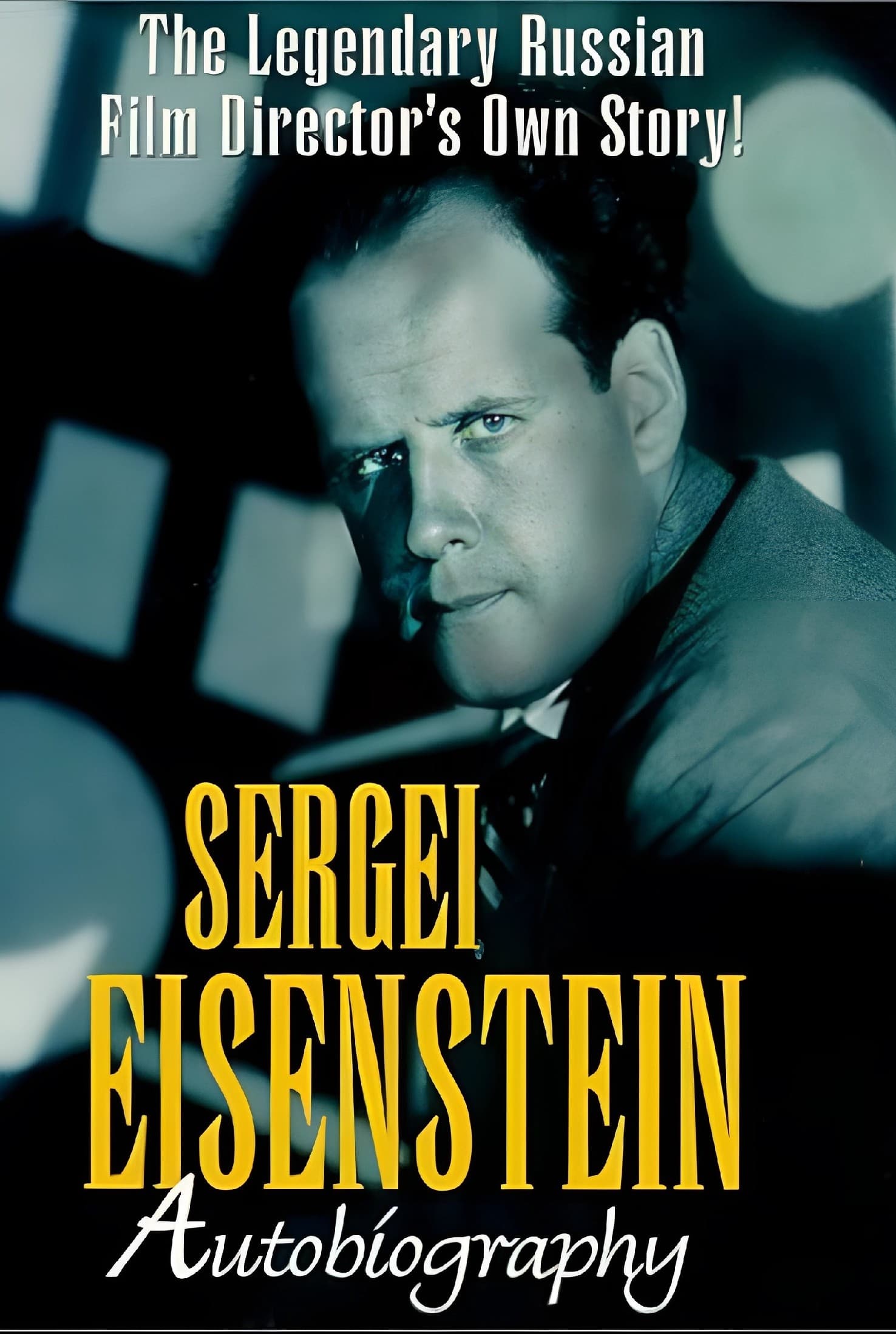
A free film adaptation of the director's memoirs. In form, this is the "stream of consciousness" that attracted Sergei Eisenstein after getting acquainted with the experiments of James Joyce. The outer outline of the film is a long foreign trip of the director, which began in 1929, during which he recalls his past life and considers creative ideas. The film is constructed as a free alternation of reality, dreams, and fantasies. The material for it is fragments from the films of Sergei Eisenstein and his fellow contemporaries, documentary footage depicting the director and his time. The wide coverage of the faces and events reflected in the film shows the special role of Sergei Eisenstein in the culture of the twentieth century…
 Movie3.5DramaRomance
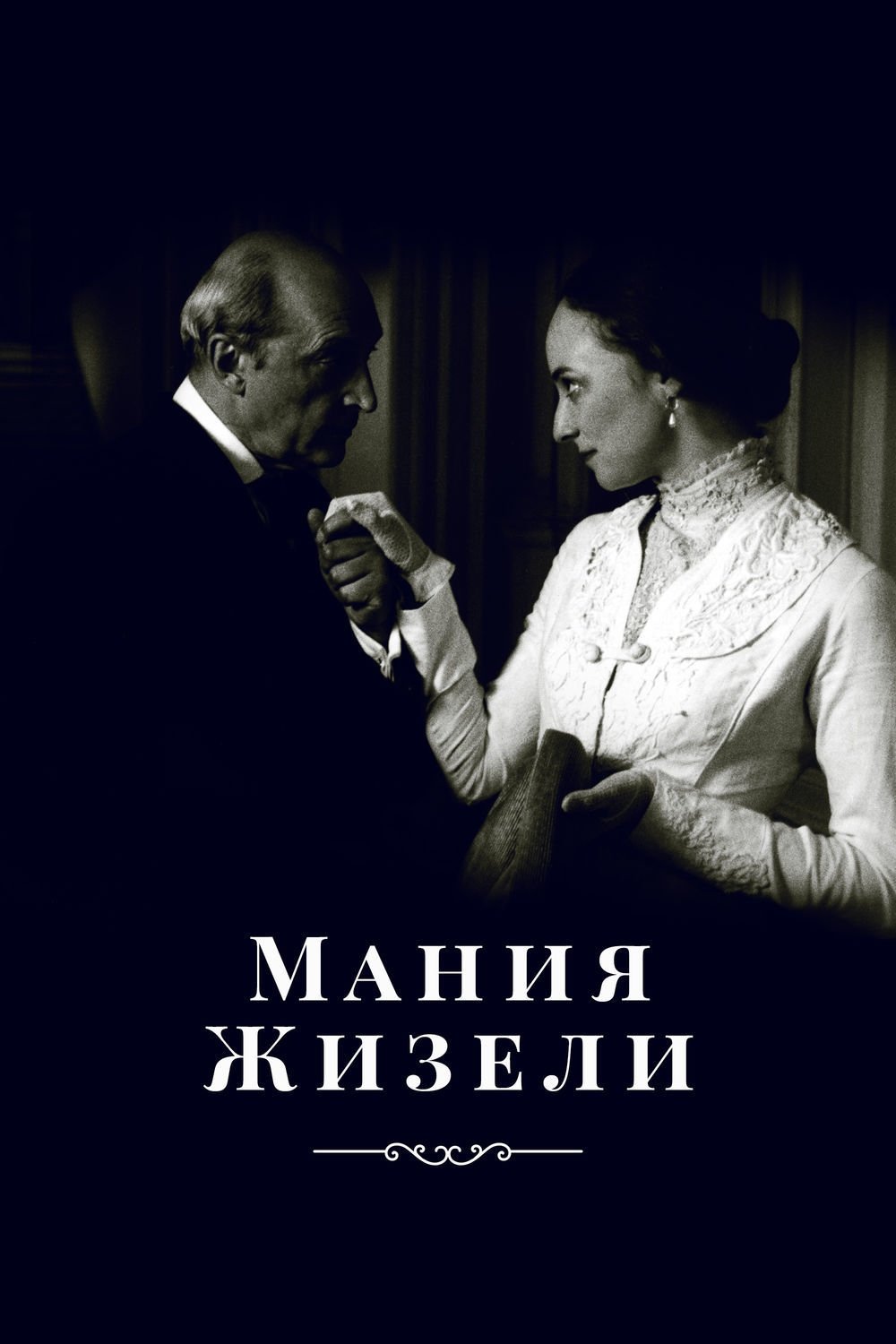
A detective-dramatic chronicle of love adventures of the famous Russian ballerina Olga Spesivtseva, nicknamed by contemporaries Red Giselle. It was Giselle who immortalized her name in 1924. It was "Giselle" that caused the psychic catastrophe in 1942.
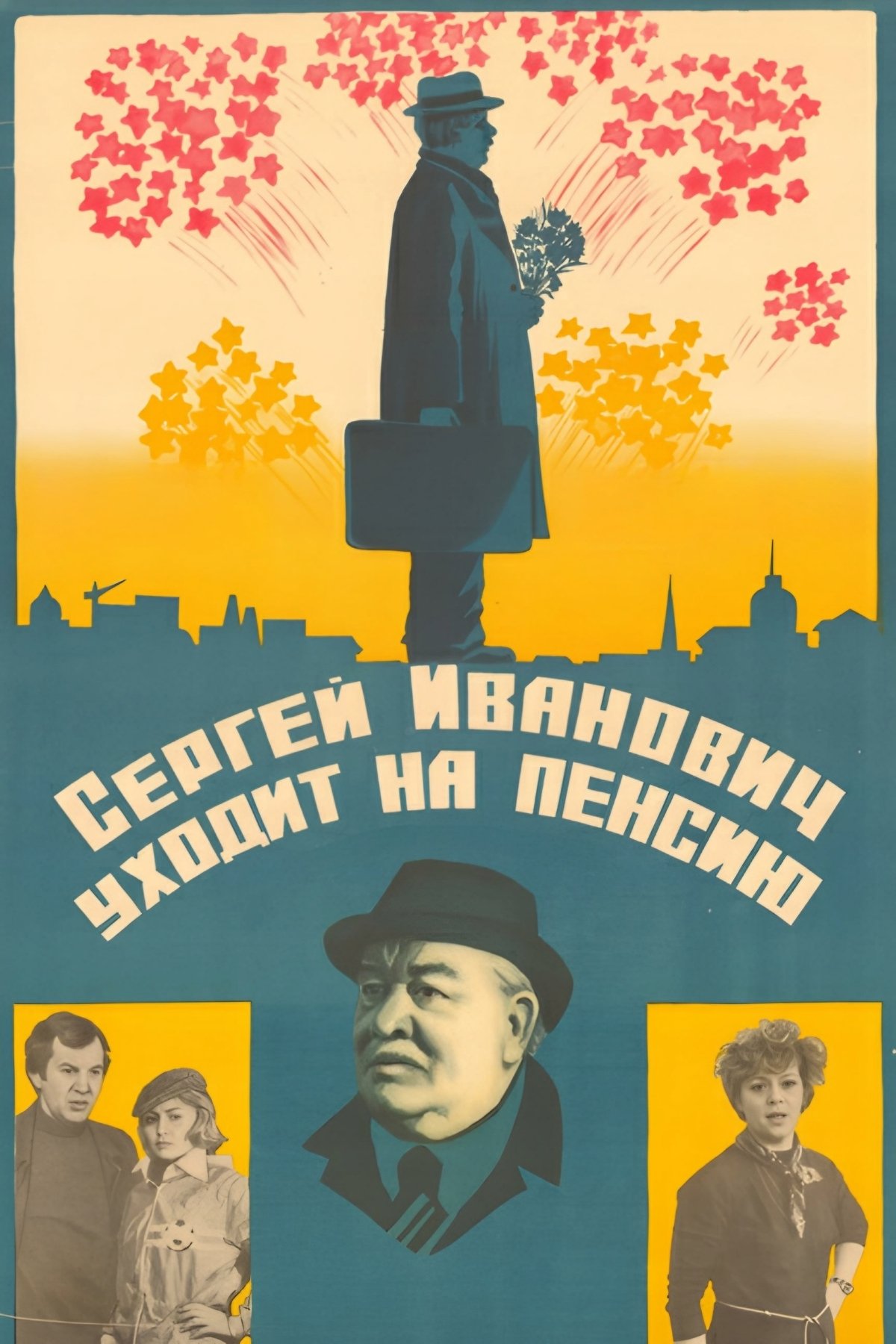 Movie7.0Drama
Accountant Sergey Ivanovich is retiring. Finally, he will be able to devote all his free time to his family: he will help his daughter Natalya with the housework, raise his granddaughter, visit his sons who live in different cities... But it turns out that adult children do not need parental care, and Sergei Ivanovich feels uneasy at work...
 Movie5.5Drama
Almanac of five short stories commissioned by ROSKOMKINO to celebrate the 100th anniversary of cinema.
 Movie7.0DramaTV Movie
Follows the director of a large plant, acutely aware of his personal responsibility to society for everything he is involved in.
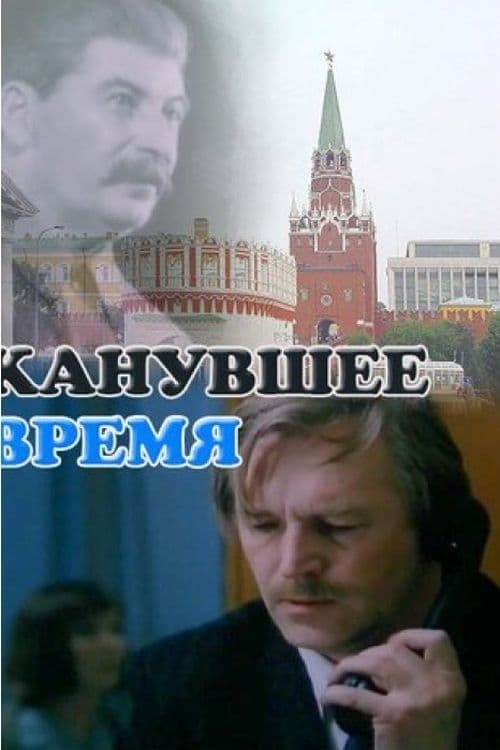 Movie9.0Drama
The 1950s. The head of the steel industry was removed from his position and appointed ambassador to one of the northern countries of Europe. He had enough time to reflect on his life and understand the true reason for his dismissal.
Series1
 TV7.0Documentary