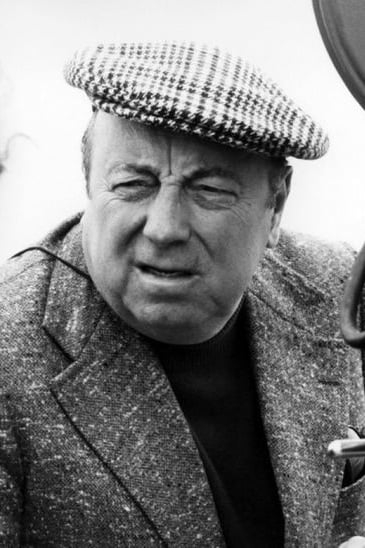
Marcel Carné
Director · 1906 – 1996 · Paris, France
Born in Paris, France, the son of a cabinet maker whose wife died when their son was five, Marcel Carné began his career as a film critic, becoming editor of the weekly publication, Hebdo-Films, and working for Cinémagazine and Cinémonde between 1929 and 1933. In the same period he worked in silent film as a camera assistant with director Jacques Feyder. By age 25, Carné had already directed his first short film, Nogent, Eldorado du dimanche (1929). He assisted Feyder (and René Clair) on several films through to La kermesse héroïque (1935). Feyder accepted an invitation to work in England for Alexander Korda, for whom he made Knight Without Armour (1937), but made it possible for Carné to take over his project, Jenny (1936), as its director. The film marked the beginning of a successful collaboration with surrealist poet and screenwriter Jacques Prévert. This collaborative relationship lasted for more than a dozen years, during which Carné and Prévert created their best remembered films. Together, they were involved in the poetic realism film movement of fatalistic tragedies. Under the German occupation of France during World War II, Carné worked in the Vichy zone where he subverted the regime's attempts to control art; several of his team were Jewish, including Joseph Kosma and set designer Alexandre Trauner. Under difficult conditions they made Carné's most highly regarded film Les Enfants du paradis (Children of Paradise, 1945) released after the Liberation of France. In the late 1990s, the film was voted "Best French Film of the Century" in a poll of 600 French critics and professionals. Post war, he and Prévert followed this triumph with what at the time was the most expensive production ever undertaken in the history of French film. But the result, titled Les Portes de la nuit, was panned by the critics and a box office failure and was their last completed film. By the 1950s, Carné's reputation was in eclipse. The critics of Cahiers du Cinema, who became the film makers of the New Wave, dismissed him and placed his film's merits solely with Prevert. Other than his 1958 hit Les Tricheurs, Carné's postwar films met with only uneven success and many were greeted by an almost unrelenting negative criticism from the press and within members of the film industry. In 1958, Carné was the Head of the Jury at the 6th Berlin International Film Festival. Carné made his last film in 1976. Carné was gay and made little secret about it. Several of his later films contain references to male homosexuality or bisexuality. His one-time partner was Roland Lesaffre who appeared in many of his films. In 1989 a book was published by Edward Baron Turk as part of the Harvard Film Studies that told his story under the title Child of Paradise: Marcel Carné and the Golden Age of French Cinema. Marcel Carné died in 1996 in Clamart, Hauts-de-Seine, and was buried in the Cimetière Saint-Vincent in Montmartre. Description above from the Wikipedia article Marcel Carné, licensed under CC-BY-SA, full list of contributors on Wikipedia.
Series9
 TV6.8Talk Show
Champs-Elysées
1982 · 9 votes
 TV9.0Reality
Midi Première is a French variety show presented by Danièle Gilbert, directed by Jacques Pierre and broadcast from January 6, 1975 until January 1, 1982 on TF1. The program was generally broadcast between 12:15 p.m. and 12:55 p.m., then giving way to the 1:00 p.m. TV news. However, the broadcast schedule could change, depending on the guests, and the setting where the recording of the program was shot. Certain performances by artists who have become cult like the one where Ringo jostles with a demonstrator in interpretation (1977), that of Dalida with the title There is always a song with the soundtrack that does not start, twice, at the right speed (1978), Claude François and his Clodettes, who, in the provinces, are unable to join "the set" in order to interpret his song, the latter being taken by the crowd of delirious fans (summer 1977) . The group Supertramp performed there with the title "Dreamer" on March 8, 1975.
Midi Première
1975 · 2 votes
 TV6.0Talk Show
A talk show presented by Michel Drucker
Les Rendez-vous du dimanche
1975 · 2 votes
 TV9.5Talk Show
Marcello Mastroianni, Isabelle Adjani, Alain Delon, Martin Scorsese, Woody Allen... the biggest stars in cinema were welcomed by Christian Defaye on his show Spécial cinéma. Between intimate confessions from actors and immersion in the world of the greatest filmmakers, Christian Defaye took viewers on a journey into the fascinating world of cinema for nearly thirty years.
Spécial cinéma
1974 · 2 votes
 TVTalk Show
 TV8.5Talk Show
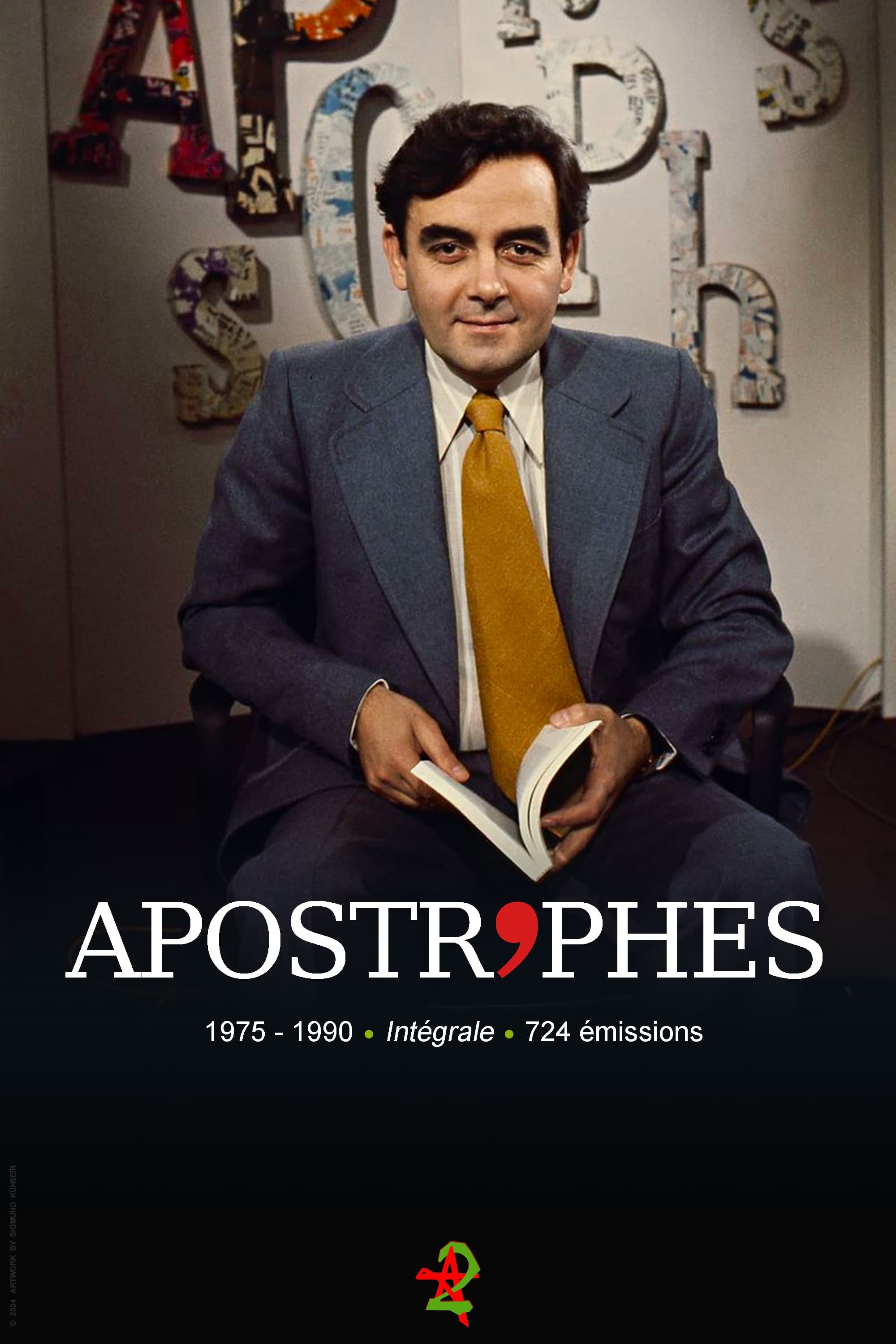
Apostrophes was a live, weekly, literary, prime-time, talk show on French television created and hosted by Bernard Pivot. It ran for fifteen years (724 episodes) from January 10, 1975, to June 22, 1990, and was one of the most watched shows on French television (around 6 million regular viewers). It was broadcast on Friday nights on the channel France 2 (which was called "Antenne 2" from 1975 to 1992). The hourlong show was devoted to books, authors and literature. The format varied between one-on-one interviews with a single author and open discussions between four or five authors.
Apostrophes
1975 · 4 votes
 TV6.0Reality
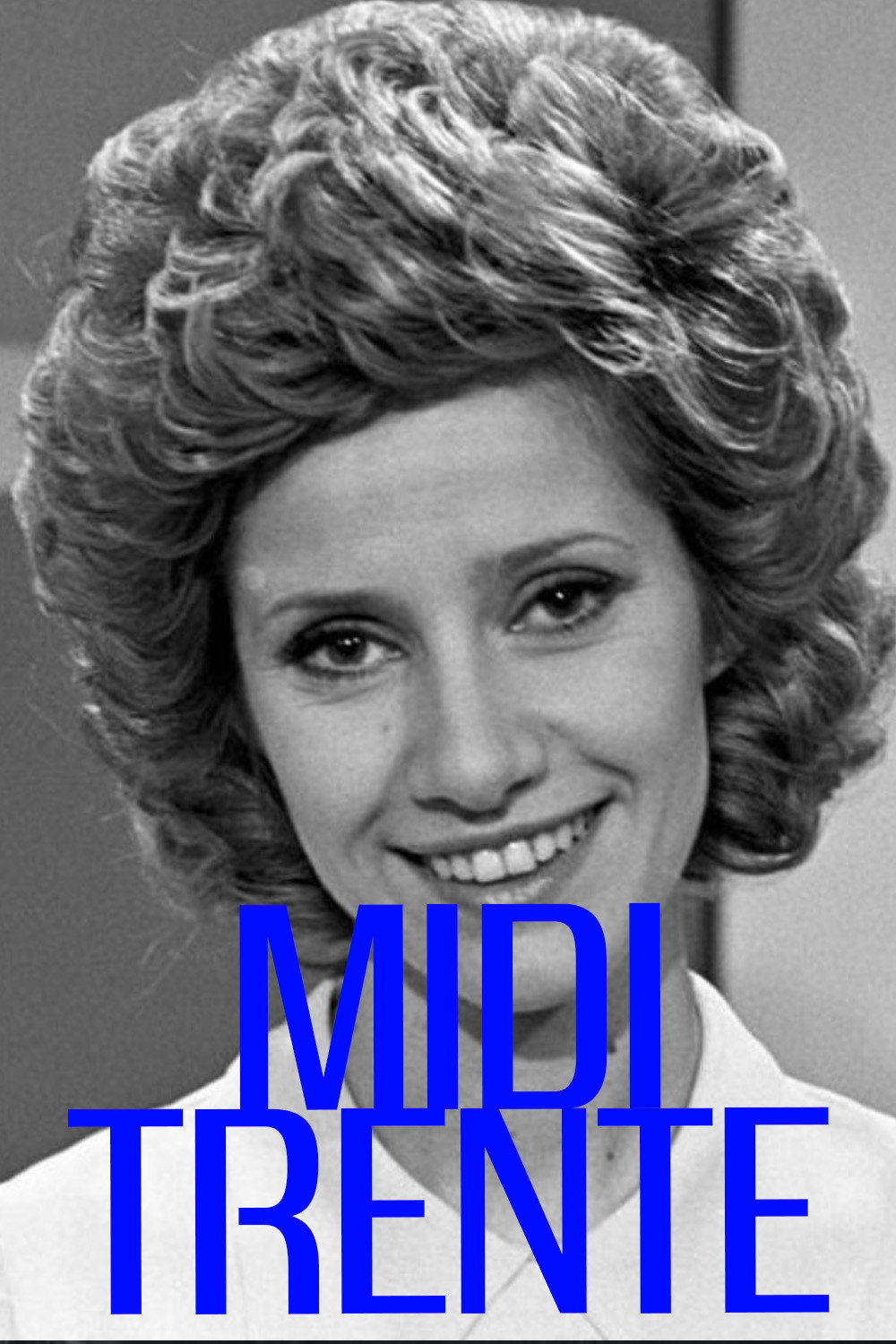
Midi trente
1972 · 1 votes
 TV8.7DocumentaryFamily
Cinépanorama
1956 · 3 votes
- TV9.0Documentary
Produced for television by Claude-Jean Philippe, the « Encyclopédie audiovisuelle du cinéma », recounts the history of French cinema from its birth to the beginning of the 1960s. With commentary read by Jean Rochefort.
Encyclopédie audiovisuelle du cinéma
1978 · 1 votes
Movies3
 Movie6.0Documentary
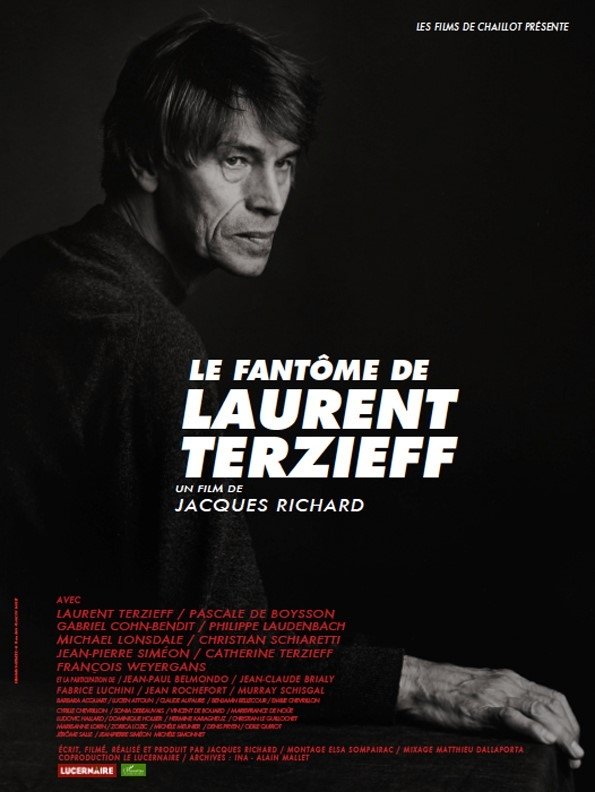
Laurent Terzieff was more than a good actor, after having been a real "star" in the cinema, through his professional choices, he gradually became a real "conscience of the theater", so much had he thought about his art. He received six Molière awards and was always unanimously praised by his peers. “THE GHOST OF LAURENT TERZIEFF” is a daring portrait, as it explores in depth “the secrets of a soul” and the atypical journey of the actor.
Le Fantôme de Laurent Terzieff
2020 · 1 votes
 Movie9.0DocumentaryHistory
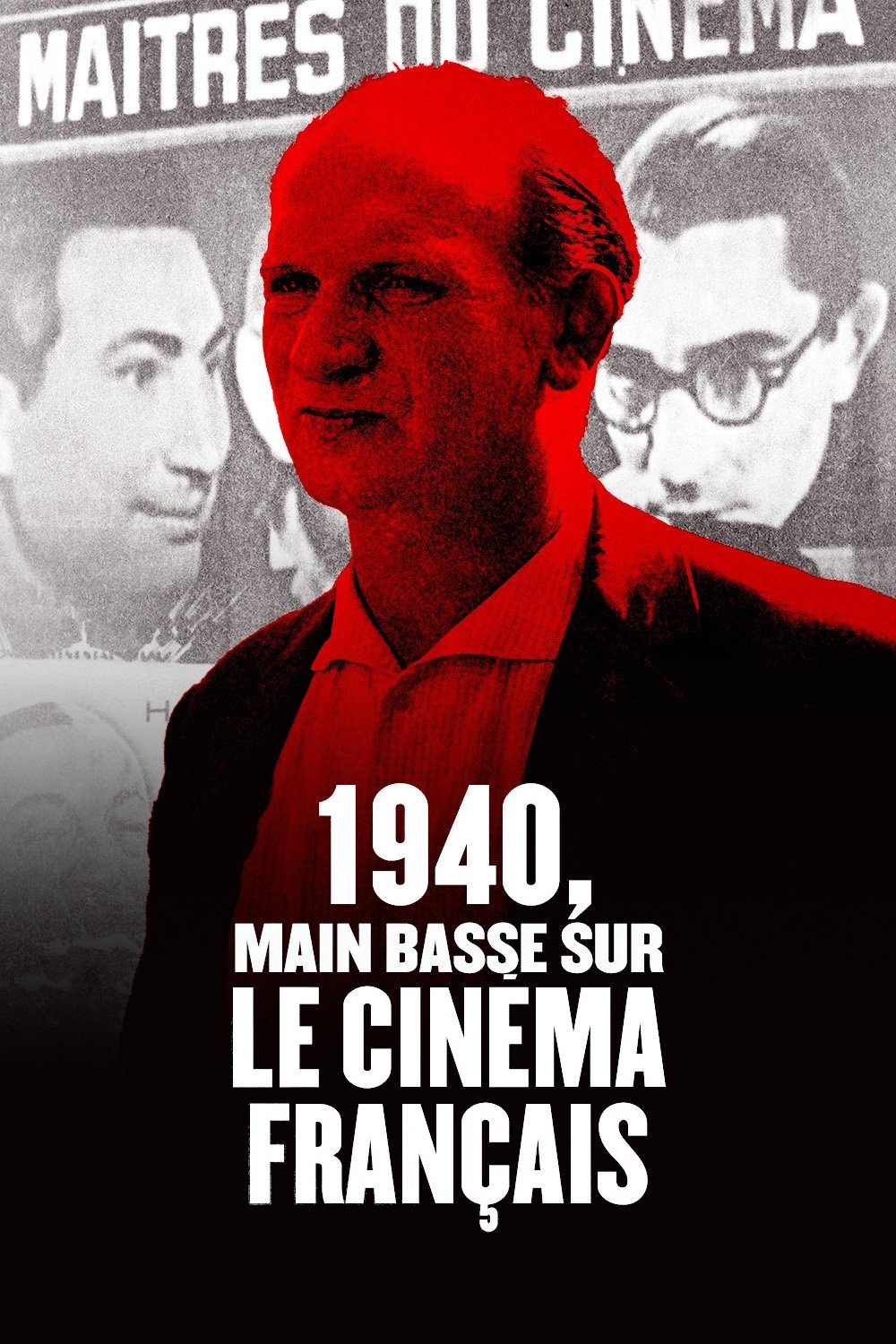
Paris, 1940. German occupation forces create a new film production company, Continental, and put Alfred Greven – producer, cinephile, and opportunistic businessman – in charge. During the occupation, under Joseph Goebbels’s orders, Greven hires the best artists and technicians of French cinema to produce successful, highly entertaining films, which are also strategically devoid of propaganda. Simultaneously, he takes advantage of the confiscation of Jewish property to purchase film theaters, studios and laboratories, in order to control the whole production line. His goal: to create a European Hollywood. Among the thirty feature films thus produced under the auspices of Continental, several are, to this day, considered classics of French cinema.
 MovieDocumentary
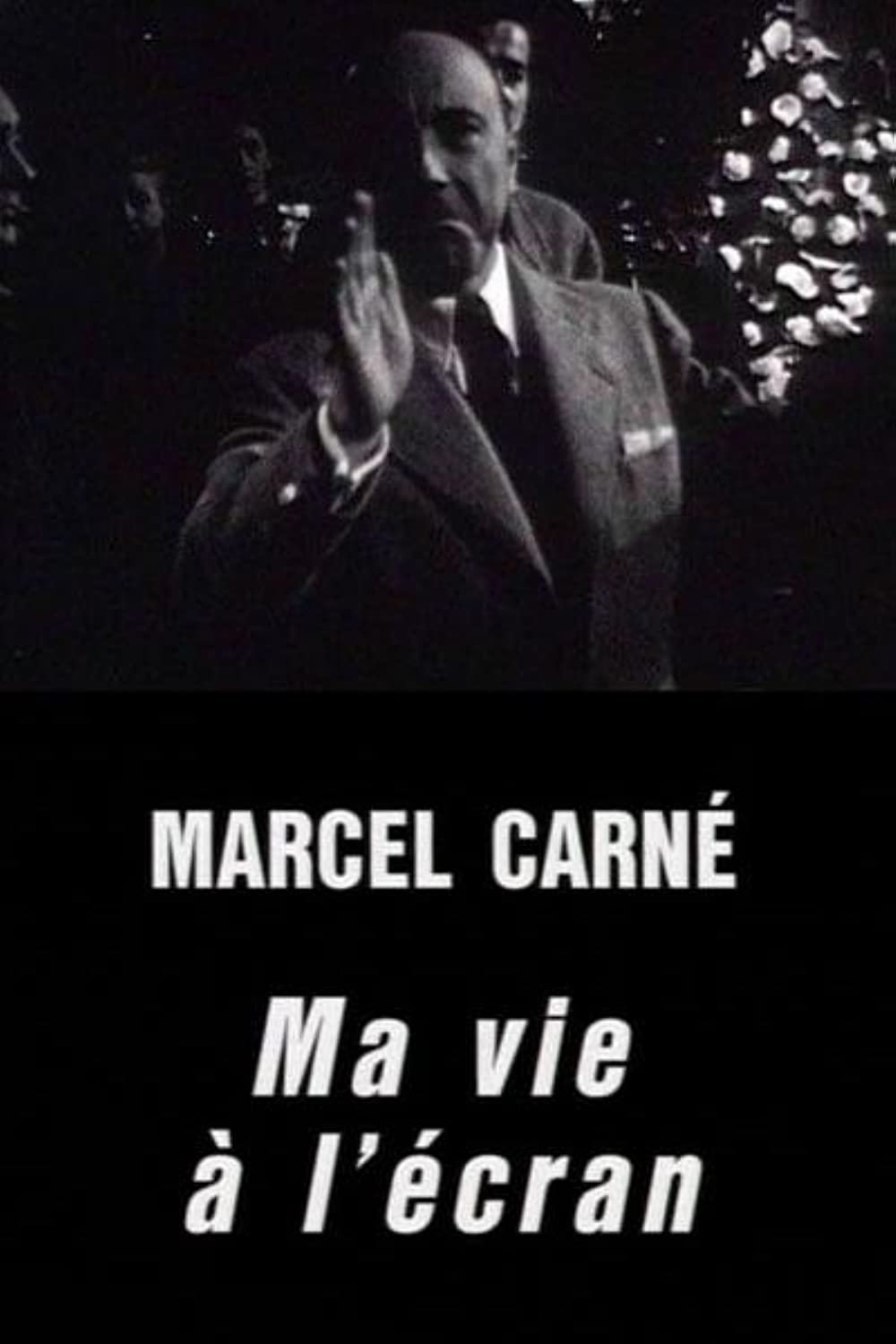
An interview of French film director Marcel Carné by Didier Decoin