Édouard Niermans
Director · b. 1943
Movies5
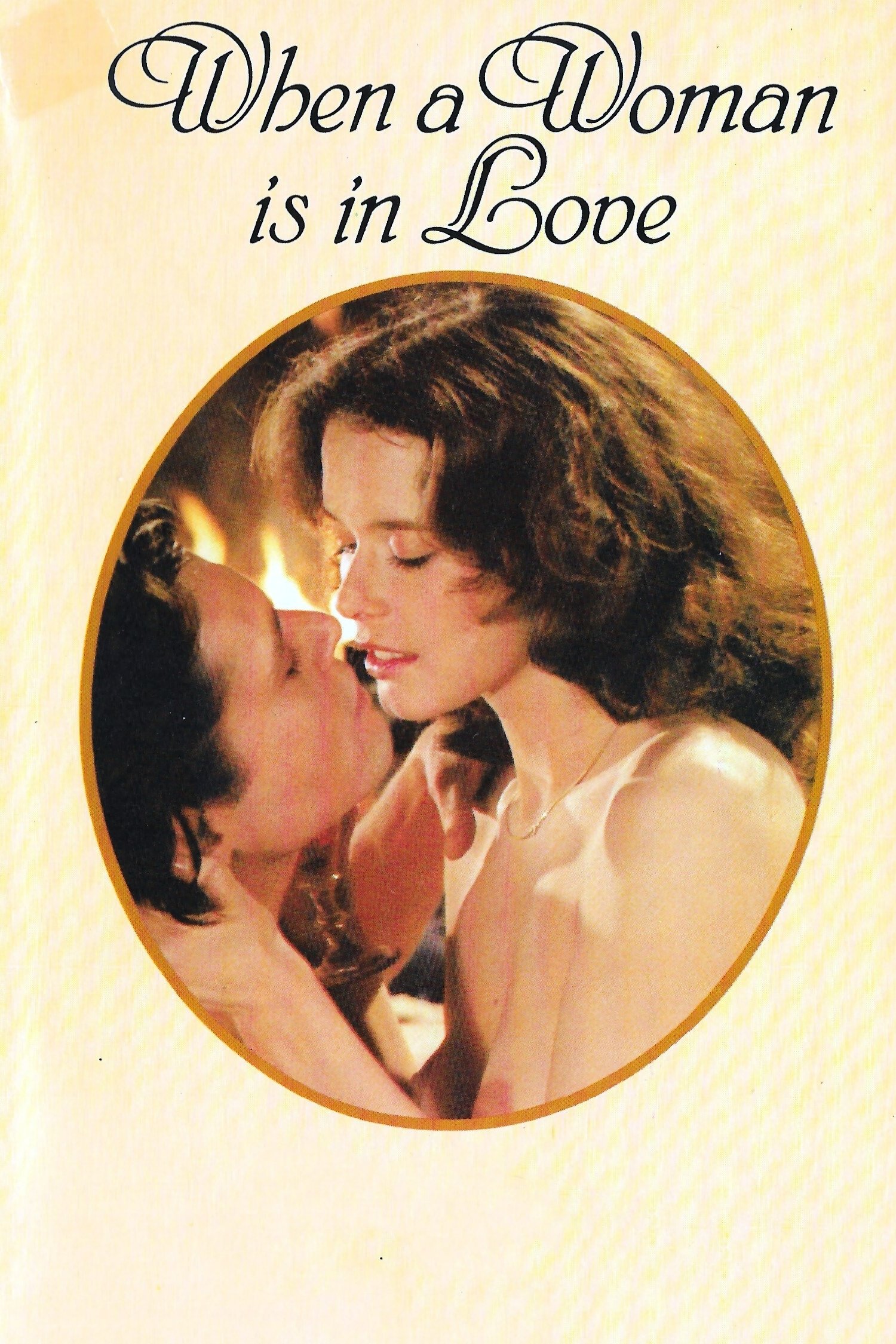 Movie3.2Drama
A virtuous young woman becomes the target of the schemes of an amoral womanizer who is in the habit of wooing women and killing their lovers and husbands in duels. When she finally succumbs to him, she discovers his true nature, and her newly awakened joy in passion turns to dust.
 Movie5.2Drama
Catherine and Marcello are secluded in their house, living under the candlelight. Unable to accept the injustice behind the loss of their nine-month-old baby, they face a slow but definite self-destruction.
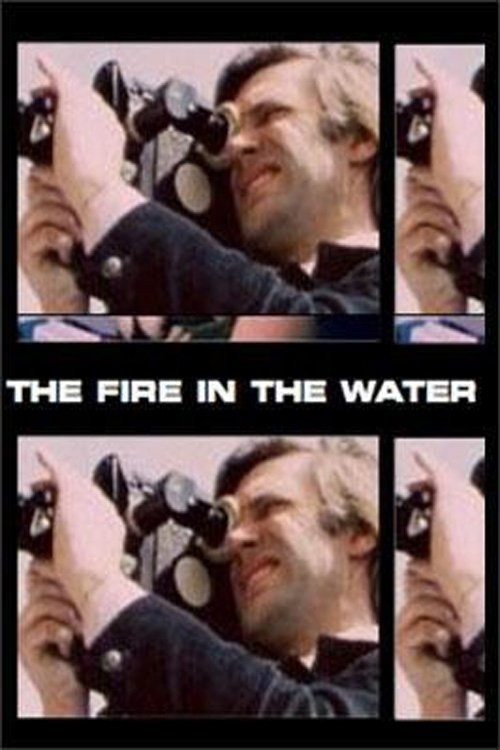 Movie3.7Drama
A man decides to edit a documentary on the 1960's at a remote cabin in the Scottish Highlands.
Fire in the Water
1977 · 3 votes
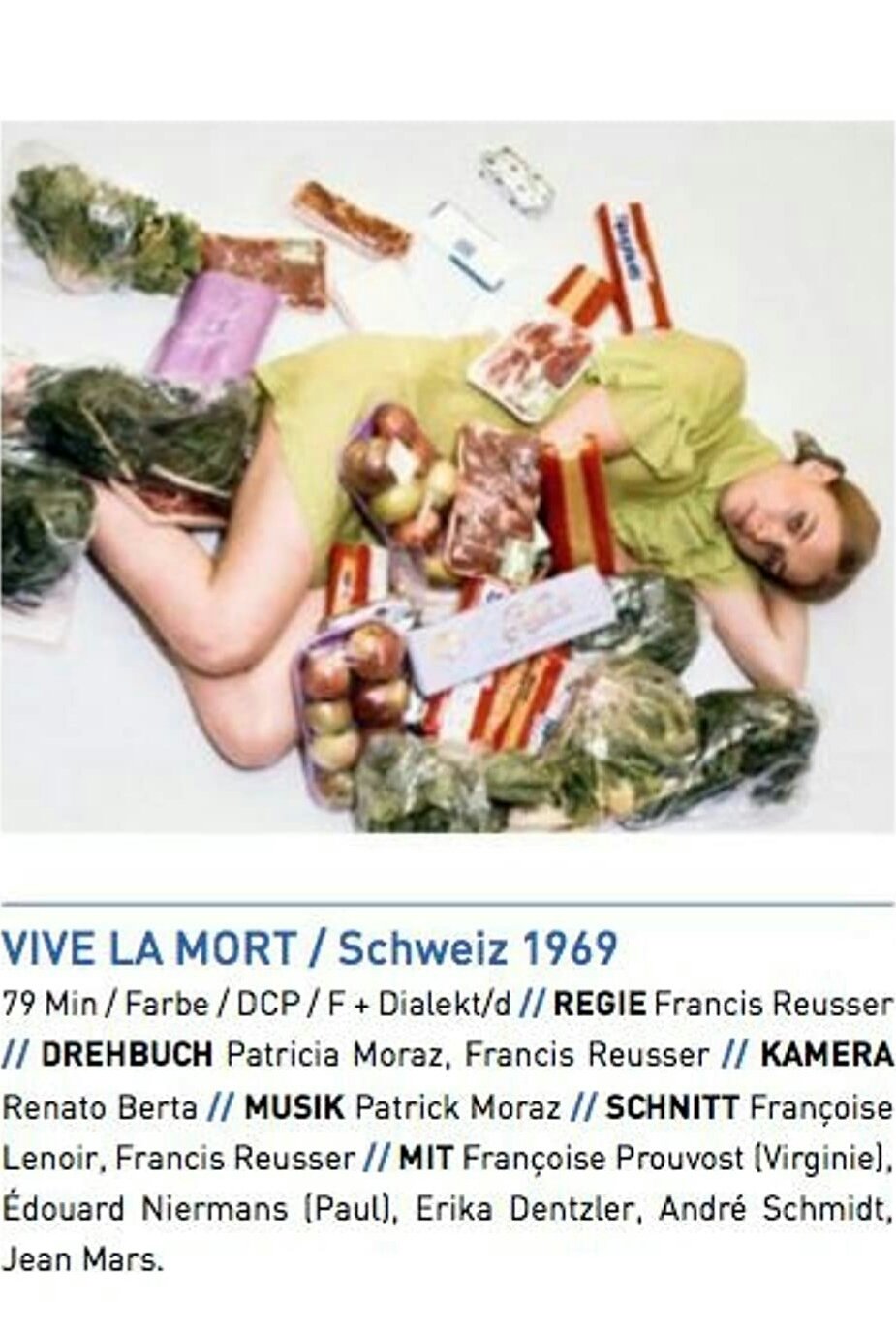 Movie9.0Comedy
In this highly symbolic romp, a young rebel and his girlfriend are on the outs with their conventional parents and are trying to be part of the political movements sweeping Europe, decrying consumerism and boring old things like civic chorales, etc. They run away to the mountains, get bored and hungry, in addition to being harassed by the local authorities, and return to their parents. There, the young man commits an act of murder and symbolically showers his girlfriend in expensive doo-dads.
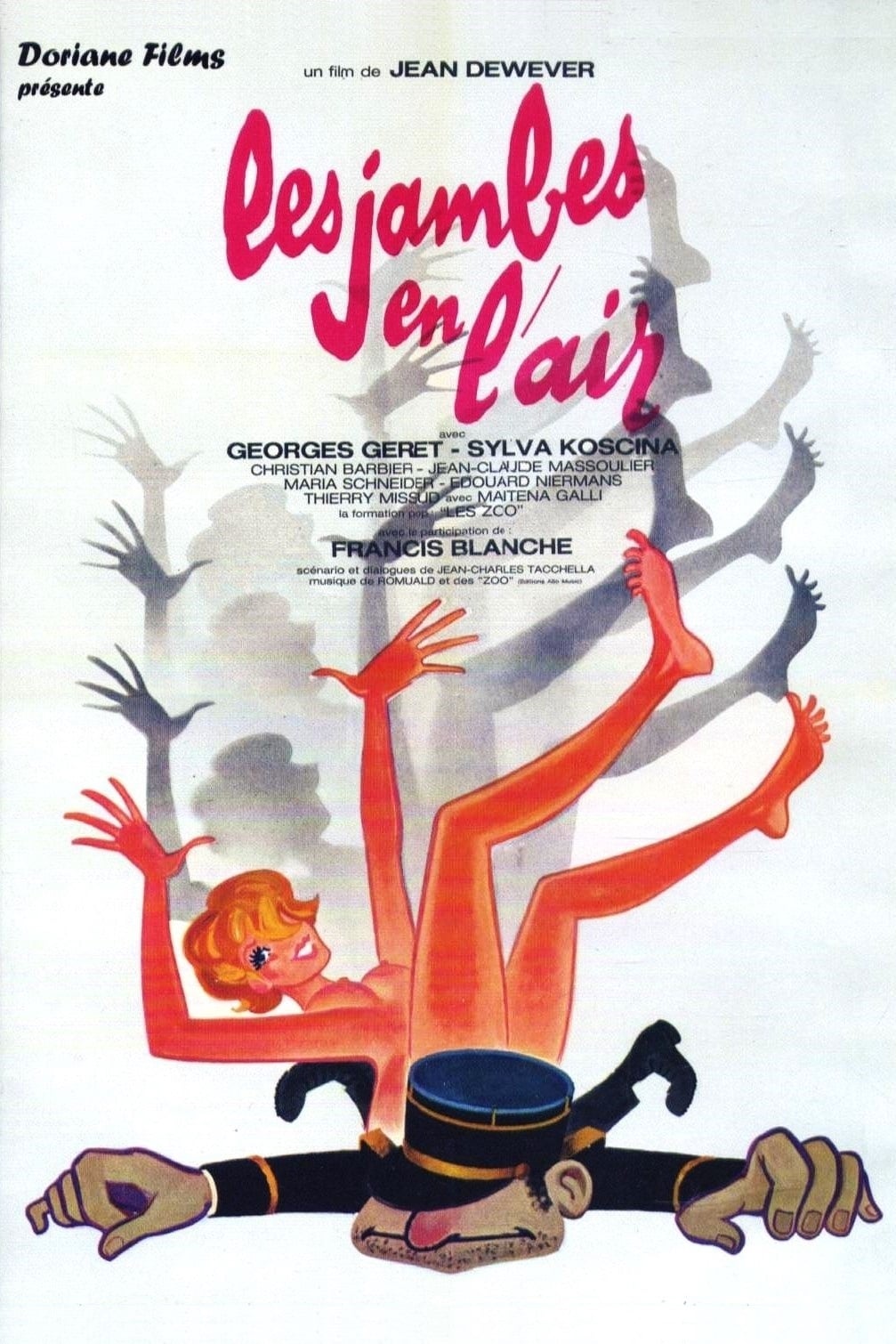 Movie4.5Comedy
Story of a marginal couple, César and Favouille, who set out to find their youngest daughter, who run away from home.
Les Jambes en l'air
1971 · 6 votes
Series1
 TV9.5ComedyDrama
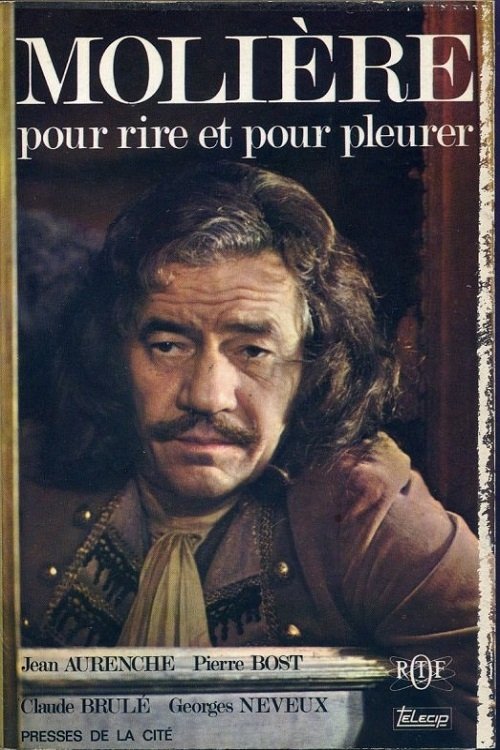
Molière pour rire et pour pleurer recounts the life of Jean‑Baptiste Poquelin, from his childhood in an artisan family to his rise as Molière, a central figure of French theatre. The series shows his difficult decision to abandon the family trade and join Madeleine Béjart to found L’Illustre Théâtre, marked by debts and repeated setbacks. While touring the provinces, he shapes his style and discovers the power of comedy. Back in Paris, he makes a name for himself with Les Précieuses ridicules, but his sharp satires provoke fierce opposition, especially during the Tartuffe scandal. Supported by Louis XIV, he continues despite attacks, literary rivalries, and tensions within his troupe, particularly with Armande Béjart. The miniseries also follows his growing exhaustion, his determination to perform at any cost, and his final breath after Le Malade imaginaire, the ultimate symbol of an artist who lived — and died — for the stage.
Molière pour rire et pour pleurer
1973 · 2 votes