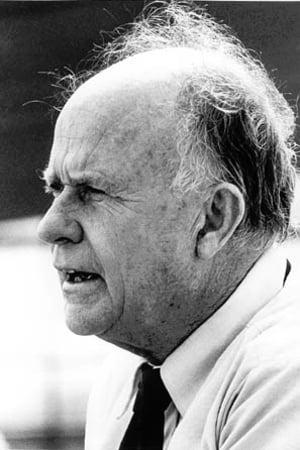
Jean Rouch
Director · 1917 – 2004 · Paris, France
Jean Rouch (French: [ʁuʃ]; 31 May 1917, Paris – 18 February 2004, Niger) was a French filmmaker and anthropologist. He is considered to be one of the founders of cinéma-vérité in France, which shared the aesthetics of the direct cinema. Rouch's practice as a filmmaker for over sixty years in Africa, was characterized by the idea of shared anthropology. Influenced by his discovery of surrealism in his early twenties, many of his films blur the line between fiction and documentary, creating a new style of ethnofiction. He was also hailed by the French New Wave as one of theirs. His seminal film Me a Black (Moi, un noir) pioneered the technique of jump cut popularized by Jean-Luc Godard. Godard said of Rouch in the Cahiers du Cinéma (Notebooks on Cinema) n°94 April 1959, "In charge of research for the Musée de l'Homme (French, "Museum of Man") Is there a better definition for a filmmaker?" Along his career, Rouch was no stranger to controversy.
Movies19
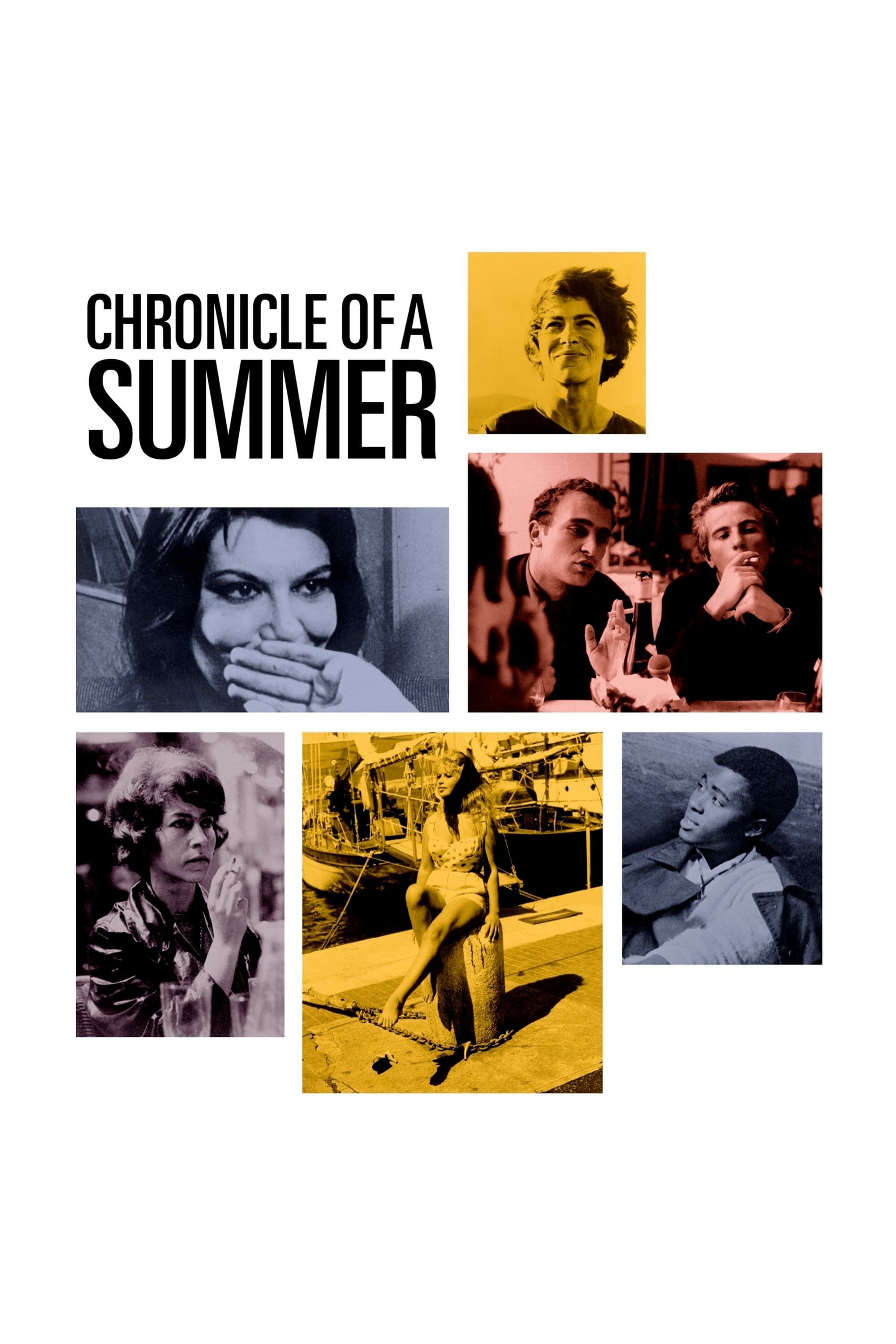 Movie7.2Documentary
Paris, summer 1960. Anthropologist and filmmaker Jean Rouch and sociologist and film critic Edgar Morin wander through the crowded streets asking passersby how they cope with life's misfortunes.
- MovieDocumentary
Three pioneers of documentary filmmaking – Joris Ivens, Henri Storck, and the man behind the camera, Jean Rouch – recall the early days of the documentary genre and speak about their creative methods and sources of inspiration. This lively discussion between the directors is shot in cinéma vérité style and spliced with footage from their older films.
Ciné-mafia
1980
 Movie5.1ComedyDrama
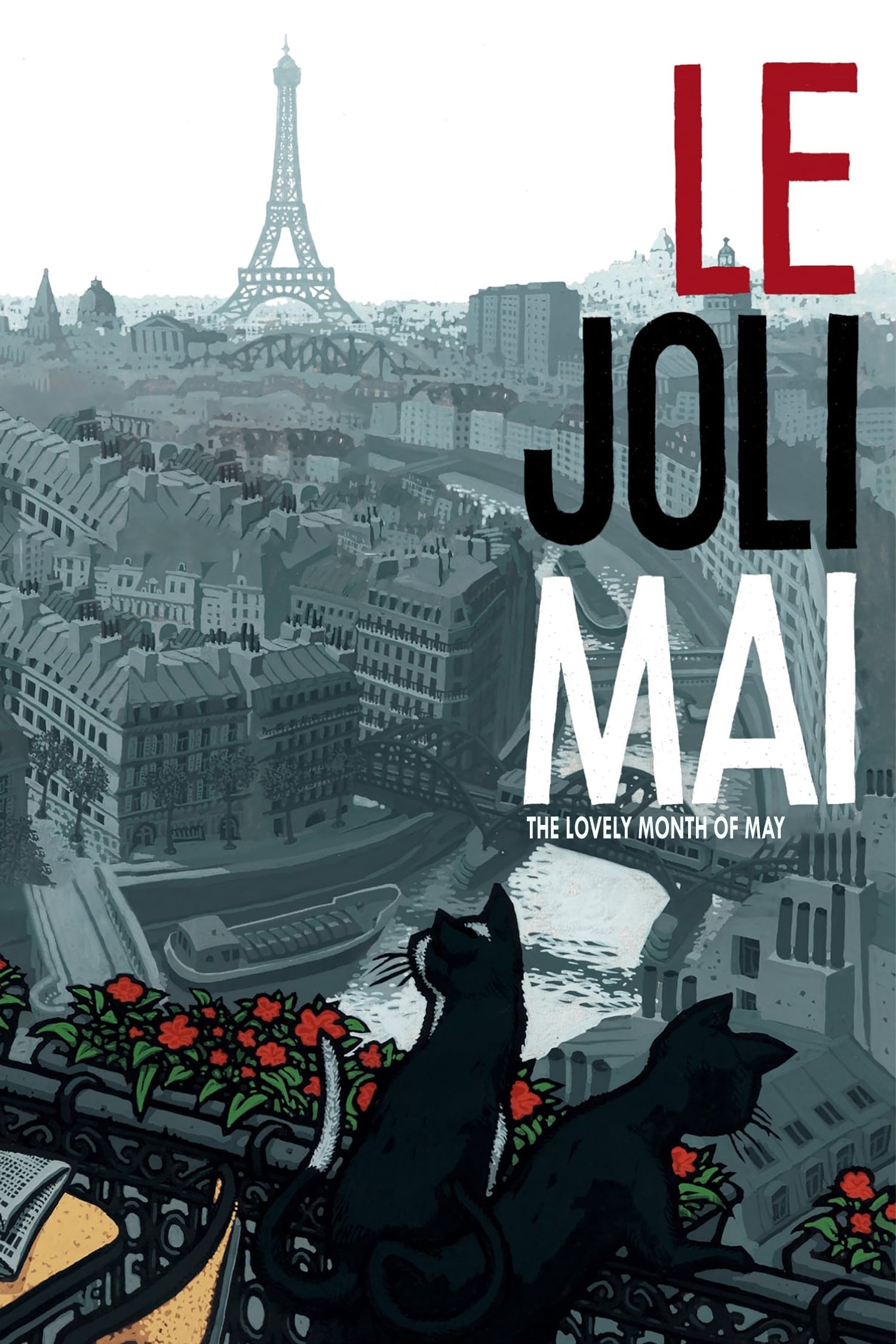
You're a provincial kid in Paris and suddenly you're the center of attention: Movie stars, famous directors and sexy women are doting on you because they all think you're the son of their long-dead legendary friend. You never knew your dad, but the facts of this famous guy's life suggest that he might have fathered you. Your mom tells you nothing. All the fuss makes you uncomfortable at first but soon you find it's rather fun to be the son of the famous Gascogne. And in the midst of it all you fall in love. It is, after all, springtime in Paris.
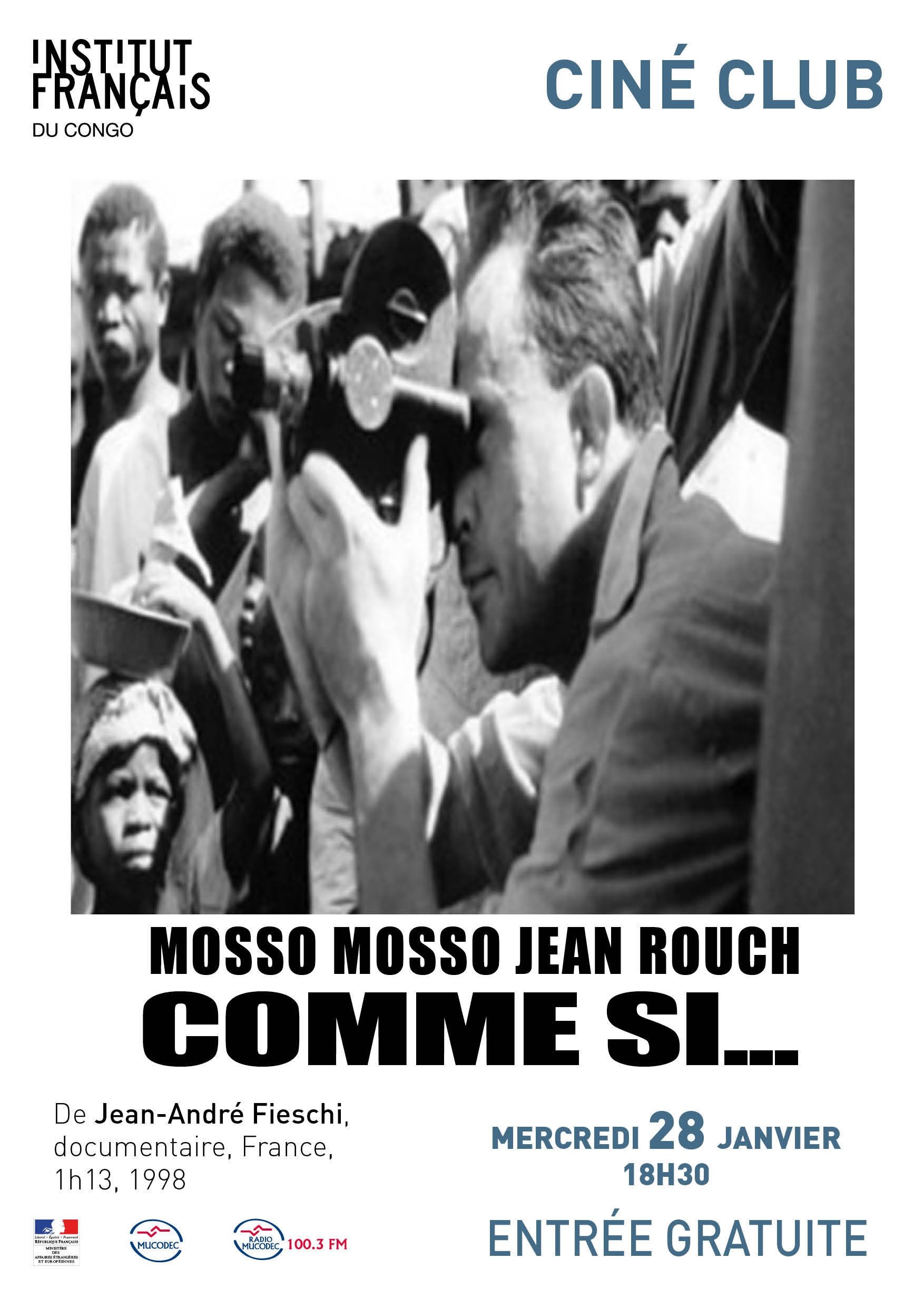 Movie6.0Documentary
 Movie8.0Documentary
Candid interviews of ordinary people on the meaning of happiness, an often amorphous and inarticulable notion that evokes more basic and fundamentally egalitarian ideals of self-betterment, prosperity, tolerance, economic opportunity, and freedom.
 Movie4.9Documentary
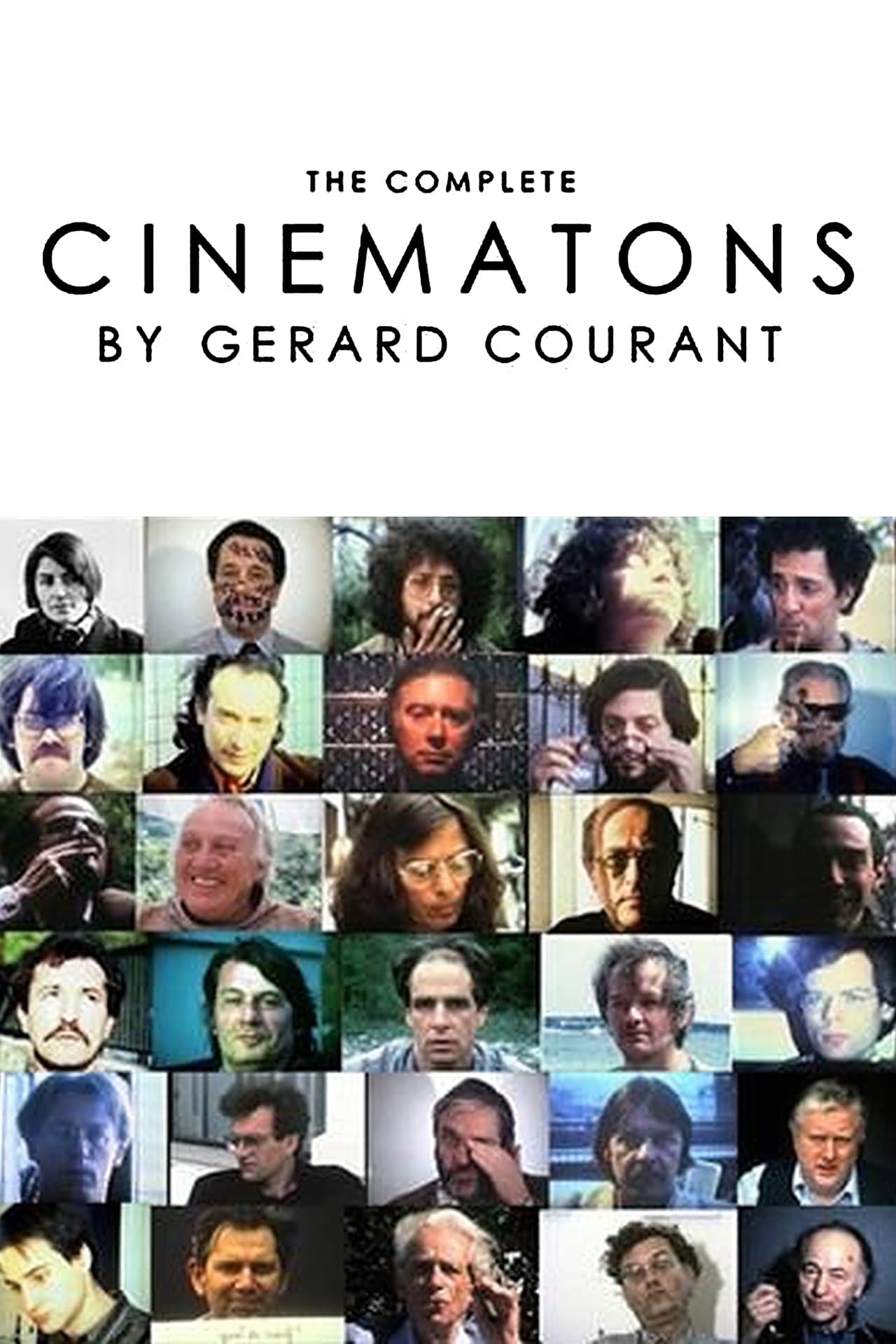
Cinématon is a 156-hour long experimental film by French director Gérard Courant. It was the longest film ever released until 2011. Composed over 36 years from 1978 until 2006, it consists of a series of over 2,821 silent vignettes (cinématons), each 3 minutes and 25 seconds long, of various celebrities, artists, journalists and friends of the director, each doing whatever they want for the allotted time. Subjects of the film include directors Barbet Schroeder, Nagisa Oshima, Volker Schlöndorff, Ken Loach, Benjamin Cuq, Youssef Chahine, Wim Wenders, Joseph Losey, Jean-Luc Godard, Samuel Fuller and Terry Gilliam, chess grandmaster Joël Lautier, and actors Roberto Benigni, Stéphane Audran, Julie Delpy and Lesley Chatterley. Gilliam is featured eating a 100-franc note, while Fuller smokes a cigar. Courant's favourite subject was a 7-month-old baby. The film was screened in its then-entirety in Avignon in November 2009 and was screened in Redondo Beach, CA on April 9, 2010.
Cinématon
1978 · 7 votes
- Movie3.3DocumentaryTV Movie
An intimate window into one of the great movements in film history that brought about an evolution in the art of cinema. The documentary portrays the movement with insight on the lives and works of Jean-Luc Godard, François Truffaut and other principal players in the New Wave.
Cinéma! Cinéma! The French New Wave
1992 · 3 votes
 Movie6.2Documentary
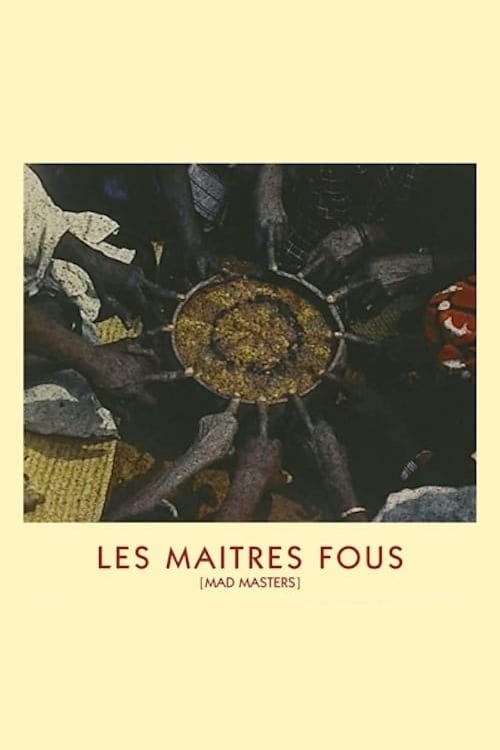
The subject of the film was the Hauka movement. The Hauka movement consisted of mimicry and dancing to become possessed by French Colonial administrators. The participants performed the same elaborate military ceremonies of their colonial occupiers, but in more of a trance than true recreation.
 Movie3.2Documentary
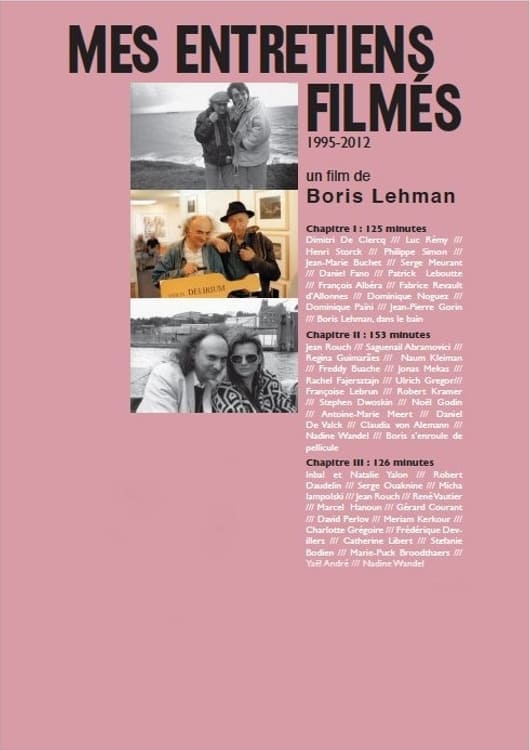
This distinctly personal journey into the artistic possibilities of independent film is not to be missed. Jonas Mekas, Jean-Pierre Gorin, Robert Kramer and many other visionaries and mavericks of the silver screen – as well as a book seller, a critic and a psychoanalyst – discuss what cinema has meant to them, what it is and what it could be and, implicitly, how it has changed over the 18 years in which this film was shot. Director Boris Lehman leads the charge, drawing in moments of absurdist humour and inventive camera work; he keeps things raw and spontaneous. His encounters with the now much-missed Jean Rouch and Stephen Dwoskin are particularly touching and stand testament to their personal playfulness and candour. An engaging, absorbing, epic odyssey of a movie.
 Movie5.5Animation
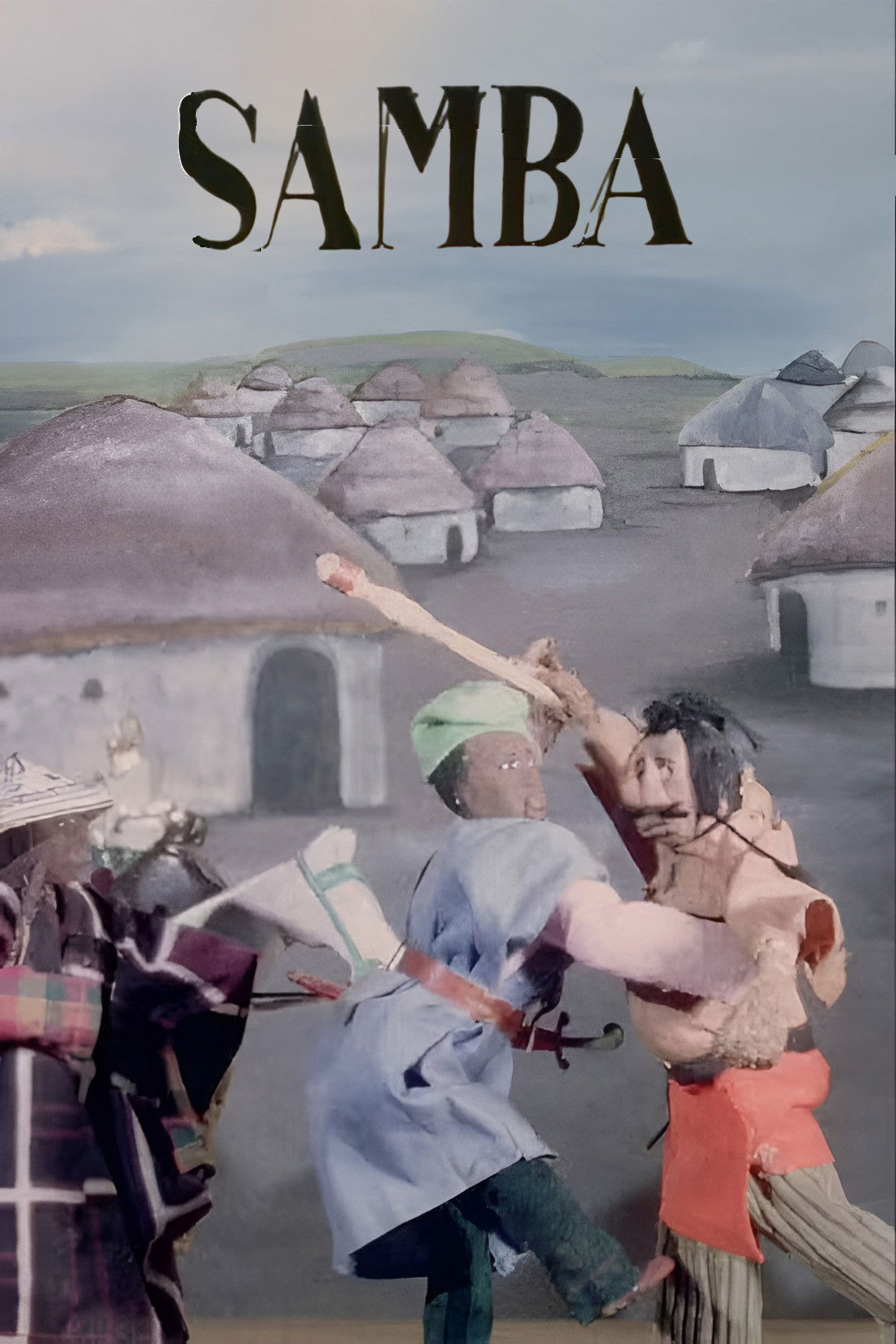
Based on a traditional folktale, this animated film follows the hero Sambagana, who must complete a succession of arduous trials in order to make a princess laugh and earn her consent to marriage. Combining drawn animation and stop-motion puppetry, the film retells the legend through a stylized, episodic quest narrative.
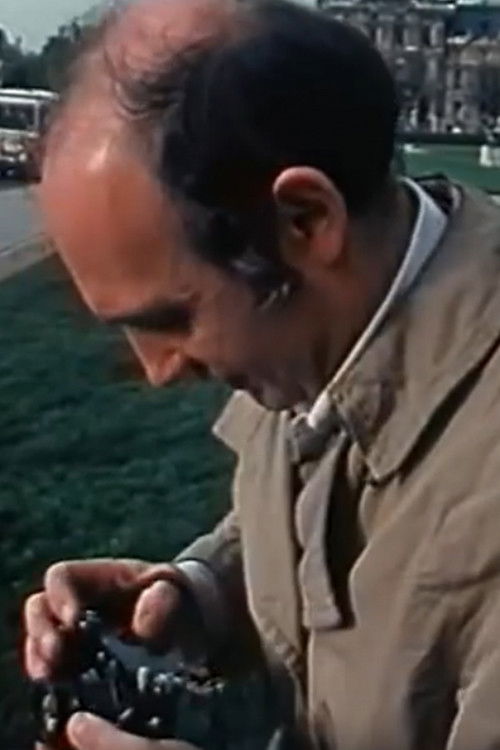 Movie9.0Documentary
A fortuitous meeting, late one afternoon, in the garden of the Tuileries, of one or two cameras, a tape recorder, and three cameramen/directors, Raymond Depardon, Jean Rouch, and Philippe Costantini.
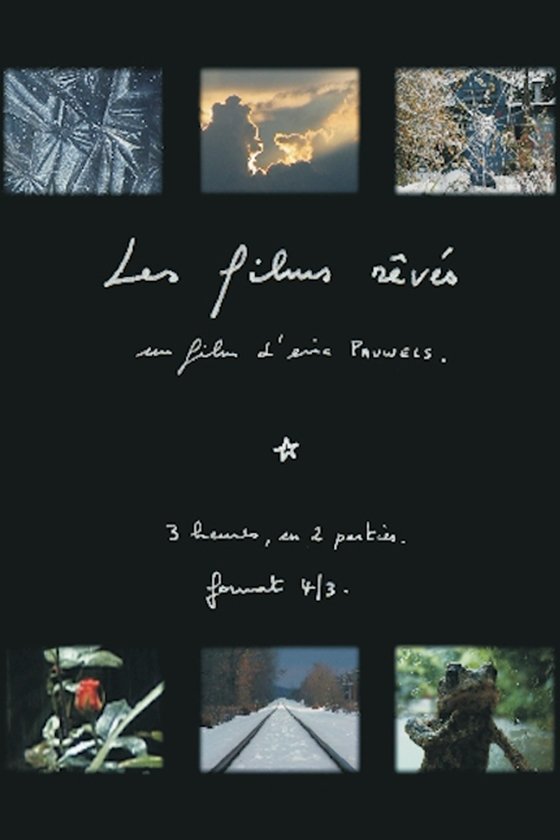 Movie7.3Documentary
Belgian filmmaker Eric Pauwels' meditation on dream, travel and film.
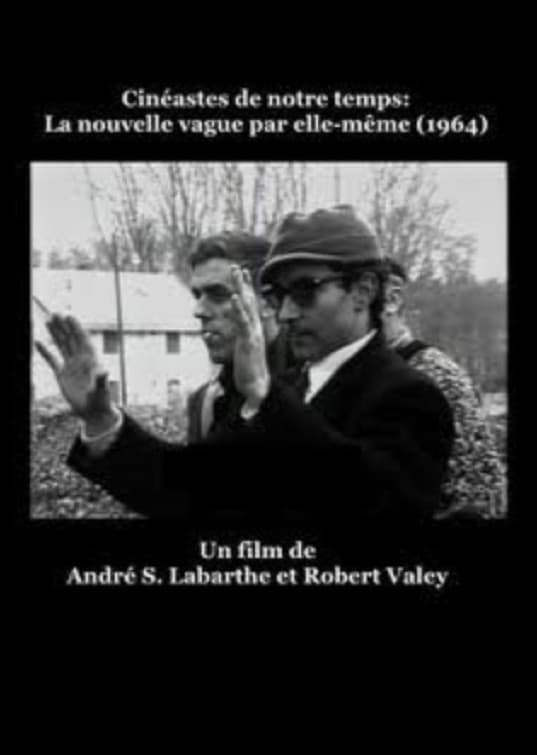 Movie8.0Documentary
Made for Cinéastes de notre temps series. In 1964, several French New Wave auteurs discuss the success and crisis of the wave. Featuring Claude Chabrol, François Truffaut, Jacques Rivette, Jean-Luc Godard, Jacques Rozier, Jacques Demy, Agnès Varda, Jean Rouch, and many others.
La Nouvelle Vague par elle-même
1964 · 2 votes
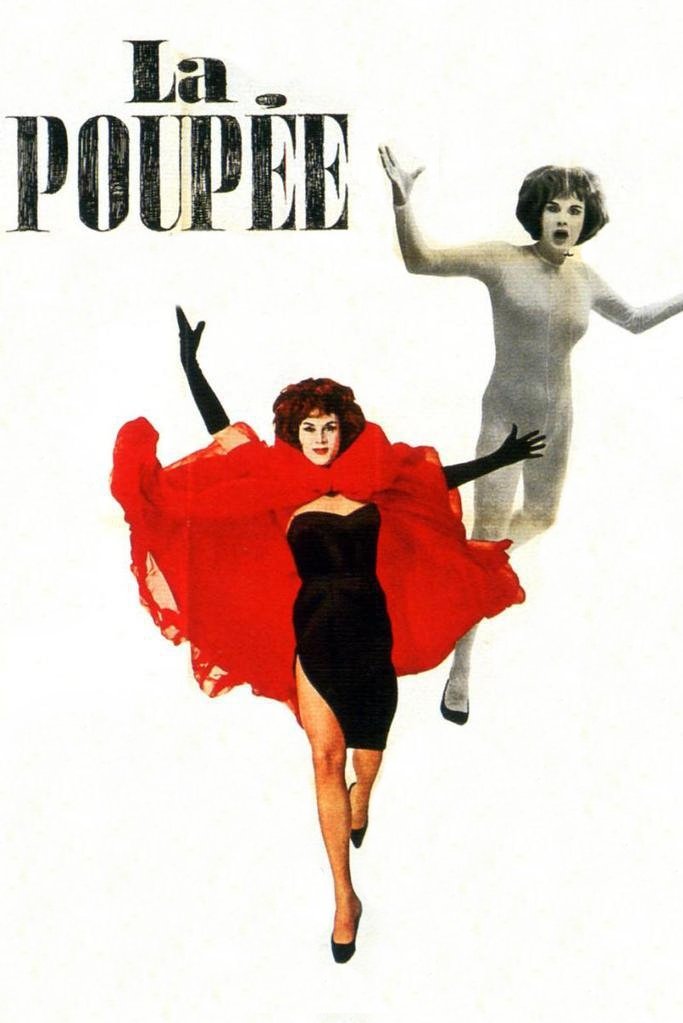 Movie5.5ComedyScience Fiction
An avant-garde political satire that takes place in a mythical country in South America. The dictator has been replaced by a look-alike revolutionary, and the dictator's wife has been replaced by a robot.
 Movie9.0Documentary
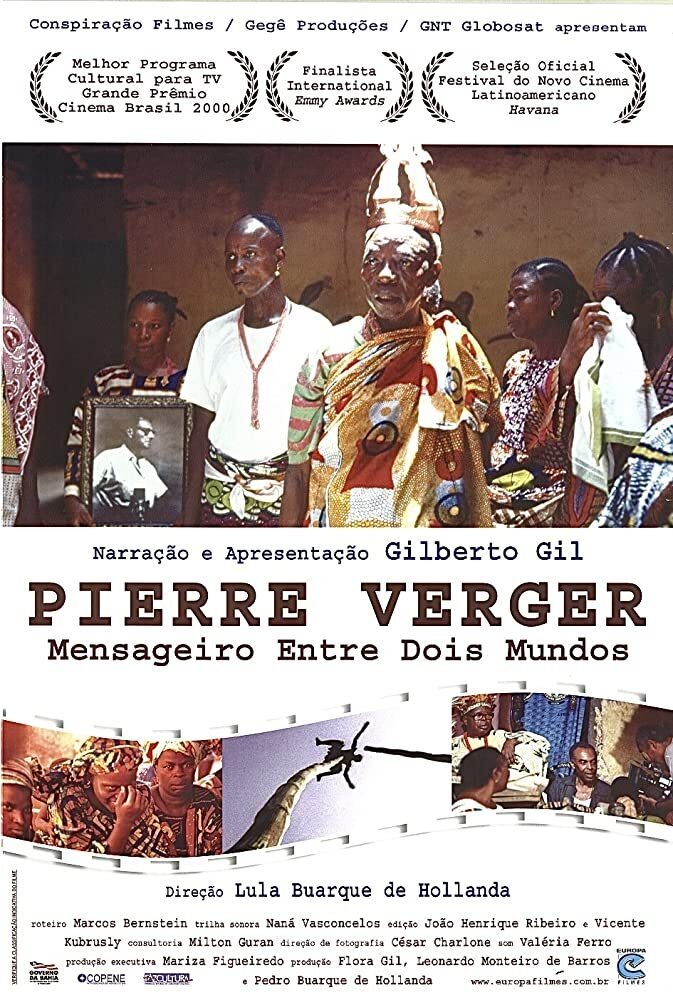
Inspired by the life of the french-born photographer and ethnographer, Pierre Verger, the movie follows his journey between Bahia, Brazil and Benin, Oriental Africa, showing places and people he met and his life study project: the Candomblé culture.
Pierre Verger: Mensageiro Entre Dois Mundos
Pierre Fatumbi Verger: Messenger Between Two Worlds
1998 · 1 votes
 Movie7.0
Malian filmmaker and New York University professor, Manthia Diawara critiques visual anthropology through the work of Jean Rouch.
Rouch in Reverse
1995 · 1 votes
 MovieTV MovieDocumentary
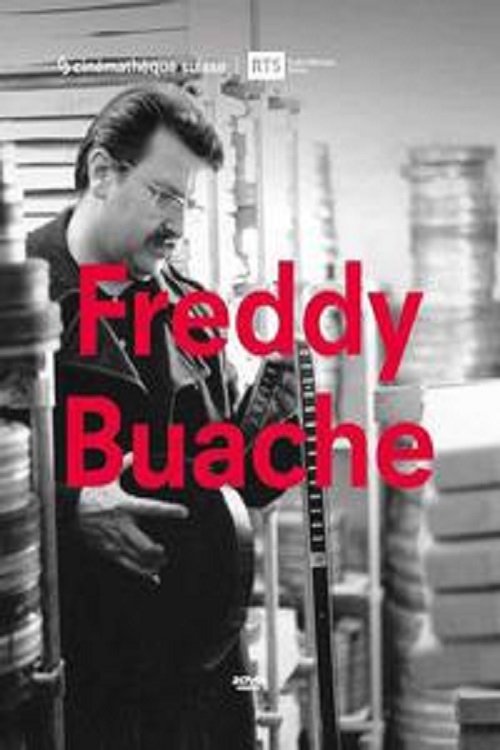
A documentary film in which Fabrice Aragno assembles a range of footage from the archives of Radio Télévision Suisse, the Cinémathèque suisse and Cinéma en tête by Freddy Buache’s partner Marie-Magdeleine Brumagne.
- Movie5.0DocumentaryHistory
This documentary interweaves films and voice recordings by Maya Deren with interviews featuring colleagues and contemporaries who worked with or knew her firsthand. Drawing on archival material and commentary from figures such as Jean Rouch and Jonas Mekas, the film traces Deren’s work and influence across experimental cinema and ethnographic thought.
Maya Deren, Take Zero
2012 · 1 votes
 MovieDocumentary
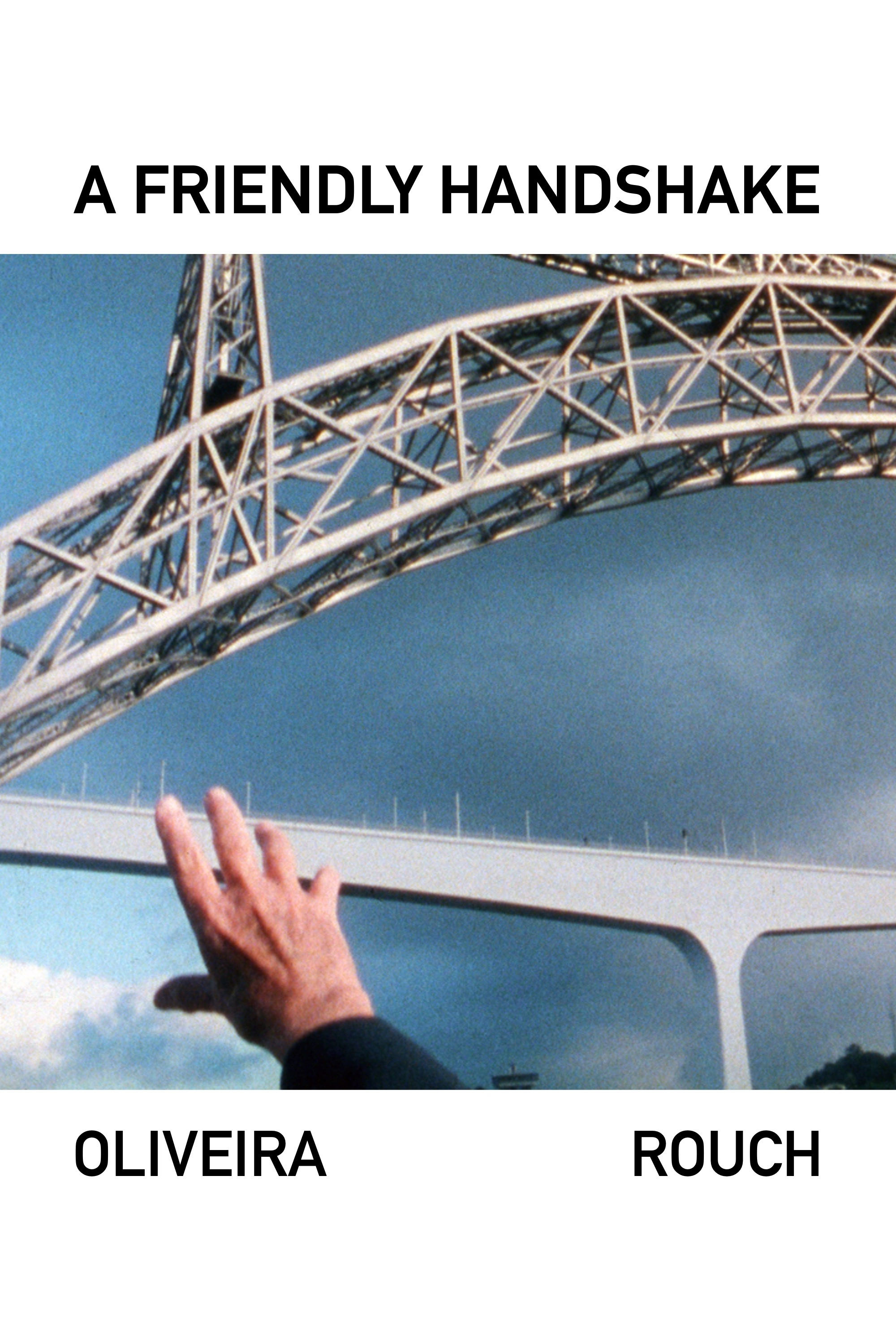
From the bridges of Porto to its estuary, two men are paying tribute to the elegant Douro River. Through Luís de Camões and Prince Henry the Navigator, through its Viking ships and dizzying bridges, the Douro is a great witness to the history and culture of Portugal. Jean Rouch and Manoel de Oliveira are walking alongside while reciting a poem written by de Oliveira himself. During their walk, they reflect upon documentary-making, the charm of the river, and what it represents to them.
Series1
- TV6.0Talk Show
Samedi soir
1971 · 1 votes