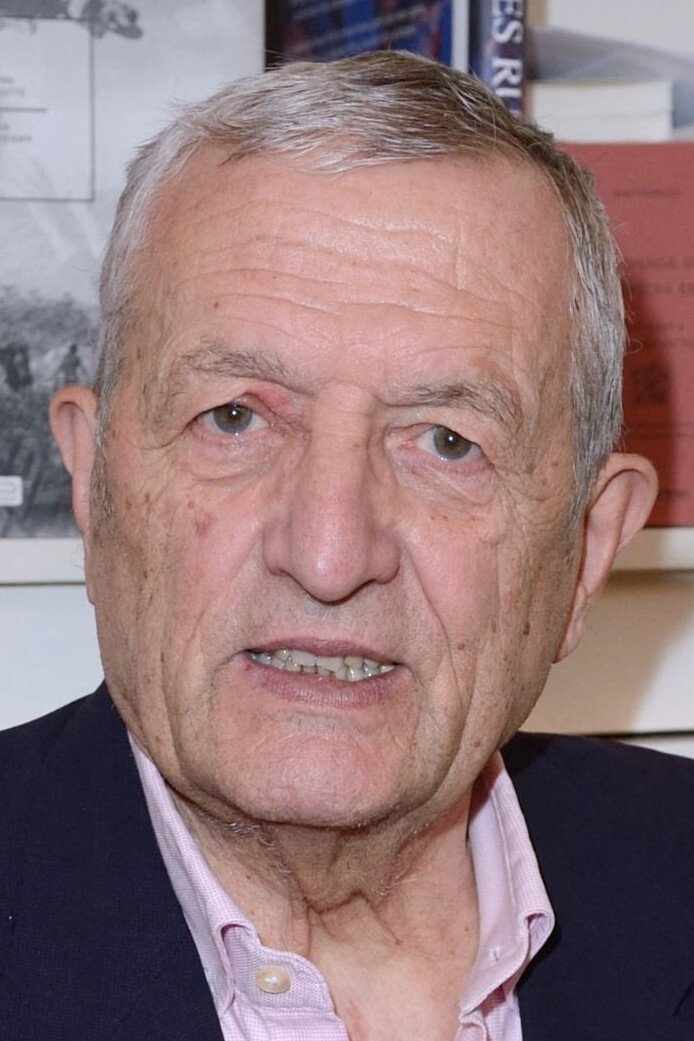
François Léotard
Actor · 1942 – 2023 · Cannes, Alpes-Maritimes, France
François Gérard Marie Léotard (26 March 1942 – 25 April 2023) was a French politician. Singer and actor Philippe Léotard was his brother. A member of the Republican Party, the liberal-conservative component of the Union for French Democracy (UDF), he appeared in the foreground of the political scene in the 1980s. He led a new generation of right-wing politicians, the "renovationmen", who opposed the old right-wing leaders Jacques Chirac and Valéry Giscard d'Estaing. In 1981, he was selected to be one of the first Young Leaders of the French-American Foundation. His political career started with being elected as the mayor of Fréjus in 1977. He served two terms as the deputy of Var. As culture minister from 1986 to 1988,[3] he sold the main public TV channel TF1. He returned to the French cabinet as defense minister, from 1993 to 1995. Supporting the candidacy of Edouard Balladur in the 1995 presidential election, he was dismissed after Chirac's election. Elected president of the UDF in 1996, he could not prevent the split of this confederation two years later with Alain Madelin's secession. This and the party's poor showing in the 1998 regional elections prompted his resignation. After a mission in Macedonia in 2001 as representative of the European Union, he retired from politics. In 2003, he created together with other prominent European personalities the Medbridge Strategy Center, whose goal is to promote dialogue and mutual understanding between Europe and the Middle East. He later authored several books. Léotard died in Fréjus on 25 April 2023, at age 81. Source: Article "François Léotard" from Wikipedia in English, licensed under CC-BY-SA.
Series7
 TV5.7Talk Show
Sacrée soirée
1987 · 5 votes
 TV6.8Talk Show
Champs-Elysées
1982 · 9 votes
 TV3.6Talk Show
Vivement dimanche
1998 · 9 votes
 TV8.5Talk Show
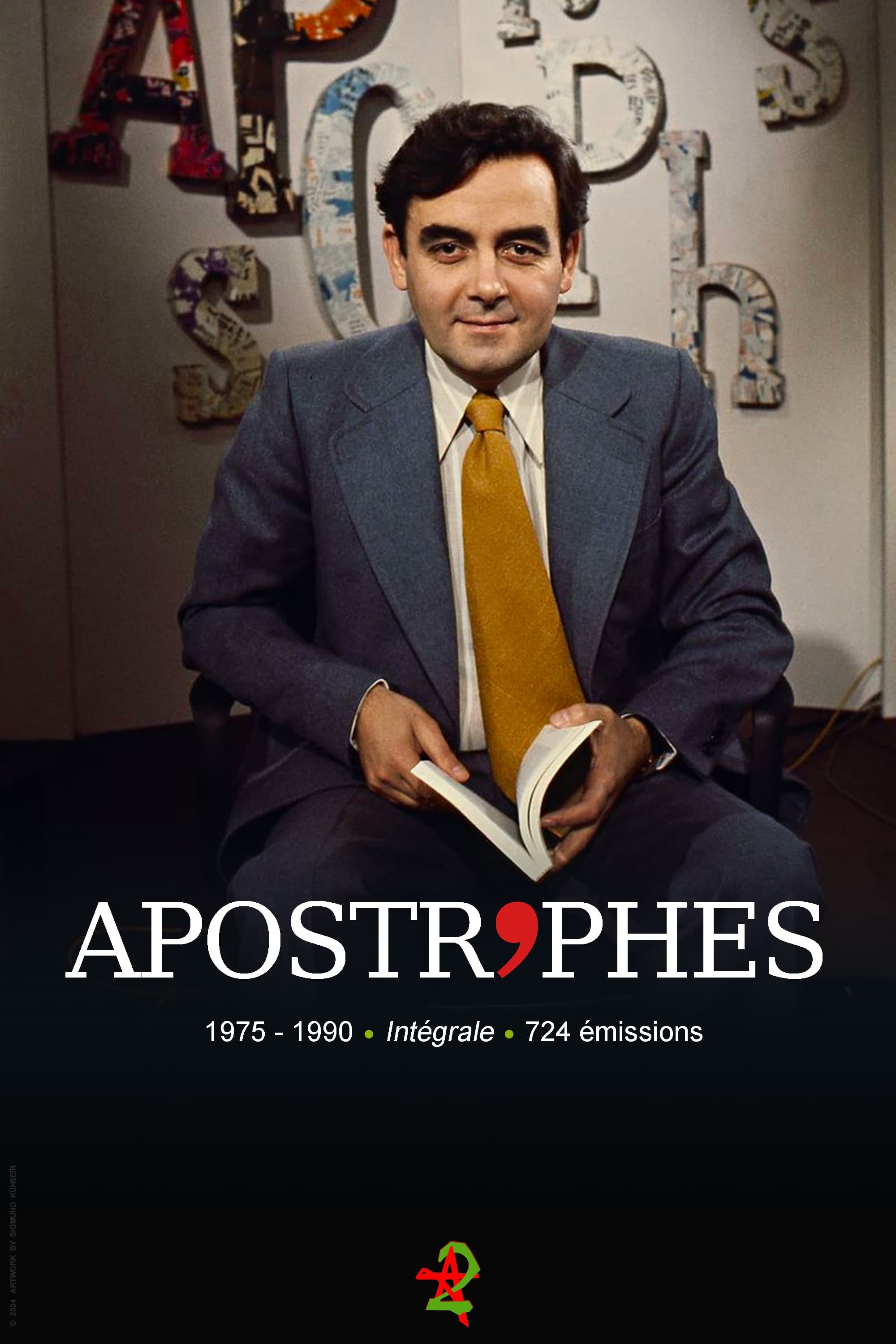
Apostrophes was a live, weekly, literary, prime-time, talk show on French television created and hosted by Bernard Pivot. It ran for fifteen years (724 episodes) from January 10, 1975, to June 22, 1990, and was one of the most watched shows on French television (around 6 million regular viewers). It was broadcast on Friday nights on the channel France 2 (which was called "Antenne 2" from 1975 to 1992). The hourlong show was devoted to books, authors and literature. The format varied between one-on-one interviews with a single author and open discussions between four or five authors.
Apostrophes
1975 · 4 votes
 TV8.0Talk ShowNews
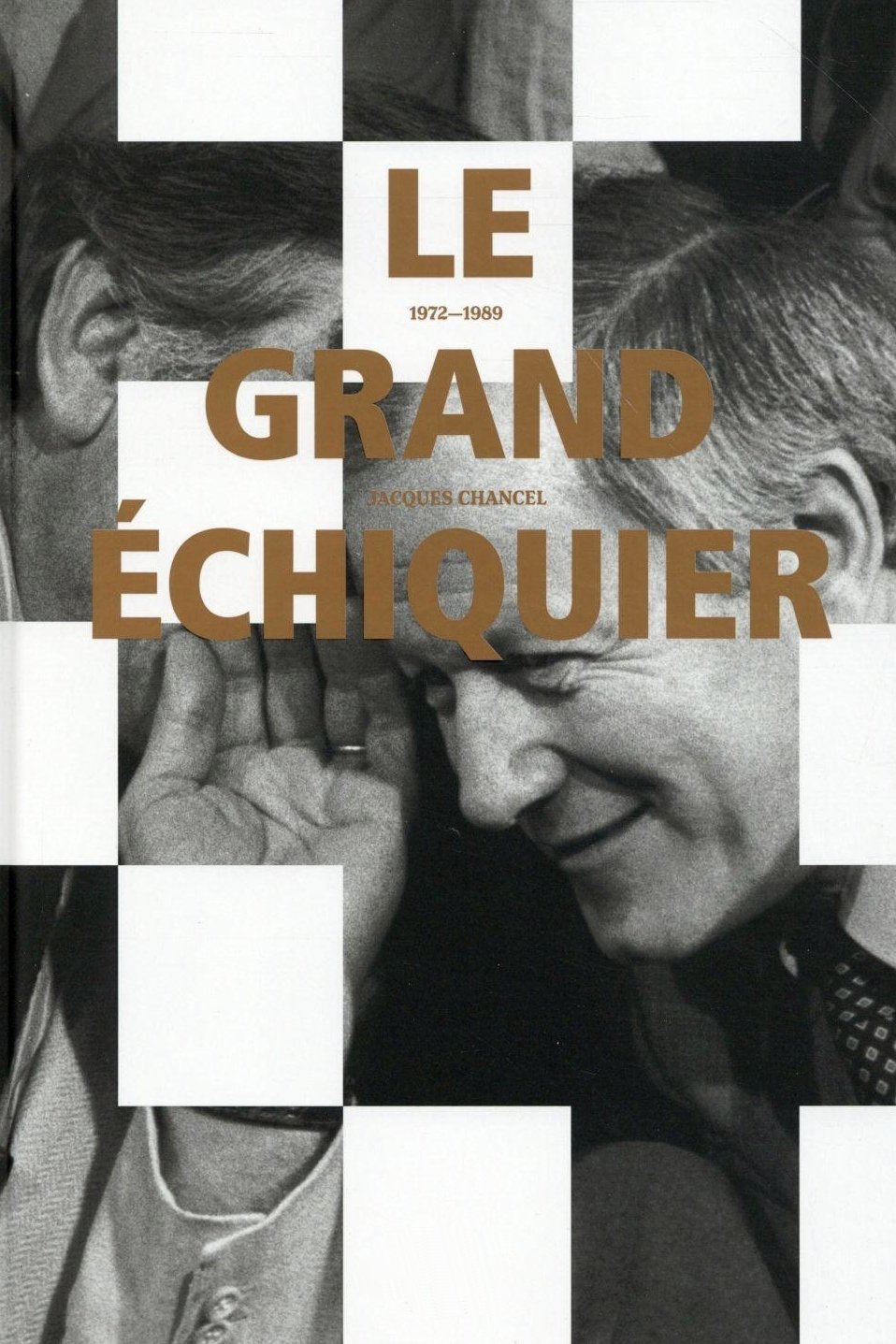
Le Grand Échiquier is a French variety television program created and presented by Jacques Chancel. It aired at 8:30 pm on the first channel of the ORTF from January 12, 1972 to July 12, 1972, then on the second color channel of the ORTF from September 1972 to December 1974, and finally on Antenne 2 from January 1975 to December 21, 1989. The program returned to France 2 on December 20, 2018 and is hosted by Anne-Sophie Lapix.
Le Grand Échiquier
1972 · 3 votes
 TV3.3
TV3.3Victoires de la musique
1985 · 3 votes
 TV10.0Documentary
The behind-the-scenes story of French television… This documentary unveils the lesser-known history of two audiovisual decades that have shaped today's television. To explain from the break up of the French broadcasting service ORTF, in 1974, to the creation of Arte, via the birth of Canal+, the life and death of La Cinq and the privatization of TF1 — the succession of political, economic and cultural decisions that have shaped what is known as the “PAF” (French Audiovisual Landscape).
Télévision (histoires secrètes)
1996 · 1 votes
Movies3
 Movie7.0Documentary
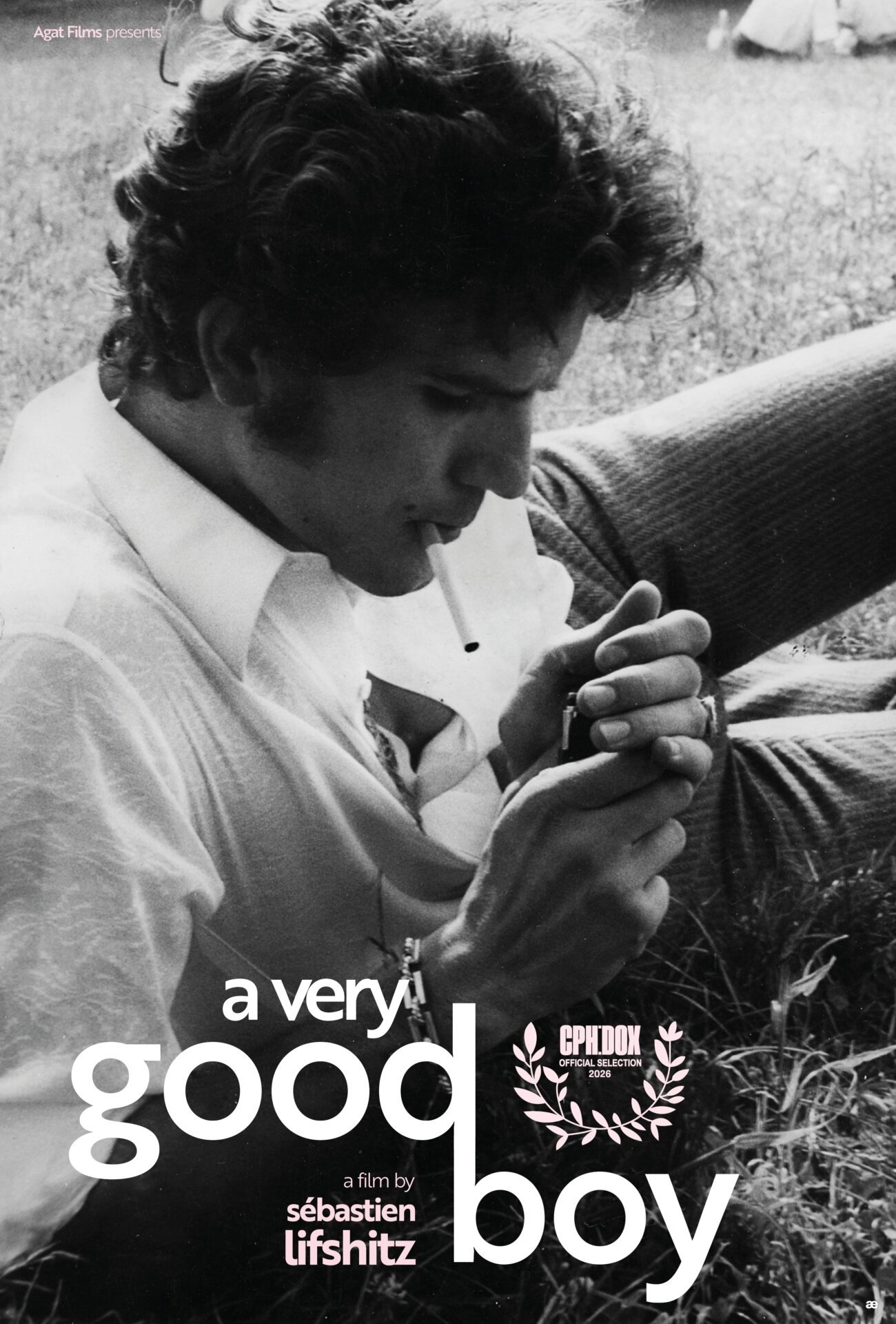
From his childhood in a modest family in the Pyrénées to his unexpected career as a porn actor in the 1970s, the film traces the life of Claude Loir, who set out to fully embrace life. His homosexuality and curiosity guide him through encounters that lead into the shadowy, liberated circles of a pre-AIDS era, caught between conservatism and sexual freedom. Loves and lovers, flamboyance and fragility… the film offers a striking portrait of a fearless, hedonistic man navigating desire, identity, and society’s constraints.
 Movie7.5Documentary
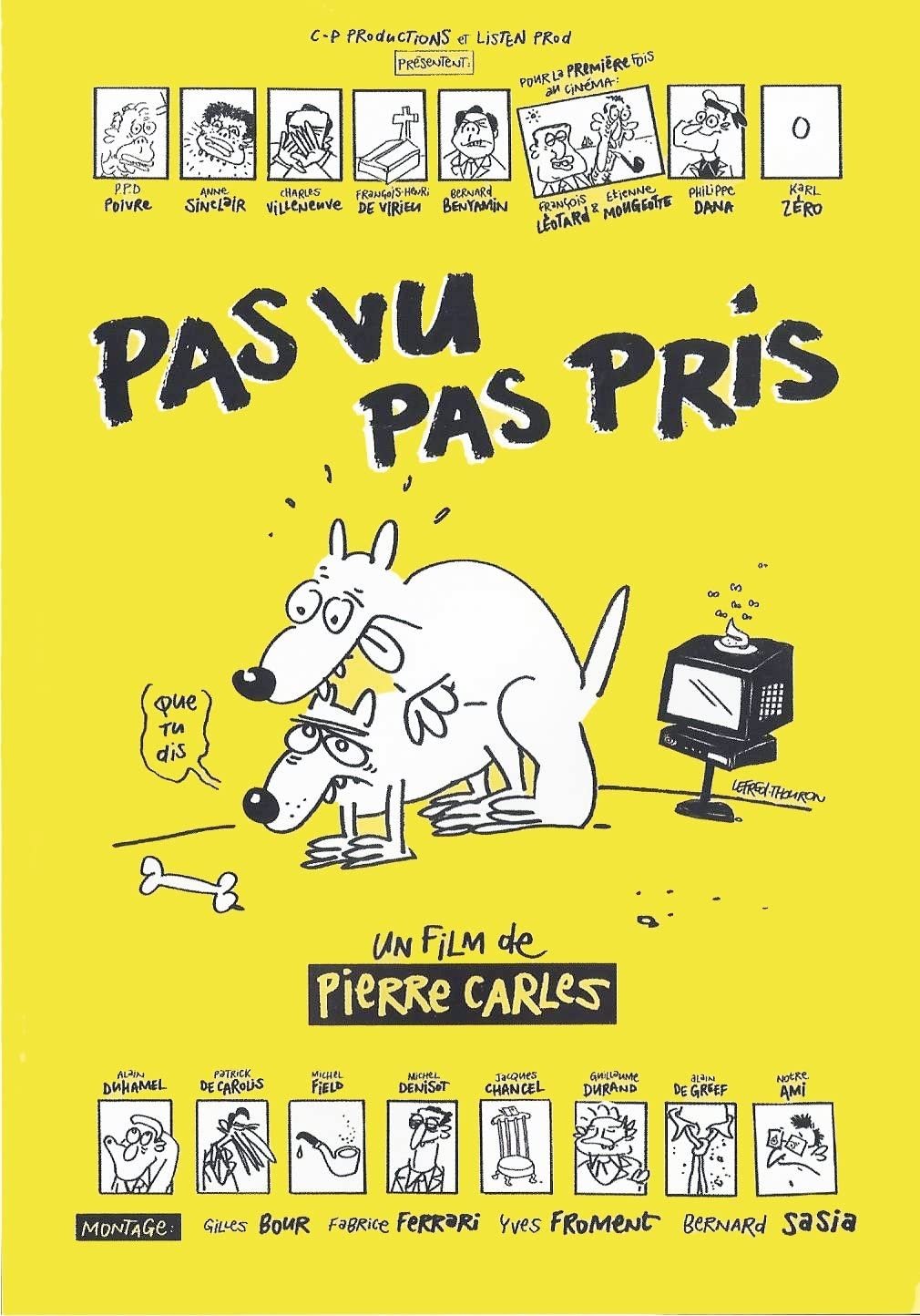
On April 2, 1995, the television channel Canal+ censored the documentary "Pas vu à la télé" (Not Seen on TV), directed by Pierre Carles, which had been commissioned a few weeks earlier by the program director, Alain de Greef. "Pas vu à la télé" was slated to be featured in Canal+'s "TV Day" segment, under the heading "Television, Power, Morality." Carles recounted this censorship in the feature film "Pas vu pas pris" (Not Seen, Not Caught), released in theaters on November 18, 1998. It drew over 160,000 viewers. Eighteen years later, "Pas vu à la télé" remains unaired on French television. As for "Pas vu, pas pris," it has still not been broadcast on French television. However, it has been shown on television in Belgium, Quebec, and Switzerland. Since then, nine billionaires now control more than 80% of the media in France, while eleven of them account for 57% of the television audience.
 Movie7.7DocumentaryTV Movie
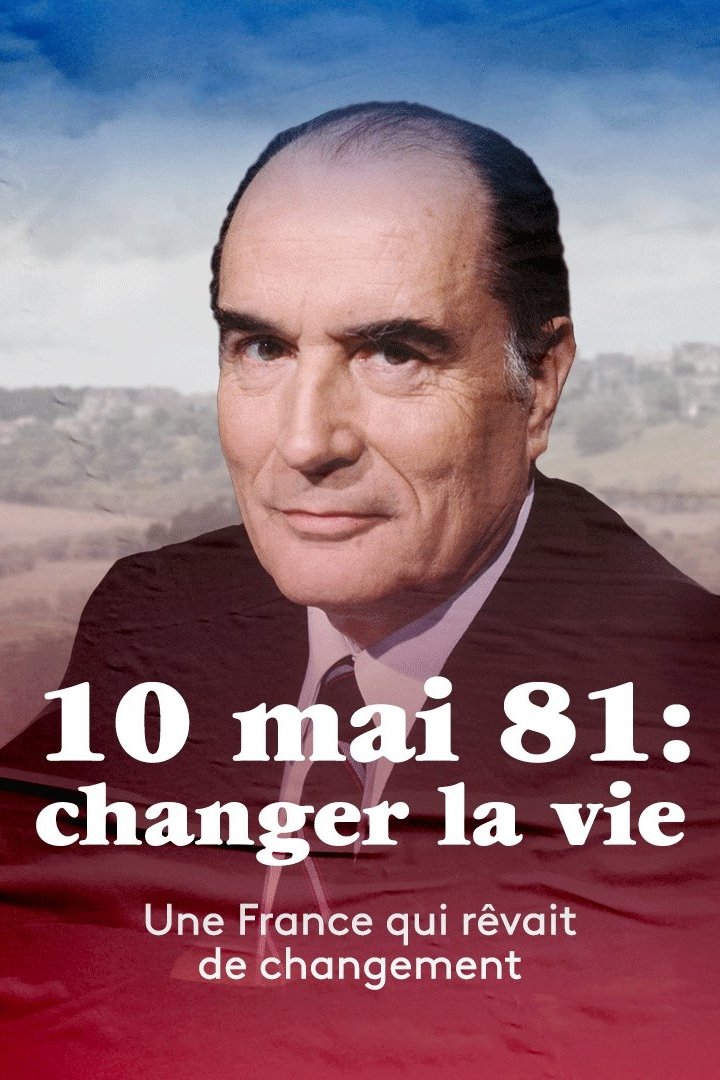
Fourty years ago, in May 1981, with François Mitterrand's election, some people were letting themselves dream about a better life while others were predicting the coming of soviet tanks upon the Champs-Élysées. If we gladly remember the turning point of austerity in 83, there were also the wage rises, the fifth week of paid leave, the abolition of death penalty, the decriminalisation of homosexuality, or the advent of independent radio stations. Rare archives and accounts by those who were at the heart of this story give an overview of it and shed light on lesser-known aspects.
10 mai 1981 : Changer la vie ?
2021 · 3 votes