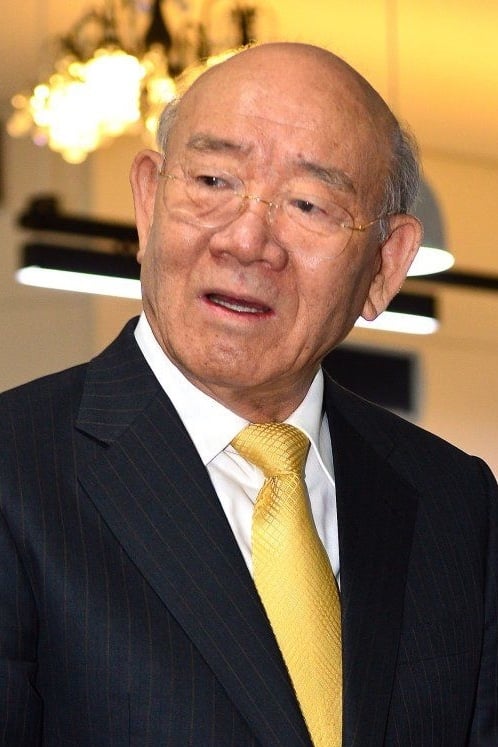
Chun Doo-hwan
Actor · 1931 – 2021 · Hapcheon, South Gyeongsang, South Korea
Movies5
 MovieDocumentary
USA is something like a religious belief in Korean history since the liberation. A powerful essay film is born with archival footages and a compilation of images of the Korean modern society. The right film for a generation who's losing the knowledge of Korean modern history.
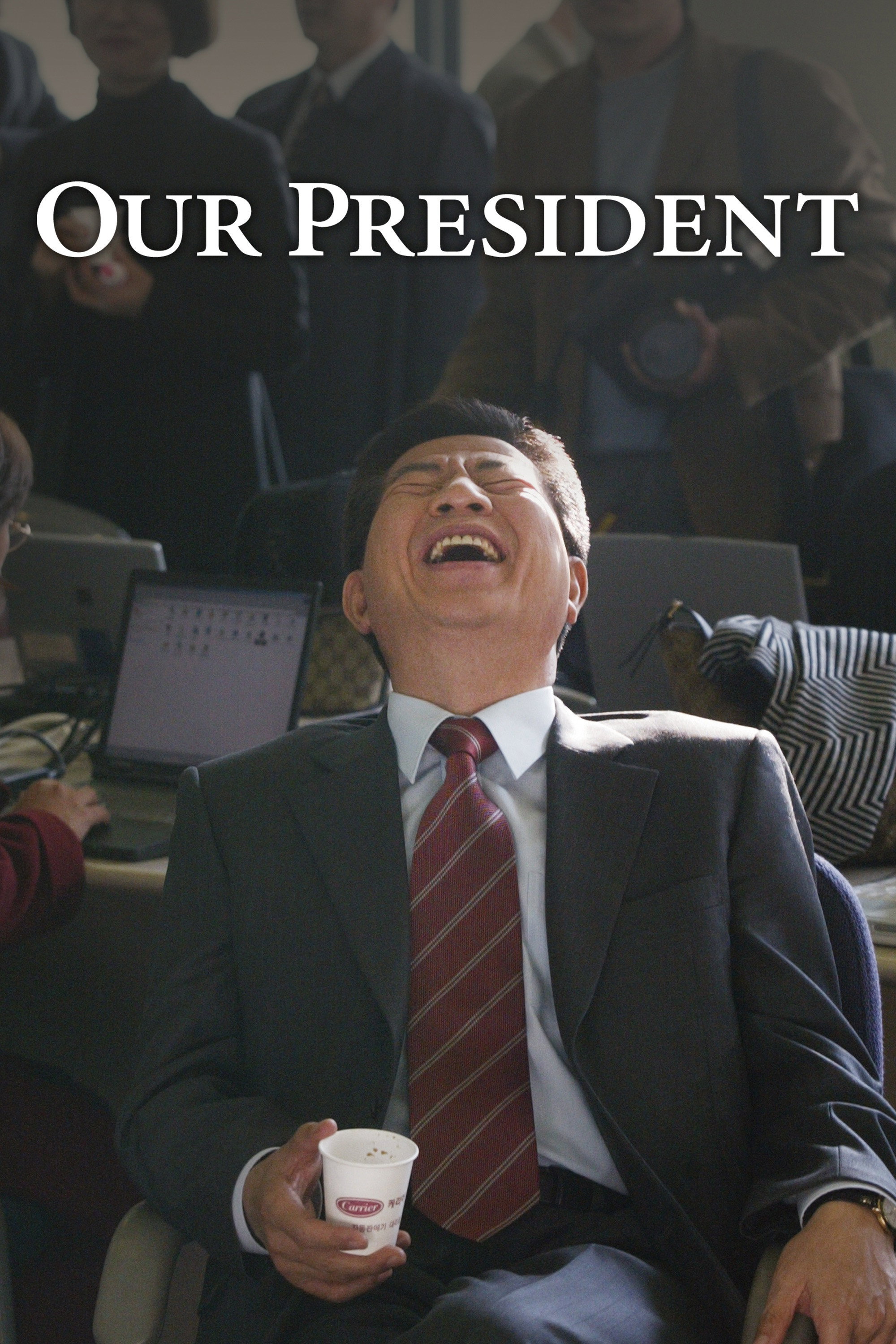 Movie7.9Documentary
In South Korea, 2002, the Democratic Party put the presidential nomination to a plebiscite for the first time. Amongst numerous candidates, the one who brought about the most unexpected result was a fringe candidate named Roh Moo-hyun.
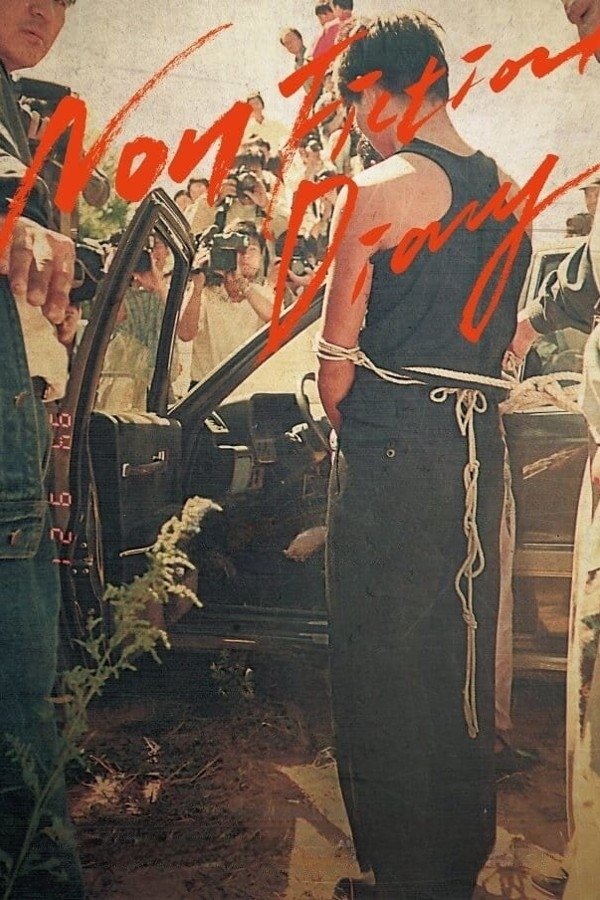 Movie6.0Documentary
What happened in Korean society in the 1990s? The film starts with the Jijon-pa (Supreme Gangsters) case. The shocking story is narrated through the discussion by the two detectives who arrested the gangsters, of details of the roundup, data screens, and the death sentence. Nevertheless, Nonfiction Diary’s focus is not on the crime story. Starting from Jijon-pa onwards, the film reflects on the 1990s, when Korea digressed into contemporary history. The Seongsu Bridge and the Sampoong Department Store’s collapses are recalled, followed by the then-government’s punishment of the May 18 Uprising leaders, revealing the Korean legal system’s death penalty status, touching on political and power issues. The audience is reminded that today, 2013, is an extension of that same flow.
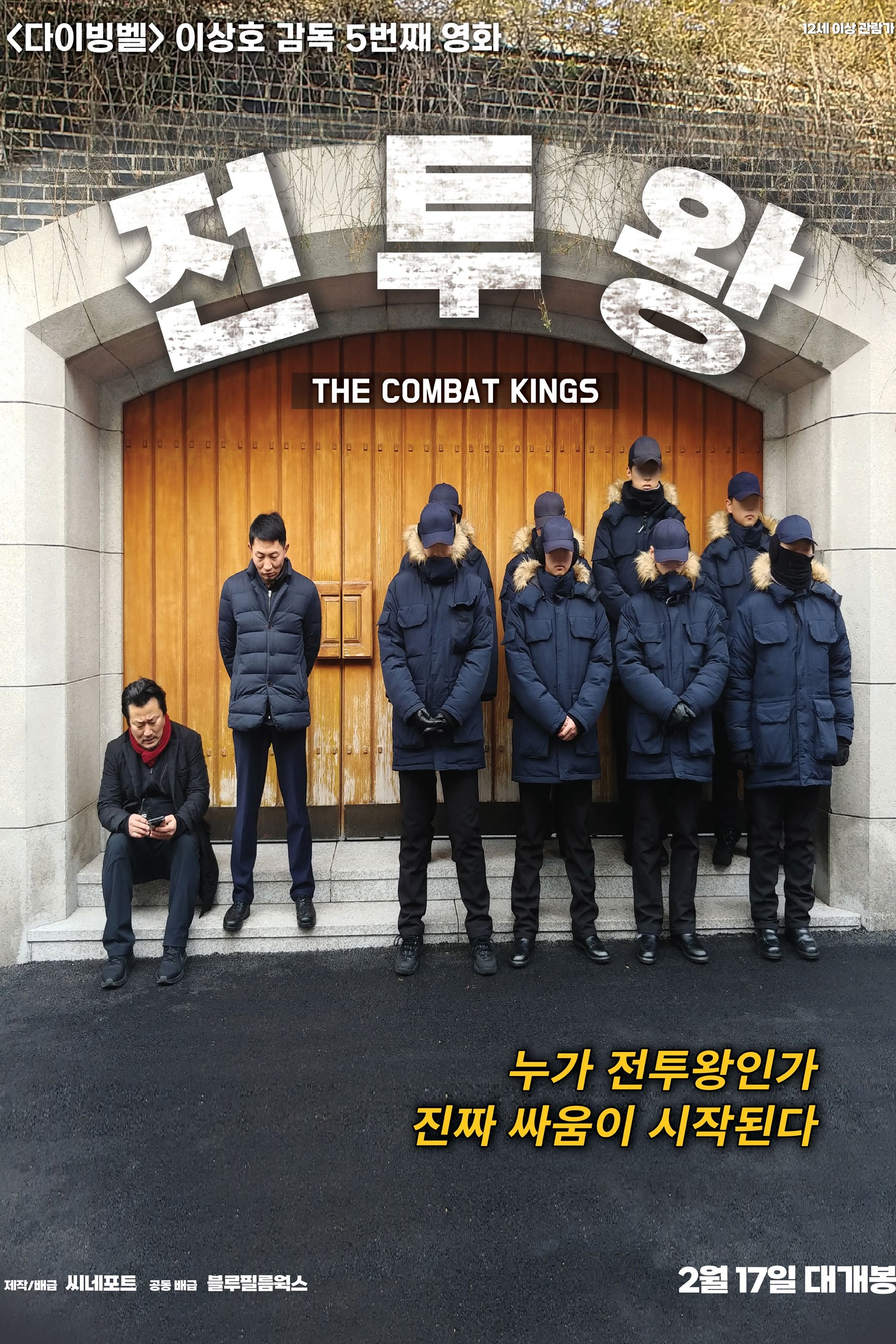 Movie8.0Documentary
The Chun Doo-hwan regime seized power in a coup d'etat, massacred peaceful protesters. People from all walks of life have been fighting the military dictatorship in their own way. And the story of reporter Lee Sang-ho, who has been covering for over 30 years, begins.
 Movie10.0Documentary
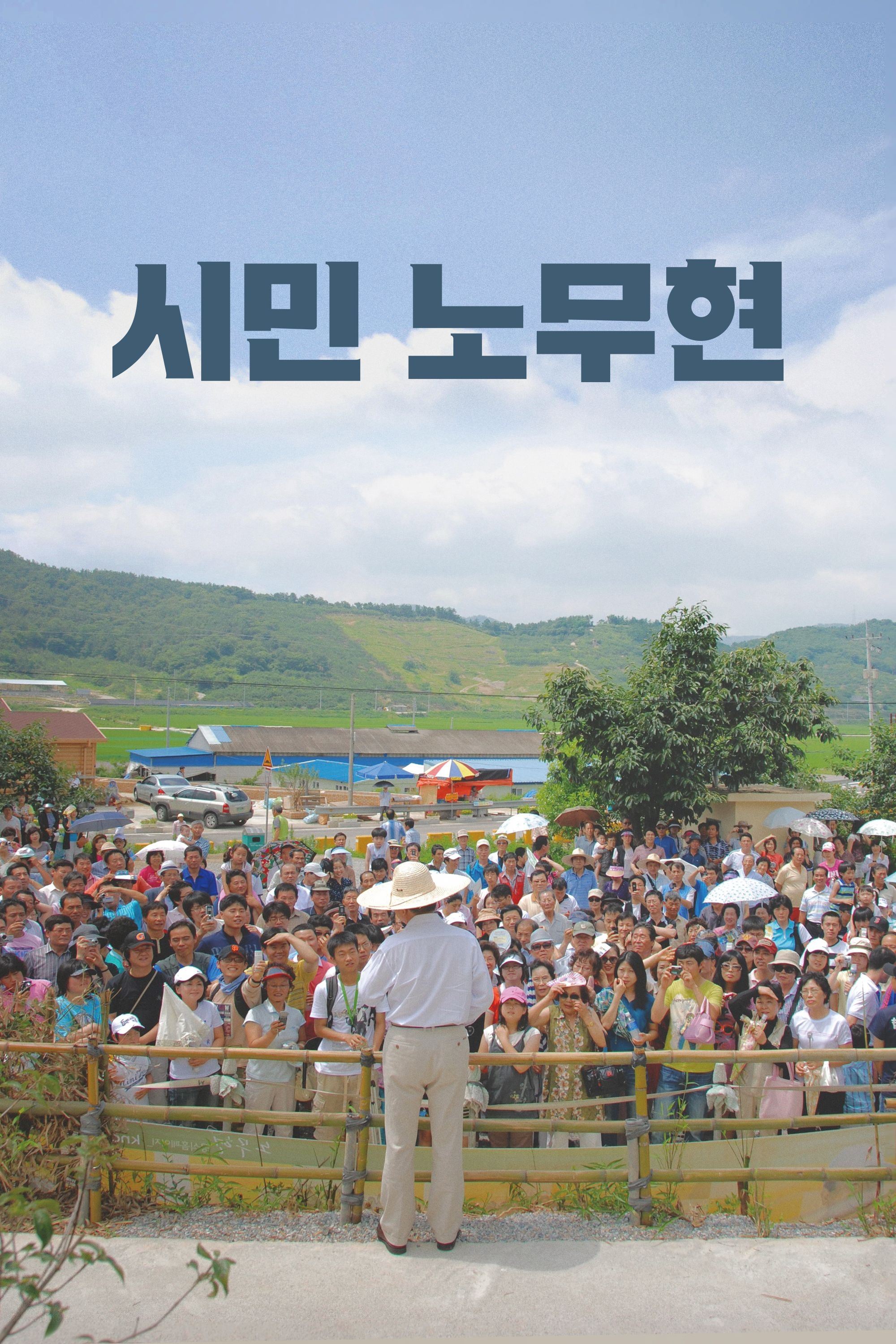
In 2008, late President Roh Moo-hyun returned to his hometown Bongha village after his retirement and was joined by supporters as he recreated his hometown and began to clean up the Bonghae Mountain, cultivating Bongha Mountain, and cultivating environmentally friendly rice.