Pavel Cernoch
Actor
Movies3
 MovieMusic
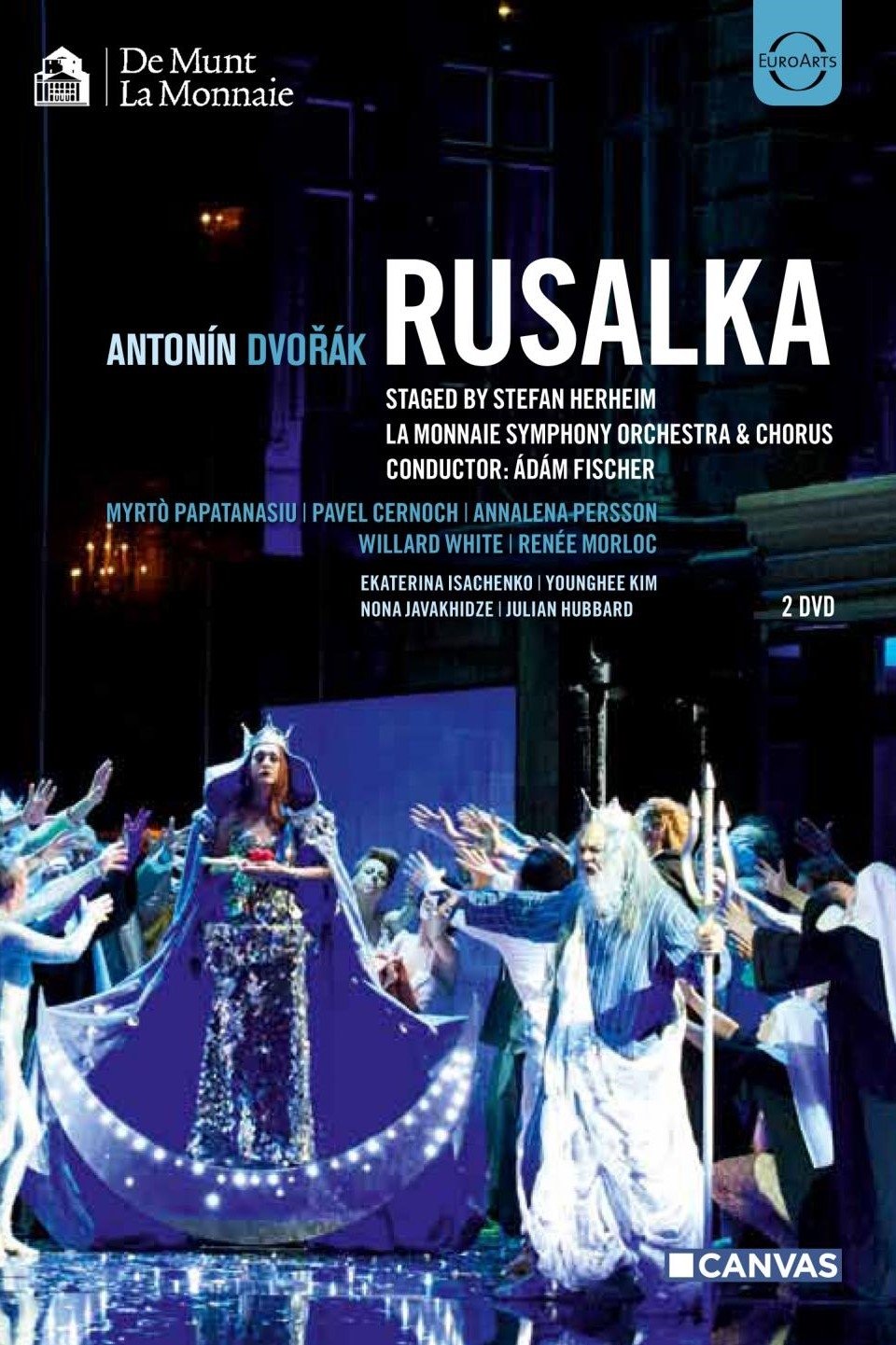
Antonin Dvorak’s next to last opera draws its substance from the underwater wonderland of little mermaids, Undines and Melusines: the water nymph Rusalka falls hopelessly in love with a prince and, although she is willing to sacrifice her voice to acquire the human form she needs in order to stay with him, the disparity between them proves to be too great. Jaroslav Kvapil’s libretto inspired Dvorak to compose a masterpiece, a compelling opera full of poignant lyricism and dramatic twists. Ádám Fisher and Stefan Herheim masterfully presented this ‘lyrical fairytale’ at La Monnaie in 2008. In this widely acclaimed interpretation, the fairytale elements sometimes assume frighteningly realistic dimensions so that one might see this enchanting production as a psychoanalytical study of male fantasies and female archetypes.
Rusalka
2012
 Movie
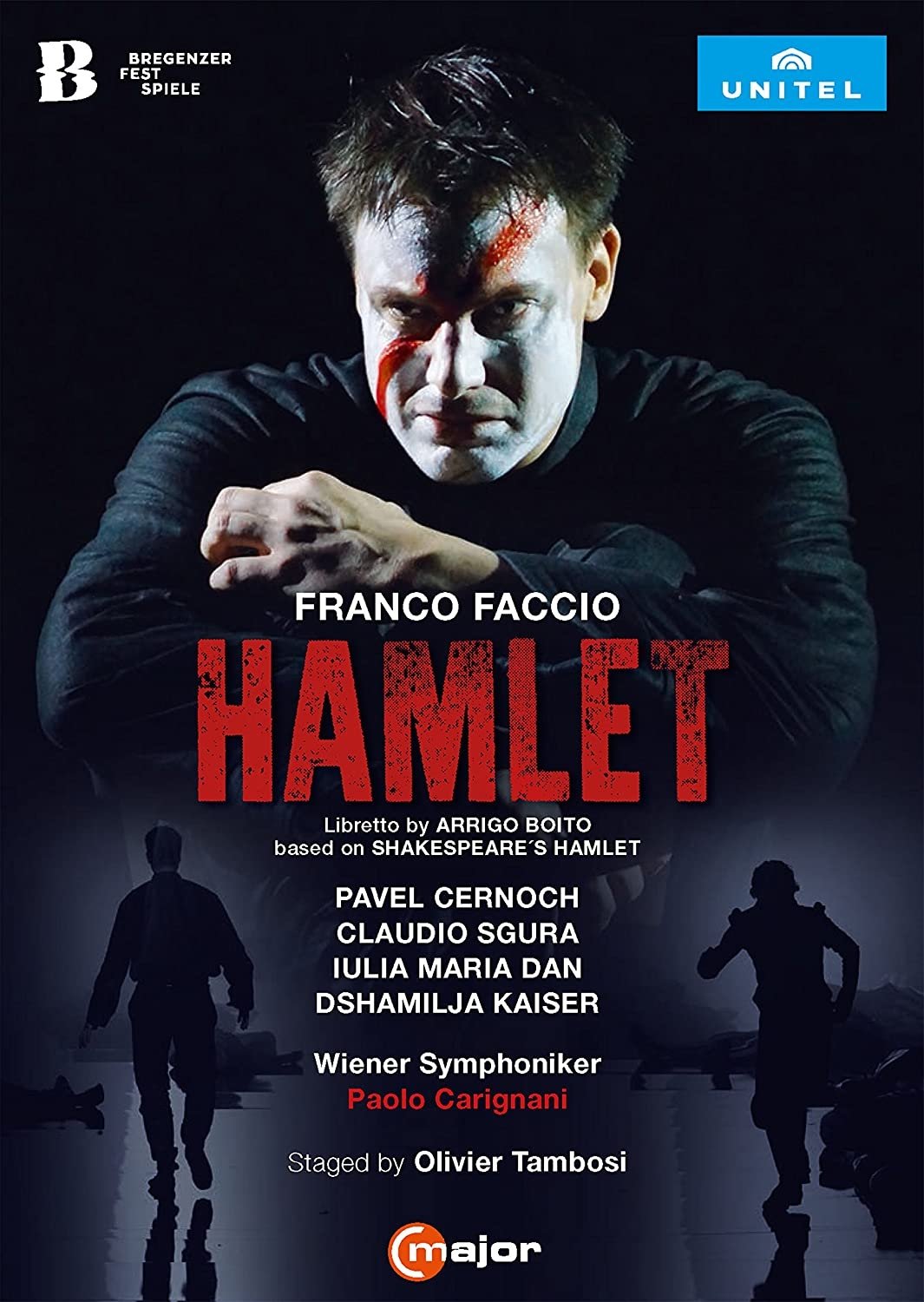
MovieHamlet, an opera by Verdi contemporaries Franco Faccio and Arrigo Boito, based on Shakespeare's tragedy, had a "triumphal rebirth" (Deutschlandfunk Kultur) at the Bregenz Festival, where the opera was also recorded for the first time ever. Faccio, who conducted the first performance of Verdi's Aida in Italy and the world premiere of Otello, and Boito, Verdi's librettist of Otello and Falstaff, anticipated the musical language of later Italian verismo composers so their opera combines lovely musical interludes with superb vocal writing. Olivier Tambosi's "excellent staging served it well, with a clear focus on the high points (The Telegraph)". "In the intermission and at the end there was vociferous enthusiasm of the audience for the late first encounter with this music" (Neue Musikzertung).
 MovieMusic
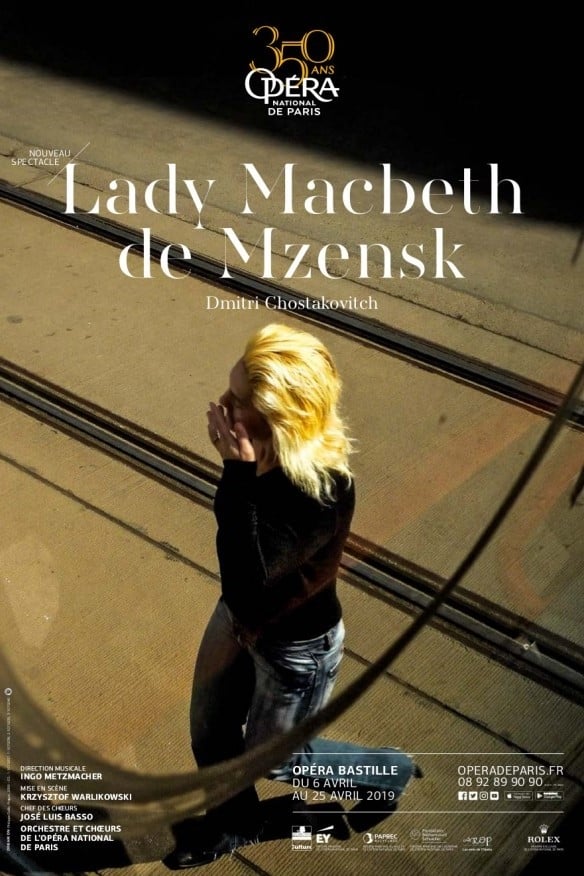
Of Shostakovich’s initial undertaking – a trilogy on the tragic destinies of Russian women through the ages – only one opera was ever written: the hard-hitting Lady Macbeth of Mtsensk. Although one of the mainsprings of the work, the Shakespearean parallel is here bitterly ironic: unlike Lady Macbeth, Katerina Ismaïlova who, in the remote reaches of rural 19th century Russia, falls in love with one of her husband’s employees and is finally forced to commit suicide, is less a manipulator than a victim of a violent and patriarchal society. Krzysztof Warlikowski liberates all the subversive power of this scorching and scandalous work, which marked the early years of the Opéra Bastille.