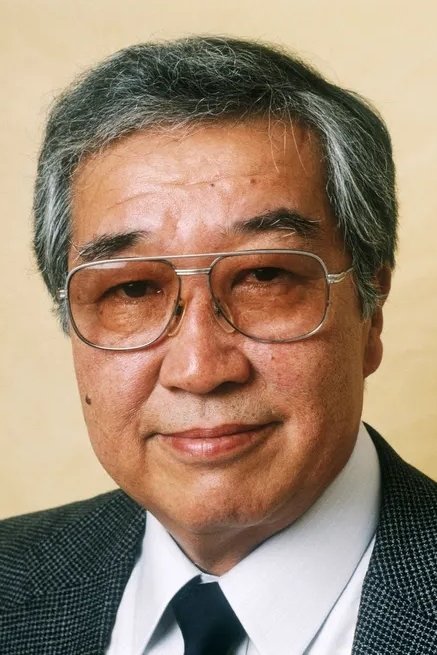
Shōhei Imamura
Director · 1926 – 2006 · Tokyo, Japan
Shōhei Imamura (15 September 1926 – 30 May 2006) was a Japanese film director. He was the first Japanese director to win two Palme d'Or awards, but was never Oscar-nominated in any category.
Movies8
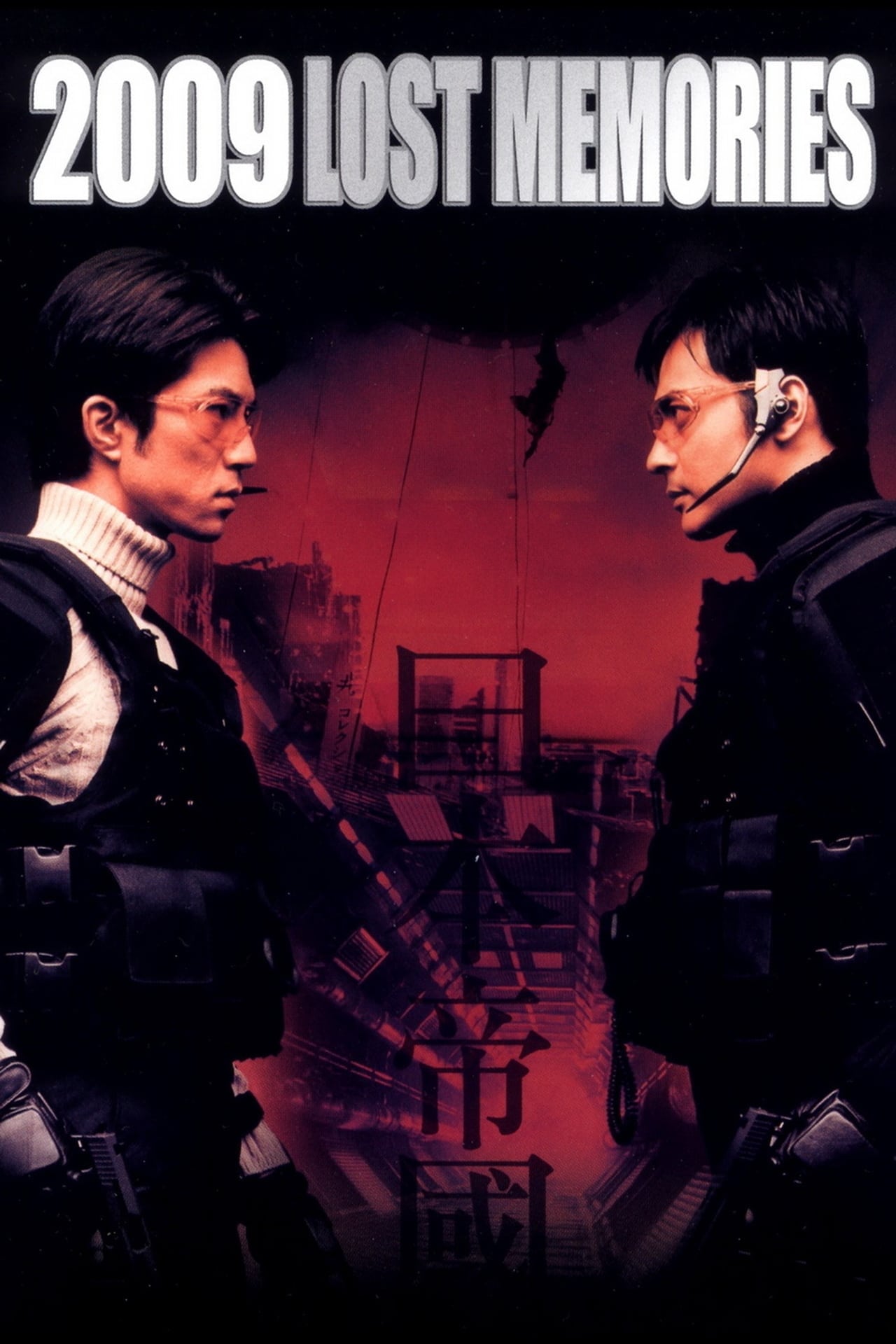 Movie6.2ThrillerAction
A failed assassination attempt in Harbin, China in 1909 changes the course of history. Now two JBI agents must find the connections between it and an ancient Korean artifact.
 MovieDocumentary
This documentary by Hubert Niogret looks at the revival of Japanese cinema during the 1990s.
 Movie6.9DramaDocumentary
A Man Vanishes examines the concept of Johatsu, tackling the phenomenon of people missing in Japan over the years. It picks one such person from the list, someone who had seemed to disappear from the face of the earth due to embezzlement from his company, and the filmmakers begin an investigative documentary into the reasons behind and attempt at tracking him down.
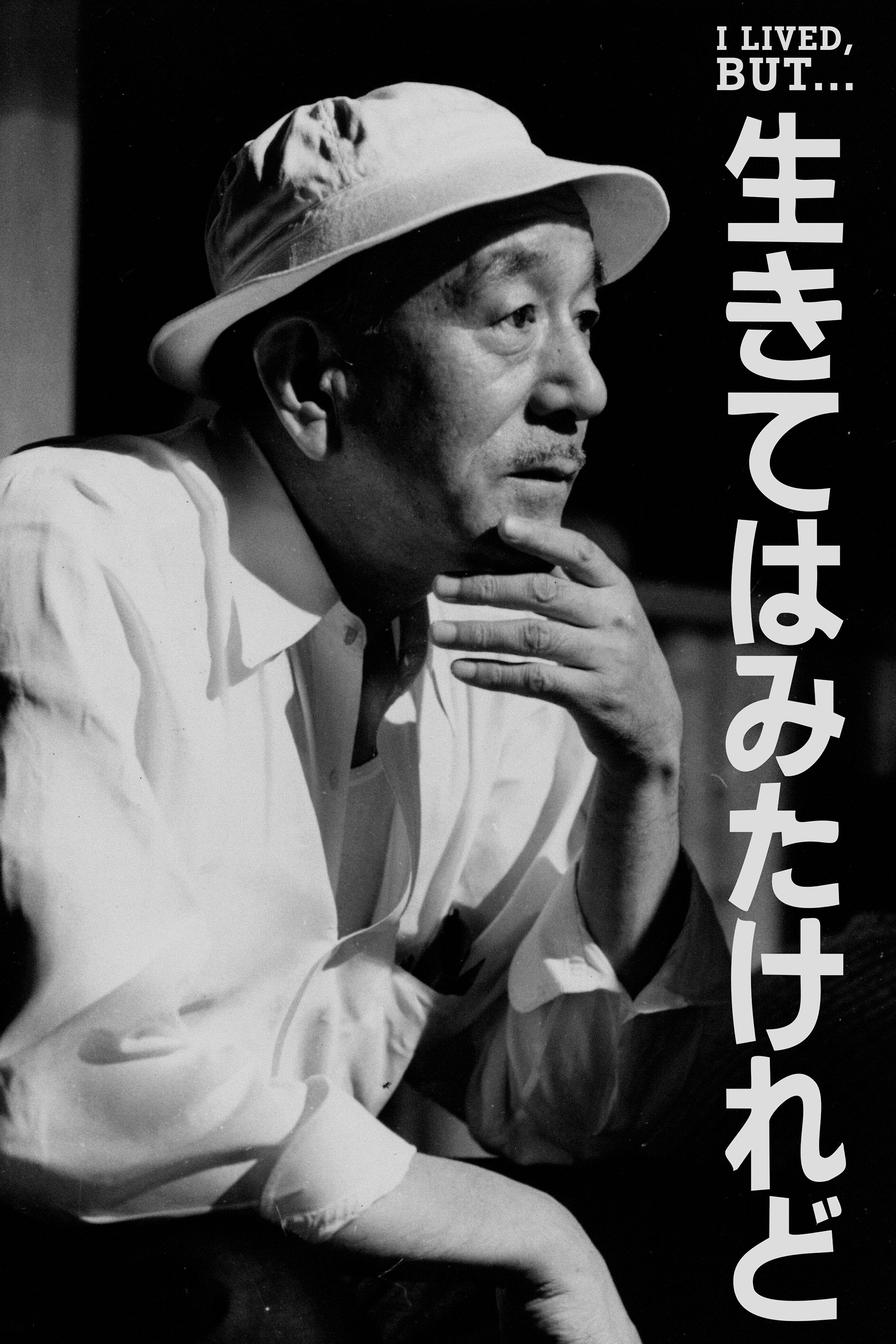 Movie6.8Documentary
An extremely lovely tribute to Ozu, on the 20th anniversary of his death. It uses a combination of footage from vintage films and new material (both interviews and Ozu-related locations) shot by Ozu's long-time camera-man (who came out of retirement to work on this). Surprisingly (or perhaps not), it focuses less on Ozu's accomplishments as a film-maker than on his impact on the lives of the people he worked with..
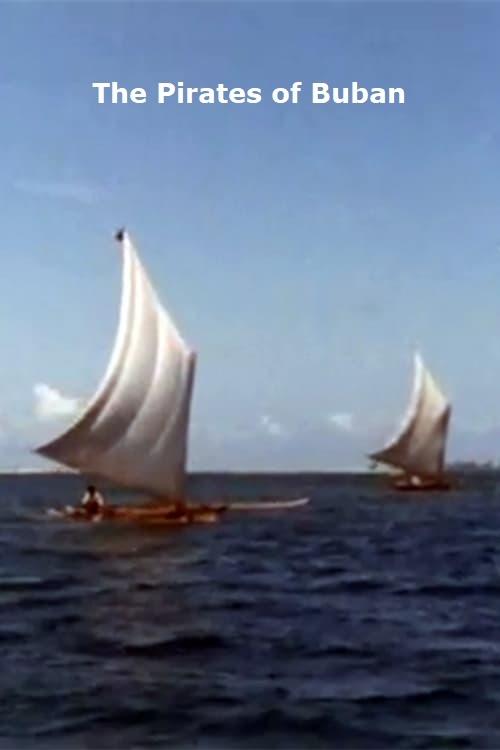 Movie6.5DocumentaryTV Movie
By going to the Philippines, Imamura comes to meet people living in an extreme poverty. He discovers very quickly that some communities are under the control of cruel & armed pirates. Imamura will come to meet those men in order to understand their position.
 Movie8.2Documentary
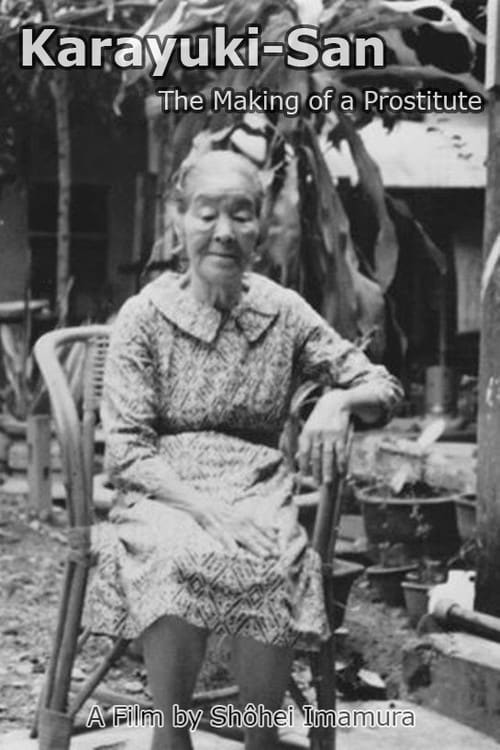
Karayuki-san, the Making of a Prostitute is a 1975 Japanese film by director Shohei Imamura. It is a documentary on one of the Japanese "karayuki-san," who were women that were taken from their homes in Japan and used as prostitutes in the post-war period. Many of these women were told that they were doing this to support their families because of the extreme poverty that the war left much of Japan to live in. Imamura focuses on a particular such woman who was sent to Malaysia and never returned to Japan. Joan Mellen, in The Waves at Genji's Door, called this film, "Perhaps the most brilliant and feeling of Imamura's fine documentaries."
 Movie6.3DocumentaryTV Movie
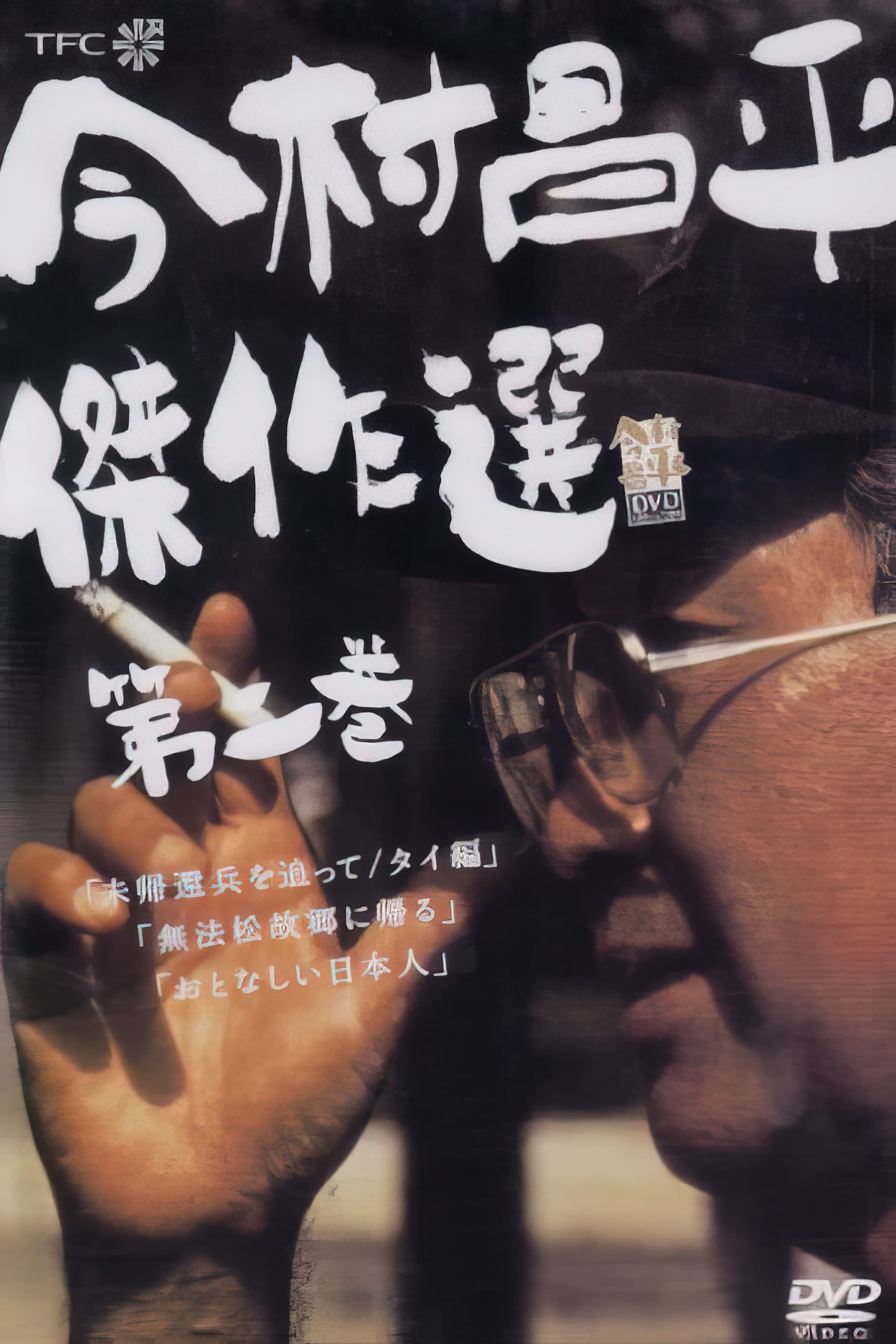
“In Search of Unreturned Soldiers was about former soldiers of the Japanese army who chose not to return to Japan after the war. I found several of them who had remained in Thailand. Two years later, I invited one of them to make his first return visit to Japan and documented it in Outlaw-Matsu Returns Home. During the filming, my subject Fujita asked me to buy him a cleaver so that he could kill his ‘vicious brother.’ I was shocked, and asked him to wait a day so that I could plan how to film the scene. By the next morning, to my relief, Fujita had calmed down and changed his mind about killing his brother. But I couldn’t have had a sharper insight into the ethical questions provoked by this kind of documentary filmmaking.” —Shôhei Imamura
 Movie8.5Documentary
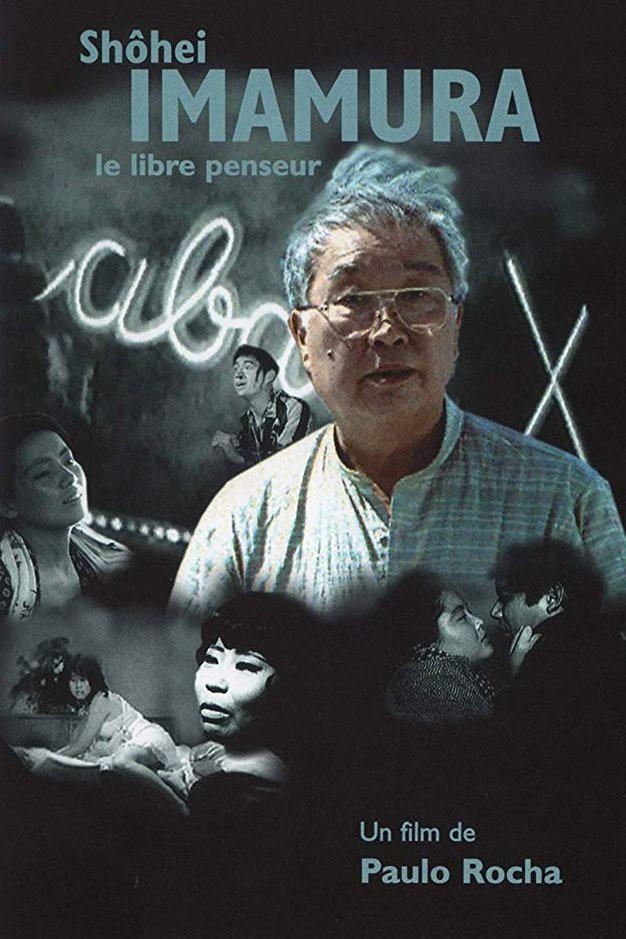
Documentary about Japanese film director Shohei Imamura.
Cinéma, de notre temps: Shohei Imamura - Le libre penseur
Shohei Imamura: The Free Thinker
1995 · 2 votes