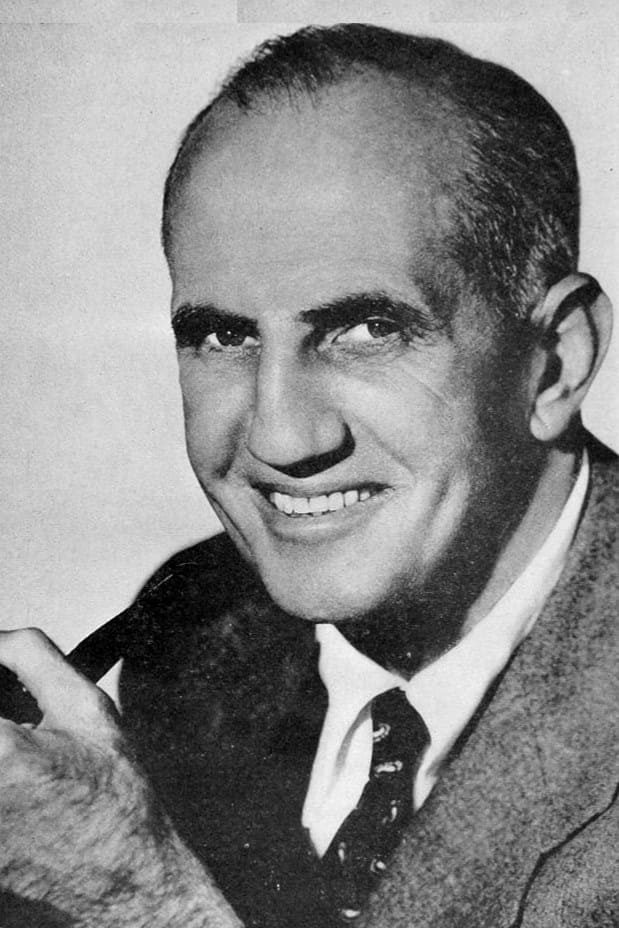
George Marshall
Director · 1891 – 1975 · Chicago, Illinois, USA
From Wikipedia, the free encyclopedia. George E. Marshall (December 29, 1891 – February 17, 1975) was a prolific American actor, screenwriter, producer, film and television director, active through the first six decades of movie history. Relatively few of Marshall's films are well-known today, with Destry Rides Again, The Sheepman, and How the West Was Won being the biggest exceptions. Marshall co-directed How the West Was Won with John Ford and Henry Hathaway, handling the railroad segment, which featured a celebrated buffalo stampede sequence. While Marshall worked on almost all kinds of films imaginable, he started his career in the early silent period doing mostly Westerns, a genre he never completely abandoned. Later in his career, he was particularly sought after for comedies. He did around half a dozen films each with Bob Hope and Jerry Lewis, and also worked with W.C. Fields, Jackie Gleason, Will Rogers and Laurel and Hardy. For his contribution to the film industry, George Marshall has a star on the Hollywood Walk of Fame at 7048 Hollywood Boulevard. Description above from the Wikipedia article George Marshall, licensed under CC-BY-SA, full list of contributors on Wikipedia.
Movies6
 Movie5.6DramaComedy
After returning home from the war, Vietnam veteran Julius Vrooder resides in a veteran's hospital, where he has been vaguely diagnosed as "psychiatrically impaired." Taking the news with an air of initially lighthearted defiance, Vrooder escapes and sets up camp under a highway, where he builds a paranoia-driven booby-trapped bunker for himself. Falling in love with not-so-bright nurse Zanni, Vrooder soon plans to elope with her to a remote Canadian outpost.
The Crazy World of Julius Vrooder
1974 · 9 votes
 Movie6.5MusicComedy
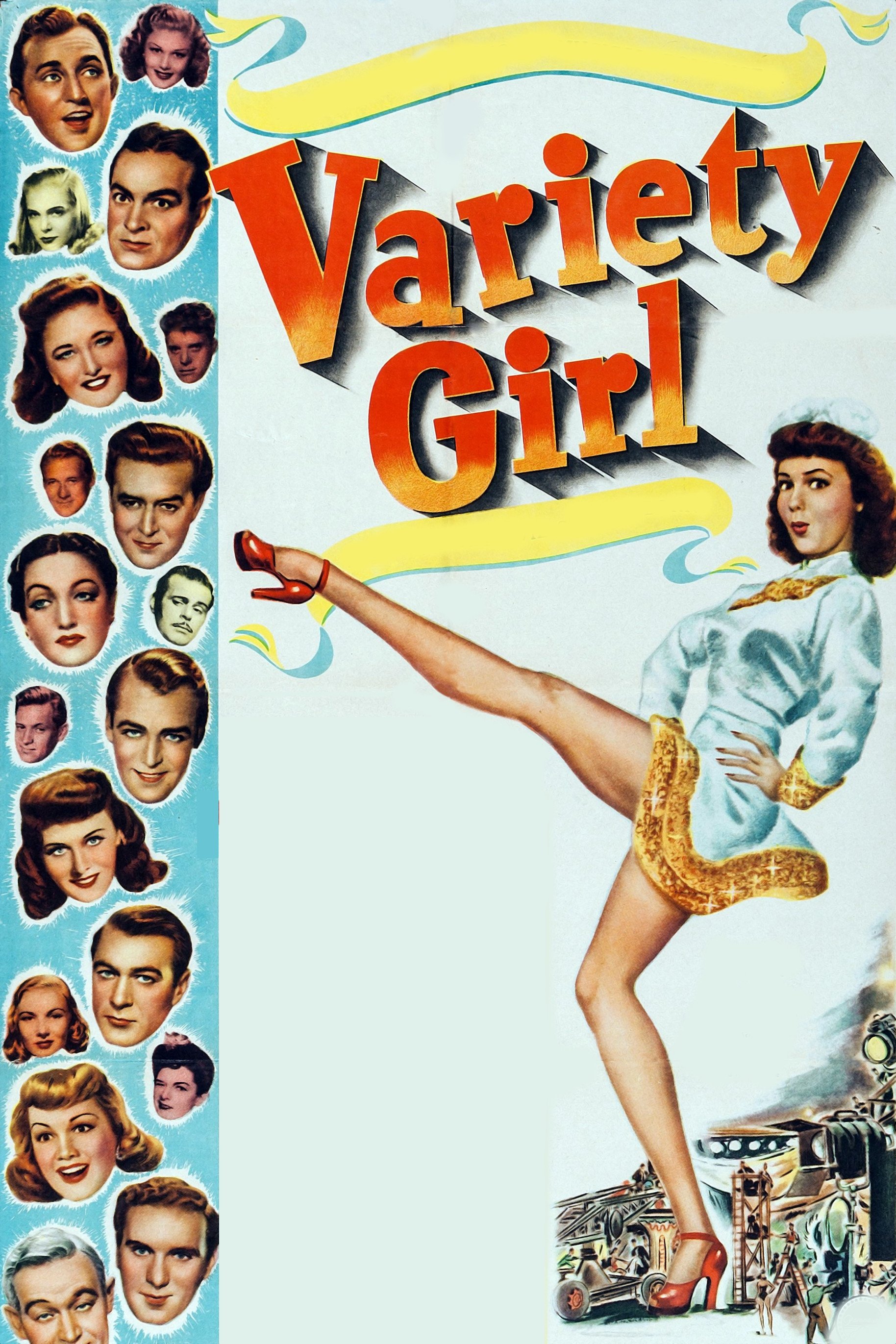
Dozens of star and character-actor cameos and a message about the Variety Club (a show-business charity) are woven into a framework about two hopeful young ladies who come to Hollywood, exchange identities, and cause comic confusion (with slapstick interludes) throughout the Paramount studio.
Variety Girl
1947 · 12 votes
 Movie5.1CrimeMystery
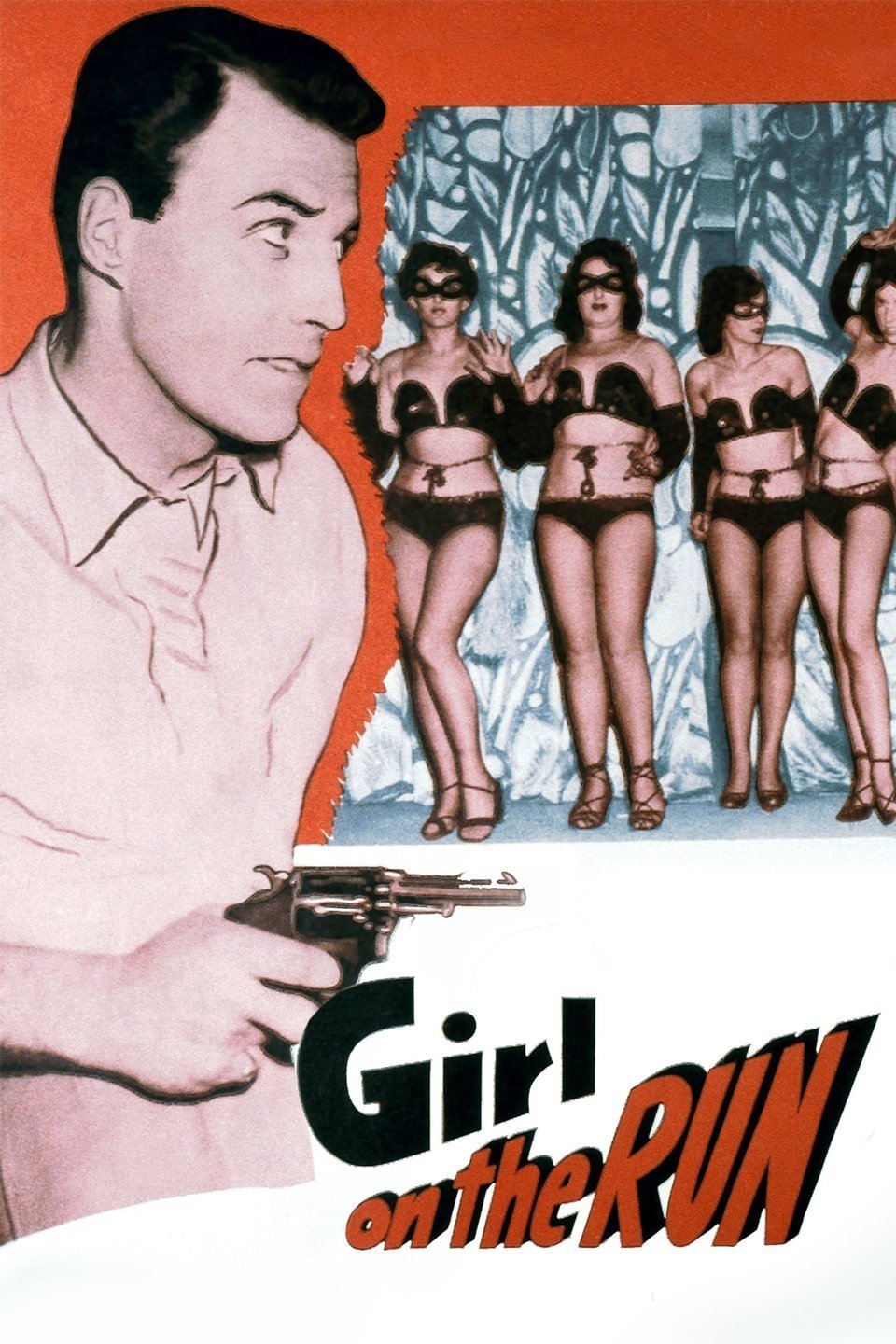
A hootchy-kootchy whodunit set at a small seedy carnival where a reporter tries to discover who killed his boss while his girlfriend inexplicably joins the burlesque show!
Girl on the Run
1953 · 7 votes
 Movie6.4Comedy
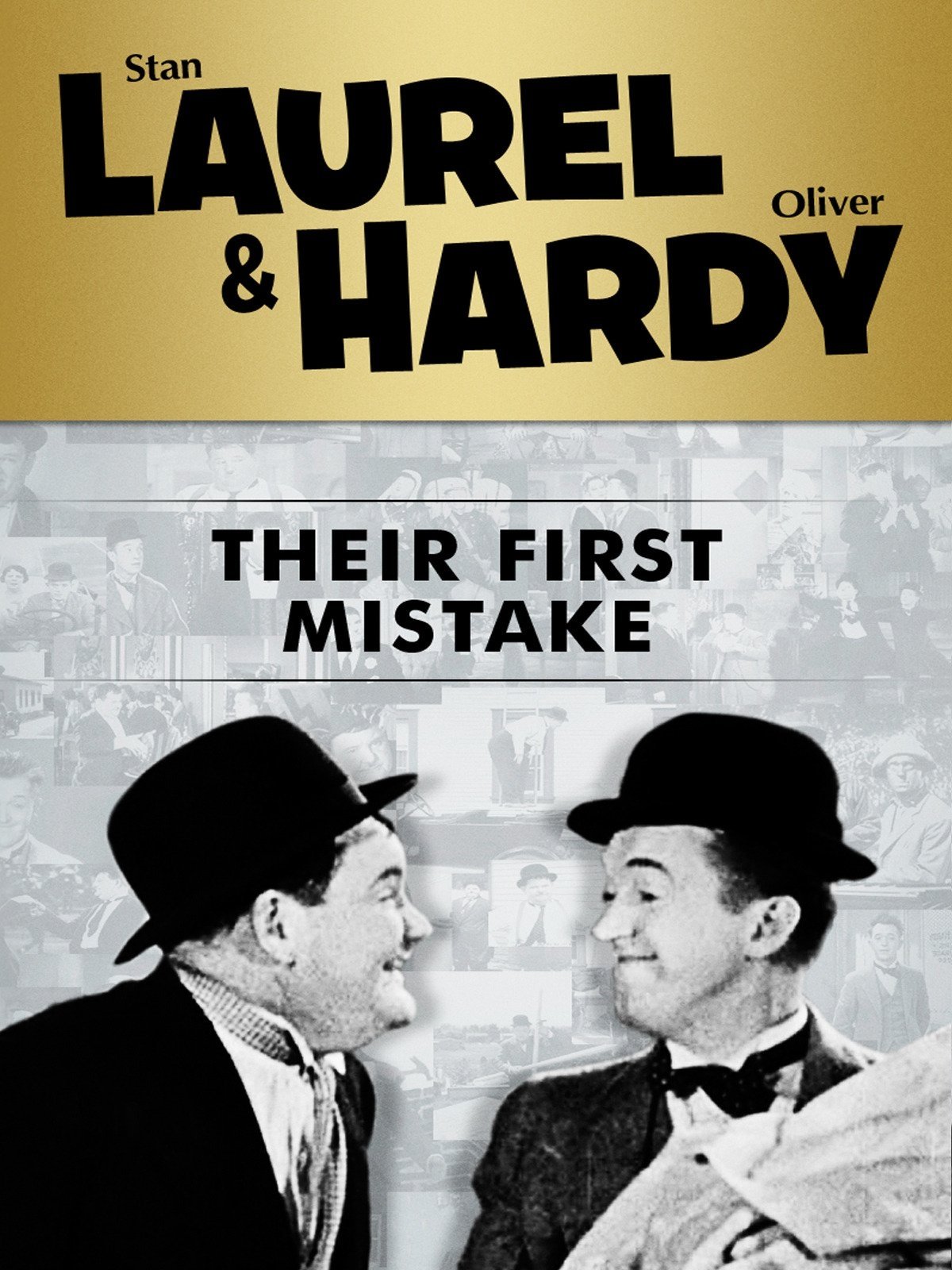
Mrs Hardy is annoyed that her husband Oliver seems to spend more time with his friend Stanley than with her. After a furious argument, Mrs Hardy says that she is through if Ollie goes out with Stan again. Stan suggests that Ollie adopts a baby, which he does. Unfortunately, his wife has left their apartment on returning, and a process server delivers a paper informing Ollie that she is suing him for divorce, naming Stan as correspondent. The boys are now left to look after the infant on their own.
Their First Mistake
1932 · 61 votes
 Movie6.8Documentary
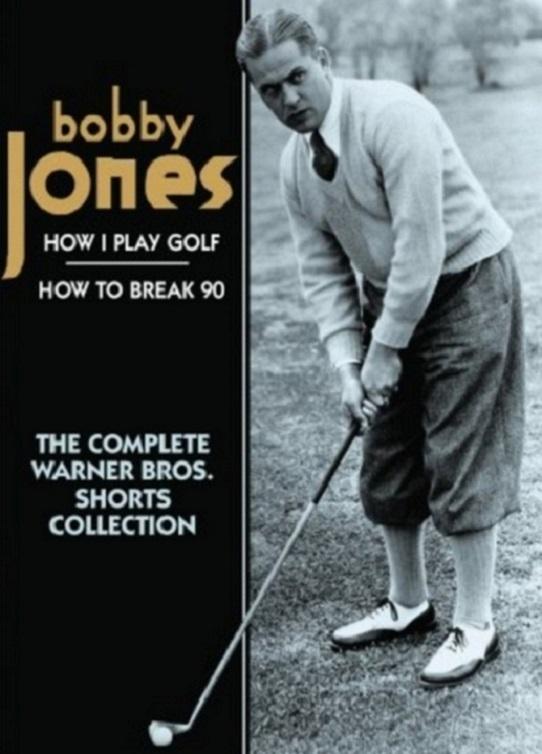
Golf expert Bobby Jones arrives on the golf course to join actors James Cagney, Anthony Bushell, Donald Cook, Evalyn Knapp, and Louise Fazenda in shooting a golf instruction film. Louise Fazenda however has no knowledge of golf and her ongoing commentary disrupts Jones's attempts to practice. While Cagney and Bushell hold Louise's mouth shut, Jones demonstrates his approach to golf. Later, upon arrival of director George Marshall, Louise is sent off "to practice" alone while the cast and crew go about shooting the film.
How I Play Golf, by Bobby Jones No. 11: 'Practice Shots'
1931 · 5 votes
 Movie6.1Comedy
Fatty and Al are competing to take the same girl to the Waiters' Ball, but the formal dress requirement presents a problem: Fatty owns a tuxedo, but Al does not.
The Waiters' Ball
1916 · 6 votes
Series2
 TV6.7Comedy
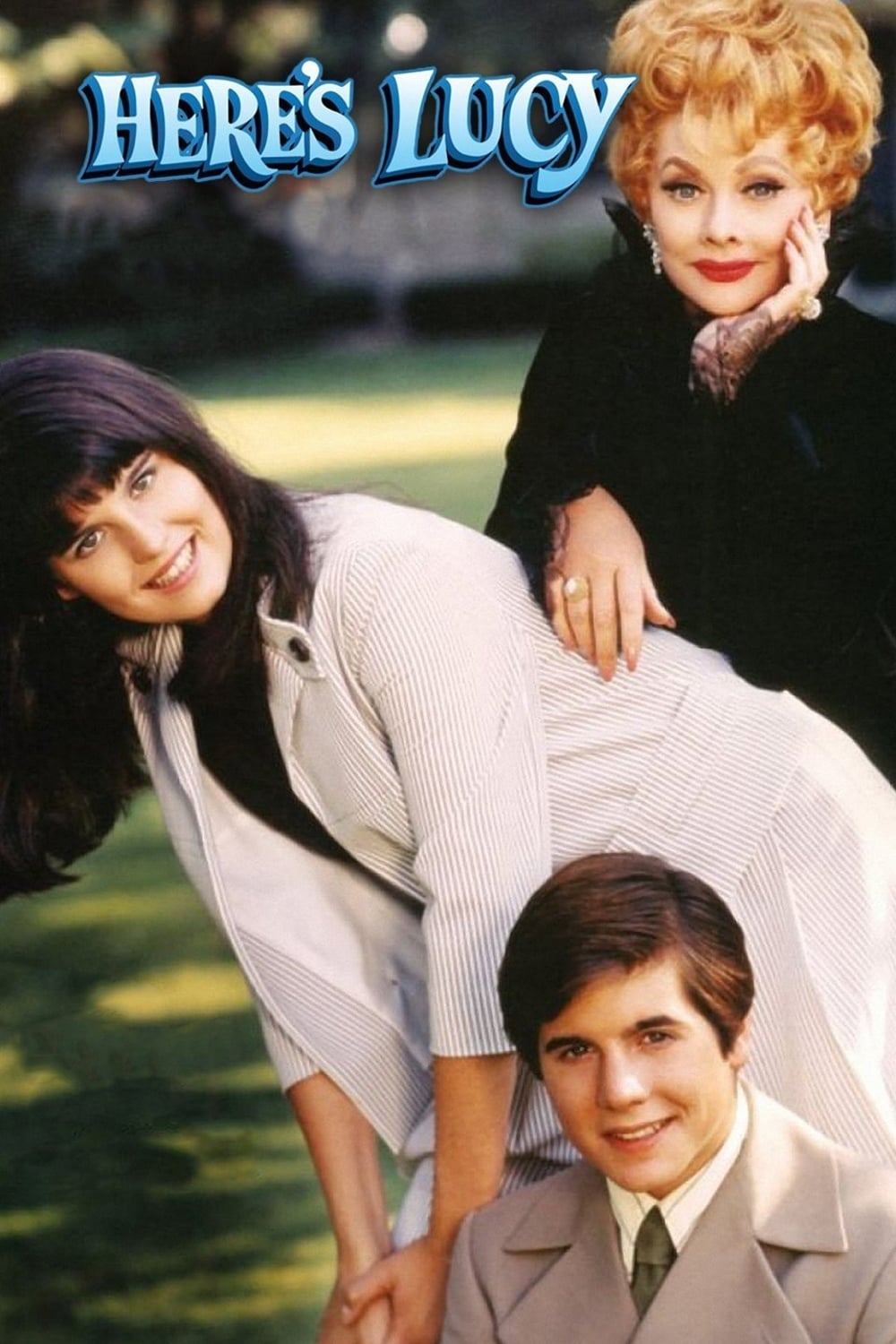
Lucille Ball's third network sitcom, following I Love Lucy (1951–57) and The Lucy Show (1962–68).
Here's Lucy
1968 · 31 votes
 TV4.6Drama
Cavalcade of America is an anthology drama series that was sponsored by the DuPont Company, although it occasionally presented a musical, such as an adaptation of Show Boat, and condensed biographies of popular composers. It was initially broadcast on radio from 1935 to 1953, and later on television from 1952 to 1957. Originally on CBS, the series pioneered the use of anthology drama for company audio advertising. Cavalcade of America documented historical events using stories of individual courage, initiative and achievement, often with feel-good dramatizations of the human spirit's triumph against all odds. This was consistent with DuPont's overall conservative philosophy and legacy as an American company dating back to 1802. The company's motto, "Maker of better things for better living through chemistry," was read at the beginning of each program, and the dramas emphasized humanitarian progress, particularly improvements in the lives of women, often through technological innovation.
Cavalcade of America
1952 · 5 votes