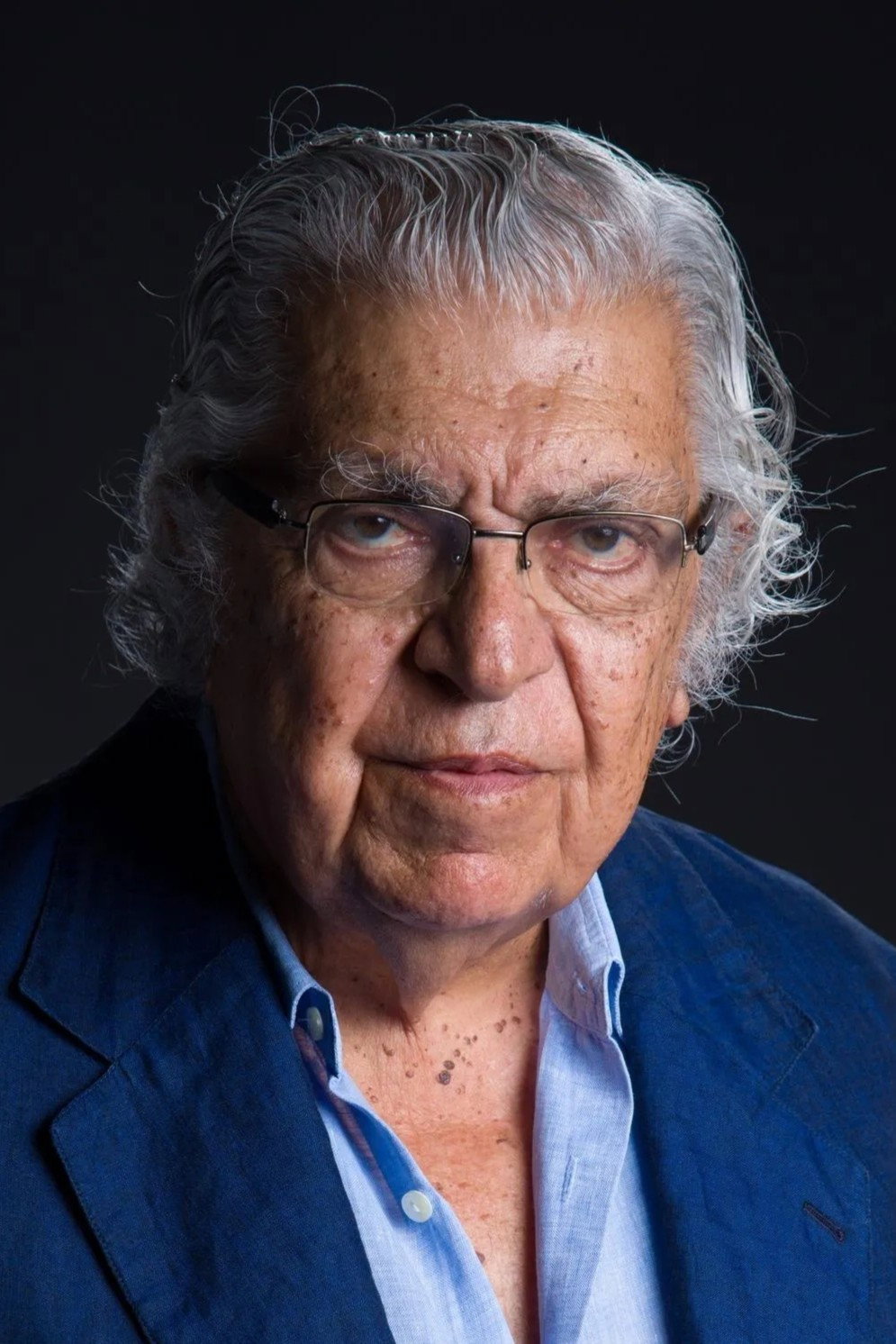
António da Cunha Telles
Production · 1935 – 2022 · Funchal, Madeira, Portugal
António Cohen da Cunha Telles was born on February 26, 1935 in Funchal, Madeira. He studied Medicine in the University of Lisbon. He went to Paris around 1956, studying film-making at the Institut des Hautes Etudes Cinematographiques (IDHEC), graduating in 1961. His directing debut was made with the documentary "Os Transportes" (1962), and starts activity as a producer, becoming one of the essential names of the Portuguese New Cinema (Novo Cinema) movement. He produces "Os Verdes Anos" (1963) by Paulo Rocha and "Belarmino" (1964) by Fernando Lopes. In 1970, Cunha Telles directed his first feature-film, "O Cerco". Meanwhile, he established a distribution company (Animatógrafo) which becomes responsible for a revolution in the kind of cinema seen in Portugal in the first half of the 1970s. Eisenstein, Tanner, Jorge Sanjines, Littín, Glauber Rocha, Vigo, Gilles Carle, Karmitz, among others, became more familiar to the Portuguese audience through that distributor.
Movies3
 MovieDocumentaryHistory
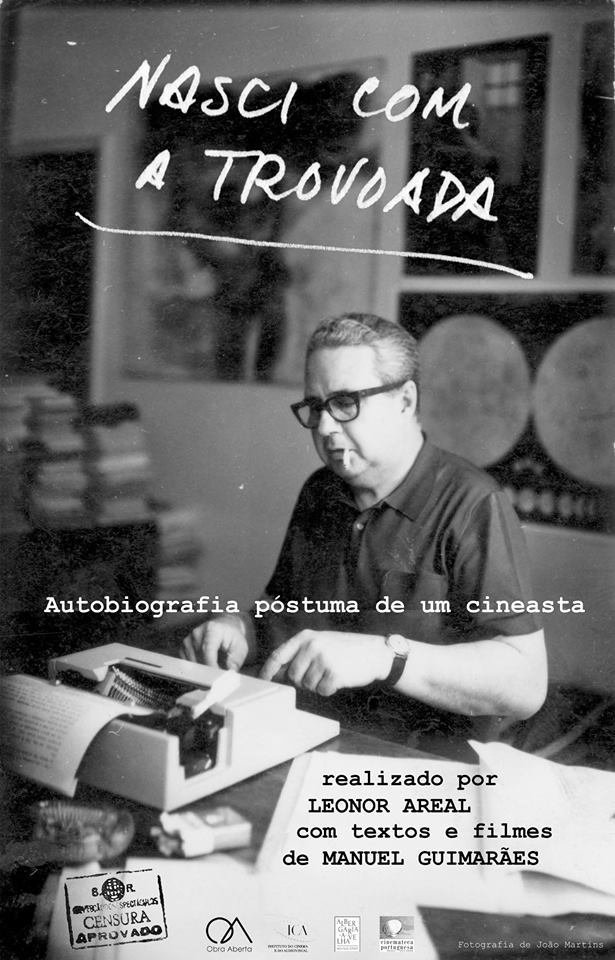
The autobiographical texts and letters by film director Manuel Guimarães, and exchanged by him with friends, are the axis for the intimate narrative of his life, social concerns, passion for movies - while revisiting many movies of the 20th century and his complete filmography. One segment documents the epic way directors attempted to bypass official censorship to show their movies out of the country.
 MovieDocumentary
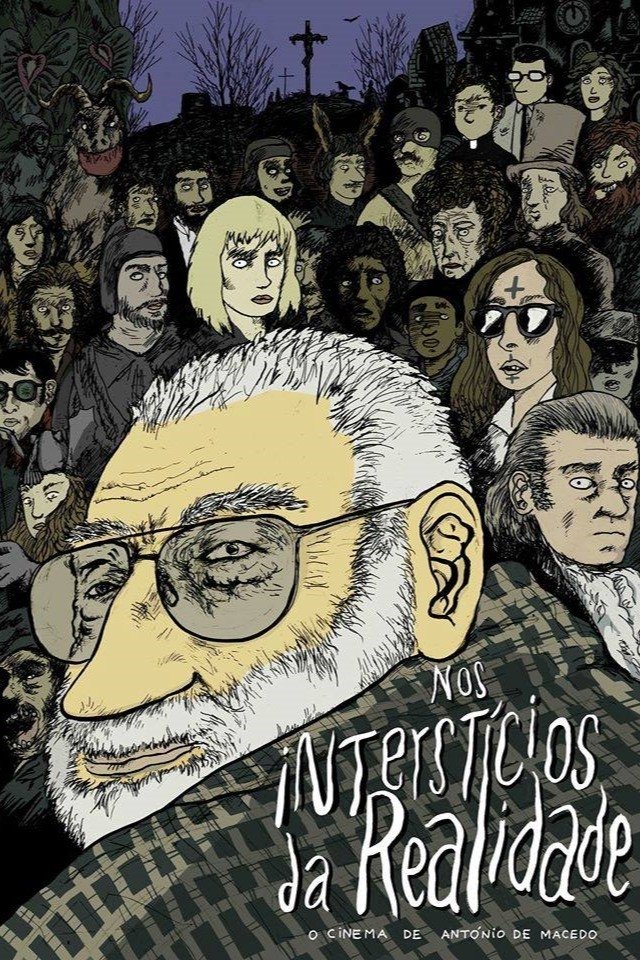
He was the most prolific within the New Portuguese Cinema generation. He would try western spaghetti, esoteric allegory, supernatural, and science-fiction. Without state subsidies, he would quit filmmaking in the 1990s. Who remembers António de Macedo?
Nos Interstícios da Realidade, ou O Cinema de António de Macedo
In the Interstices of Reality or The Cinema of António de Macedo
2016
 Movie6.5Documentary
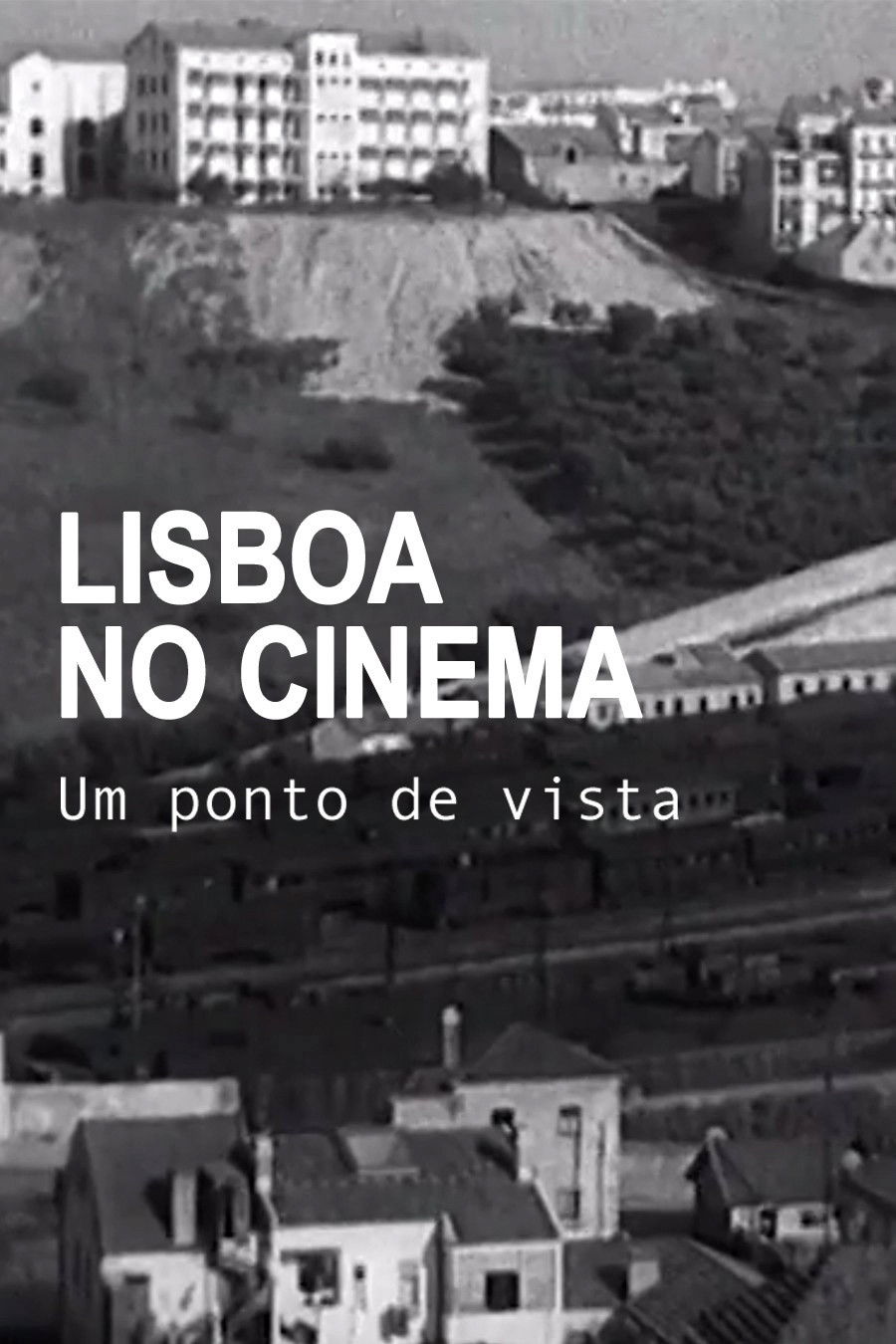
The city during the beginning of cinema. The typical city at the time of the dictatorship. The New Lisbon of the New Cinema. Lisbon after the Revolution. The white city of foreigners. A geographical and moviegoer screenplay of Lisbon through the images of films and testimonies of several filmmakers who filmed in Lisbon.
Lisboa no Cinema, Um Ponto de Vista
1994 · 2 votes