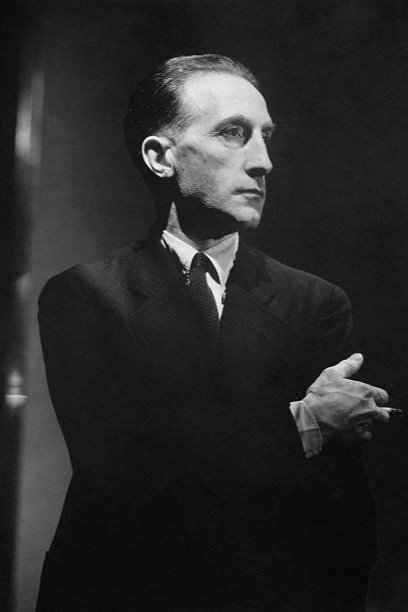
Marcel Duchamp
Actor · 1887 – 1968 · Blainville-Crevon, Seine-Inférieure [now Seine-Maritime], France
Henri-Robert-Marcel Duchamp was a French, naturalized American painter, sculptor, chess player and writer whose work is associated with Cubism, conceptual art and Dada, although he was careful about his use of the term Dada and was not directly associated with Dada groups. Duchamp is commonly regarded, along with Pablo Picasso and Henri Matisse, as one of the three artists who helped to define the revolutionary developments in the plastic arts in the opening decades of the twentieth century, responsible for significant developments in painting and sculpture. Duchamp has had an immense impact on twentieth-century and twenty first-century art. By World War I, he had rejected the work of many of his fellow artists (like Henri Matisse) as "retinal" art, intended only to please the eye. Instead, Duchamp wanted to use art to serve the mind. He is considered by many critics to be one of the most important artists of the 20th century, and his output influenced the development of post–World War I Western art. He challenged conventional thought about artistic processes and rejected the emerging art market, through subversive anti-art. He famously dubbed a urinal art and named it Fountain.
Movies17
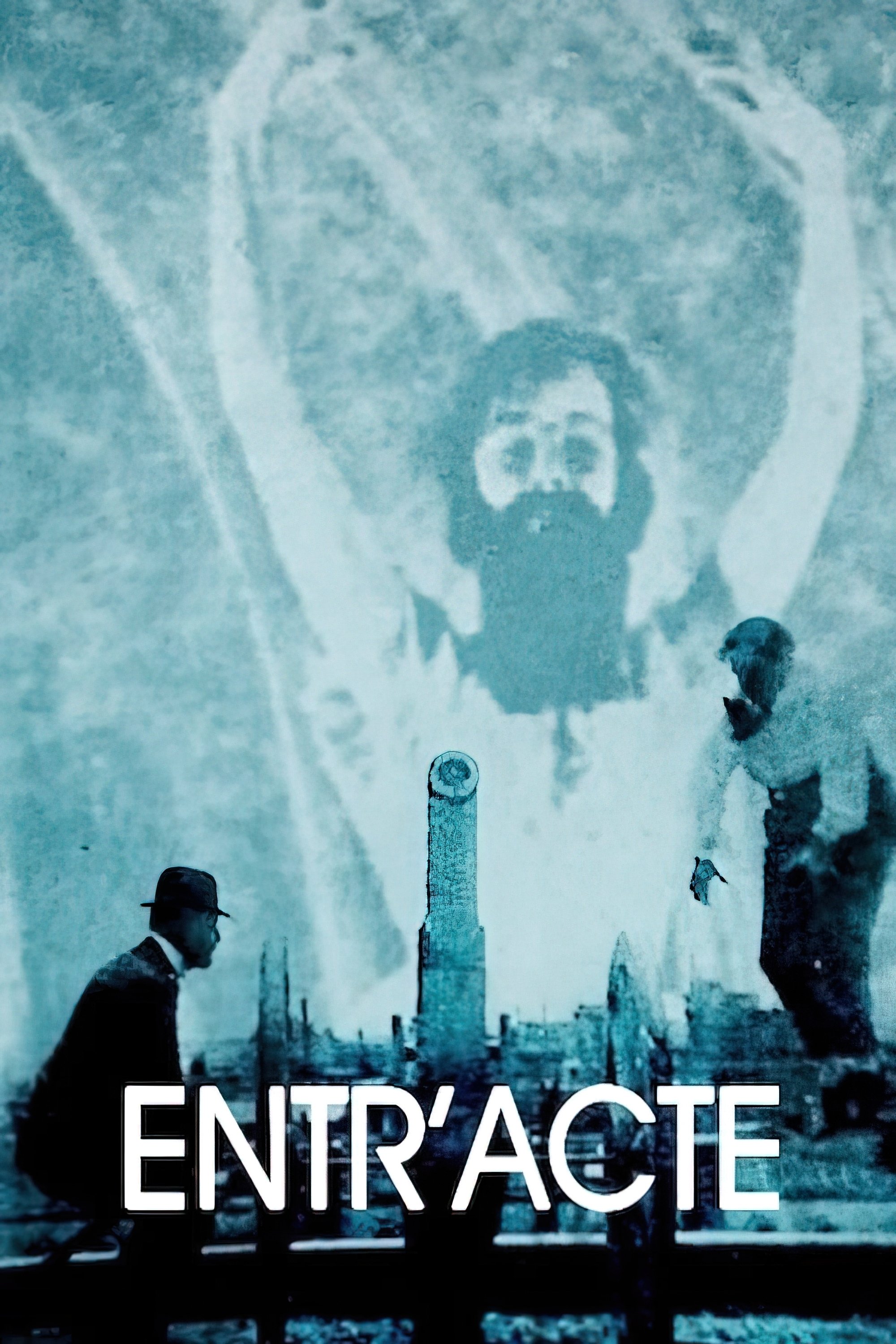 Movie7.0ComedyFantasy
Stop-motion photography blends with extreme slow-motion in Clair's first and most dada film, composed of a series of zany, interconnected scenes. We witness a rooftop chess match between Marcel Duchamp and Man Ray, a hearse pulled by a camel (and chased by its pallbearers) and a dizzying roller coaster finale. A film of contradictions and agreements.
Entr'acte
1924 · 152 votes
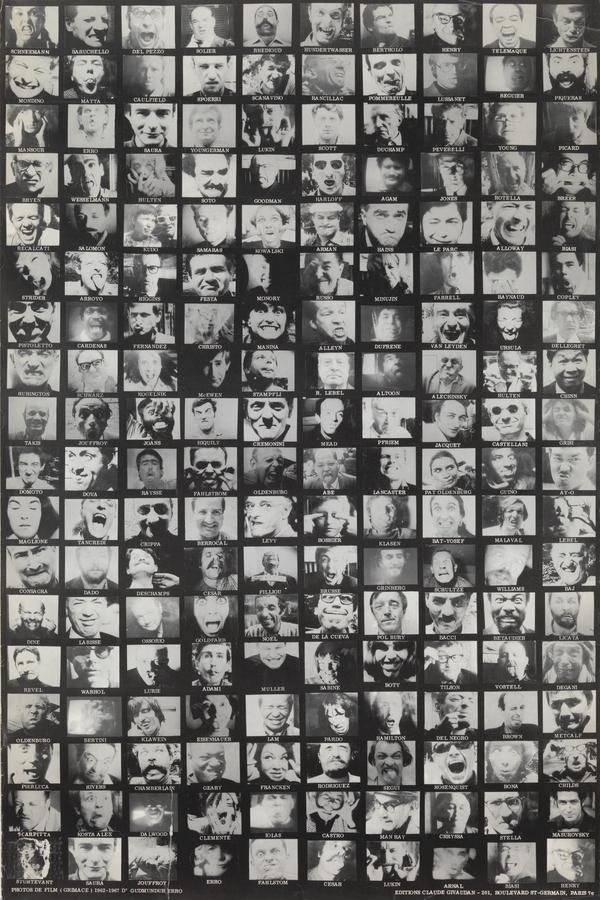 Movie
MovieProduced over several years between 1962 and 1967, Grimaces shows the faces of over a hundred artists, gallery owners and critics grimacing to the camera.
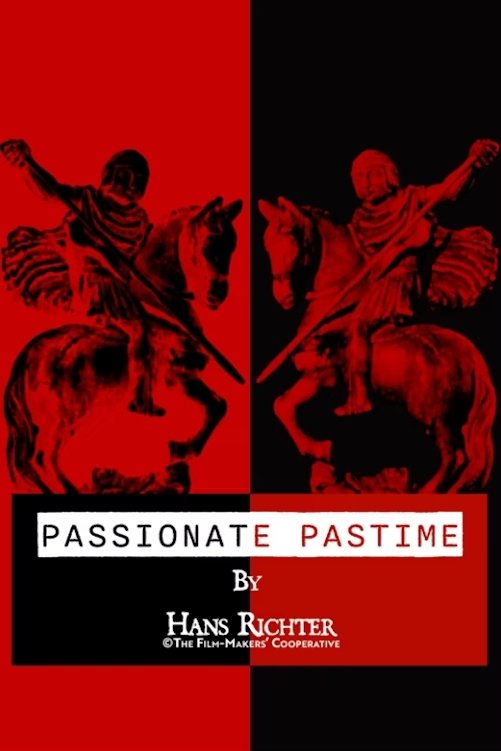 MovieDocumentary
Hans Richter's documentary on the game of chess. Narrated by Vincent Price. Outlines the history of chess from ancient times to the present and traces its origins in India, China, and Persia. Prints, painting, illuminated manuscripts, live photography and rare chess pieces are shown as well as chess figures designed after Picasso and Braque.
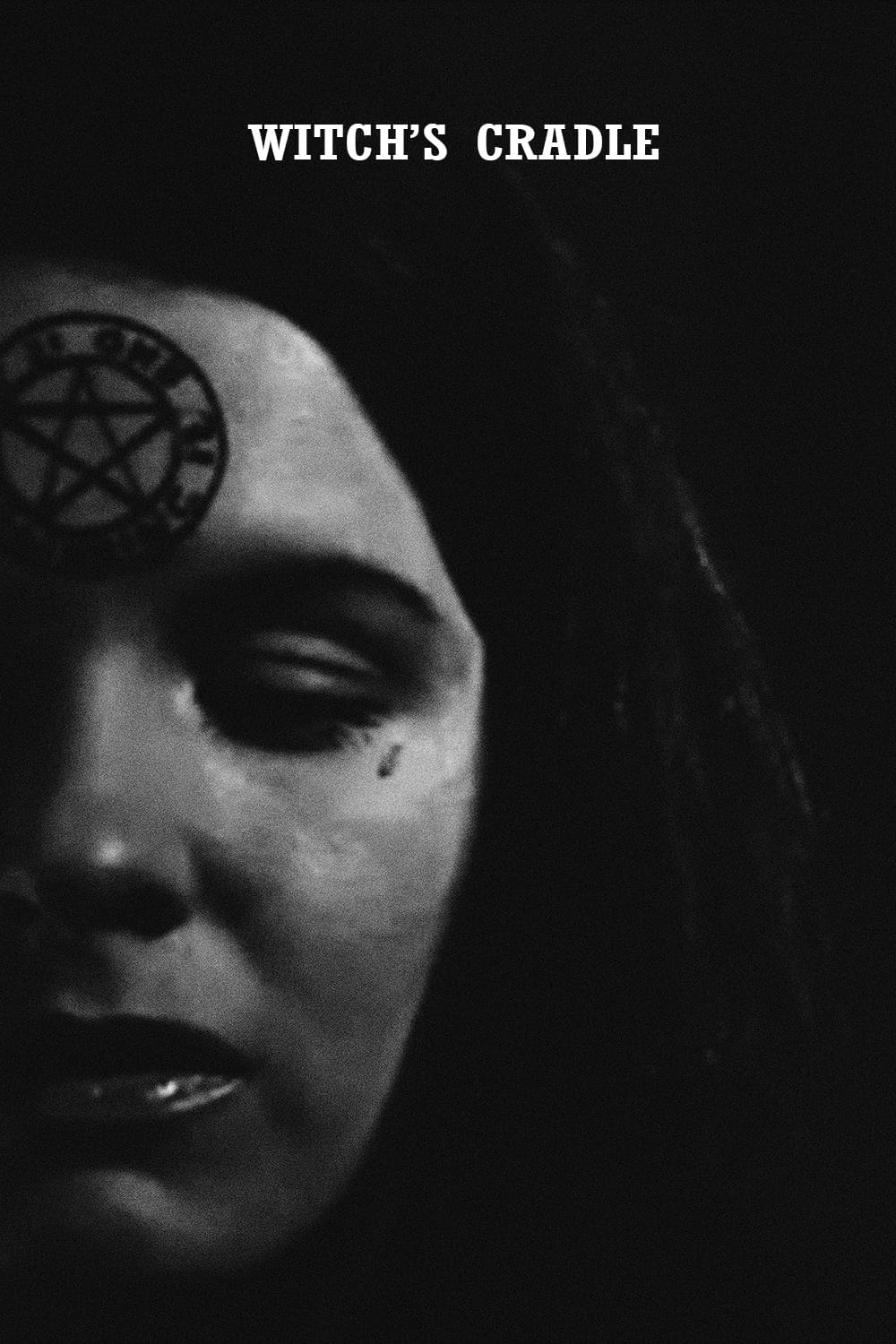 Movie6.7FantasyHorror
The surrealist film shows repetitive imagery involving a string fashioned in a bizarre, almost spiderweb-like pattern over the hands of several individuals, most notably an unnamed young woman and an elderly gentleman. The film also shows a shadowy darkness and people filmed at odd angles, an exposed human heart, and other occult symbols and ritualistic imagery which evokes an unsettling and dream-like aura. Considered an unfinished film.
Witch's Cradle
1944 · 44 votes
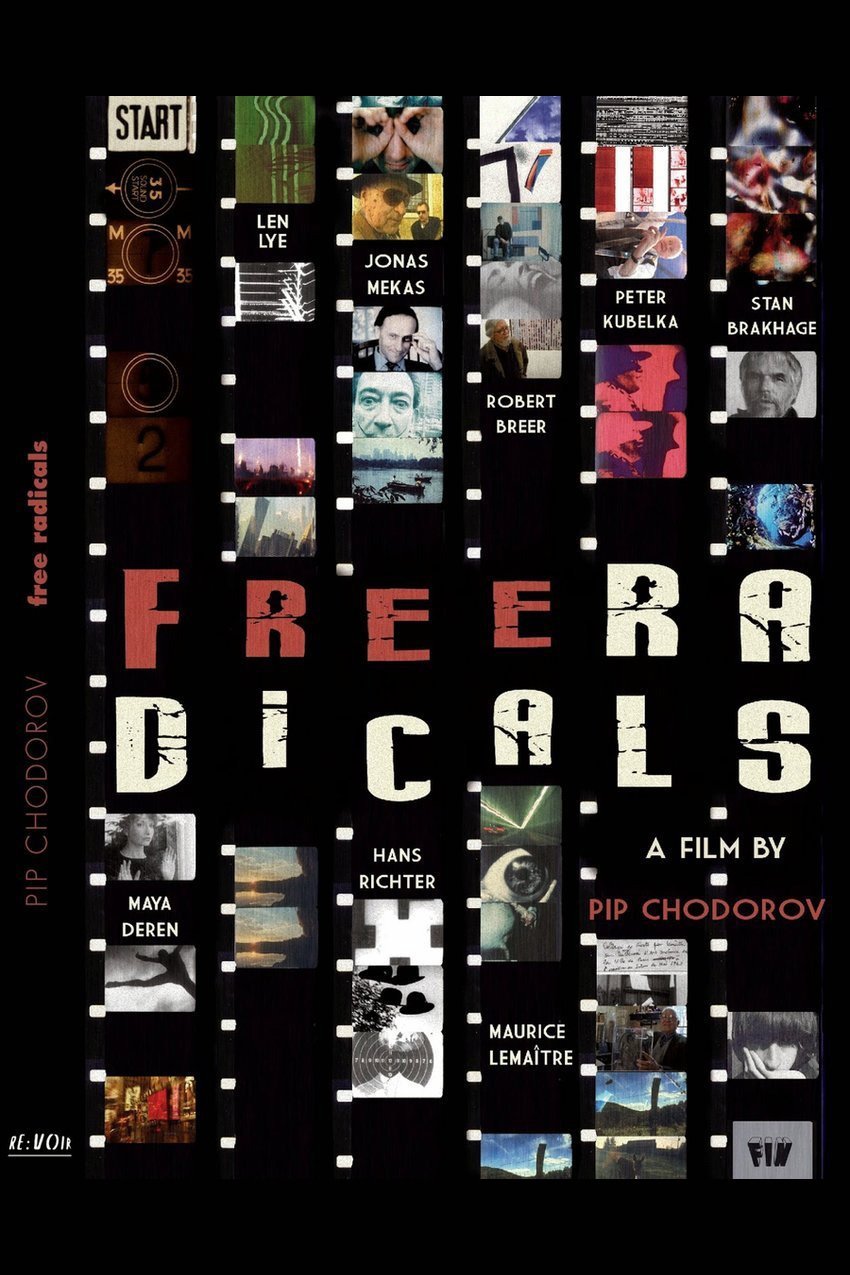 Movie6.8Documentary
Experimental filmmaker Pip Chodorov traces the course of experimental film in America, taking the very personal point of view of someone who grew up as part of the experimental film community.
Free Radicals: A History of Experimental Film
2011 · 12 votes
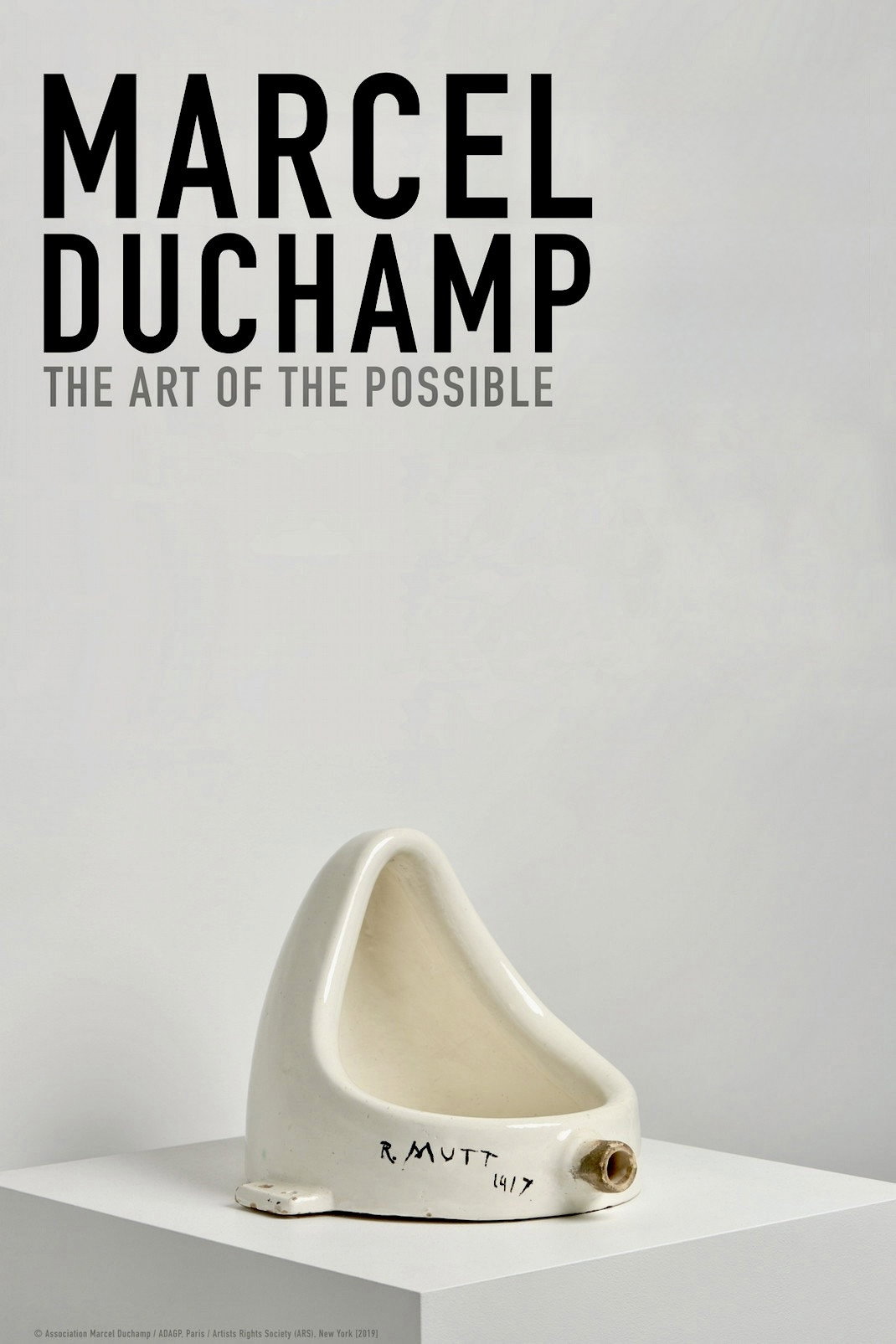 Movie6.0Documentary
A remarkable walk through the life and work of the French artist Marcel Duchamp (1887-1968), one of the most important creators of the 20th century, revolutionary of arts, aesthetics and pop culture.
Marcel Duchamp: The Art of the Possible
2020 · 1 votes
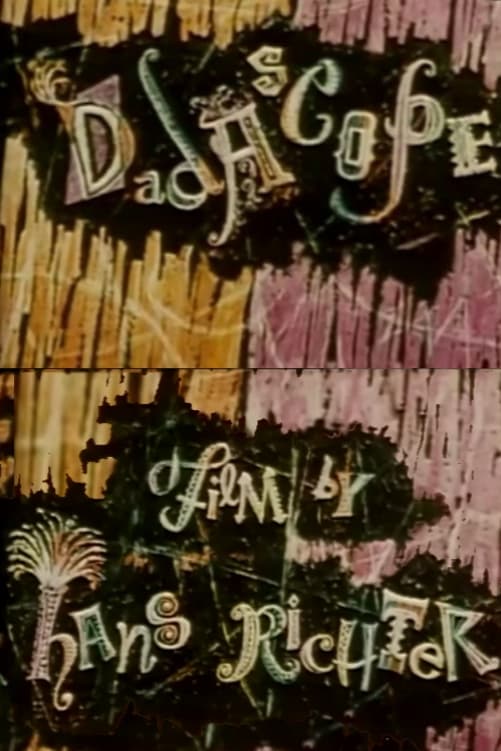 Movie7.7
Free-associative images are juxtaposed with disorienting poetry in Richter's late work. The film is visual dynamite: Upside-down and reversed footage, play with shadows and light, billiards and dice and balloons-- suggestive and surreal images. Tenets of Dada writing, such as games of chance, punnery, wordplay and loud nonsense noise are foist upon the viewer as Dada poems are read / performed by their orignal authors.
Dadascope
1962 · 6 votes
 Movie5.0Documentary
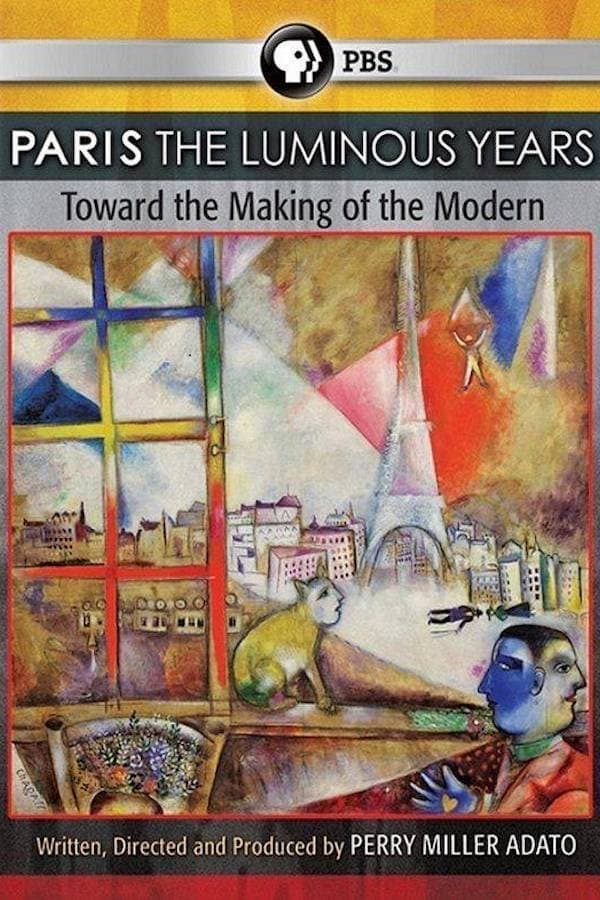
A storm of Modernism swept through the art worlds of the West in the early decades of the twentieth century, uprooting centuries of tradition. The epicenter of this storm was Paris, France. For an incandescent moment from 1905 to 1930, Paris was the magnetic center for radical innovation and experiment, and the Mecca for creative talents who would change the course of art throughout the Western world.
Paris: The Luminous Years
2010 · 1 votes
 MovieDocumentary
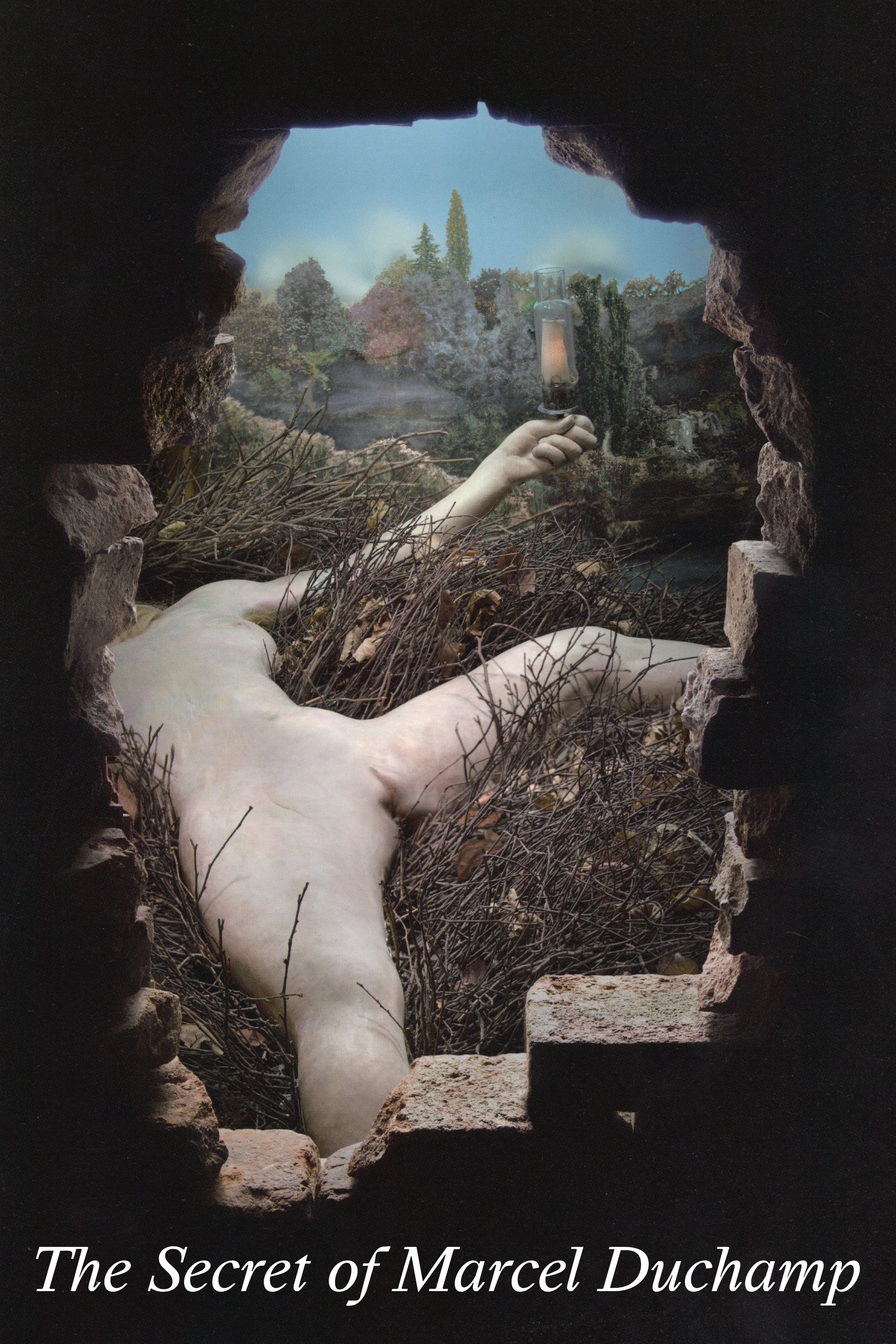
Marcel Duchamp kept a secret for over 20 years: while the art world had wrongly assumed that one of the 20th century’s most important artists had given up creating art, Duchamp was building his final masterpiece, Etant Donnes (“given”). Duchamp didn’t allow the piece to be viewed by the public until after his death in 1968. This left him shielded from the questions that developed after the piece debuted. Simply described, it is a peepshow. Through an old wooden façade, one looks through to see a sculpted open-legged nude lying in a field. The critics were stumped. What did Duchamp leave us with? This BBC documentary from 1997 dissects and examines the pieces of this assemblage.
 Movie6.6Documentary
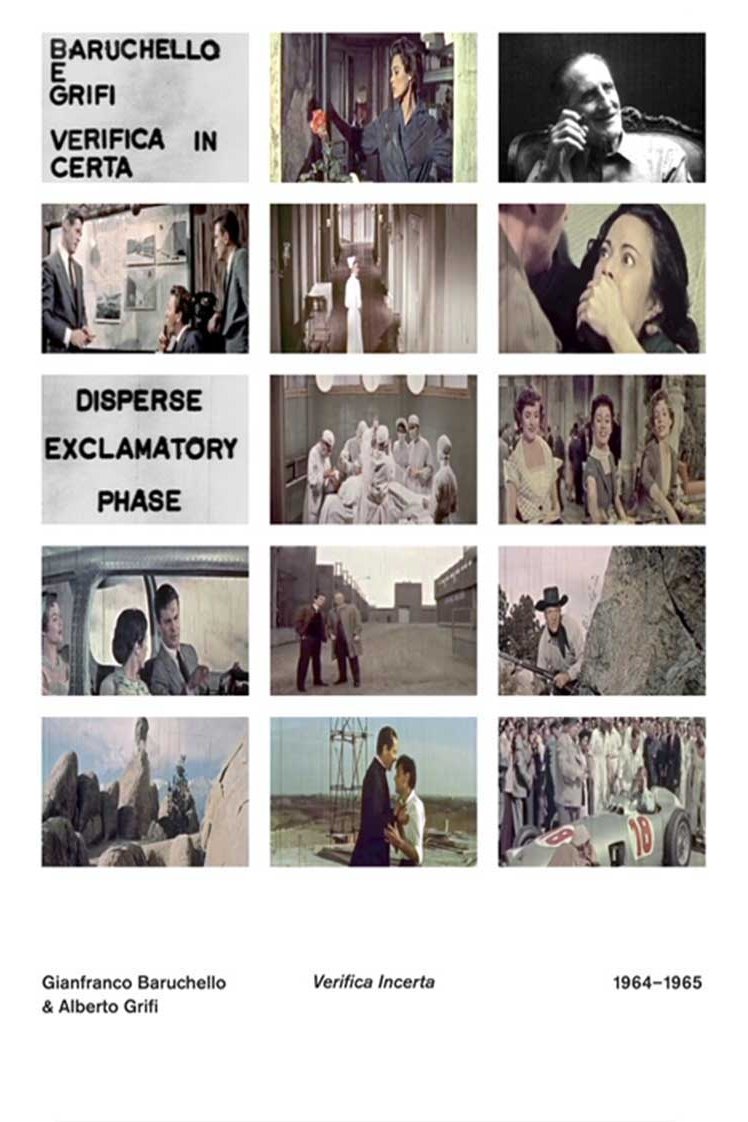
A short film containing a collection of clips from various Hollywood movies.
 Movie6.2Fantasy
8 x 8: A Chess-Sonata in 8 Movements is an American experimental film directed by Hans Richter, Marcel Duchamp, and Jean Cocteau. Described by Richter as "part Freud, part Lewis Carroll" and filmed partially on the lawn of Duchamp's summer house in Southbury, Connecticut.
8 x 8: A Chess-Sonata in 8 Movements
1957 · 14 votes
 Movie5.0
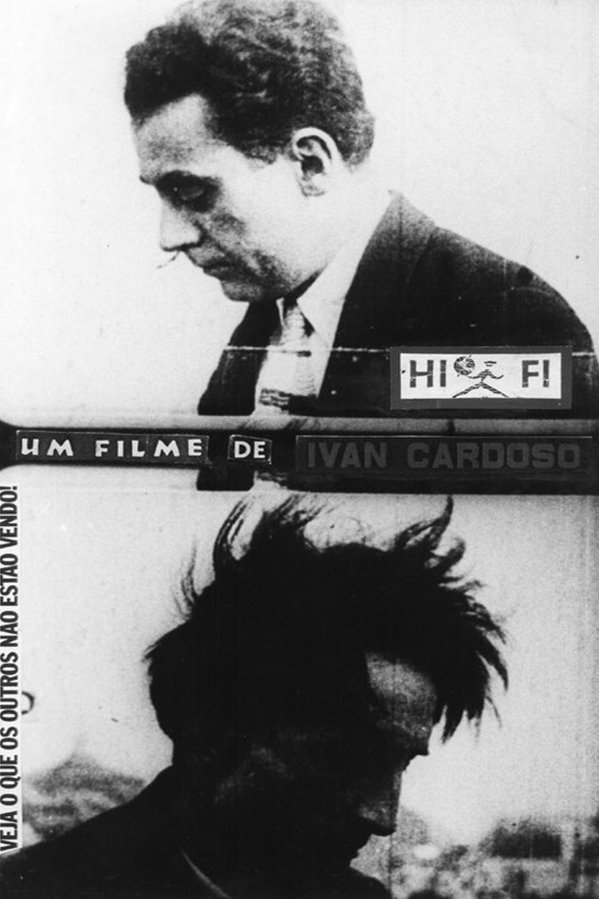
A deep dive into the history of São Paulo's avant-garde poetry movement, starting from fragments of the works of poet Augusto de Campos. A collage of rare scenes shows a long trail of comradery between avant-garde poetry and experimental cinema.
Hi-Fi
1999 · 1 votes
 Movie8.0Documentary
1967 film directed by Greta Deseson about the Dada art movement. Featuring Marcel Duchamp, Man Ray, Max Ernst, Hans Richter and Gabrièle Buffet-Picabia
Dada
1969 · 2 votes
 Movie4.3Documentary
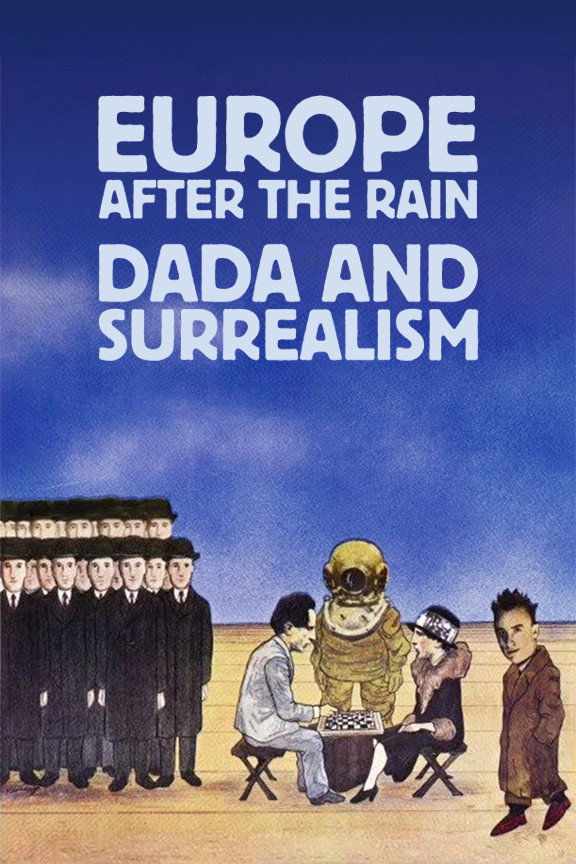
Dada came out of the craziness of World War One. "The birth of Dada was not the beginning of art but of disgust." Surrealism tried to systematize Dada's anarchy into an artistic blend of Freudian psychoanalysis and Marxist provocation. In the interests of conquering the irrational, Salvador Dali opened exhibitions dressed in a diving suit, Marcel Duchamp turned himself into woman, Benjamin Peret assaulted priests, and Yves Tanguy ate spiders. Andre Breton, nicknamed "the Pope of Surrealism", led an inspired gang of artists, lunatics and writers. By the 1950s they were denouncing each other for betraying the movement, but their ideas had infected Hollywood, advertising agencies and were turning up as TV humor and album covers.
Europe After the Rain
1978 · 4 votes
 MovieRomanceDrama
Leroy Trenchard loves Therese Verneuil, and when Leroy enters the army goes to France to fight, Therese follows as a Red Cross nurse. But suspicion arises that Therese is actually Princess Sonia, a German spy.
 MovieDocumentary
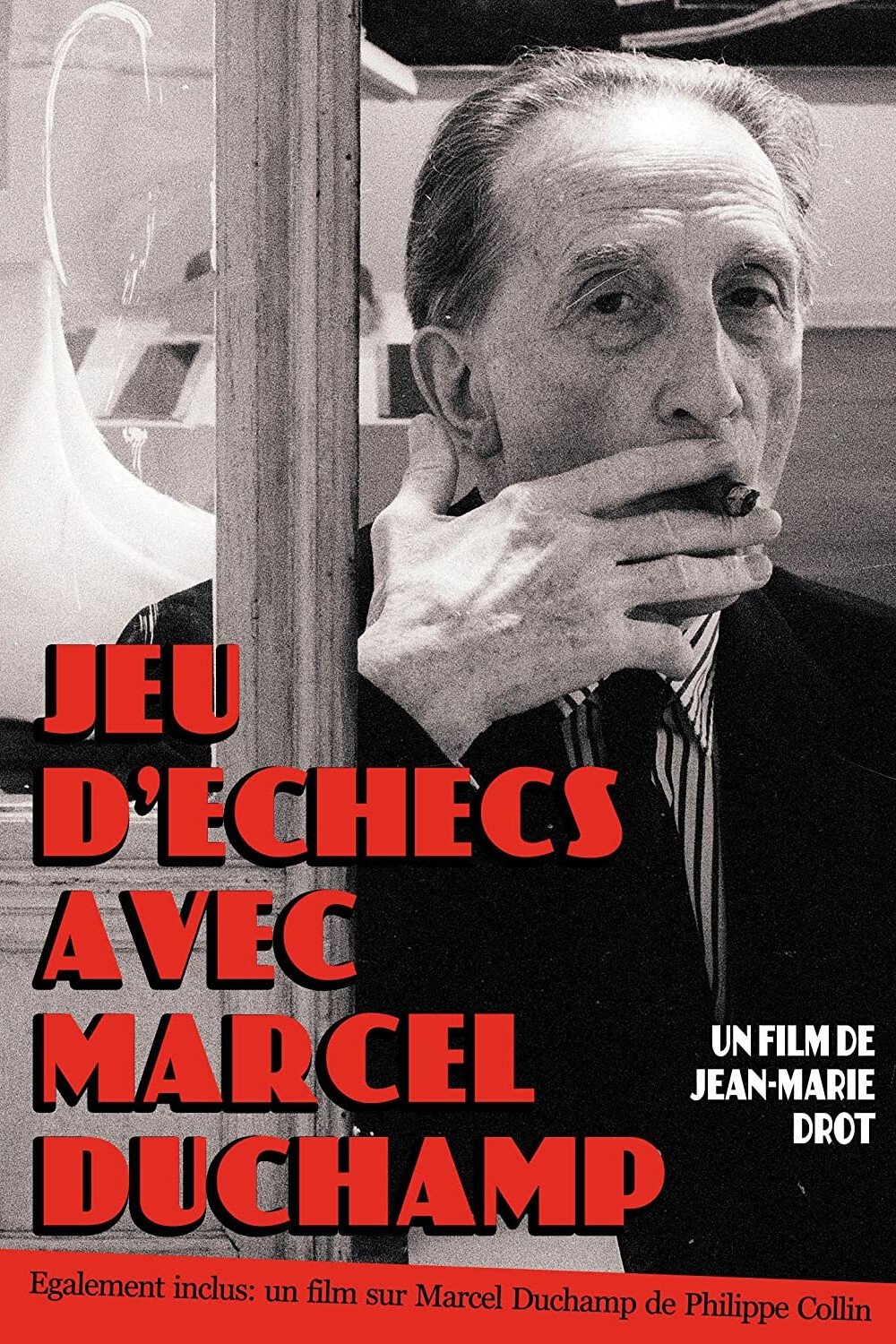
Marcel Duchamp and French director Jean-Marie Drot discuss life, art, and chess.
 Movie
MovieFilmed amidst the Arensberg collection at the Philadelphia Museum of Art, where 35 works by Marcel Duchamp are gathered, this 1956 NBC interview features the artist talking with James Johnson Sweeney, former director of the Guggenheim Museum. Duchamp describes his transition away from Impressionism toward a Cubist, and then post-Cubist, approach, providing commentary while standing before Nude Descending a Staircase (“I was not aware of Italian Futurism when I painted it”) and The Large Glass (“The two crackings are symmetrically arranged and there is… almost an intention there… a ready-made intention, in other words, that I respect and love.”). These concepts are paradoxically, although quite logically, articulated alongside his desire for “dryness” and mechanical precision. Viewers also gain insight into Duchamp’s thoughts on painting for an “ideal” public—a notion he clearly distinguishes from ivory-tower elitism.
Series2
- TVDocumentaryNews
- TV9.0Documentary
Produced for television by Claude-Jean Philippe, the « Encyclopédie audiovisuelle du cinéma », recounts the history of French cinema from its birth to the beginning of the 1960s. With commentary read by Jean Rochefort.
Encyclopédie audiovisuelle du cinéma
1978 · 1 votes