
Vandana Shiva
Actor · b. 1952 · Dehradun, Uttarakhand, India
Vandana Shiva (born 5 November 1952) is an Indian scholar, environmental activist, food sovereignty advocate, ecofeminist and anti-globalisation author. Based in Delhi, Shiva has written more than 20 books. She is often referred to as "Gandhi of grain" for her activism associated with the anti-GMO movement. Shiva is one of the leaders and board members of the International Forum on Globalization (with Jerry Mander, Ralph Nader, and Helena Norberg-Hodge), and a figure of the anti-globalisation movement. She has argued in favour of many traditional practices, as in her interview in the book Vedic Ecology (by Ranchor Prime). She is a member of the scientific committee of the Fundacion IDEAS, Spain's Socialist Party's think tank. She is also a member of the International Organization for a Participatory Society. Vandana Shiva was born in Dehradun. Her father was a conservator of forests, and her mother was a farmer with a love for nature. She was educated at St. Mary's Convent High School in Nainital, and at the Convent of Jesus and Mary, Dehradun. Shiva studied physics at Punjab University in Chandigarh, graduating as a Bachelor of Science in 1972. After a brief stint at the Bhabha Atomic Research Centre, she moved to Canada to pursue a master's degree in the philosophy of science at the University of Guelph in 1977 where she wrote a thesis entitled "Changes in the concept of periodicity of light". In 1978, she completed and received her PhD in philosophy at the University of Western Ontario, focusing on philosophy of physics. Her dissertation was titled "Hidden variables and locality in quantum theory" in which she discussed the mathematical and philosophical implications of hidden variable theories that fall outside of the purview of Bell's theorem. She later went on to pursue interdisciplinary research in science, technology, and environmental policy at the Indian Institute of Science and the Indian Institute of Management in Bangalore. Vandana Shiva has written and spoken extensively about advances in the fields of agriculture and food. Intellectual property rights, biodiversity, biotechnology, bioethics, and genetic engineering are among the fields where Shiva has fought through activist campaigns. She has assisted grassroots organisations of the Green movement in Africa, Asia, Latin America, Ireland, Switzerland, and Austria with opposition to advances in agricultural development via genetic engineering. In 1982, she founded the Research Foundation for Science, Technology and Ecology. This led to the creation of Navdanya in 1991, a national movement to protect the diversity and integrity of living resources, especially native seed, the promotion of organic farming and fair trade. Navdanya, which translates to "Nine Seeds" or "New Gift", is an initiative of the RFSTE to educate farmers of the benefits of maintaining diverse and individualised crops rather than accepting offers from monoculture food producers. The initiative established over 40 seed banks across India to provide regional opportunity for diverse agriculture. In 2004 Shiva started Bija Vidyapeeth, an international college for sustainable living in Doon Valley, Uttarakhand, in collaboration with Schumacher College, UK. ... Source: Article "Vandana Shiva" from Wikipedia in English, licensed under CC-BY-SA 3.0.
Movies22
 Movie7.8Documentary
Climate is changing. Instead of showing all the worst that can happen, this documentary focuses on the people suggesting solutions and their actions.
 MovieDocumentary
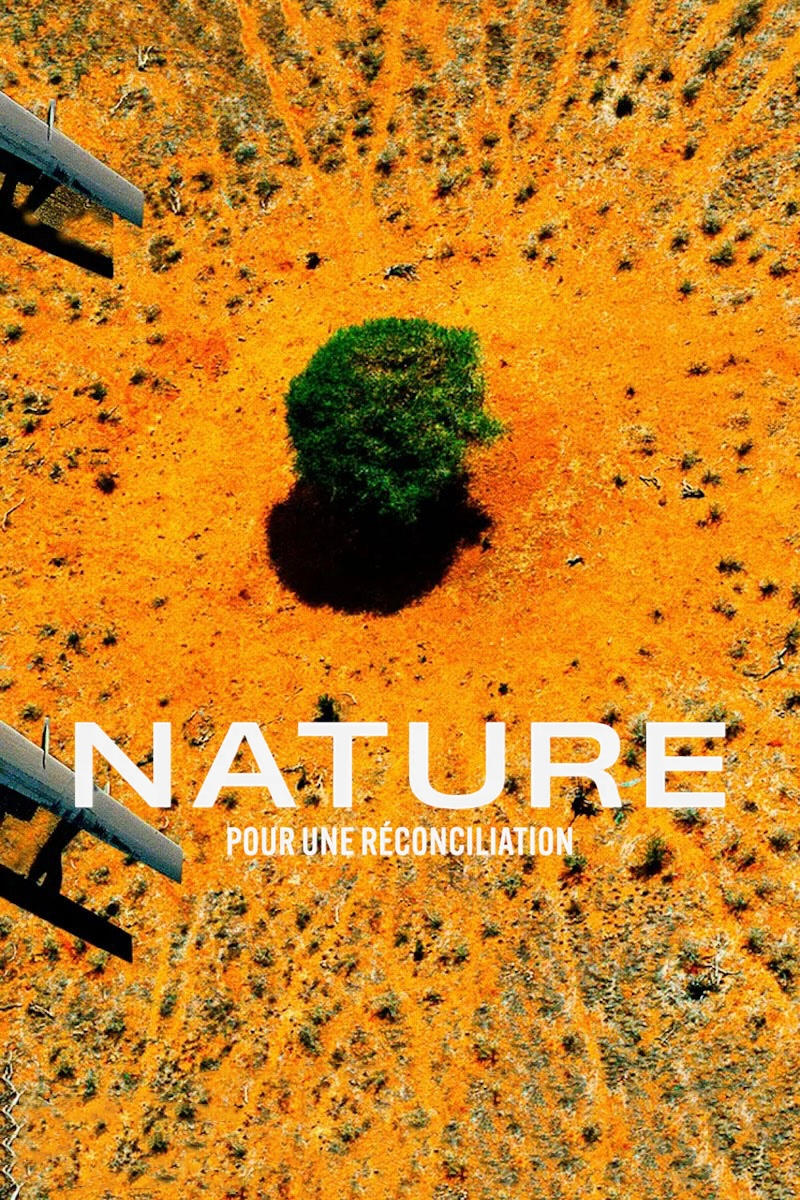
Combining poetry, science and emotion, this film traces the history of life, from its cosmic origins to its evolution on our planet, through the wonders of biodiversity and the contemporary challenges it faces. Through spectacular images, Yann Arthus-Bertrand questions the paradoxes of our times and urges a collective transformation to reconcile humanity with nature.
- Movie6.0Documentary
On 1500 metres above sea level, on the slope of the mountain Hallingskarvet, stands "Tvergastein', the cabin of Norwegian philosopher Arne Naess. In his life he has spent nearly 12 years in this hut, where he wrote several books and essays on philosophy and ecology. In this film, Naess tells about the concept of 'deep ecology', which was first introduced by him in 1973. One of the basic tenets of deep ecology is that nature has a value in itself, apart from its possible use value to humans. Next to being a famous mountaineer, Naess has been a longtime activist in the environmental movement. He gives an inspiring account of his participation in blockades to prevent the Alta river in northern Norway (the area of the Sami, an indigenous people) from being dammed.
The Call of the Mountain
1997 · 1 votes
 Movie7.5DocumentaryDrama
Film from Andrew Morgan. The True Cost is a documentary film exploring the impact of fashion on people and the planet.
The True Cost
2015 · 242 votes
 Movie7.0Documentary
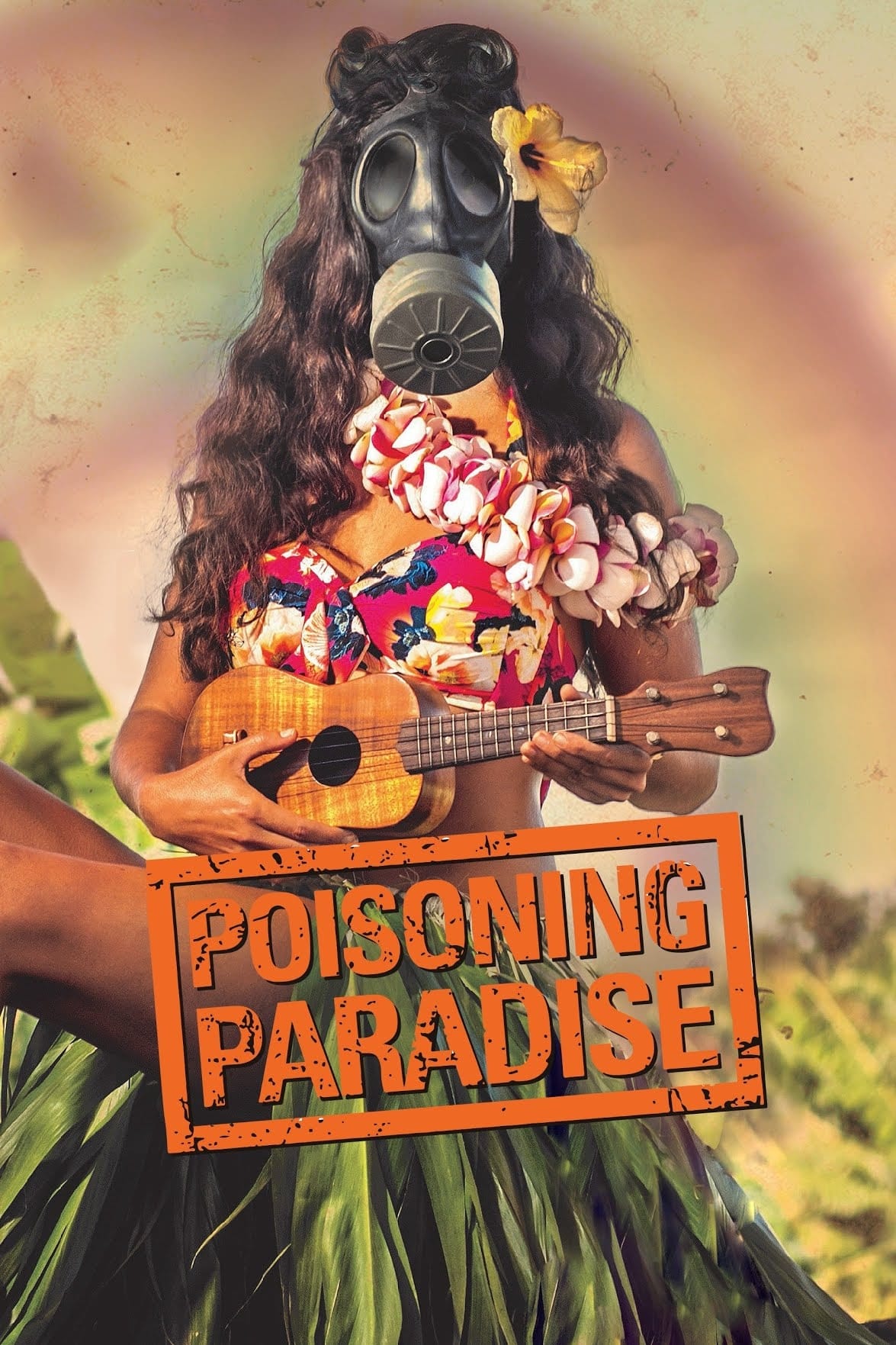
Journey to the seemingly idyllic world of Native Hawaiians, whose communities are surrounded by experimental test sites for genetically engineered seed corn and pesticides sprayed upwind of their homes, schools, hospitals, and shorelines.
Poisoning Paradise
2017 · 1 votes
 Movie7.8Documentary
Two childhood friends leave everything behind to go question the workings of the world. This incredible, life-changing journey across America, Europe, and Asia encourages us to reconsider our relationship with nature, happiness, and the meaning of life.
 Movie6.9Documentary
As society tackles the problem of feeding our expanding population safely and sustainably, a schism has arisen between scientists and consumers, motivated by fear and distrust. Food Evolution, narrated by Neil deGrasse Tyson, explores the polarized debate surrounding GMOs. Looking at the real-world application of food science in the past and present, the film argues for sound science and open-mindedness in a culture that increasingly shows resistance to both.
Food Evolution
2017 · 16 votes
 Movie7.2Documentary
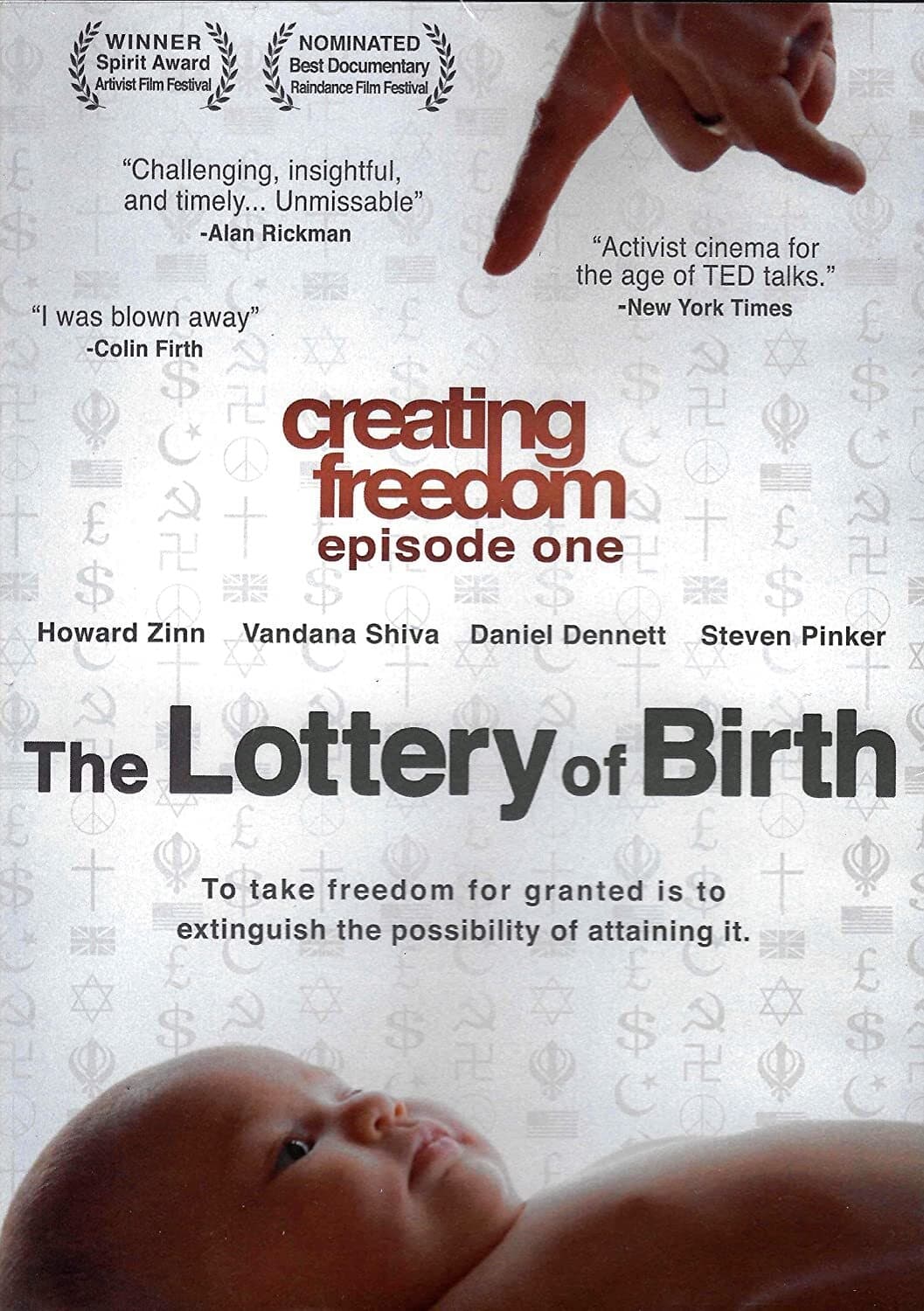
THE LOTTERY OF BIRTH is the first in a three-part documentary series entitled 'Creating Freedom' exploring the relationship between freedom, power and control in Western democracies. The series draws together interviews with some of the world's leading intellectuals, journalists and activists to offer an alternative perspective on today's society and the future we're creating. We do not choose to exist, or the environment we grow up in. Our starting point in life is one of passive reliance on forces over which we have no control. THE LOTTERY OF BIRTH shows that from birth onwards our minds are a battleground of competing forces: familial, educational, cultural, and professional. The outcome of this battle not only determines who we become, but the society that we create.
Creating Freedom: The Lottery of Birth
2013 · 8 votes
 Movie6.3Documentary
A film about the importance of heirloom seeds to the agriculture of the world, focusing on seed keepers and activists from around the world.
Seed: The Untold Story
2016 · 10 votes
 Movie4.2Documentary
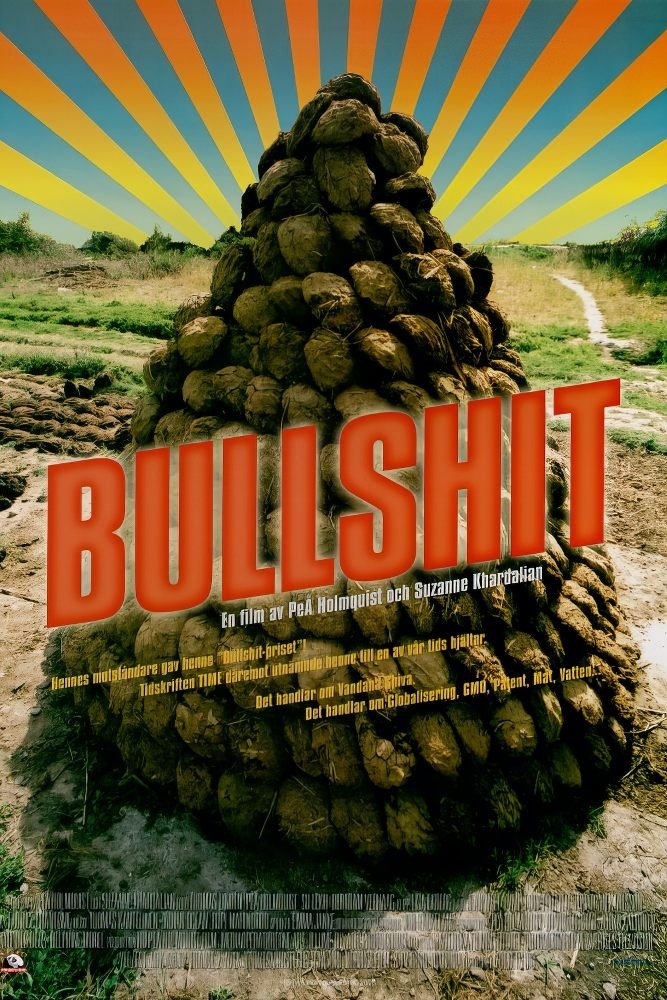
Her opponents gave her the “Bullshit Award” for sustaining global poverty. Time Magazine hailed her as one of the great heroes of our time – an icon for young people all over the world. She is Vandana Shiva and this is a film about globalization, genetic engineering, bio-piracy, and indigenous knowledge.
Bullshit
2005 · 2 votes
 Movie7.3Documentary
This film, shot by 100 amateur camera operators, tells the story of the enormous street protests in Seattle, Washington in November 1999, against the World Trade Organization summit being held there. Vowing to oppose, among other faults, the WTO's power to arbitrally overrule nations' environmental, social and labour policies in favour of unbridled corporate greed, protestors from all around came out in force to make their views known and stop the summit. Against them is a brutal police force and a hostile media as well as the stain of a minority of destructively overzealous comrades. Against all odds, the protesters bravely faced fierce opposition to take back the rightful democratic power that the political and corporate elite of the world is determined to deny the little people.
This Is What Democracy Looks Like
2000 · 7 votes
 Movie6.8Documentary
In 1923, Rudolf Steiner, an Austrian scientist, philosopher & social innovator, predicted that in 80 to 100 years honeybees would collapse. Now, beekeepers around the United States and around the world are reporting an incredible loss of honeybees, a phenomenon deemed "Colony Collapse Disorder." This "pandemic" is indicated by bees disappearing in mass numbers from their hives with no clear single explanation. The queen is there, honey is there, but the bees are gone. For the first time, in an alarming inquiry into the insights behind Steiner's prediction QUEEN OF THE SUN: What Are the Bees Telling Us? investigates the long-term causes behind the dire global bee crisis through the eyes of biodynamic beekeepers, commercial beekeepers, scientists and philosophers.
Queen of the Sun: What Are the Bees Telling Us?
2010 · 9 votes
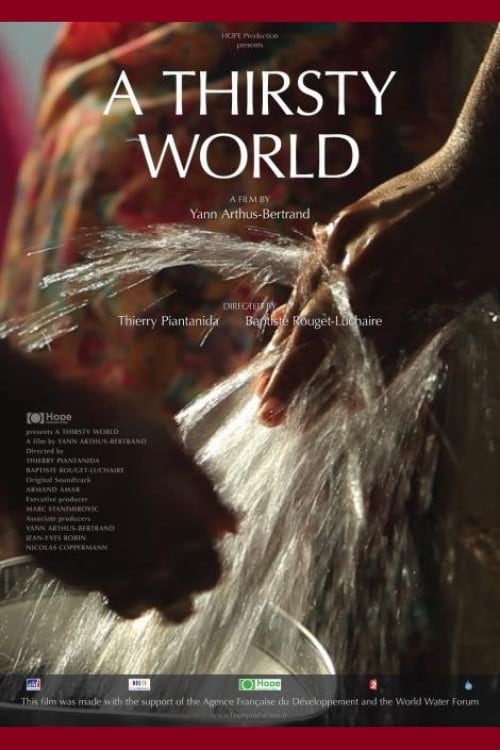 Movie7.0DocumentaryDrama
Today, against a backdrop of sharply increasing demand, growth in the world population and the growing impact of an unsettled climate, water has become one of the most precious natural resources of our planet.
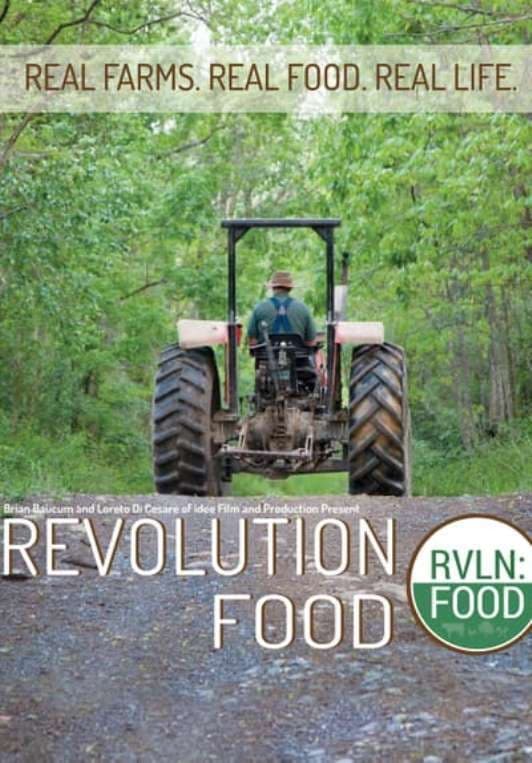 MovieDocumentary
A positive documentary on good changes taking hold in our modern food system, with farmers growing real food to meet consumer demand.
Revolution Food
2015
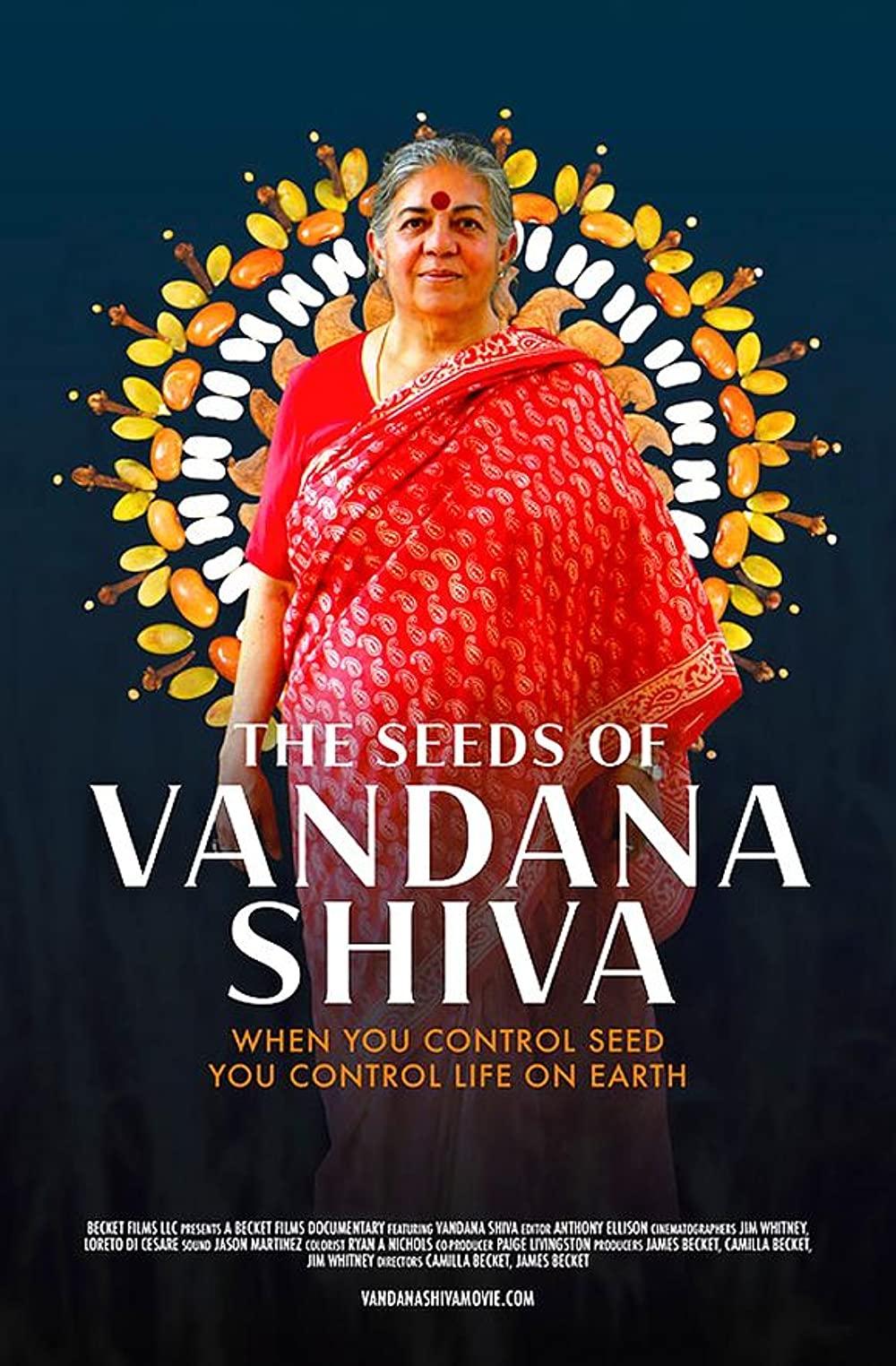 MovieDocumentary
How did the willful daughter of a Himalayan forest conservator become Monsanto’s worst nightmare? The Seeds of Vandana Shiva tells the remarkable life story of Gandhian eco-activist Dr. Vandana Shiva, how she stood up to the corporate Goliaths of industrial agriculture, rose to prominence in the regenerative food movement, and inspired an international crusade for change.
 Movie8.5Documentary
H.O.P.E. is a life-changing documentary uncovering and revealing the effects of our typical Western diet high in animal-based foods. It contrasts the limited interests of the pharmaceutical and agricultural industry with the all-encompassing interests of living beings on this planet and with the power of responsible consumer action. H.O.P.E. is an urgent call to action to all of us to commit to a change towards sustainability and safeguarding our living environment.
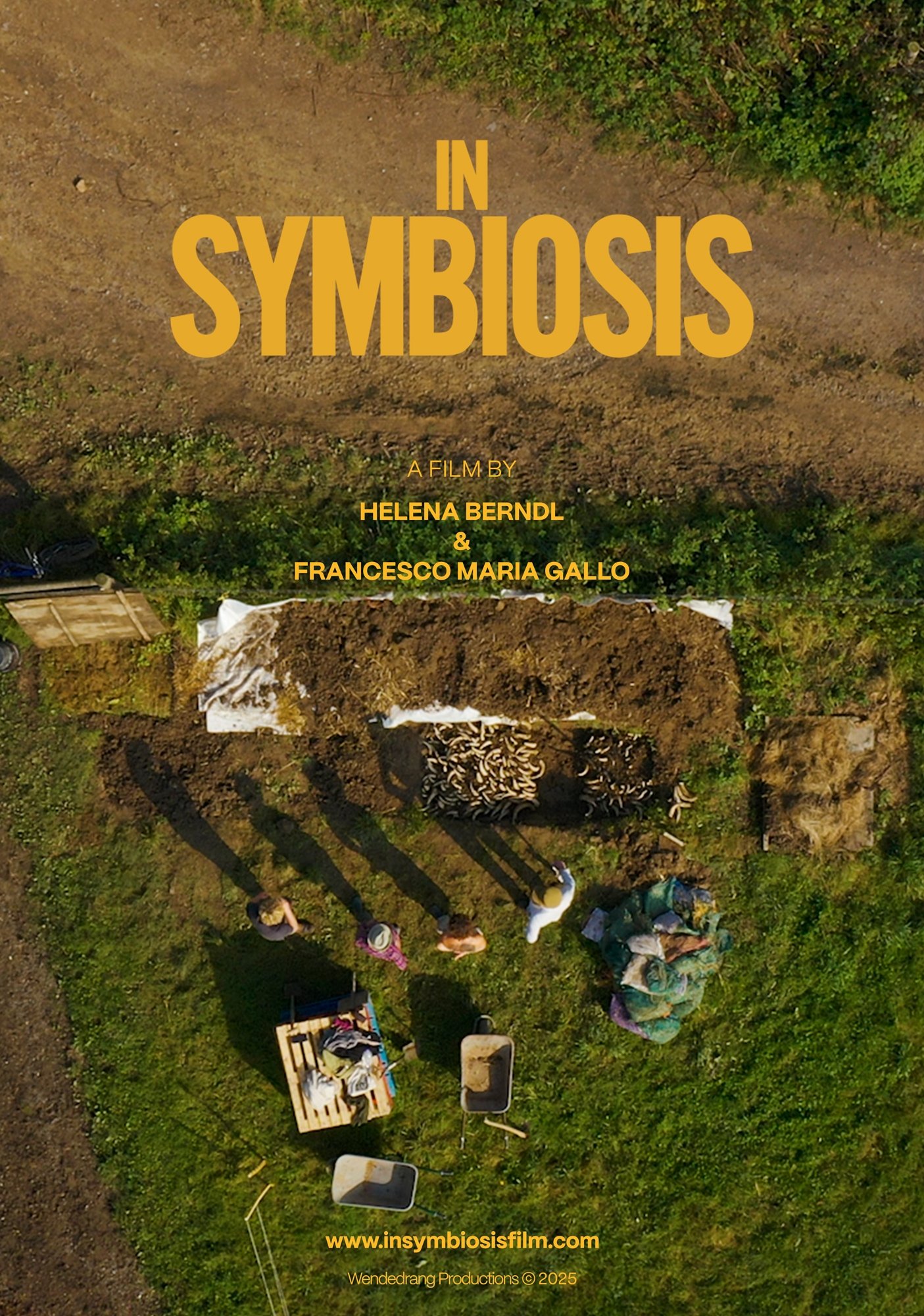 MovieDocumentary
As the world is grappling with the emergent challenges of its development path, In Symbiosis' striking and vibrant cast of interviewees, from land to lab, unveils the driving forces behind a broken food system and puts forward a path to building true resilience in and around us.
In Symbiosis
2025
 MovieDocumentary
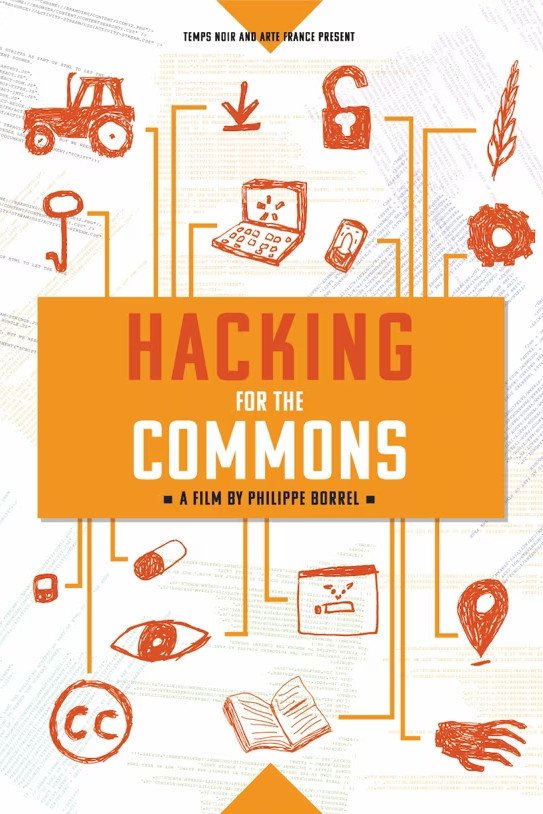
"Hacking for the Commons", this 87 minute long documentary takes us to meet with those who, from India to the United States via Europe, are experimenting with the emancipation tools of "free software" in order to bring concrete solutions in a multitude of fields in which collective practices known as "open" - thus "non-proprietary" - are spreading : in agriculture, with "free" seeds, in health, with Open Source medicines, or in education, thanks to a free access to knowledge... Resistants of the "Free" software field see it as a philosophical and political issue, as much as a societal choice, while the contributory and emancipatory practices of "Free" software are beginning to spread far beyond the IT field alone, for the benefice of the Commons...
 Movie6.0Documentary
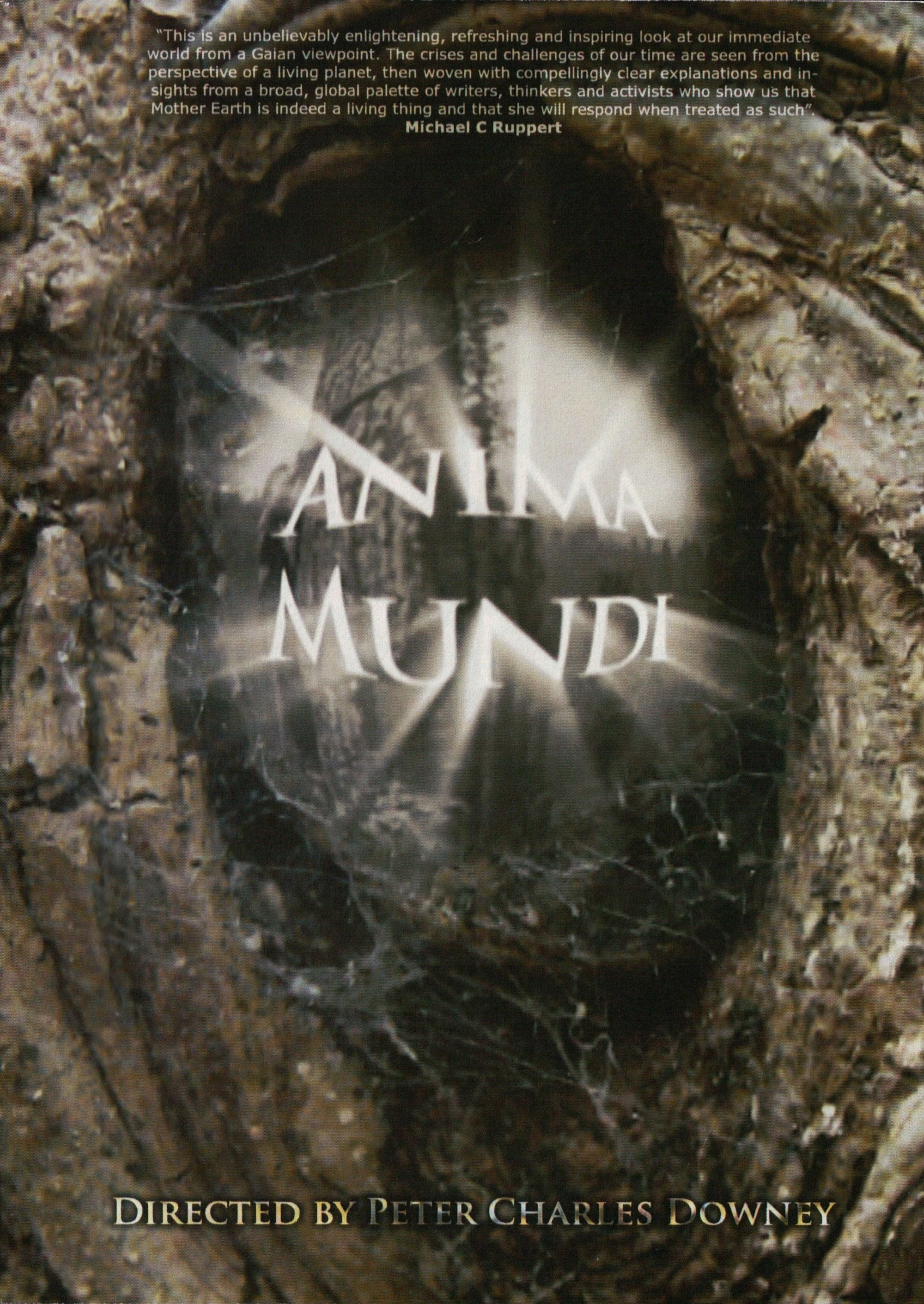
An independent, unique and interesting feature on peak oil, climate change, permaculture and Gaia theory
 Movie7.1Documentary
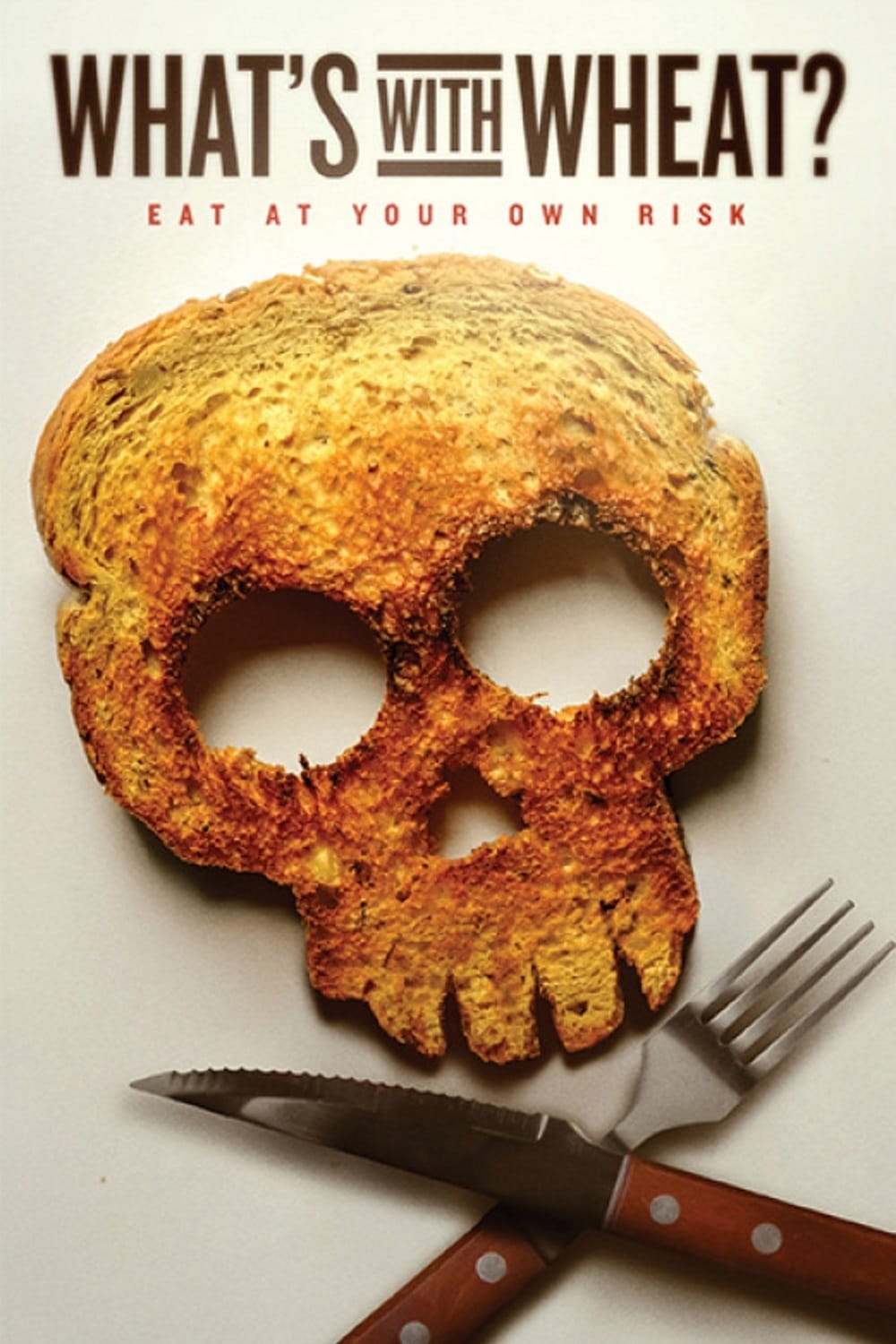
Why are so many people wheat-intolerant or sensitive to wheat? And why is wheat linked to so many modern-day health problems, when it has been a staple of the human diet for thousands of years? In this documentary, a nutritionist interviews 14 experts, to understand how wheat has changed since it was first cultivated, how these changes could be affecting human health, and how people can break a dietary cycle that could be making them sick.
What's With Wheat?
2016 · 10 votes
 Movie7.4Documentary
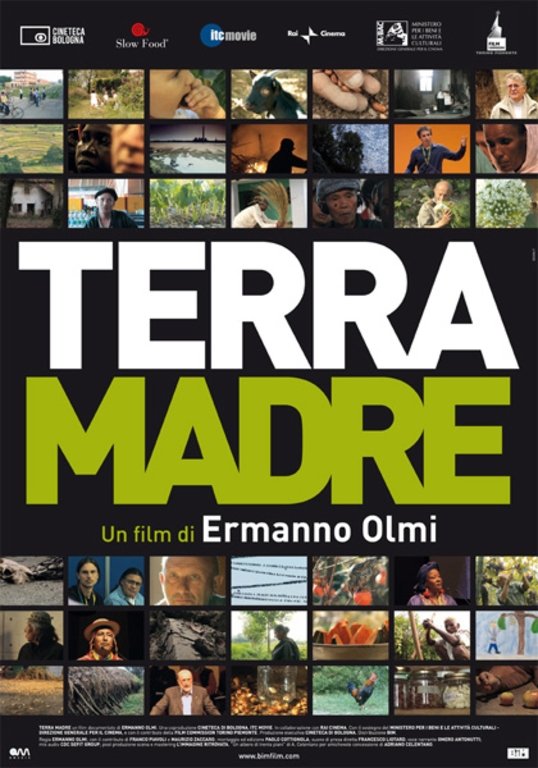
Documentary about sustainable agriculture and food.
 Movie6.9Documentary
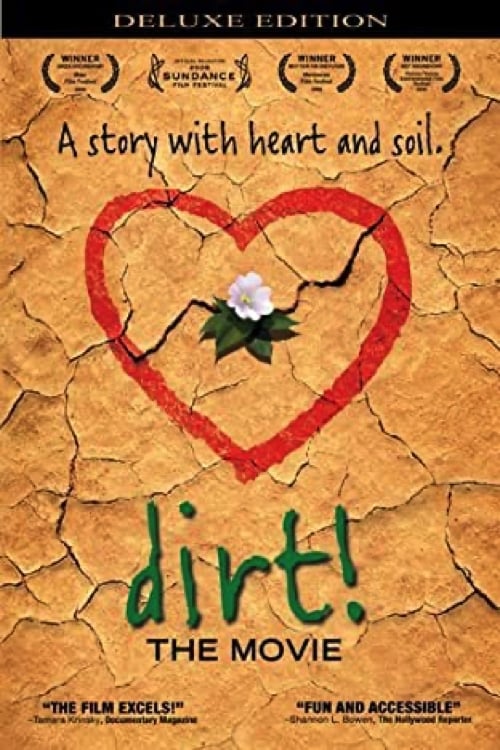
A look at man's relationship with Dirt. Dirt has given us food, shelter, fuel, medicine, ceramics, flowers, cosmetics and color --everything needed for our survival. For most of the last ten thousand years we humans understood our intimate bond with dirt and the rest of nature. We took care of the soils that took care of us. But, over time, we lost that connection. We turned dirt into something "dirty." In doing so, we transform the skin of the earth into a hellish and dangerous landscape for all life on earth. A millennial shift in consciousness about the environment offers a beacon of hope - and practical solutions.
Dirt! The Movie
2009 · 12 votes
Series1
 TV8.7Talk Show
In-depth interviews with hard-hitting questions and sensitive topics being covered as famous personalities from all walks of life talk about the highs and lows in their lives.
HARDtalk
1997 · 3 votes