
Shirley Ross
Actor · 1913 – 1975 · Omaha, Nebraska, USA
Blonde, vivacious and obviously talented, Shirley Ross had the promisings of a big musical film star, but her career remained strictly second-string throughout her fairly short career. She is best remembered through her pairing with an entertainment legend: Shirley was afforded the opportunity of duetting with Bob Hope on the song "Thanks for the Memory" in the splashy musical The Big Broadcast of 1938. The song, of course, became Bob's beloved signature tune. Shirley was born Bernice Gaunt in Omaha, Nebraska in 1913. Her family moved west and she attended Hollywood High School, later studying at UCLA. Blessed with a gorgeous musical instrument, and an adept piano player as well, Shirley went on to sing with Gus Arnheim's band on the west coast, appearing at all the swanky clubs of the day, including the Beverly Wilshire Hotel, while making a decent name for herself on radio. She also appeared in a west coast production of "Anything Goes". MGM initially scooped her up, making her unbilled debut in the Jean Harlow starrer Blonde Bombshell (1933). She continued on just as obscurely in the films Hollywood Party (1934), Manhattan Melodrama (1934), The Girl from Missouri (1934), The Merry Widow (1934), and Age of Indiscretion (1935), but was finally promoted to a minor featured role in the classic earthquake epic San Francisco (1936) with Clark Gable and Jeanette MacDonald, in which Shirley sang "Happy New Year". In 1936, she found more visible work over at Paramount and spent the next few years there paired up vocally and romantically with either Bing Crosby or Bob Hope in their popular vehicles - The Big Broadcast of 1937 (1936), Waikiki Wedding (1937), Thanks for the Memory (1938), Paris Honeymoon (1939), and Some Like It Hot (1939). Though most were trifling, insignificant time fillers, she was a diverting beauty and quite serviceable in them. She was even given the chance to topline a few of her own movies such as Prison Farm (1938), Sailors on Leave (1941), and A Song for Miss Julie (1945), which was her swan song. After leaving pictures, Shirley Ross was little heard or seen. Married first to agent John Kenneth 'Ken' Dolan, then to Everett S. 'Eddie' Blum, she had three children - two sons and a daughter. She died in Menlo Park, California of cancer in 1975.
Movies24
 Movie7.0CrimeDrama
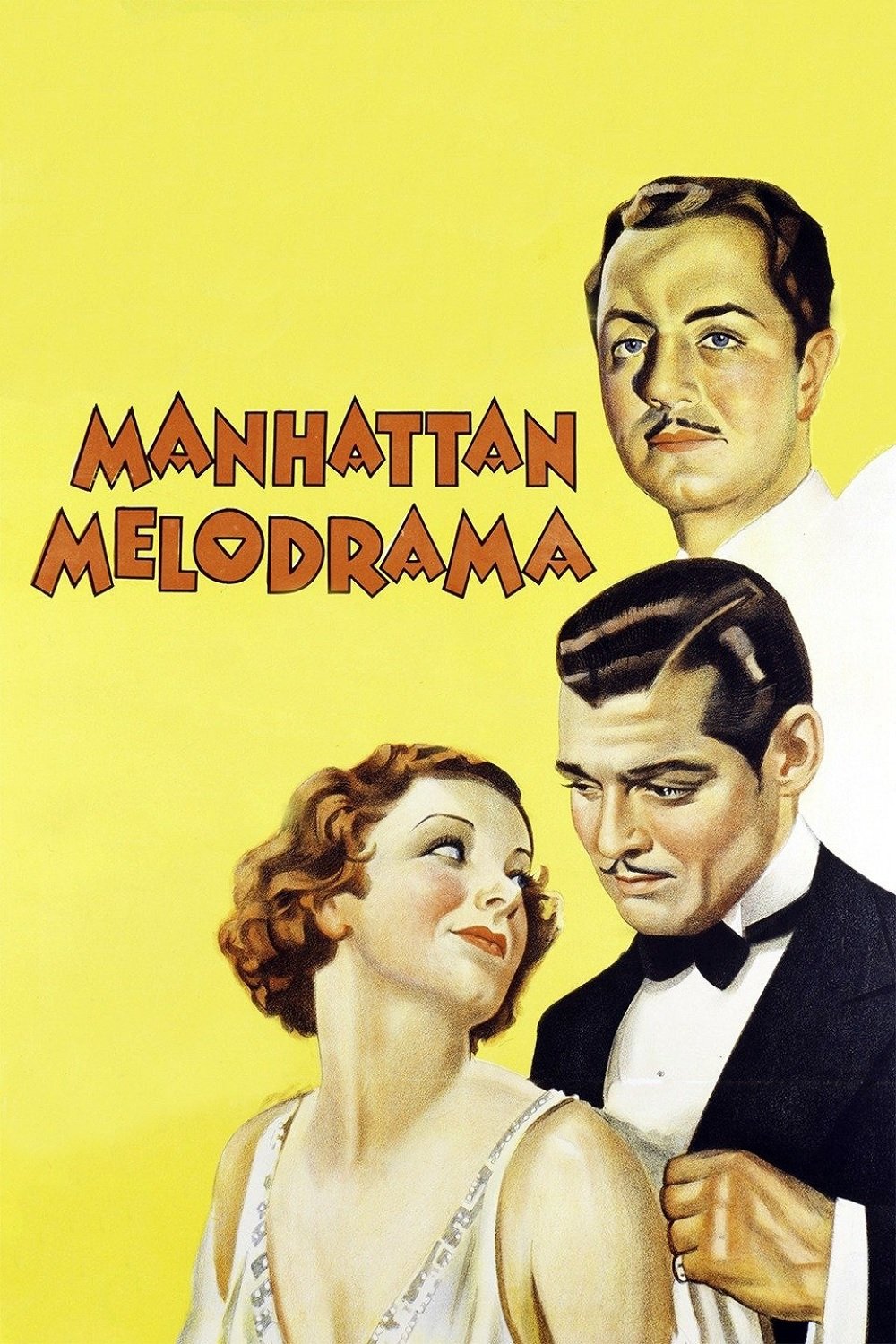
The friendship between two orphans endures even though they grow up on opposite sides of the law and fall in love with the same woman.
Manhattan Melodrama
1934 · 81 votes
 Movie6.4CrimeDrama
An embezzler who expects to serve his time in prison and then pick up his buried loot is in for a surprise.
Buried Loot
1935 · 7 votes
 Movie5.9ComedyRomance
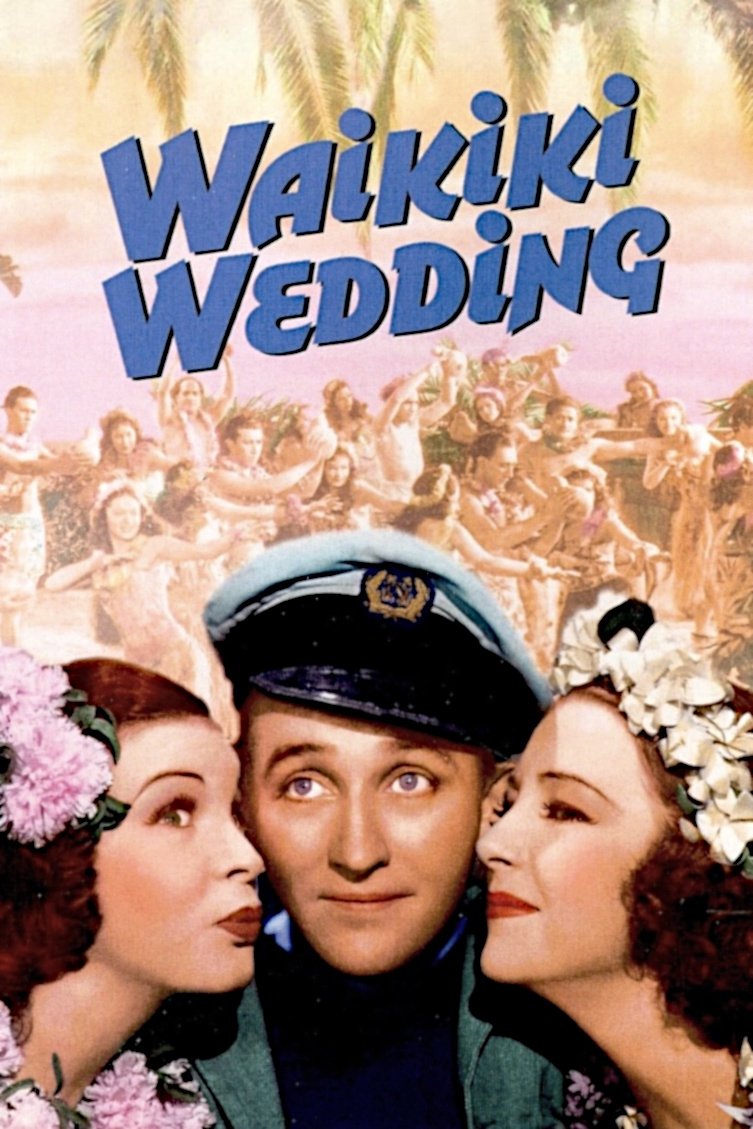
Tony Marvin is a laid back but incredibly successful promoter and fair-haired boy for J. P. Todhunter's pineapple company located in beautiful Hawaii. He gets the company to sponsor a contest in which the winner gets a Hawaiian vacation and is obligated to write articles on the islands which, when published, will constitute a publicity coup for the company. Unfortunately, Georgia Smith, the winner, feels lonely and isolated in the Islands and wants to return to the States. With help from buddy Shad Buggle Tony tries to romantically divert Georgia without letting her know his true motivation.
Waikiki Wedding
1937 · 14 votes
 Movie6.6DramaRomance
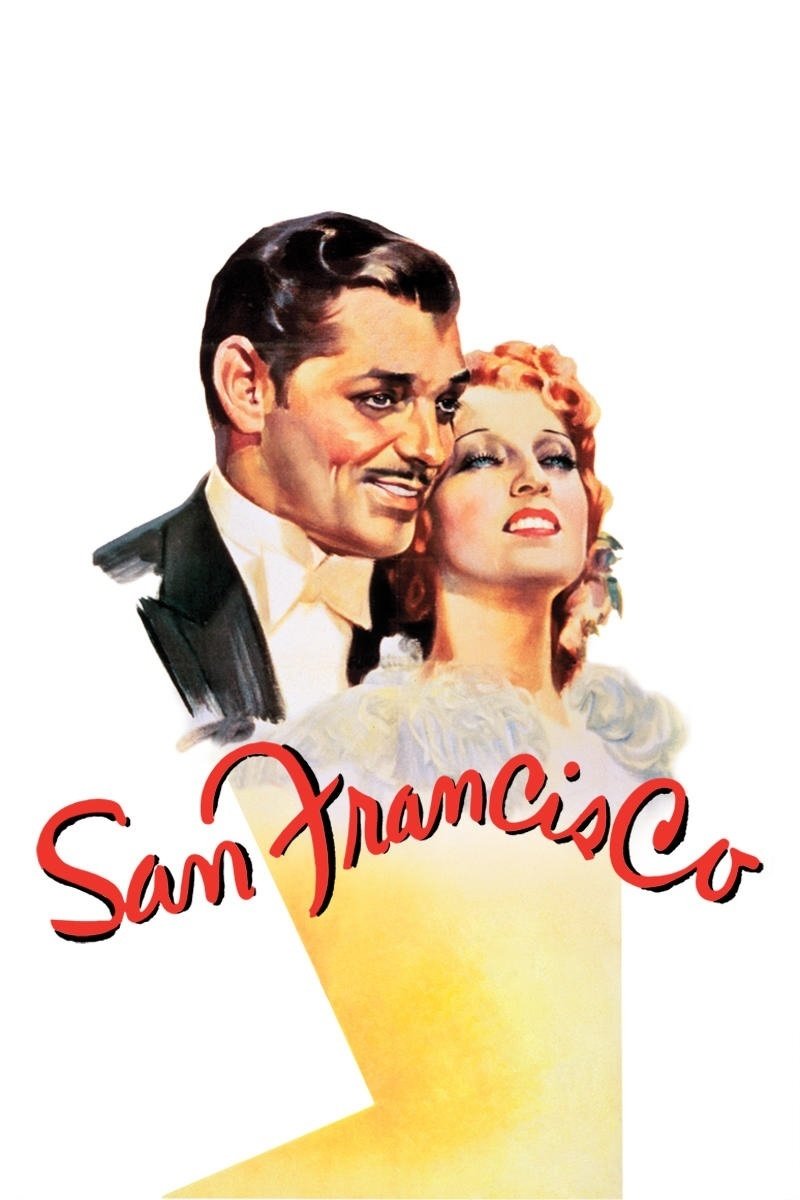
A beautiful singer and a battling priest try to reform a Barbary Coast saloon owner in the days before the great earthquake and subsequent fires in 1906.
San Francisco
1936 · 89 votes
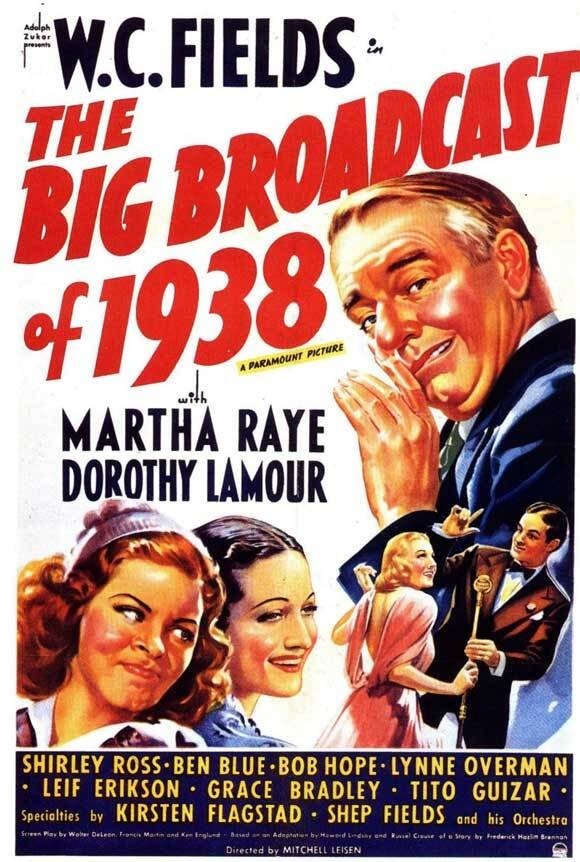 Movie6.3ComedyMusic
The Bellows family causes comic confusion on an ocean liner, with time out for radio-style musical acts.
The Big Broadcast of 1938
1938 · 24 votes
 Movie7.6ComedyMusic
Nicky Nelson is a fast-talking sideshow barker with a wax-and-alive concession on Atlantic City's boardwalk. Even with the band of his friend, struggling musician Gene Krupa, playing on the sidewalk to attract the customers, "The Living Corpse" and other low-rent acts aren't enough to lure the seen-it-all boardwalk strollers, and the landlord closes the show in lieu of never-paid rent. Nicky, always promoting, goes to Stephen Hanratty, head of the pier's Dance Pavilion, to plug Krupa's band as an attraction, but Hanratty won't even listen to them. But, while there, he meets singer Lily Racquel, who knows he is a phoney but might have the ability to to talk a radio-station manager into giving her an audition. She gives him a ring to help finance the project; he promptly loses it in a crap-game.
Some Like It Hot
1939 · 7 votes
 Movie6.6ComedyDrama
A society girl tries to make a go of her marriage to an archaeologist.
I Live My Life
1935 · 10 votes
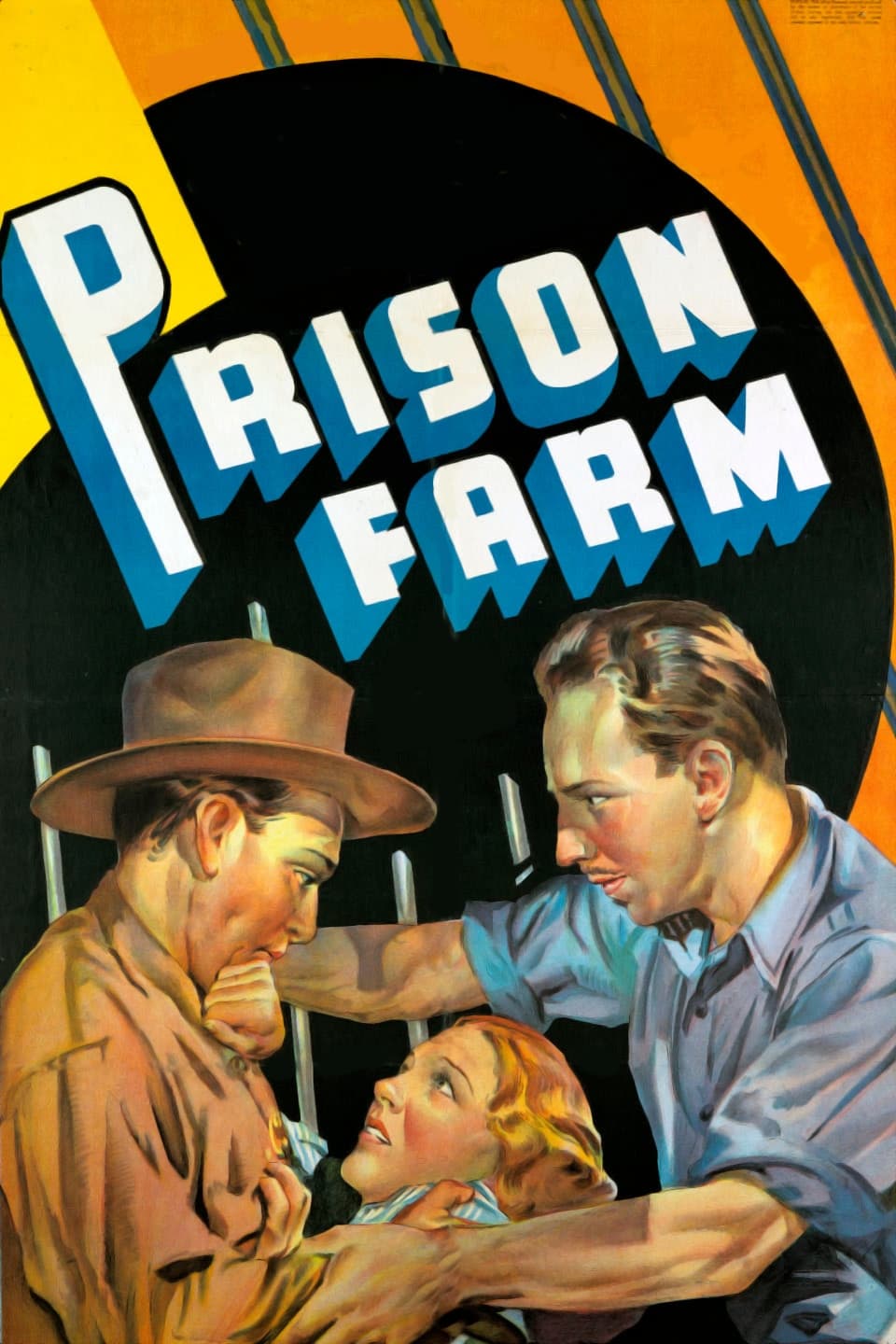 Movie6.8DramaCrime
Shirley Ross plays an innocent young girl convicted for complicity in a crime committed by her boy friend (Lloyd Nolan). The male crook is sentence to six months on a prison farm populated by both men and women (segregated, of course). Ross is also incarcerated, suffering the cruelties of the sadistic male and female guards (including J. Carroll Naish and future "Ma Kettle" Marjorie Main!)
Prison Farm
1938 · 4 votes
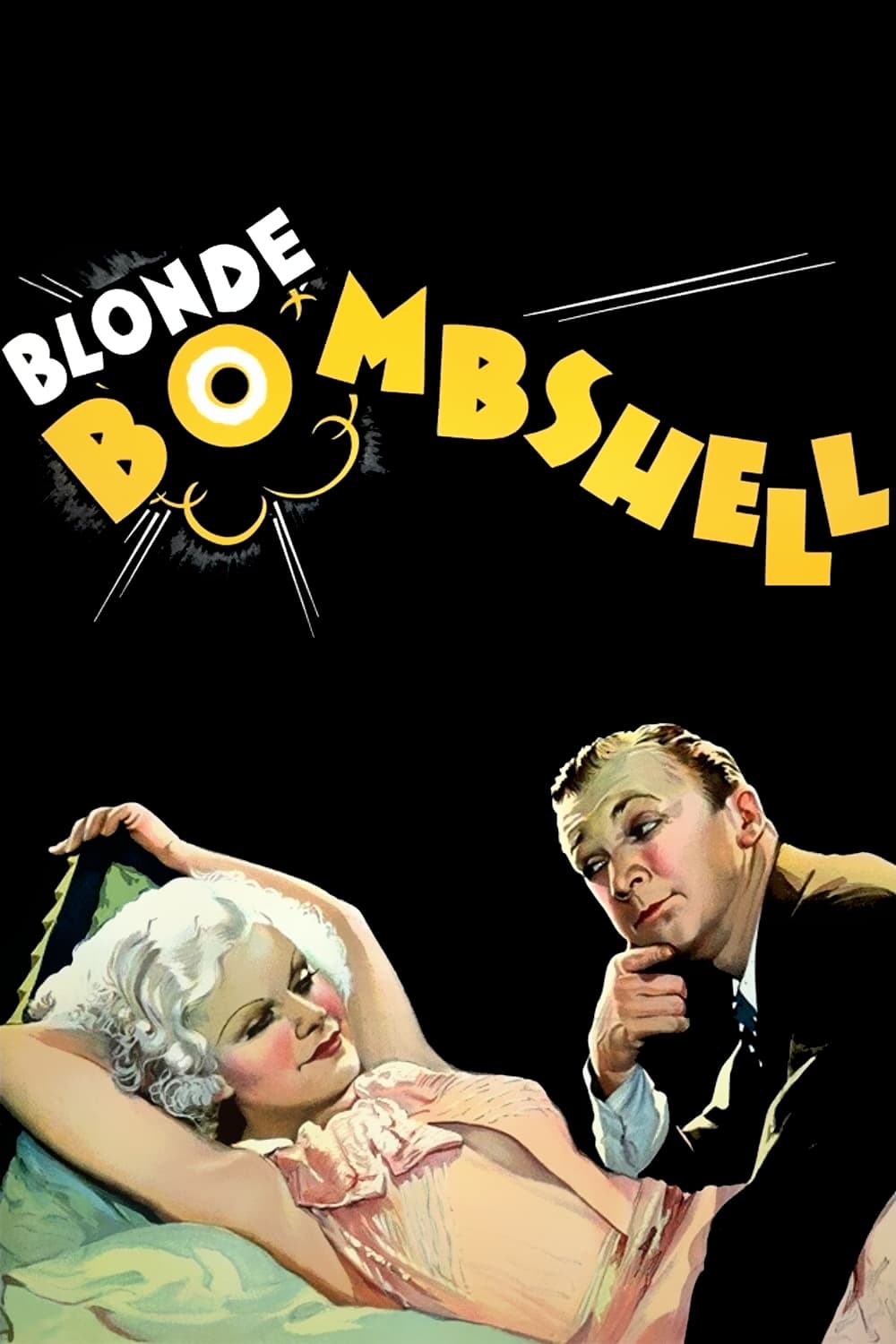 Movie6.5ComedyRomance
A glamorous film star rebels against the studio, her pushy press agent and a family of hangers-on.
Bombshell
1933 · 58 votes
 Movie6.1ComedyMusic
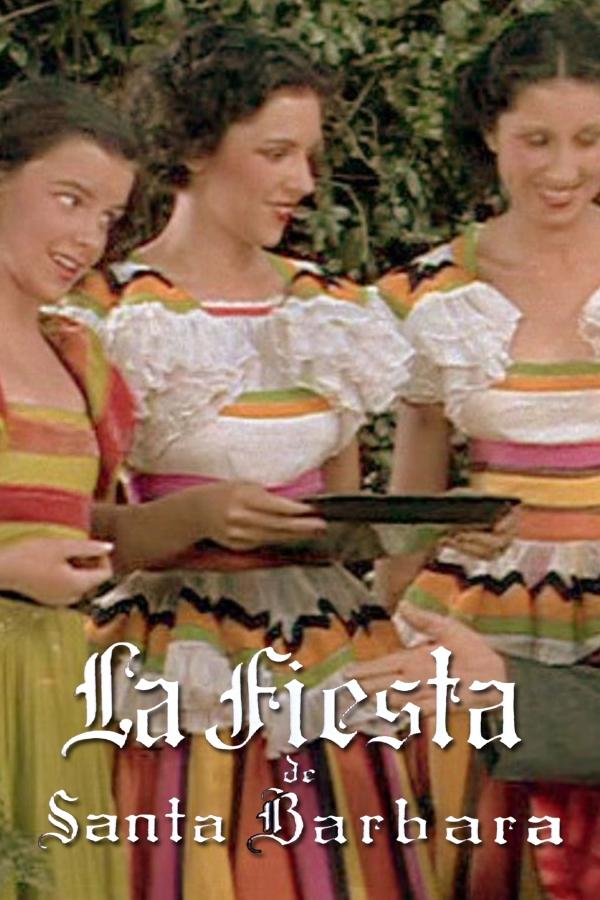
La Fiesta de Santa Barbara is a 1935 American comedy short film directed by Louis Lewyn. It was nominated for an Academy Award at the 9th Academy Awards in 1936 for Best Short Subject (Color). It features a young, pre-stardom 13-year-old Judy Garland singing "La Cucaracha" with her two sisters (billed as "The Garland Sisters"). In the film, Hollywood stars participate in a Mexican-themed revue and festival in Santa Barbara. Andy Devine, the "World's Greatest Matador," engages in a bullfight with a dubious bovine supplied by Buster Keaton, and musical numbers are provided by Joe Morrison and The Garland Sisters. Comedy bits and dance numbers are also featured.
La Fiesta de Santa Barbara
1935 · 14 votes
 Movie5.8ComedyMusic
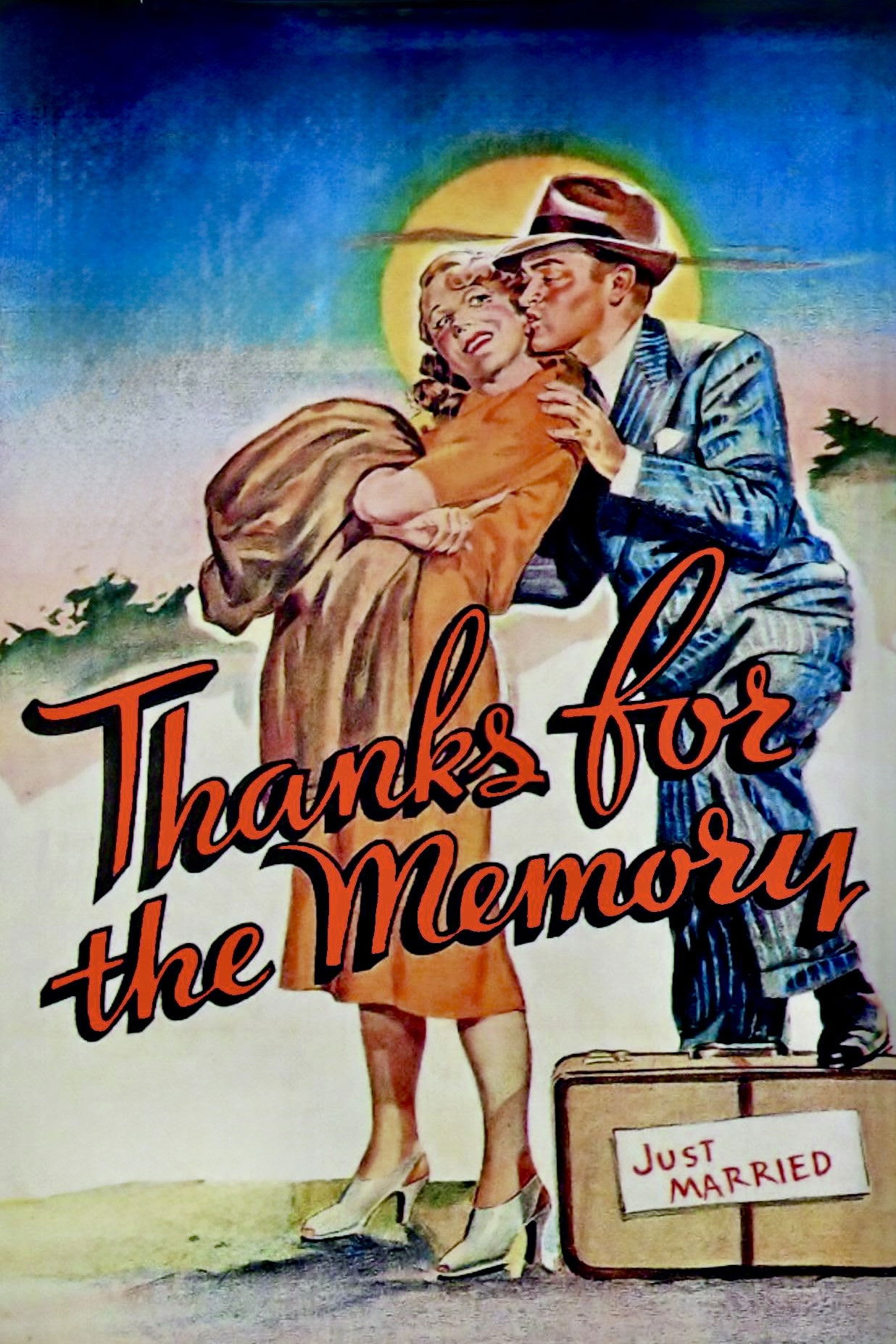
Steve Merrick is an out of work writer who stays home and plays house husband while his wife goes to work for her former fiancé and Merrick's publisher who is still carrying a torch for her.
Thanks for the Memory
1938 · 8 votes
 Movie6.3Comedy
Con men Calvin Churchill and Clip McGurk know how to fix a horse-race or boxing match. Calvin wants to go straight and win back his estranged wife, but first the men must dodge a dogged IRS agent and bilk a bunch of aviation investors out of the backing boodle for a balloon excursion into the stratosphere.
It's in the Air
1935 · 3 votes
 Movie7.0Comedy
An unfortunate marriage and a bogus Count are the ingredients for this musical.
Hideaway Girl
1936 · 1 votes
 Movie7.0Documentary
Hedda Hopper plays hostess at a party for her (grown) son William (DeWolfe Jr.). Hopper, attends the dedication of the Motion Picture Relief Fund's country home and goes to the Mocambo. There is also a sequence dedicated to the Milwaukee, Wisconsin world premiere of the first short in this series attended by more that a few film stars.
Hedda Hopper's Hollywood No. 2
1941 · 2 votes
 Movie6.2ComedyRomance
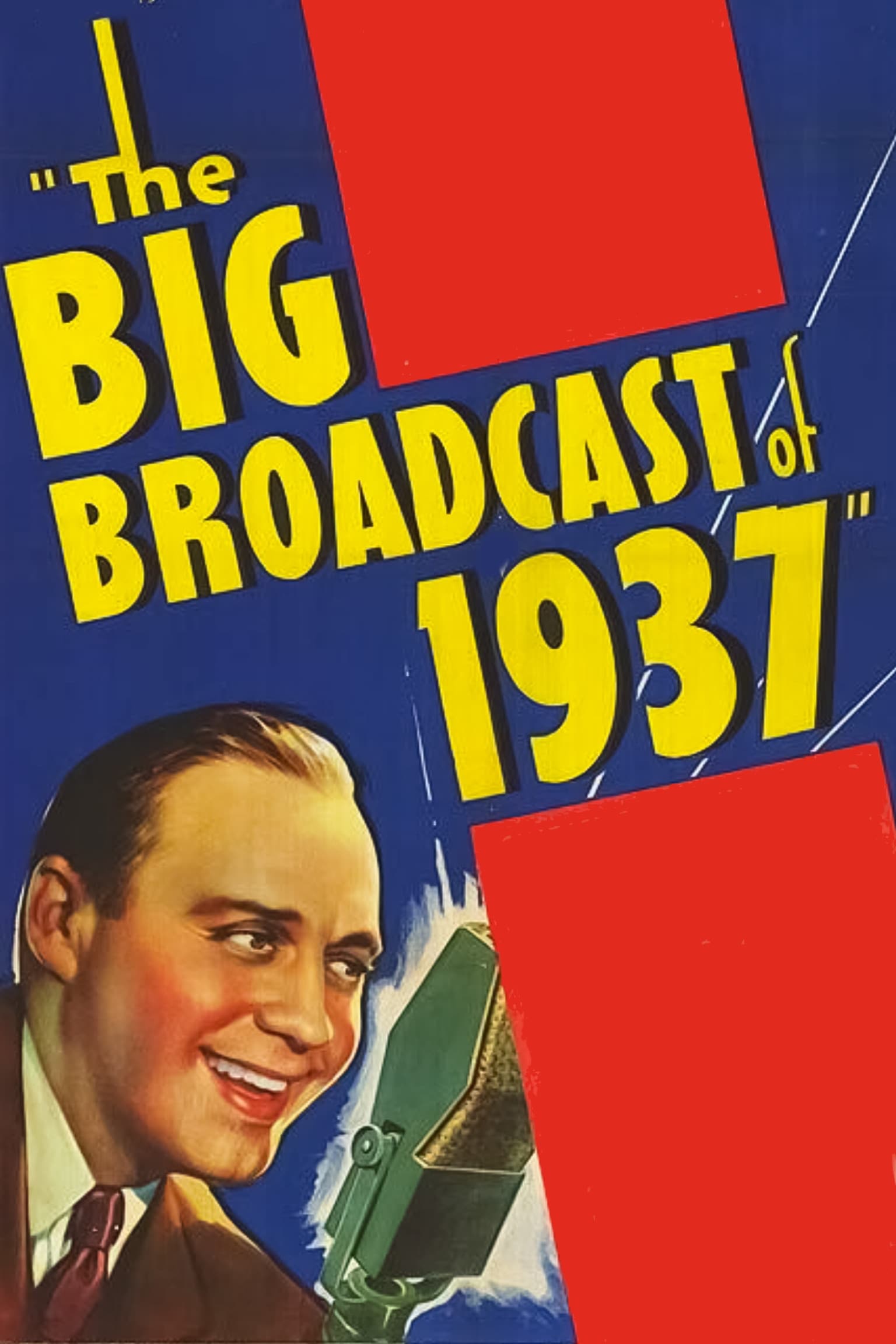
The employees of a failing radio station must put on a huge ratings winner to have any chance of continued operation.
The Big Broadcast of 1937
1936 · 6 votes
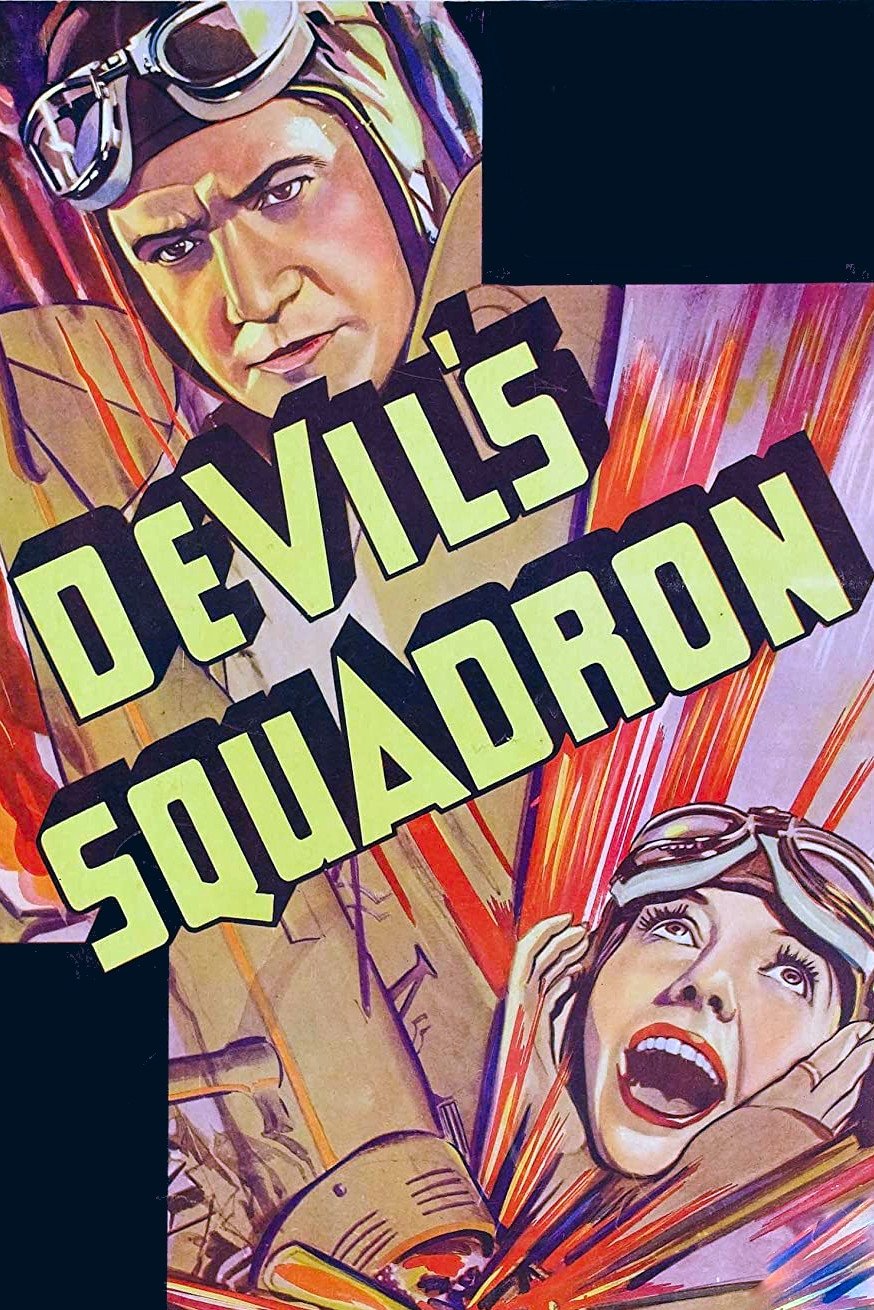 Movie7.0DramaAction
In this action film, a courageous test pilot works with experimental aircraft for the US Armed Forces. When an important airplane manufacturer dies, his daughter is left to run the company. The company seems to be producing dangerous prototypes, so the woman decides to close the company.
Devil's Squadron
1936 · 2 votes
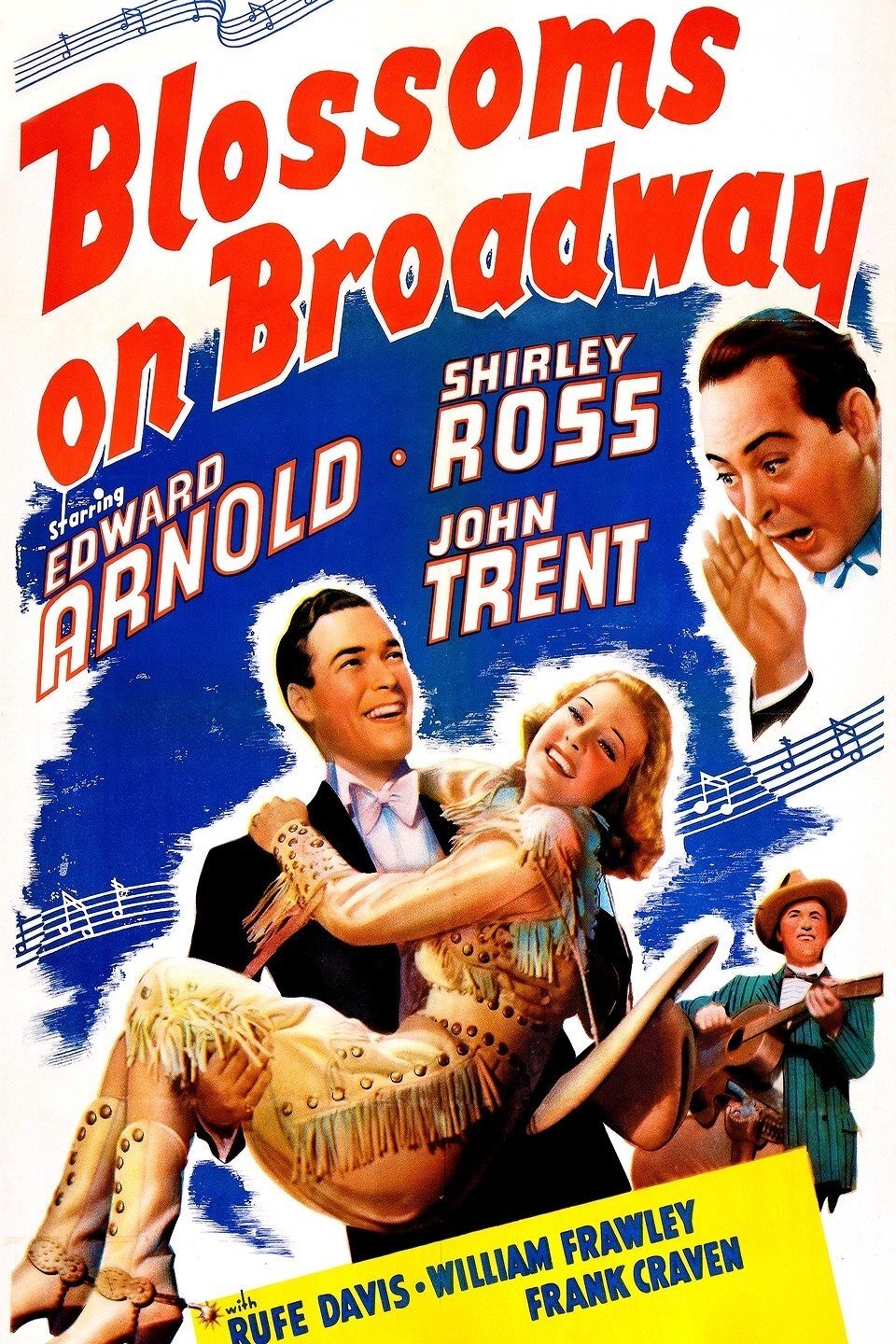 Movie4.8ComedyMusic
A young singer hopes to become a success on Broadway.
Blossoms On Broadway
1937 · 5 votes
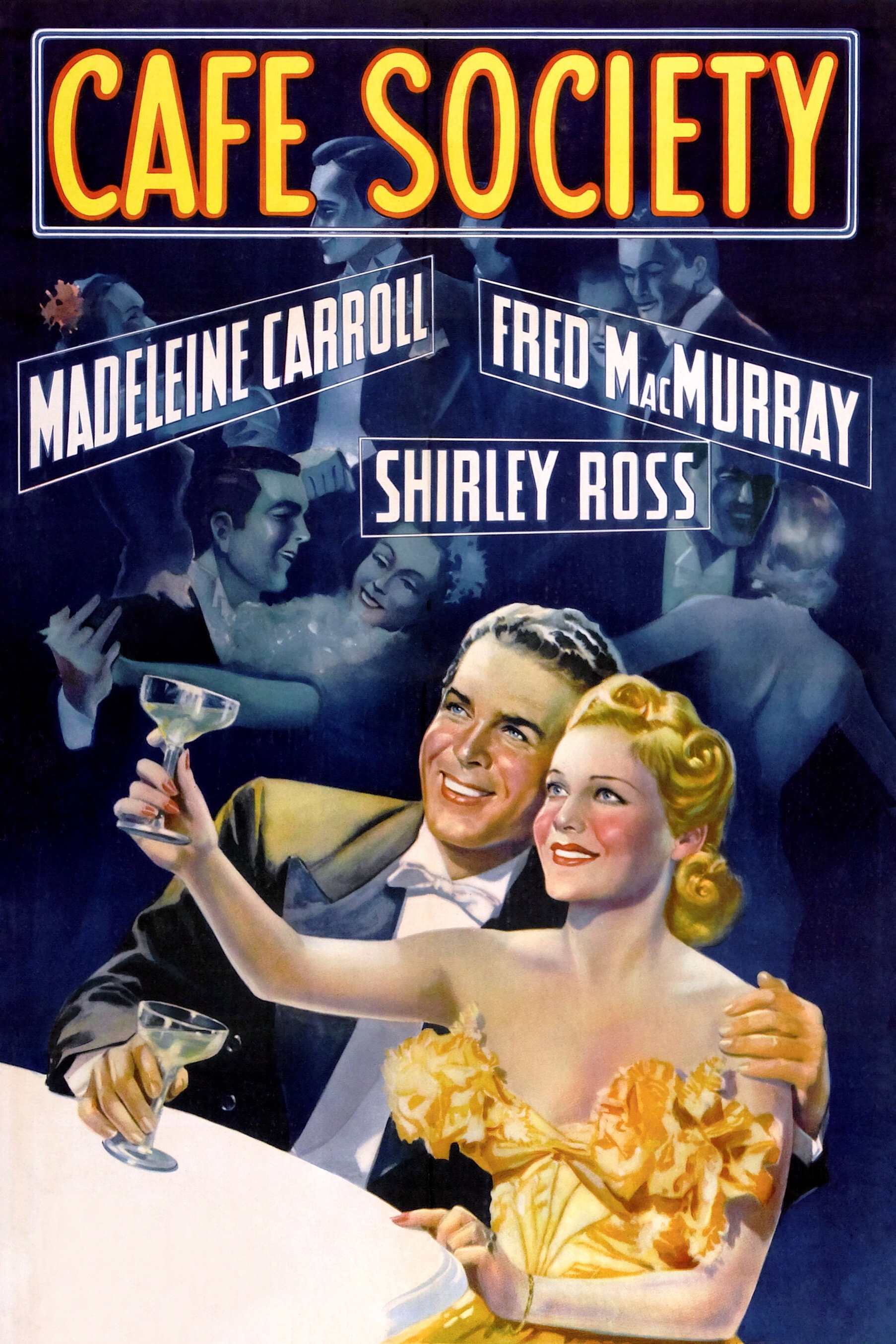 Movie7.5ComedyRomance
A pampered heiress (Madeleine Carroll) elopes with a shipboard reporter (Fred MacMurray) just to get her name in a society column.
Cafe Society
1939 · 2 votes
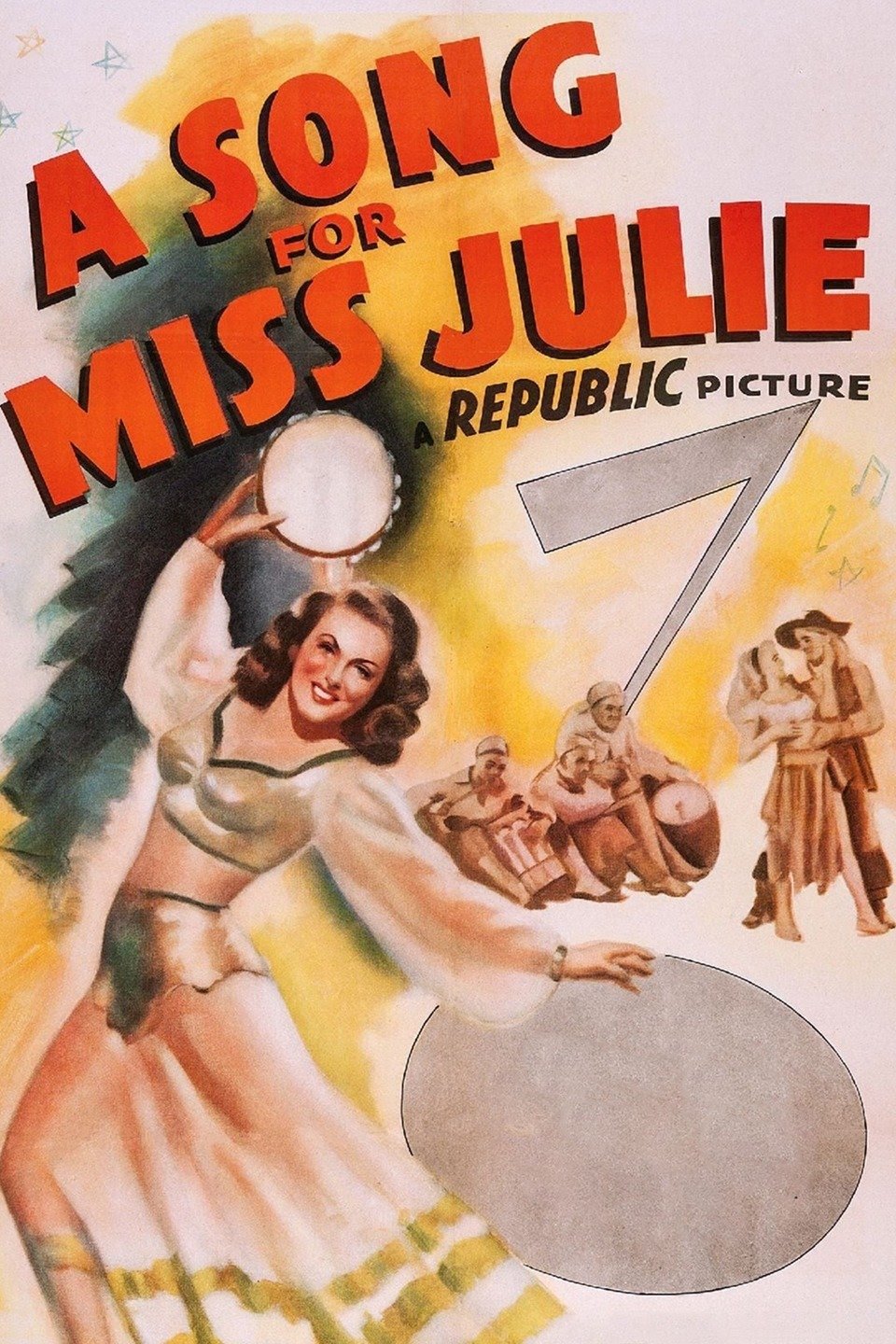 Movie5.5DramaMusic
Two playwrights and a former burlesque queen travel to Louisiana to research a musical they're planning on a local Southern hero.
A Song for Miss Julie
1945 · 2 votes
 Movie6.0RomanceComedy
A recently-fired advertising executive starts his own company, Confidential Services, to help clients solve their unusual and problematic situations.
Calm Yourself
1935 · 3 votes
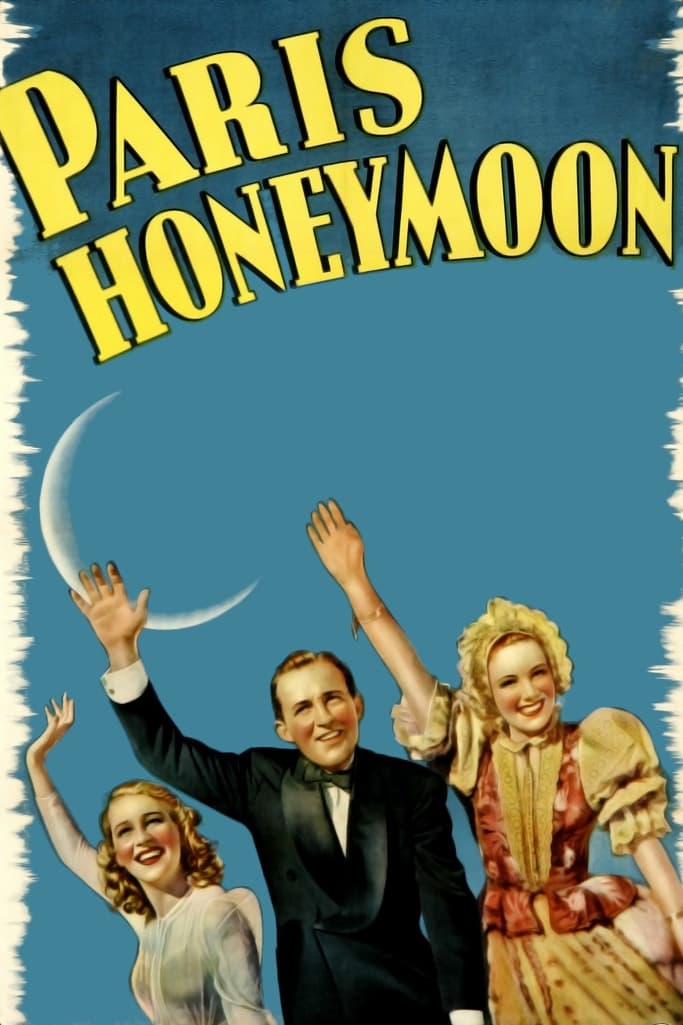 Movie5.5ComedyMusic
A Texas millionaire travels to Europe to meet his girlfriend, a European countess. He stops in a rustic mountain village and meets a beautiful peasant girl. He falls in love with her, then must decide if he wants her or the rich countess.
Paris Honeymoon
1939 · 2 votes
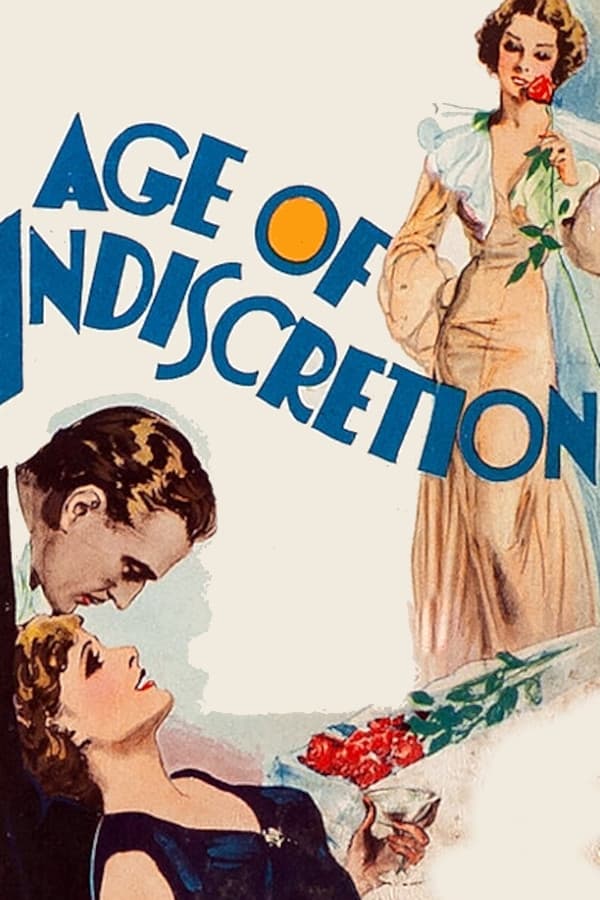 Movie4.9RomanceDrama
A book publisher finds his business floundering, which prompts his socially ambitious wife to desert him for a society millionaire, leaving him with their young son. The publisher's fortunes improve dramatically, however, when a best-selling romance novelist decides to publish her new book with his firm. In the meantime, his ex-wife has married the millionaire, and she and her new mother-in-law come up with a plan to sue her ex-husband for custody of the boy.
Age of Indiscretion
1935 · 7 votes
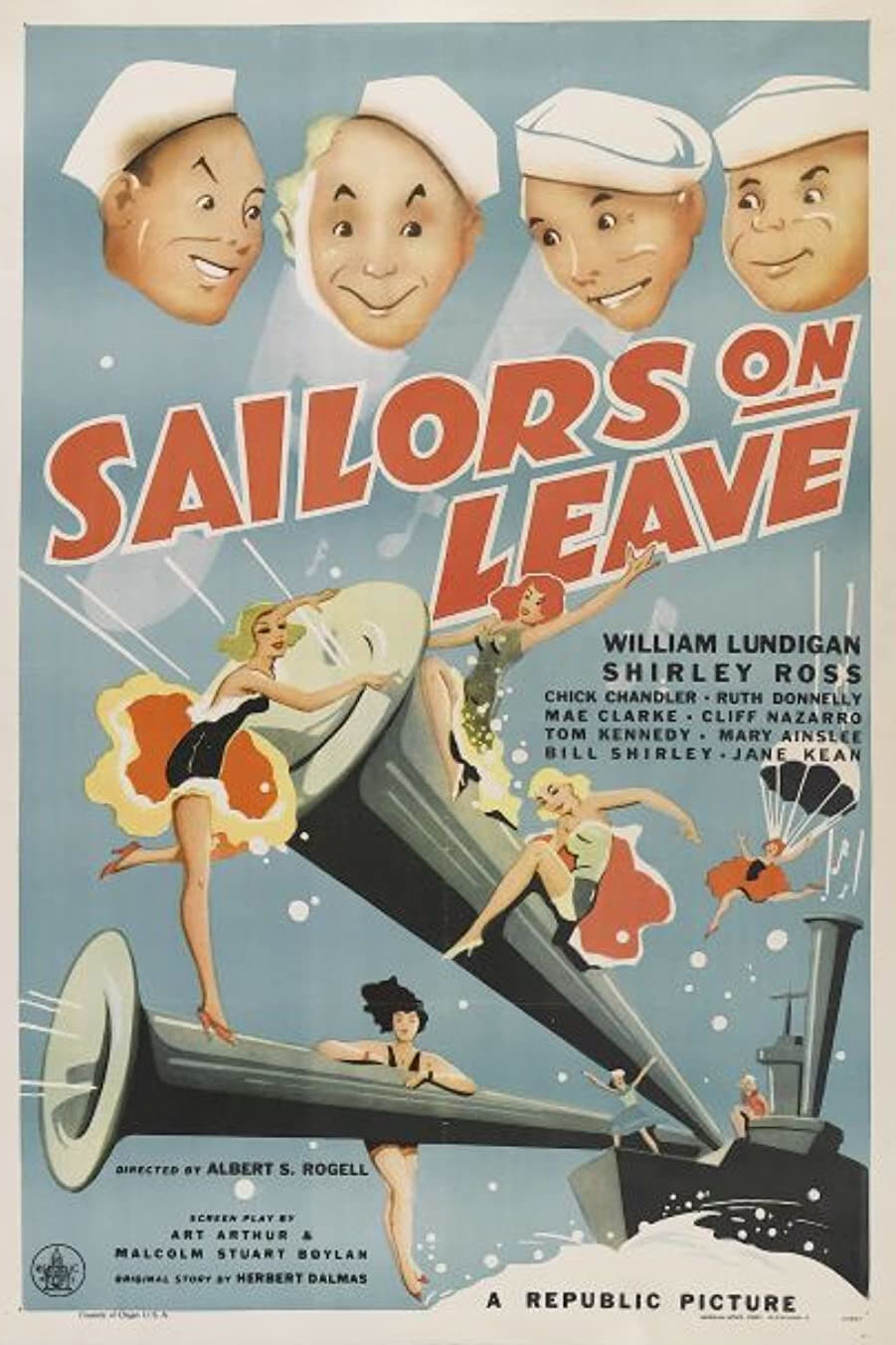 Movie8.0MusicComedy
If a shy sailor marries before his next birthday, he will inherit a fortune.
Sailors on Leave
1941 · 1 votes
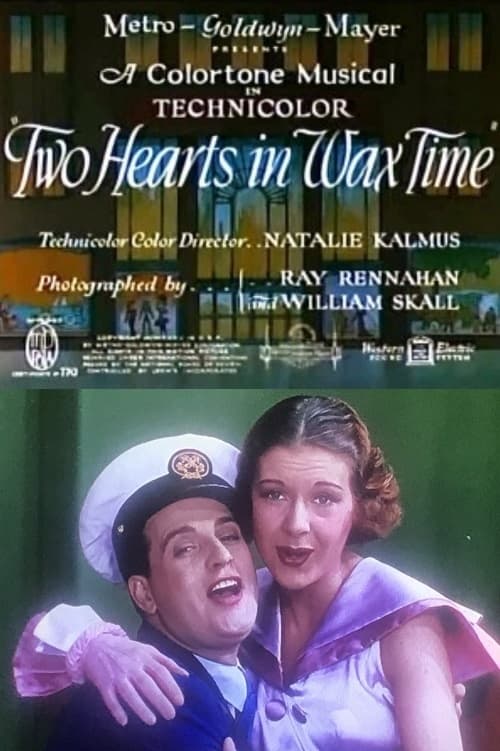 Movie5.1MusicFantasy
In this MGM Colortone Musical short, a department store custodian who overindulges in drink sees the mannequins in the store's display windows come to life.
Two Hearts in Wax Time
1935 · 7 votes
Series1
 TV5.3Drama
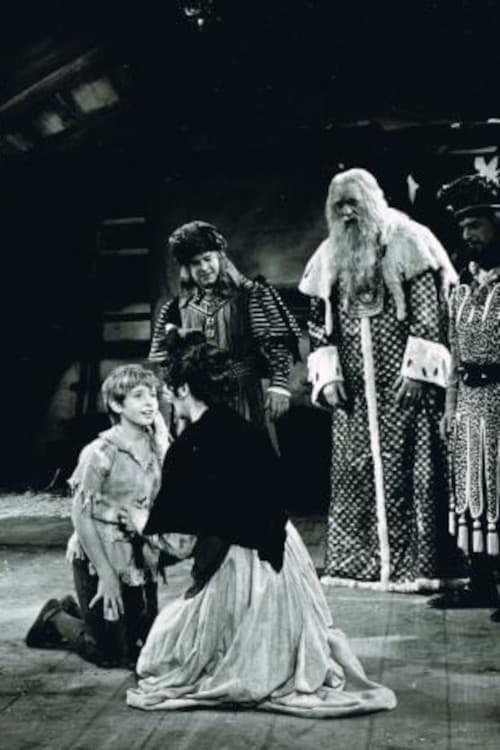
Matinee Theater is an American anthology series that aired on NBC during the Golden Age of Television, from 1955 to 1958. The series, which ran daily in the afternoon, was frequently live. It was produced by Albert McCleery, Darrell Ross, George Cahan and Frank Price with executive producer George Lowther. McCleery had previously produced the live series Cameo Theatre which introduced to television the concept of theater-in-the-round, TV plays staged with minimal sets. Jim Buckley of the Pewter Plough Playhouse recalled: When Al McCleery got back to the States, he originated a most ambitious theatrical TV series for NBC called Matinee Theater: to televise five different stage plays per week live, airing around noon in order to promote color TV to the American housewife as she labored over her ironing. Al was the producer. He hired five directors and five art directors. Richard Bennett, one of our first early presidents of the Pewter Plough Corporation, was one of the directors and I was one of the art directors and, as soon as we were through televising one play, we had lunch and then met to plan next week’s show. That was over 50 years ago, and I’m trying to think; I believe the TV art director is his own set decorator —yes, of course! It had to be, since one of McCleery’s chief claims to favor with the producers was his elimination of the setting per se and simply decorating the scene with a minimum of props. It took a bit of ingenuity.
Matinee Theater
1955 · 7 votes