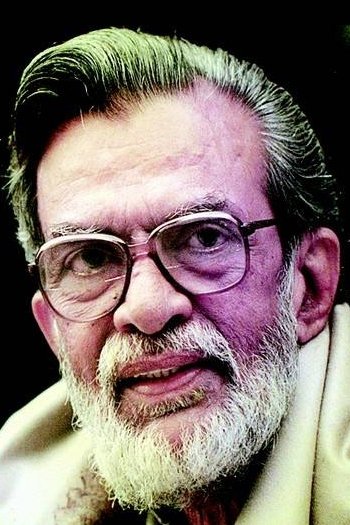
B.V. Karanth
Sound · 1929 – 2002 · Manchi, Karnataka, India
Babukodi Venkataramana Karanth (19 September 1929 – 1 September 2002) widely known as B. V. Karanth was an Indian film director, playwright, actor, screenwriter, composer, and dramatist known for his works in the Kannada theatre, Kannada cinema, and Hindi cinema. One of the pioneers of the Parallel Cinema, Karanth was an alumnus of the National School of Drama (1962) and later, its director. He received the Sangeet Natak Akademi Award (1976), six National Film Awards, and the civilian honor Padma Shri for his contributions towards the field of art.
Movies4
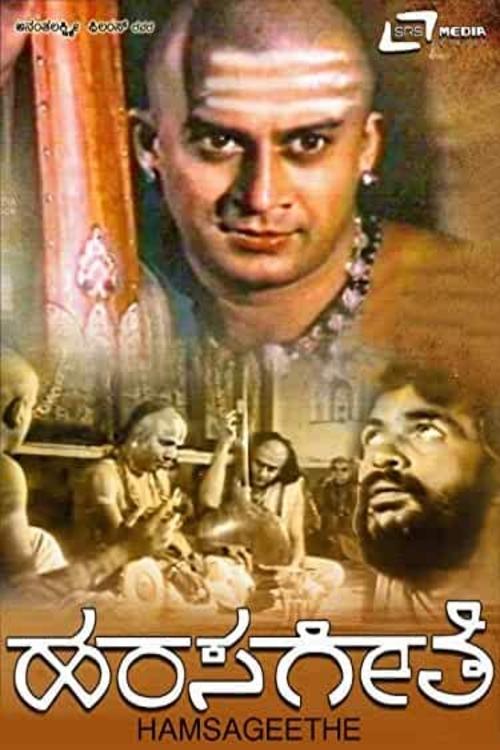 Movie8.0Drama
Venkatasubbaiyya's master asks him to compose a musical masterpiece before his death. However, Venkatasubbaiyya's failure to handle fame lands him in trouble.
 Movie7.0Drama
Through the story of a young widow who is devoted to her father-in-law but also desires to remarry the film portrays evolving Indian attitudes towards women's roles in society.
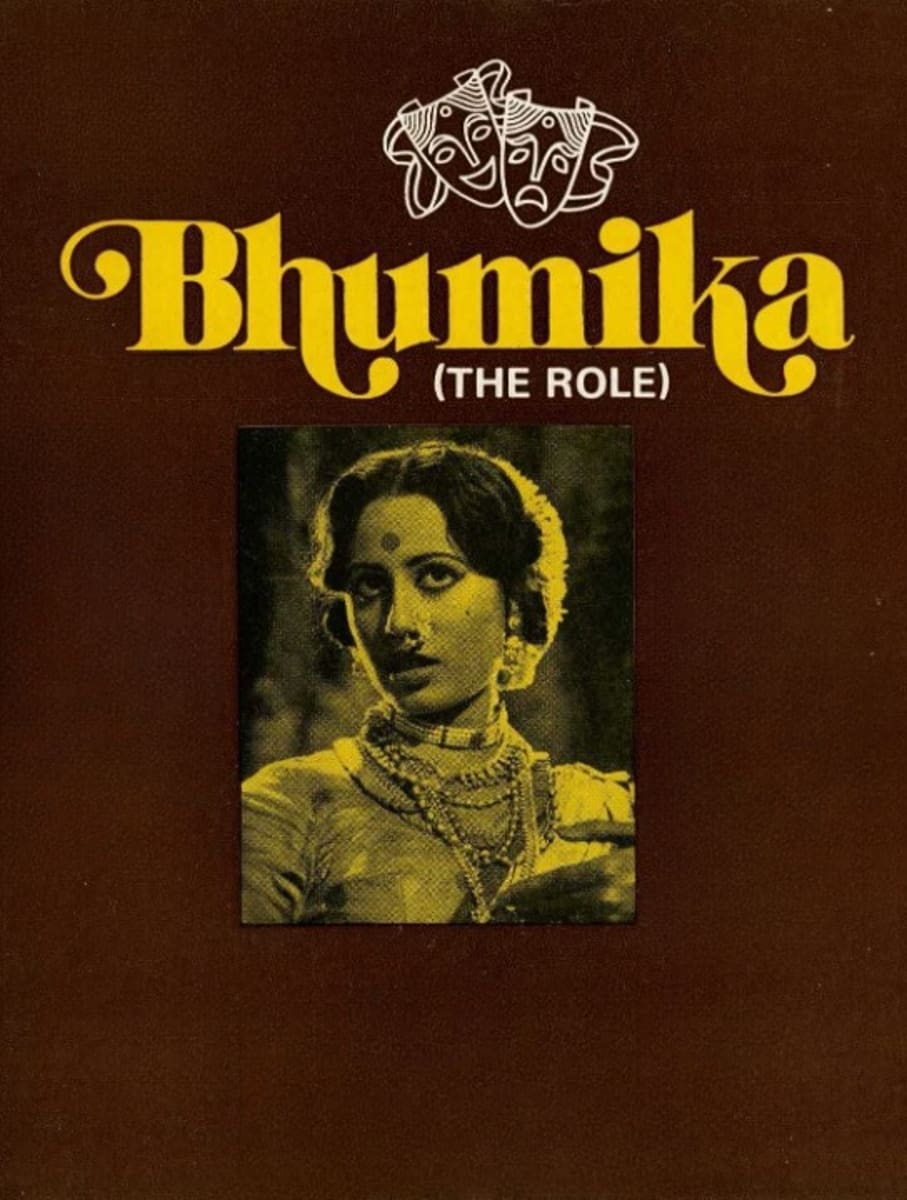 Movie6.6Drama
In a world that both glamorizes and patronizes her, a successful film star begins to unravel under the weight of the roles imposed upon her, drifting between studios and her personal life as she spirals into an identity crisis.
 Movie10.0
Set in 1920s India, the story follows Kanneshwara Rama, a defiant peasant who becomes a legendary outlaw after confronting local injustice. After a prison stint where he encounters Gandhi’s followers, he joins and eventually leads a group of bandits, becoming a Robin Hood-like figure who aids the poor and challenges feudal authority. His journey is complicated by his relationship with Malli, a former bandit’s mistress, and his growing ambition to establish his own principality.