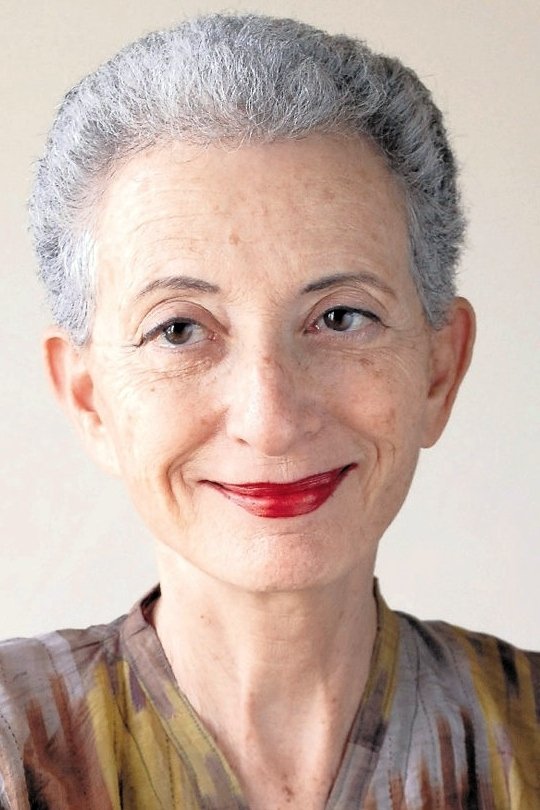
Hélène Cixous
Writer · b. 1937 · Oran, France [now Algeria]
Hélène Cixous (born 5 June 1937) is a French writer, playwright and literary critic. During her academic career, she was primarily associated with the Centre universitaire de Vincennes (today's University of Paris VIII), which she co-founded in 1969 and where she created the first centre of women's studies at a European university. Known for her experimental writing style and great versatility as a writer and thinker, she has written more than seventy books dealing with multiple genres: theater, literary and feminist theory, art criticism, autobiography and poetic fiction. She first gained attention in 1969 with her first work of fiction, Dedans (Inside), a semi-autobiographical novel which won the Prix Médicis and explored the themes of identity, memory, death and writing. She is perhaps best known for her 1976 article "The Laugh of the Medusa", which established her as one of the early thinkers in post-structural feminism. She has collaborated with several artists and directors, such as Adel Abdessemed, Pierre Alechinsky, Simone Benmussa, Jacques Derrida, Simon Hantaï, Daniel Mesguich and Ariane Mnouchkine. She is considered a strong contender for the Nobel Prize in Literature. Cixous was born in Oran, French Algeria, to Jewish parents, Eve Cixous, née Klein, (1910–2013) and Georges Cixous (1909–1948). Georges Cixous, a physician who had written his dissertation on tuberculosis, died of the disease in 1948. Eve Cixous became a midwife in Algiers following his death, "until her expulsion with the last French doctors and midwives in 1971." Cixous' brother, Pierre, "a medical student and a supporter of Algerian independence" was condemned to death in 1961 by the Organisation armée secrète, and joined Cixous in Bordeaux. Her mother and brother returned to Algeria following the country's independence in 1962. They were arrested, and Cixous "obtained their release with the help of Ahmed Ben Bella's lawyer." Cixous married Guy Berger in 1955, with whom she had three children, Anne-Emmanuelle (b. 1958), Stéphane (1960–1961), and Pierre-François (b. 1961). Cixous and Berger divorced in 1964. Cixous earned her agrégation in English in 1959 and her Doctorat ès lettres in 1968. Her main focus, at this time, was English literature and the works of James Joyce. Cixous became assistante at the University of Bordeaux in 1962, served as maître assistante at the Sorbonne from 1965 to 1967, and was appointed maître de conférence at Paris Nanterre University in 1967. In 1968, following the French student riots, Cixous was charged with founding the University of Paris VIII, "created to serve as an alternative to the traditional French academic environment." Cixous would, in 1974, found the University's center for women's studies, the first in Europe. Cixous is a professor at the University of Paris VIII and at the European Graduate School in Saas-Fee, Switzerland. In 1968, Cixous published her doctoral dissertation L'Exil de James Joyce ou l'Art du remplacement (The Exile of James Joyce, or the Art of Displacement) and the following year she published her first novel, Dedans (Inside), a semi-autobiographical work that won the Prix Médicis. ... Source: Article "Hélène Cixous" from Wikipedia in English, licensed under CC-BY-SA 3.0.
Movies3
 Movie8.5DocumentaryTV Movie
Recounts the epic of Vincennes Experimental University Center, from its creation after the events of May 68 until its demolition in the summer of 1980. To talk about Vincennes is to relive unique ten years of intense intellectual and political extravaganza, educational and artistic inventiveness, utopias, hopes, and betrayals that marked the history in a unique place, the forest with the eponymous name.
Vincennes, l'université perdue
2016 · 2 votes
 MovieDocumentary
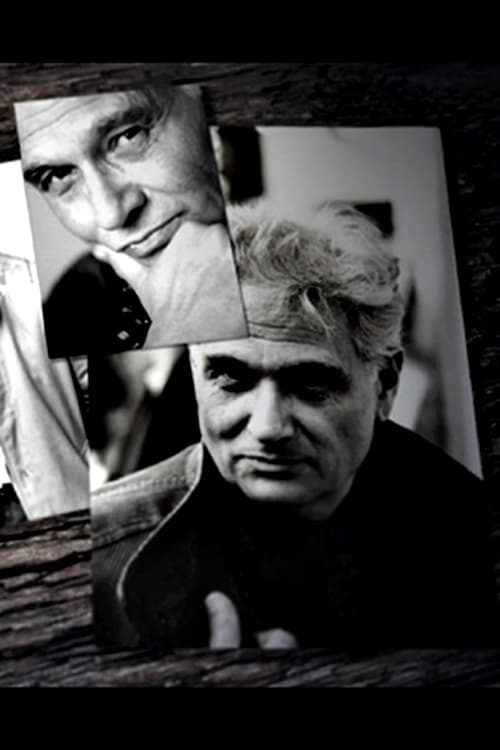
A look back at the life of Jacques Derrida, on the 10th anniversary of the philosopher's death.
 Movie2.7
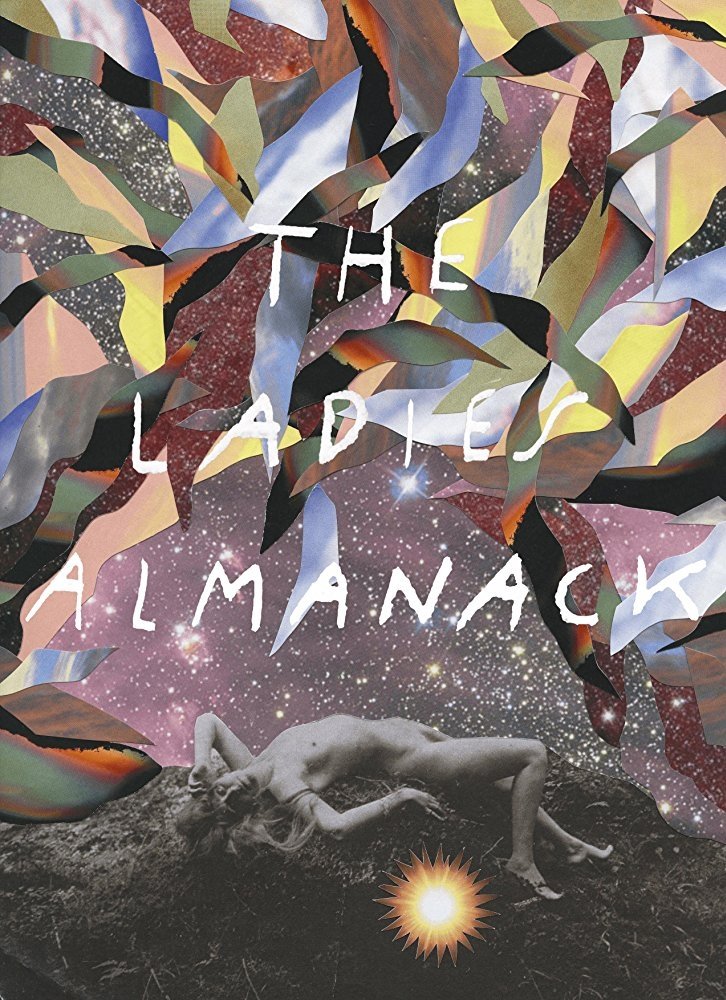
In Paris in 1928 American Djuna Barnes writes a farcical novel about the lovers, friends and publishing elite that make up "lesbian Don Juan" Natalie Clifford Barney's sordid salon. Dolly Wilde, Elizabeth Gramont, Romaine Brooks, Mimi Franchetti, Colette, Gertrude Stein, Liane de Pougy, Radclyffe Hall, Mina Loy, Janet Flanner and many more of the finest minds of her time enter her colorful book. Concocted to cheer up Barnes' ailing girlfriend, Thelma Wood, who is sick in the hospital, the story ultimately outlives the romance.
The Ladies Almanack
2017 · 3 votes
Series2
 TV8.5Talk Show
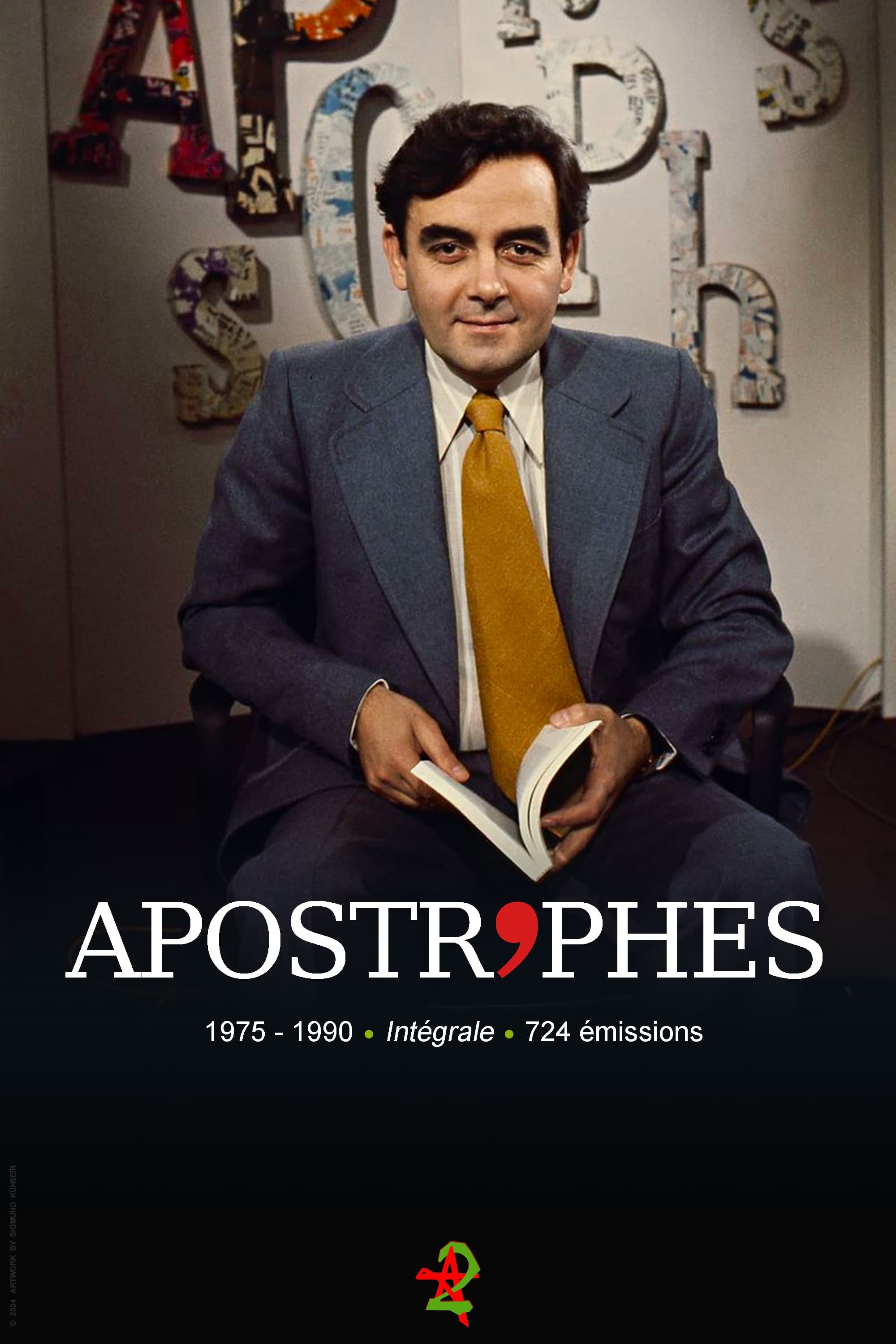
Apostrophes was a live, weekly, literary, prime-time, talk show on French television created and hosted by Bernard Pivot. It ran for fifteen years (724 episodes) from January 10, 1975, to June 22, 1990, and was one of the most watched shows on French television (around 6 million regular viewers). It was broadcast on Friday nights on the channel France 2 (which was called "Antenne 2" from 1975 to 1992). The hourlong show was devoted to books, authors and literature. The format varied between one-on-one interviews with a single author and open discussions between four or five authors.
Apostrophes
1975 · 4 votes
 TVDocumentary
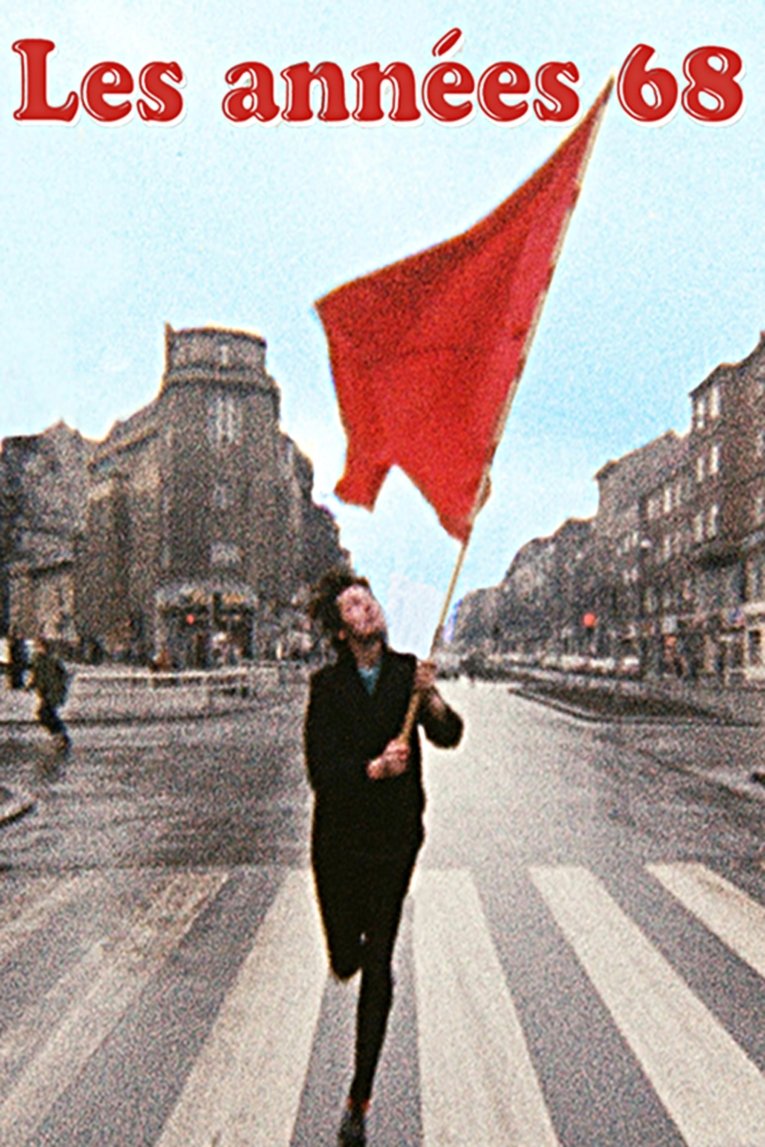
In 1968, young people from Berkeley to Paris and from Prague to Tokyo rose up against the world they were being offered. In this sprawling but riveting two-part documentary, veteran filmmaker Don Kent tracks the development, decline and legacy of this global movement against the fiery backdrop of the Vietnam War, civil rights struggles, dueling ideologies, and international coup d’états. A time capsule full of evocative sights and sounds, narrated by leading historians and political activists, Les années 68 effortlessly connects apparently discrete events to form a blazingly timely analysis of a decade that shaped the way we live now.