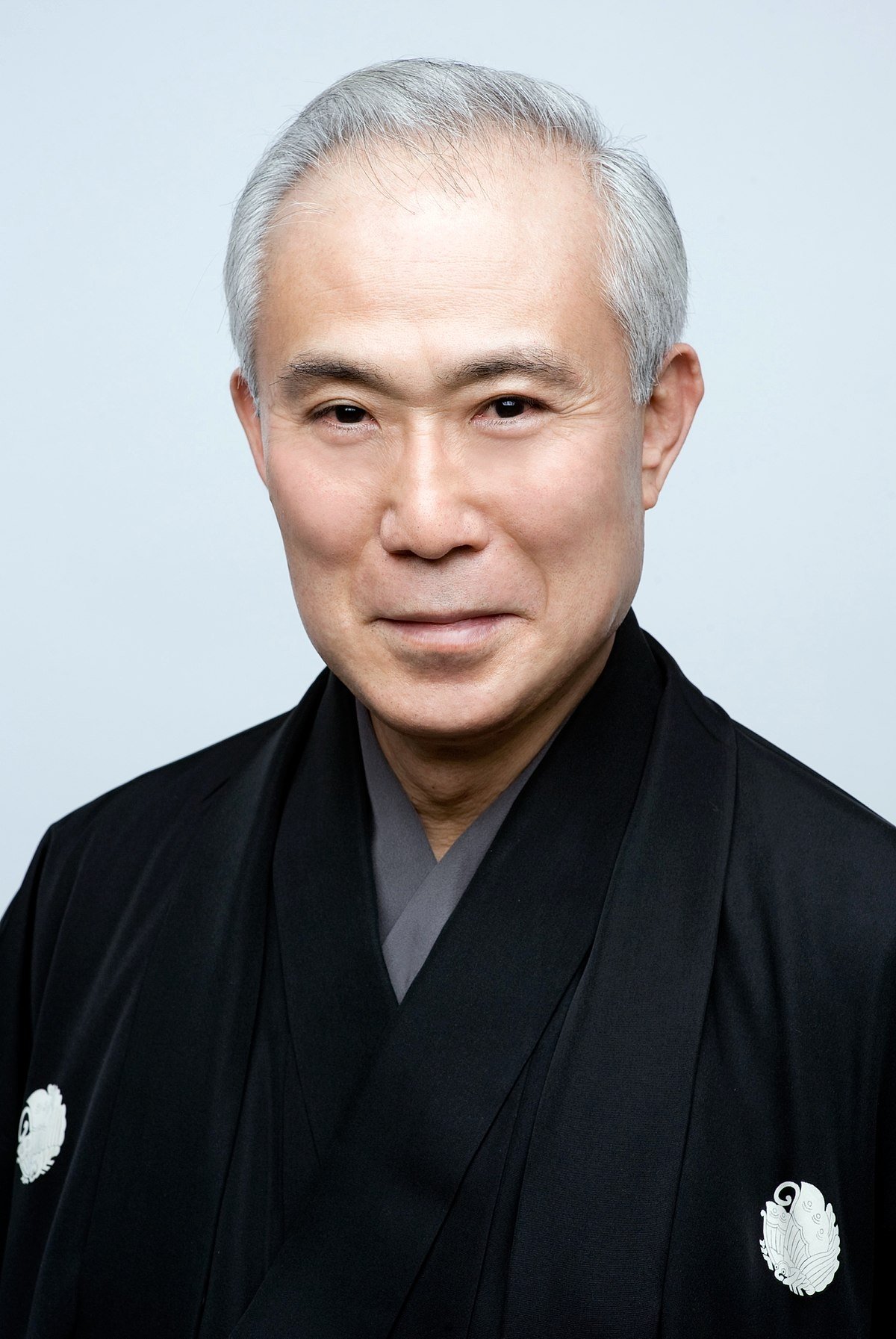
Kichiemon Nakamura II
Actor · 1944 – 2021 · Tokyo, Japan
Nakamura Kichiemon II (born May 22, 1944 ) is a Japanese actor, kabuki performer and costume designer. Nakamura Kichiemon is a formal kabuki stage name. The actor's grandfather first appeared using the name in 1897; and Nakamura Kichiemon I continued to use this name until his death. Kichiemon I was the maternal grandfather of Kichiemon II. In the conservative Kabuki world, stage names are passed from father to son in formal system which converts the kabuki stage name into a mark of accomplishment.In choosing to be known by the same stage name as his grandfather, the living kabuki performer honors his family relationships and tradition. Description above from the Wikipedia article Nakamura Kichiemon II, licensed under CC-BY-SA, full list of contributors on Wikipedia
Movies13
 Movie7.5Drama
Late in the 1500s, an aging tea master teaches the way of tea to a headstrong Shogun. Through force of will and courageous fighting, Hideyoshi becomes Japan’s most powerful warlord, unifying the country.
 Movie7.1HistoryDrama
After their lord is tricked into committing ritual suicide, forty-seven samurai warriors await the chance to avenge their master and reclaim their honor.
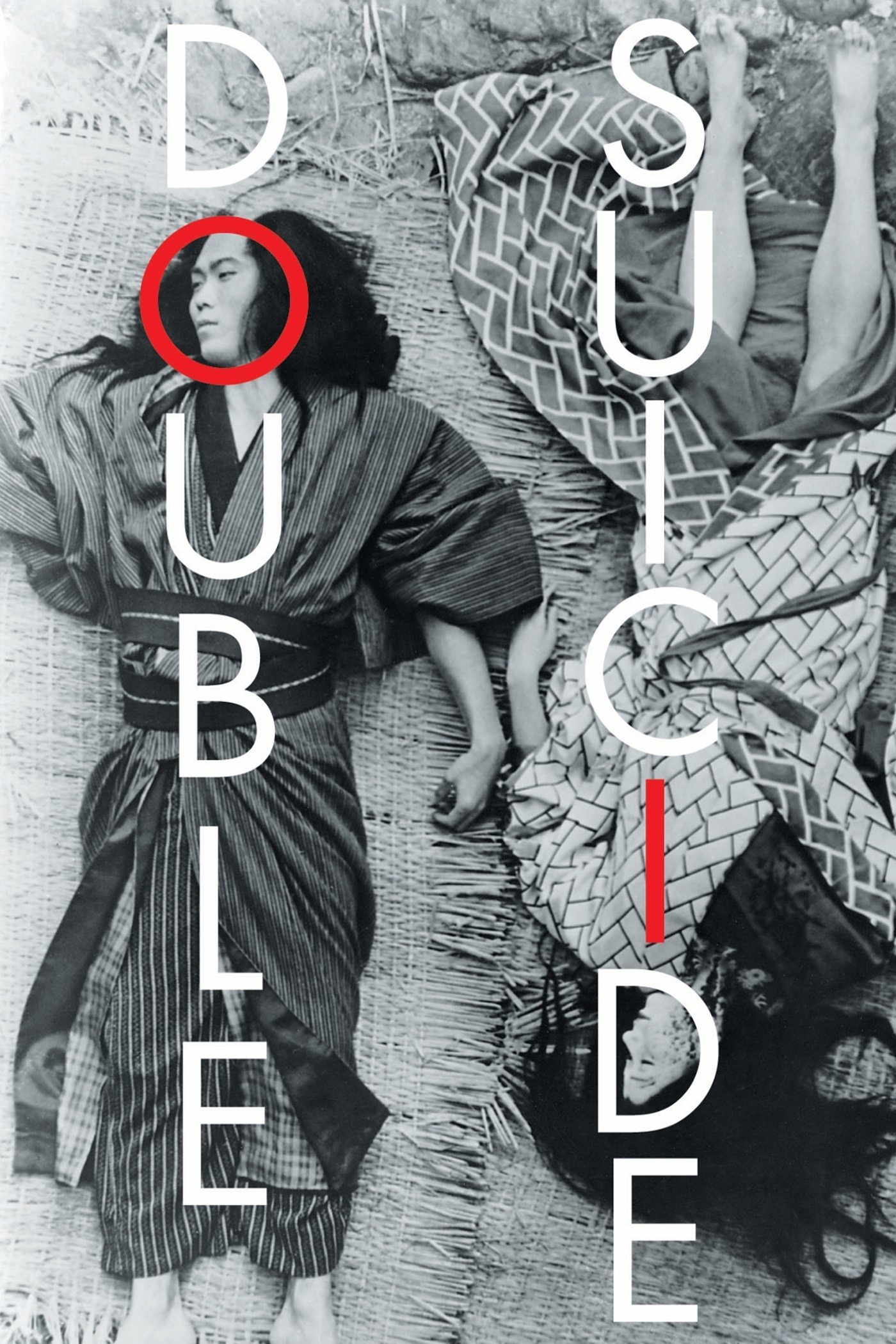 Movie7.0DramaRomance
Successful and married with children, paper-mill owner Jihei knows better than to contradict the strict social and moral codes of 18th-century Japan. But when he meets the lovely courtesan Koharu, he becomes a man obsessed. Koharu returns his love, even foregoing other customers while Jihei schemes to somehow buy her freedom. His efforts yield ruinous consequences for his business and his family life, and Koharu is meanwhile purchased by another client.
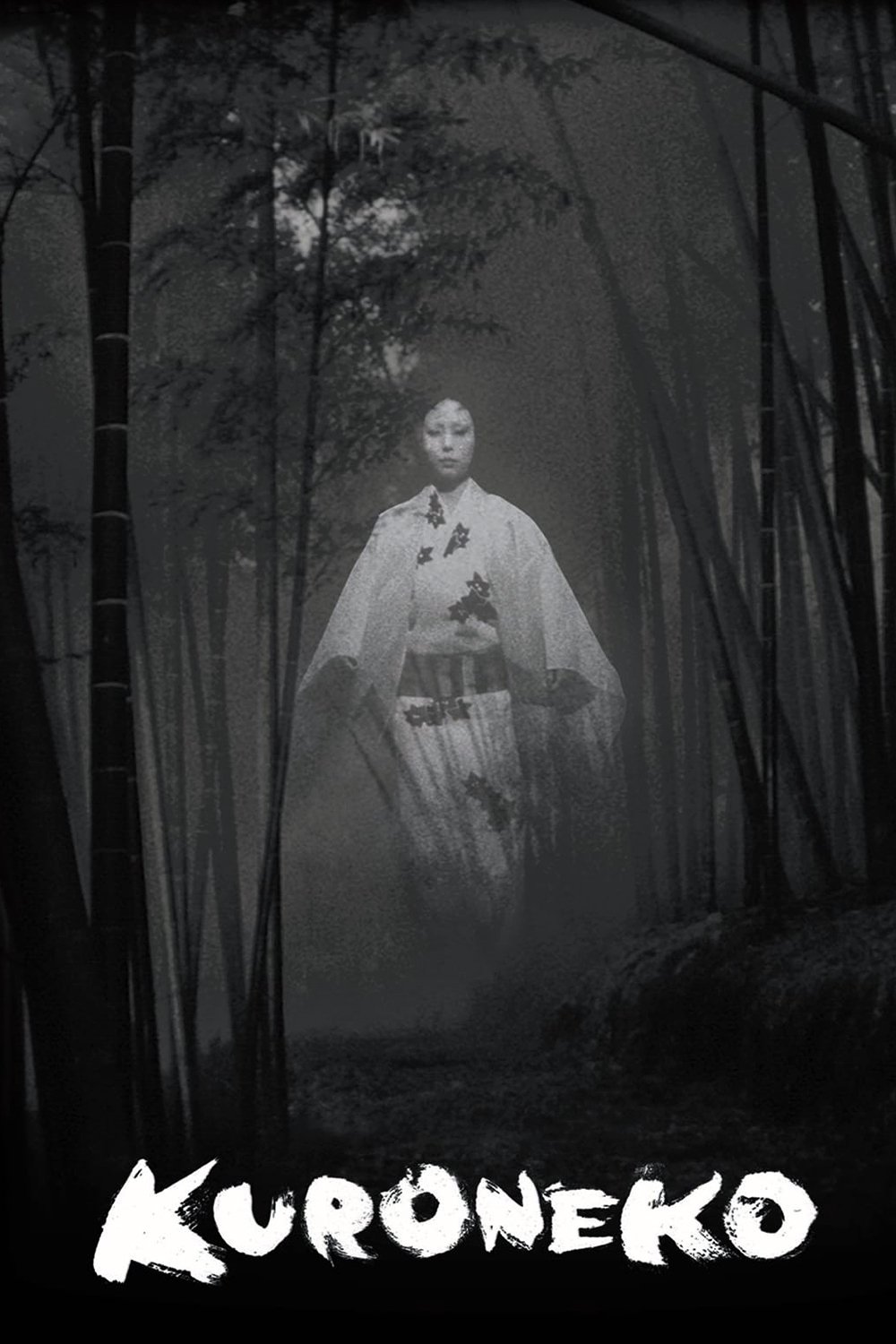 Movie7.4DramaFantasy
In the Sengoku period, a woman and her daughter are raped and murdered by soldiers during a time of civil war. Afterwards, a series of samurai returning from the war through that area are found mysteriously dead with their throats torn out. The governor calls in a wild and fierce young hero to quell what is evidently an Onryō ghost.
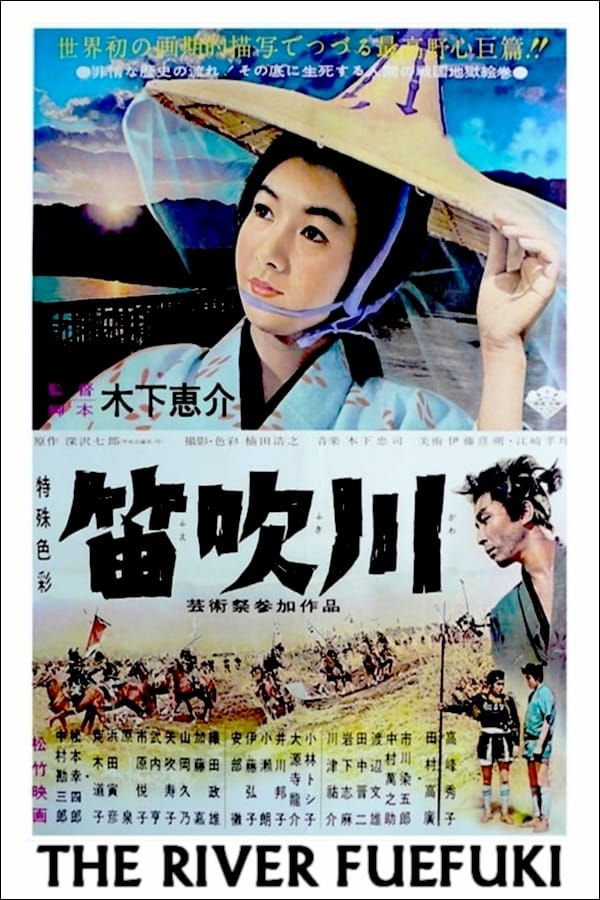 Movie7.7WarDrama
In a time of continuous civil wars ravaging the fields of feudal Japan, the eldest son of a very poor peasant family, living alongside the bridge over the Fuefuki river, decides to serve a warlord to escape his miserable condition, being soon followed by his younger brothers. Although not all the men of the family take this tragic path of death, women of the family will be doomed to endure the pain of loss during the next five generations.
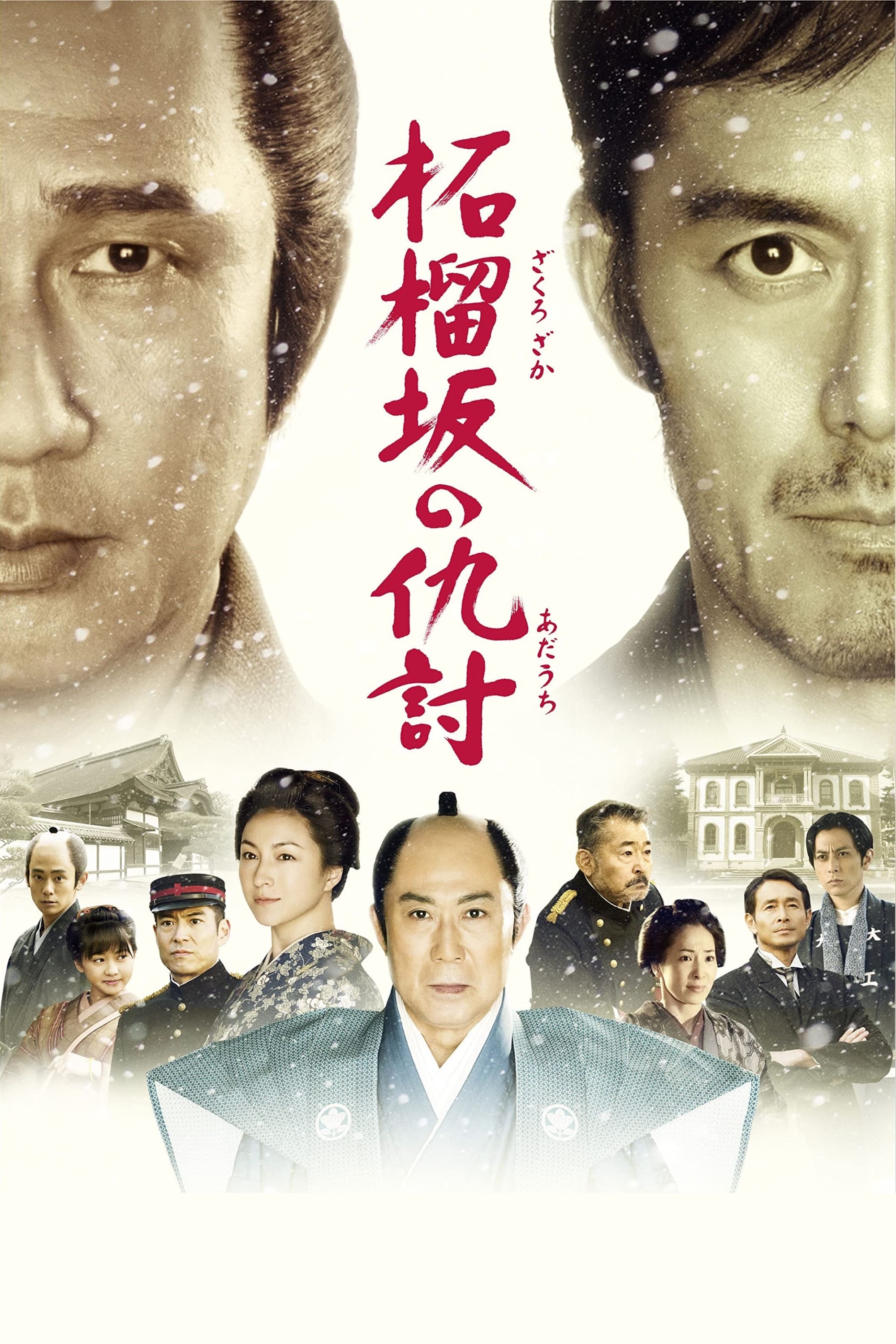 Movie6.7HistoryAction
At Sakurada Gate in 1860, the shogun’s chief minister and his retinue of bodyguards are ambushed and annihilated. Bearing the responsibility and shame for this failure is Shimura Kingo, master swordsman and chief of the guard. Forbidden to take his own life in atonement, he is instead tasked with hunting down the remaining assassins; however, fate intervenes and now only one is left. Devoted to his late lord and his duty, he relentlessly pursues the sole remaining assassin for the next thirteen years. But times are changing in Japan and the way of the sword has become outlawed. What does this mean for Kingo?
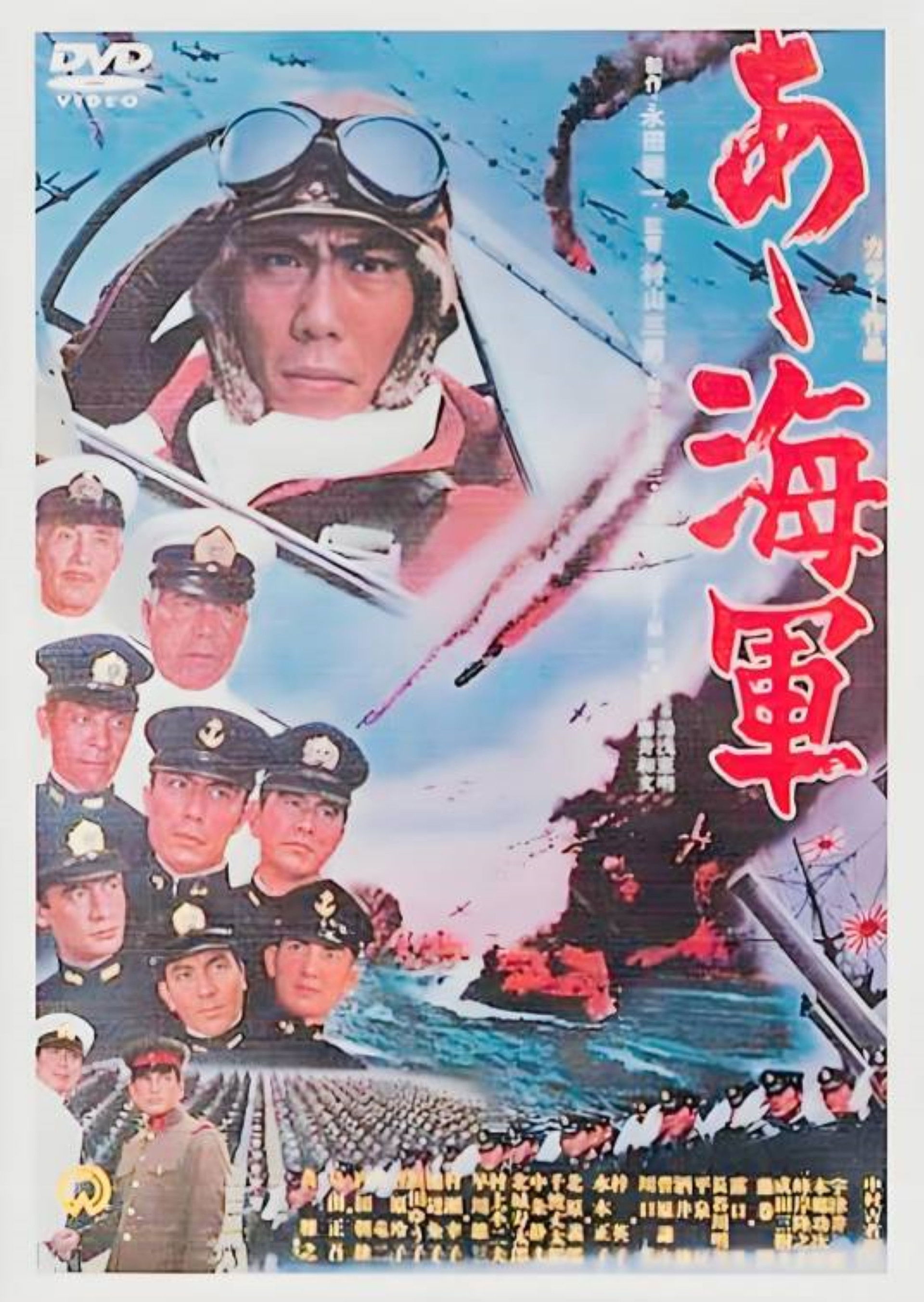 Movie8.3War
A young man leaves his widowed mother on her improverished farm and makes his career in the Japanese navy.
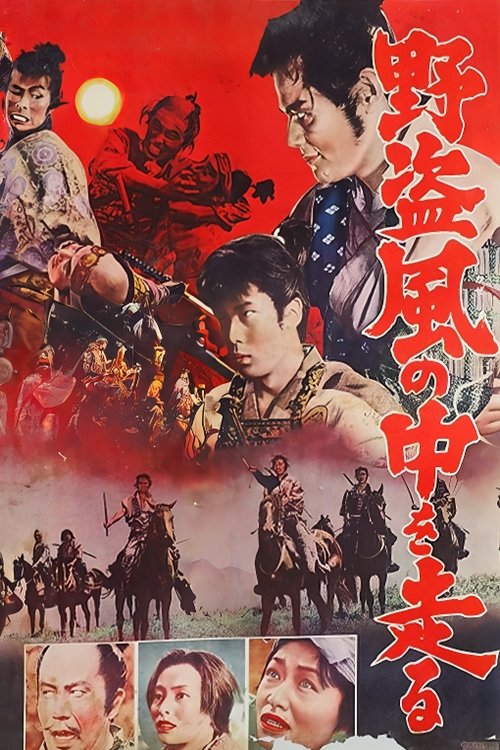 Movie9.0
1961 Japanese movie
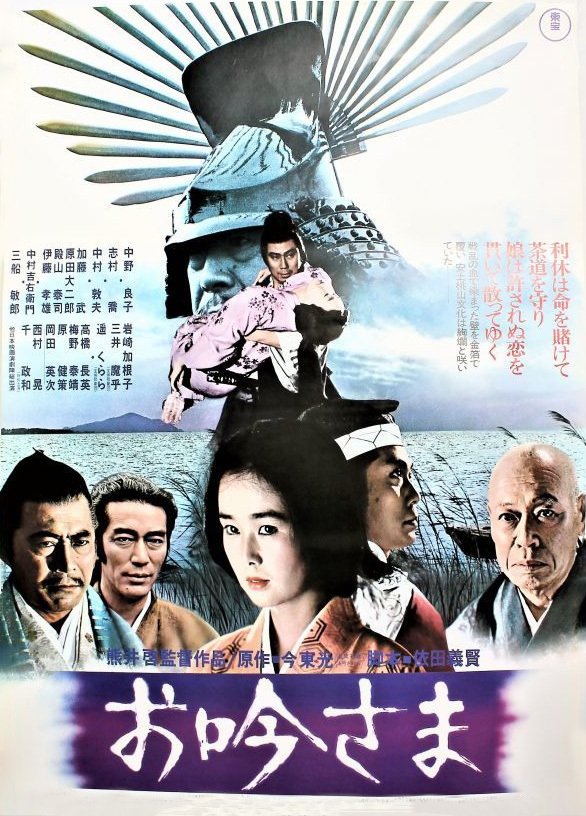 Movie6.4Drama
Sen Rikyu is a ceremonial tea master who advises warlord Hideyoshi in sixteenth-century feudal Japan. His daughter, the beautiful Lady Ogin, has an unrequited love for Lord Ukon, who has angered Hideyoshi by becoming a Christian convert. Ogin's father Rikyu also displeases Hideyoshi by opposing the warlord's plan to invade China and Korea. When the animalistic Hideyoshi is rejected by Ogin, he threatens her and her father with arrest and worse.
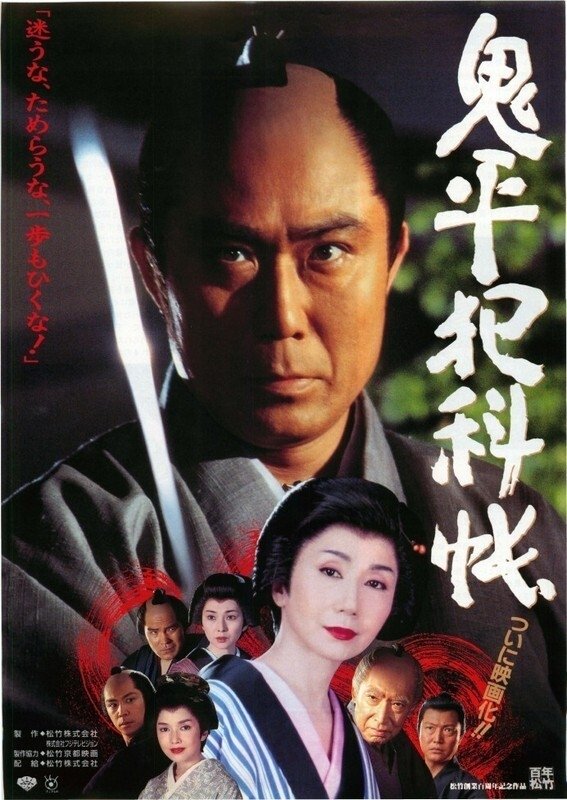 Movie9.0DramaCrime
A criminal syndicate wants detective Onihei dead, but the resolute hero proves to be hard to kill.
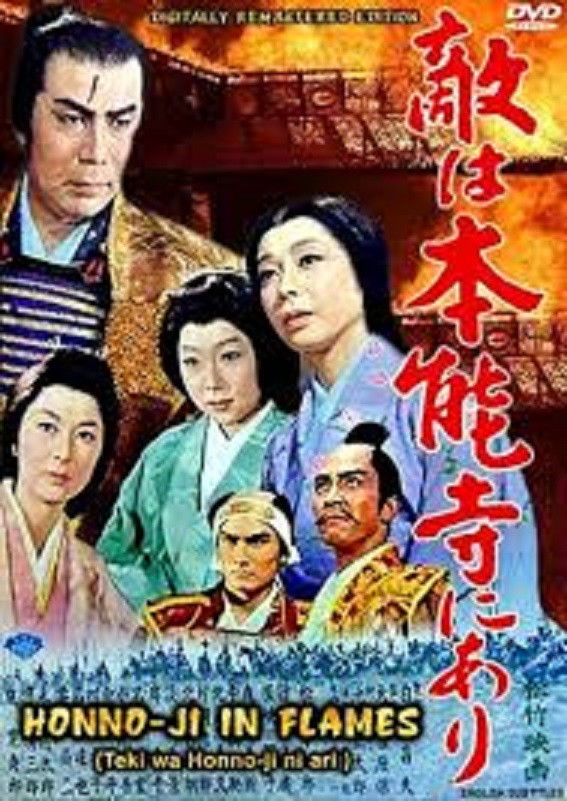 Movie6.3DramaHistory
The plot is based on the novel "Akechi Samanosuke no Koi," the final work in a trilogy by Hiroshi Kato about the forced suicide of Oda Nobunaga at the temple Honnoji. Historically, the general Akechi Mitsuhide is credited with causing Nobunaga's downfall. Kato's novel focuses on Mitsuhide's nephew Samanosuke, who fought alongside his uncle during the assault on Honnoji.
- Movie7.0HorrorDrama
Japanese horror movie from 1950.
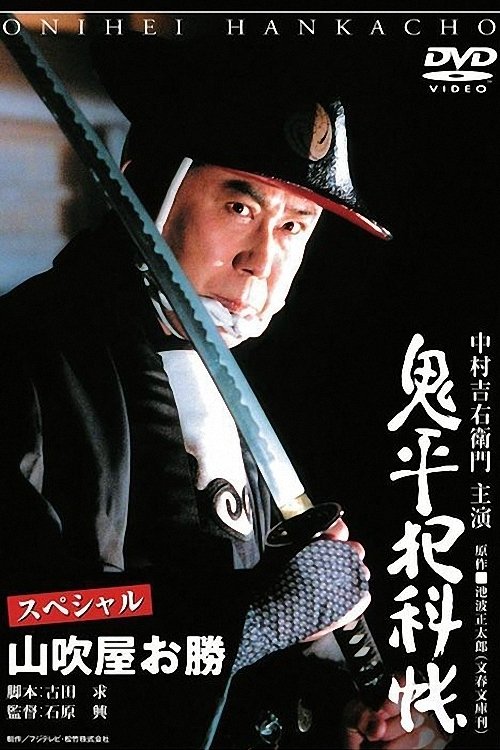 MovieDramaCrime
Heizo's cousin Senemon Misawa and his son Katsuzo visited Heizo's home. Heizo learns that Senemon has fallen in love with Katsutoshi, a woman who works at the Yamabukiya Tea House, and has asked her to marry him. Heizo decided to visit Yamabukiya, saying "I will try to find out if this woman is a bodhisattva or a demon." After meeting Katsutoshi Heizo, felt embarrassed and ordered Gorozo to inquire about her just in case. Gorozo, in turn, sends secret detective Rihachi to Yamabukiya with the task of keeping an eye on Katsutoshi...
Series3
 TV7.8DramaAction & Adventure
Hasegawa is a chief police of big heart who leads a band of samurai police and cultivates reformed criminals as informants to solve difficult crimes.
 TVDrama
After being carried in his mother’s womb for three years, Benkei is born with long hair and teeth and the body of a small child. It is said that he immediately laughed and commented on the brightness of the outside world, leading local people in his native Kii (modern Wakayama) to proclaim that he is a devil. Abandoned on a mountainside, he is adopted by Dainagon, a Kyoto resident who rears him until age seven when he leaves to become a monk. Thrown out of the monastery for his violent behavior, Benkei wanders Japan in search of enlightenment, though only trouble seems to find him. After accidentally causing a temple to burn down, he decides to begin a quest to defeat 1,000 of the hated Heike samurai in battle and donate their swords to a temple. Obtaining the first 999 swords proves relatively easy but the final weapon belongs to Yoshitsune, a young boy whose appearance belies his great skill as a warrior.
 TVDrama
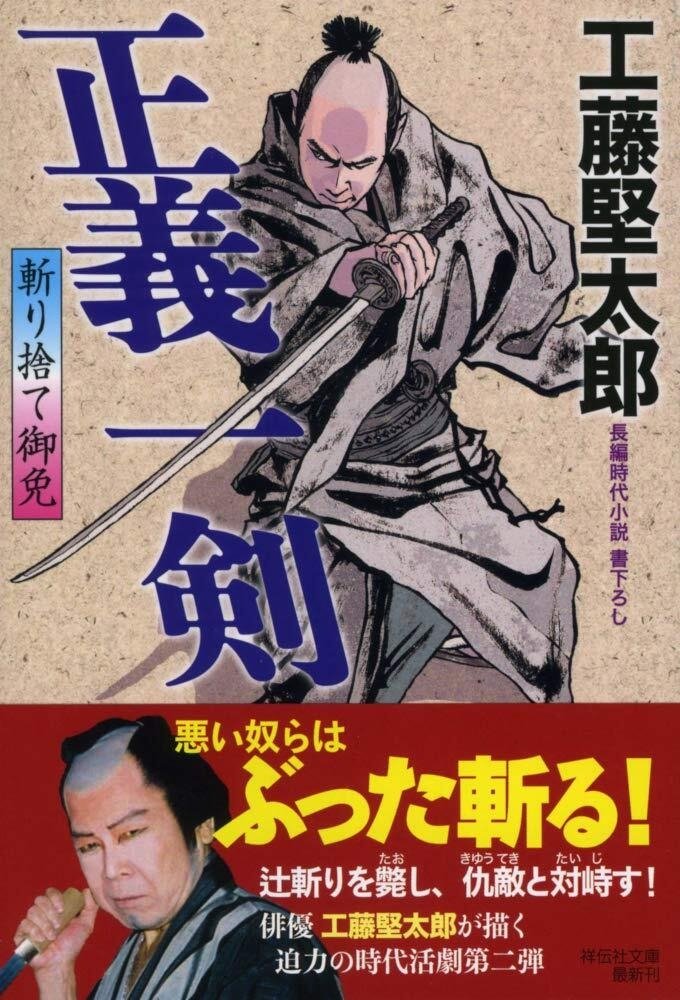
We're in Shamisen-bori of the bustling city of Edo. The officers of Guardhouse 36 monopolize the popularity in Edo. They're strong against evil, soft in compassion. Even the shogun depends on them. They're called the “Kirisute Bansho”... with a right to kill.