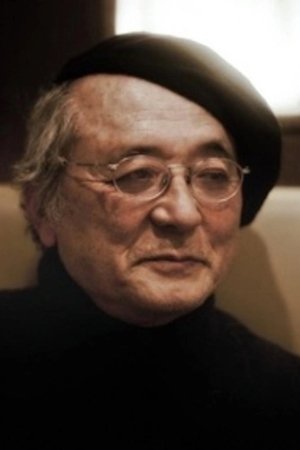
Takahiko Iimura
Director · b. 1937 · Tokyo, Japan
Takahiko Iimura has been a pioneer artist of Japanese experimental film and video, working with film since l960 and with video since 1970 while residing in New York and Tokyo. He is a widely established international artist, having numerous solo exhibitions in major museums such as the Museum of Modern Art, New York, the Whitney Museum, New York, Anthology Film Archives, New York, Centre George Pompidou, Paris, the National Gallery Jeu de Paume, Paris, Palais des Beaux-Arts, Brussels, Reina Sofia National Museum, Madrid, and the Tokyo Metropolitan Museum of Photography, Tokyo in addition to an artist residency at the German Academy of Arts, Berlin, and Bellagio Rockefeller Foundation Study Center, Bellagio, Italy.
Movies3
 Movie7.0Documentary
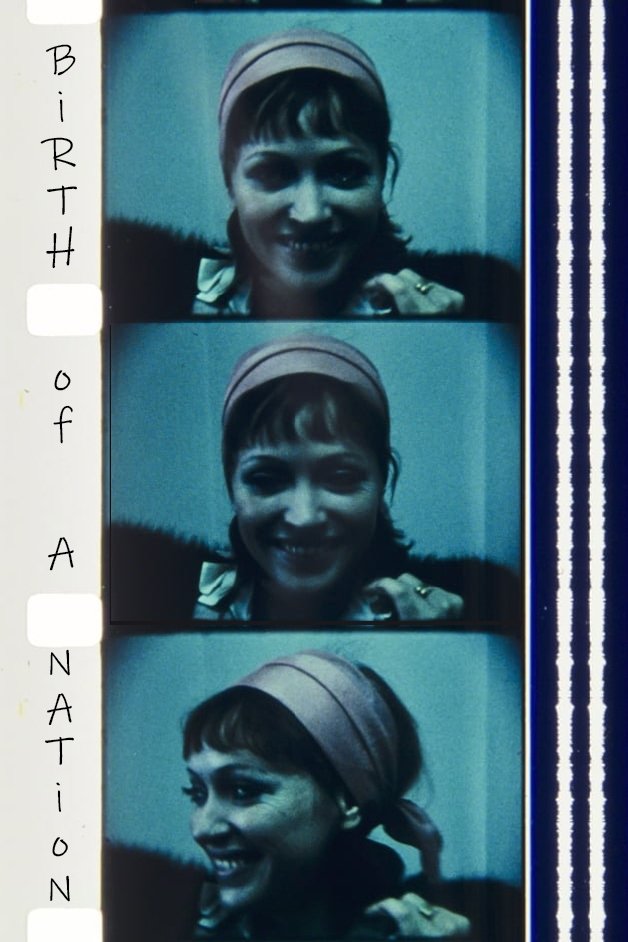
Jonas Mekas assembles 160 portraits, appearances, and fleeting sketches of underground and independent filmmakers captured between 1955 and 1996. Fast-paced and archival in spirit, the film celebrates the avant-garde as its own “nation of cinema,” a vital community existing outside the dominance of commercial film.
Birth of a Nation
1997 · 4 votes
 Movie
MovieIimura creates a short self-portrait as well as brief portraits of five of his peers: Brakhage, Vanderbeek, Smith, Mekas and Warhol. In each portrait, Iimura attempts to copy the styles and traits of each artist (Vanderbeek's constantly moving camera; Mekas' experiments with film speed; Warhol's use of flashes of white against a black background), while briefly commenting on the images being shown. The film serves effectively as an introduction to the film styles of these artists.
Filmmakers
1969
 Movie7.0
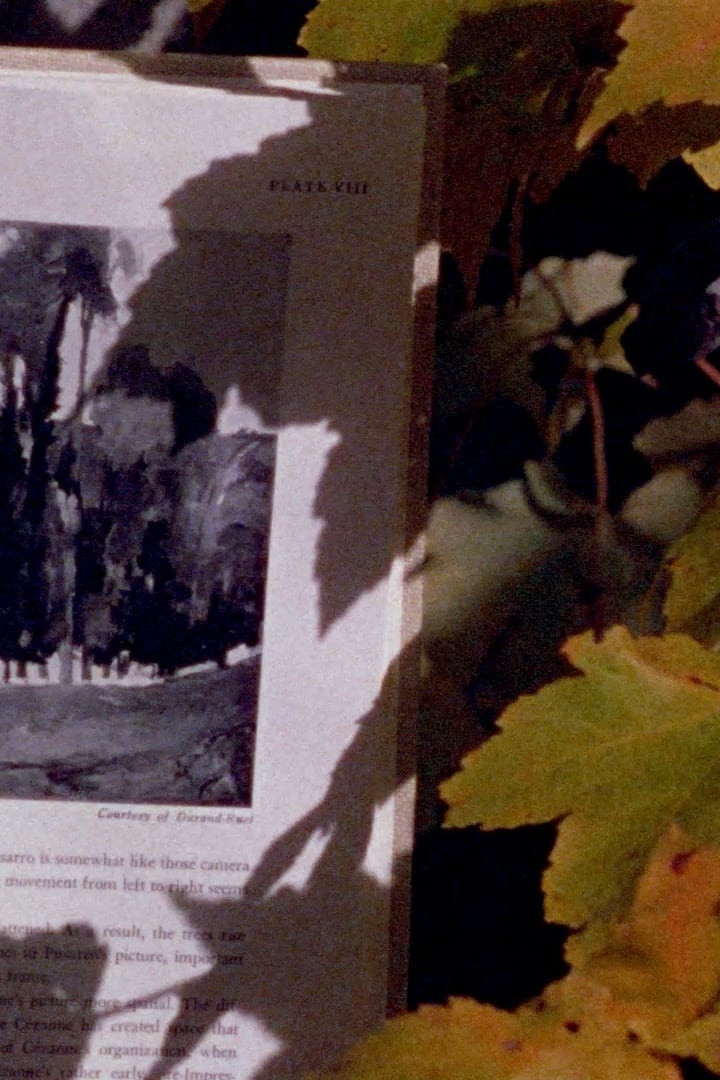
Four four-minute image sections and four four-minute sound sections are linked in all combinations of the sound sections with each of the image sections. This established affinities between each of the image sections to the others, and the sound sections to each other. The image sections are: surveyors measuring the land near my house as seen through an old window, a family of Siamang Gibbon apes in the Washington zoo, an industrial site, and a page turned from a book on Cézanne’s composition showing a diagram of his painting Mardi Gras, filmed against bright leaves. The sound sections are: a dramatic scene from Debussy’s opera “Pelléas et Mélisande”, a passage from William Wordworth’s autobiographical poem “The Prelude,” sounds from rowing on a lake at night, and the sounds of the apes vocalizing.
Four Shadows
1978 · 2 votes