
Lucélia Santos
Actor · b. 1957 · Santo André, São Paulo, Brazil
Maria Lucélia dos Santos (Santo André, May 20, 1957) is a Brazilian actress, theater director, and producer. Known for starring in worldwide soap operas, Santos is one of the country's most renowned actresses.
Movies20
 Movie5.0DramaThriller
The youngest daughter of a rich man has been raped by five black men in the slums of Rio de Janeiro, and her father arranges her marriage to one of his employees in order to save the family’s honor.
 Movie5.5Drama
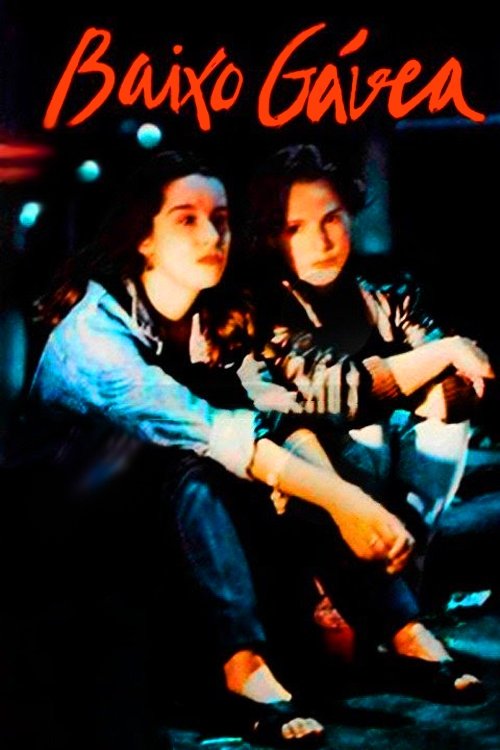
Clara directs the rehearsals of a theatrical play about Fernando Pessoa while constantly seeking the right man and the love of his life. One of the actresses is the lesbian Ana, who interprets the poet Mário de Sá Carneiro. She is Clara's friend and confidant with whom she shares an apartment. Clara does not perceive Ana's love for her, that always helps her to recover from the disappointments. Unlike the character Sá Carneiro, poet of decadentism, nostalgia, metaphysics and vague, Ana is the pragmatic side of Clara, who often brings a disillusioned vision as if it were Fernando Pessoa himself, who may be associated with concepts of the poet's heteronyms.
Baixo Gávea
1986 · 6 votes
 Movie5.8Drama
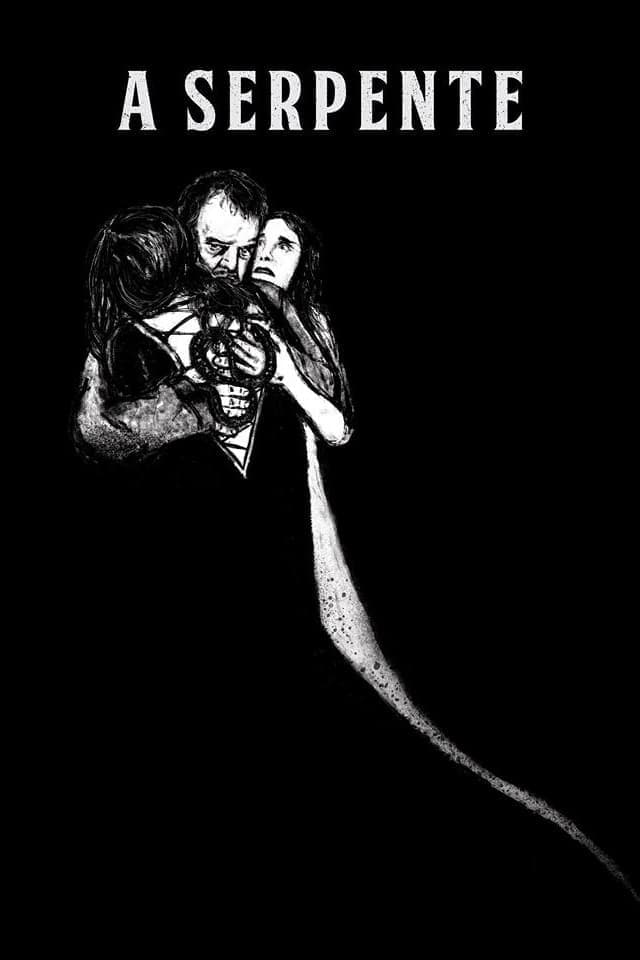
Two sisters live in the same house with their husbands in bedrooms separated by a single wall. One of the sisters, Lígia, is still a virgin. Dissatisfied, she wants to dissolve the marriage and thinks about suicide. To prevent her sister’s suicide, Guida offers her own husband, Paulo, for one night.
 Movie6.8Drama
As a privileged teenager living in an affluent suburb of Rio de Janeiro, Jean has little to worry about beyond games, grades and girls. But as his overbearing father drags the family into debt, Jean is forced into a change of lifestyle which opens his eyes to the world beyond his 'casa grande' - not least that of the feisty, mixed-race firecracker Luiza. Cultures, classes and generations collide in this engrossing coming-of-age drama from Brazil.
Casa Grande
2014 · 128 votes
 Movie10.0Drama
Writer and poet Clarice Lispector investigates and develops the old question of what came first, the egg or the chicken.
- Movie6.5
3 Histórias da Bahia
2001 · 2 votes
 Movie5.4DramaHistory
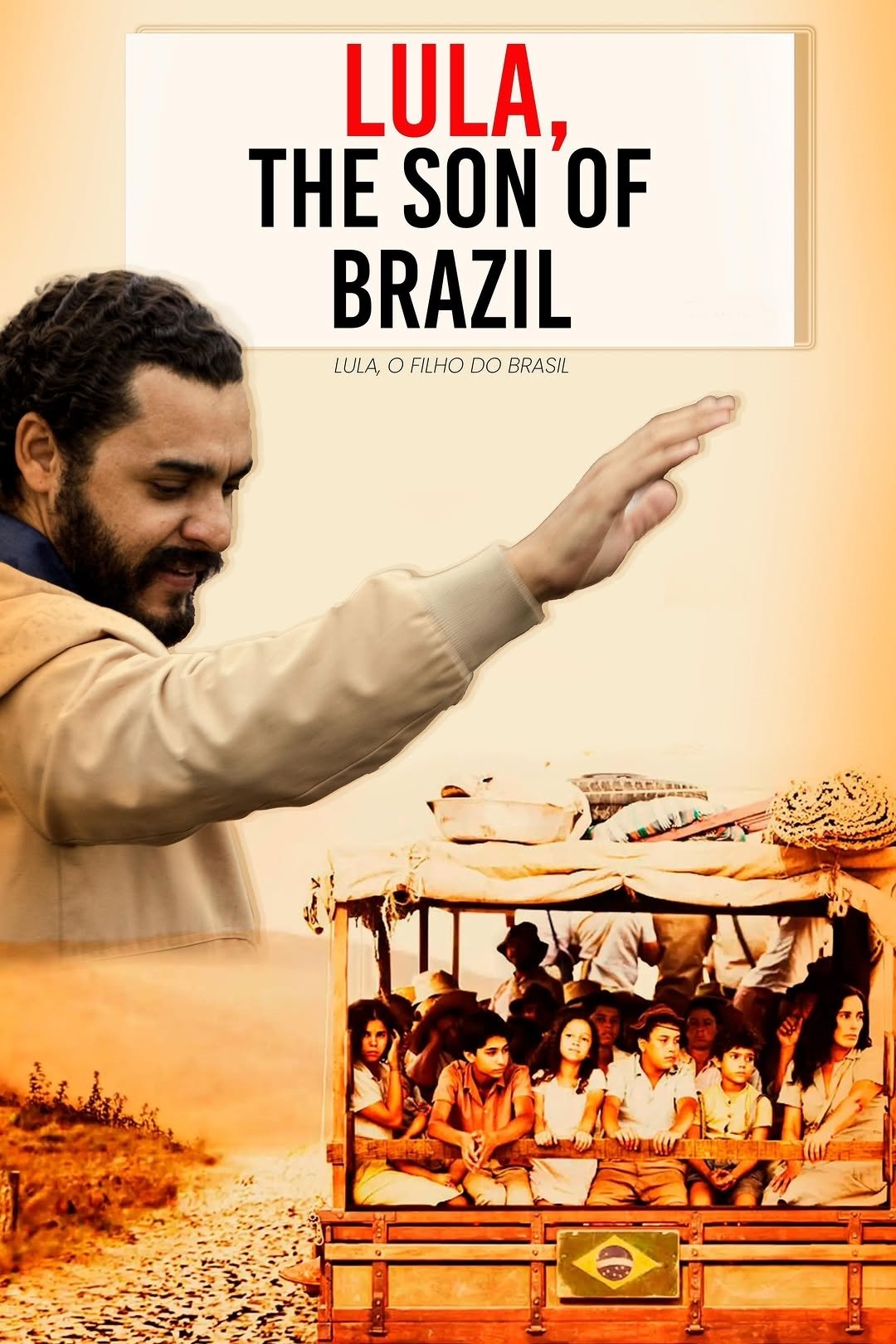
The true story of a working class boy who moves to the nation's financial capital at a young age and becomes one the most influential politicians in Brazilian history.
 Movie7.0CrimeHorror
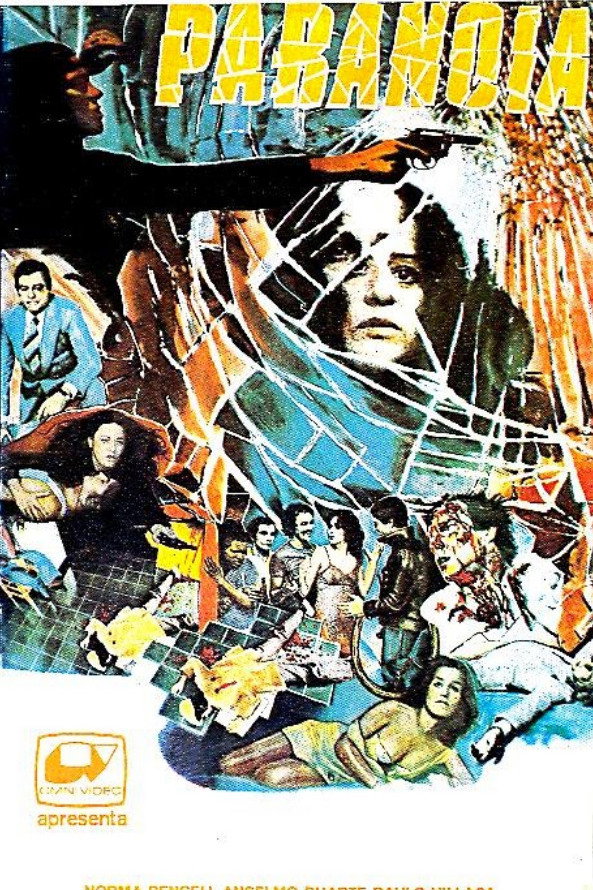
Four thieves enter a house and terrorize a family.
Paranóia
1976 · 1 votes
 Movie5.0Documentary
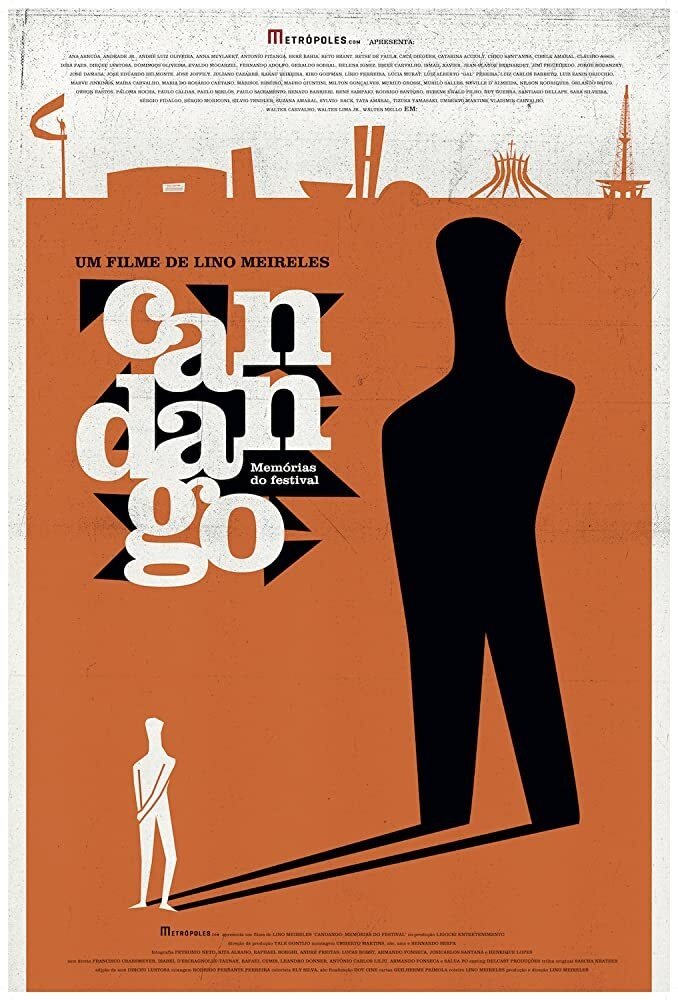
In 1965, a year after the military coup in Brazil, an oasis of freedom opened in the country's capital. The Brasília Film Festival: a landmark of cultural and political resistance. Its story is that of Brazilian cinema itself.
 Movie5.3Comedy
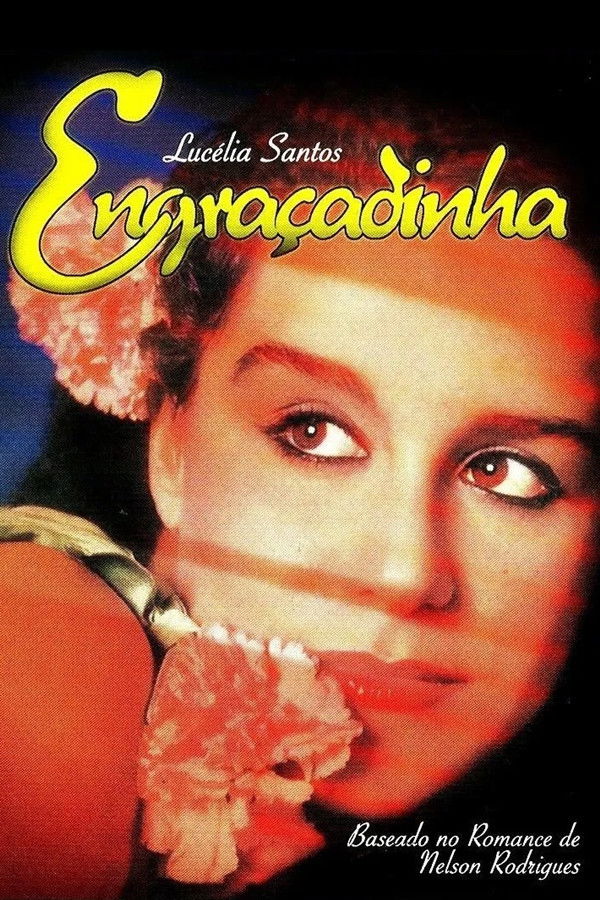
After the funeral of her father Arnaldo, who committed suicide, Engraçadinha confesses to the priest the motives. On the engagement party of her cousin Sílvio with Letícia, Engraçadinha seduces him in the library, and later she ends her engagement with Zózimo and lies to Letícia, telling that she is pregnant. Letícia decides to tell Arnaldo what happened, and he says that the child can not be born. He exposes dirty secrets to Engraçadinha, and a tragedy is announced.
Engraçadinha
1981 · 17 votes
 Movie5.7Drama
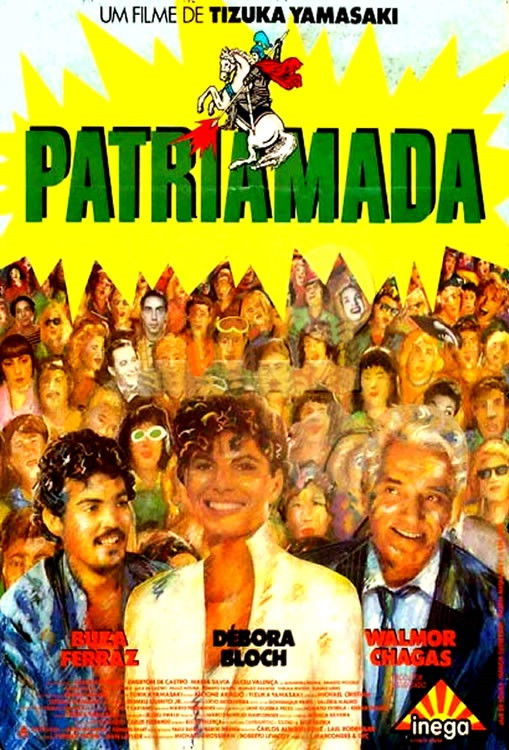
Patriamada
1985 · 3 votes
 Movie4.6
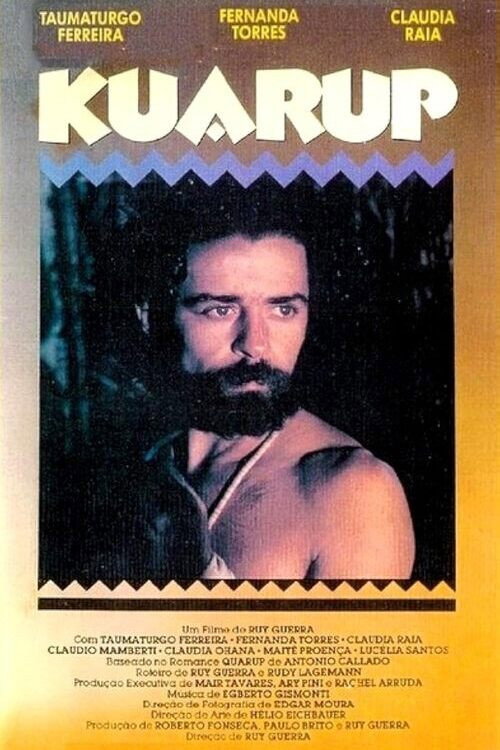
This epic Brazilian film was based on the equally epic novel by Antonio Callado. Set between 1954 and 1964, the film's focus is the saga of Jesuit priest Nando. Fed up with civilization, he ventures deep into Amazon country to live with and work among the Xingu Indians.
Kuarup
1989 · 11 votes
 Movie7.3Documentary
Documentary about the oppression of a group of a families of the MST, the Brazilian Landless Workers Movement, who invaded Anoni Farm, a farm in the state of Rio Grande do Sul, Brazil, in 1985, and Rose, a woman fighting for the right of owning a land and for elementary human rights, and mother of the first baby born in the camping site.
Terra Para Rose
1987 · 4 votes
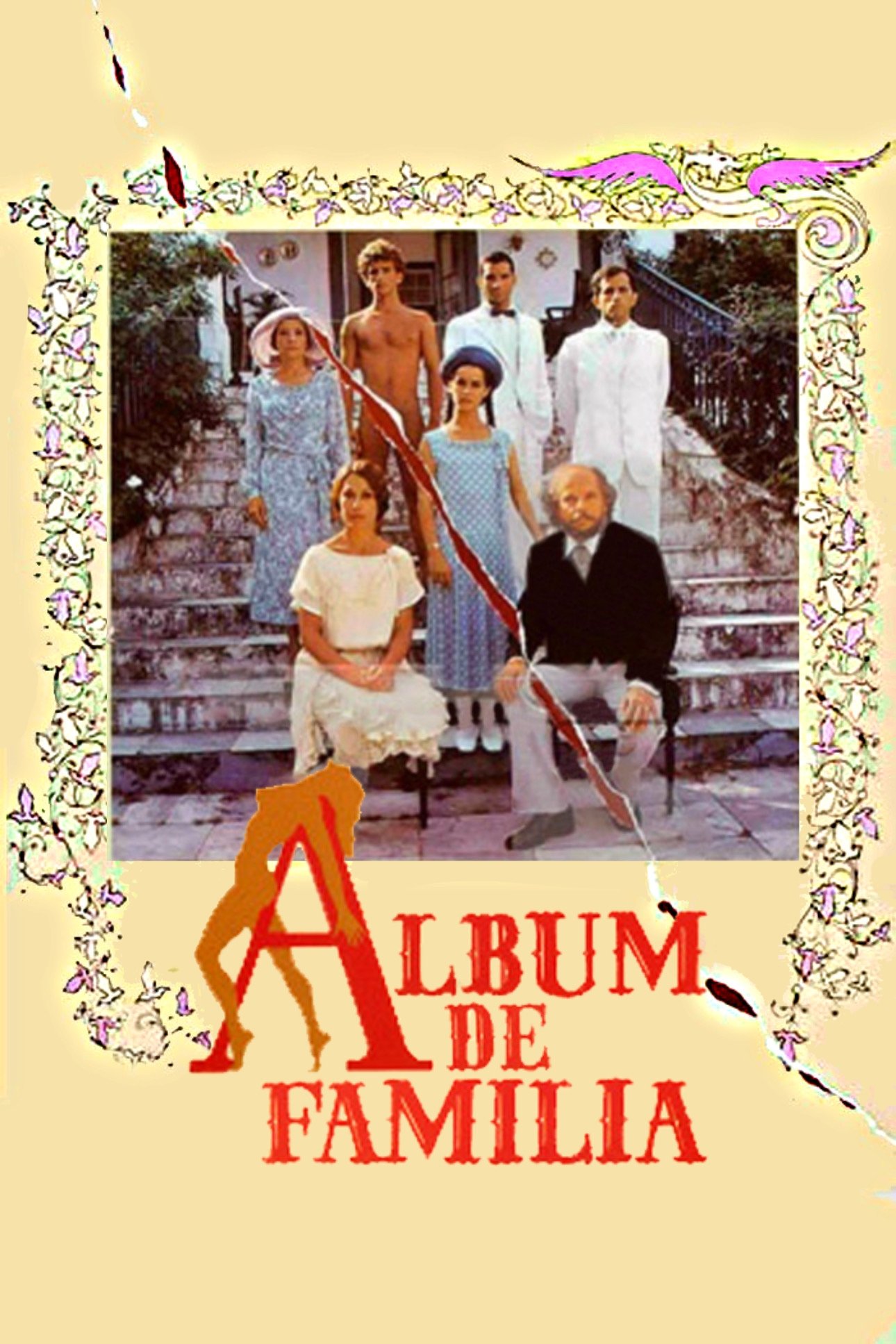 Movie4.8CrimeDrama
Follows the decadence of an incestuous oligarch family in a rural Brazilian household through the years during the early 20th century.
 Movie4.9Drama
The routine of a group of brazilian teenagers living in Brasília, Brazil's capital. Their aspirations, dreams and illusions presented in a context of a country that was on the final years of a dictatorship back in the 1980s.
 Movie5.1ComedyDrama
Biography of a Brazilian dancer who lived on an island and practiced nudism when it was forbidden by law.
Luz Del Fuego
1982 · 7 votes
 Movie9.5Documentary
Aiming to address how the environment has been mistreated since the beginning of the 20th century, the production brings back historical characters and compiles testimonies from representatives of diverse groups related to the theme.
 Movie
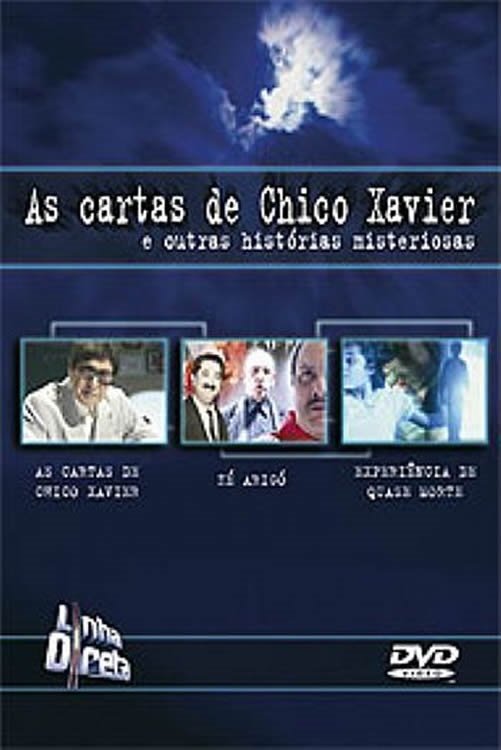
MovieThree people accused of murder who were pardoned by the parents of the victims and acquitted by Justice thanks to the letters psychographed by the medium Chico Xavier.
 Movie4.0Drama
After relocating to Tokyo, a Brazilian writer begins a new novel, provoked by her experiences in Japan and by one of the last scenes she witnessed in Rio de Janeiro: a female swimmer tearing up the horizon with powerful strokes in the wide, open sea. Those two women apparently share no connection, until their lives start to interfere in one another, strangely linked through the sea. Hannah, the writer, plunges into a journey of self-discovery in Japan, while Ana, the swimmer in Rio de Janeiro, oddly has her body transformed into some kind of inner Ocean.
Mulher Oceano
2020 · 3 votes
 Movie4.4Comedy
Film in three segments. In the first, father is suspicious about his son's masculinity. The second one shows a Don Juan-like guy who, at church for his own wedding, cannot remember who the bride might be. In the third, a rich husband tries to find the tattooed man he saw escaping through his wife's bedroom window.
Já Não Se Faz Amor Como Antigamente
1976 · 7 votes
Series18
 TV6.3SoapComedy
Malhação is a Brazilian television series for the teenage audience. The soap started in 1995, and was set in a fictional Gym Club called Malhação on Barra da Tijuca, Rio de Janeiro. Through the years the location varied slightly. Although the name of the soap remains the same, it is now set in the Múltipla Escolha High School.
 TV7.5DramaSoap
In 1886, in the small town of Araruna, Little Missy rejects the actions of her father—the slave-owning Colonel Ferreira—alongside Rodolfo, an active abolitionist republican with whom she falls in love.
 TV8.0Comedy
Os Trapalhões was a Brazilian comedy group and also a Brazilian television series created by Wilton Franco. Its members were Dedé Santana, Zacarias, Mussum and their leader Didi Mocó, that was played by Renato Aragão. The name Trapalhões is derived from the Portuguese verb atrapalhar, which means the opposite of helping, to do something the wrong way or to Those that confuse. The name is translated "Tramps" in English DVD subtitles. It was aired by Rede Globo from 1977 to 1999. On March 18, 1990, Zacarias died due to respiratory failure, but the group and the series didn't come to an end until July 29, 1994, when Mussum died due to an unsuccessful heart transplant.
 TV9.0Comedy
Chico Anysio Show
1982 · 3 votes
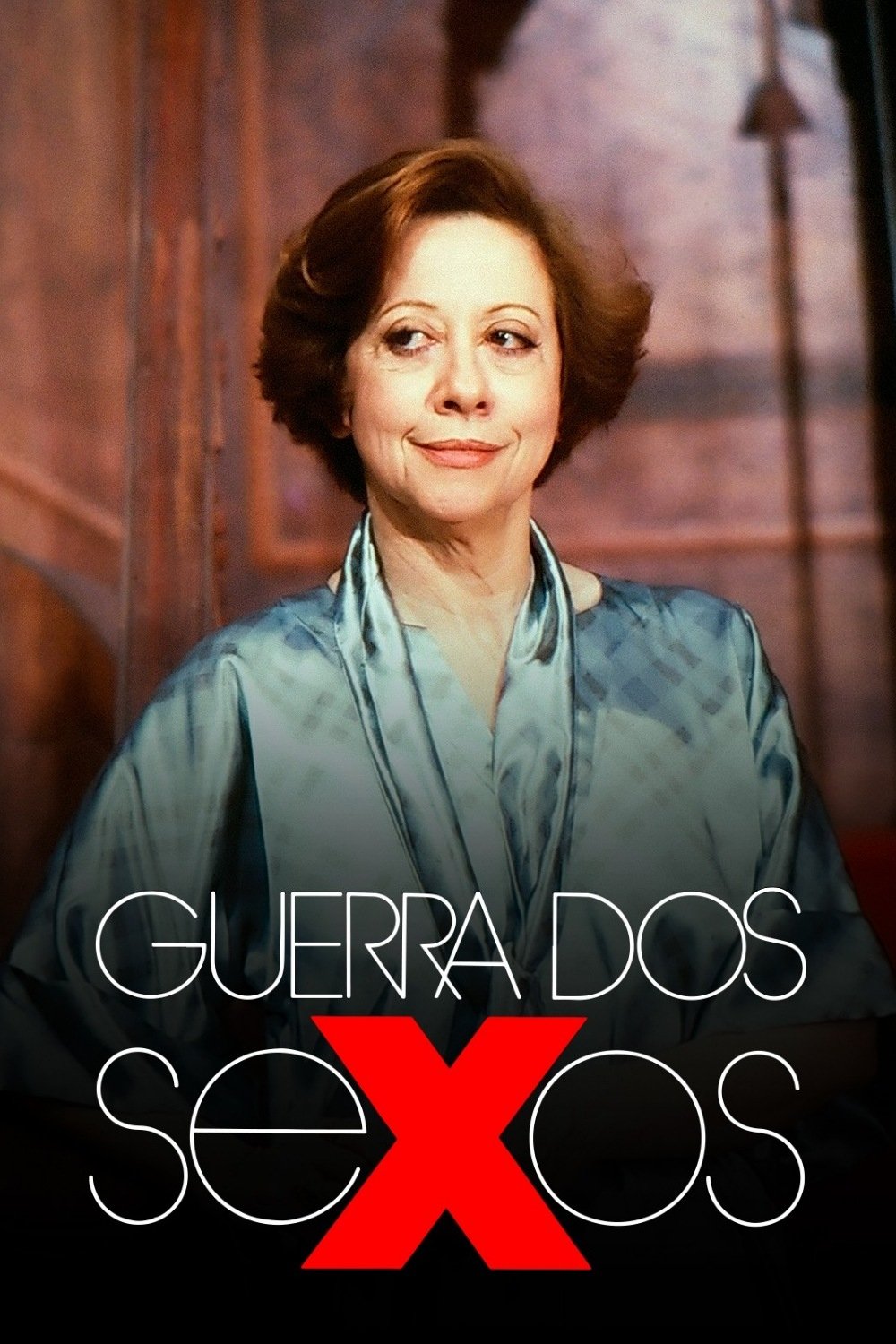 TV8.6SoapComedy
Cousins Charlô and Otávio once had a romance, but today they detest each other. However, fate plays a trick on them: they will receive a large inheritance, on the condition that they live together.
Guerra dos Sexos
1983 · 11 votes
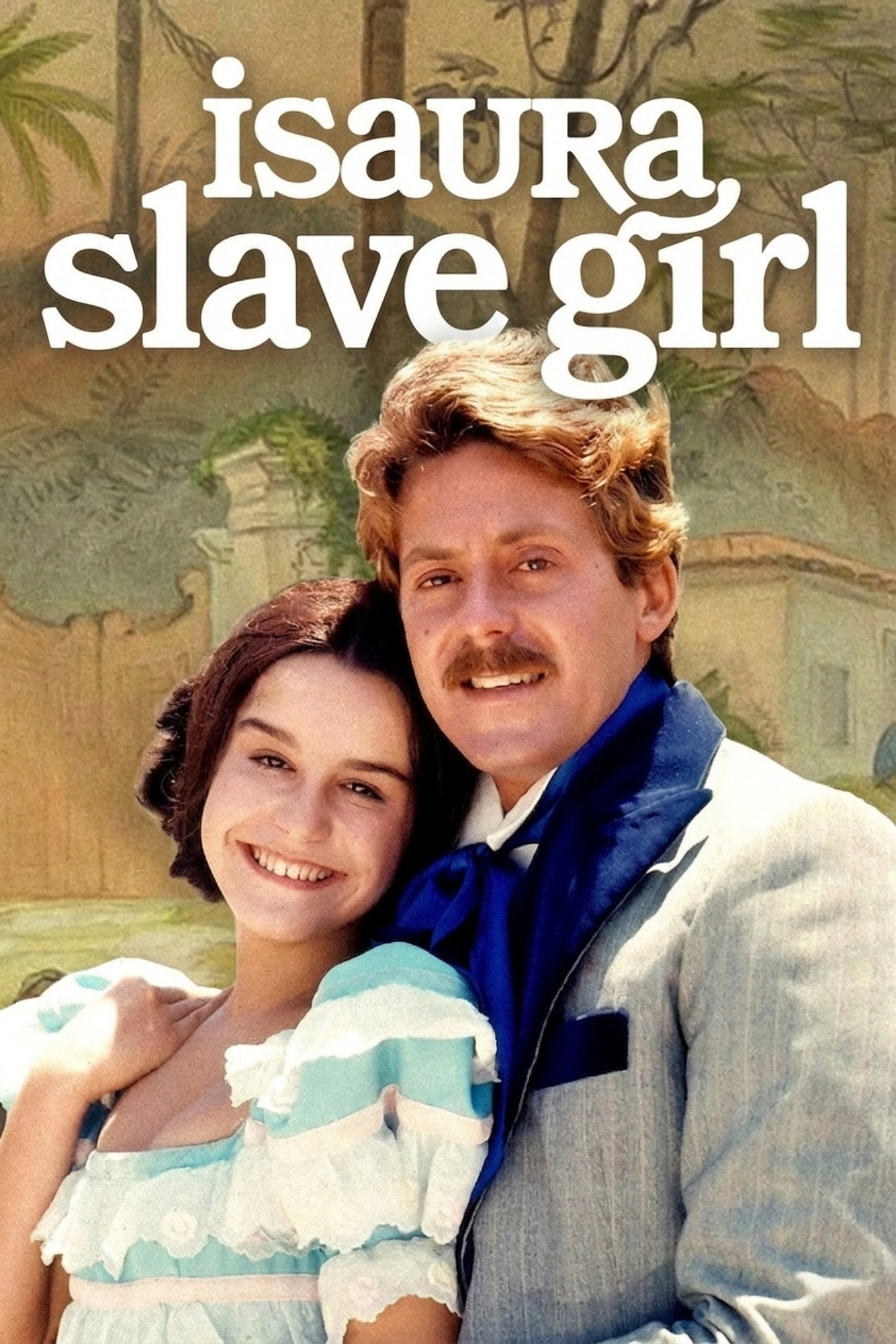 TV6.0SoapDrama
Set in 19th-century Brazil during the waning years of slavery, Escrava Isaura tells the story of Isaura, a white-skinned enslaved woman raised with the manners and education of a noble lady. Though treated with affection by her mistress, Isaura remains legally enslaved and becomes the object of obsessive desire by Leôncio Almeida, the cruel heir to the plantation. After the death of her protector, Isaura falls under Leôncio’s control. Despite his attempts to seduce and dominate her, she resists, determined to preserve her dignity and freedom. Her father, Miguel, helps her escape to Recife, where she adopts a new identity and meets Álvaro, a wealthy and principled abolitionist who falls in love with her. Leôncio eventually tracks her down, leading to dramatic confrontations. In the end, Álvaro rescues Isaura by purchasing Leôncio’s debts, securing her freedom and affirming the story’s central themes of justice, love, and resistance against oppression.
 TV8.2SoapDrama
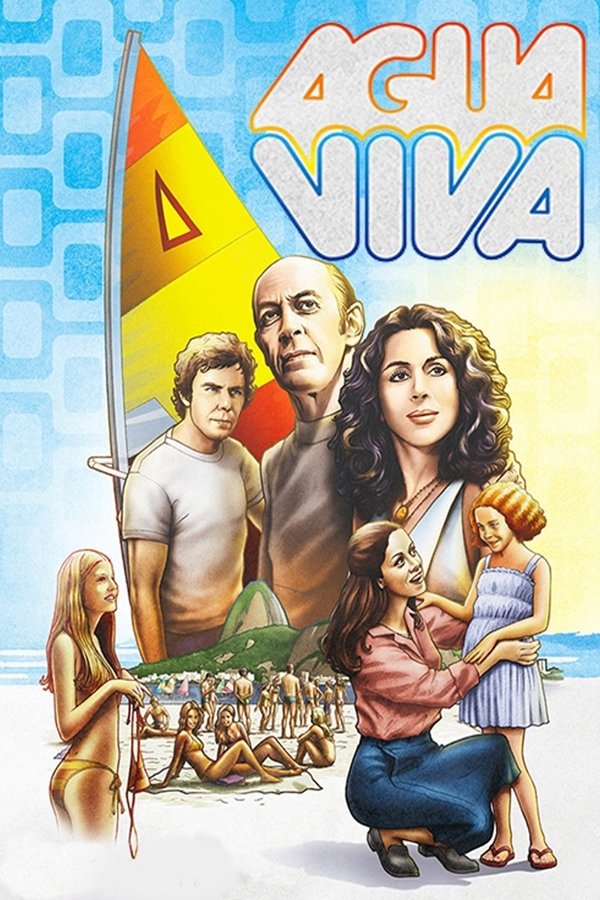
Água Viva
1980 · 5 votes
 TV7.5SoapDrama
Cidadão Brasileiro
2006 · 1 votes
 TV7.8ComedyDrama
The story revolves around the conflicts within Silvana and Oliva's family—her mother and paternal grandfather—who are fighting for custody of Zeca after the child's father dies.
Vereda Tropical
1984 · 4 votes
 TV8.0SoapDrama
Carmem
1987 · 2 votes
 TVSoapDrama
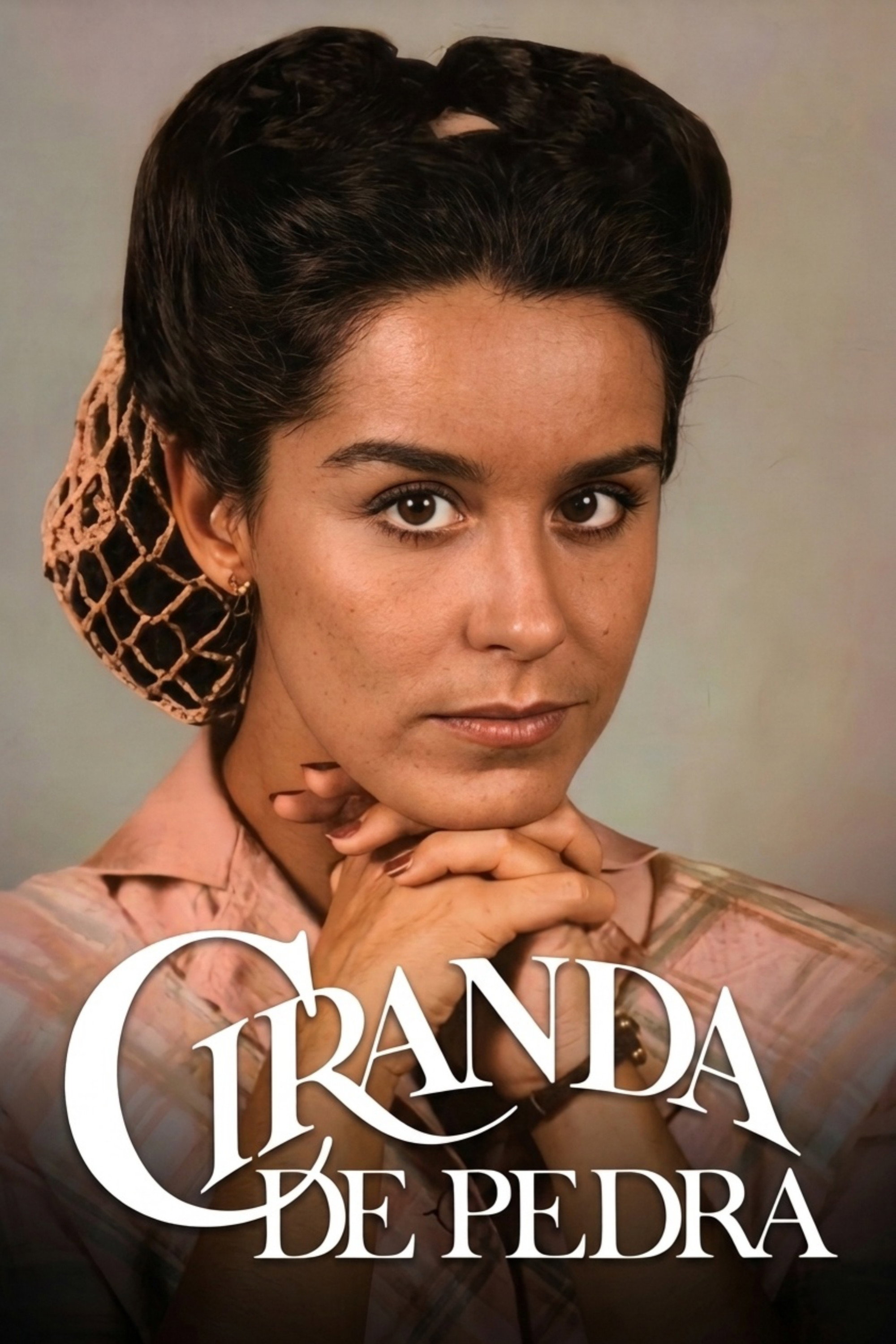
Set in 1940s São Paulo, the story follows Laura, a modern woman devoted to the arts who is oppressed by her husband, Natércio Prado—a wealthy man with traditional views. Amidst marital turmoil, Laura suffers a severe trauma and is even committed to an asylum by her husband. The couple separates, and the family is torn apart: Laura keeps her youngest daughter, Virgínia, while Natércio retains custody of the other daughters, Otávia and Bruna. Frail and penniless, Laura moves into the Vila Mariana home of her neurologist, Daniel. He is in love with his patient and believes her condition is physical rather than mental. Laura hides the fact that Virgínia is actually Daniel's daughter. The youngest daughter eventually returns to live with her father, where she faces hostility and harshness from the housekeeper, Frau Herta.
Ciranda de Pedra
1981
 TV9.0Soap
Brasileiros e Brasileiras is a Brazilian telenovela shown in some schedules SBT between November 5, 1990 and May 14, 1991. Writing for the show was done by Carlos Alberto Sofredini and Walter Avancini, who also directed it. The show was a co-production of the Miksom.
Brasileiras e Brasileiros
1990 · 1 votes
 TV9.4SoapComedy
Romantic and dreamy, Eliana works at a five-star hotel and becomes involved with unrequited love, a bumbling gang, and a complex police story.
Feijão Maravilha
1979 · 7 votes
 TV8.8ComedySoap
Kiki Blanche is a former star dedicated to her family and her beauty salon, in the South Zone of Rio de Janeiro. In addition to Milena, her legitimate daughter, Kiki raises Fernanda, Paulo, Renata and Regina. The great conflict of the plot is Fernanda's passion for Fábio, a man also loved by Milena.
 TV9.0Drama
After her divorce, Malu faces challenges in supporting her daughter and reinventing herself, grappling with loneliness, work, and the search for a new place in the world.
Malu Mulher
1979 · 2 votes
 TV9.0Drama
Ciranda, Cirandinha
1978 · 1 votes
 TV10.0Drama
The miniseries tells the story of Leninha, who marries Paulo due to a financial agreement made by her father, Dílson. Her life changes when she meets her brother-in-law, Mauricio, during a trip to her husband's farm in the interior of Rio de Janeiro. The two fall in love and become lovers. Leninha then begins to experience a great conflict: social and moral rules impose on her the behavior of a good wife, faithful and companion, but her desire for Maurício speaks louder. Consuelo, mother of Paulo and Maurício, realizes what is happening and begins to antagonize her daughter-in-law. Upon discovering the betrayal, Paulo starts to hate his brother. At the end of the plot, Leninha decides to stay with her husband, and the couple happily announces that they will have a child. Mauricio despairs, but later recovers in Regina's arms.
Meu Destino É Pecar
1984 · 1 votes
 TVDramaComedy