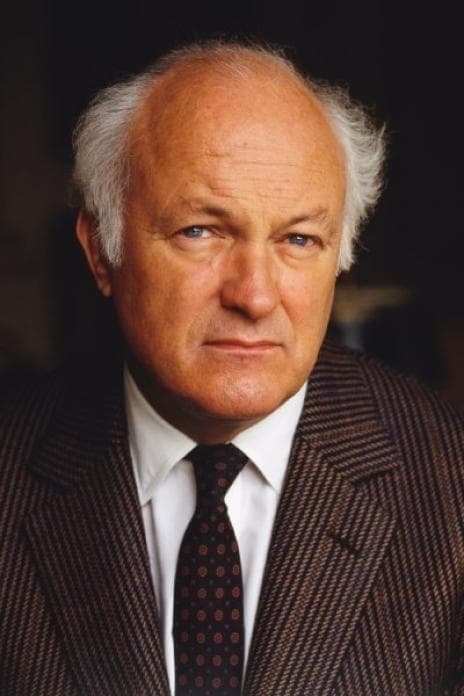
Peter Yates
Director · 1929 – 2011 · Aldershot, Hampshire, England, UK
Peter James Yates (24 July 1929 – 9 January 2011) was an English film director and producer. He was born in Aldershot, Hampshire. The son of an army officer, he attended Charterhouse School as a boy, graduated from the Royal Academy of Dramatic Art and worked for some years as an actor, director and stage manager. In the 1950s he started in the movie industry as a dubbing assistant and later an assistant director for Tony Richardson. Summer Holiday (1963), his first film as director, was a "lightweight" vehicle for Cliff Richard. Yates had directed the original Royal Court production of N. F. Simpson's play One Way Pendulum and was chosen to make the film version released in 1964. Robbery (1967), a crime thriller, is a fictionalised version of the Great Train Robbery of 1963. This led to Bullitt (1968), of which Bruce Weber has written, "Mr. Yates’s reputation probably rests most securely on “Bullitt” (1968), his first American film — and indeed, on one particular scene, an extended car chase that instantly became a classic." Yates was nominated for the BAFTA Award for Best Direction for Bullitt (1968). Yates produced and directed Breaking Away (1979), which was nominated for five Academy Awards ("Oscars") including Best Director and Best Film for Yates. Yates also produced and directed The Dresser (1983), which was an adaptation of the Ronald Harwood stage play. The film received seven BAFTA and five Oscar nominations, including the BAFTA Award for Best Film and for Best Direction and the Academy Award for Best Film and for Best Director for Yates. The Dresser was also entered into the 34th Berlin International Film Festival. Yates died in London on 9 January 2011. He was 81 years old. Description above from the Wikipedia article Peter Yates, licensed under CC-BY-SA, full list of contributors on Wikipedia.
Movies4
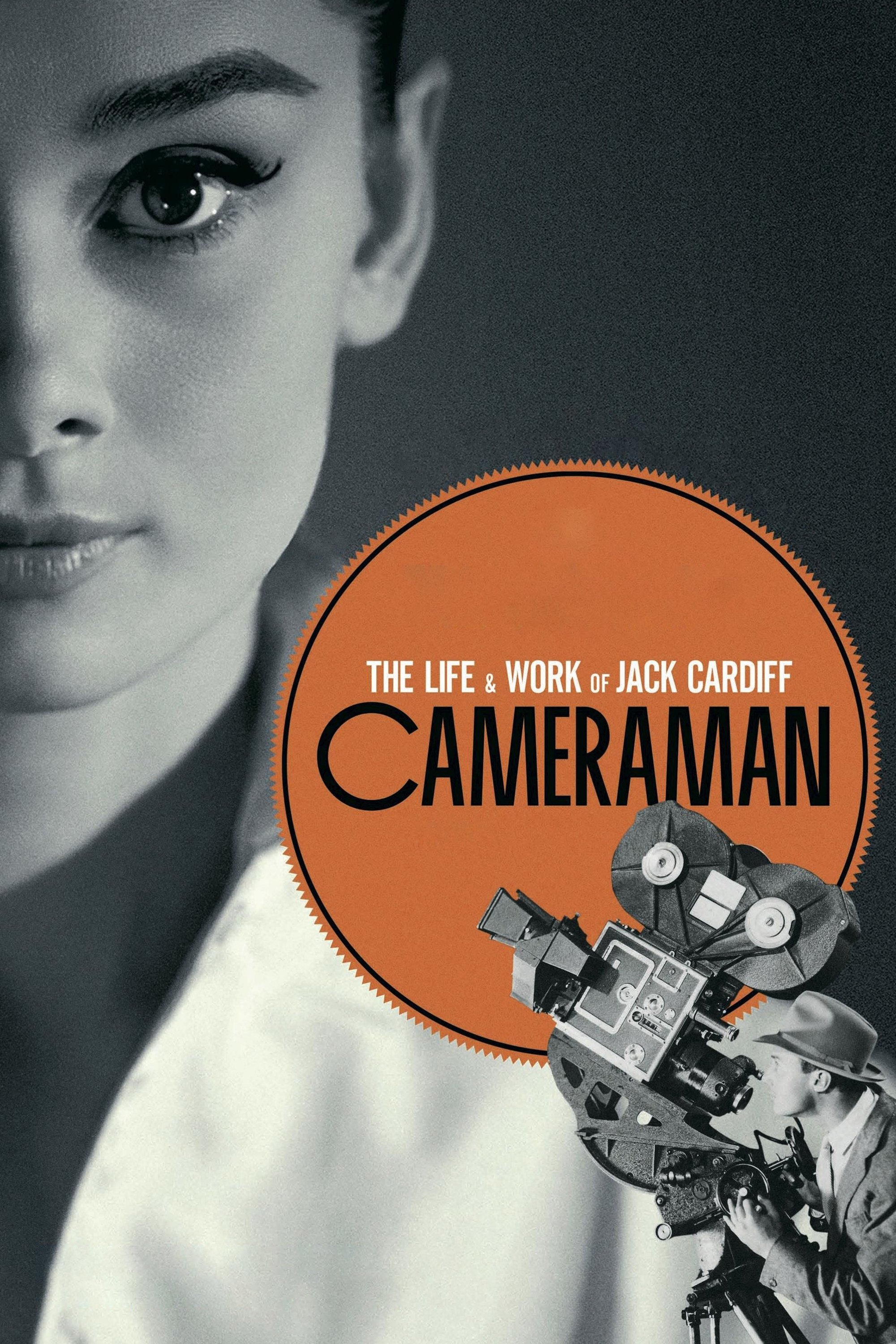 Movie6.6Documentary
In 2001 Jack Cardiff (1914-2009) became the first director of photography in the history of the Academy Awards to win an Honorary Oscar. But the first time he clasped the famous statuette in his hand was a half-century earlier when his Technicolor camerawork was awarded for Powell and Pressburger's Black Narcissus. Beyond John Huston's The African Queen and King Vidor's War and Peace, the films of the British-Hungarian creative duo (The Red Shoes and A Matter of Life and Death too) guaranteed immortality for the renowned cameraman whose career spanned seventy years.
Cameraman: The Life and Work of Jack Cardiff
2010 · 39 votes
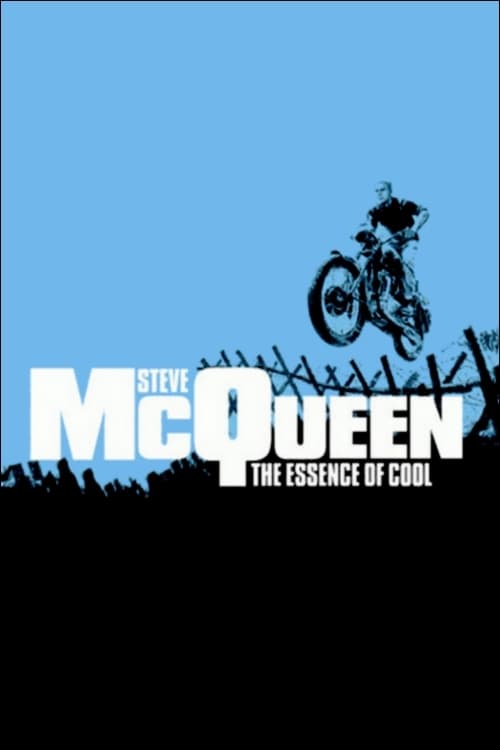 Movie5.9DocumentaryTV Movie
Friends, family, co-stars and admirers of actor Steve McQueen talk about his life and his movie career.
Steve McQueen: The Essence of Cool
2005 · 12 votes
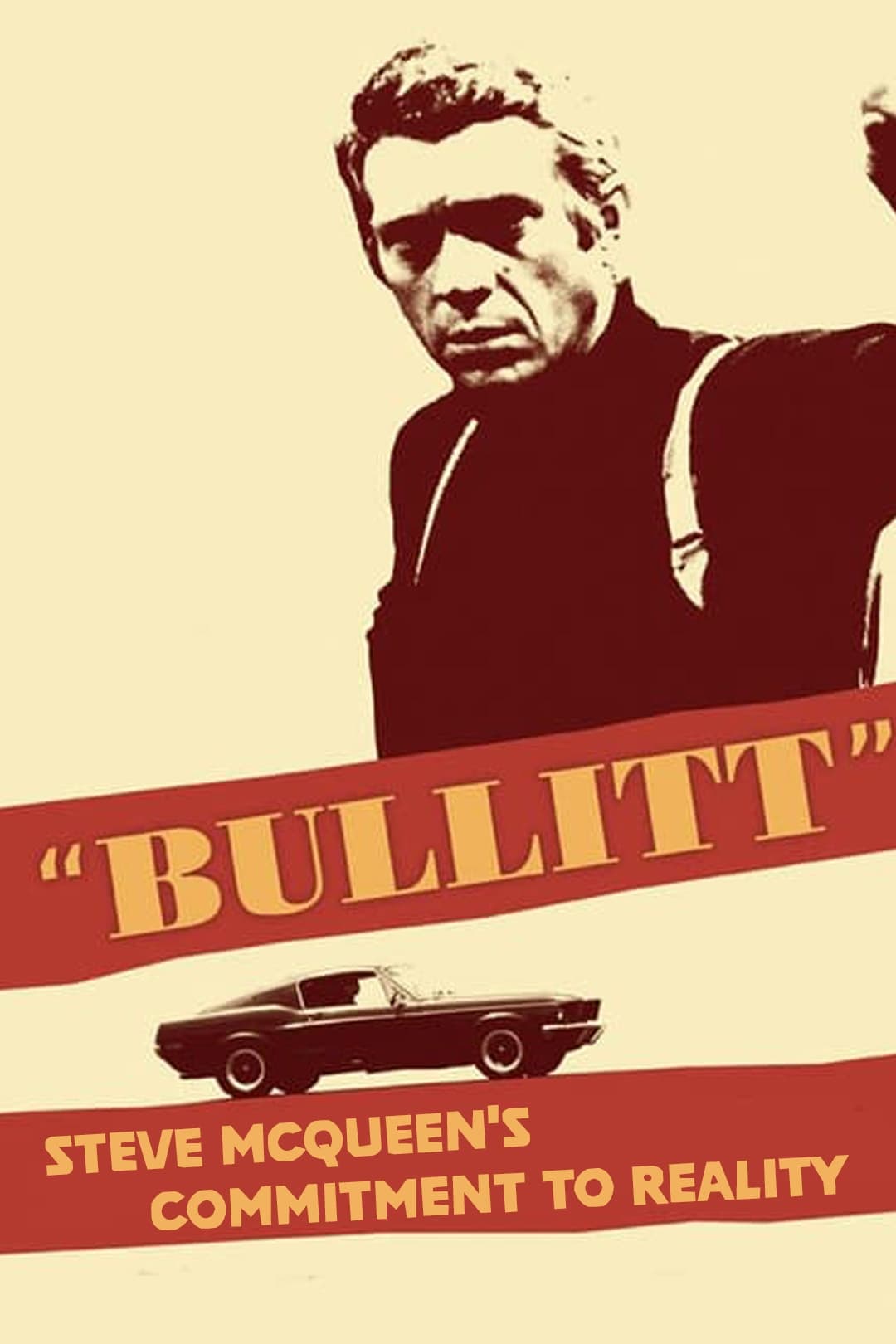 Movie7.4Documentary
A behind the scenes look at the making of the movie Bullitt with a strong focus on the attention to details taken. It features some of the preparations made before shooting began, but is mostly focused on the onsite filming locations which brings a strong amount of reality to the film as the title suggests.
'Bullitt': Steve McQueen's Commitment to Reality
1998 · 12 votes
- MovieDocumentaryFantasy
Behind the scenes documentary on the making of the big budget fantasy/adventure opus Krull (1983).
Journey to Krull
1983
Series4
 TV5.8ComedyTalk Show
The Mike Douglas Show is an American daytime television talk show hosted by Mike Douglas that originally aired only in the Cleveland area during much of its first two years on the air. It then went into syndication in 1963 and remained on television until 1982. It was distributed by Westinghouse Broadcasting and for much of its run, originated from studios of two of the company's TV stations in Cleveland and Philadelphia.
The Mike Douglas Show
1961 · 11 votes
 TV6.0Reality
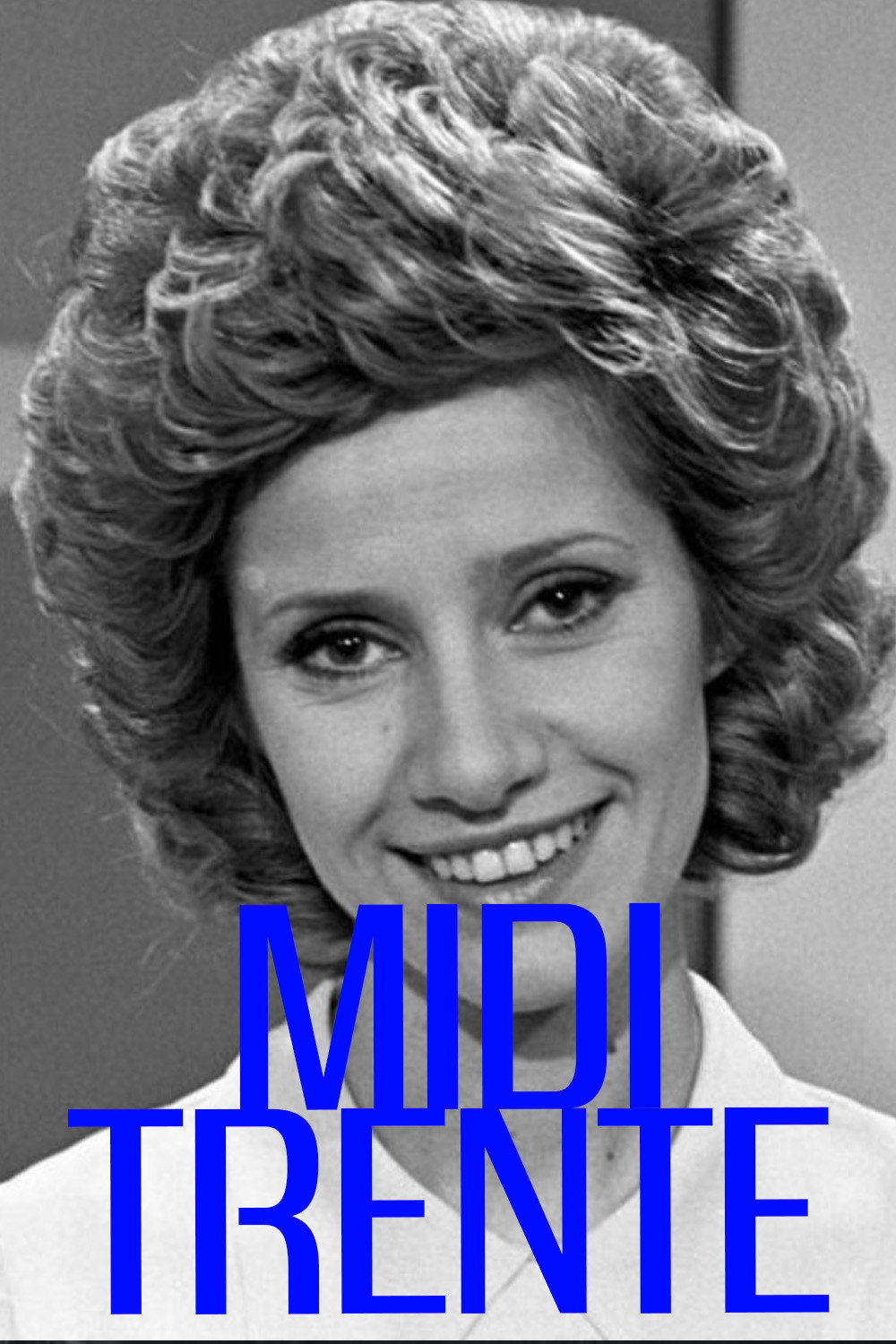
Midi trente
1972 · 1 votes
- TV5.1
The BBC's flagship cinema review TV program featuring reviews of new releases, news items and interviews. The title of the program changes each year to incorporate the year of broadcast.
Film '72
1971 · 8 votes
 TVDocumentary
Documentary series looking at the stories behind the production of popular English films, showing how they tie in with the production of other movies through the actors or actresses.