Susan Tackenberg
Actor
Movies5
 Movie6.7AnimationAdventure
The Oggly family arrive at the municipal rubbish dump of Smelliville and must look for a new home, but they never feel really welcome anywhere. They stink and are for most humans just a tad too oggly. When Firebottom, the family dragon, crash-lands on the run-down rubbish tip of the small town of Smelliville, the Ogglies at once feel at home. And it's here they want to stay.
 Movie6.8AnimationAdventure
Four crazy antiheroes on the run. Their leader is the unworldly innocent, naive Marnie, a house cat who is not allowed to leave the house and only knows about real life from television
 Movie7.1AnimationAdventure
When eight-year-old Heidi saves a lynx family and their home from a greedy businessman, she gets her grandfather to come clean with the village community, and she realizes that her beloved little lynx belongs with his family in the wild just as she belongs with her grandfather in the mountains.
 Movie8.0Documentary
No other country in Europe has more bears than Romania. There are probably over 6000. Especially in Transylvania, they often come dangerously close to humans. As a result, people in many places are at their wits' end. The film follows a female bear and her three cubs as they leave the protection of the Carpathian forests and become 'problem bears'. Their dramatic fate highlights the challenges of bear-human coexistence. Is there still a common future in densely populated Europe?
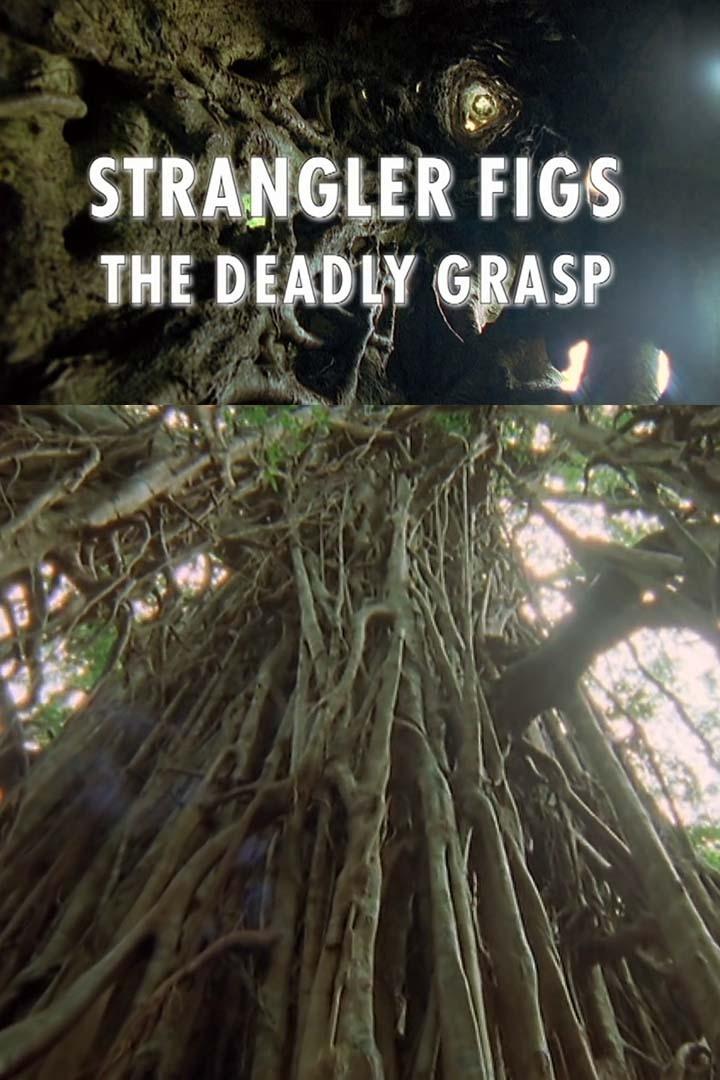 MovieDocumentary
Some ficus species are strangler figs. The seeds are eaten by birds and pass through the digestive tract undamaged. If they are excreted on the branch of a tree in the feces of the birds and remain stuck there thanks to the mistletoe-like slimy seed coat, the seeds germinate on the branch. The fig plants grow directly there, so they are initially epiphytes. But their aerial roots grow down to the ground. When the roots reach the ground, the figs begin to grow faster and form many more aerial roots. They gradually enclose their supporting or host tree, which eventually dies, forming a cavity inside the strangler fig. The strangler fig also benefits from the nutrients released during the decomposition of the dead supporting tree.