
Lionel Hampton
Actor · 1908 – 2002 · Louisville, Kentucky, USA
Lionel Leo Hampton (April 20, 1908 – August 31, 2002) was an American jazz vibraphonist, pianist, percussionist, and bandleader. Hampton worked with jazz musicians from Teddy Wilson, Benny Goodman, and Buddy Rich, to Charlie Parker, Charles Mingus, and Quincy Jones. In 1992, he was inducted into the Alabama Jazz Hall of Fame, and he was awarded the National Medal of Arts in 1996. Lionel Hampton was born in 1908 in Louisville, Kentucky, and was raised by his mother. Shortly after he was born, he and his mother moved to her hometown of Birmingham, Alabama. He spent his early childhood in Kenosha, Wisconsin, before he and his family moved to Chicago, Illinois, in 1916. As a youth, Hampton was a member of the Bud Billiken Club, an alternative to the Boy Scouts of America, which was off-limits because of racial segregation. During the 1920s, while still a teenager, Hampton took xylophone lessons from Jimmy Bertrand and began to play drums. Hampton was raised Catholic, and started out playing fife and drum at the Holy Rosary Academy near Chicago. Lionel Hampton began his career playing drums for the Chicago Defender Newsboys' Band (led by Major N. Clark Smith) while still a teenager in Chicago. While he lived in Chicago, Hampton saw Louis Armstrong at the Vendome, remembering that the entire audience went crazy after his first solo. He moved to California in 1927 or 1928, playing drums for the Dixieland Blues-Blowers. He made his recording debut with The Quality Serenaders led by Paul Howard, then left for Culver City and drummed for the Les Hite band at Sebastian's Cotton Club. One of his trademarks as a drummer was his ability to do stunts with multiple pairs of sticks such as twirling and juggling without missing a beat. During this period, he began practicing on the vibraphone. In 1930 Louis Armstrong came to California and hired the Les Hite band for performances and recordings. Armstrong was impressed with Hampton's playing after Hampton reproduced Armstrong's solo on the vibraphone and asked him to play behind him like that during vocal choruses. So began his career as a vibraphonist, popularizing the use of the instrument in the process. Invented ten years earlier, the vibraphone is essentially a xylophone with metal bars, a sustain pedal, and resonators equipped with electric-powered fans that add tremolo. While working with the Les Hite band, Hampton also occasionally did some performing with Nat Shilkret and his orchestra. During the early 1930s, he studied music at the University of Southern California. In 1934 he led his own orchestra, and then appeared in the Bing Crosby film Pennies From Heaven (1936) alongside Louis Armstrong (wearing a mask in a scene while playing drums). Also in November 1936, the Benny Goodman Orchestra came to Los Angeles to play the Palomar Ballroom. When John Hammond brought Goodman to see Hampton perform, Goodman invited him to join his trio, which soon became the Benny Goodman Quartet with pianist Teddy Wilson and drummer Gene Krupa completing the lineup. The Trio and Quartet were among the first racially integrated jazz groups to perform before audiences, and were a leading small group of the day. ... Source: Article "Lionel Hampton" from Wikipedia in English, licensed under CC-BY-SA 3.0.
Movies10
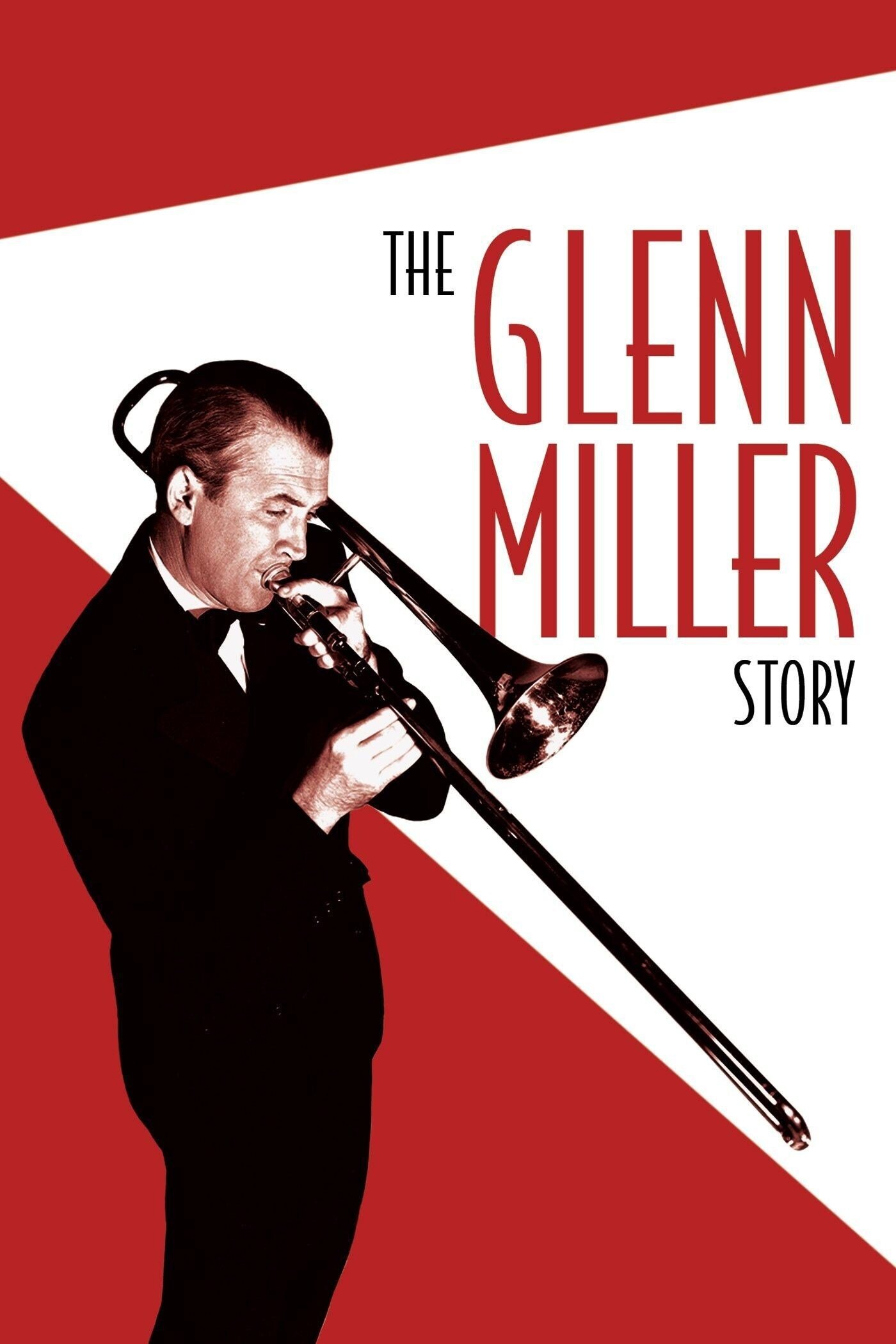 Movie7.0DramaMusic
A vibrant tribute to one of America's legendary bandleaders, charting Glenn Miller's rise from obscurity and poverty to fame and wealth in the early 1940s.
The Glenn Miller Story
1954 · 169 votes
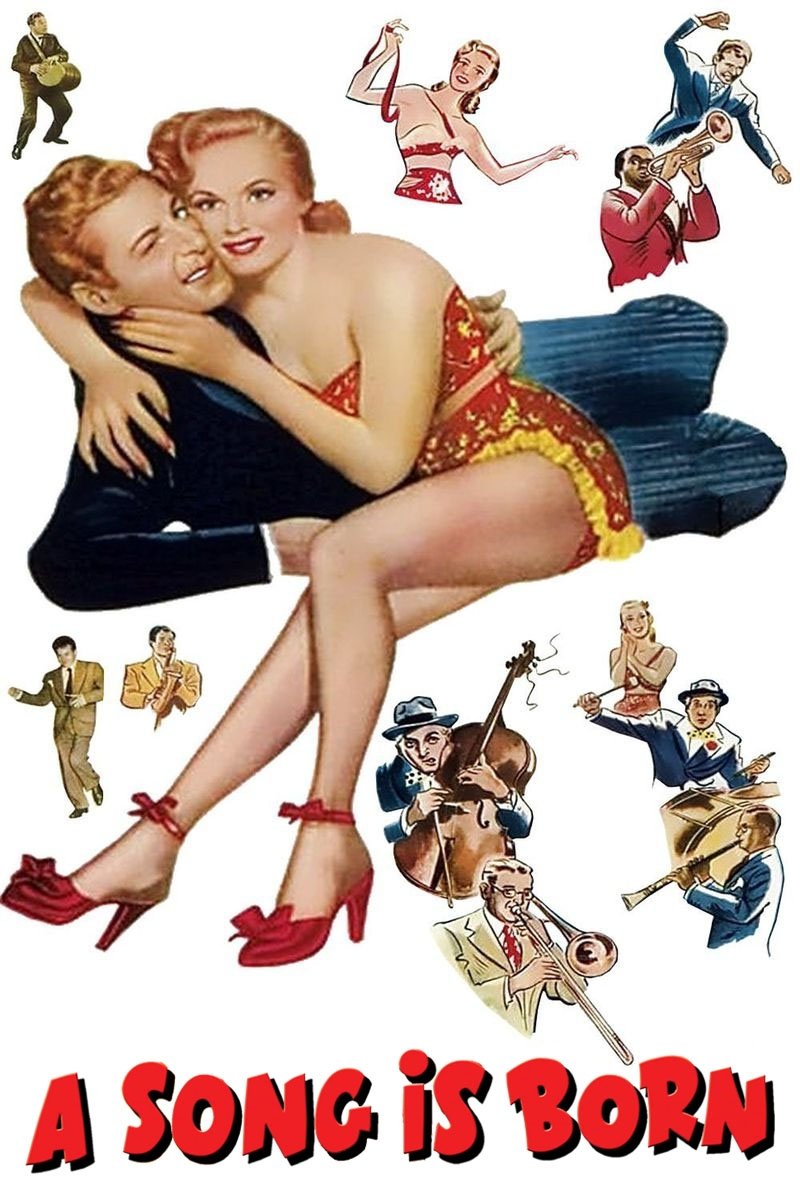 Movie6.4ComedyMusic
The story of seven scholars in search of an expert to teach them about swing music. They seem to have found the perfect candidate in winsome nightclub singer Honey Swanson. But Honey's gangster boyfriend doesn't want to give her up.
A Song Is Born
1948 · 47 votes
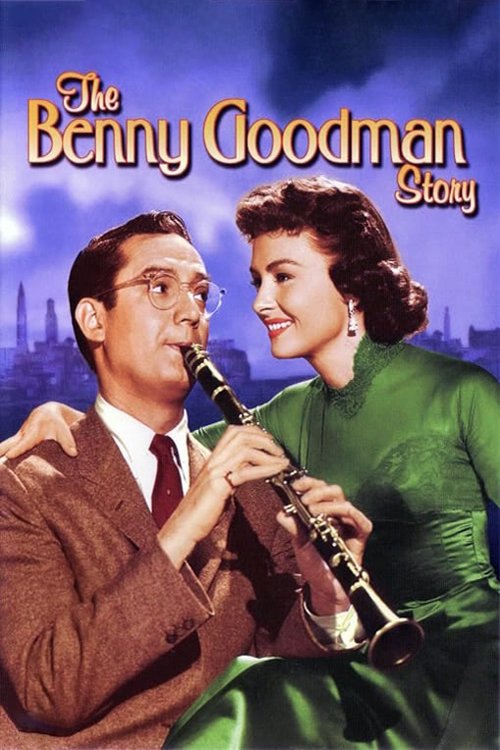 Movie6.4DramaMusic
Young Benny Goodman is taught clarinet by a music professor. He is advised to play whichever kind of music he likes best, but to make a living, Benny begins by joining the Ben Pollack traveling band.
The Benny Goodman Story
1956 · 15 votes
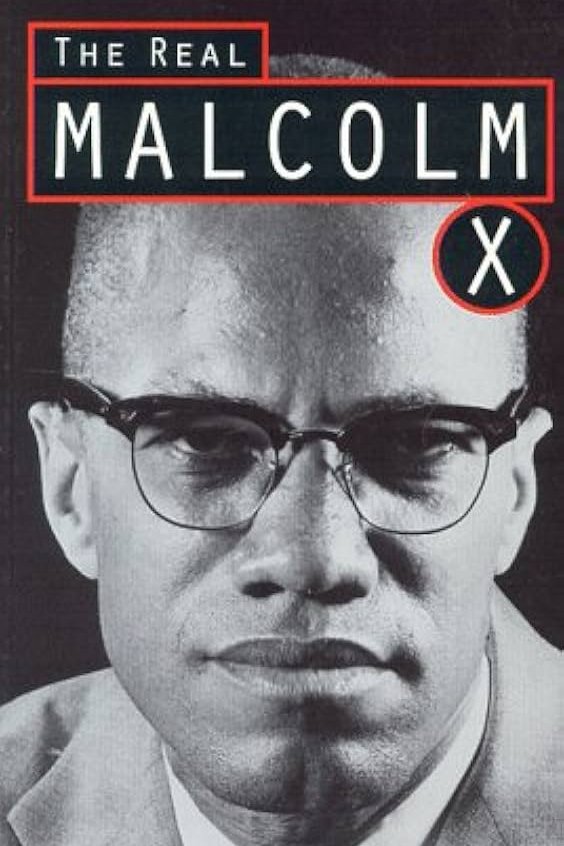 Movie8.0Documentary
CBS News looks at Malcolm X, focusing on his public life from 1959 to his assassination in 1965, suggesting that his death was a great loss to the nation. The film intercuts archival footage of Malcolm and interviews with family, friends, colleagues, scholars, and writers. CBS documents Malcolm's move from being Elijah Muhammad's deputy in the Nation of Islam to his embrace of Islam: his new links with the civil rights movement posed a real threat to the powers that be. CBS details his death after secret FBI acts to increase the rift between Muhammad and Malcolm. Maya Angelou, Dick Gregory, and Andrew Young offer trenchant comments. "He was our manhood," eulogized Ossie Davis.
The Real Malcolm X
1992 · 1 votes
 Movie6.8DocumentaryMusic
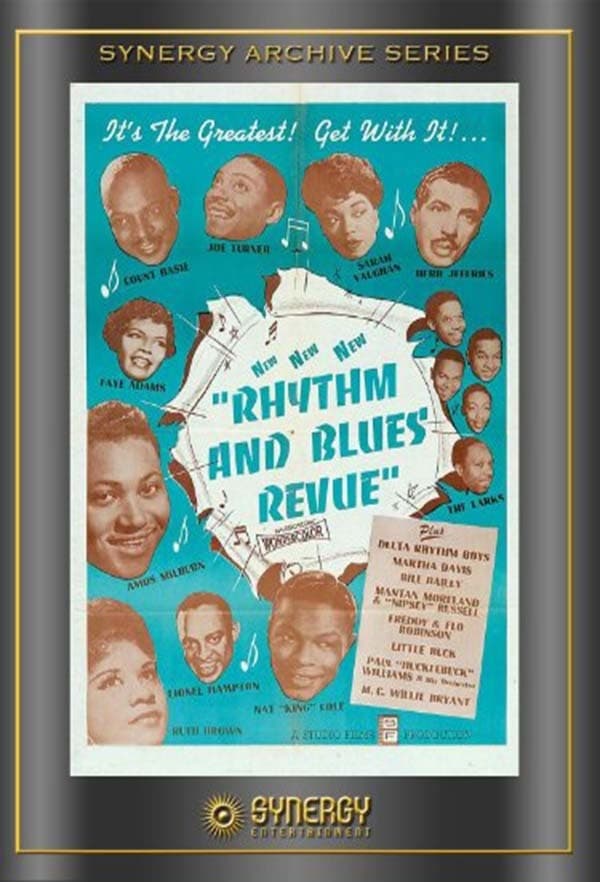
Rhythm and Blues Revue is a plotless variety show, one of several compiled for theatrical exhibition from the made-for-television short films produced by Snader and Studio Telescriptions, with newly-filmed host segments by Willie Bryant. Originally 86 minutes, the "short" version available on public domain collections and websites is missing a reel
Rhythm and Blues Revue
1955 · 4 votes
 Movie6.0Music
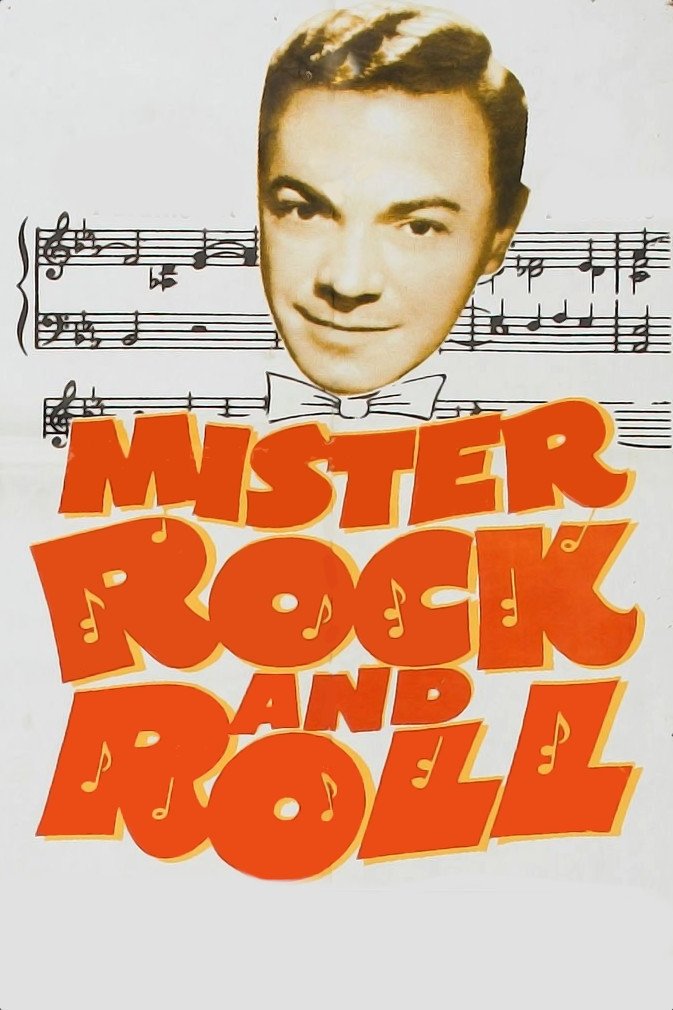
Alan Freed is "Mr. Rock and Roll" as he sets out to prove that rock 'n' roll doesn't cause juvenile delinquency. Terrific original rock 'n' roll legends perform their classics!
Mister Rock and Roll
1957 · 3 votes
 Movie7.0Documentary
The remarkable spirit of tap dancers and their history provides a joyous backdrop for intimate portraits of hoofers Sandman Sims, Chuck Green, and Bunny Briggs.
No Maps on My Taps
1979 · 3 votes
 Movie4.7DocumentaryMusic
Italian mondo featuring scenes of night life in North and South America, including Las Vegas, New Orleans, San Francisco, Buenos Aires and Rio de Janeiro.
- Movie8.0Music
Production number 5302 in Universal-International "Name Band Musical" series of shorts featuring Lionel Hampton and His Orchestra, with a much-larger-than usual number of supporting acts.
Lionel Hampton and His Orchestra
1949 · 1 votes
- Movie6.5Documentary
This lively film is an unforgettable portrait of legendary vocalist Betty Carter, one of the greatest living exponents of jazz. Uncompromised by commercialism throughout her long career, she has forged alternative criteria for success — including founding her own recording company and raising her two sons as a single parent. Parkerson's special film captures Carter's musical genius, her paradoxical relationship with the public and her fierce dedication to personal and artistic independence.
...But Then, She's Betty Carter
1980 · 2 votes
Series10
 TV5.8ComedyTalk Show
The Mike Douglas Show is an American daytime television talk show hosted by Mike Douglas that originally aired only in the Cleveland area during much of its first two years on the air. It then went into syndication in 1963 and remained on television until 1982. It was distributed by Westinghouse Broadcasting and for much of its run, originated from studios of two of the company's TV stations in Cleveland and Philadelphia.
The Mike Douglas Show
1961 · 11 votes
 TV7.3ComedyTalk Show
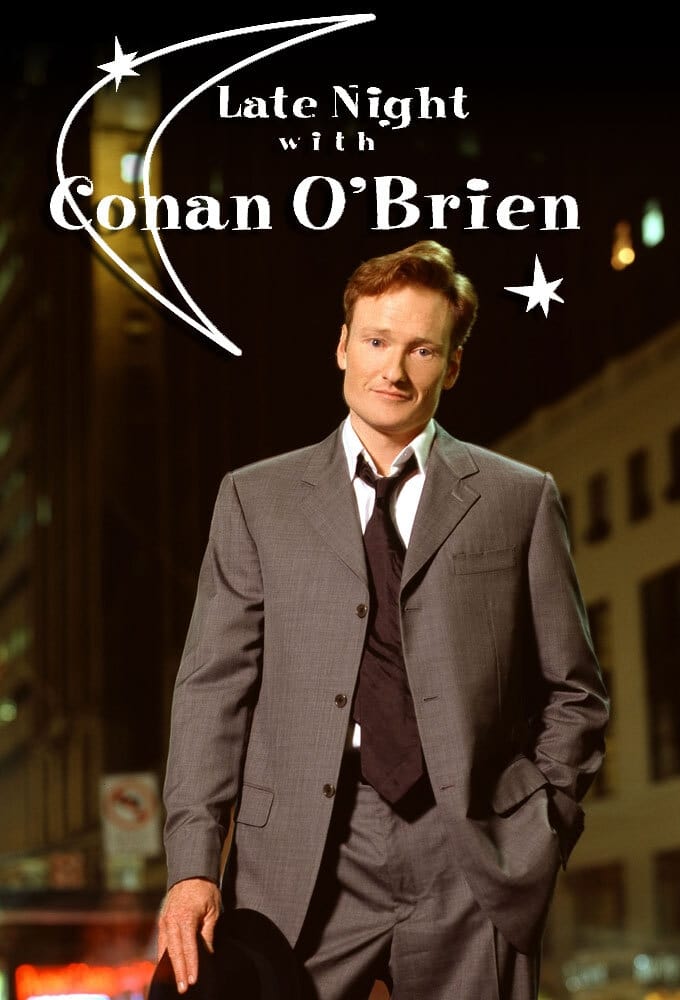
Stepping into the late-late slot vacated by David Letterman, Conan O'Brien stars in a show that far outdoes its competition in sheer strangeness. Along with the celebrity interviews and musical numbers typical of late-night talk shows, this program make frequent use of odd walk-on characters and frequent "visits" from celebrity guests.
Late Night with Conan O'Brien
1993 · 166 votes
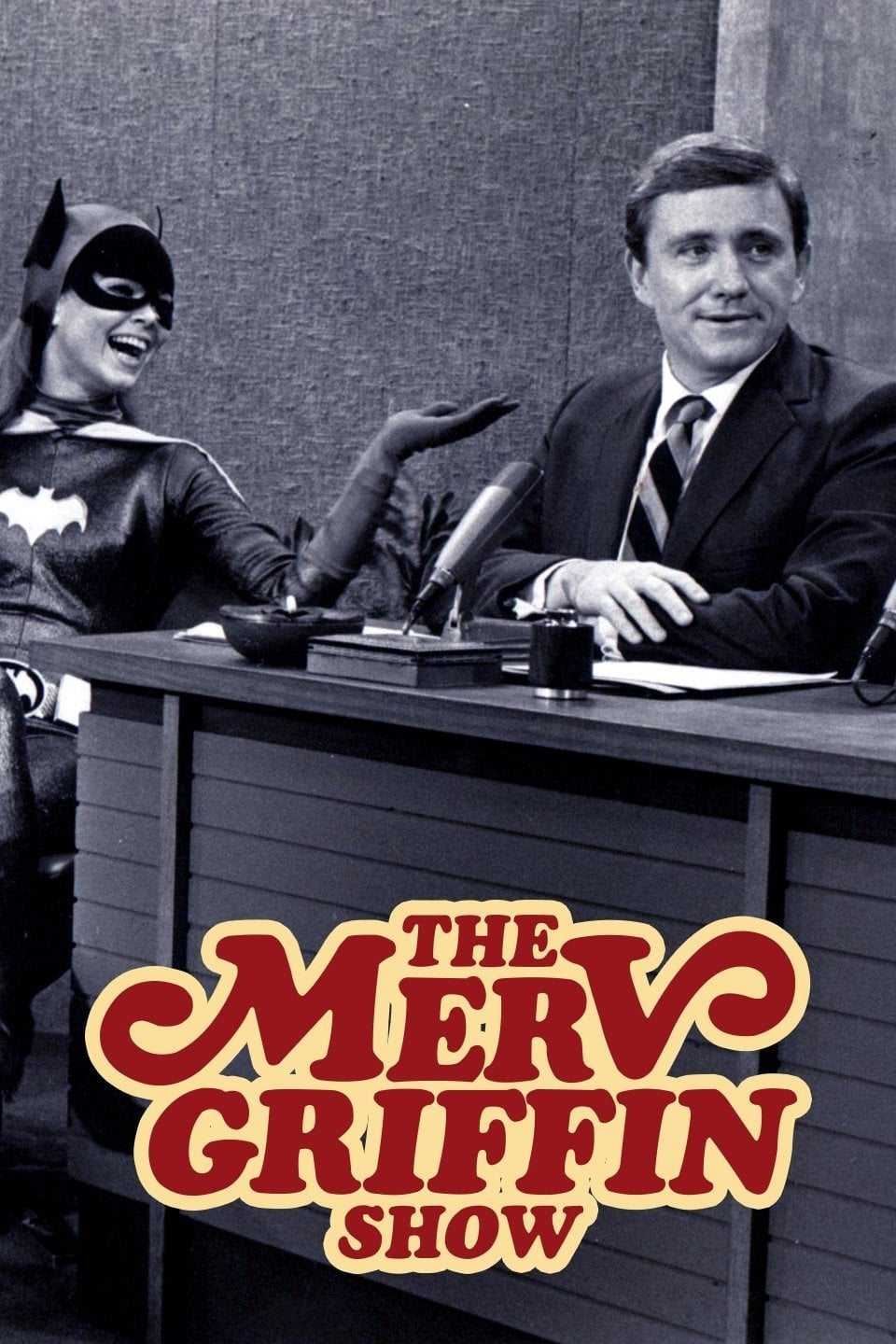 TV6.8Talk Show
The Merv Griffin Show
1962 · 12 votes
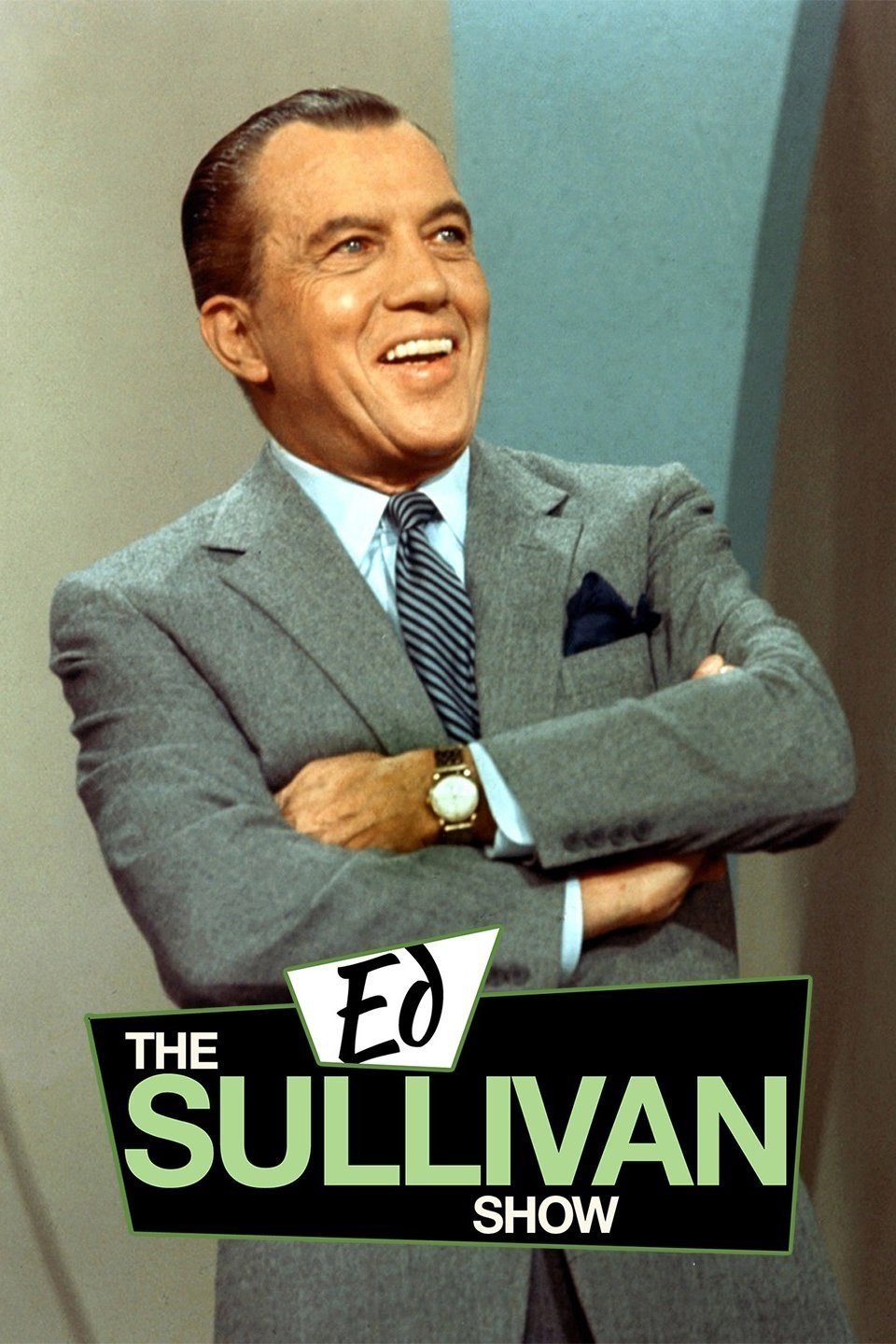 TV6.8ComedyTalk Show
The Ed Sullivan Show is an American TV variety show that originally ran on CBS from Sunday June 20, 1948 to Sunday June 6, 1971, and was hosted by New York entertainment columnist Ed Sullivan. It was replaced in September 1971 by the CBS Sunday Night Movie, which ran only one season and was eventually replaced by other shows. In 2002, The Ed Sullivan Show was ranked #15 on TV Guide's 50 Greatest TV Shows of All Time.
The Ed Sullivan Show
1948 · 23 votes
 TV6.3Documentary
Now the longest-running music series in American television history, ACL showcases popular music legends and innovators from every genre.
Austin City Limits
1975 · 19 votes
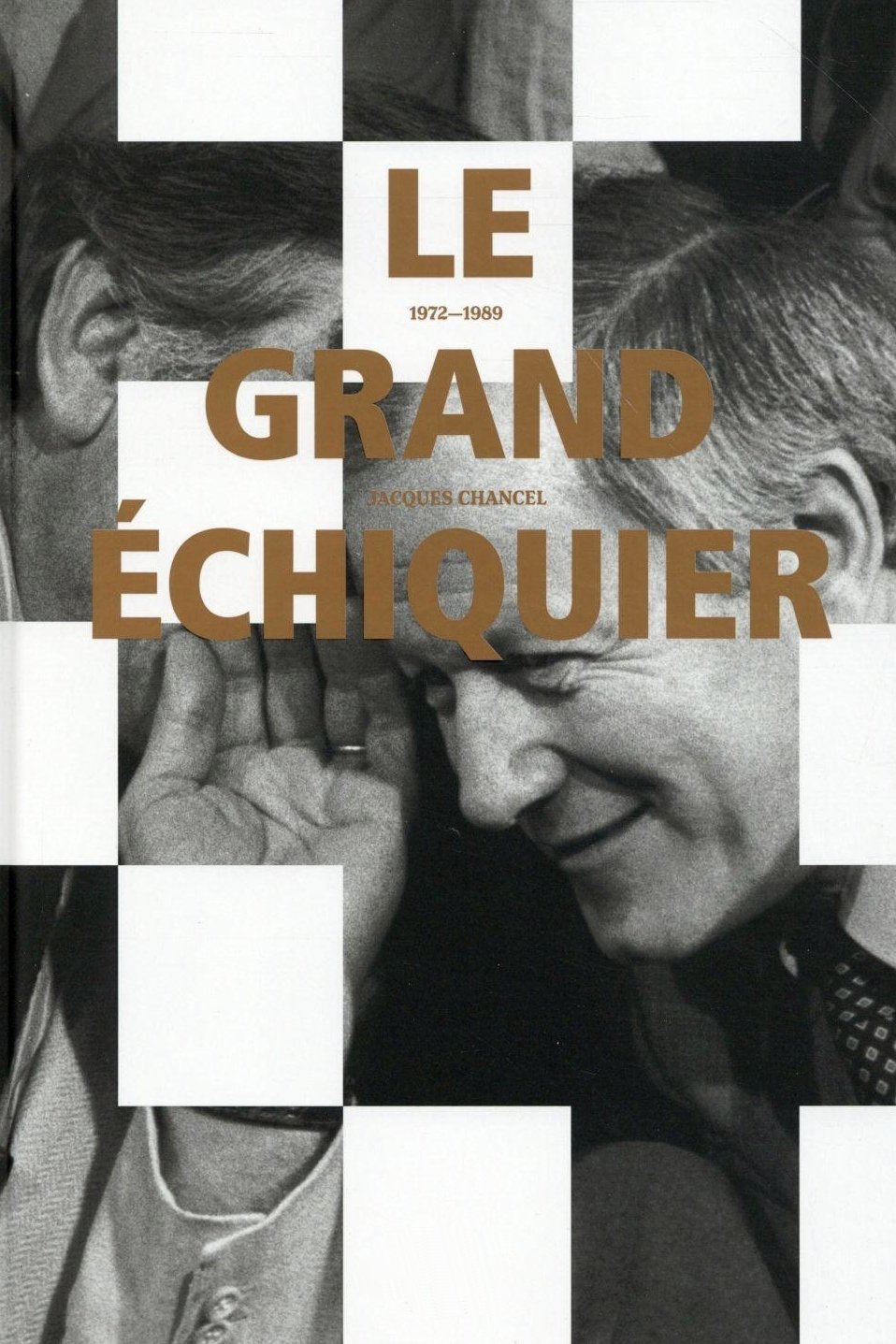 TV8.0Talk ShowNews
Le Grand Échiquier is a French variety television program created and presented by Jacques Chancel. It aired at 8:30 pm on the first channel of the ORTF from January 12, 1972 to July 12, 1972, then on the second color channel of the ORTF from September 1972 to December 1974, and finally on Antenne 2 from January 1975 to December 21, 1989. The program returned to France 2 on December 20, 2018 and is hosted by Anne-Sophie Lapix.
Le Grand Échiquier
1972 · 3 votes
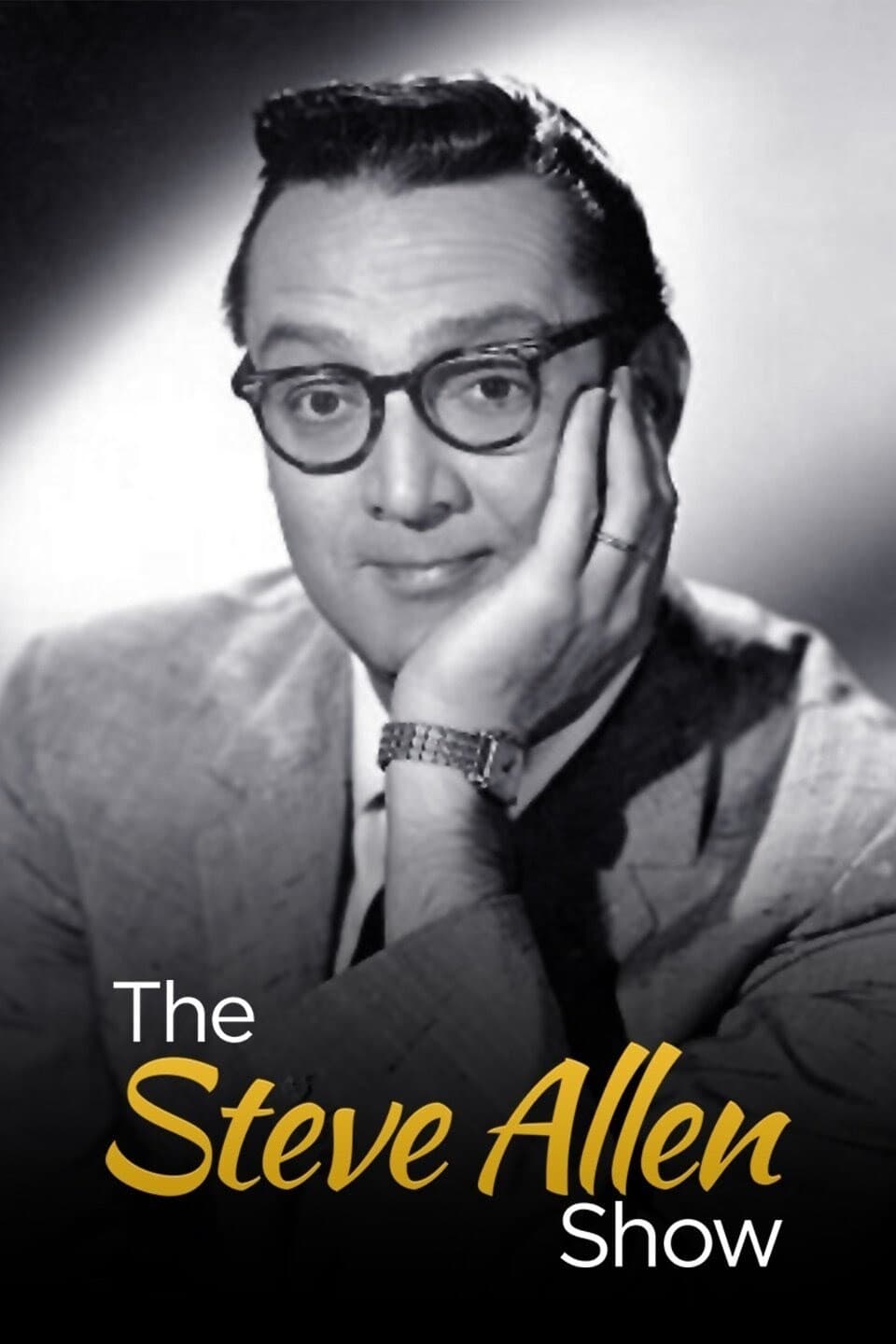 TV6.2Comedy
The Steve Allen Show
1956 · 6 votes
 TV7.4
TV7.4The Kennedy Center Honors is an annual honor given to those in the performing arts for their lifetime of contributions to American culture.
The Kennedy Center Honors
1978 · 8 votes
 TV8.0
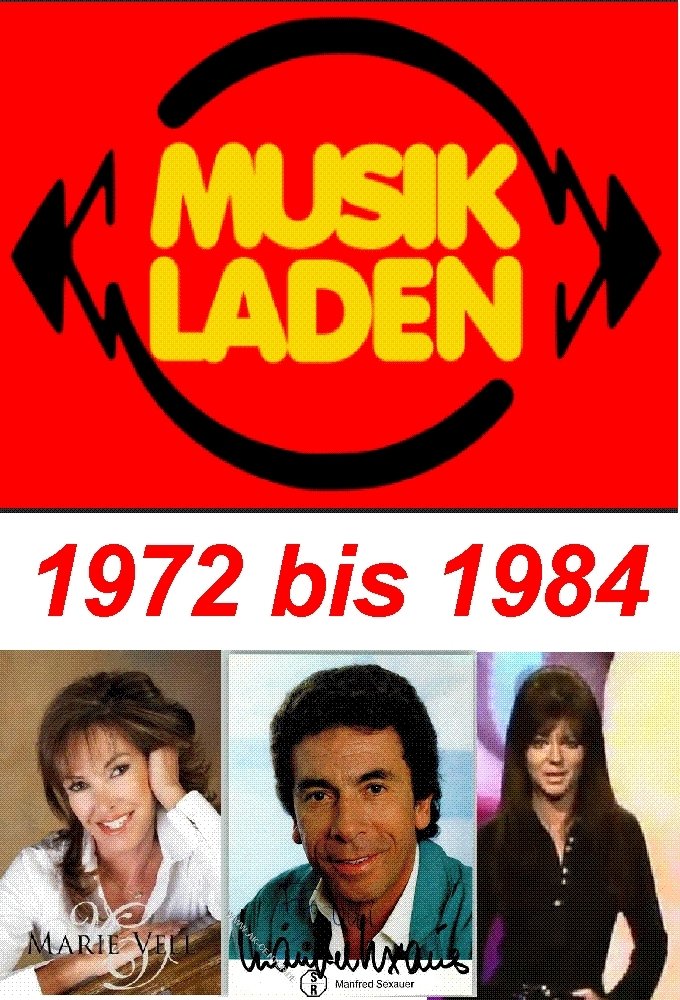
TV8.0Der Musikladen was a West German music television programme that ran from December 13, 1972 to November 29, 1984. The show continued the 1960s Beat-Club under a new name, and in turn was replaced by Extratour.
Musikladen
1972 · 1 votes
- TVTalk Show
Bei Bio
1983