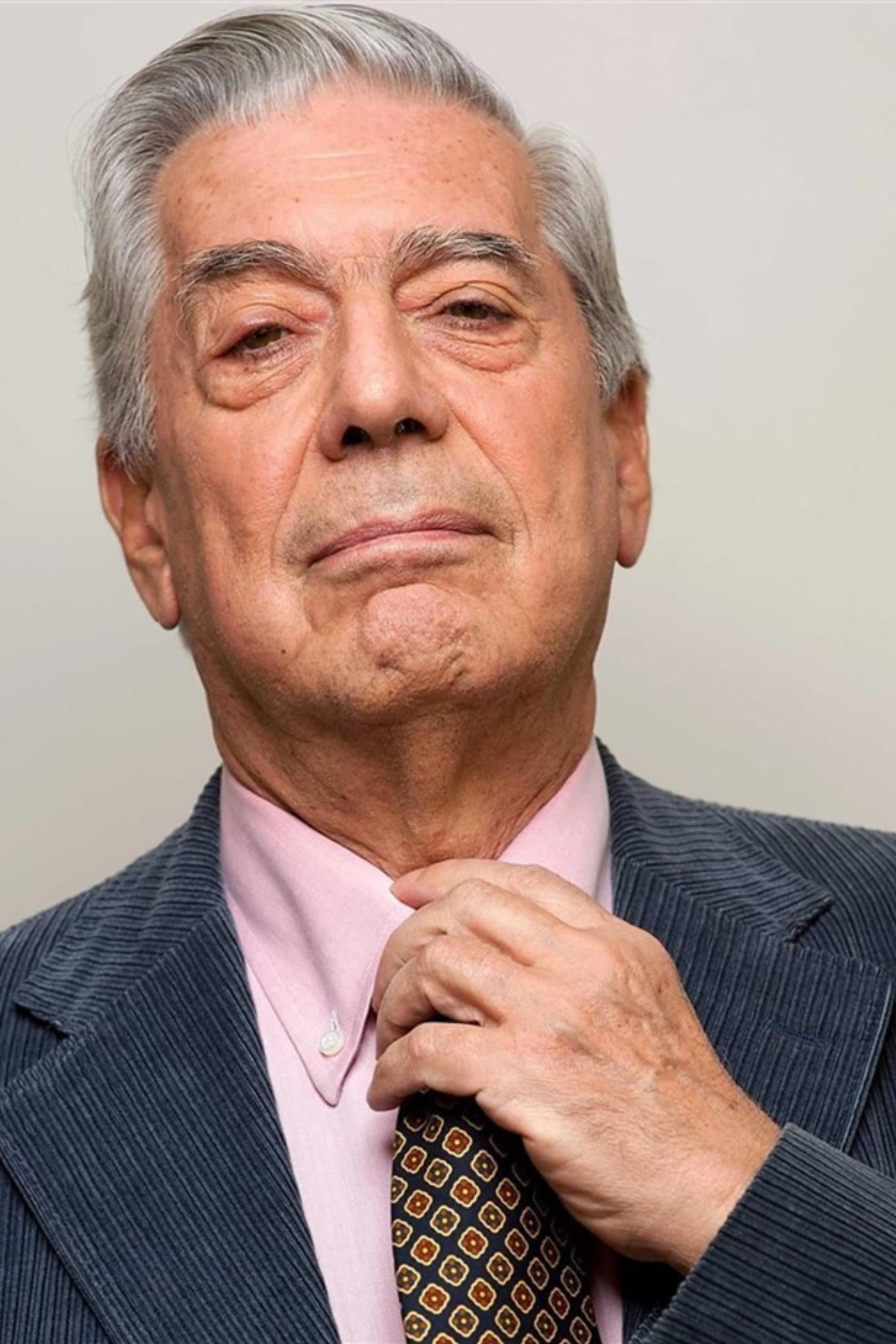
Mario Vargas Llosa
Writer · 1936 – 2025 · Arequipa, Peru
Jorge Mario Pedro Vargas Llosa, 1st Marquis of Vargas Llosa (born 28 March 1936), more commonly known as Mario Vargas Llosa, is a Peruvian writer, journalist, essayist, college professor, and a former politician, who also holds Spanish citizenship. Vargas Llosa is one of Latin America's most significant novelists and essayists, and one of the leading writers of his generation. Some critics consider him to have had a larger international impact and worldwide audience than any other writer of the Latin American Boom. In 2010 he won the Nobel Prize in Literature, "for his cartography of structures of power and his trenchant images of the individual's resistance, revolt, and defeat." He also won the 1967 Rómulo Gallegos Prize, the 1986 Prince of Asturias Award, the 1994 Miguel de Cervantes Prize, the 1995 Jerusalem Prize, the 2012 Carlos Fuentes International Prize, and the 2018 Pablo Neruda Order of Artistic and Cultural Merit. Vargas Llosa rose to international fame in the 1960s with novels such as The Time of the Hero (La ciudad y los perros, literally The City and the Dogs, 1963/1966), The Green House (La casa verde, 1965/1968), and the monumental Conversation in the Cathedral (Conversación en la catedral, 1969/1975). He writes prolifically across an array of literary genres, including literary criticism and journalism. His novels include comedies, murder mysteries, historical novels, and political thrillers. Several, such as Captain Pantoja and the Special Service (1973/1978) and Aunt Julia and the Scriptwriter (1977/1982), have been adapted as feature films. Many of Vargas Llosa's works are influenced by the writer's perception of Peruvian society and his own experiences as a native Peruvian. Increasingly, he has expanded his range, and tackled themes that arise from other parts of the world. In his essays, Vargas Llosa has made many criticisms of nationalism in different parts of the world. Another change over the course of his career has been a shift from a style and approach associated with literary modernism, to a sometimes playful postmodernism. Like many Latin American writers, Vargas Llosa has been politically active throughout his career. While he initially supported the Cuban revolutionary government of Fidel Castro, Vargas Llosa later became disenchanted with its policies, particularly after the imprisonment of Cuban poet Heberto Padilla in 1971, and now identifies as a liberal. He ran for the Peruvian presidency in 1990 with the center-right Frente Democrático coalition, advocating classical liberal reforms, but lost the election to Alberto Fujimori. He is the person who, in 1990, "coined the phrase that circled the globe," declaring on Mexican television, "Mexico is the perfect dictatorship", a statement which became an adage during the following decade. Vargas Llosa is also one of the 25 leading figures on the Information and Democracy Commission launched by Reporters Without Borders.
Movies10
 Movie
MovieThe Spanish public knew the award-winning journalist as the anchor of their main newscast. Her meteoric rise in the media ended with her wedding, after which a completely different life began for Letizia—first as crown princess, then as queen. Yet some of her compatriots still see her as the ambitious journalist she once was. From the very beginning, Letizia has sought not only to take on patronages but also to delve deeply into issues close to her heart: health, nutrition, education, and women’s rights. In doing so, she openly takes a clear stance. This is a new development for a Spanish queen, and it doesn’t always go over well.
 Movie6.6DocumentaryHistory
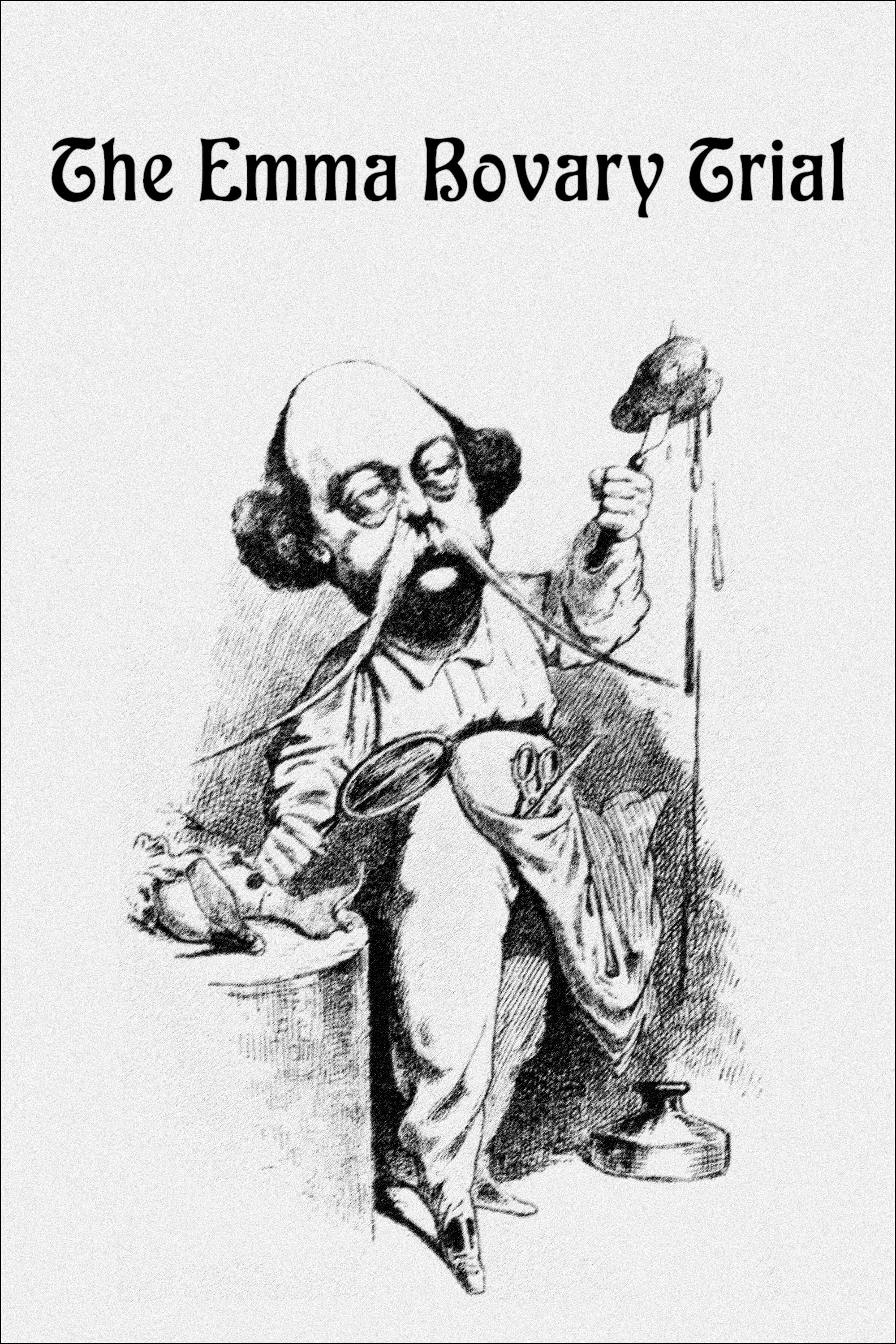
On January 31, 1857, the French writer Gustave Flaubert (1821-80) took his place in the dock for contempt of public morality and religion. The accused, the real one, is, through him, Emma Bovary, heroine with a thousand faces and a thousand desires, guilty without doubt of an unforgivable desire to live.
 Movie7.0Documentary
Havana, spring 1971: The poet Heberto Padilla has just been set free and appears before the Cuban Writers' Union where he pronounces a statement of "heartfelt self-criticism", declares himself to be a counterrevolutionary agent and throws accusations of complicity at many of his colleagues present at the event, among them, his wife. A month previously, his arrest under the accusation of endangering the security of the Cuban state had mobilised prominent intellectuals all over the world, who wrote a letter to Fidel Castro calling for the release of the poet, whose only sin had been to dissent through his poetic work. The writer's mea culpa, the recording of which is shown for the first time to the public, marks the narrative line of a story including the testimonies of Gabriel García Márquez, Julio Cortázar, Mario Vargas Llosa, Jean-Paul Sartre, Jorge Edwards and Fidel Castro.
 Movie8.0Music
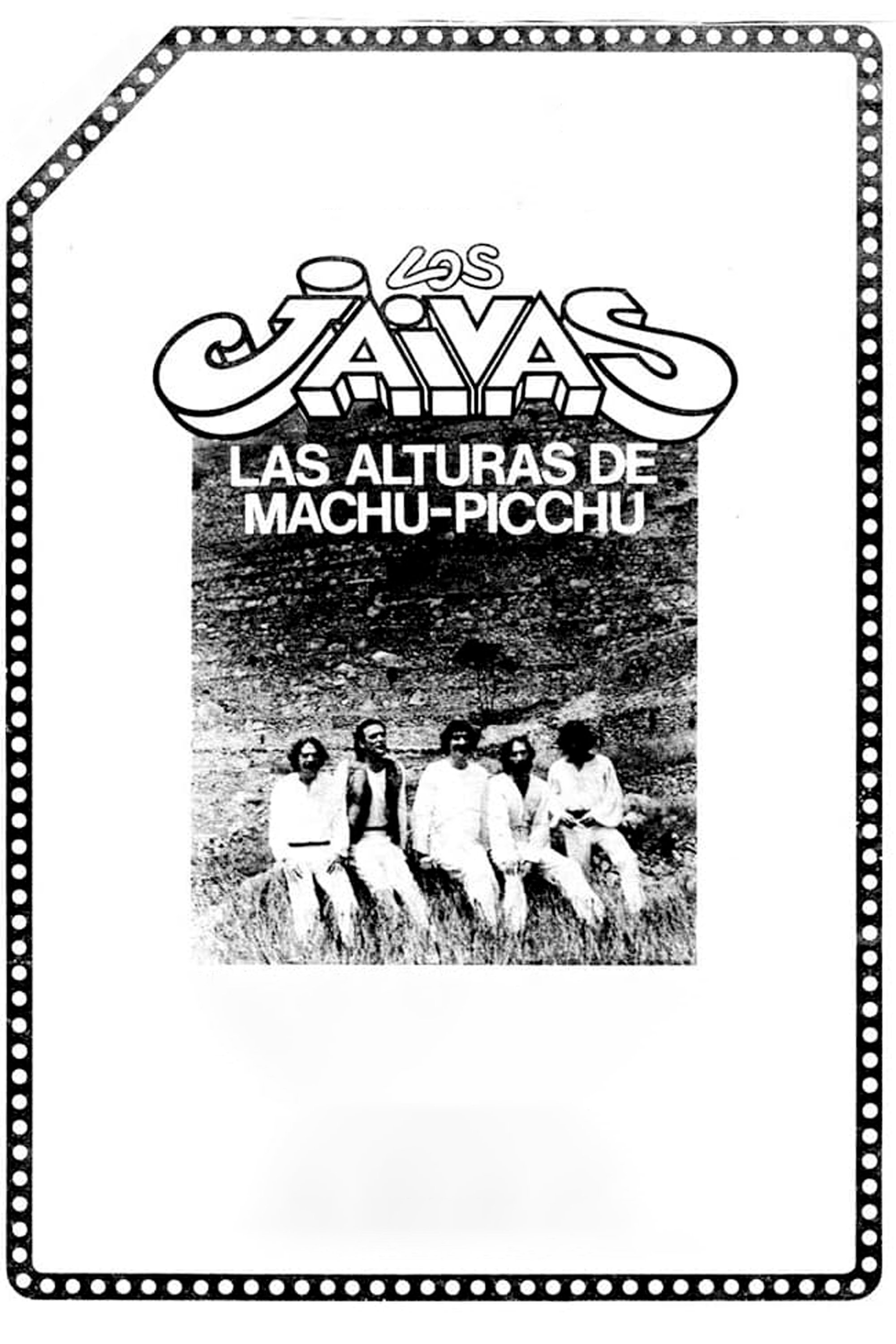
The historical musical made in the Inca citadel in 1981 with texts by Pablo Neruda and music of The Jaivas. Special Guest: Mario Vargas Llosa in the presentation.
Las alturas de Macchu Picchu
1981 · 2 votes
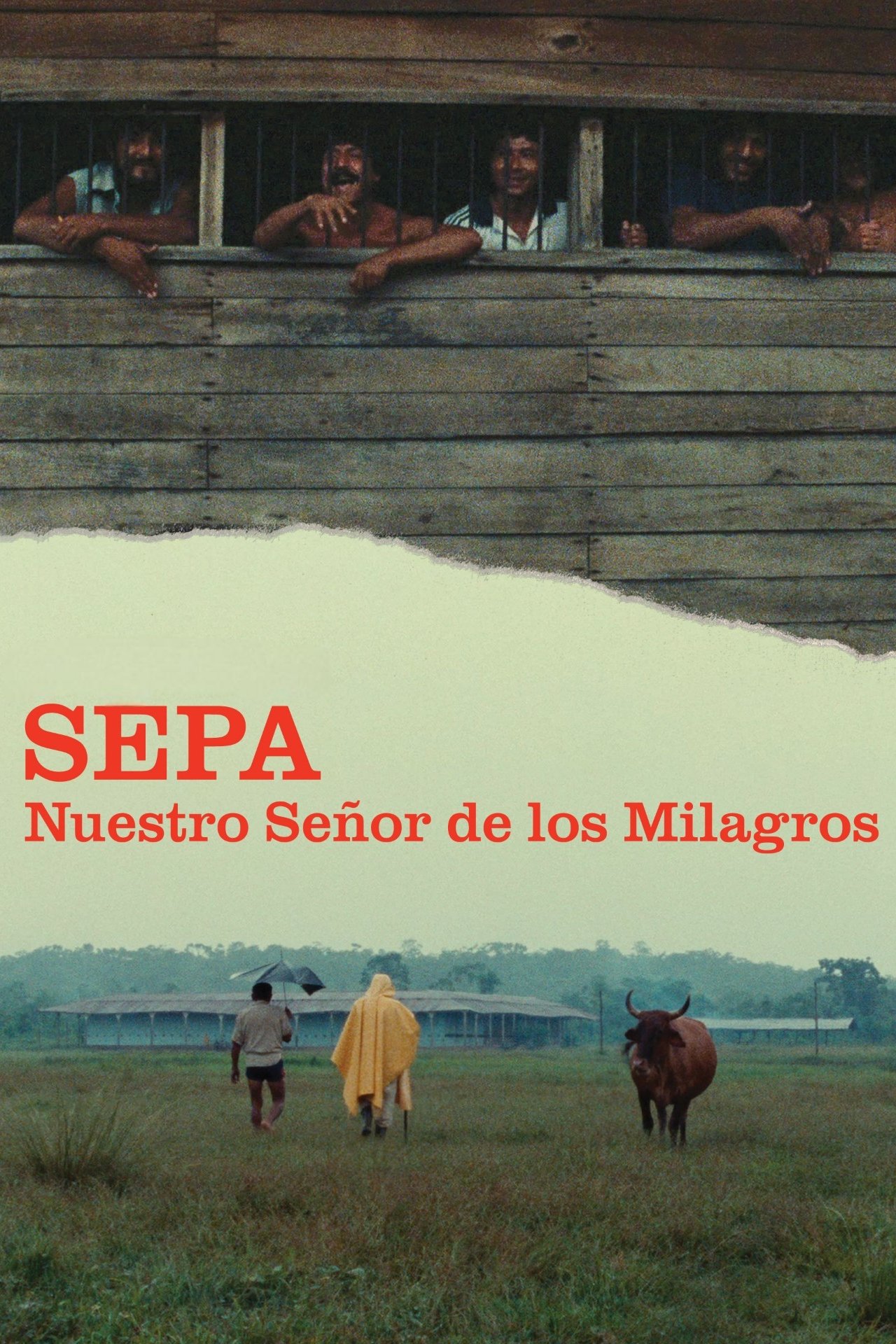 Movie6.0Documentary
This 1987 documentary is the only window into an experimental open-air penal colony in the Peruvian Amazon, which no camera has ever entered and has been rarely written about.
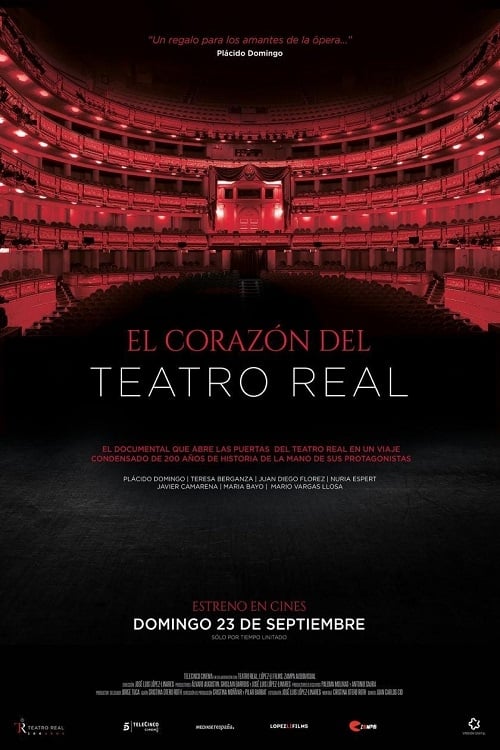 Movie8.0Documentary
Documentary about an emblematic institution of the Spanish Arts, Madrid's Teatro Real, or Royal Theatre, released to celebrate it's 2nd centenary anniversary.
El corazón del Teatro Real
2018 · 3 votes
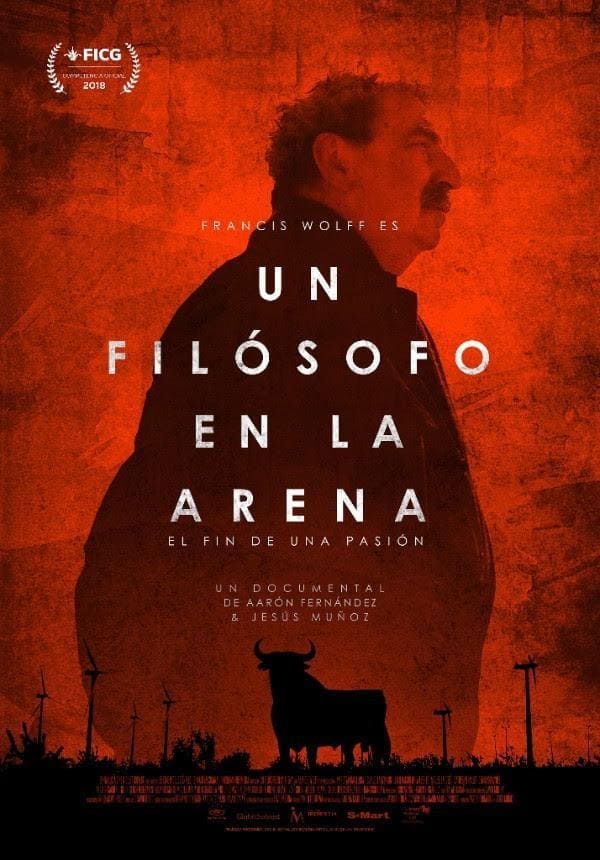 Movie2.0Documentary
After his retirement, french philosopher and bullfighting enthusiast Francis Wolff decides to embark on a journey to France, Spain and Mexico joined by two mexican filmmakers who hardly know anything about bullfighting, a culture whose days seem to be numbered. During their road trip, they encounter numerous personalities with whom they reflect on mankind’s relationship with animals and nature, but most importantly on our relationship with death and the meaning of the ultimate journey: life itself.
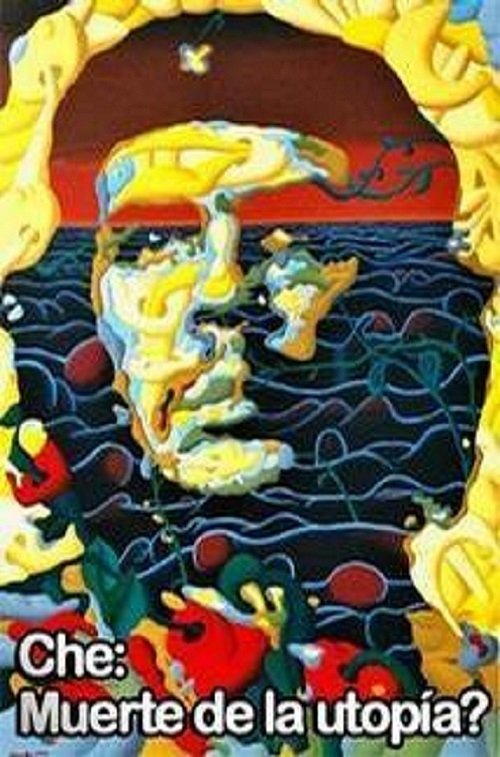 Movie7.0Documentary
What does Che Guevara"s mythic presence represent to people at the turn of the century, and how do people define their concept of utopia?
Che: muerte de la utopia?
1999 · 1 votes
 Movie2.0DocumentaryDrama
La última lidia
2023 · 1 votes
 Movie7.0Documentary
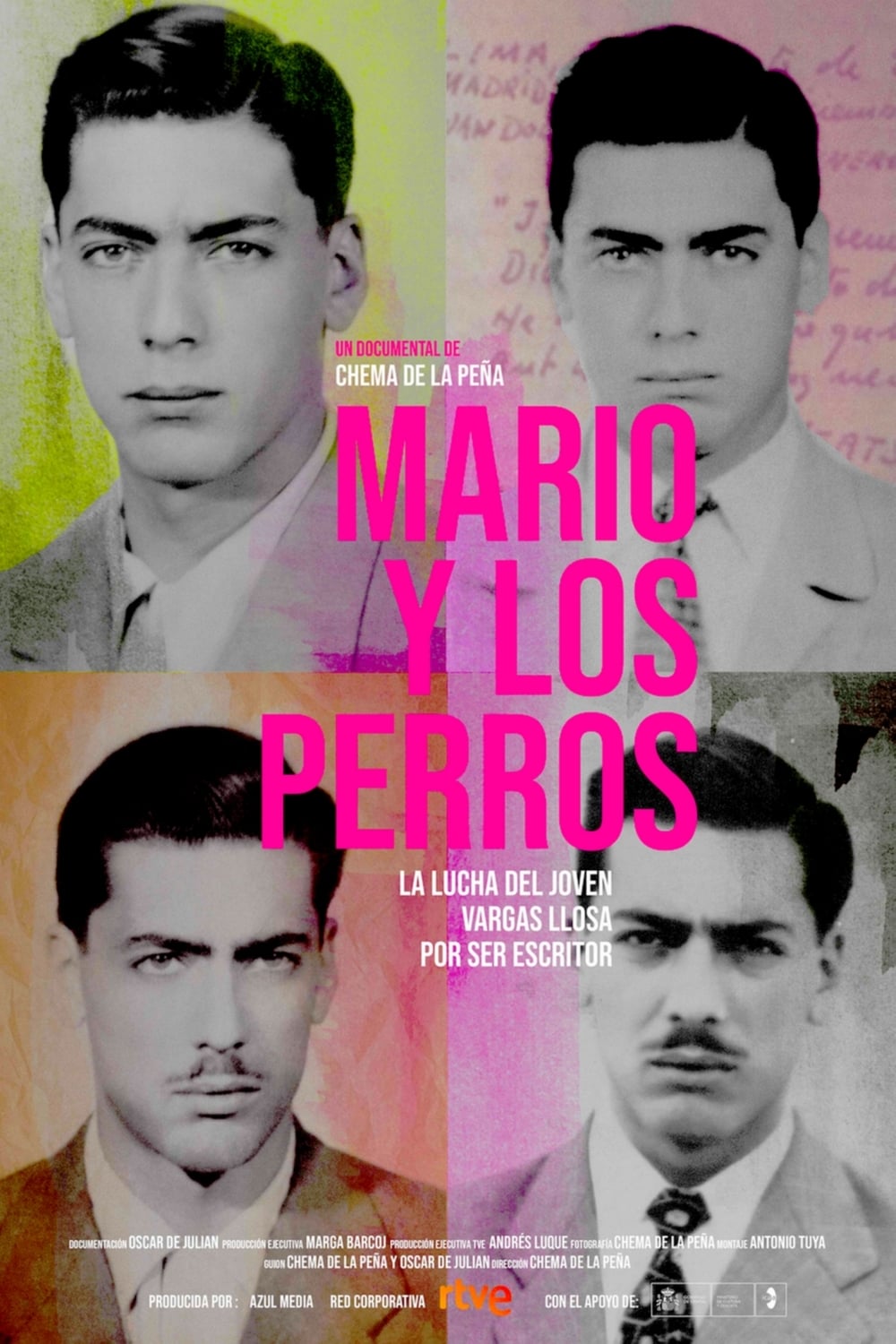
An account of the childhood and youth of the Peruvian writer Mario Vargas Llosa, Nobel Prize for Literature in 2010, and how the hard experiences he lived during these formative years led him to write and publish his first major work when he was only 26 years old.
Mario y los perros
2019 · 1 votes
Series6
 TV8.5Talk Show
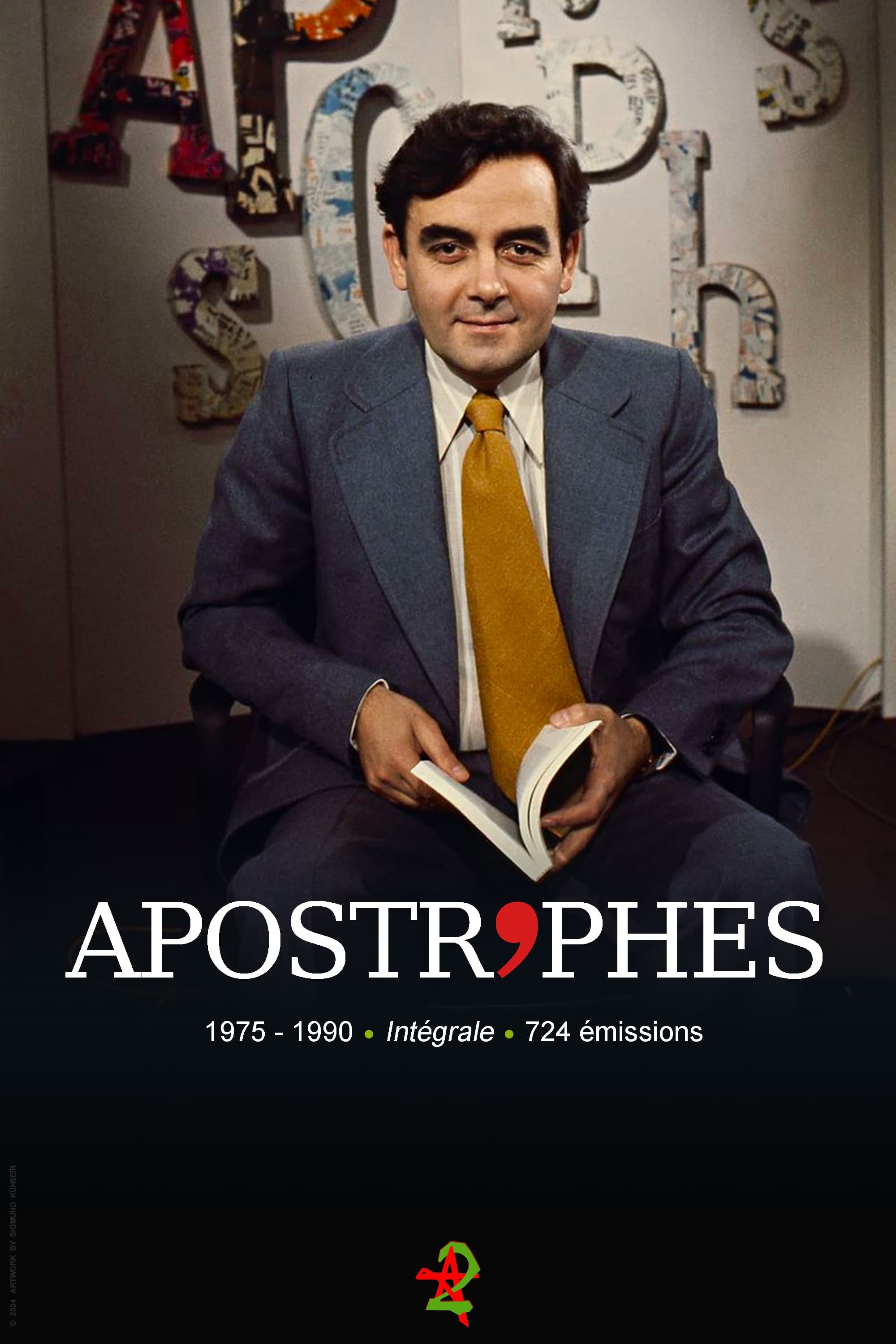
Apostrophes was a live, weekly, literary, prime-time, talk show on French television created and hosted by Bernard Pivot. It ran for fifteen years (724 episodes) from January 10, 1975, to June 22, 1990, and was one of the most watched shows on French television (around 6 million regular viewers). It was broadcast on Friday nights on the channel France 2 (which was called "Antenne 2" from 1975 to 1992). The hourlong show was devoted to books, authors and literature. The format varied between one-on-one interviews with a single author and open discussions between four or five authors.
Apostrophes
1975 · 4 votes
 TVTalk ShowComedy
 TV5.0Talk Show
Skavlan is a Norwegian-Swedish television talk show hosted by Norwegian journalist Fredrik Skavlan. It premiered in Sweden on Sveriges Television in January 2009, and the first guests to appear on the show were former Prime Minister of Sweden Göran Persson and his wife Anitra Steen. On 8 May 2009, it was announced that Skavlan had been renewed for a second season. It was also announced that the show would no longer only be produced by SVT in Sweden; Skavlan would now be partly produced in Norway by the Norwegian Broadcasting Corporation. The first twelve episodes of Skavlan's second season were produced by SVT in Sweden, and the remaining twelve by NRK in Norway. Skavlan speaks Norwegian and his dialog is therefore subtitled in Swedish in Sweden, even though the two languages are quite similar and mutually intelligible. If the persons being interviewed by Skavlan are Swedish, he often tells them to let him know if they do not understand what he is saying. Swedish novelist Jan Guillou has criticized SVT for subtitling the program, stating "there is no need for that. If the host had been Danish, subtitling would have been necessary, but with a Norwegian host it does not make any sense."
Skavlan
2009 · 10 votes
 TV7.0Talk Show
De pé a pá
1996 · 3 votes
 TV7.5Documentary
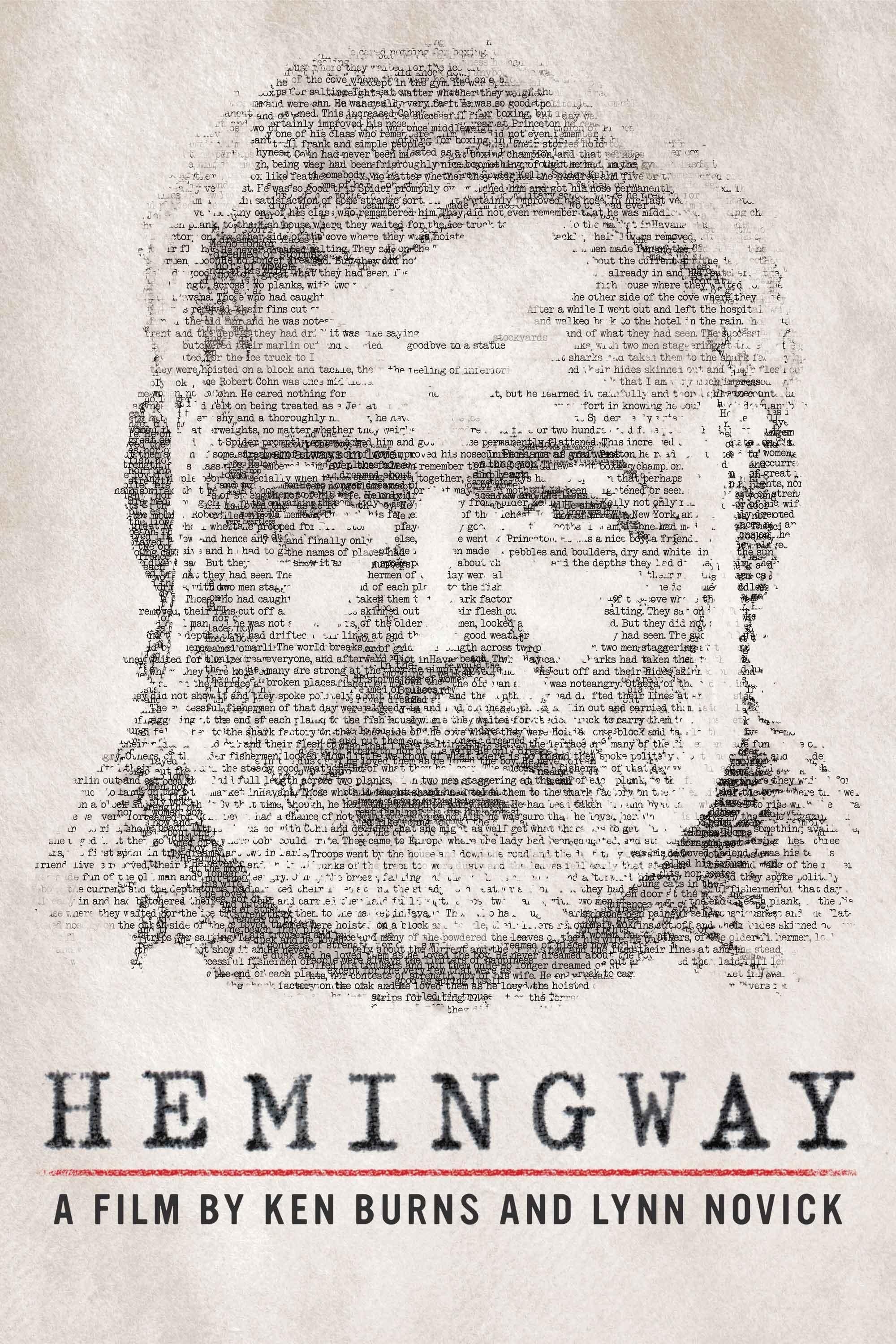
The visionary work and the turbulent life of Ernest Hemingway, one of the greatest and most influential writers America has ever produced. Interweaving his eventful biography with carefully selected excerpts from his iconic short stories, novels, and non-fiction, the series reveals the brilliant, ambitious, charismatic, and complicated man behind the myth, and the art he created.
Hemingway
2021 · 15 votes
 TV7.3DocumentaryFamily
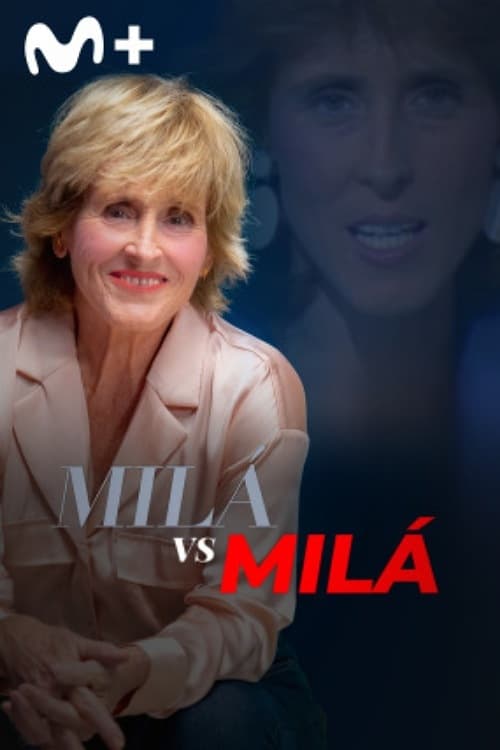
Milá Vs Milá
2021 · 3 votes