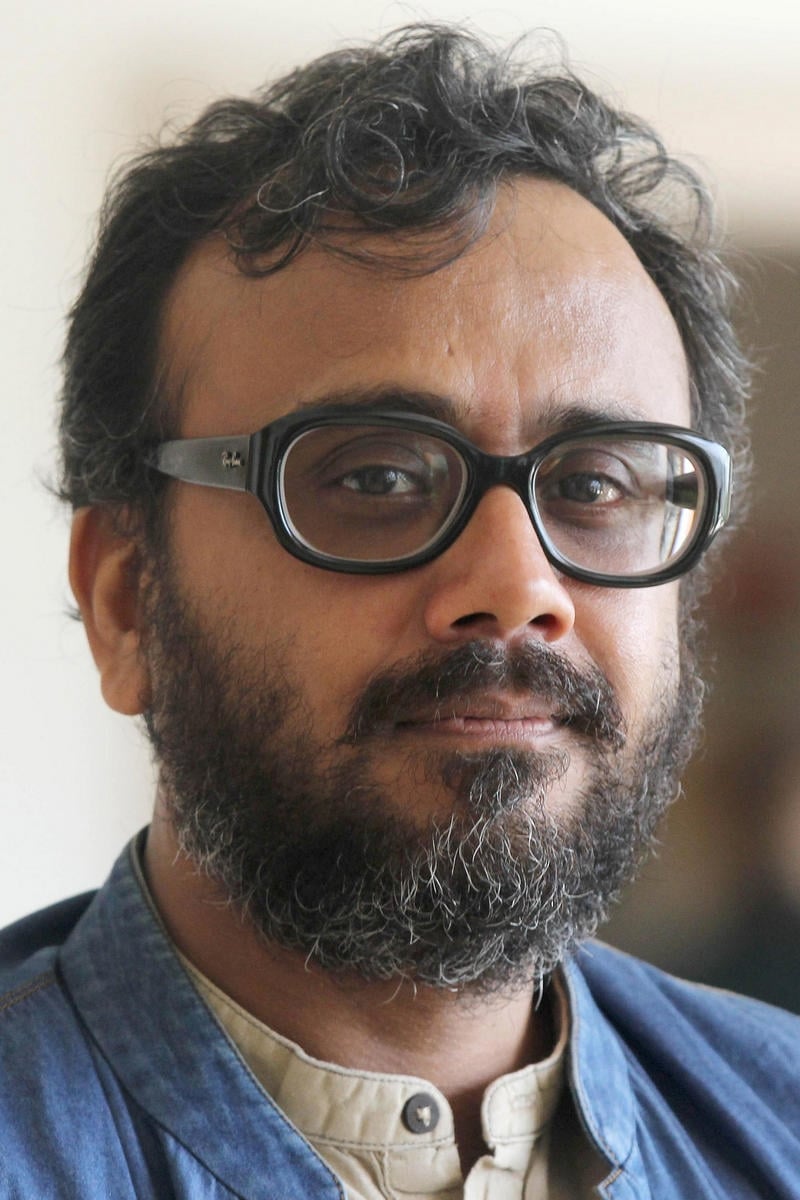
Dibakar Banerjee
Director · New Delhi, India
From Wikipedia, the free encyclopedia. Dibakar Banerjee (born 1969) is an Indian film director and screenwriter, who is most known for films, Khosla Ka Ghosla (2006), Oye Lucky! Lucky Oye! (2008), which he also wrote, both of which won National Film Awards. He started his career in advertising, and continues as an ad filmmaker, in 2010 he also directed a Coca Cola commercial. In 2010, he made his third film, Love Sex aur Dhokha, where one of the three sub-plots in the movie is loosely based on the infamous 2004 DPS MMS scandal. Description above from the Wikipedia article Dibakar Banerjee, licensed under CC-BY-SA, full list of contributors on Wikipedia.
Movies1
 MovieDramaScience Fiction
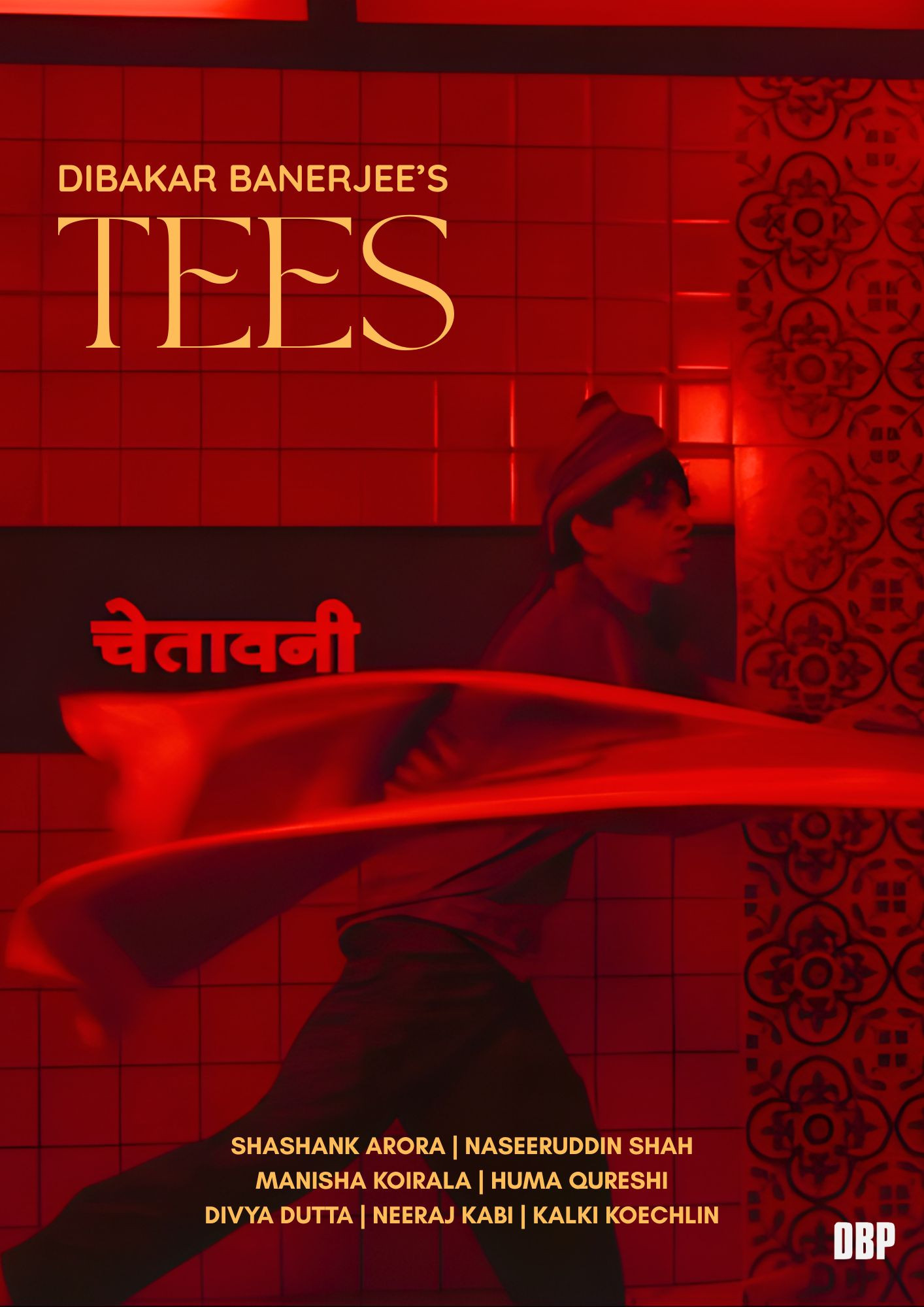
Spanning across 90 years, follow a middle-class Muslim family across three generations. 2042. Six months after his manuscript titled Tees (30) is rejected for publication by the Literature and Arts Commission, Anhad Draboo, a young freelance prostitute, meets Niharika, a “reader” from the Commission – who has been searching for Anhad ever since she read his manuscript. 2018. Zia Draboo, a corporate lawyer living in Mumbai and all set to buy the flat she has been renting with her partner Meera, finds out she cannot buy it because of the Housing Society’s resistance to her name. 1989-90. Ayesha, a housebound State Radio newsreader in Srinagar, Kashmir, reaches out to her childhood friend Usha to solicit help from her husband – a government official. She needs it for her own husband, Ghulam Muhammad, who faces bankruptcy and ruin amongst rising unrest in the city.
Tees
2024
Series1
 TV8.3Documentary
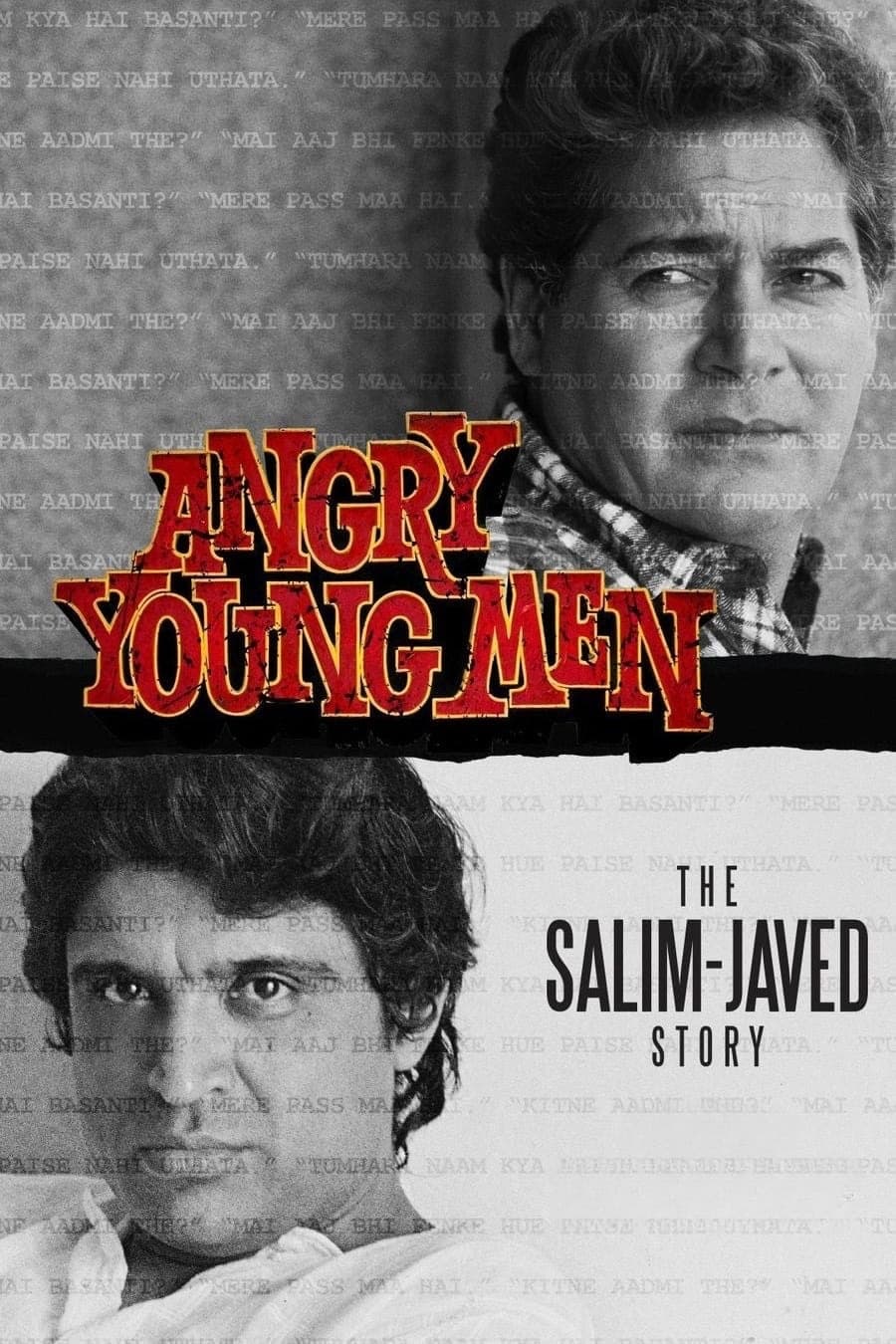
Angry Young Men is the story of Salim-Javed, legendary screenwriters of 1970s Hindi cinema. Together, they created the archetype of the Angry Young Man - a brooding anti-hero who captured the imagination of an entire nation with his rage, defiance, and quest for social justice. Like the character they created, Salim Khan and Javed Akhtar, two outsiders to the Hindi film industry, defied all odds, questioning the position of writers and demanding recognition as much as the reigning stars of that time. Their break-up made headlines for many years and Indian cinema never saw a cultural collaboration as powerful again. This is a personal and candid account of their lives, their writing and their legacy.