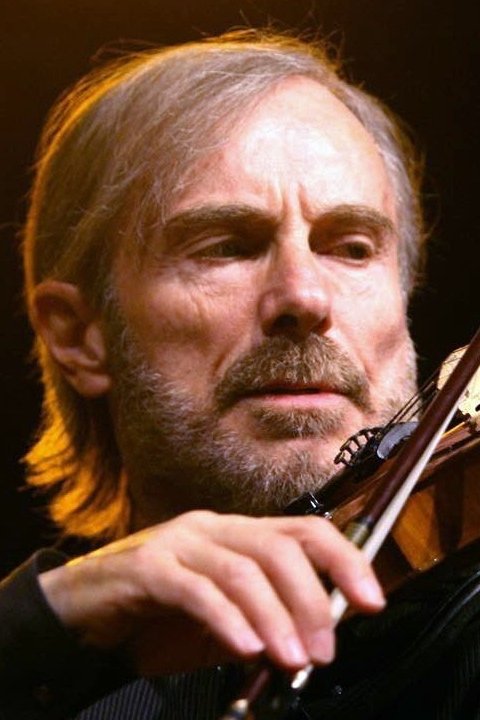
Jean-Luc Ponty
Sound · b. 1942 · Avranches, Manche, France
Jean-Luc Ponty (born 29 September 1942) is a French jazz violinist and composer. Ponty was born into a family of classical musicians in Avranches, France. His father taught violin, his mother taught piano. At sixteen, he was admitted to the Conservatoire National Supérieur de Musique de Paris, graduating two years later with the institution's highest honor, Premier Prix (first prize). He was hired by the Concerts Lamoureux in which he played for three years. While still a member of the orchestra in Paris, Ponty picked up a side job playing clarinet (which his father had taught him) for a college jazz band, that regularly performed at local parties. It proved life-changing. A growing interest in Miles Davis and John Coltrane compelled him to take up tenor saxophone. One night after an orchestra concert, and still wearing his tuxedo, Ponty found himself at a local club with only his violin. Within four years, he was widely accepted as the leading figure in "jazz fiddle". At that time, Ponty was leading a dual musical life: rehearsing and performing with the orchestra while also playing jazz at clubs throughout Paris. The demands of this schedule eventually brought him to a crossroads. Critic Joachim Berendt wrote that "Since Ponty, the jazz violin has been a different instrument". At first, the violin proved to be challenging; few at the time viewed the instrument as having a legitimate place in the modern jazz vocabulary. With a powerful sound that eschewed vibrato, Ponty distinguished himself with bebop phrasing and a punchy style influenced more by horn players than by anything previously tried on the violin. In 1964, at age 22, he released his debut album, Jazz Long Playing. He performed on stage in Basel, Switzerland, with string players Stuff Smith, Stéphane Grappelli, and Svend Asmussen. The performance was released as the album Violin Summit (1966). John Lewis of the Modern Jazz Quartet invited Ponty to perform at the Monterey Jazz Festival in 1967, which led to a recording contract with the World Pacific label and the albums Electric Connection (1969) with the Gerald Wilson Big Band and Jean-Luc Ponty Experience with the George Duke Trio (1969). That year also brought Sunday Walk (1967), the first collaboration between Ponty and Niels-Henning Ørsted Pedersen. In 1969, Frank Zappa composed the music for Ponty's solo album King Kong: Jean-Luc Ponty Plays the Music of Frank Zappa (World Pacific, 1970). In 1972, Elton John invited Ponty to contribute to his Honky Chateau (1972) album. At the urging of Zappa and The Mothers of Invention who wanted him to join their tour, Ponty emigrated with his wife and two young daughters to the United States and made his home in Los Angeles. He continued to work on a variety of projects – including two of John McLaughlin's Mahavishnu Orchestra albums Apocalypse (1974) and Visions of the Emerald Beyond (1975) and tours until 1975, when he signed with Atlantic. ... Source: Article "Jean-Luc Ponty" from Wikipedia in English, licensed under CC-BY-SA 3.0.
Movies5
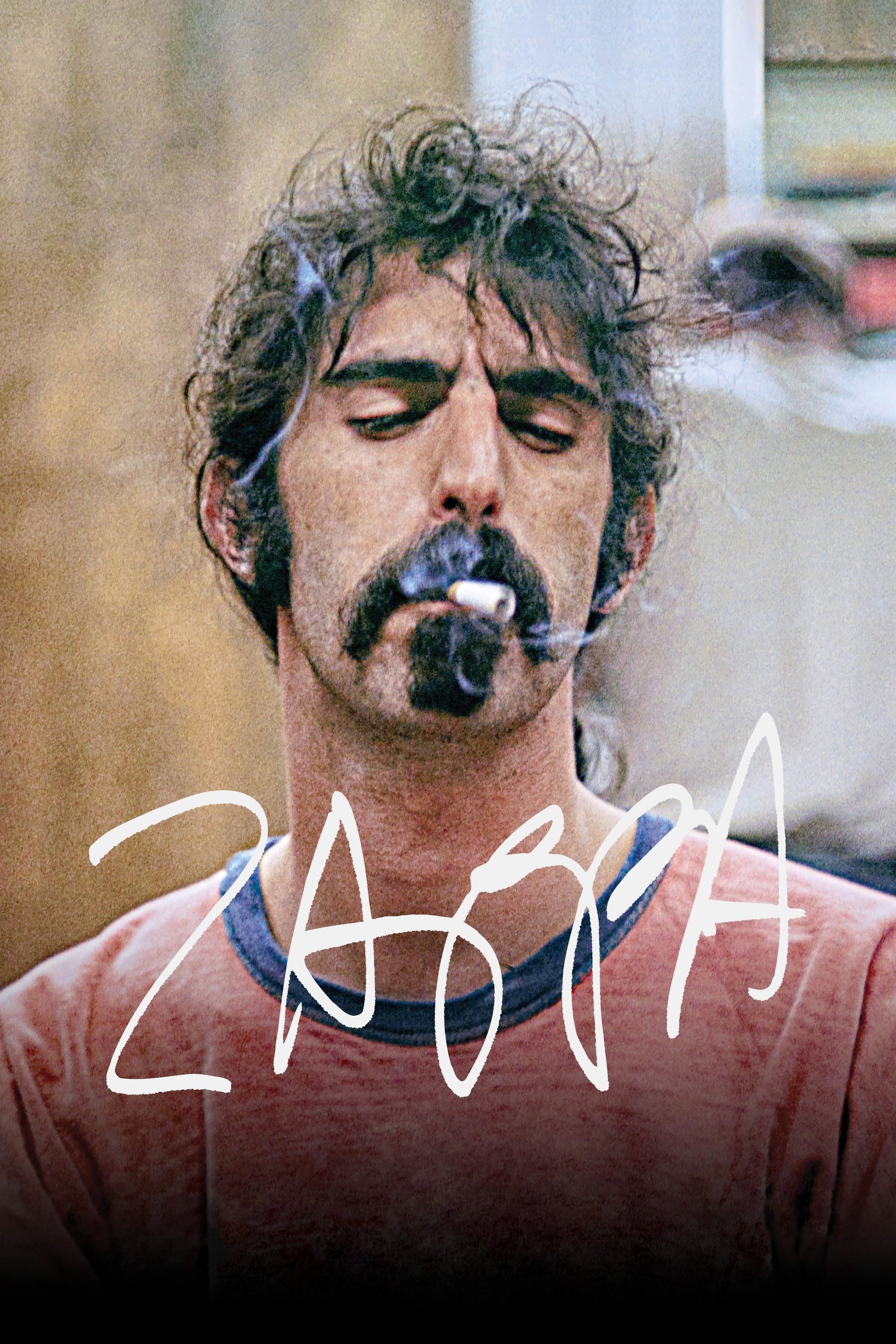 Movie7.3MusicDocumentary
With the help of more than 10,000 dedicated Zappa fans, this is the long-awaited definitive documentary project of Alex Winter documenting the life and career of enigmatic groundbreaking rock star Frank Zappa. Alex also utilizes in this picture thousands of hours of painstakingly digitized videos, photos, audio, writing, and everything in between from Zappa's private archives. These chronicles have never been brought to a public audience before, until now.
Zappa
2020 · 69 votes
 Movie7.4MusicDocumentary
Utilizing potent TV interviews and many forgotten performances from his 30-year career, we are immersed into Frank Zappa’s world while experiencing two distinct facets of his complex character. At once Zappa was both a charismatic composer who reveled in the joy of performing and, in the next moment, a fiercely intelligent and brutally honest interviewee whose convictions only got stronger as his career ascended.
Eat That Question: Frank Zappa in His Own Words
2016 · 27 votes
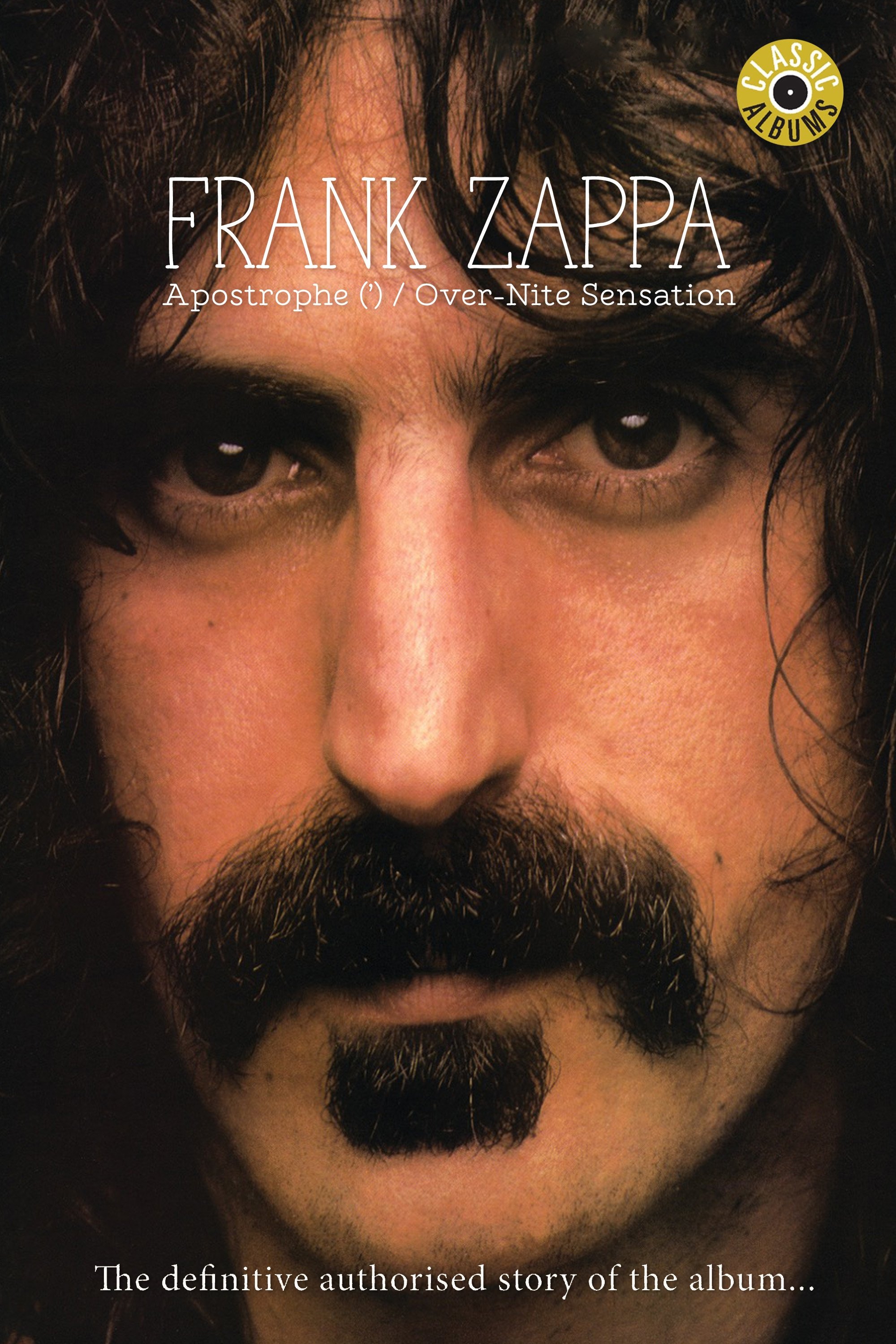 Movie6.5MusicDocumentary
This episode focuses on Zappa's early 70s albums, Overnight Sensation (1973) and Apostrophy (') (1974). Together they encapsulate Zappa's extraordinary musical diversity and were also the 2 most commercially successful albums that he released in his prolific career. Included are interviews, musical demonstrations, rare archive & home movie footage, plus live performances to tell the story behind the conception and recording of these groundbreaking albums. Extras include additional interviews and demonstrations not included in the broadcast version, 2 full performances from the Roxy in 1973 and Saturday Night Live in 1976, and new full live performance done specially for these Classic Albums.
- Movie9.0Documentary
The documentary examines Frank Zappa and his music through archive footage, including unique video excerpts from Austrian television archives featuring interviews with Zappa and backstage scenes from the 1970s and 1980s. The entire film is divided into chapters discussing the most important themes in Zappa's life and work.
Ein Leben als Extravaganza - Das Genie Frank Zappa
A Life of Extravaganza - The Genius Frank Zappa
1993 · 1 votes
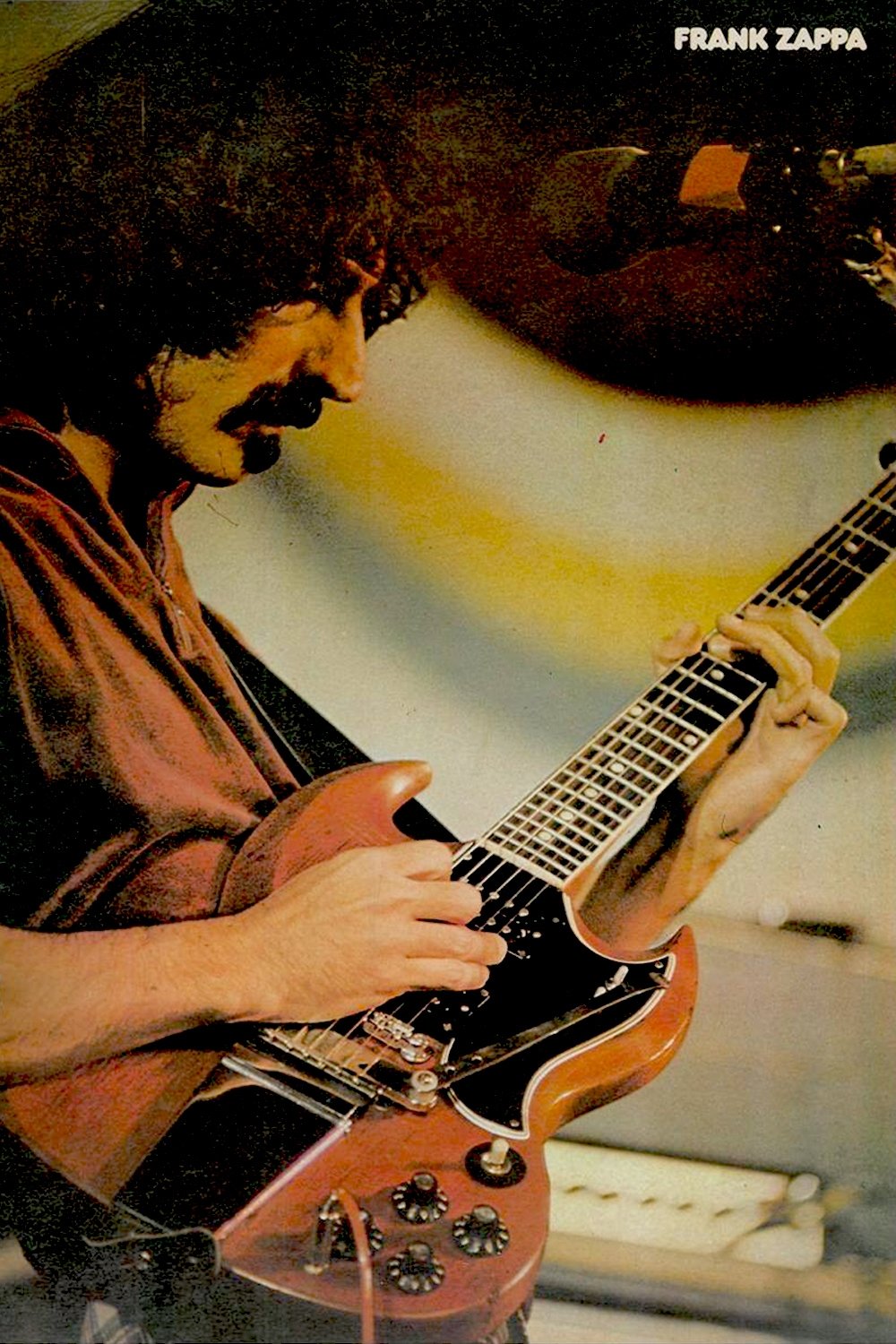 MovieMusic
TV concert from Zappa, footage from the warm-up was also tapped
Series5
 TV5.8ComedyTalk Show
The Mike Douglas Show is an American daytime television talk show hosted by Mike Douglas that originally aired only in the Cleveland area during much of its first two years on the air. It then went into syndication in 1963 and remained on television until 1982. It was distributed by Westinghouse Broadcasting and for much of its run, originated from studios of two of the company's TV stations in Cleveland and Philadelphia.
The Mike Douglas Show
1961 · 11 votes
 TV8.0Talk ShowNews
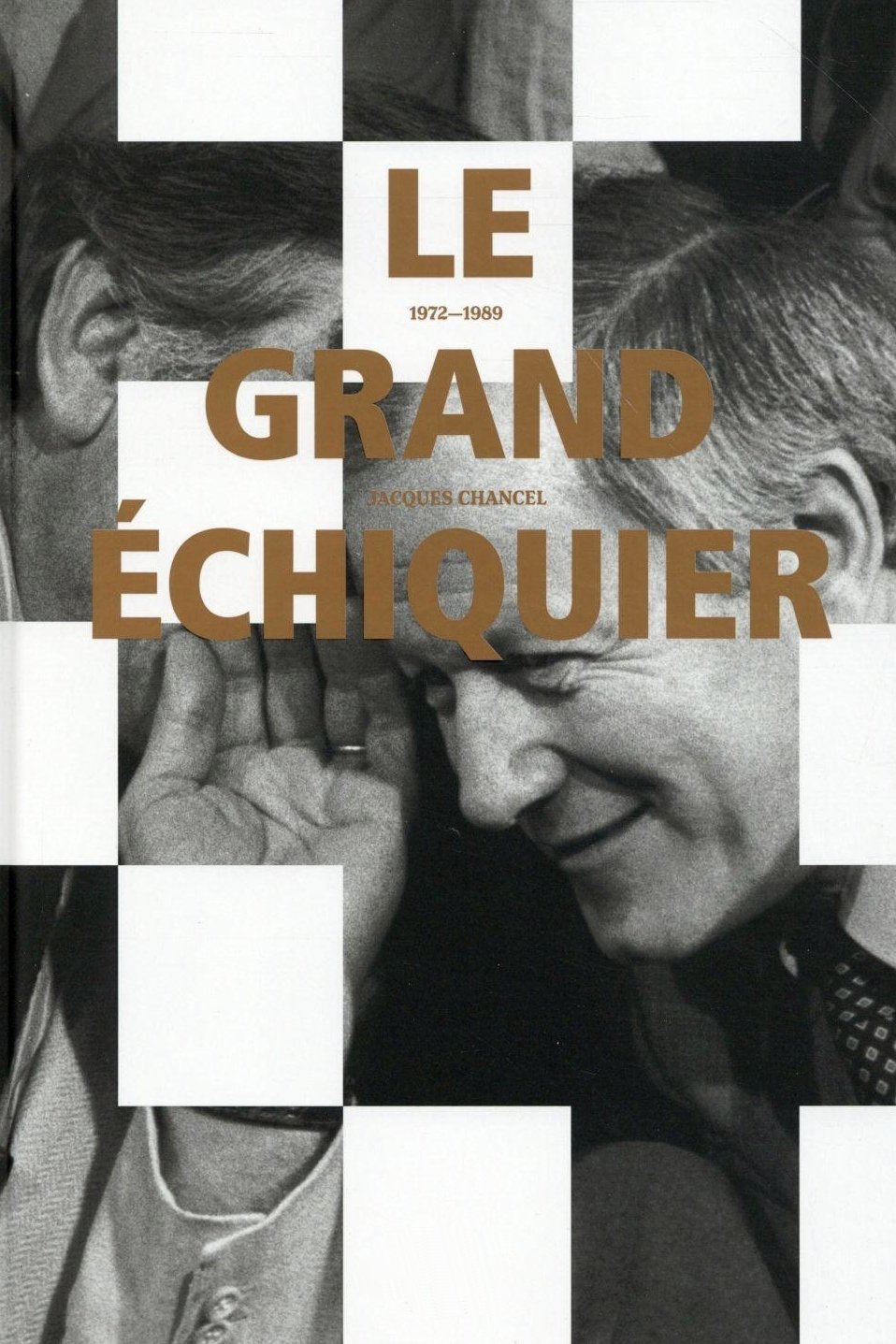
Le Grand Échiquier is a French variety television program created and presented by Jacques Chancel. It aired at 8:30 pm on the first channel of the ORTF from January 12, 1972 to July 12, 1972, then on the second color channel of the ORTF from September 1972 to December 1974, and finally on Antenne 2 from January 1975 to December 21, 1989. The program returned to France 2 on December 20, 2018 and is hosted by Anne-Sophie Lapix.
Le Grand Échiquier
1972 · 3 votes
 TV8.0Talk Show
Discorama
1959 · 1 votes
 TV3.3
TV3.3Victoires de la musique
1985 · 3 votes
 TV7.7Documentary
A documentary series about pop and rock albums that are considered the best or most distinctive of a well-known band or musician or that exemplify a stage in the history of music.
Classic Albums
1997 · 8 votes