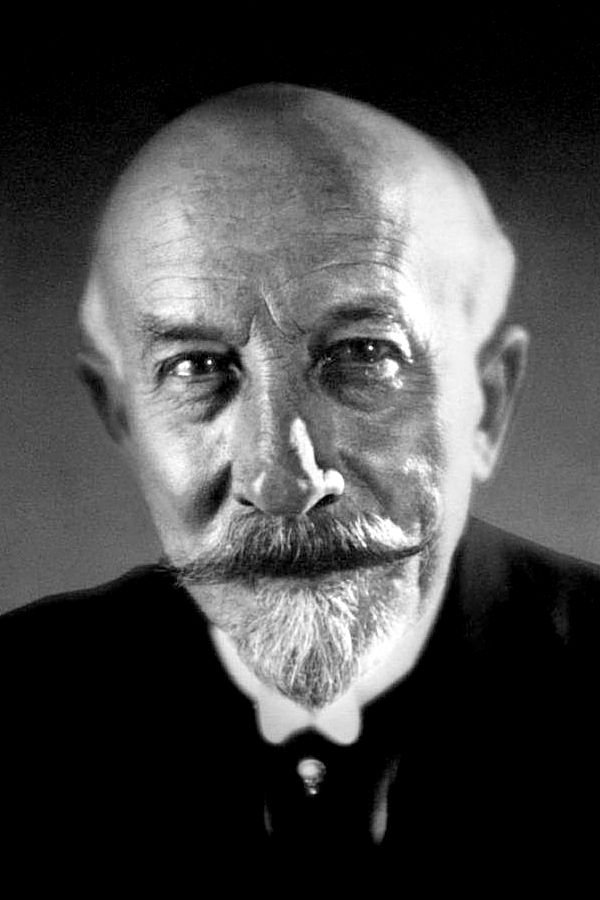
Georges Méliès
Director · 1861 – 1938 · Paris, France
Georges Méliès (December 8, 1861 - January 21, 1938), full name Marie-Georges-Jean Méliès, was a French illusionist and filmmaker famous for leading many technical and narrative developments in the earliest days of cinema. One of the first filmmakers to use multiple exposures, time-lapse photography, tracking shots, dissolves, and hand-painted color in his work, Méliès pioneered effects that would define cinematic special effects for decades to come. A prolific innovator in the use of special effects, Méliès accidentally discovered the substitution stop trick in 1896, a method of creating seamless disappearing and/or appearing effects used throughout both films and television for decades to come. Because of his ability to seemingly manipulate and transform reality through cinematography, Méliès is sometimes referred to as the first "Cinemagician". Two of his best-known films are A Trip to the Moon (1902) and The Impossible Voyage (1904). Both stories involve strange, surreal voyages, somewhat in the style of Jules Verne, and are considered among the most important early science fiction films, though their approach is closer to fantasy. Méliès was also an early pioneer of horror cinema, which can be traced back to his Le Manoir du diable (1896). In early 1909 Méliès stopped making films to protest Thomas Edison's Motion Pictures Parents Company monopoly, and presided over the first meeting of the International Filmmakers Congress in Paris. Further financial hardships created by his opposition to Edison and diminishing influence, Méliès disappeared from public life. By the mid-1920s he made a meager living as a candy and toy salesma in Paris, with the assistance of funds collected by other filmmakers. Although he was recognized for his contributions in cinema, Méliès spent most of his later years in poverty before being accepted into La Maison du Retraite du Cinéma, the film industry's retirement home in Orly.
Movies24
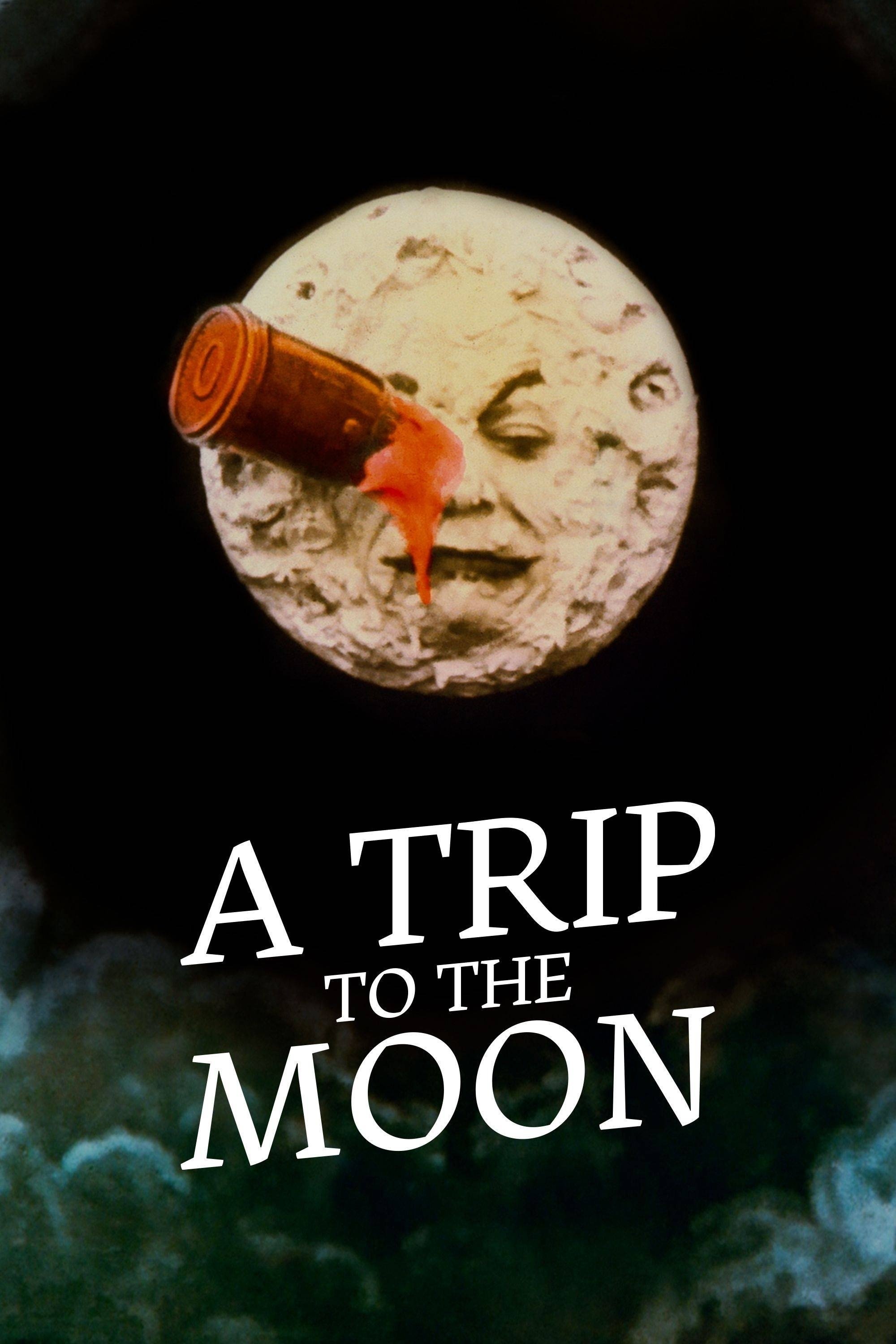 Movie7.9AdventureScience Fiction
Professor Barbenfouillis and five of his colleagues from the Academy of Astronomy travel to the Moon aboard a rocket propelled by a giant cannon. Once on the lunar surface, the bold explorers face the many perils hidden in the caves of the mysterious planet.
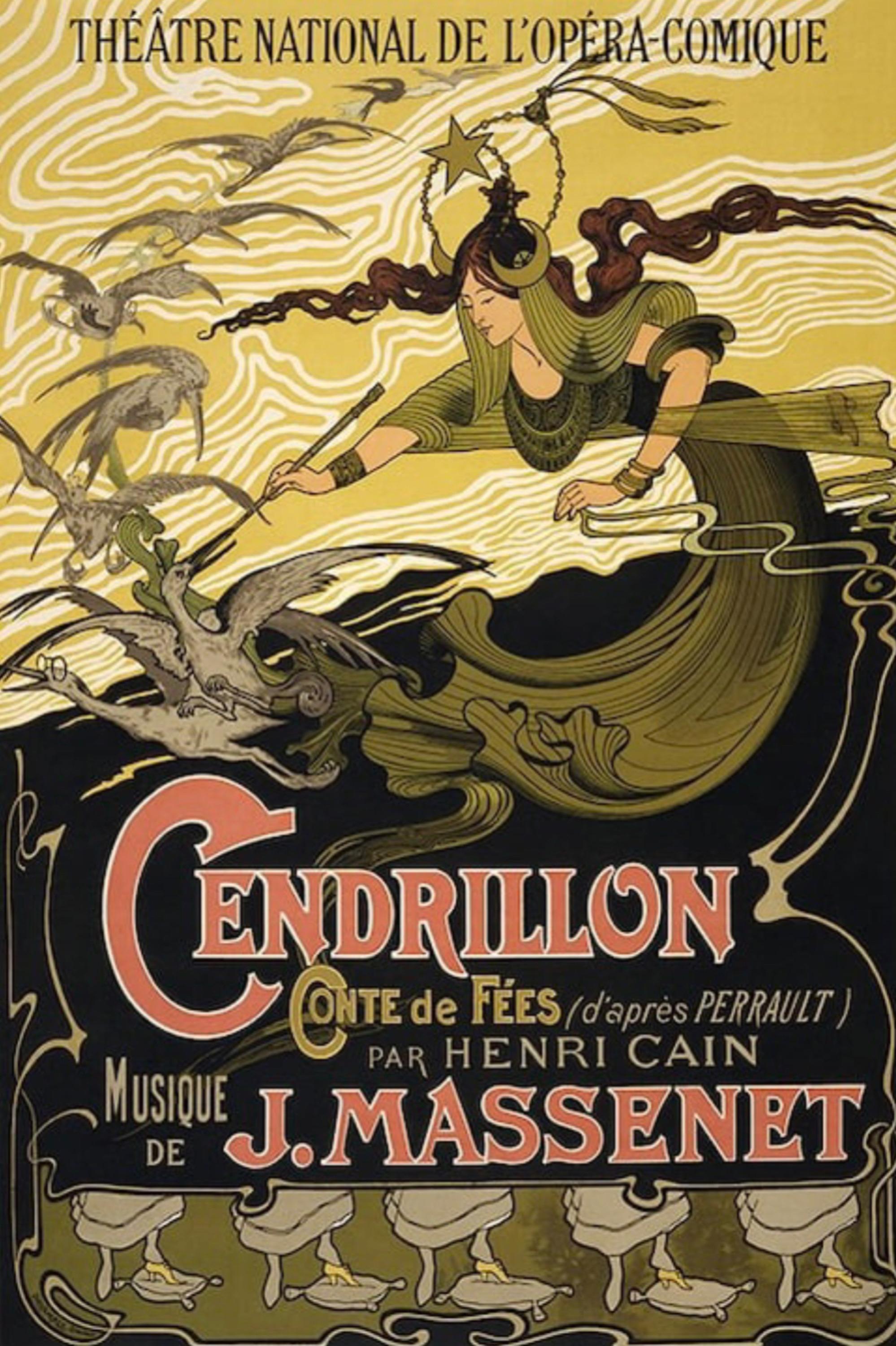 Movie6.2DramaFamily
A fairy godmother magically turns Cinderella's rags to a beautiful dress, and a pumpkin into a coach. Cinderella goes to the ball, where she meets the Prince - but will she remember to leave before the magic runs out? Méliès based the art direction on engravings by Gustave Doré. First known example of a fairy-tale adapted to film, and the first film to use dissolves to go from one scene to another.
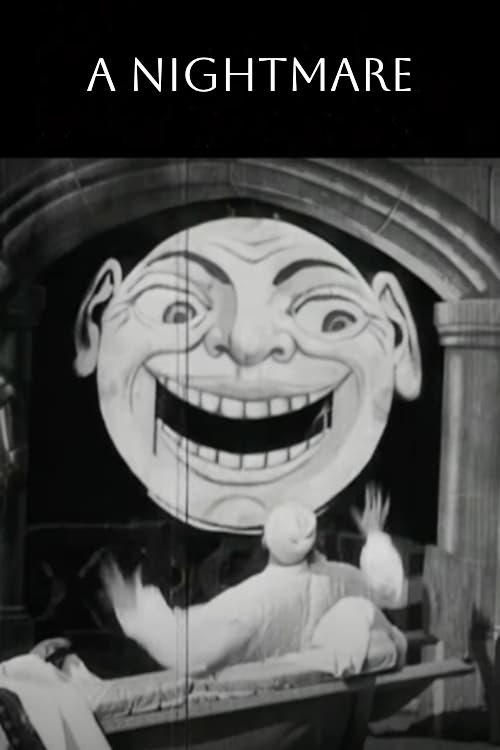 Movie6.1Horror
A man has a fantastical nightmare involving, among other things, a grinning malevolent moon.
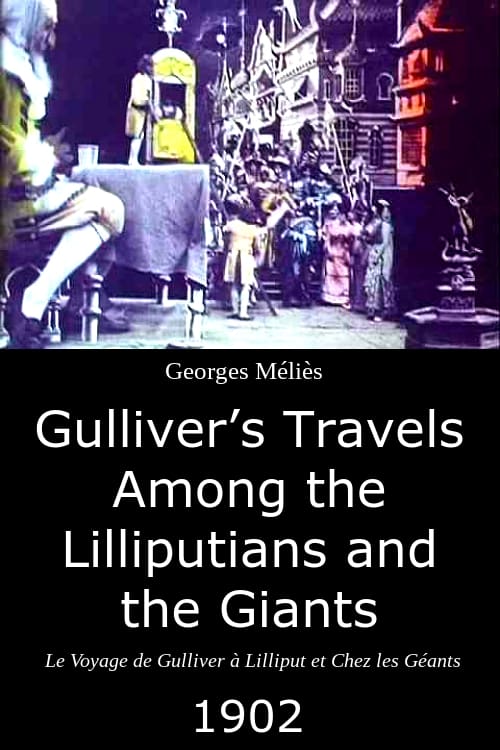 Movie6.0Fantasy
Georges Méliès' adaptation of Jonathan Swift's "Gulliver's Travels" is most distinguished, today, for being a color film of the classic story. Color was rare in 1902 (and many years after) as non-tinted color has to be hand painted on the film; this was an arduous task. Also notable is the film's short running time of approximately five minutes. Much of the original work is not covered, but viewers were expected to be familiar with the story, and enjoy the filmed highlights. There are a couple of scenes missing; according to contemporary reports, Gulliver's shipwreck was certainly included. You can do a lot in a few minutes, as Mr. Méliès includes a re-make of his own "Une partie de cartes" (1896), which already looked like something previously covered by the Lumière Brothers.
Le Voyage de Gulliver à Lilliput et chez les géants
Gulliver's Travels Among the Lilliputians and the Giants
1902 · 45 votes
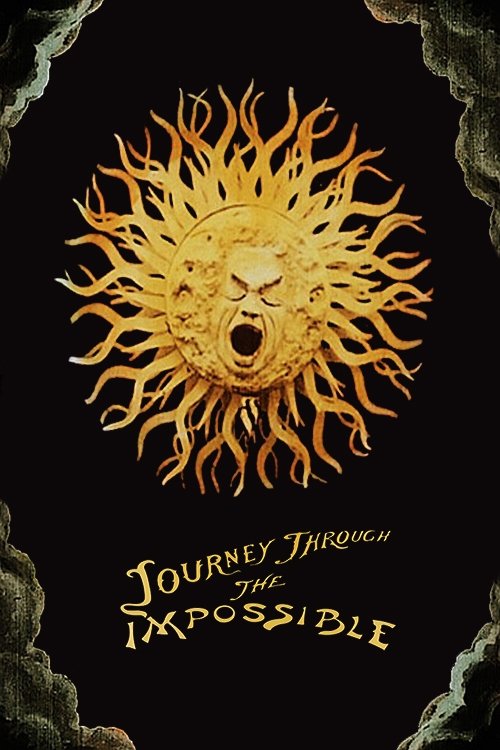 Movie7.3AdventureComedy
Using every known means of transportation, several savants from the Geographic Society undertake a journey through the Alps to the Sun which finishes under the sea.
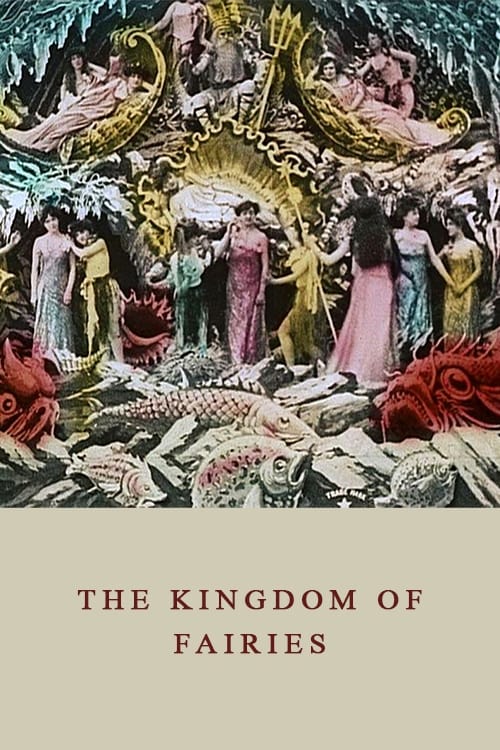 Movie7.0AdventureFantasy
At the royal court, a prince is presenting the princess whom he is pledged to marry when a witch suddenly appears. Though driven off, the witch soon returns, summons some of her servants, and carries off the princess. A rescue party is quickly organized, but the unfortunate captive has been taken to a strange, forbidding realm, from where it will be impossible to rescue her without some special help.
 Movie5.7Adventure
Georges Méliès adaptation of Robinson Crusoe, the first film adaptation of the story. Filmed in black & white, Méliès would then paint the film by hand to colour it. Originally a 15 minute film, twelve and a half minutes of painted film have been found and have been restored.
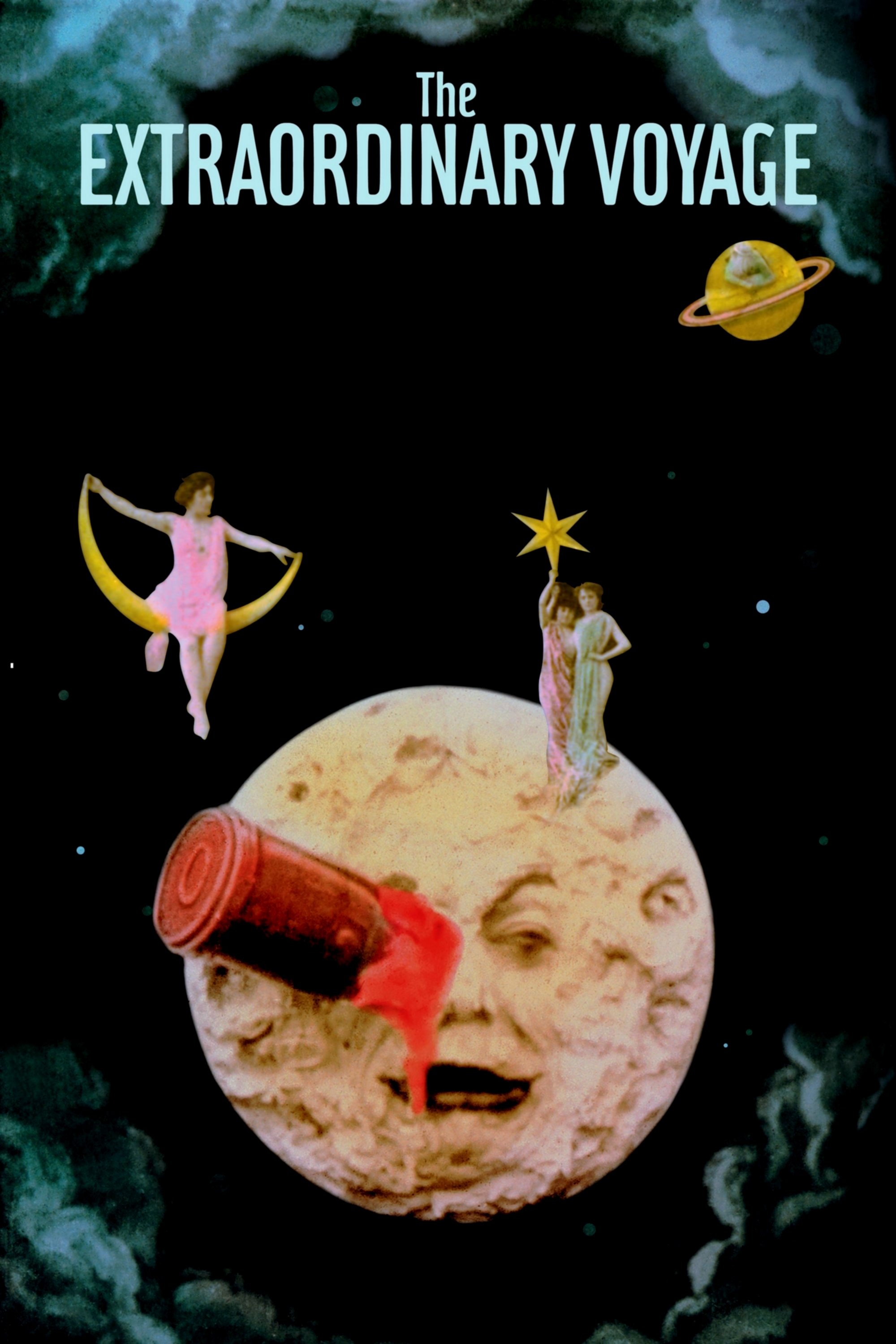 Movie7.7DocumentaryHistory
An account of the extraordinary life of film pioneer Georges Méliès (1861-1938) and the amazing story of the copy in color of his masterpiece A Trip to the Moon (1902), unexpectedly found in Spain and restored thanks to the heroic efforts of a group of true cinema lovers.
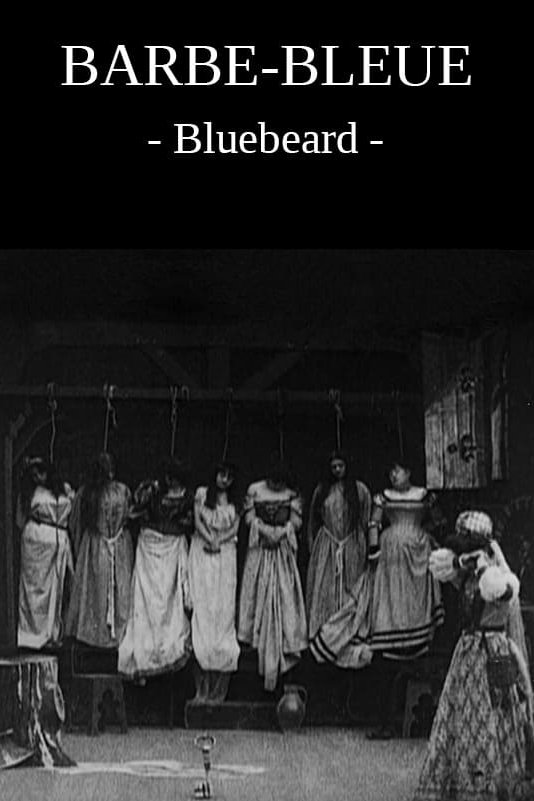 Movie6.3DramaHorror
A young woman becomes the eighth wife of the wealthy Bluebeard, whose first seven wives have died under mysterious circumstances.
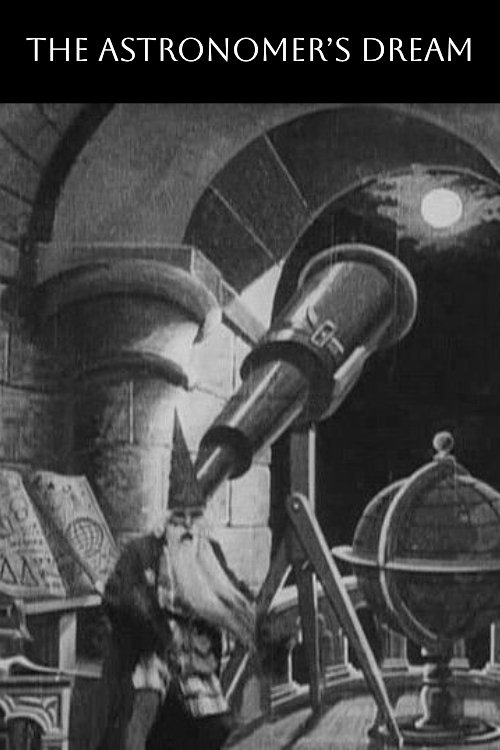 Movie7.0FantasyHorror
An astronomer has a terrifying dream.
 MovieDocumentary
A look back at the life, style and influences of the famed filmmaker Georges Méliès and an examination of his role in the story of "Hugo."
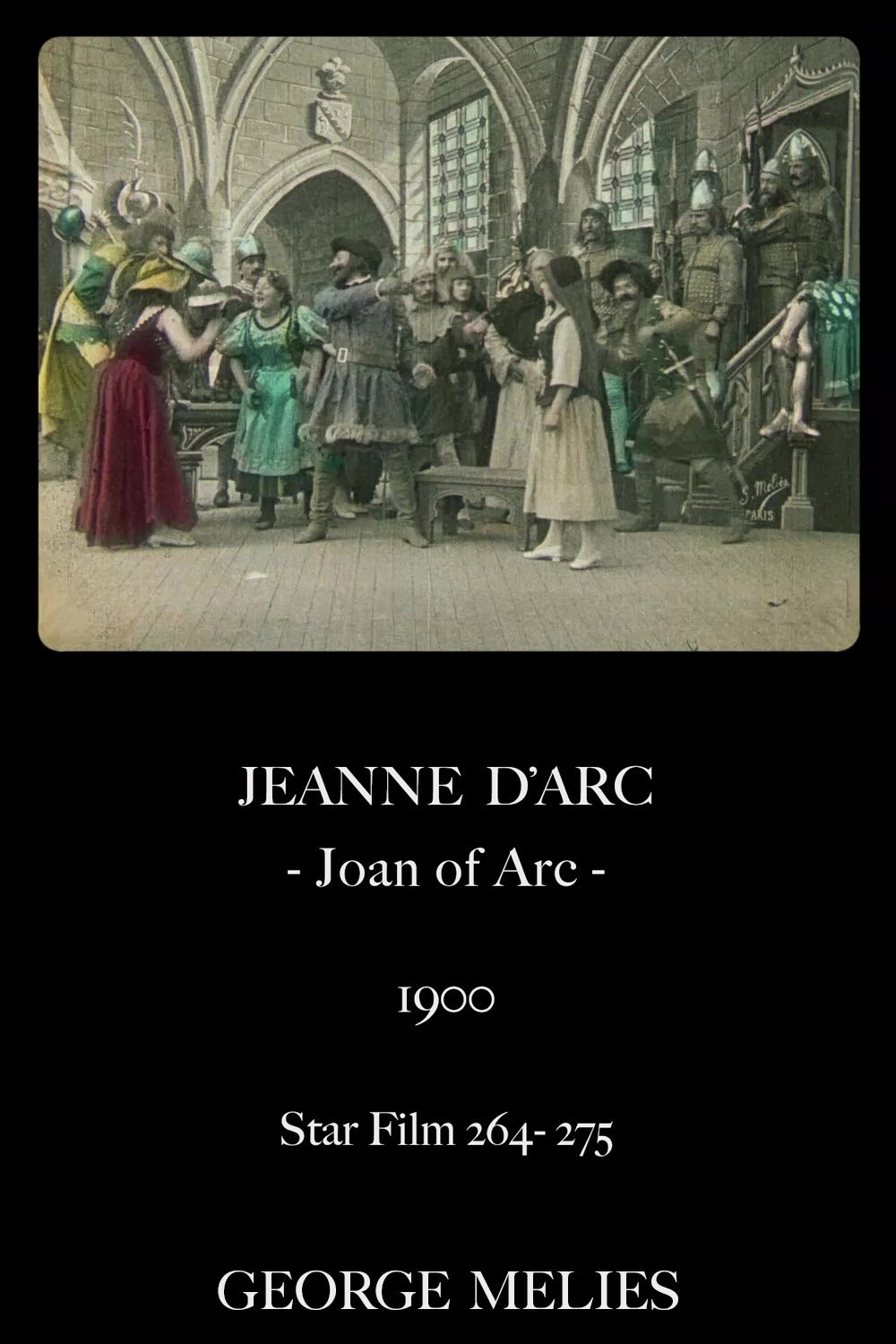 Movie6.9DramaHistory
A divinely inspired peasant woman becomes an army captain for France and then is martyred after she is captured.
 Movie1.7Horror
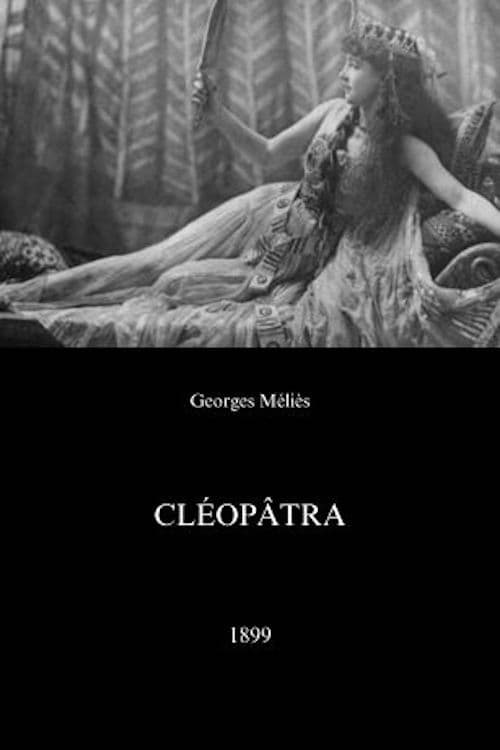
A lost film. A man digging inside an Egyptian tomb chops up a mummy, then resurrects the woman inside it. This film is presumably lost.
 Movie4.9DocumentaryComedy
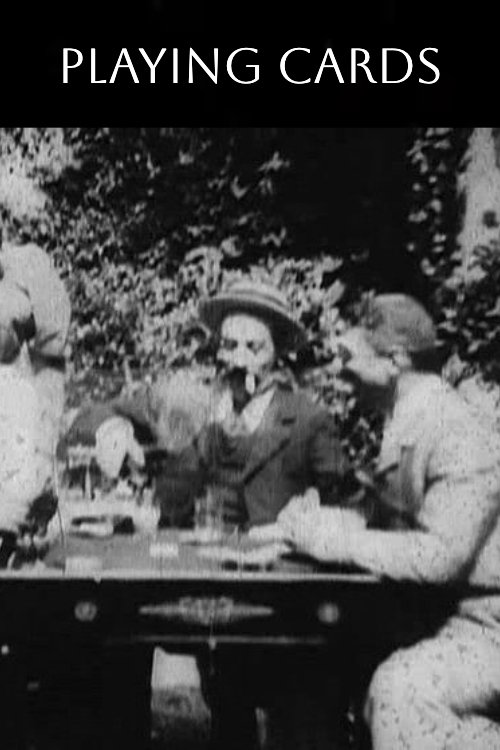
Three friends are playing cards in a beer garden. One of them orders drinks. The waitress comes back with a bottle of wine and three glasses on a tray. The man serves his friends. They clink glasses and drink. Then the man asks for a newspaper. He reads a funny story in it and the three friends burst out laughing while the waitress merely smiles.
 Movie6.5ComedyFantasy
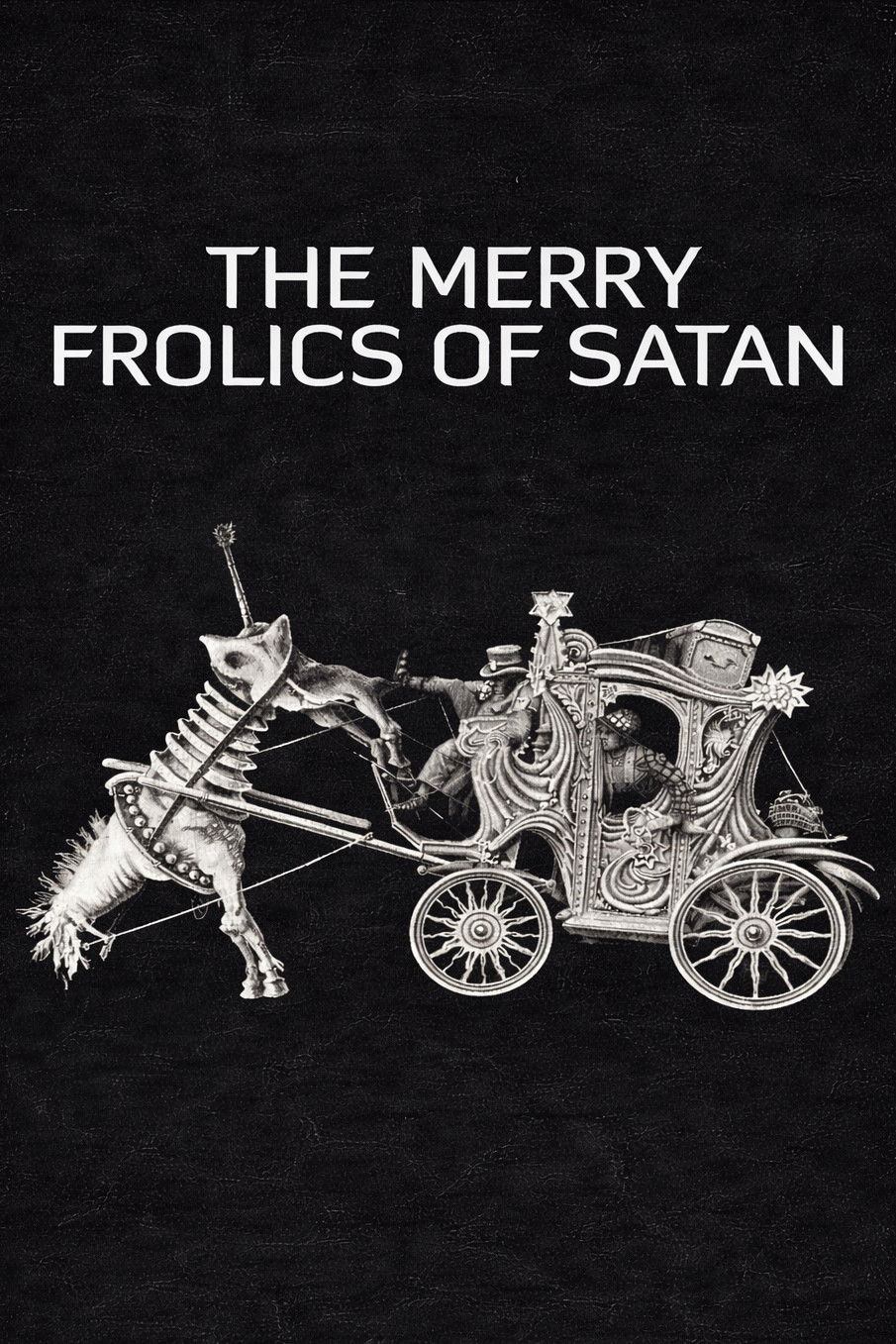
Two travellers are tormented by Satan from inn to inn and eventually experience a buggy ride through the heavens courtesy of the Devil before he takes one of them down to Hell and roasts him on a spit.
 Movie6.5Adventure
The plot follows King Edward VII and President Armand Fallières dreaming of building a tunnel under the English Channel.
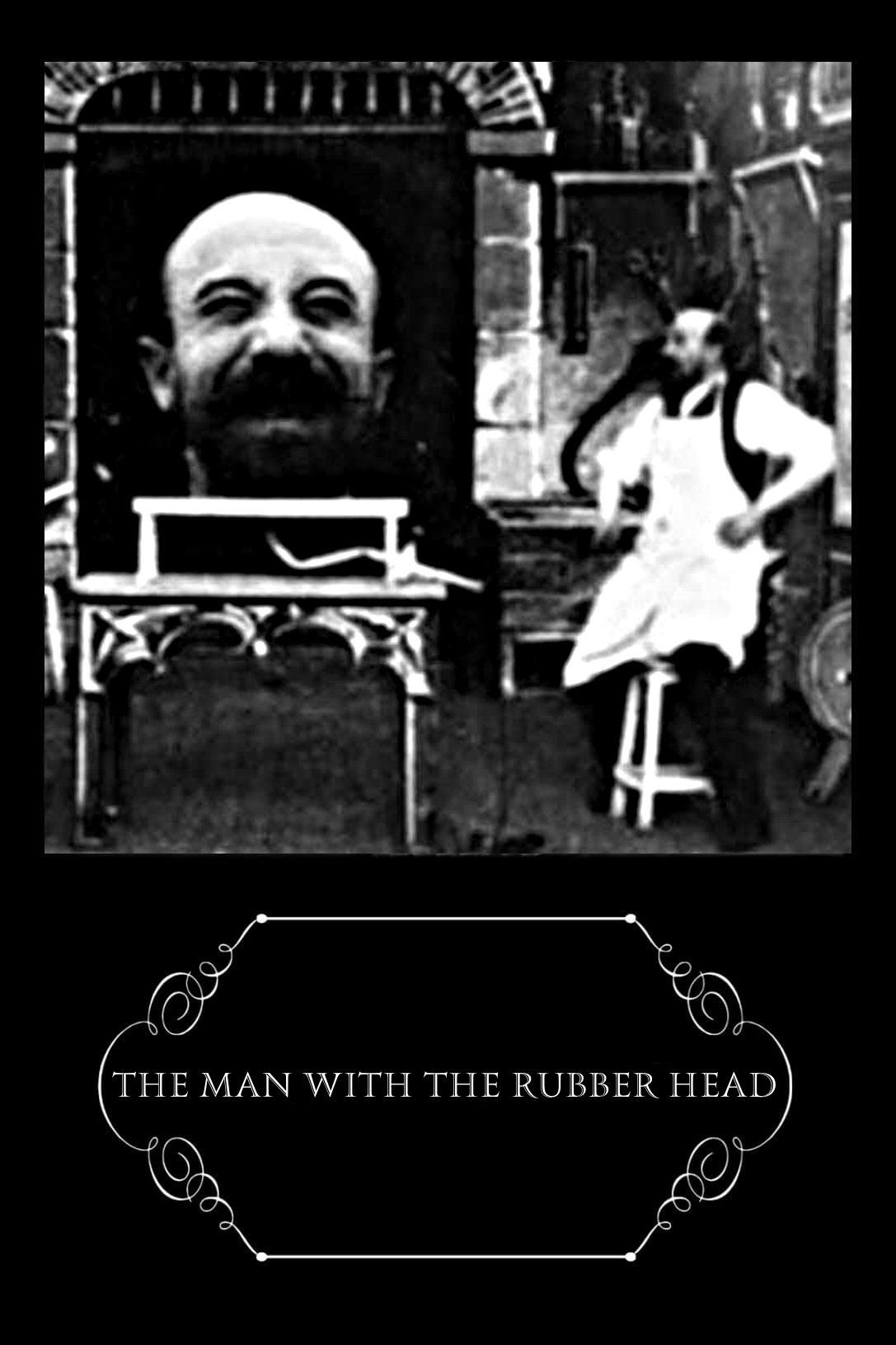 Movie7.1ComedyFantasy
A chemist carries out a bizarre experiment with his own head.
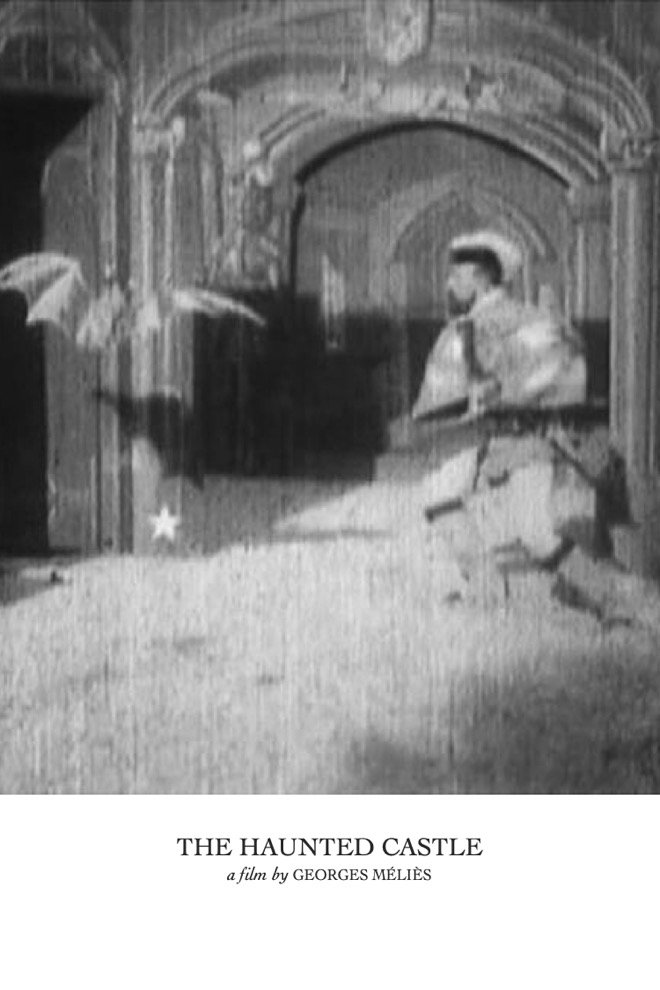 Movie6.4FantasyHorror
In a medieval castle, a dark magician thought to be Mephistopheles conjures up a series of bizarre creatures and events in order to torment a pair of interloping cavaliers.
Le manoir du diable
1896 · 219 votes
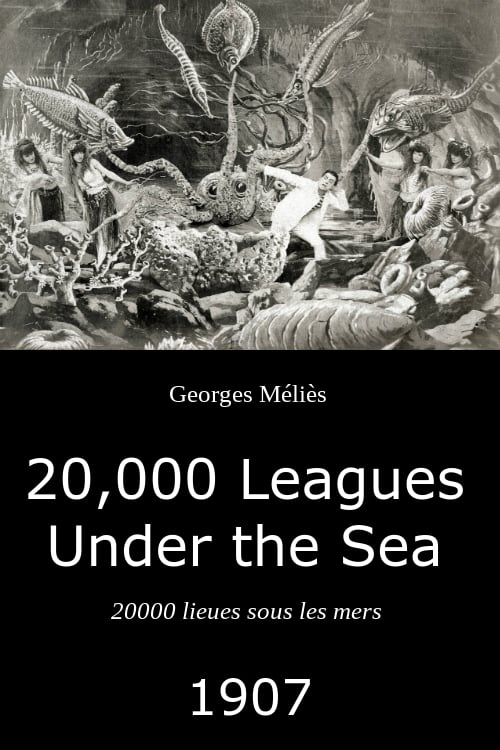 Movie5.1AdventureFantasy
The film, a parody of the novel Twenty Thousand Leagues Under the Sea by Jules Verne, follows a fisherman, Yves, who dreams of traveling by submarine to the bottom of the ocean, where he encounters both realistic and fanciful sea creatures, including a chorus of naiads played by dancers from the Théâtre du Châtelet. Méliès's design for the film includes cut-out sea animals patterned after Alphonse de Neuville's illustrations for Verne's novel.
 Movie5.7Horror
A man has an encounter with several spooky apparitions in a castle that is evidently owned by the Devil.
Le château hanté
1897 · 78 votes
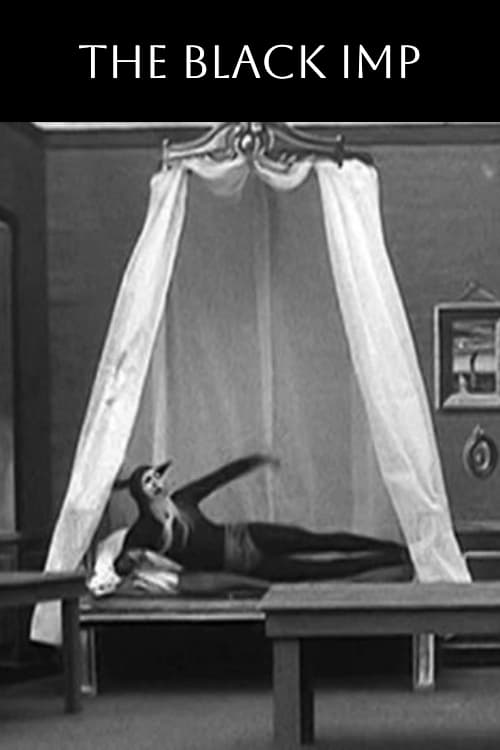 Movie6.5FantasyComedy
A traveler at an inn is harassed by a mischievous devil in his room.
 Movie7.2ComedyFantasy
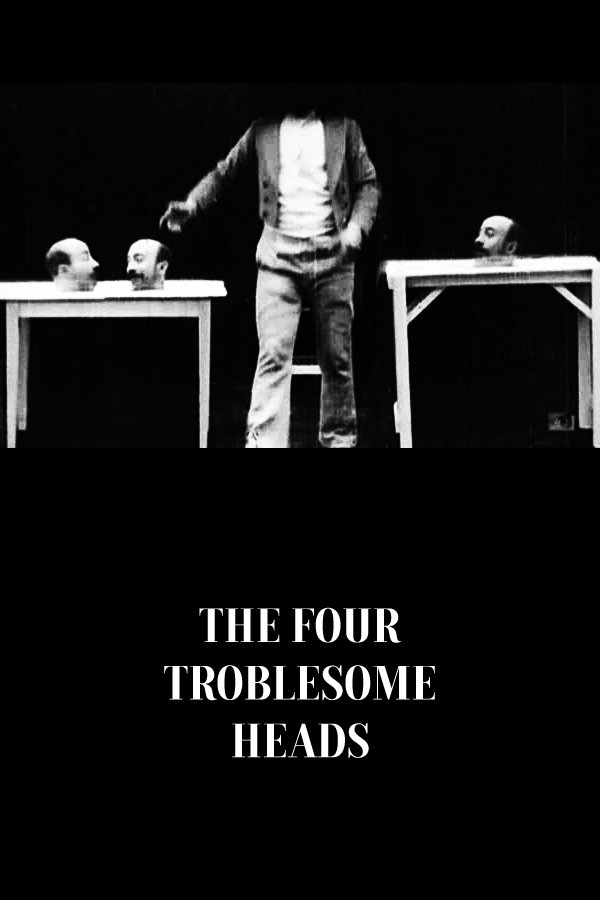
One of the greatest of black art pictures. The conjurer appears before the audience, with his head in its proper place. He then removes his head, and throwing it in the air, it appears on the table opposite another head, and both detached heads sing in unison. The conjurer then removes it a third time. You then see all three of his heads, which are exact duplicates, upon the table at one time, while the conjurer again stands before the audience with his head perfectly intact, singing in unison with the three heads upon the table. He closes the picture by bowing himself from the stage.
 Movie5.0DramaFantasy
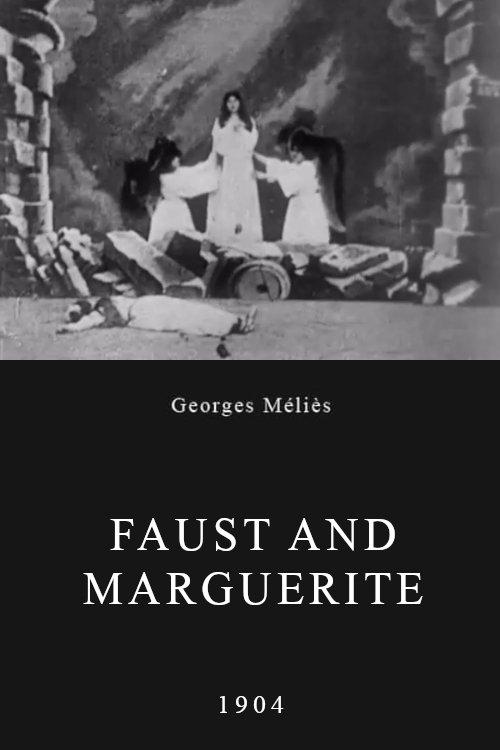
Faust and his love Marguerite are sentenced to Hell where they are showed the torture that awaits.
 Movie6.2AdventureComedy
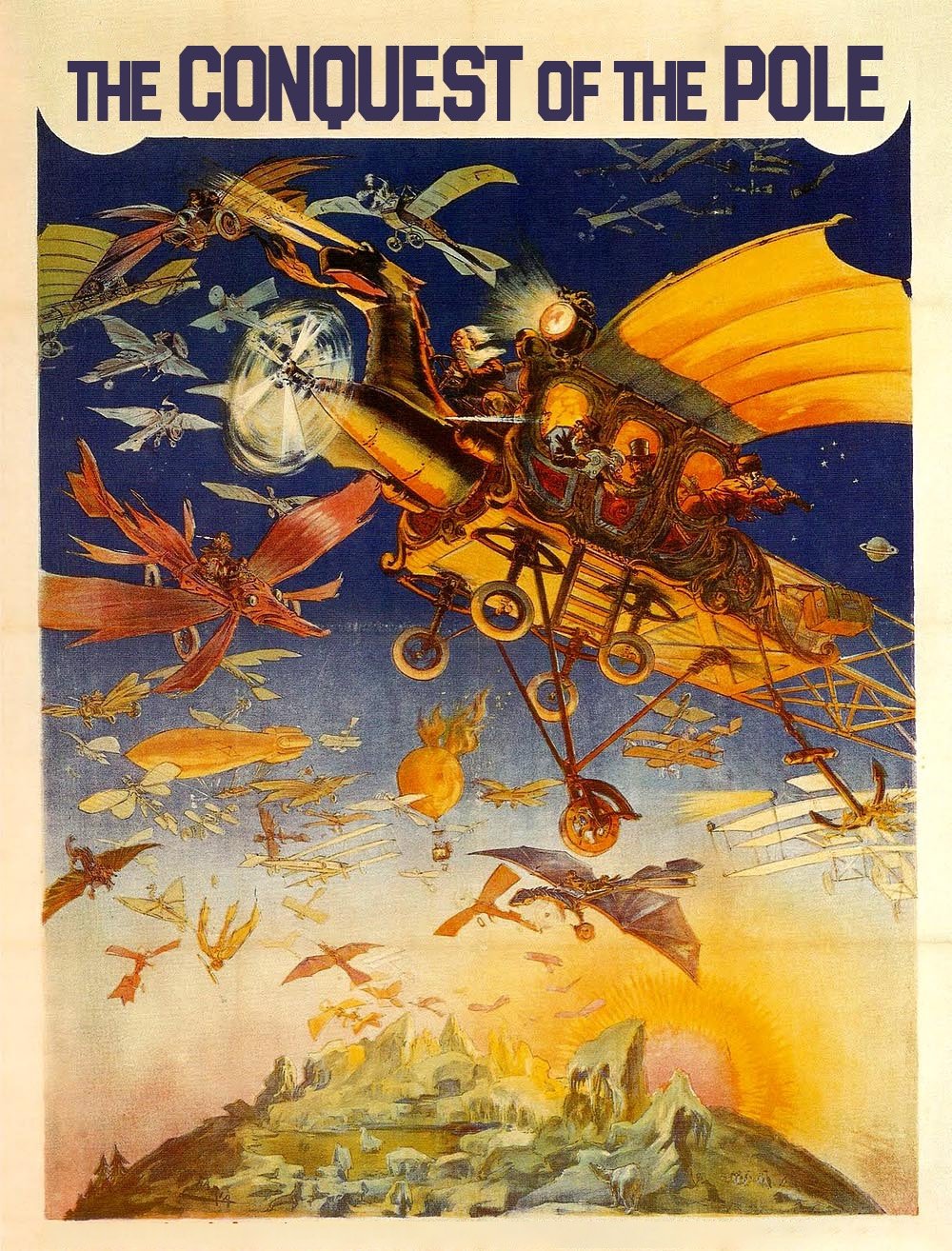
A science fantasy film that deals with an extraordinary race to the north pole by rival parties of balloonists. Based on the novel "The Adventures of Captain Hatteras" by Jules Verne.
Series1
- TV9.0Documentary
Produced for television by Claude-Jean Philippe, the « Encyclopédie audiovisuelle du cinéma », recounts the history of French cinema from its birth to the beginning of the 1960s. With commentary read by Jean Rochefort.
Encyclopédie audiovisuelle du cinéma
1978 · 1 votes