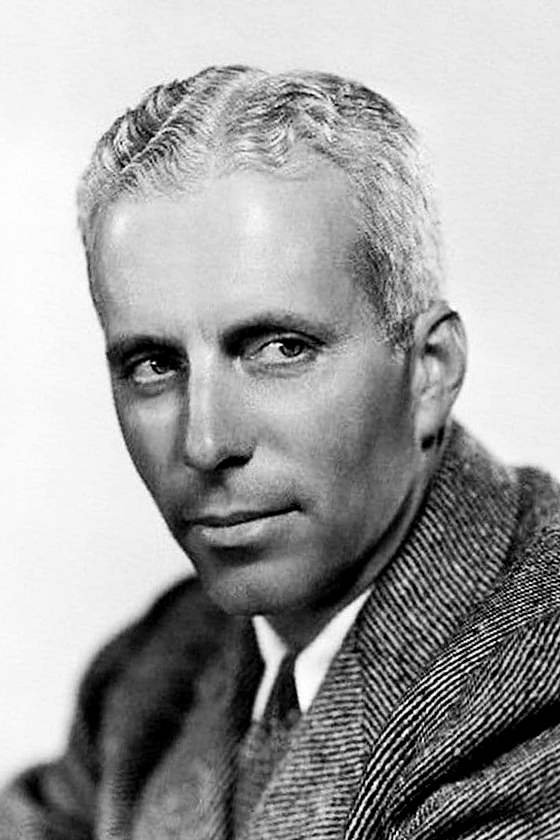
Howard Hawks
Director · 1896 – 1977 · Goshen, Indiana, USA
Howard Winchester Hawks (May 30, 1896 – December 26, 1977) was an American film director, producer and screenwriter of the classic Hollywood era. He is popular for his films from a wide range of genres, including screwball comedies [Bringing Up Baby (1938), His Girl Friday (1940), Gentlemen Prefer Blondes (1953)], westerns [Red River (1948), Rio Bravo (1959), El Dorado (1967)], adventure films [Only Angels Have Wings (1939), To Have and Have Not (1944)], films noirs [The Big Sleep (1946)] and gangster films [Scarface (1932)]. Notable characteristics of his films are independent and tough-talking female protagonists ("Hawksian woman") and witty and fast-paced dialogues. In 1975, Hawks was awarded the Honorary Academy Award as "a master American filmmaker whose creative efforts hold a distinguished place in world cinema," and in 1942 he was nominated for the Academy Award for Best Director for Sergeant York. Hawks has been considered by film critics to be an auteur because of his recognizable style and frequent use of certain thematic elements. Andrew Sarris in his influential book of film criticism The American Cinema: Directors and Directions 1929–1968 included him in the "pantheon" of the 14 greatest film directors who had worked in the United States. Hawks influenced numerous filmmakers such as Quentin Tarantino and Martin Scorsese.
Movies18
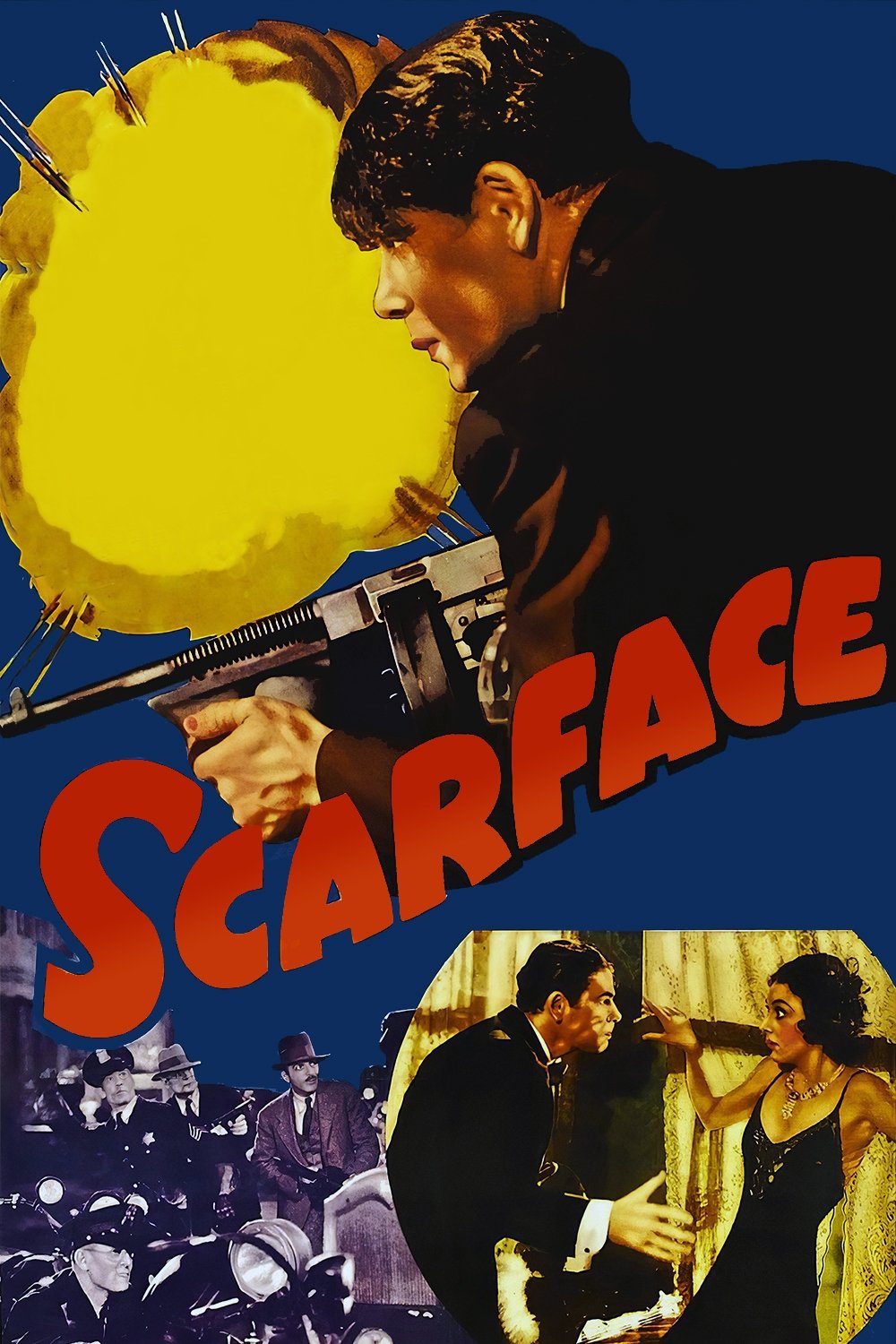 Movie7.4CrimeAction
In 1920s Chicago, Italian immigrant and notorious thug, Antonio 'Tony' Camonte, aka Scarface, shoots his way to the top of the mobs while trying to protect his sister from the criminal life.
Scarface
1932 · 717 votes
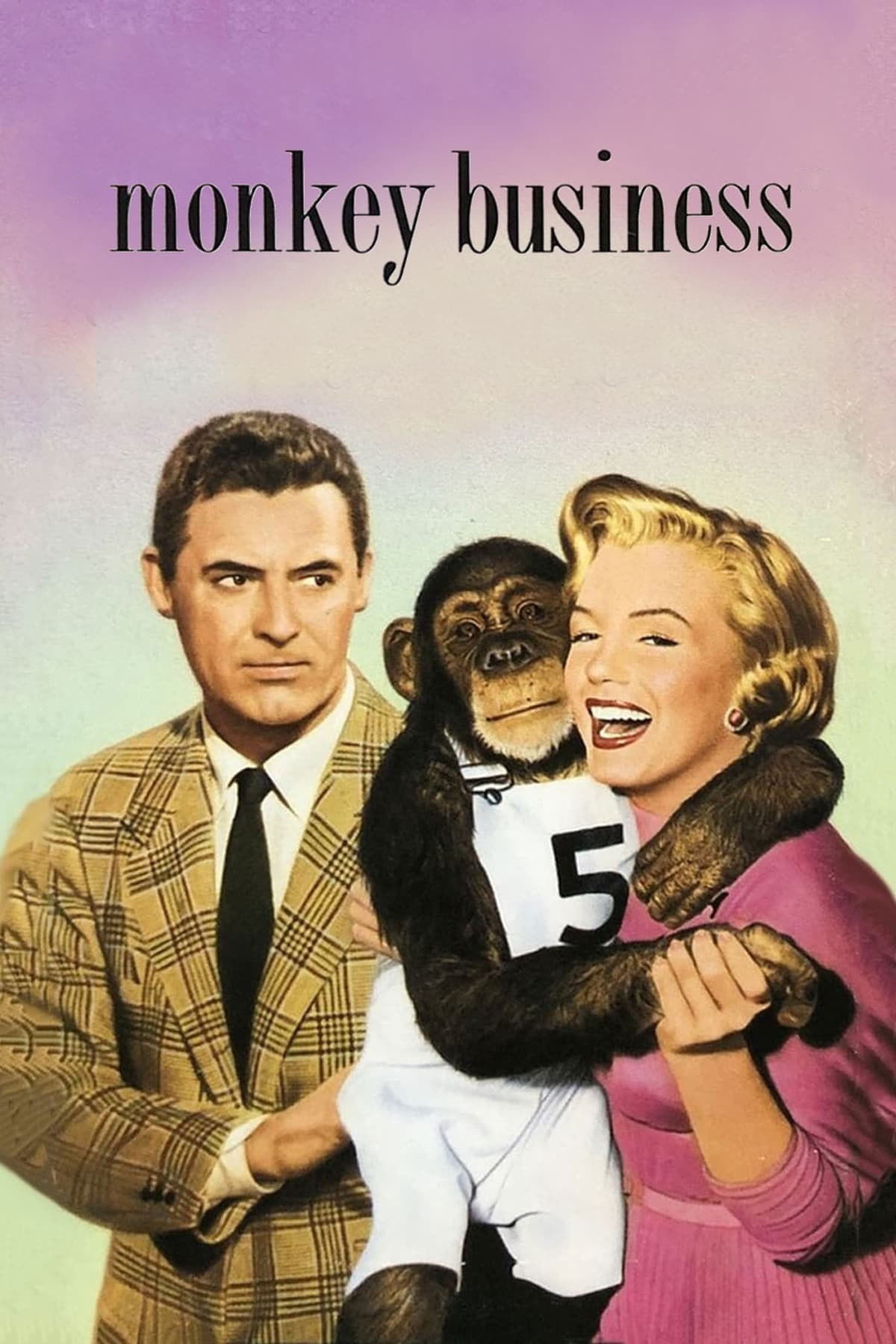 Movie6.7ComedyScience Fiction
Research chemist Barnaby Fulton works on a fountain of youth pill for a chemical company. One of the labs chimps gets loose in the laboratory and mixes chemicals, but then pours the mix into the water cooler. When trying one of his own samples, washed down with water from the cooler, Fulton begins to act just like a twenty-year-old and believes his potion is working. Soon his wife and boss are also behaving like children.
Monkey Business
1952 · 305 votes
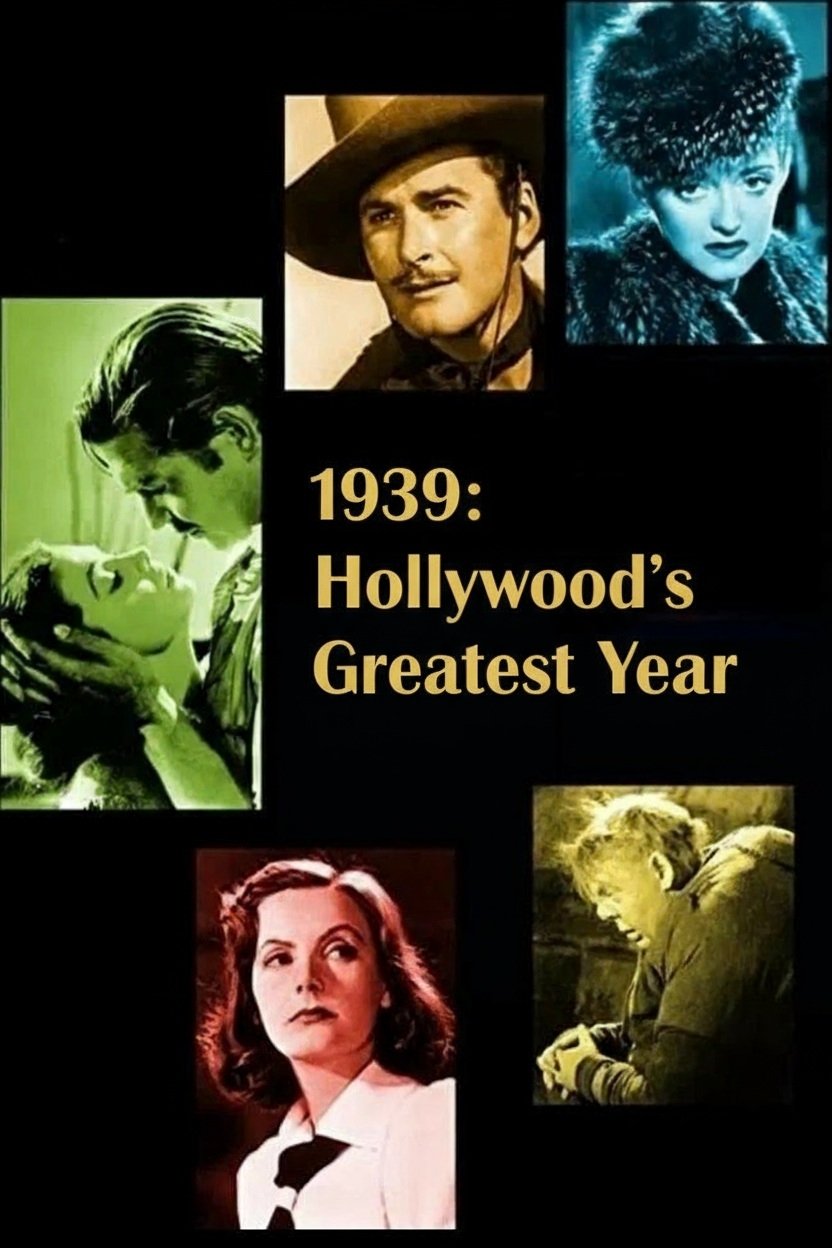 Movie7.5DocumentaryTV Movie
This documentary focuses on 1939, considered to be Hollywood's greatest year, with film clips and insight into what made the year so special.
1939: Hollywood's Greatest Year
2009 · 12 votes
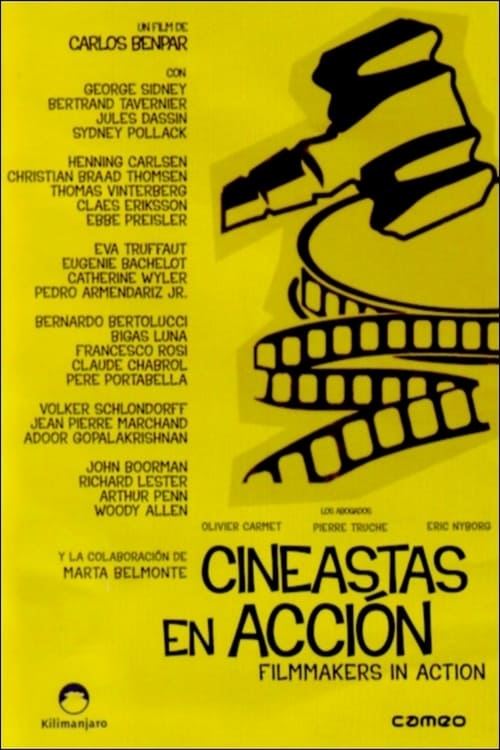 Movie7.2Documentary
What is the state of cinema and what being a filmmaker means? What are the measures taken to protect authors' copyright? What is their legal status in different countries? (Sequel to “Filmmakers vs. Tycoons.”)
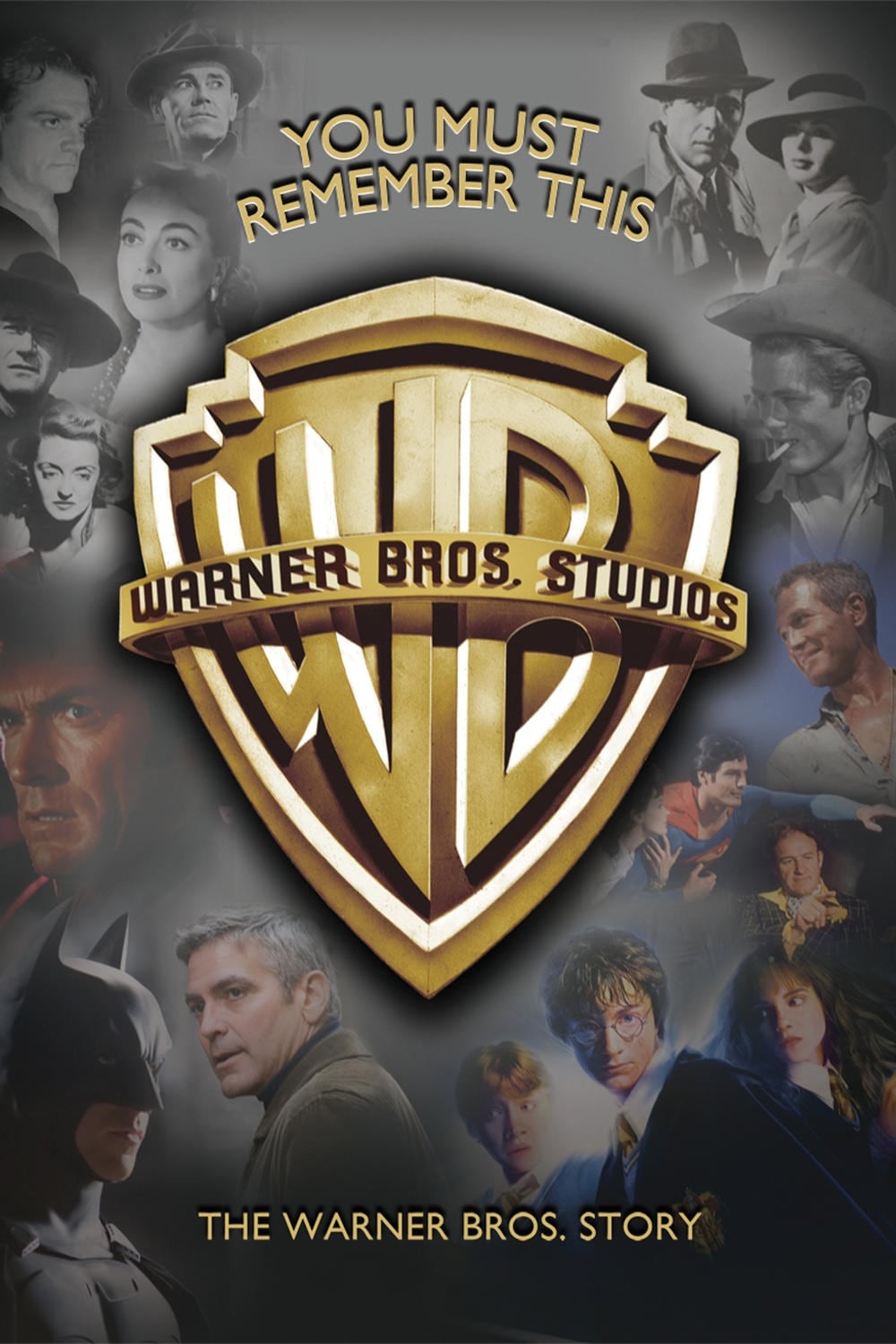 Movie8.5Documentary
Jack L. Warner, Harry Warner, Albert Warner and Sam Warner were siblings who were born in Poland and emigrated to Canada near the turn of the century. In 1903, the brothers entered the budding motion picture business. In time, the Warner Brothers moved into film production and would open their own studio in 1923.
You Must Remember This: The Warner Bros. Story
2008 · 12 votes
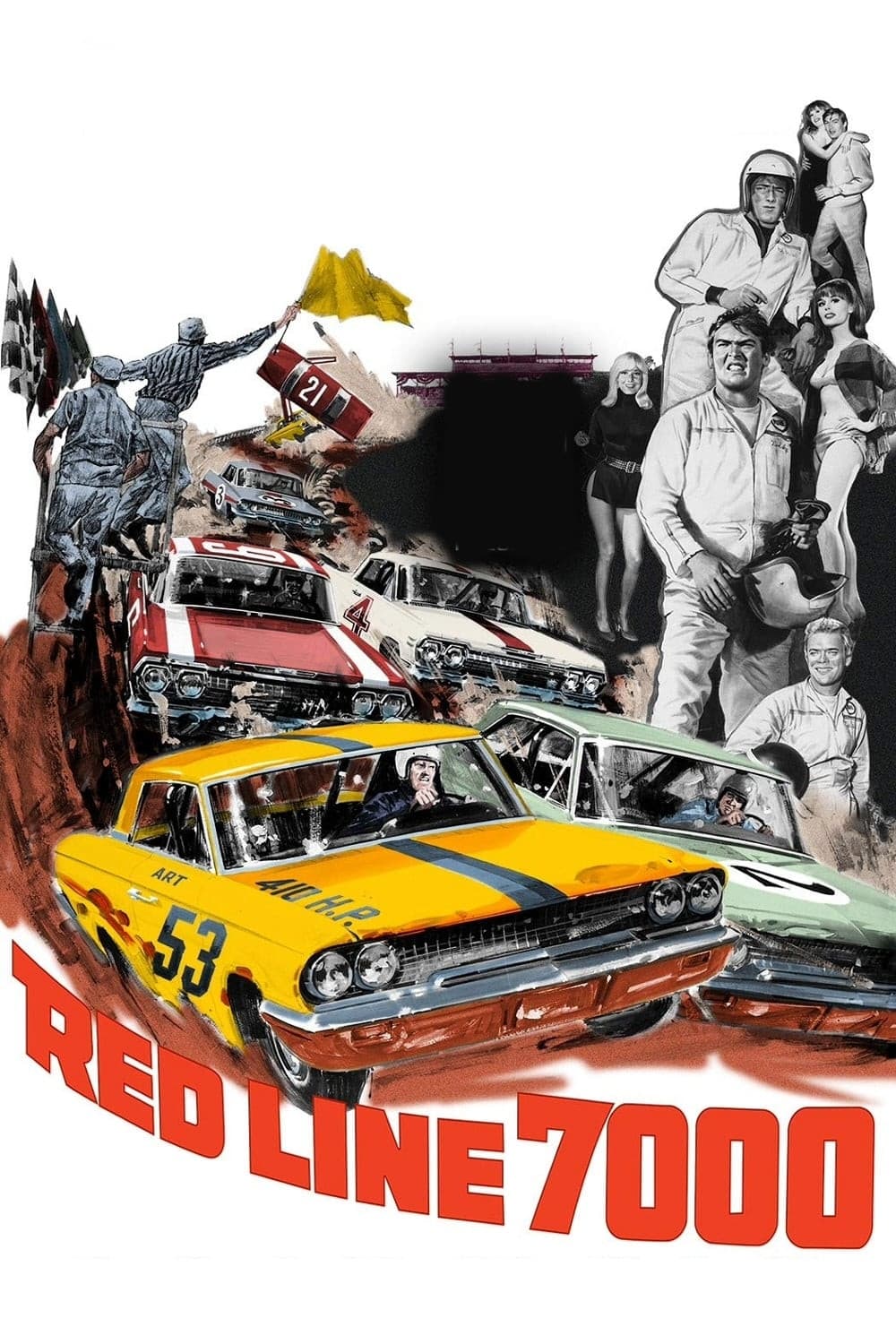 Movie5.4ActionDrama
The lives and passions of a stock car team are revealed against the turbulent backdrop of the professional racing world.
Red Line 7000
1965 · 36 votes
 Movie6.8DocumentaryTV Movie
A documentary filmography of Howard Hawks, including lengthy footage of Hawks himself discussing his films and many clips from his best-known pictures.
The Men Who Made the Movies: Howard Hawks
1973 · 11 votes
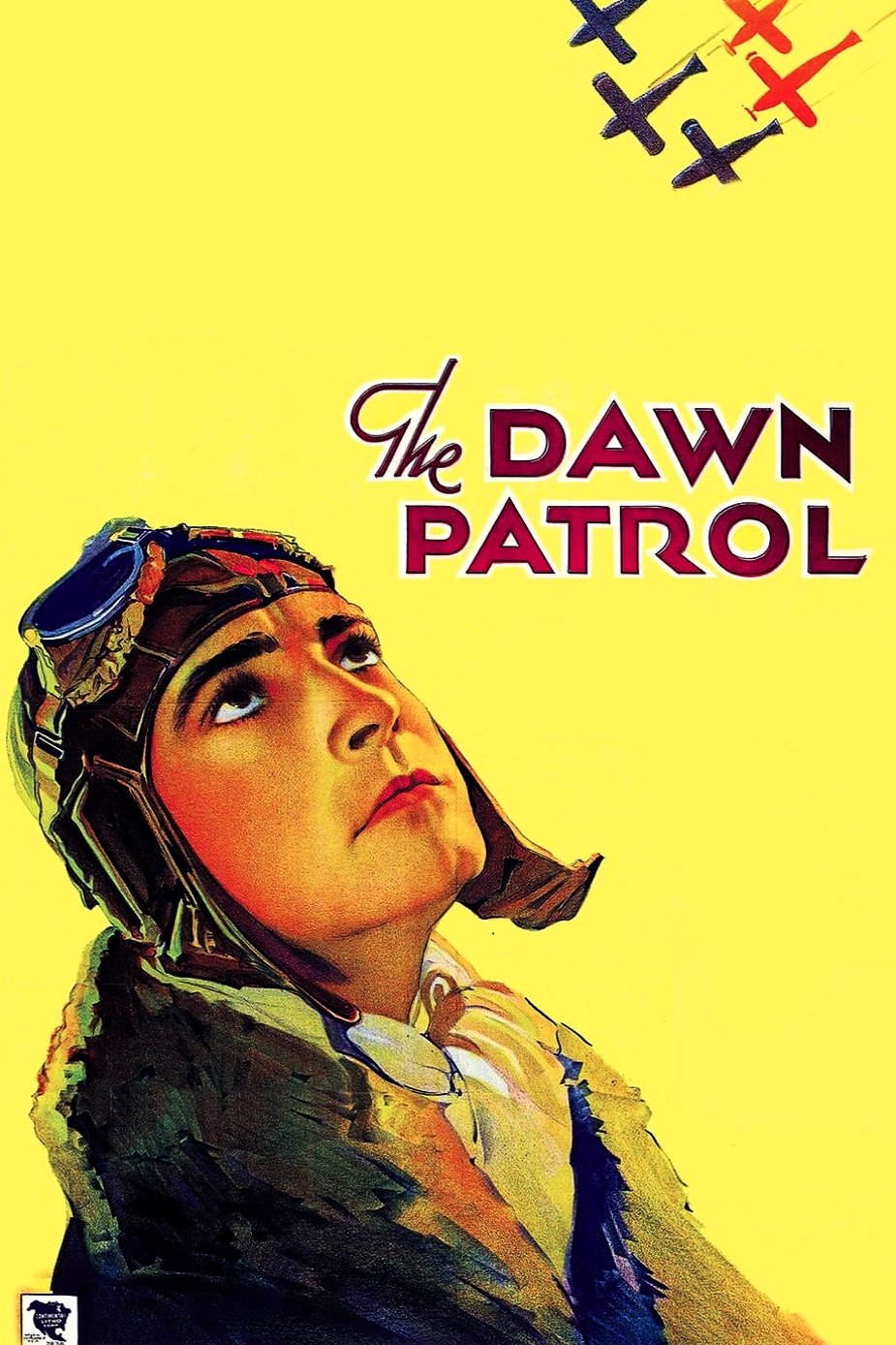 Movie6.6WarDrama
World War I ace Dick Courtney derides the leadership of his superior officer, but he soon is promoted to squadron commander and learns harsh lessons about sending subordinates to their deaths.
The Dawn Patrol
1930 · 37 votes
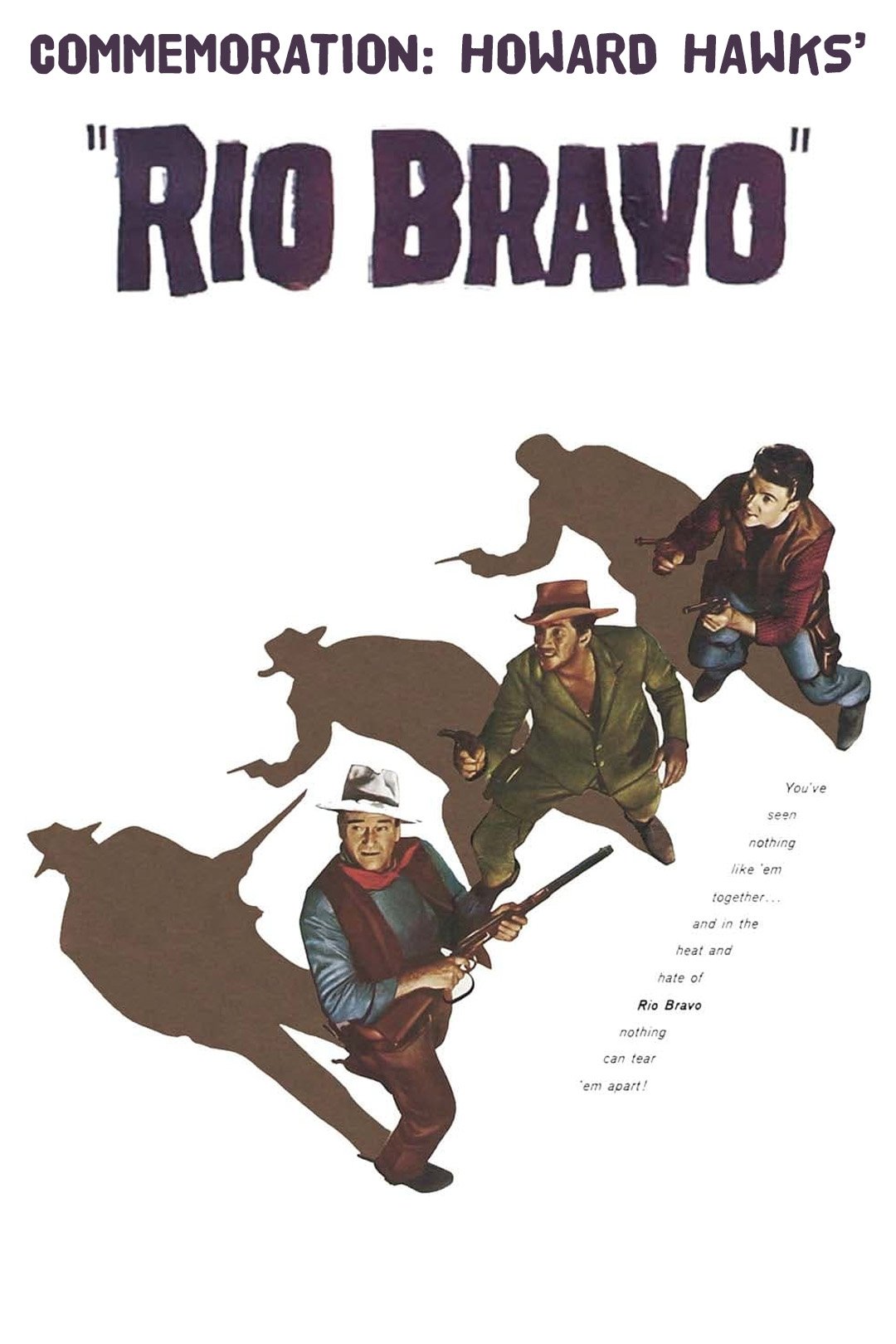 MovieDocumentary
An appreciation of Howard Hawks' "Rio Bravo" (1959) by filmmakers and historians.
 MovieDocumentary
George Plimpton got a job playing one of the bad guys in the Howard Hawks-directed John Wayne Western "Rio Lobo." In this special we see him talking to Hawks about whether he'll be killed off or not, to Wayne about how to cultivate a special walk to make oneself a star in movies and to himself as he attempts to rehearse his tiny part and while doing so is caught in the frame of a setup for another scene and chastised by Wayne. Wayne calls Plimpton "Pimpleton" throughout this special.
 Movie6.2Documentary
A tour of the Metro-Goldwyn-Mayer Studio in 1925 shows the people who make the movies there, and gives viewers a glimpse at how movies are made.
1925 Studio Tour
1925 · 20 votes
 MovieDocumentary
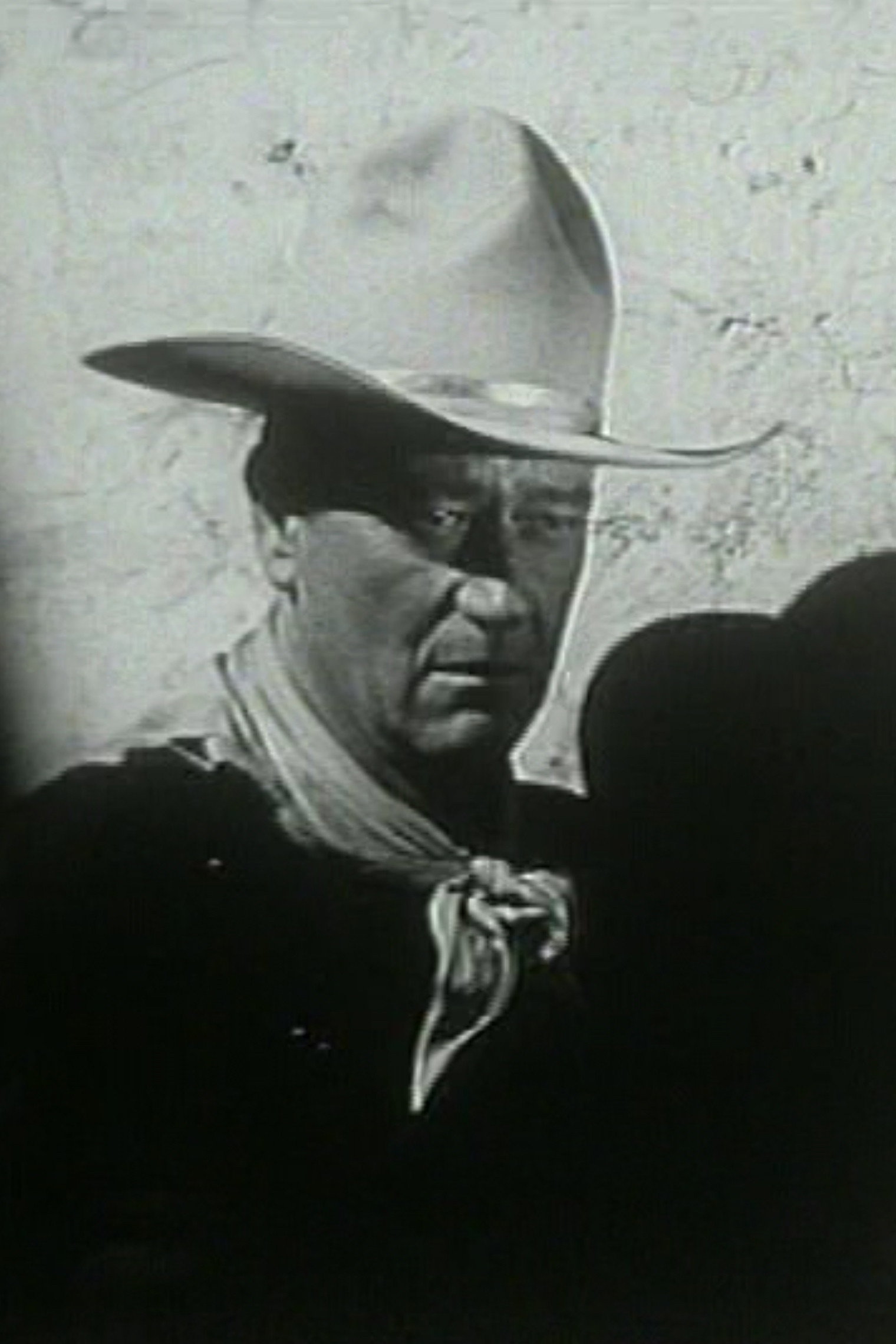
German TV documentary about John Wayne from 1977.
 Movie7.8DocumentaryTV Movie
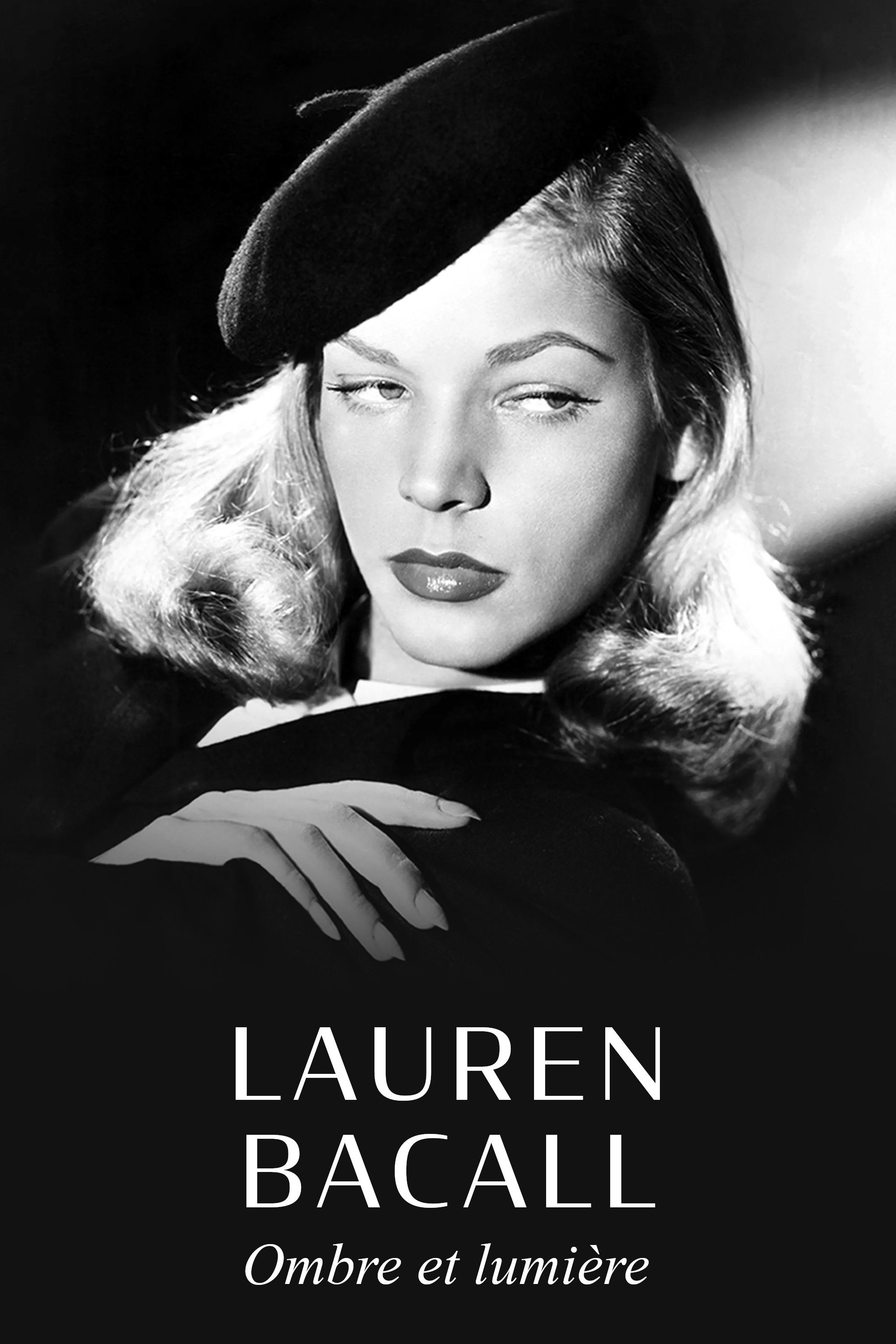
Lauren Bacall, ombre et lumière
2017 · 4 votes
 Movie7.0Documentary
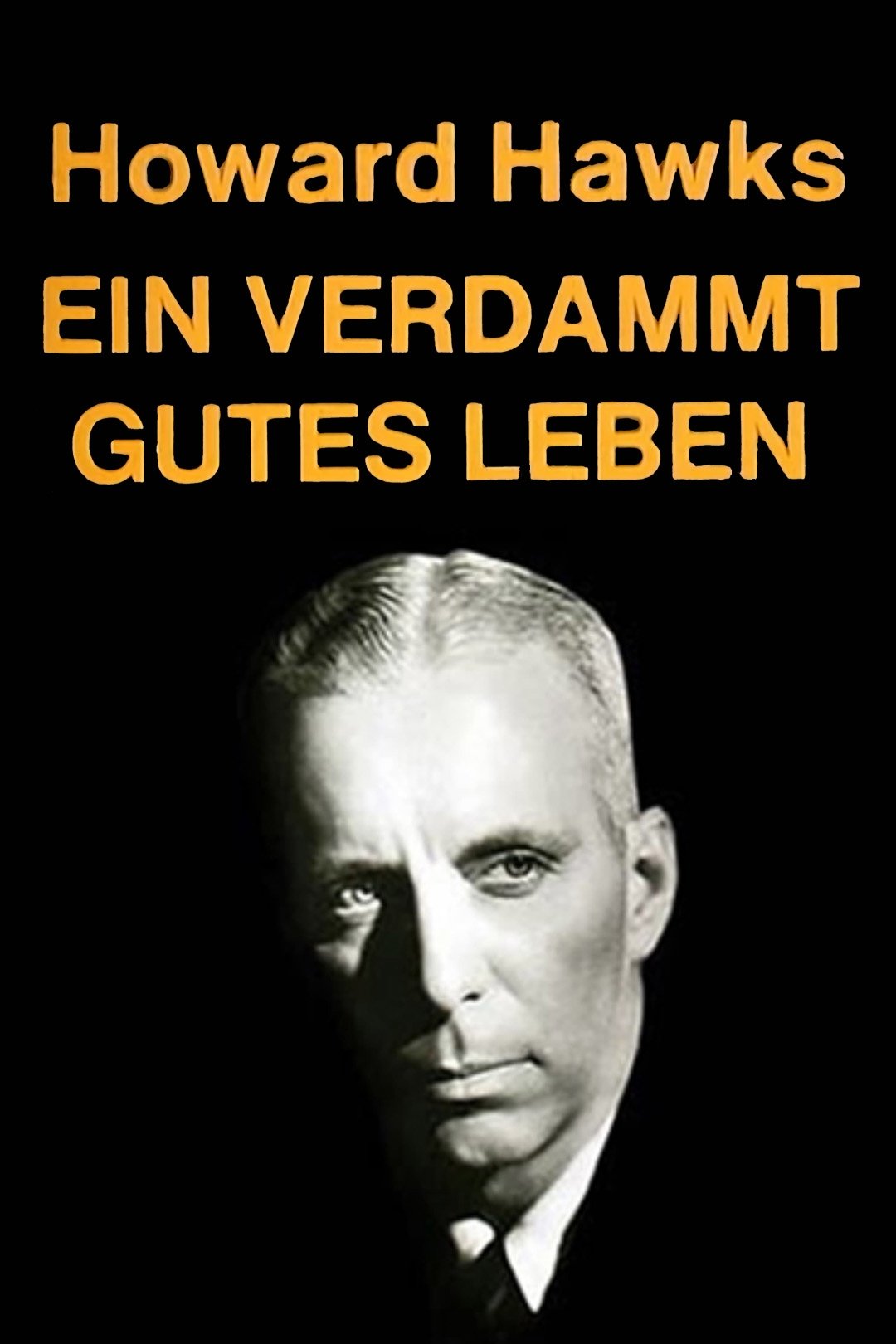
Documentary featuring the last filmed interview with director Howard Hawks
 Movie5.4Documentary
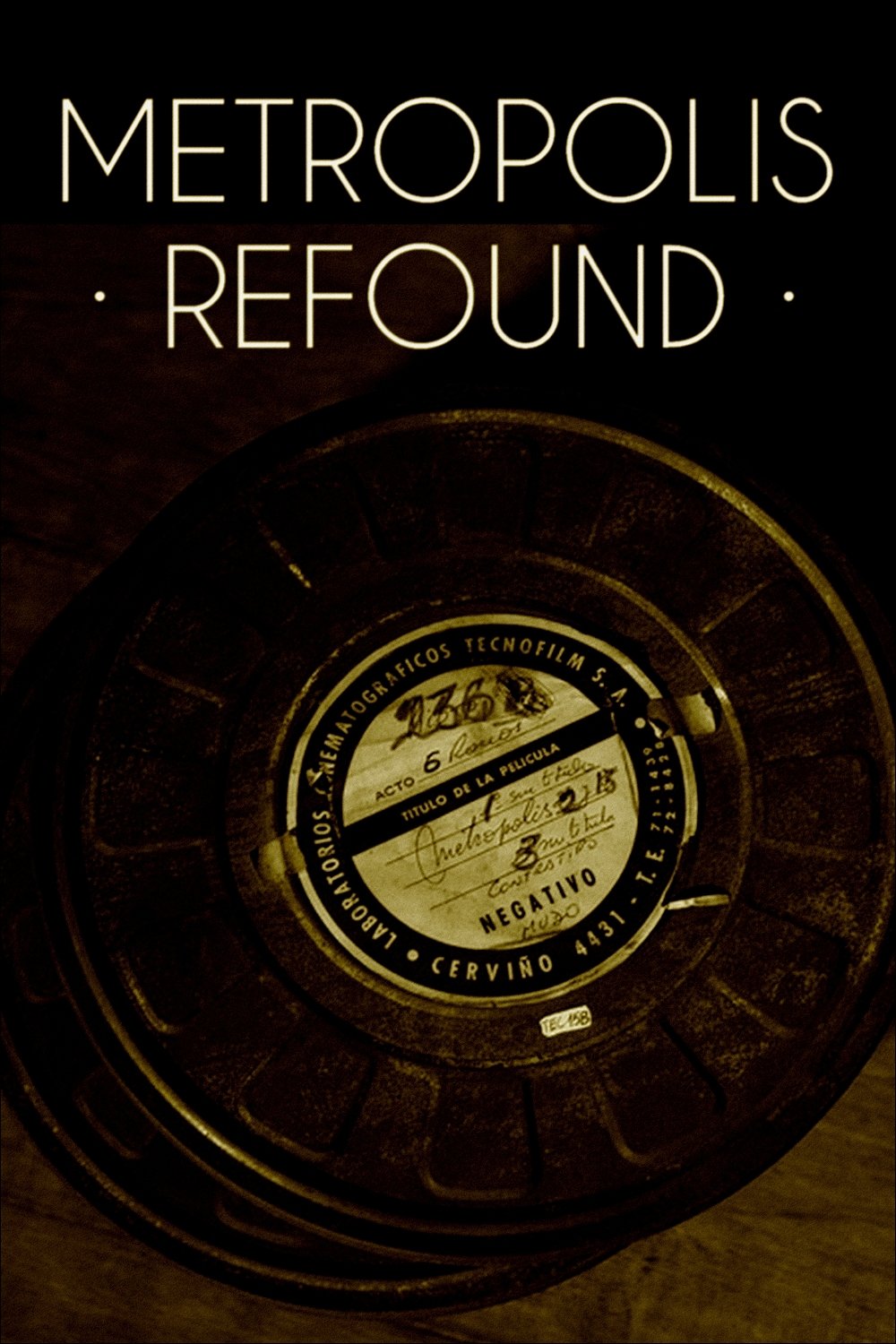
Argentinian film historians find a complete print of Fritz Lang's “Metropolis” (1927) at Buenos Aires Film Museum and take it to Germany for its restoration.
 Movie10.0Documentary
Hedda reports on a dog training school and a Hemingway hunting trip.
Hedda Hopper's Hollywood No. 3
1942 · 1 votes
- MovieDocumentary
A review of Howard Hawks's work, focusing on "His Girl Friday".
 MovieDocumentary
This ten-minute segment, heralded as part of a new shorts program, is composed of excerpts from a 1972 audio conversation between Hawks and Peter Bogdanovich, as well as a 1973 interview of Hawks with Richard Schickel, wherein the director reminisces about casting "His Girl Friday" (1940) and the changes from the original source material.
Hawks on Hawks
2017