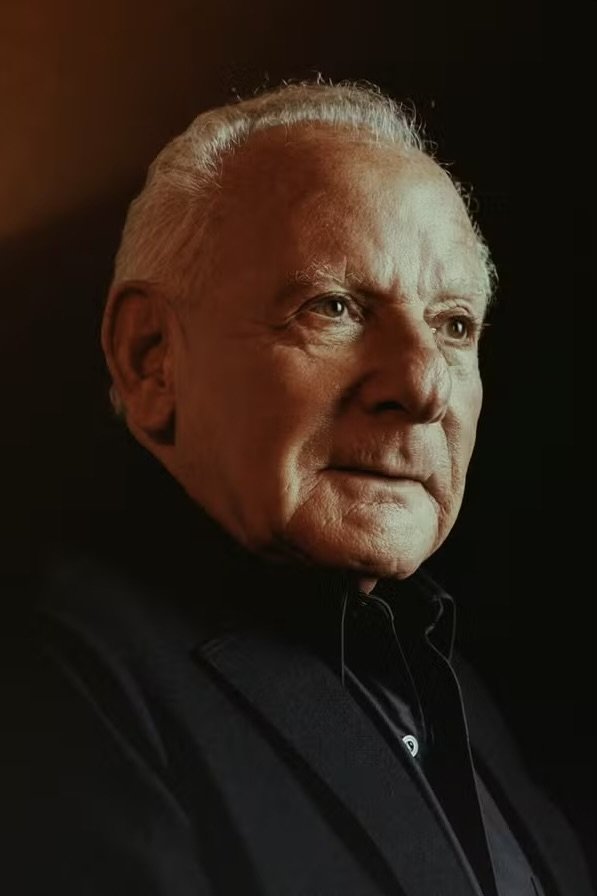
Marin Karmitz
Production · b. 1938 · Bucharest, Romania
Marin Karmitz (born 7 October 1938) is a Romanian-French businessman whose career has spanned the French film industry, including director, producer, film distributor, and operator of a chain of cinemas. He comes from an assimilated Jewish-Romanian family and emigrated to France in 1948. Karmitz attended film school at IDHEC (renamed La Fémis) and worked as a director of photography after graduating. Karmitz founded MK2, a production company and movie theater chain, which has specialized in creating, distributing, and screening independent or "auteurist" cinema, including short films. In 2005, he turned over leadership of the MK2 company and its theaters to his son, Nathanaël. Description above from the Wikipedia article Marin Karmitz, licensed under CC-BY-SA, full list of contributors on Wikipedia.
Movies11
 MovieDocumentary
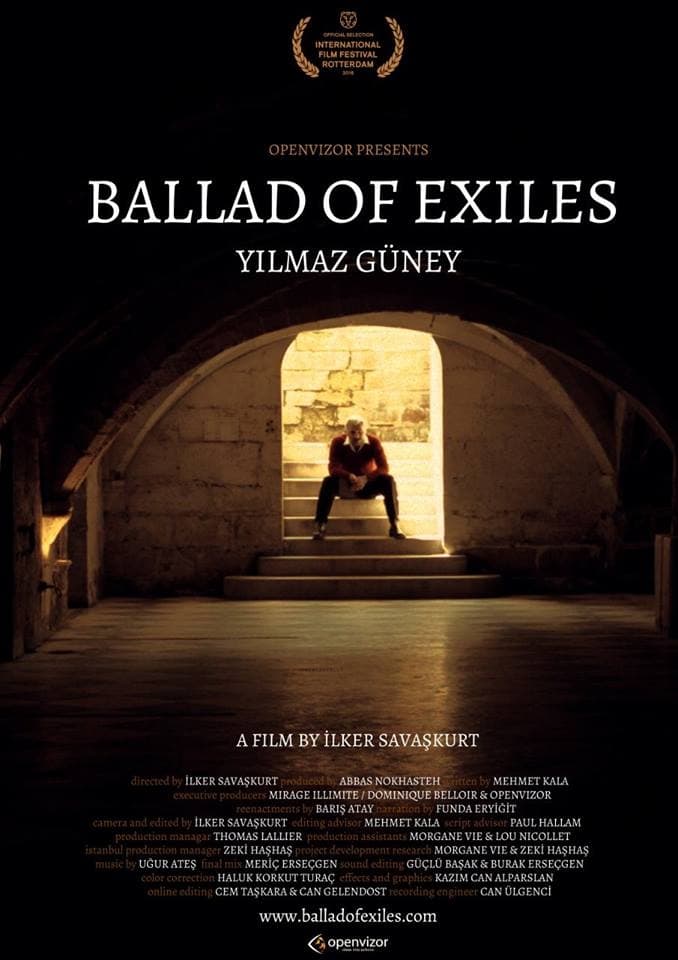
Having spent ten years of his life in prisons, Güney escaped from Isparta Semi-Open Prison in 1981 and went to Paris, where he would spend the last years of his life. The recognition Güney received as a filmmaker in France brought him the Palme D'or at the 1982 Cannes Film Festival for his film "The Road." The documentary builds a bridge between France and Turkey through Yılmaz Güney, tracing his footsteps in Paris, the filming process of "The Wall," the lives he influenced through his political struggle and cinema, and the stories of those who were forced to leave their country after September 12th, who came to France as immigrants, his friends and colleagues, and the life stories of exiled people whose paths somehow intersected with his during this journey.
 Movie7.5Documentary
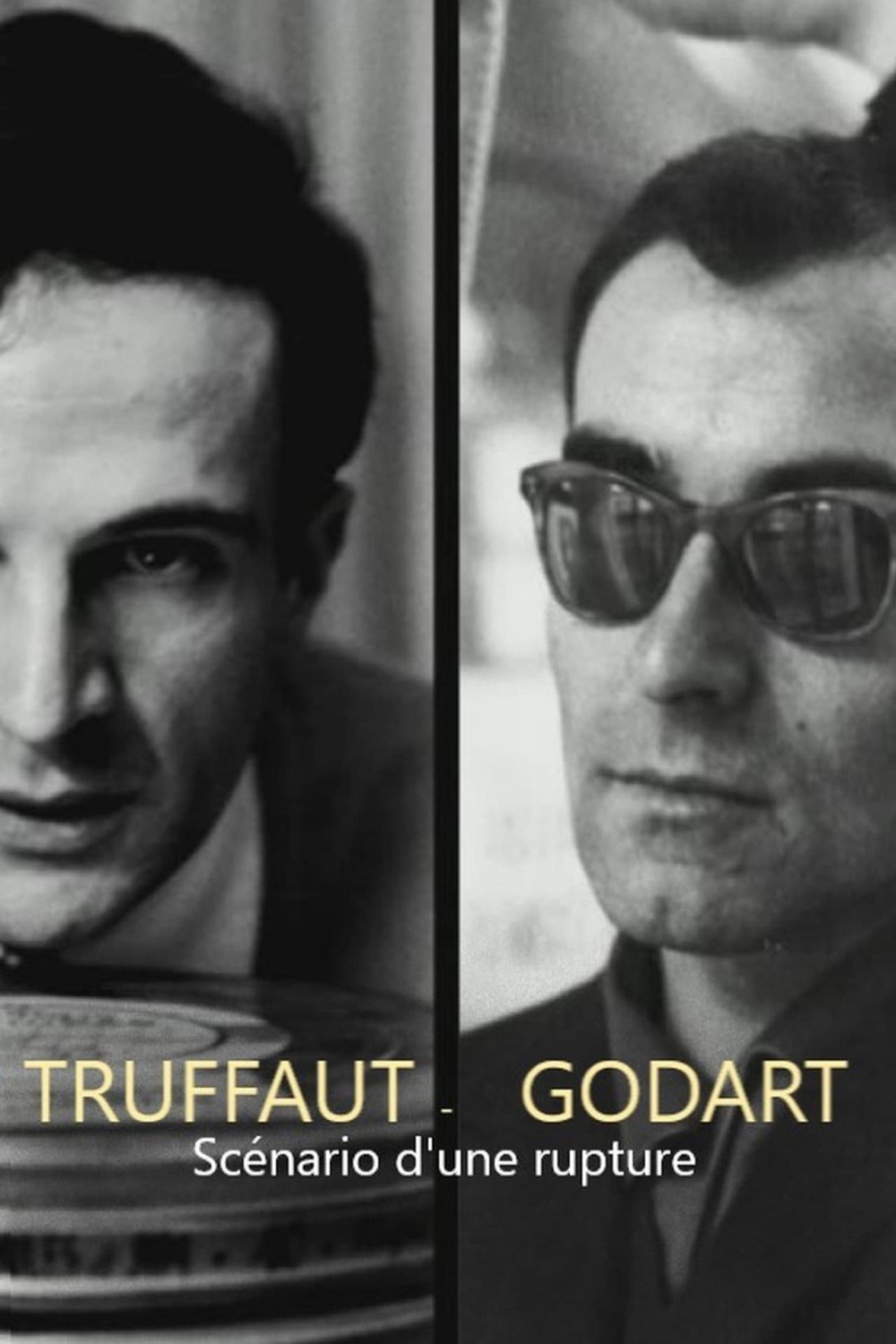
An inquiry into two of the most influencial French filmakers friendship and feud.
Truffaut / Godard, scénario d'une rupture
2016 · 4 votes
 Movie8.5Documentary
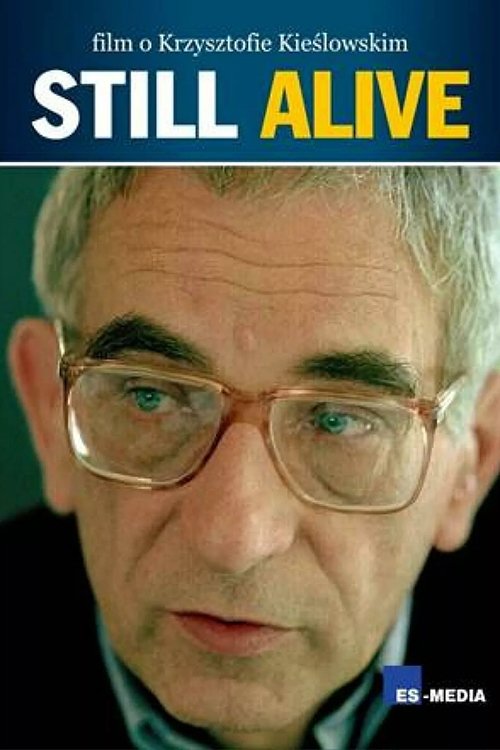
Maria Zmarz-Koczanowicz directed this insightful TV documentary (2005) tracing the Polish filmmaker's career. Former classmates reminisce about Kieslowski's happy beginnings at the Lodz film school and how his dissatisfaction with some of his early documentaries prompted the dramatic work and stylistic experimentation that led to his monumental series of films The Decalogue (1989). Wim Wenders, Agnieszka Holland, and Juliette Binoche are among the many admirers weighing in on his hard-driving work methods and preoccupation with the ephemeral. In Polish, French, and German with subtitles.
Still Alive: film o Krzysztofie Kieślowskim
Still Alive: A Film About Krzysztof Kieslowski
2006 · 3 votes
- Movie1.0Documentary
The film was inspired by one of the most important documentaries shot by Krzysztof Kieślowski, Talking Heads (1980). The director asked his interlocutors seemingly simple questions, such as “Who are you?” and “What do you want?”.
 Movie6.2DocumentaryHistory
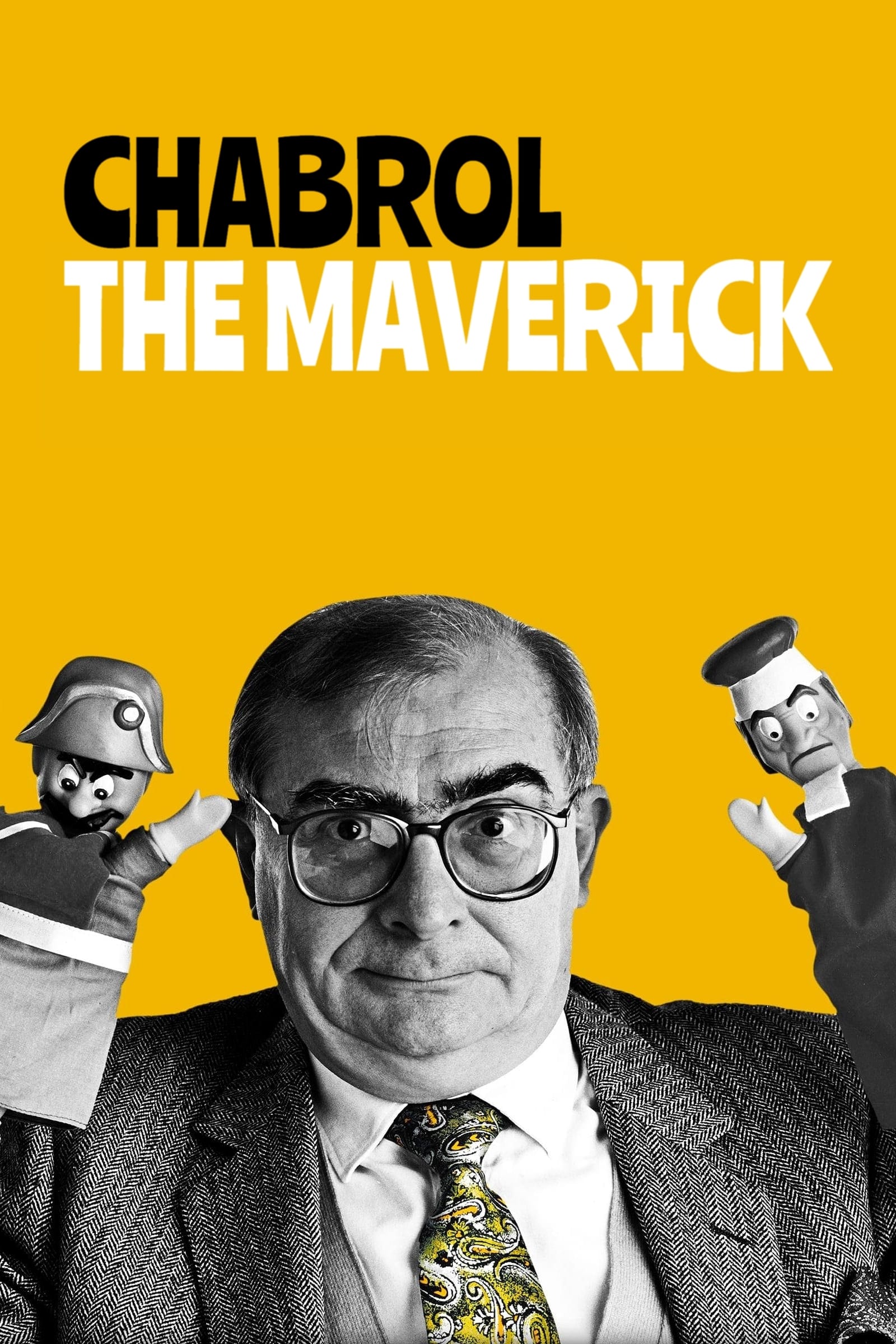
An account of the life and work of French filmmaker Claude Chabrol (1930-2010), a sybarite Buddha, a furtive anarchist, an insolent lover of life.
- MovieDocumentary
 Movie6.9Drama
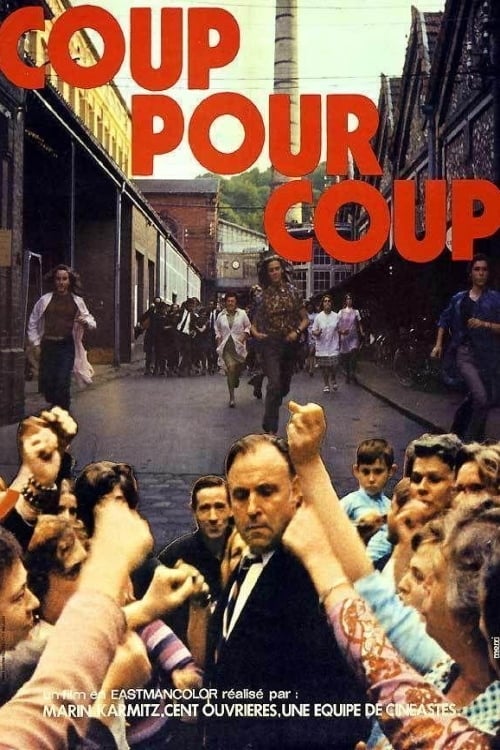
The film describes a strike in a French textile factory, when the striking workers occupy the factory.
 MovieDocumentary
Franck Landron follows photographer Antoine d'Agata wherever he goes, to the edges of the world, in a discreet presence, camera in hand. He has been doing hours and hours of rushes, patiently, without hurrying or rushing, he wants this film as fair, as honest, and as long as it takes: it lasted six years.
 Movie6.0Documentary
 Movie7.0Documentary
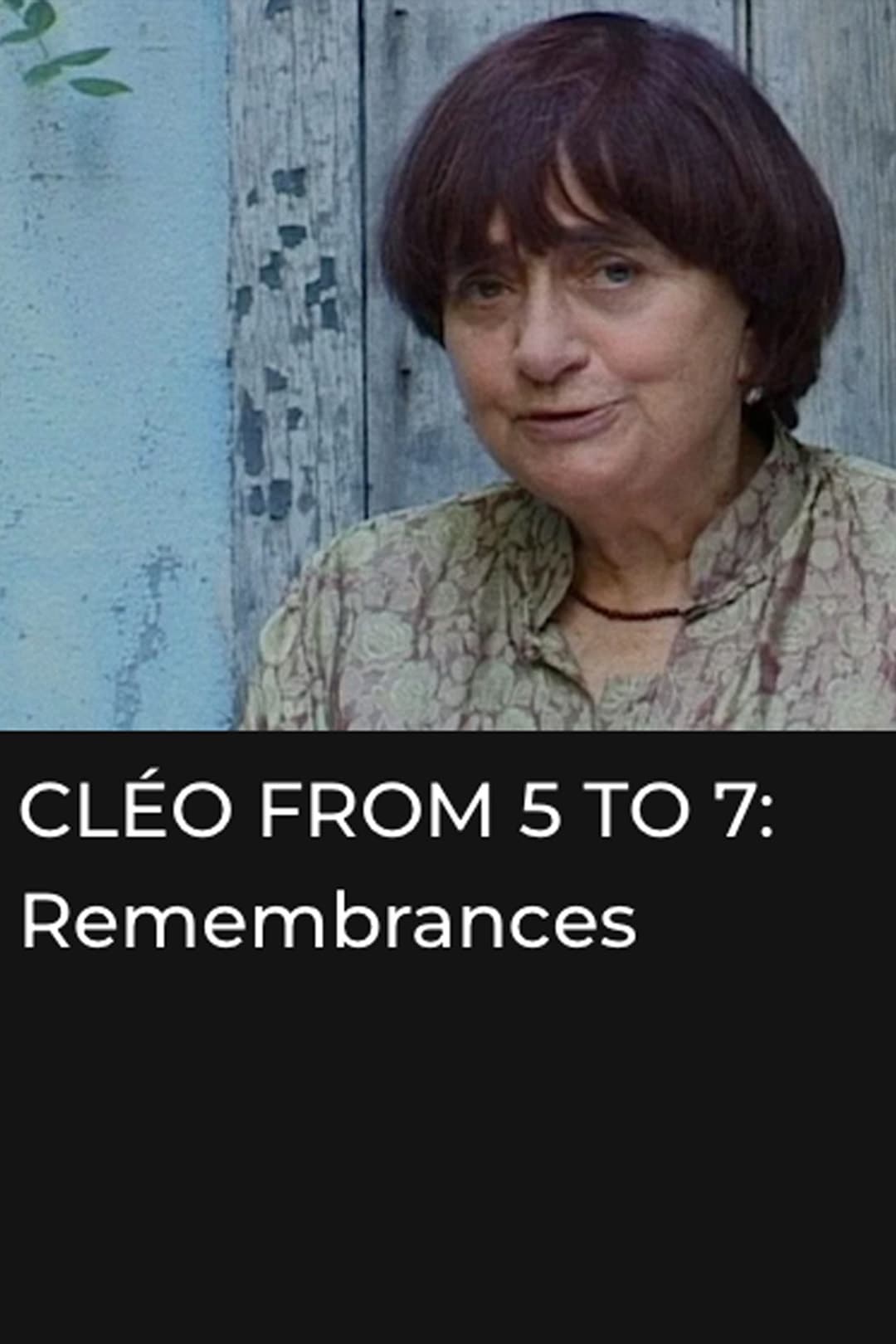
More than 40 years after making "Cléo de 5 à 7," Agnes Varda invites her star, two other cast members, and her assistant directors to look back. She takes us through the film, from opening scene to the end, visiting its Paris locales, placing her aged actors in the same spots, telling stories, and listening to others' reflections on the making of the film. She and they talk about making a film on a low budget, its showing at Cannes, and trying to fix a problem in the last shot. Her assistant directors discuss casting, costumes, sets, and the ways the film changed their approaches to filmmaking.
 MovieDocumentary
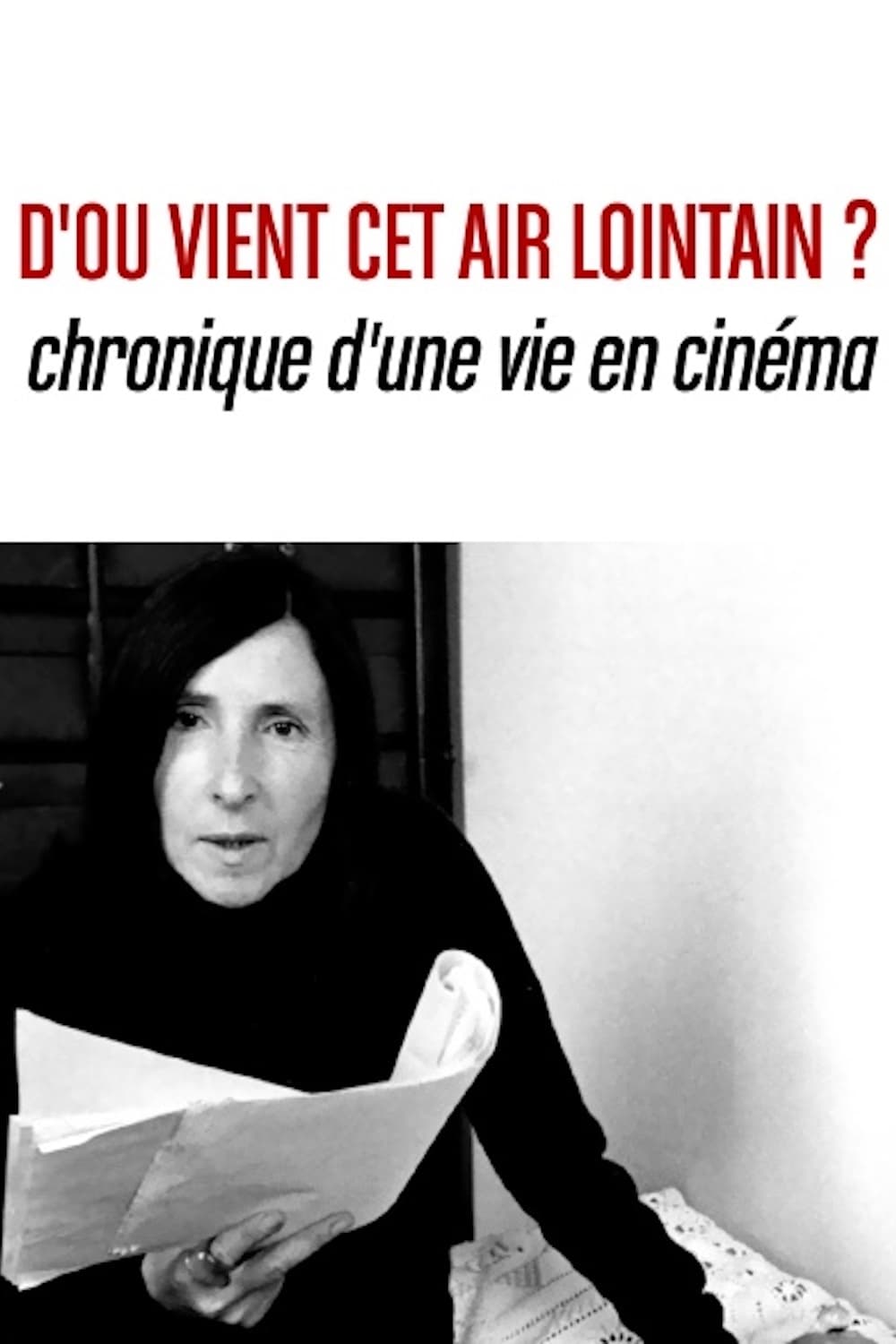
In the evening of her life, Yannick Bellon reflects on her past. She evokes her career as a film director, which began in the 1940s and the themes, sometimes controversial (rape, bisexuality, drugs, ecology) she chose to deal with. She also tells about her friendships, her loves, her leftist political commitment, which earned her many troubles with the censors.