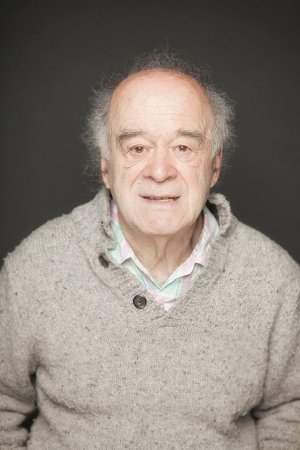
Tonino De Bernardi
Director · b. 1937 · Chivasso, Italy
Tonino De Bernardi (1937, Italy) made his first work at the end of the 1960s. His underground films were often projected in museums and art galleries. In his films, De Bernardi mixes life with his interest in literature, music and art. In 1987 he made his first official feature, Elettra, after Sophocles.
Movies7
 Movie7.6Documentary
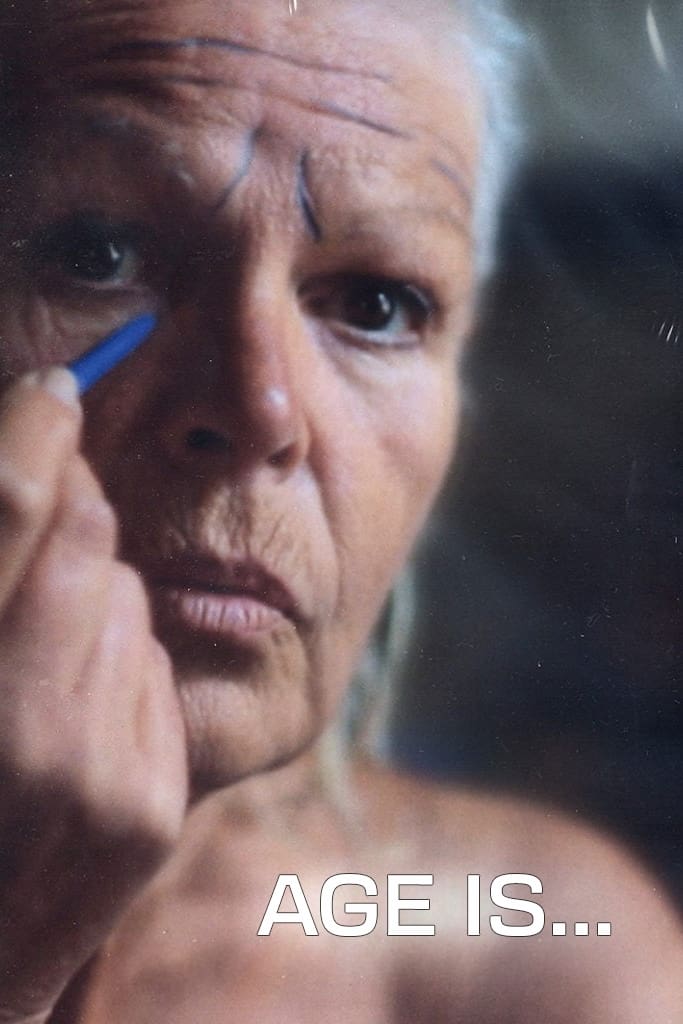
Stephen Dwoskin’s final film is a meditation on the subjective experience and cultural concepts of ageing. The film is an ode to the texture, the beauty, the singularity of aging faces and silhouettes, a hypnotic poem in the Dwoskin meaning of the term which is long observations of very tiny details. A gesture, a pause, a look, a moment. Throughout his films intimacy has always played a leading role and this is also true for Age is..., all the faces being close friends, or close friends relatives and sometimes even Stephen himself.
Age Is...
2012 · 5 votes
 Movie10.0
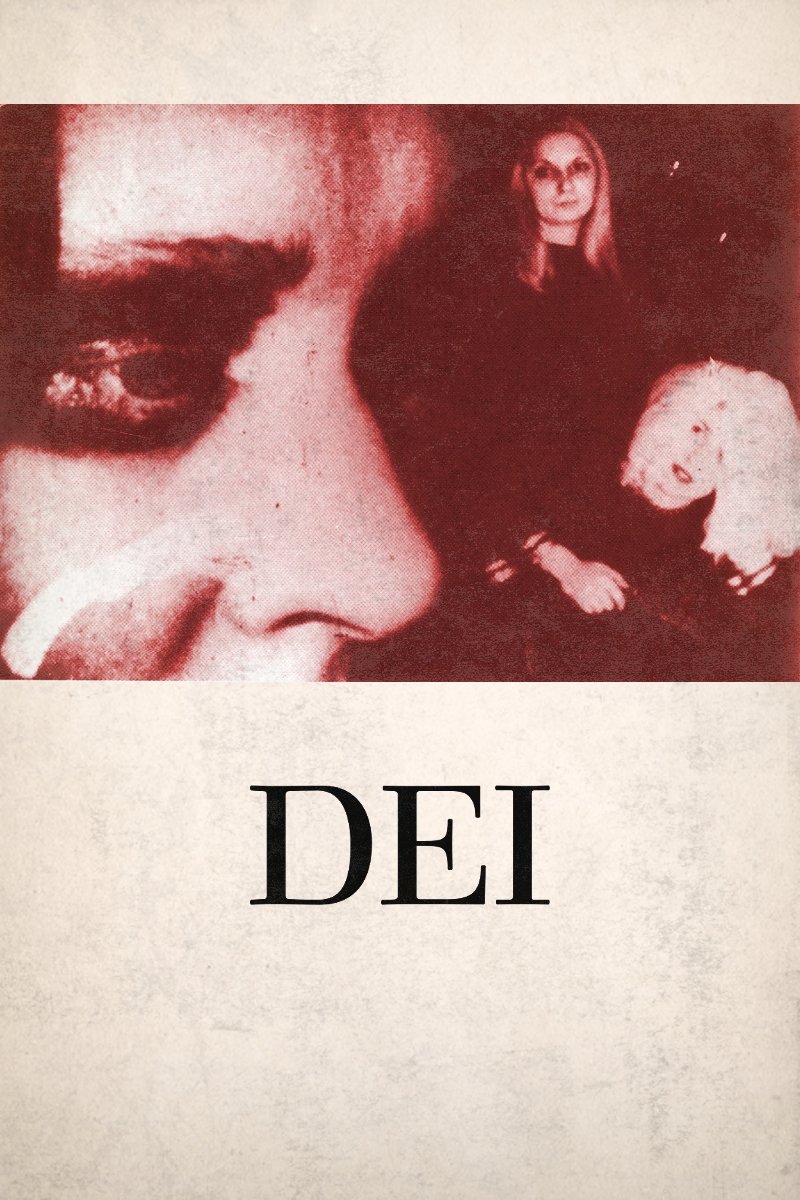
The construction of the film is very simple. Most of the time we see faces in close-up. Three pairs of faces, usually, on three different levels of superimpositions. At first, the faces are very theatrical, made-up. It's not clear whether they are men or women. They move only slightly. They are, indeed, godlike. As the film progresses, very unnoticeably, these faces begin to gain more life and masculine and feminine qualities. At the end of the film, after three hours, the faces are very real, and very human, and sexes and ages are very clearly defined: men, women, children.
Dei
1968 · 1 votes
 Movie4.9Documentary
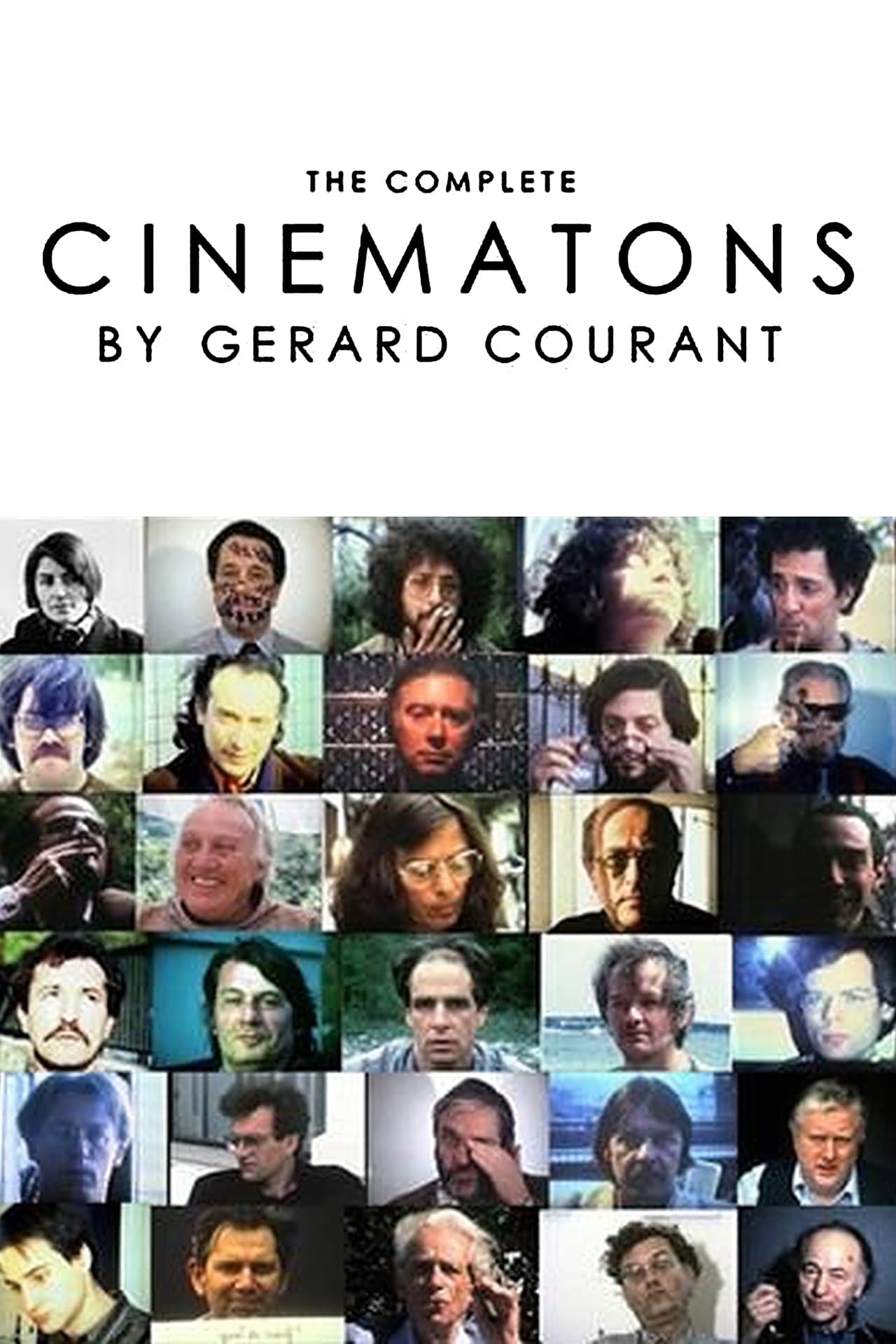
Cinématon is a 156-hour long experimental film by French director Gérard Courant. It was the longest film ever released until 2011. Composed over 36 years from 1978 until 2006, it consists of a series of over 2,821 silent vignettes (cinématons), each 3 minutes and 25 seconds long, of various celebrities, artists, journalists and friends of the director, each doing whatever they want for the allotted time. Subjects of the film include directors Barbet Schroeder, Nagisa Oshima, Volker Schlöndorff, Ken Loach, Benjamin Cuq, Youssef Chahine, Wim Wenders, Joseph Losey, Jean-Luc Godard, Samuel Fuller and Terry Gilliam, chess grandmaster Joël Lautier, and actors Roberto Benigni, Stéphane Audran, Julie Delpy and Lesley Chatterley. Gilliam is featured eating a 100-franc note, while Fuller smokes a cigar. Courant's favourite subject was a 7-month-old baby. The film was screened in its then-entirety in Avignon in November 2009 and was screened in Redondo Beach, CA on April 9, 2010.
Cinématon
1978 · 7 votes
 Movie10.0Documentary
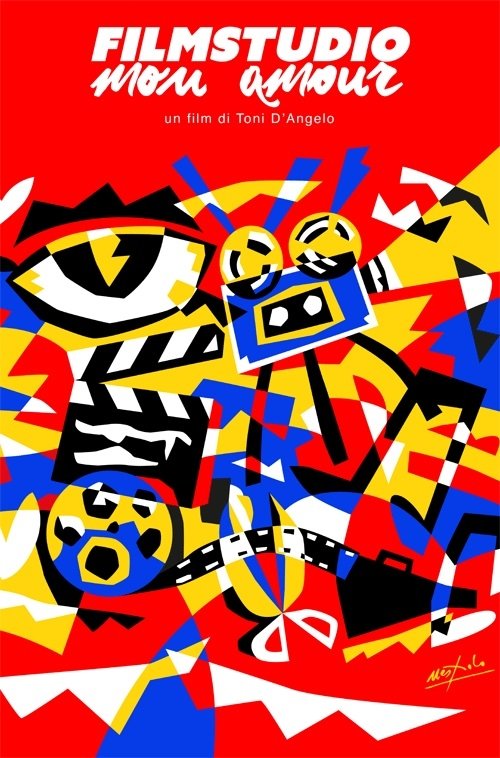
Filmstudio, mon amour
2015 · 2 votes
 Movie8.0Drama
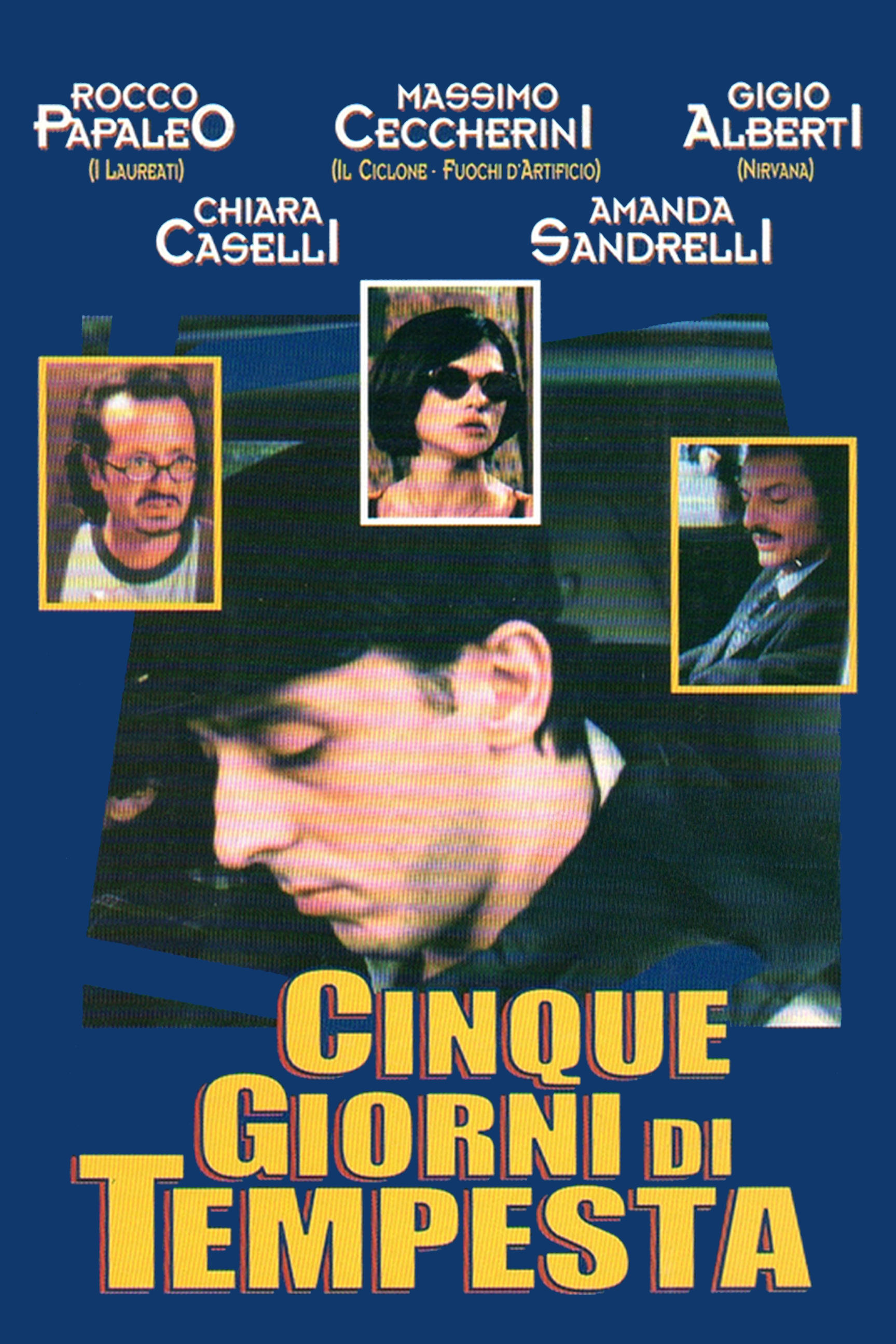
Giovanni, a young boy who left Sicily for Bolzano to perform his military service , arrives five days early and is forced to stay outside the barracks before the official day of the call-up. Between surreal encounters and situations of all kinds, Giovanni is the protagonist of various events and movements from various cities and countries; however, once he returns to Bolzano, the boy decides not to show up for the call and flees to Australia where his cousin Vince lives and works.
Cinque Giorni Di Tempesta
1997 · 1 votes
 Movie4.7Documentary
A whole summer long, Portuguese filmmaker Teresa Villaverde stayed with Italian cult director Tonino De Bernardi, who was working on projects including a film version of Sophocles’ Electra starring only local villagers. She sits at the table with the family in their garden, on the back seat of the car on the way home in the evening or listens to the stories told by the woman De Bernardi buys cheese and eggs from.
 MovieDocumentary
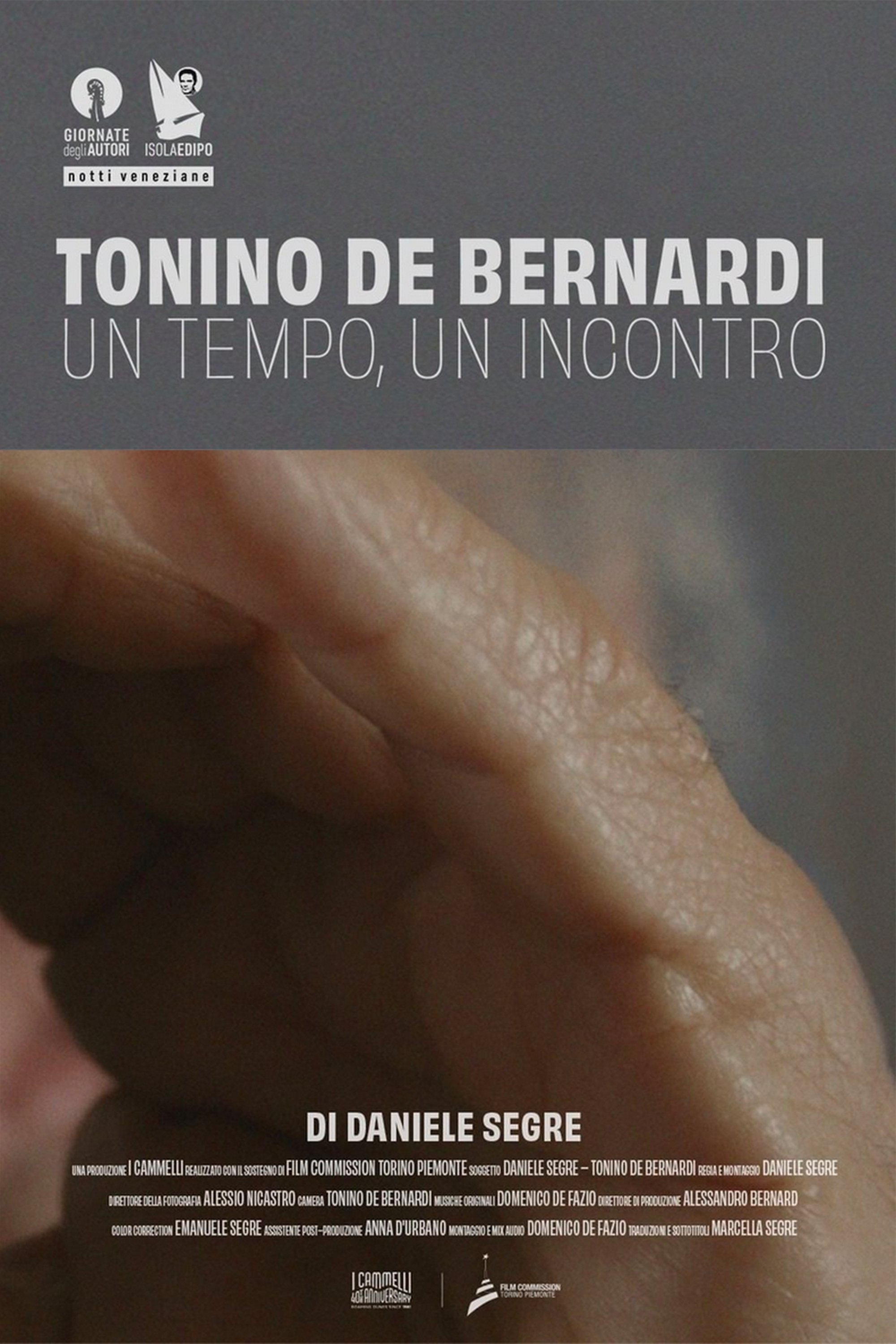
"Tonino De Bernardi - Un tempo, un incontro" is a film about the duel between two friends who are very different from one another. Two different approaches, two characters, two views that only seem antithetical meet and then open up in front of a camera. Or, more precisely, in front of the cameras. On the one hand, the eye of Daniele Segre. On the other hand, Tonino's, which almost taints the film's aesthetics. The film's development conveys a sense of immediacy, which is a fundamental principle for both directors. Daniele films Tonino and Tonino films Daniele, and this takes place in a play of associations, and in the space of an encounter. The two directors have seized this opportunity to swap views and experiences.