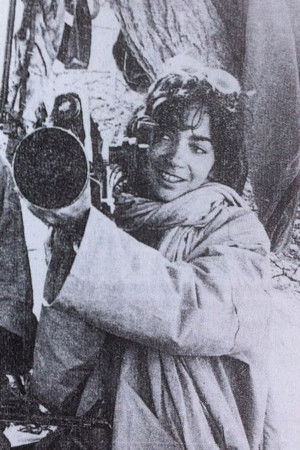
Jocelyne Saab
Director · 1948 – 2019 · Beirut, Lebanon
Jocelyne Saab was a filmmaker and a photographer. She was born in 1948 and grew up in Beirut. In 1973, she became a war reporter in the Middle-East, covering the war of October for Magazine 52, the third television channel in France. In 1975 she directed her first feature film, a documentary released in Parisian cinemas: Lebanon in Turmoil, distributed by Pascale Dauman. She will then cover the Lebanese war for fifteen years, during which she directs almost thirty films, including Beirut, never again, broadcasted on France 2 in 1976, Letter from Beirut and Beirut, my city, broadcasted on France 3 between 1978 and 1982. In 1977 both Egypt, City of the Dead and The Sahara is not up for sale and were shot and released in Parisian cinemas. In 1981, she shots Iran, Utopia in the making on the days following the Iranian revolution, which received several international prizes. In 1998, she went to Vietnam and directed a documentary called The Lady of Saigon, which is awarded best French documentary by the French senate. It’s broadcasted on France 2, and in many international festivals.
Movies6
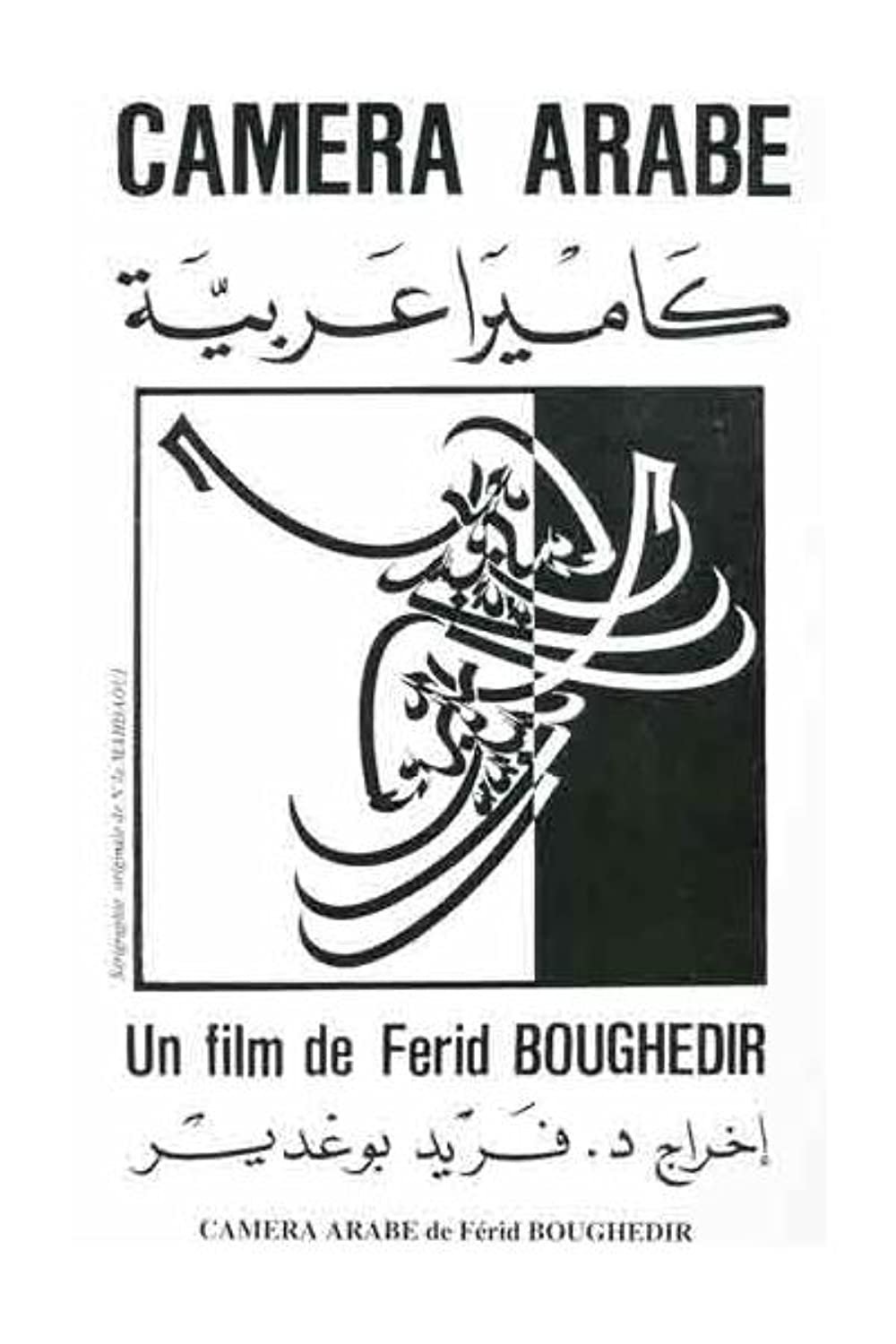 Movie6.0Documentary
Focusing on key Arab films produced in the last 20 years. Férid Boughedir traces the development of the film-makers' concern to produce more socially aware cinema. Themes include the issue of Palestinian homeland rights and the nature of Arab identity. The film-makers also share a desire to develop a strong poetic tradition.
 Movie10.0Documentary
Jocelyne Saab toured the city of Beirut devastated by Israeli bombings. She assesses the number of victims and the extent of the destruction.
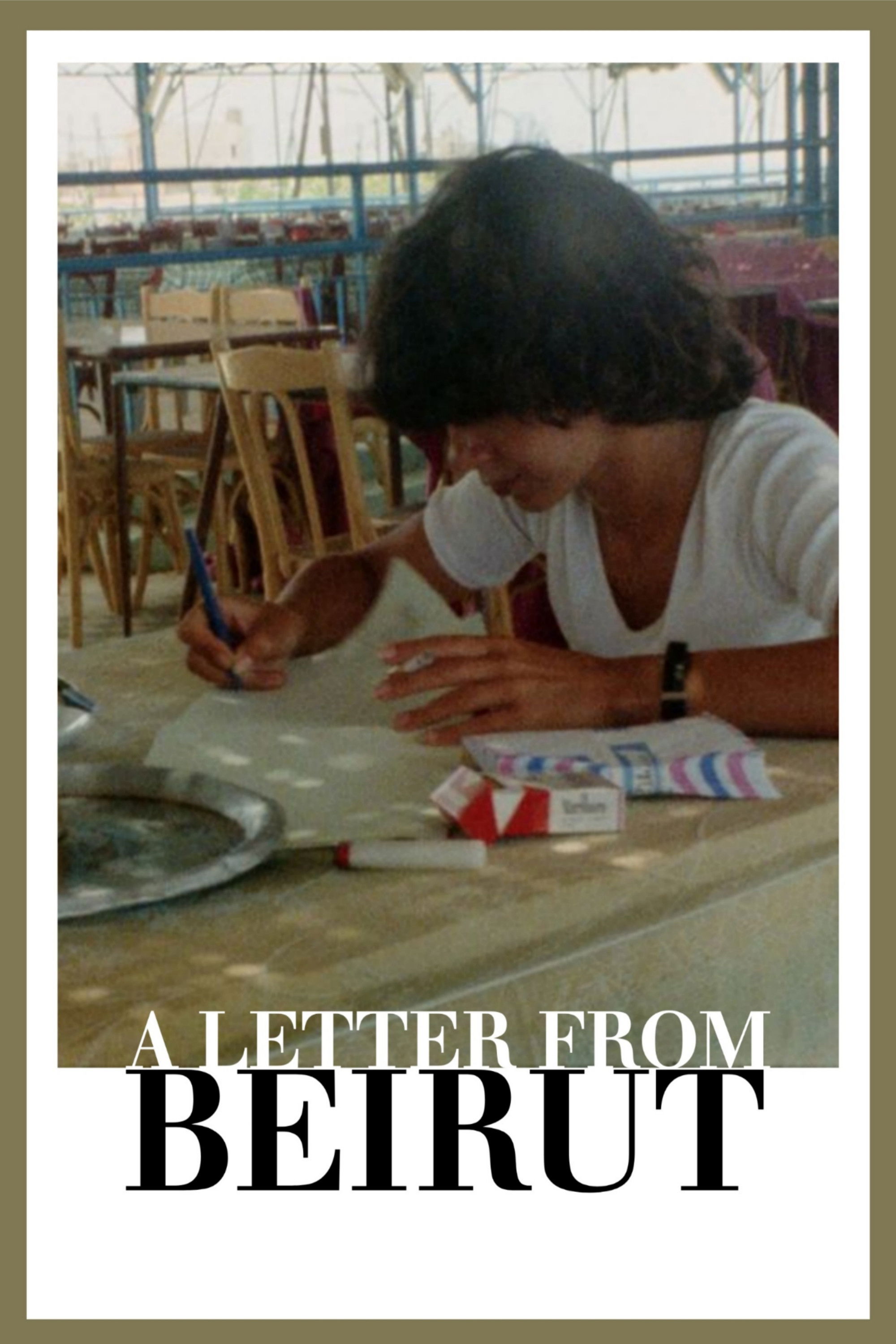 Movie6.8Documentary
Letter from Beirut documents the filmmaker's return to Beirut during one of the lulls, three years after the outbreak of the civil war, animated by the urge to return. She is confronted by the physical, emotional and psychological ravages of the war, terrified and sorrowful, she cannot find her place in the city. In that quest, she communicates with everyday people, friends, neighbors, people riding the bus across the city's eastern and western flanks. To pace her journeying and dramatic unraveling of the film, Saab borrows the guise of a letter read in a voice-over, written by world-renowned poet Etel Adnan. A rare document from the civil war, Letter from Beirut lays bare and spontaneously how people make sense of their everyday in the midst of chaos, violence, terror and sorrow.
 Movie6.9Documentary
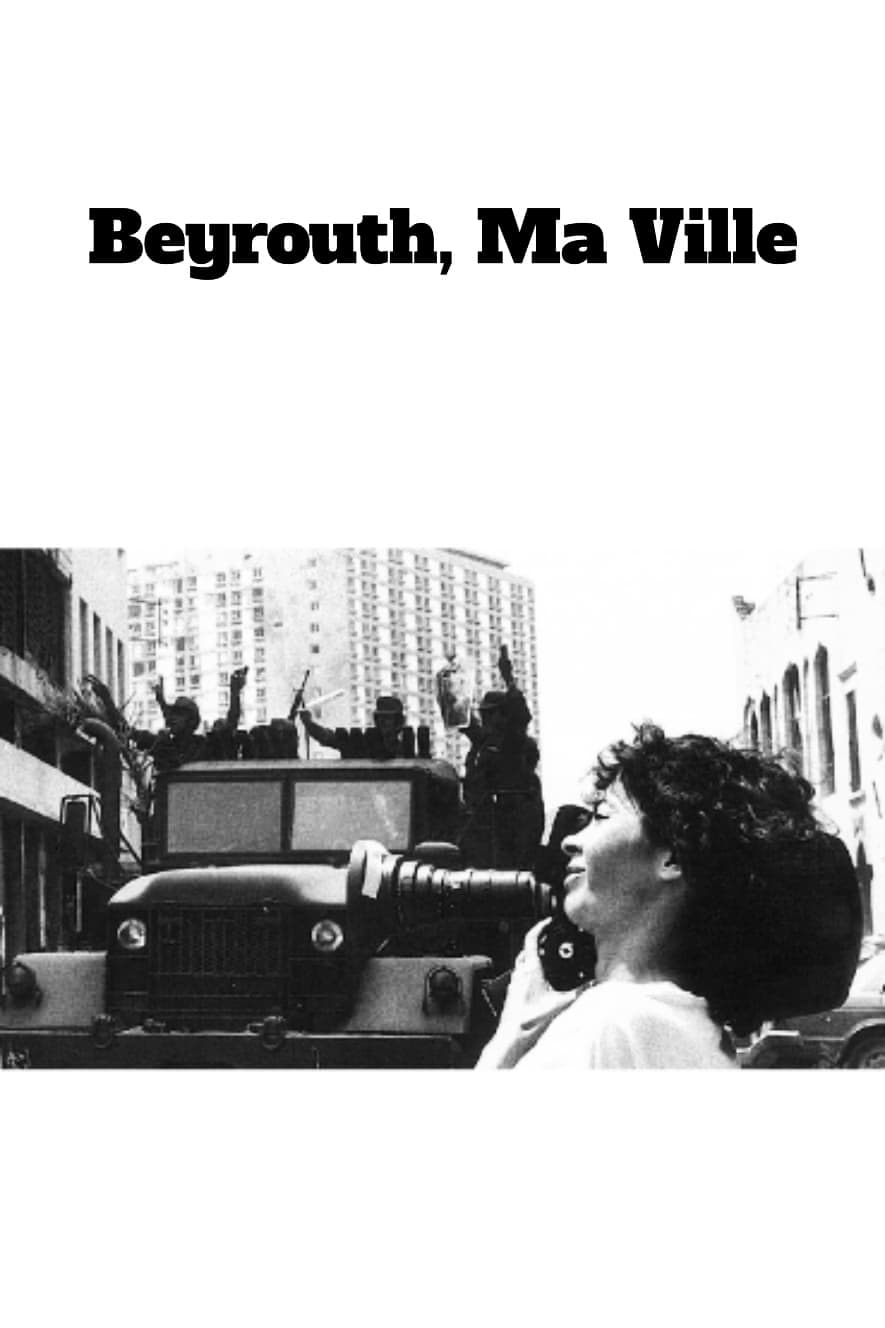
In July 1982, the Israeli army besieged Beirut. Four days earlier, Jocelyne Saab sees her house burn and 150 years of family existence go up in smoke. She then takes refuge in questioning: when did this all begin? How did the Beirut people live the siege? Each place will then become a story and each name a memory.
 Movie6.0Documentary
A few months after the incident of April 13, 1975, during which Palestinian civilians were machine-gunned by Phalangist militiamen, the toll is most tragic: six thousand dead, twenty thousand wounded, incessant kidnappings, a semi-destroyed capital. This film traces the origins of the Lebanese conflict, the perception of a society that goes to war while singing. A unique document on the Lebanese civil war. Beyond the religious war, the painting of a social and political reality that has not changed much, more than four decades later.
 Movie6.8Documentary
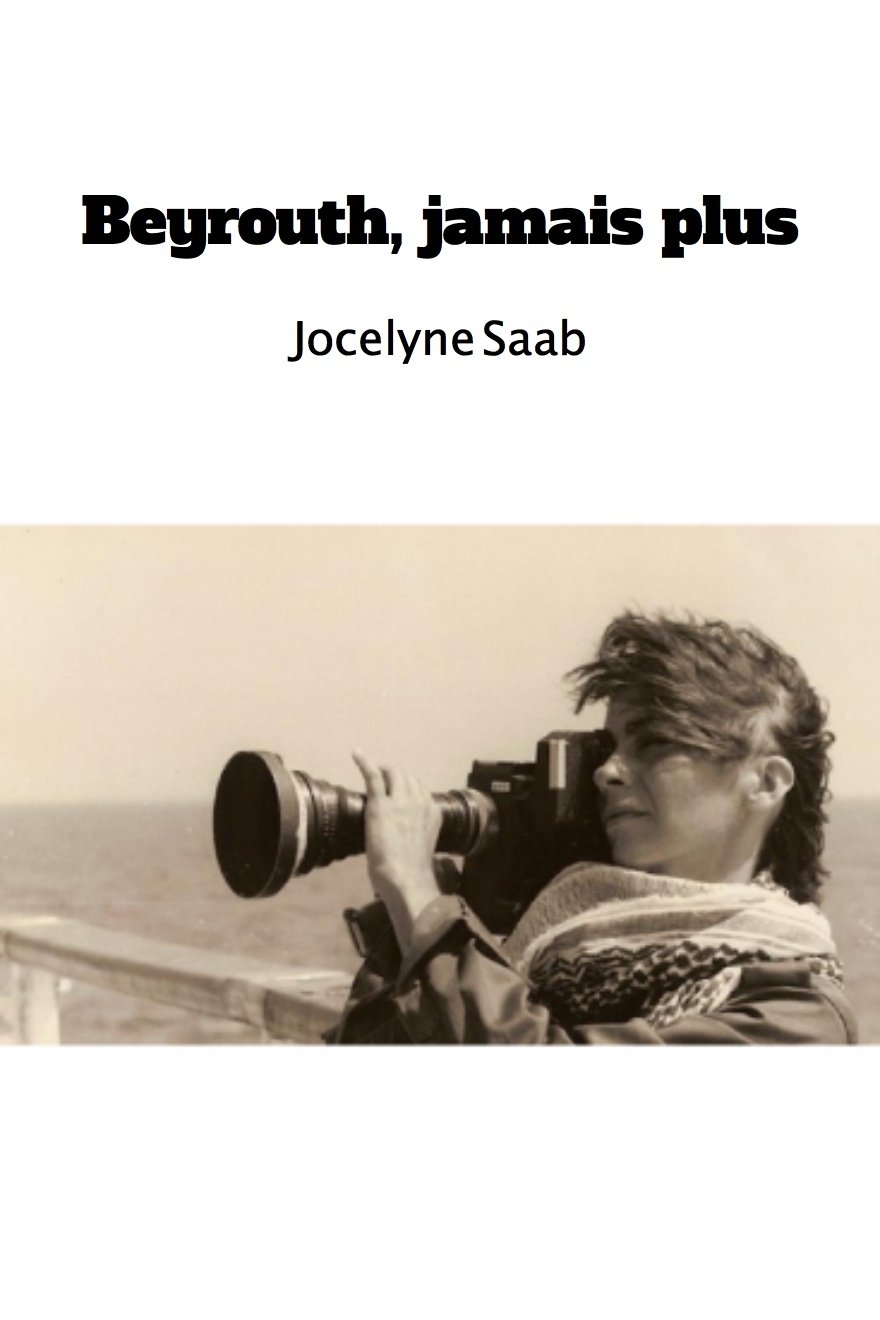
1976 marks the beginning of Beirut’s calvary. With a child’s eyes the filmmaker follows for six months the daily destruction of the city’s walls. Every morning, between 6 and 10am she roams around Beirut while the militia from both sides rest from their night of fighting.