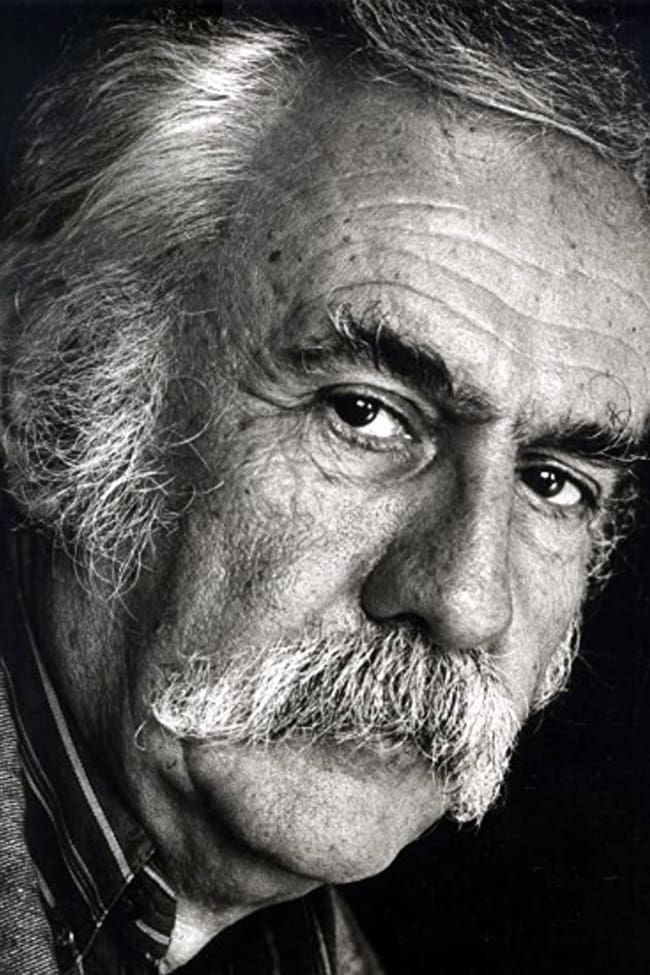
Živojin Pavlović
Director · 1933 – 1998 · Šabac, Serbia, Yugoslavia
Živojin "Žika" Pavlović (15 April 1933 – 29 November 1998) was a Yugoslav and Serbian film director, writer, painter and professor. In his films and novels, Pavlović depicted the cruel reality of small, poor and abandoned people living in the corners of society. He was one of the major figures of the Black Wave in Yugoslav cinema in the 1960s, a movement which portrayed the darker side of life rather than the shiny facades of communist Yugoslavia. Pavlović was born in Šabac in 1933. When he was 19, he started writing about film and art for Belgrade newspapers. He graduated in painting at the Academy of Applied Arts, University of Belgrade, and directed his first professional film, Žive Vode (Living Water) in 1961. The film received a special jury award at the Pula Film Festival. He died in Belgrade. Pavlović received numerous awards, including the Andrić Prize, two NIN Prizes for his novels, Isidora Sekulić Award, one Silver Bear of the Berlin International Film Festival and several Golden Arenas of the Yugoslavia's most prestigious Pula Film Festival.
Movies5
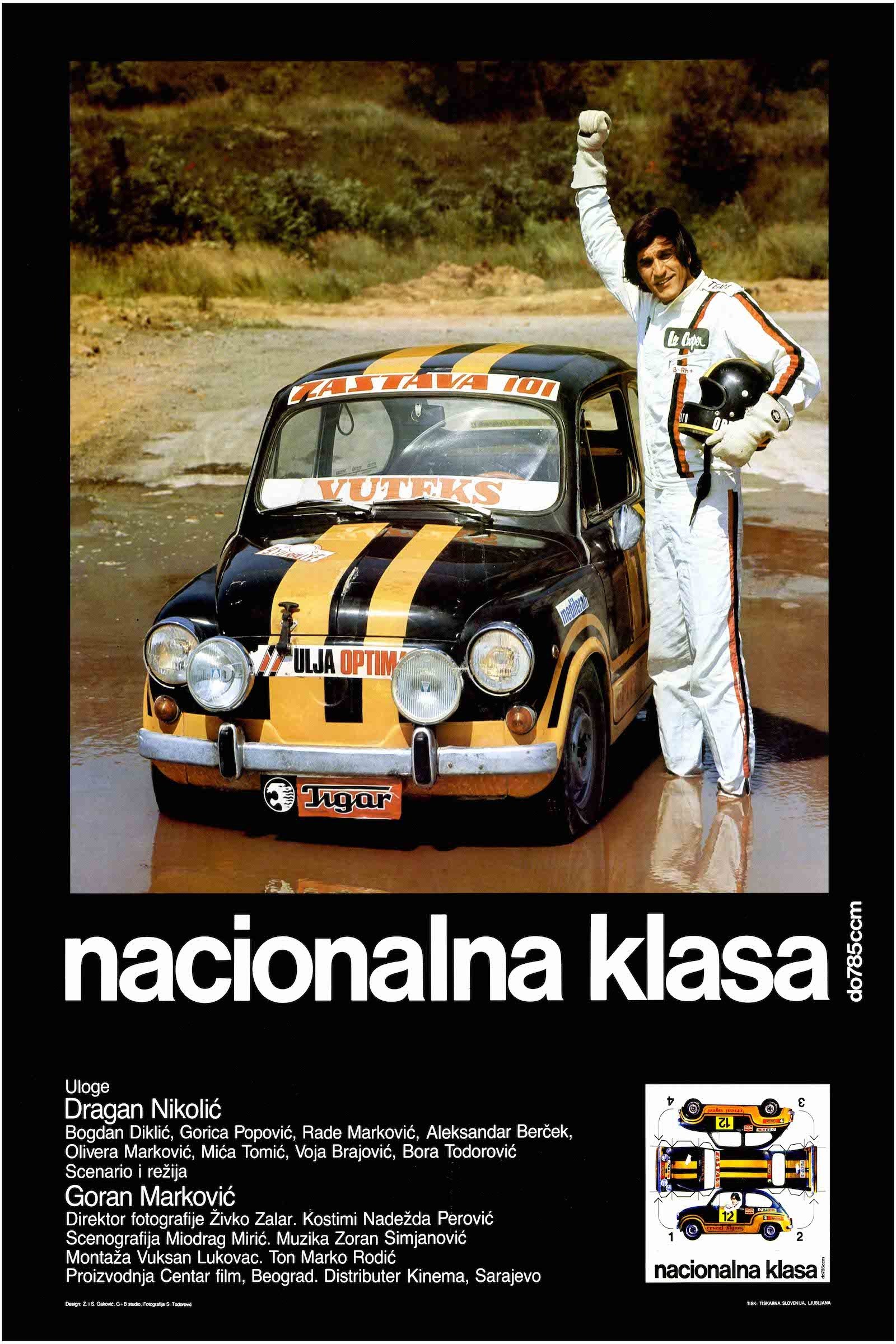 Movie6.6ComedyDrama
One week in life of Branimir Mitrovic "Floyd", a young rally driver from the National class (up to 785cc), dreaming of promotion to the higher category. He lives a carefree life of a Belgrade dandy boy, neglecting his girlfriend, avoiding his draft calls, and refusing to deal with any life responsibility in general. The decisive race on Saturday is only what he cares about.
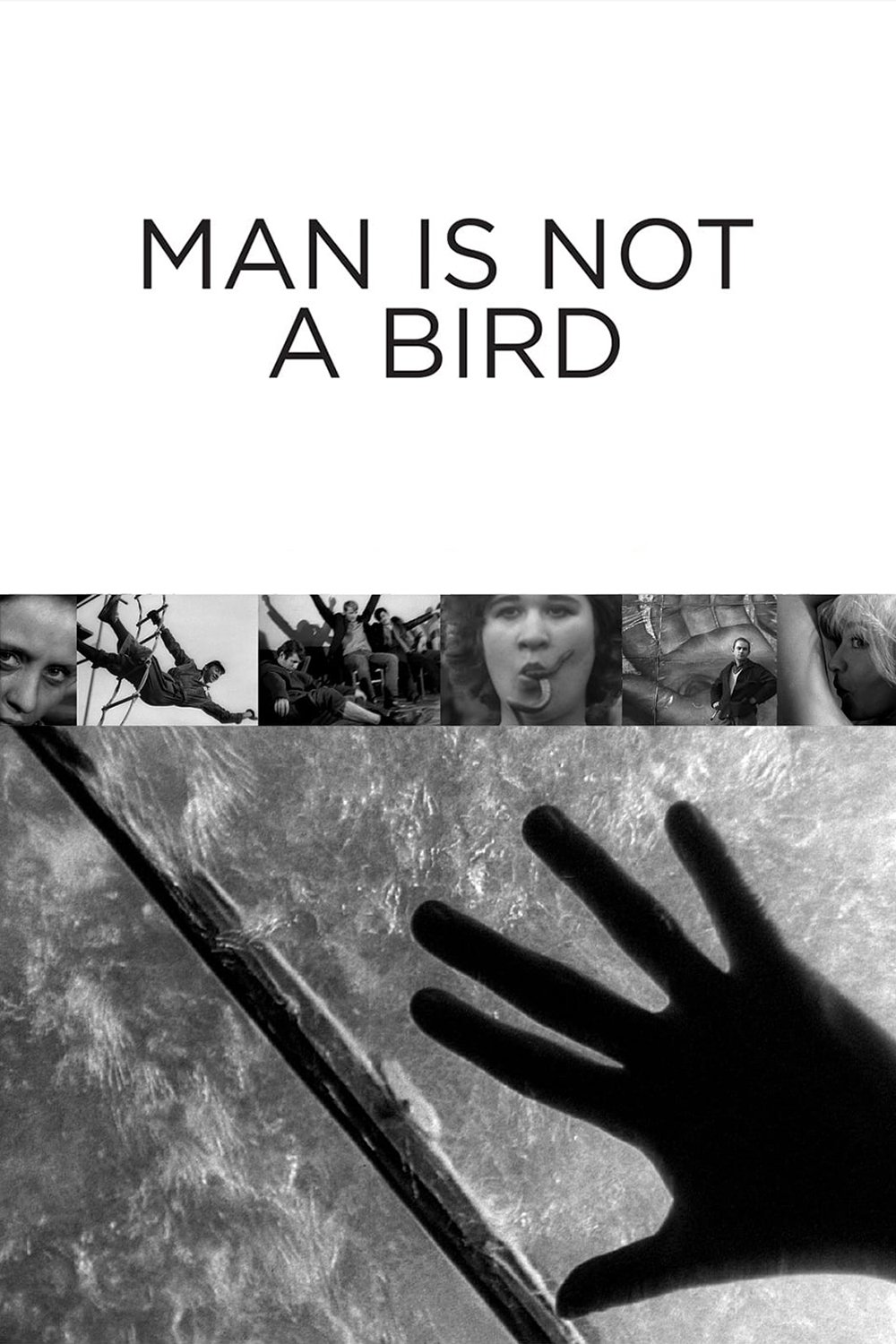 Movie6.1DramaRomance
A Serbian engineer falls for a younger woman, but he is inept at courtship.
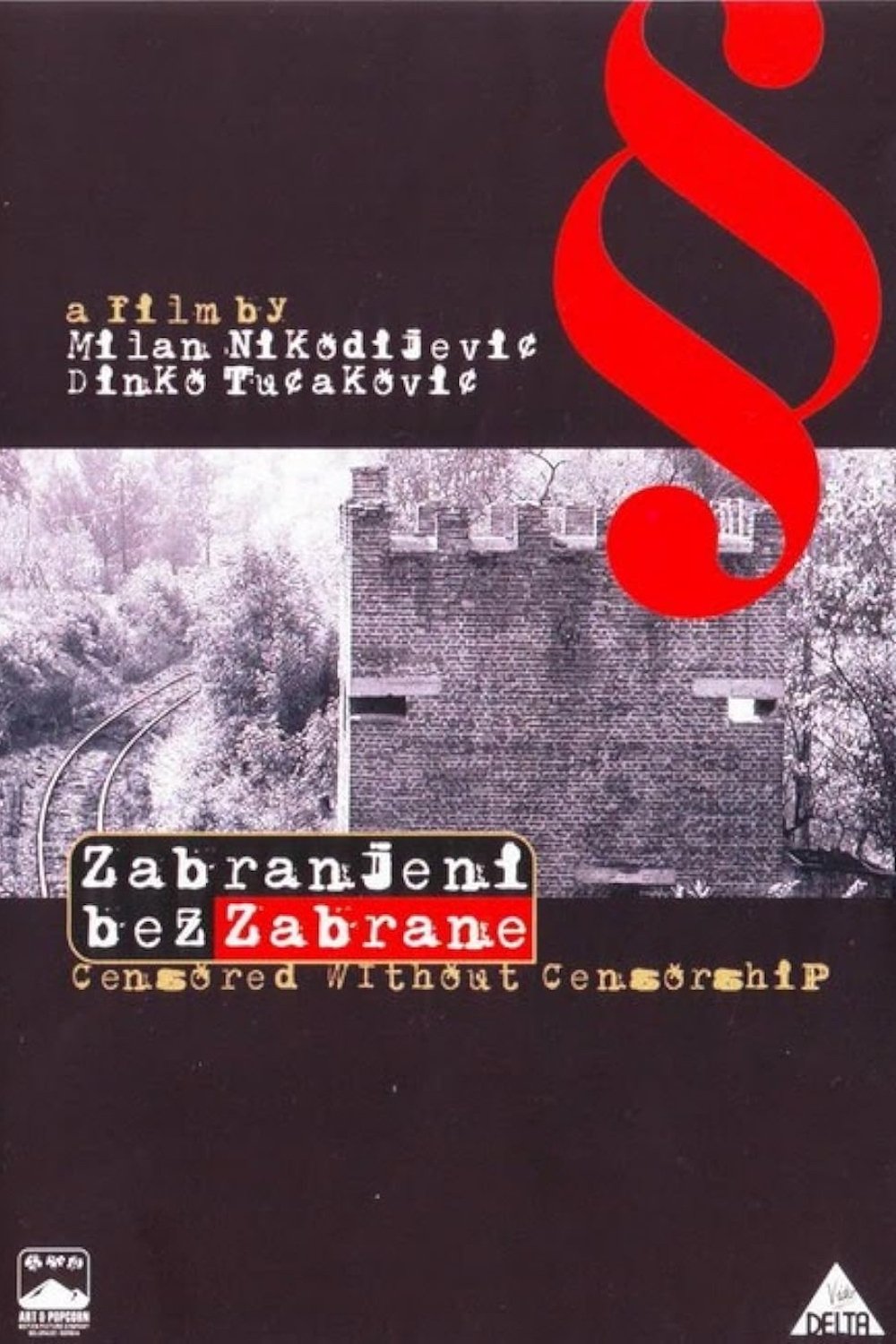 Movie7.2Documentary
Through the conversation with Yugoslav film authors and excerpts from their films, this documentary film tells a story of a film phenomenon and censorship, and its focus is, in fact, a painful epoch of Yugoslav film called “a Black Wave”, which was the most important and artistically strongest period of Yugoslav film industry, created in the sixties and buried in the early seventies by means of ideological and political decisions. The film tells a great “thriller” story of the ideological madness which characterised the totalitarian psychology having left multiple consequences felt up to our very days. It stresses similarities between totalitarian regimes defending their taboos on the example of the persecution of the most important Yugoslav film authors. Those film authors have, however, made world careers and inspired many later authors. The film is the beginning of a debt pay-off to the most significant Yugoslav film authors.
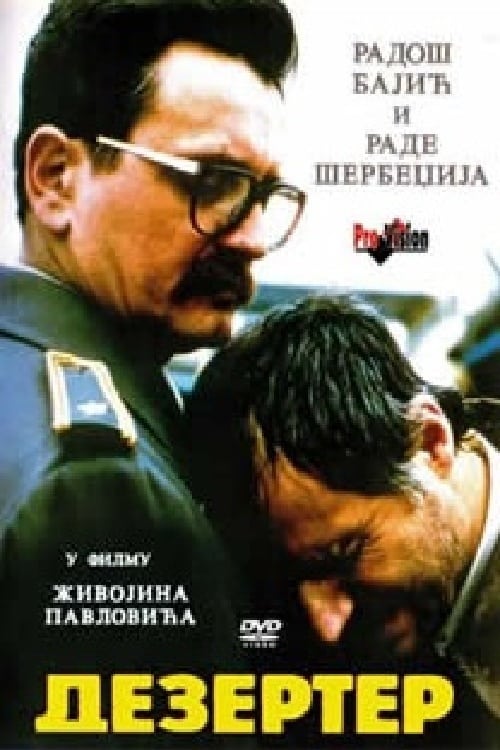 Movie4.8WarDrama
During the Yugoslav break-up, Federal Army officer is fed up with war and takes some leave in Belgrade. However, it turns out that he is less haunted by war horrors than with some sentimental skeletons in the closet. He meets his former comrade and best friend who is AWOL, but can't report him because he had an affair with his wife.
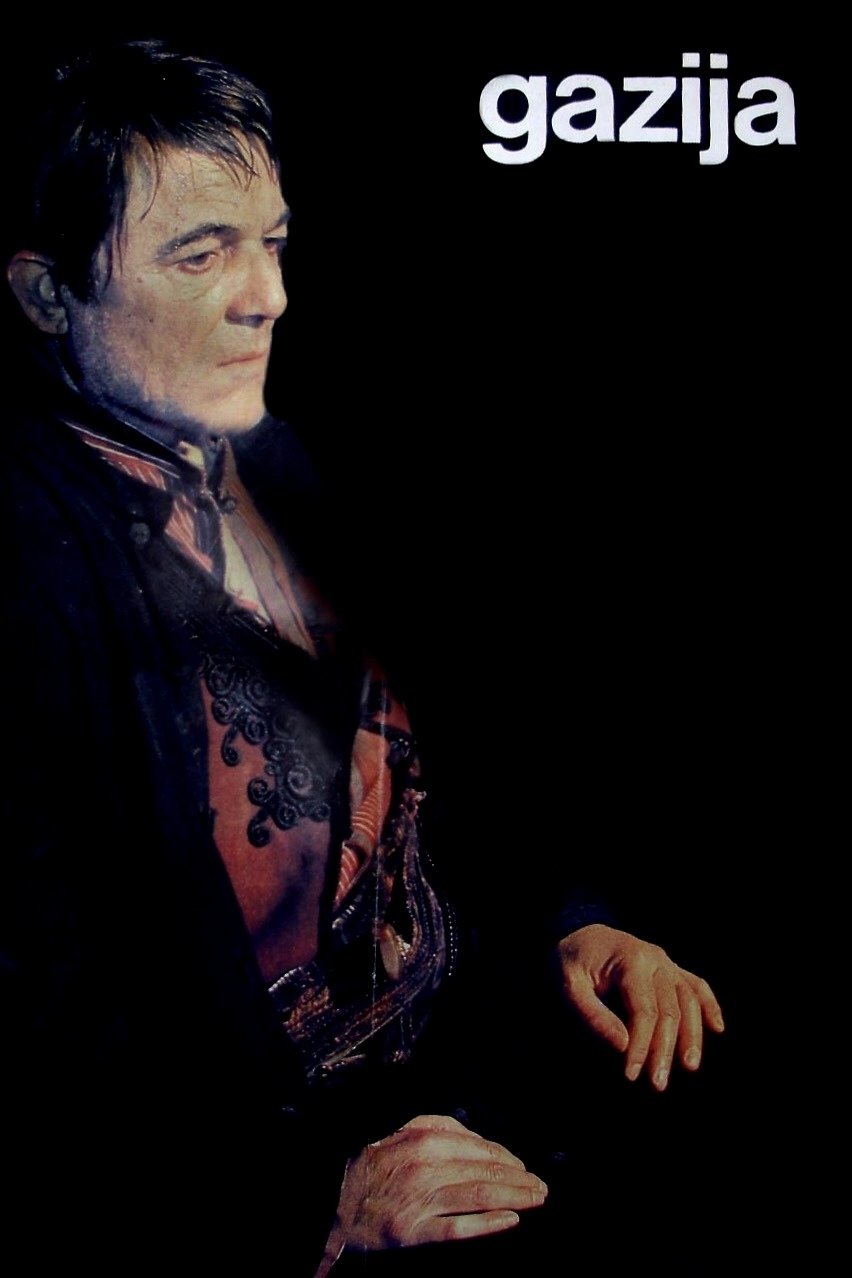 Movie5.4Drama
Gazija are military men who patrol the boundaries of the Ottoman Empire in mid-18th century. One such man has trouble reconciling times of peace with his Gazija standing.
Gazija
1981 · 5 votes